
2027 Best Nursing Degree Programs Ranking in Pensacola

Co-Founder and Chief Data Scientist
Choosing the right nursing degree program in Pensacola can shape your future career and personal growth. Our 2027 Best Nursing Degree Programs Ranking in Pensacola offers a clear guide created by the Research.com team of data scientists to help you make an informed decision.
By exploring this ranking, you'll discover quality programs worth considering, tailored to your goals. Pursuing a nursing degree is a rewarding path with opportunities to impact lives positively. This article encourages you to take the next step with confidence and clarity.
Key benefits of getting nursing degree in Pensacola
- Salary for nursing degree graduates: Nursing graduates in Pensacola can earn competitive salaries, with roles like Registered Nurses and Public Health Nurses earning around $94,480 annually, while Operating Room Nurses can make up to $128,490 per year.
- Career paths: A nursing graduate from the University of West Florida in Pensacola can explore various fulfilling career options such as clinical nursing, public health, or emergency room roles that offer both growth and meaningful patient care.
- Online nursing degrees: Earning a nursing degree online from a Pensacola school provides flexibility and convenience, allowing students to balance studies with work or family, often accelerating their path to rewarding nursing careers.
- 2027 Best Nursing Degree Programs Ranking in Pensacola
- What can I expect from nursing degree in Pensacola?
- Where can I work with nursing degree in Pensacola?
What can I expect from nursing degree in Pensacola?
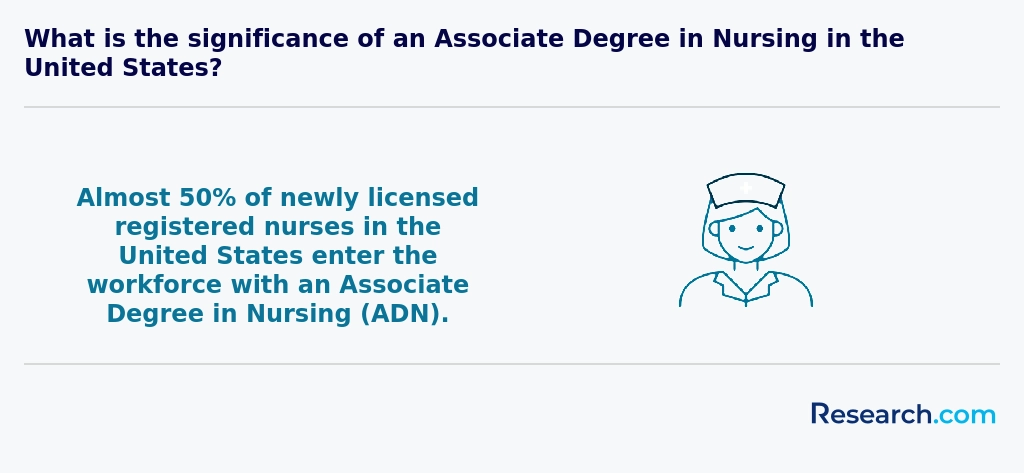
Students pursuing nursing degrees in Pensacola can expect an investment that balances quality education with reasonable costs. For example, community college graduates from Pensacola State College found that the average cost for completing an Associate Degree in Nursing (ADN) typically ranges between $7,000 and $12,000. This affordability allows many to focus on their passion for patient care without the heavy burden of excessive debt.
At the University of West Florida, where students pursue a Bachelor of Science in Nursing (BSN), the total cost is naturally higher but still competitive, often between $20,000 and $35,000 for the entire four-year program. These students cherish the comprehensive training they receive, from rigorous coursework to enriching clinical rotations, which pave the way to rewarding nursing careers.
Graduates often share the joy of learning hands-on in local hospitals like West Florida Hospital, where theory meets practice every day. This priceless experience, combined with strong community support and achievable costs, inspires many to confidently take the NCLEX-RN and launch successful nursing careers right here in Pensacola.
Where can I work with nursing degree in Pensacola?
Graduates from nursing programs at popular institutions like Pensacola State College find themselves welcomed by a thriving healthcare community eager for skilled professionals. These nurses quickly secure positions within expansive hospital systems such as Baptist Health Care and Ascension Sacred Heart, where they provide compassionate care in fast-paced emergency rooms or specialized nursing units. The energy of working alongside seasoned nurses inspires many new graduates to develop confidence and excel in their roles.
Others embrace opportunities in long-term care facilities like Magnolia Manor, where they build meaningful relationships with elderly patients, making a real difference in their daily lives. Community health organizations in Escambia County also attract nursing degree holders by offering rewarding roles focused on preventive care and health education-vital services that strengthen public wellness.
Graduates often express joy in knowing their work supports Pensacola's growing population, responding to rising healthcare needs with skill and heart. With close ties to local healthcare systems, nursing students in Pensacola embark on careers filled with purpose, growth, and endless possibilities.
Graduates from nursing programs in Pensacola, such as those at the University of West Florida, are stepping into careers with promising salaries and rewarding opportunities. Entry-level positions often start around a mean annual wage of $94,480 for roles like registered nurses, public health nurses, and emergency room nurses, offering a strong financial foundation early in your career.
Many local graduates share that their hands-on clinical experiences helped them confidently transition into these well-paying roles, blending passion with financial stability. For those aiming higher, advanced specialties like operating room nurses earn a notably impressive mean annual wage of $128,490, showcasing the potential for growth as you gain experience and certifications.
Working in Pensacola's healthcare facilities means joining a community that values skilled nursing, with wages that reflect the dedication and expertise you bring. Whether at bustling hospitals or specialized clinics, your nursing degree opens doors to both personal fulfillment and a prosperous career path in this vibrant city.
- Pensacola offers accredited BSN programs, mainly at the University of West Florida, recognized by the CCNE.
- Annual tuition for in-state public university BSN programs ranges from $6,000 to $15,000, while private schools may charge over $20,000.
- Starting salaries for new registered nurses in Pensacola are between $55,000 and $60,000 per year.
- With experience, RN salaries increase to about $70,000 to $75,000 annually, which is competitive within Florida.
- Licensure requires passing the NCLEX-RN exam, and local programs prepare students for this requirement.
- Clinical training partnerships with local hospitals provide essential hands-on experience during nursing education.
Completing a nursing degree in Pensacola is an exciting journey filled with growth and opportunity. Most students at Pensacola State College find themselves earning an Associate Degree in Nursing in just about two years, a perfect step to quickly start a rewarding career as a registered nurse. Graduates often share how the hands-on clinical experiences made their learning feel real and meaningful from day one.
For those dreaming bigger, a Bachelor of Science in Nursing at the University of West Florida typically takes around four years. Many graduates express pride in balancing their studies with personal commitments, inspired by the hybrid classes that make education flexible and accessible. This path opens doors to specialized nursing roles, making every effort worthwhile.
If you already hold a bachelor's in another field, accelerated BSN programs lasting 12 to 18 months offer an intensive but deeply fulfilling route. Students often recall the excitement of rapidly transforming their passion for care into skilled practice, supported by strong faculty and real-world clinical hours required across all Pensacola programs.
As the demand for advanced practice nurses continues to grow, many RNs in Pensacola are exploring the Family Nurse Practitioner (FNP) track to take on greater clinical responsibilities and enjoy higher earning potential. FNP programs build on a BSN or MSN foundation, blending advanced pharmacology, health assessment, and primary care management into a cohesive curriculum that prepares graduates to diagnose, treat, and manage a wide range of patient conditions. Graduates often secure roles in outpatient clinics, community health centers, and private practices, where they can practice with a greater degree of autonomy. For busy RNs looking to fast-track their career, there are top one-year fnp programs online that allow you to earn your FNP credential in as little as 12 months. These accelerated pathways typically require a minimum of a 3.0 GPA in your current nursing program, active RN licensure, and completion of prerequisite courses such as pathophysiology and advanced health assessment. Accredited by bodies like the CCNE or ACEN, these online formats combine asynchronous didactic modules with local clinical placements, ensuring both flexibility and hands-on experience. Upon graduation, candidates must pass the FNP national certification exam-offered by organizations such as the American Nurses Credentialing Center (ANCC) or the American Association of Nurse Practitioners (AANP)-and apply for advanced practice licensure through the Florida Board of Nursing. Professional associations, such as the Florida Nurses Association, also provide mentorship and continuing education resources, helping new FNPs stay current with evolving best practices. By choosing an accredited, quick-turnaround program, RNs can leverage their clinical background and enter advanced practice roles sooner, positioning themselves at the forefront of primary care delivery.
Choosing between an online and on-campus nursing degree in Pensacola offers exciting opportunities tailored to your lifestyle and goals. Online programs, embraced by many graduates from local institutions like Pensacola State College, provide flexible schedules that empower you to balance family, work, and studies seamlessly. Imagine logging into a virtual lecture after a busy day, then gaining hands-on clinical experience at a nearby hospital-this blend of convenience and real-world practice prepares you confidently for nursing.
On the other hand, graduates from traditional on-campus programs often describe the vibrant energy of face-to-face classes and the valuable friendships formed in labs and simulation centers. Attending classes at schools like the University of West Florida means immersing yourself in a rich learning environment where expert faculty are just a few steps away, offering instant support and encouragement.
Both paths in Pensacola are fully accredited, ensuring you meet licensure requirements and are ready to impact your community with compassion and skill-whether studying from home or on campus, your nursing dream is within reach.
When considering a nursing degree in Pensacola, FL, one of the critical factors to weigh is the financial aspect. Prospective students should not only look at the cost of tuition but also explore options for financial aid, scholarships, and the potential return on investment in terms of salary. For those looking to minimize upfront costs, researching the cheapest nursing school in Florida can be a prudent first step. Understanding the financial Commitment involved in pursuing a nursing degree can help students make informed decisions about their educational pathway, ensuring they are well-prepared for the challenges and rewards that a career in nursing offers.
The average cost of a nursing degree in Pensacola is roughly $34,923, with in-state students typically paying closer to $6,360. Many graduates reflect on their experience at institutions like Pensacola State College and the University of West Florida, where affordable tuition combined with supportive faculty made the journey not only achievable but deeply rewarding. These local options show that with dedication and planning, pursuing a nursing degree here can be a smart investment in a fulfilling career.
For those seeking a practical and cost-effective pathway, community colleges in Pensacola offer excellent ADN programs that keep nursing degree tuition and fees Pensacola quite manageable. Graduates often highlight the hands-on learning and financial accessibility that empowered them to focus on gaining skills rather than stressing about finances.
At the University of West Florida, some students choose the BSN route, embracing the challenge and excitement of intensive education. Although it may be a bit more costly, these students appreciate the breadth of professional opportunities that open afterward. Living costs and exam fees like the NCLEX-RN licensing test are additional factors, but many find that thoughtful budgeting and available financial aids, scholarships, and grants can ease these burdens substantially.
Stories from nursing alumni reveal a strong sense of accomplishment and optimism, knowing their tuition investment brings them closer to making a real difference. If you want to explore more about the nursing profession and what it entails, consider checking local resources such as nursing profession statistics to help chart your successful path.
One of the most telling indicators of a nursing program’s quality is its NCLEX-RN first-time pass rate. In Pensacola, top institutions like the University of West Florida and Pensacola State College consistently report first-time NCLEX-RN pass rates above 90%, demonstrating strong academic preparation and clinical proficiency. Prospective students should review program-specific statistics, as high pass rates reflect rigorous coursework, dedicated faculty support, and ample hands-on training. Beyond institutional reports, graduates often credit structured NCLEX prep seminars, faculty-led review sessions, and access to virtual simulation labs for their success. These resources help students master critical thinking, pharmacology, and patient-care procedures under exam-like conditions. When evaluating programs, inquire about the frequency and format of mock exams, remediation policies, and post-graduation support to ensure you’ll be fully prepared for licensure. For those weighing online versus on-campus options, it’s important to compare NCLEX outcomes alongside flexibility and cost. Many online programs partner with seasoned instructors to offer live Q&A webinars and interactive case studies, mirroring the hands-on benefits of traditional labs. If budget considerations are paramount, you may also explore the Low Cost Online Nursing Degree Programs Ranking in Mississippi, which highlights accredited programs balancing affordability with strong NCLEX performance. Ultimately, licensure success not only opens doors to rewarding nursing roles but also signals a program’s commitment to excellence. By prioritizing NCLEX-RN pass rates and support mechanisms in your decision-making, you’ll be better positioned to launch a confident, competent nursing career in Pensacola, FL.
Pensacola nursing students often find their dreams within reach thanks to a range of financial aid options designed specifically for them. Graduates from institutions like Pensacola State College and the University of West Florida recall how Pell Grants, offering up to $7,395, and Federal Direct Loans made tuition more manageable. These federal funds provide essential support, allowing students to focus on gaining hands-on skills rather than worrying about finances.
State aid further brightens the path. The Florida Student Assistance Grant helps many local nursing students stay enrolled at public colleges without overwhelming debt. Graduates often express gratitude for scholarships from the Florida Nursing Foundation, which rewards academic dedication and financial need, giving them confidence to excel in demanding programs.
Many also benefit from scholarships or tuition reimbursements offered by Pensacola's healthcare systems like Ascension Sacred Heart. Nursing students balance work-study jobs and employer tuition assistance programs, which not only ease costs but offer valuable clinical experience, bridging classroom learning with real-world healthcare. This support network turns aspirations into rewarding careers in Pensacola's vibrant healthcare community.
The NCLEX-RN first‐time pass rate is a critical metric for assessing program quality and student preparedness. Below are the most recent pass rates reported by Pensacola’s leading nursing schools:
- University of West Florida (BSN): 95% first‐time pass rate (2023)
- Pensacola State College (ADN): 88% first‐time pass rate (2023)
- Sacred Heart School of Nursing (Diploma): 92% first‐time pass rate (2023) High NCLEX‐RN pass rates often correlate with robust curriculum design, dedicated exam prep courses, and extensive simulation lab experiences. Prospective students should inquire about each program’s NCLEX support services-such as live review sessions, question banks, and faculty mentorship-to maximize their chances of success. Beyond undergraduate licensure, graduates seeking to deepen their expertise or pursue leadership roles can consider pathways like the online master of science in nursing program affordable, which often incorporates advanced pharmacology, health assessment, and leadership modules that bolster both clinical competence and exam readiness.
Enrolling in a nursing degree program in Pensacola is an exciting step that begins with meeting clear and encouraging prerequisites. Graduates from Pensacola State College often recall how their journey started with just a high school diploma or GED, combined with completion of key science and math courses like biology and chemistry. These foundational skills spark the confidence needed to thrive in nursing studies.
Many programs require passing the TEAS exam, which tests reading, math, and science abilities, acting like a gateway that prepares you mentally for the rewarding challenges ahead. Those who volunteered in local clinics or earned a CNA certification found their applications stood out, demonstrating real-world compassion and dedication.
Applicants also provide proof of immunizations and background checks, ensuring a safe learning environment that reflects true healthcare professionalism. In Pensacola, knowing these steps has empowered countless aspiring nurses to pursue their dreams with clarity and purpose.
To practice as a registered nurse in Pensacola, students must meet these state licensure requirements:
- Graduate from a Board of Nursing–approved program accredited by ACEN or CCNE.
- Submit an application, fees, fingerprinting, and background check to the Florida Board of Nursing.
- Pass the NCLEX-RN exam to demonstrate competency in safe, effective nursing practice.
- Renew your license every two years by completing required continuing education and adhering to Florida nursing statutes.
For ADNs aiming to meet BSN prerequisites and boost career mobility, explore the cheapest rn to bsn program online.
Nursing degree programs in Pensacola offer a vibrant blend of courses that empower students to thrive in healthcare. Graduates from local colleges often speak of the excitement they felt while mastering anatomy and physiology, where understanding the human body feels like unlocking the secrets of life itself. These foundational science courses, paired with engaging pharmacology lessons, equip future nurses with crucial knowledge of medications and their effects, making each clinical decision confident and compassionate.
Students also dive deep into pathophysiology and nutrition, connecting textbook learning to real patients' needs. For many at Pensacola's universities, hands-on clinical rotations are the highlight-caring for diverse patients in hospitals and clinics turns theory into meaningful action. Nursing courses like maternal-child health, pediatric nursing, and mental health open the door to fulfilling careers where every day brings new challenges and rewards.
With nursing fundamentals, health assessments, and leadership classes, these programs prepare Pensacola students to not only provide excellent care but to lead with heart and skill in any healthcare setting.
Nursing degree specializations in Pensacola offer a vibrant array of focused tracks that inspire students to find their true passion in healthcare. Graduates from popular Pensacola nursing programs concentrations frequently share how pursuing a Registered Nurse (RN) to Bachelor of Science in Nursing (BSN) pathway enriched their leadership skills and community health understanding. Others recount the rewarding experience of specializing in Pediatric Nursing, providing compassionate care for children at local hospitals and clinics, which brings a profound sense of purpose and joy.
Many also choose Geriatric Nursing, embracing the unique challenge of improving quality of life for Florida's elderly population, deeply connecting with patients through meaningful, day-to-day support. Psychiatric-Mental Health Nursing grads feel empowered to make a real difference in mental wellness, while those in Emergency and Critical Care Nursing thrive in fast-paced environments, confidently responding to urgent medical situations.
For those eager to advance their careers further, Pensacola's nursing schools also encourage continuing education through options like online msn to dnp programs continuing education, helping students fuel lifelong growth and specialization choices that shape a fulfilling nursing journey.
Choosing the best nursing degree in Pensacola starts with finding a program that balances quality and affordability. Many affordable nursing schools Pensacola Florida offer excellent ADN and BSN programs, combining affordable tuition with strong clinical partnerships. Graduates from these programs often share how hands-on experiences at local healthcare centers like Baptist Health Care helped them build confidence and skills crucial for their careers.
Accreditation is vital; attending a CCNE or ACEN accredited school ensures you're on the right path to licensure and career success. Pensacola State College, for example, offers pathways from ADN to BSN that suit many students' goals and schedules, including flexible evening classes that support working learners.
Listening to graduates' stories highlights the impact of strong support services and real-world clinical training. Their success is a testament to dedicated faculty and programs that prepare students to pass the NCLEX-RN with high confidence. For those considering nursing's exciting future, it's helpful to also understand foundational principles in related fields, like governmental accounting principles, to broaden career options.
A nursing degree in Pensacola unlocks a world of rewarding and diverse healthcare job opportunities Pensacola nursing degree graduates eagerly pursue. Many graduates from local colleges thrive as Registered Nurses, providing compassionate, hands-on care in hospitals like Baptist Health Care. Some discover the joy of supporting community wellness as Public Health Nurses, leading health education campaigns that truly make a difference. Others advance into specialized roles such as Nurse Practitioners or Clinical Nurse Specialists, using skills honed through rigorous programs to improve patient outcomes in pediatrics or cardiology.
Graduates from popular institutions in Pensacola often share inspiring stories of how their education empowered them to explore various nursing career options in Pensacola, whether teaching future nurses as Nurse Educators or guiding patients through recovery as Licensed Practical Nurses. For those eager to enhance their expertise, pursuing a doctor of nursing practice offers exciting growth and leadership opportunities, proving that a nursing degree here is not just a job, but a fulfilling lifelong journey.

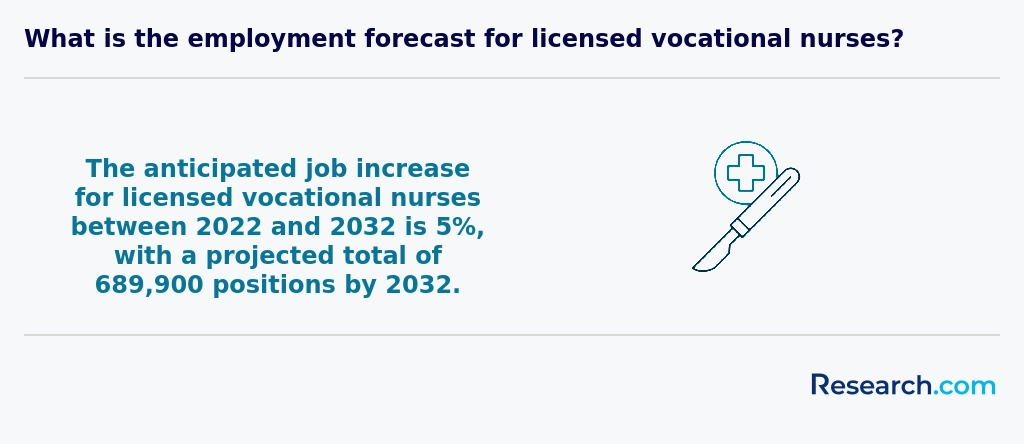
The nursing job market in Pensacola is vibrant and full of promise, especially for graduates holding an ADN or BSN from respected local colleges. Many graduates share inspiring stories of quickly finding fulfilling roles in hospitals like Baptist Health Care or clinics across the metro area, where the demand for skilled nurses continues to grow. This upward trend reflects Pensacola nursing degree employment outlook, which is projected to increase by around 12% through 2030, outpacing the national average.
Students often highlight how practical learning experiences at popular Pensacola institutions prepare them for diverse opportunities in critical care, emergency services, and outpatient coordination. With an average annual salary near $58,000, nursing offers a rewarding career path that balances financial stability and personal fulfillment, especially when considering Pensacola's affordable living costs.
For those concerned about tuition, finding the cheapest nursing school in Florida nearby can make earning a degree more accessible without sacrificing quality. These factors combine to create an encouraging environment for anyone pursuing nursing job opportunities in Pensacola.
2027 Best Nursing Degree Programs Ranking in Pensacola
Investing in your education is a significant decision that can shape your future, and the Research.com team understands the importance of making informed choices. To assist prospective students in Pensacola, we have meticulously crafted the "2027 Best Nursing Degree Programs Ranking in Pensacola." Our commitment to quality, credibility, and accuracy is reflected in the extensive research and analysis conducted to compile this ranking.
We utilized the following reputable data sources to ensure a comprehensive evaluation of nursing programs:
By exploring this ranking, readers will gain valuable insights into the best nursing degree programs available in Pensacola, helping them make informed and confident decisions about their educational and professional futures. For more details on our methodology, please visit our Research.com methodology page.

# 3 position
Pensacola State College
Bachelor of Science in Nursing

Frequently Asked Questions About nursing
Nursing degree students in Pensacola can maximize their learning by engaging deeply in both classroom instruction and clinical practice. Pensacola benefits from proximity to several well-regarded healthcare facilities, including Baptist Health Care, which offers valuable internship opportunities. Hands-on experience in such settings complements theoretical knowledge and develops practical skills. Additionally, students should utilize resources provided by local institutions such as the University of West Florida, which emphasizes simulation labs and community health initiatives.
Staying updated with state nursing board requirements is crucial, as Florida mandates specific clinical hours for licensure. Building relationships with experienced nursing professionals through mentorship programs can also enhance learning and career prospects.
The nursing field is expanding rapidly, with new specialties developing to meet evolving healthcare needs. In Pensacola, emerging niches include gerontological nursing, driven by an aging population in Florida. Nurses specializing in elder care focus on managing chronic illnesses and improving quality of life for seniors.
Another growing area is telehealth nursing. This field leverages technology to provide remote patient care, which has gained traction after the COVID-19 pandemic. According to the Bureau of Labor Statistics, telehealth roles are expected to grow significantly through 2030.
Additionally, behavioral health nursing is expanding due to rising mental health awareness. Nurses in this niche support patients with psychiatric conditions both in hospitals and community settings.
These emerging areas offer promising career opportunities for Pensacola nursing students seeking to make an impact in specialized healthcare sectors.
After completing a nursing degree in Pensacola, preparing for the job market involves several key steps. First, graduates should obtain licensure by passing the NCLEX-RN exam, essential for practicing as a registered nurse in Florida. According to the Florida Board of Nursing, Pensacola graduates have a passing rate close to the national average, which supports strong entry potential.
Networking with local healthcare employers, such as Baptist Health Care and Sacred Heart Health System, improves job prospects. These systems actively recruit new nurses due to regional demand. Additionally, joining professional associations like the Florida Nursing Association can provide job leads and continuing education opportunities.
Gaining practical experience through internships or volunteer roles during study often eases transition into employment. Finally, tailoring resumes to highlight clinical skills and certifications, especially in high-demand specialties like geriatric or pediatric nursing, strengthens candidacy in Pensacola's competitive healthcare market.
Employers in Pensacola seek nursing degree graduates who possess strong clinical skills and effective communication abilities. According to the Florida Center for Nursing, employers emphasize critical thinking and patient-management expertise as essential for delivering quality care in local healthcare settings.
Technical proficiency with electronic health records (EHR) and familiarity with current healthcare technologies are highly valued. Pensacola hospitals also prioritize cultural competence, considering the area's diverse population, to ensure sensitive and personalized patient interactions.
Additionally, teamwork and adaptability are crucial given the fast-paced environment nurses face. Data from the U.S. Bureau of Labor Statistics highlights that these soft skills enhance collaboration in multidisciplinary teams, improving patient outcomes in Pensacola's medical facilities.
Finding nursing internships in Pensacola involves leveraging both educational institutions and local healthcare providers. Many nursing programs in the Pensacola area, such as those at the University of West Florida, offer direct connections to internships as part of their curriculum. Students should consult their academic advisors early to identify opportunities aligned with their degree requirements.
Local hospitals like Sacred Heart and Baptist Health Care provide clinical internship placements for nursing students. These institutions often partner with schools and offer hands-on experience essential for state licensure. Checking the Florida Board of Nursing website can also provide updated guidelines and approved clinical sites.
Additionally, students can explore state and regional nursing associations for internship listings and networking events. Pensacola's growing healthcare sector means there are increasing options for practical experience accessible to nursing students in the area.
In Pensacola, earning a nursing degree significantly enhances career mobility and advancement within the healthcare sector. A degree, especially a Bachelor of Science in Nursing (BSN), is increasingly preferred by employers, including leading local hospitals such as Ascension Sacred Heart. According to the U.S. Bureau of Labor Statistics, registered nurses with a BSN earn approximately 20% more on average than those with an associate degree. Additionally, higher degrees open doors to specialized roles like nurse practitioner or nurse educator, which are in growing demand in the Pensacola area.
Career advancement often requires formal education paired with clinical experience, a combination nursing programs in Pensacola emphasize. Local healthcare facilities frequently prioritize hiring graduates from accredited nursing programs, boosting employment prospects. The Florida Center for Nursing reports a rising need for advanced nursing roles statewide, which aligns with Pensacola's healthcare growth. Overall, possessing a nursing degree enhances not only salary potential but also access to leadership and specialized careers.
Studying for a nursing degree in Pensacola equips students for interdisciplinary roles by emphasizing collaboration with healthcare professionals across various fields. Programs often integrate coursework in communication, leadership, and healthcare technologies, preparing nurses to work effectively in teams that include doctors, pharmacists, social workers, and therapists.
Pensacola's nursing education reflects the broader US trend of interprofessional education, as encouraged by the Institute of Medicine, which enhances patient outcomes through coordinated care. Local clinical placements in Pensacola hospitals and clinics expose students to diverse healthcare settings where teamwork is essential.
According to the Florida Center for Nursing, approximately 45% of nurses in the region report regularly collaborating with interdisciplinary teams, highlighting the region's focus on this approach.
When choosing between a thesis and a non-thesis nursing degree program in Pensacola, consider your career goals. A thesis option involves conducting original research, which suits those interested in advanced clinical practice, leadership, or pursuing a PhD.
The non-thesis path focuses more on coursework and practical skills, ideal for nurses aiming to enter or advance in clinical or administrative roles without a research component. According to the Florida Center for Nursing, Pensacola's healthcare sector is expanding, increasing demand for nurses with diverse qualifications.
Thesis programs may require more time and rigorous academic work, while non-thesis programs typically allow faster completion.
Evaluate program curricula, faculty expertise, and clinical opportunities to match your professional objectives.
Students based in Pensacola interested in studying nursing abroad have several pathways to consider. Many U.S. nursing programs, including those in Florida, offer international exchange opportunities or partnerships with universities in countries like Canada, Ireland, and Australia. These programs typically last a semester or a year, allowing students to experience different healthcare systems while earning credits.
Additionally, options include enrolling directly in accredited foreign nursing schools keyed to U.S. licensing requirements. The Commission on Collegiate Nursing Education (CCNE) and the Accreditation Commission for Education in Nursing (ACEN) list approved international programs.
Financial aid and scholarships specifically geared toward study abroad nursing students are available through institutions in Pensacola and national organizations such as the National Student Nurses' Association. According to the Florida Center for Nursing, Pensacola's local nursing workforce benefits from these globally trained professionals, enhancing healthcare quality in the region.
Part-time job opportunities in Pensacola can greatly enhance nursing degree education by providing practical experience alongside academic learning. Many students find positions as certified nursing assistants (CNAs) or patient care technicians in local hospitals, such as Baptist Hospital or West Florida Hospital. These roles help develop vital clinical skills and patient interaction. Additionally, home health aide positions offer flexible hours and exposure to diverse patient needs, which align well with nursing coursework.
Pharmacies and outpatient clinics in Pensacola also hire nursing students for support roles, improving knowledge in medication management and patient education. According to the U.S. Bureau of Labor Statistics, demand for nursing support jobs in Florida is projected to grow by 18% through 2031, making these part-time jobs both relevant and accessible.
Nursing students in Pensacola benefit from a variety of networking opportunities that support their professional growth. Local universities, such as the University of West Florida, often host nursing student organizations and events that connect students with peers and faculty. These groups provide forums for sharing experiences and career advice.
Additionally, Pensacola's healthcare facilities, including Baptist Health Care and Sacred Heart Health System, frequently offer clinical placements and internships. These experiences allow students to build relationships with practicing nurses and healthcare administrators.
Professional associations, such as the Florida Nurses Association, have regional chapters active in Pensacola. They organize seminars, workshops, and conferences, which are valuable for expanding professional contacts.
The Gulf Coast also hosts nursing job fairs, often attended by multiple healthcare employers actively recruiting new graduates, providing direct access to potential employers early in students' careers. According to local educational reports, nearly 70% of students find clinical networking helpful in securing employment after graduation.
Alumni networks provide valuable support for nursing degree students in Pensacola by connecting them with experienced professionals. These networks often assist with job placements, internships, and mentorship opportunities, crucial in a competitive healthcare field. According to the Florida Center for Nursing, local nursing graduates with strong alumni ties find employment faster than those without such connections. Networking events and alumni associations help students stay updated on industry trends and continuing education options.
Moreover, alumni networks foster a sense of community and professional identity, encouraging students to engage deeply with the nursing profession. This can improve students' confidence and career preparedness as they enter Florida's healthcare job market.
Customizing a nursing degree program in Pensacola allows students to align their education with specific career goals. Many local institutions offer flexible options such as specializing in pediatrics, geriatrics, or emergency nursing. Choosing elective courses and clinical rotations based on these interests helps tailor practical experience.
Additionally, some programs provide accelerated tracks and part-time schedules, accommodating working professionals. Pensacola's healthcare market, supported by facilities like Baptist Hospital, often influences program focus on critical skills demanded by local employers.
Students should also explore opportunities for certifications and continuing education integrated into degree plans, enhancing career advancement potential.
Nursing students in Pensacola often encounter several challenges during their education. One significant hurdle is the intense clinical workload combined with academic requirements. Balancing hands-on training hours in local hospitals with demanding coursework can lead to stress and fatigue. According to the Florida Center for Nursing, Pensacola experiences a competitive placement environment for clinical rotations, making timely completion difficult for some students.
Additionally, financial constraints are common. Tuition and associated costs, including textbooks and supplies, can strain many students' budgets. Scholarships and financial aid are limited, increasing the challenge.
Lastly, there is a pressing need to master rapidly evolving healthcare technologies and protocols. Staying updated while managing practical skills tests many students' time and effort.
With a nursing degree in Pensacola, you can pursue several professional certifications to advance your career. Common options include becoming a Certified Registered Nurse Anesthetist (CRNA), a Family Nurse Practitioner (FNP), or a Certified Clinical Nurse Specialist (CNS). These certifications require passing national exams after completing approved graduate programs.
Additionally, the Florida Board of Nursing regulates licenses and certificates within Pensacola, ensuring standards align with state requirements. According to the Florida Center for Nursing, certification holders often earn higher salaries and have improved job prospects in the Pensacola healthcare market.
Many nurses also pursue specialty certifications such as Pediatric or Critical Care Nursing, offered through organizations like the American Nurses Credentialing Center.
Applying to a nursing program in Pensacola requires attention to detail and a clear presentation of your qualifications. Start by researching programs thoroughly, including those at the University of West Florida and Pensacola State College, which are popular choices locally.
Highlight your academic achievements, especially in science and math courses, as nursing programs often require competitive GPAs, typically around 3.0 or higher. Include any relevant healthcare experience, such as volunteering or work in medical settings, to demonstrate your commitment.
Craft a strong personal statement that explains your motivation for nursing and ties your goals to the community's healthcare needs, referencing Pensacola's regional demand for nurses as reported by the Florida Department of Education. Lastly, ensure all transcripts and letters of recommendation are submitted before deadlines.
Nursing is a globally respected profession offering diverse career opportunities and essential healthcare roles. In the United States, including Pensacola, the demand for registered nurses is expected to grow by 6% from 2021 to 2031, according to the Bureau of Labor Statistics. This reflects a broader global trend where aging populations increase the need for skilled nurses.
Many countries value U.S. nursing degrees for their rigorous training and clinical experience. Pensacola's nursing programs align with National Council Licensure Examination (NCLEX) standards, ensuring graduates are ready for global competency.
International collaboration and exchange programs also enhance nursing education, allowing students from Pensacola to gain wider perspectives on healthcare challenges and innovations worldwide.
Gaining practical experience during a nursing degree in Pensacola is essential for career readiness. Local nursing programs typically include clinical rotations, allowing students to work directly with patients under supervision. Facilities involved often include Baptist Hospital, Ascension Sacred Heart, and West Florida Hospital, which provide diverse healthcare settings.
Students may also participate in simulation labs equipped with advanced mannequins, helping develop clinical skills safely. Additionally, Pensacola's nursing students can seek internships or volunteer positions at community health centers to broaden practical exposure. According to the Florida Center for Nursing, over 70% of nursing programs in the state emphasize hands-on clinical training as a core component.
Such opportunities enhance learning by applying theory in real-world environments, crucial for passing the NCLEX exam and succeeding in nursing careers.
Choosing the right concentration within a nursing degree program in Pensacola involves considering your career goals and the local healthcare needs. Pensacola's healthcare market, including Baptist Health Care and Sacred Heart Health System, offers strong demand for registered nurses skilled in areas like gerontology, pediatrics, and emergency care.
The University of West Florida highlights that specialties such as nurse practitioner and nurse anesthetist are growing fields. Prospective students should examine programs accredited by the Commission on Collegiate Nursing Education (CCNE) or the Accreditation Commission for Education in Nursing (ACEN) to ensure quality education.
Additionally, understanding your preferred work environment-hospital, clinic, or community health-can guide concentration choice. Reviewing job placement rates for each specialty in Pensacola can also help in making an informed decision.
- 2027 Best Nursing Degree Programs Ranking in Mobile
- 2027 Best Nursing Degree Programs Ranking in Hattiesburg
- 2027 Best Nursing Degree Programs Ranking in Birmingham
- 2027 Best Nursing Degree Programs Ranking in Macon
- 2027 Best Nursing Degree Programs Ranking in Atlanta
- 2027 Best Nursing Degree Programs Ranking in Jacksonville
- 2027 Best Nursing Degree Programs Ranking in Tampa
- 2027 Best Nursing Degree Programs Ranking in Orlando
- 2027 Best Nursing Degree Programs Ranking in Columbia
- 2027 Best Nursing Degree Programs Ranking in Fort Lauderdale
See What Experts Have To Say About Studying Nursing
Read our interview with Nursing experts


- Tips for Creating a Perfect Nursing School Application https://www.allnursingschools.com/articles/how-to-create-the-perfect-nursing-school-application/
- Pros And Cons Of Online Nursing In 2025 | Davis & Elkins https://www.dewv.edu/the-pros-and-cons-of-online-nusing-in-2025-is-it-right-for-you/
- The Nurses' Alumni Association https://giving.mainlinehealth.org/get-involved/auxiliaries-and-womens-boards/lankenau-medical-center-womens-board/the-nurses-alumni-association
- Top Skills Employers Want in Practical Nursing Graduates https://vervecollege.edu/what-employers-look-for-in-practical-nursing-graduates/
- Essential Tips for Nursing Students to Advance Their Careers https://almanaltraining.com/essential-tips-for-nursing-students-to-advance-their-careers/
- | NRR | Dove Medical Press https://www.dovepress.com/internship-challenges-encountered-by-nursing-students-a-qualitative-st-peer-reviewed-fulltext-article-NRR
- 10 Nursing Fields That Are Growing in Demand https://promedcert.com/blog/10-nursing-fields-that-are-growing-in-demand
- Nursing - SUM Admission https://admission.sum.edu.pl/nursing/
- How to Choose a Nursing Program: A Comprehensive Guide - Madonna ABSN https://absn.madonna.edu/blog/how-to-choose-a-nursing-program/
- Medical University of GdaÅsk https://admission.mug.edu.pl/29318.html


