2027 Best Nursing Degree Programs Ranking in Arkansas

Co-Founder and Chief Data Scientist
Choosing the right nursing degree program in Arkansas is a big step toward a rewarding career in healthcare. This article introduces the 2027 Best Nursing Degree Programs Ranking in Arkansas, developed by the Research.com team of data scientists to help you make an informed decision.
By exploring this ranking, you'll discover programs that offer quality education, strong support, and excellent career opportunities. Pursuing a nursing degree opens doors to meaningful work where you can truly make a difference.
Let us guide you in finding the program that fits your goals and passions.
Key benefits of getting nursing degree in Arkansas
- Nursing degree graduates in Arkansas can expect strong salaries, with Registered Nurses, Clinical Nurse Educators, and Public Health Nurses earning about $94,480 annually and Operating Room Nurses reaching $128,490, offering financial stability and rewarding careers.
- Career paths are diverse, allowing graduates from institutions like the University of Arkansas for Medical Sciences to work in hospitals, community health, or specialized areas such as emergency rooms or operating rooms, matching various interests and lifestyles.
- Online nursing degrees from schools like Arkansas State University provide flexibility for working students, enabling them to balance education and life while gaining the same valuable skills and credentials as traditional degrees.
- 2027 Best Nursing Degree Programs Ranking in Arkansas
- What can I expect from nursing degree in Arkansas?
- Where can I work with nursing degree in Arkansas?
What can I expect from nursing degree in Arkansas?
Picture yourself walking through the halls of a community college in Arkansas, knowing your ADN program costs less than many other states' offerings. For in-district students, tuition often feels like a breath of fresh air-more affordable, less daunting. Graduates frequently share how attending institutions like Arkansas State University or the University of Arkansas for Medical Sciences helped them secure nursing degrees without drowning in debt.
Community colleges stand out with ADN programs priced significantly lower, providing a practical path to enter nursing quickly and cost-effectively. Meanwhile, those aiming for a BSN at public universities encounter tuition rates that remain reasonable, especially when backed by state scholarships or federal aid-real lifelines for many eager learners.
Imagine the relief and excitement of a graduate stepping into clinical rotations, knowing that their investment in tuition intertwined with financial support is not just a cost but a stepping stone to a fulfilling career. The nurturing affordability in Arkansas programs lights the way for passionate students ready to impact healthcare in their own communities.
Where can I work with nursing degree in Arkansas?
Graduates from nursing programs at schools like the University of Arkansas for Medical Sciences often find themselves stepping into bustling hospitals in Little Rock, where every shift pulses with critical care and teamwork. Imagine starting your day coordinating complex patient treatments in a fast-paced environment, gaining skills that feel like armor against health crises.
Some grads lean toward outpatient centers around Fayetteville, trading hospital chaos for predictable hours and a chance to build lasting patient relationships-picture yourself helping someone recover from minor surgery with steady, compassionate care. Meanwhile, those drawn to elder care discover profound purpose in nursing homes across the state, managing chronic conditions while creating moments of comfort and dignity.
Community health roles invite nurses from Arkansas State University and others to venture into rural outreach, tackling healthcare disparities with empathy and educational programs-envision driving through small towns to deliver vital preventive care and watch your impact ripple through underserved communities.
Specialty fields like psychiatric nursing or hospice care beckon, offering paths of deep connection and professional growth, perfect for those who crave meaningful, focused practice beyond conventional settings.
Graduates from nursing programs in Arkansas, such as those at the University of Arkansas for Medical Sciences or Arkansas State University, often find themselves stepping into roles paying a mean annual wage of around $94,480 for registered nurses, clinical nurse educators, public health nurses, and emergency room nurses. Imagine finishing your night shift at a Little Rock hospital, knowing your expertise commands a salary that values your dedication.
For those who dive deeper into specialties like operating room nursing, the financial rewards can be even more compelling-mean annual wages soar to about $128,490. Picture yourself mastering critical surgical care while earning at a level that reflects the intense skill and focus required.
Arkansas graduates often share stories of how this income, paired with the state's lower cost of living compared to national averages, creates space for a comfortable lifestyle. The blend of strong salaries from top programs and feasible living expenses means nursing students in Arkansas can confidently envision a future where passion and paycheck align beautifully.
- Nursing degrees in Arkansas are available at associate (ADN), bachelor's (BSN), and advanced levels like the Master of Science in Nursing (MSN).
- Tuition for in-state students ranges from $3,000 to $6,000 per year for associate degrees and $8,000 to $12,000 per year for bachelor's degrees at public institutions.
- Starting salaries for new nursing graduates typically range from $50,000 to $58,000 annually, with experienced nurses earning between $65,000 and $75,000.
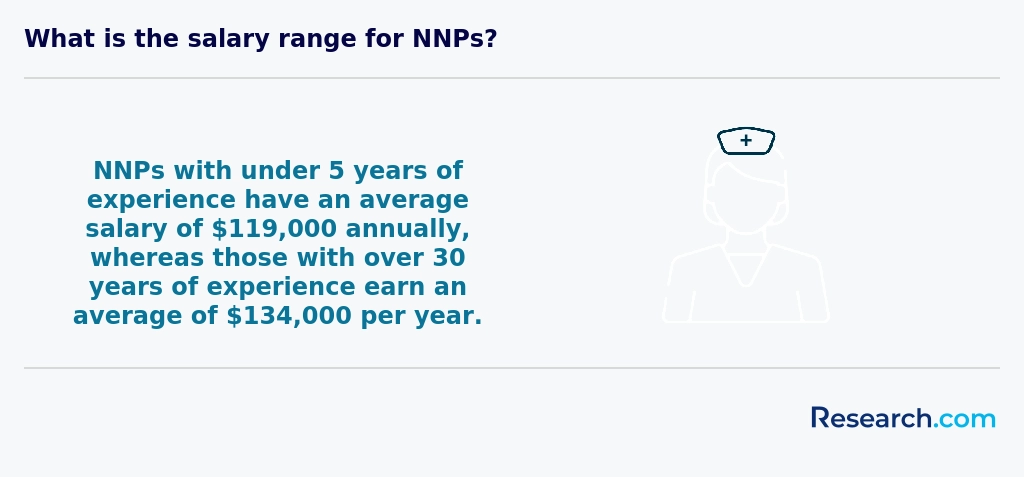
- Nurse practitioners and advanced practice nurses often earn salaries exceeding $90,000 per year.
- Registered nursing jobs in Arkansas are expected to grow by 15% through 2030, outpacing the national average growth rate of 9%.
- Arkansas nursing graduates consistently have NCLEX-RN pass rates at or above the national average, indicating strong program quality.
In Arkansas, the journey to nursing licensure unfolds in timeframes as varied as the lives you'll touch. Picture a graduate from a community college near Little Rock, completing an Associate Degree in Nursing (ADN) in about two intense years. This is a fast track-students emerge ready to sit for the NCLEX-RN exam and step into hospital halls sooner, eager to deliver care. Yet, many feel the pull to expand horizons through a Bachelor of Science in Nursing (BSN).
Imagine a student at the University of Arkansas who dove into a four-year BSN program, balancing clinical rotations and textbooks in Fayetteville. The BSN builds a broader skill set, opening doors to leadership roles and specialized care. For those already juggling work as ADN-licensed registered nurses, Arkansas schools offer RN-to-BSN bridge programs lasting 12 to 24 months, flexible enough to fit life's unpredictability.
Then there's the Master of Science in Nursing (MSN), a two-year commitment beyond the BSN, often undertaken part-time or online by nurses yearning to specialize or lead. Across the state, these paths reflect both ambition and adaptability, crafting nurses prepared to thrive in Arkansas's diverse healthcare landscape.
As the nursing profession evolves, many graduates seek pathways that extend beyond initial licensure, blending clinical expertise with leadership and specialty practice. Continuing education opportunities-ranging from post‐graduate certificates to doctoral programs-serve as vital stepping stones for career advancement, higher wages, and expanded scope of practice. For instance, nurses who complete a Master of Science in Nursing (MSN) can specialize as Nurse Practitioners, Clinical Nurse Specialists, or Nurse Educators, roles that often come with a 20–30% salary premium over staff RN positions. Among the most transformative options is the Doctor of Nursing Practice (DNP), designed to prepare experts in evidence-based care, health policy, and organizational leadership. Because affordability remains a key concern, candidates are increasingly exploring the most affordable dnp programs, which combine rigorous coursework with practicum experiences at a fraction of the cost of traditional doctorates. These programs not only strengthen clinical decision-making but also position graduates for executive roles in hospital administration, public health agencies, and academic settings. Beyond degree programs, nursing professionals benefit from certificate offerings-such as nurse anesthesia, oncology nursing, and informatics-providing targeted skills within 6–18 months. Employers often subsidize these certificates and encourage staff to enroll in specialty training, recognizing the impact on patient outcomes and institutional reputation. Additionally, national certifications (e.g., ANCC, AACN credentials) validate expertise and can trigger automatic pay increases or leadership track eligibility. To maximize return on investment, prospective students should evaluate program accreditation, faculty credentials, graduation rates, and alumni salary data. Engaging in professional organizations, attending specialty conferences, and maintaining a dynamic portfolio of continuing education units (CEUs) further solidify one’s reputation as a committed, lifelong learner-an attribute highly regarded by hiring managers and panel boards alike.
Imagine juggling a full-time job while chasing your nursing dream-that's where online nursing degrees in Arkansas sparkle. Graduates from programs like the University of Arkansas for Medical Sciences praise the freedom to study in pajamas at midnight or squeeze coursework between errands, all while securing local clinical hours in familiar Arkansas healthcare settings. It's a dance of digital lectures mixed with hands-on experience right in their hometowns.
Now picture the traditional campus hustle at Arkansas State University, where the buzz of the lab and face-to-face chats with professors create a pulse that fuels motivation. Graduates here often talk about the magnetic energy of structured schedules and instant access to university resources, which make mastering nursing skills feel more like a team sport.
Tuition costs hover around $7,000 to $9,000 annually whether you're logging in online or walking campus halls, but online students happily cut commuting and housing expenses, though they invest extra in tech tools. Both roads demand real clinical hours approved by the Arkansas State Board of Nursing, keeping the patient-centered heart of nursing intact no matter the path.
To help mitigate the financial burden, prospective nursing students in Arkansas should explore various financial assistance options, including scholarships, grants, and loans. For instance, students can look into the most affordable nursing schools in Arkansas to find programs that fit their budget. Many organizations offer scholarships specifically for nursing students, such as the Arkansas Nursing Scholarship, which can provide significant financial relief. Additionally, federal programs like the Pell Grant and the Federal Supplemental Educational Opportunity Grant (FSEOG) can help cover tuition and living expenses. By carefully planning and exploring these financial assistance options, aspiring nurses can focus on their education and career goals without excessive financial stress. Furthermore, nursing students can also consider participating in loan forgiveness programs or pursuing employers that offer tuition reimbursement, making the investment in a nursing degree in Arkansas a worthwhile and manageable one.
In Arkansas, the average cost of a nursing degree paints a clear picture for those ready to embark on this rewarding journey. At the heart of this experience, graduates often reflect on tuition fees hovering around $9,580 for in-state students, a figure that feels doable when weighed against the profound impact of their future careers. The median total cost, whether for in-state or out-of-state learners, centers near $27,936-capturing tuition, fees, and those inevitable books and supplies that every nursing student must embrace. Imagine a student at the University of Arkansas for Medical Sciences, balancing the rigors of clinical rotations with this manageable cost, fueled by the hope and excitement of finally donning scrubs.
Seeking nursing program tuition fees in Arkansas reveals a thoughtful balance between quality education and affordability. Private schools, while precious for their networks and resources, often carry steeper price tags, reminding hopefuls of the value of public options. Graduates from these campuses share a common thread-they navigated their programs with a mix of scholarships and grants offered through state programs, softening the financial climb. It's these concrete supports that nurture their confidence and keep dreams alive.
For those curious about the most affordable nursing schools in Arkansas, it's worth exploring the options and resources available-prospective students can check out most affordable nursing schools in Arkansas to find tailored paths that resonate with their goals and budgets.
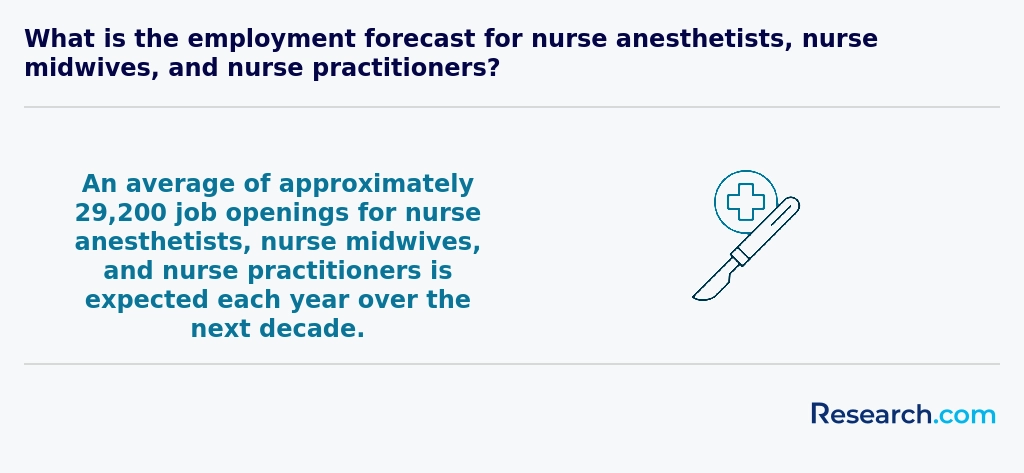
Many Arkansas institutions now offer direct-entry Master of Science in Nursing (MSN) programs tailored to individuals holding a non-nursing bachelor’s degree. These accelerated pathways bridge foundational nursing coursework with advanced practice training, enabling career changers to become licensed Registered Nurses (RNs) and earn their MSN in as little as 24–36 months. Beyond streamlined curricula, students benefit from integrated clinical rotations, NCLEX-RN prep, and mentorship from experienced faculty. Eligibility typically requires a bachelor’s degree in any field, prerequisite science courses (e.g., anatomy, physiology), and a competitive GPA. Graduates enter high-demand roles such as Nurse Practitioner (NP) or Clinical Nurse Specialist (CNS) upon licensure, often commanding salaries above state averages. Prospective applicants seeking the quickest non nursing bachelor's to msn online options can explore fully online or hybrid formats that offer flexible clinical placements and accelerated term schedules. When evaluating programs, consider accreditation by CCNE or ACEN, NCLEX-RN pass rates, and partnerships with health systems. Early application deadlines and rolling admissions mean that preparing transcripts and prerequisite verifications well in advance can secure your spot in these competitive, career-transforming programs.
Imagine stepping into your nursing classes at the University of Arkansas, feeling the weight of tuition lighten as a federal Pell Grant fills your pocket with up to $7,395 annually-money that doesn't chase you for repayment. That's the magic of FAFSA-driven aid, a lifeline for many Arkansas nursing students balancing dreams and dollars.
Down the road at Arkansas State University, scholarship offers from the Arkansas Department of Higher Education shimmer like beacons. These state-funded gems reward commitment to healthcare fields and promise loan forgiveness if you serve in rural communities hungry for nurses. Graduates often recall working part-time in hospital settings thanks to work-study programs, gaining hands-on experience while their wallets stay afloat.
Institutional scholarships sprinkle opportunities throughout both BSN and ADN programs across the state, rewarding grit, excellence, and dedication to nursing specialties. Even the Arkansas Nurses Association steps in, rewarding leadership and academic flair with scholarships that keep hope alive for many aspiring nurses.
Accreditation ensures your nursing education meets rigorous quality and safety standards. In Arkansas, leading programs must be approved by the Arkansas State Board of Nursing and recognized by national accrediting bodies:
- Accreditation Commission for Education in Nursing (ACEN)
- Commission on Collegiate Nursing Education (CCNE)
- Arkansas State Board of Nursing approval
High-quality programs track NCLEX-RN pass rates-often above 90%-indicating strong preparation for licensure. After graduation, submit your application to the Arkansas State Board of Nursing and schedule the NCLEX-RN exam to earn your RN credential.
When comparing program costs and delivery formats, verify accreditation status and explore accredited, flexible pathways like our cheapest online bsn programs that meet Arkansas requirements.
If you're dreaming of joining a nursing program in Arkansas, picture this: like many hopefuls at the University of Arkansas for Medical Sciences or the Arkansas Tech University nursing department, you'll first need a high school diploma or GED, the key that unlocks the door to your journey. Graduates often recall the challenge of mastering prerequisite courses-imagine diving into anatomy and physiology labs where the human body feels like a living puzzle waiting to be solved.
Before you're officially in the race, expect to tackle subjects like general biology with a lab, chemistry, microbiology, college-level math, and English composition. These hefty building blocks ensure you're ready for nursing's complex symphony. Many admit that passing the TEAS exam was a defining moment, a gateway that tested their skills in reading, science, and math-all critical in real clinical moments.
Health checks and background screenings also paint the full picture, safeguarding both patient and student welfare. Graduates from Arkansas State University often speak of the reassurance these precautions provide. And while some nursing hopefuls seize the opportunity to submit glowing letters of recommendation or share their hands-on healthcare experiences, the journey always starts here: a firm foundation, a passion for care, and Arkansas's unique prerequisites that prepare you for healing lives.
Graduates of Arkansas nursing programs must pass the NCLEX-RN exam to obtain licensure, making first-time pass rates a critical measure of program quality. In 2023, the University of Arkansas for Medical Sciences reported a 94% first-attempt pass rate, while Arkansas State University achieved 91% and the University of Central Arkansas reached 89%. These figures exceed the national average of 88%, demonstrating the state’s commitment to rigorous preparation and student success. To become licensed, candidates must also meet the Arkansas State Board of Nursing requirements, including background checks, health clearances, and verification of clinical hours. After passing the NCLEX-RN, nurses must complete 30 contact hours of continuing education every two years to maintain active status, ensuring they stay current with evolving healthcare standards. For students seeking flexible pathways, many Arkansas programs offer online theory coursework paired with local clinical placements. Prospective applicants interested in exploring cost-effective online options beyond the state may find our comprehensive ranking of affordable online nursing programs valuable. Check out Affordable Online Bachelor's in Nursing Degree Programs Ranking in Texas for insights into accredited, budget-friendly BSN programs. Understanding NCLEX outcomes and licensing processes empowers candidates to choose programs that not only teach essential skills but also deliver proven results. By prioritizing schools with high pass rates and strong board support, prospective students can optimize their path to becoming confident, licensed RNs in Arkansas.
Imagine walking through the welcoming halls of the University of Arkansas for Medical Sciences, where nursing students dive deep into Anatomy and Physiology, unraveling the intricate mysteries of the human body like explorers charting unknown territory. Graduates often recall how Microbiology classes transported them into the microscopic world, sharpening their understanding of infection control-an absolute must in clinical arenas.
In programs across Arkansas, students embrace Pharmacology, not just memorizing drug names but connecting them to real patients' stories, ensuring safety and healing through informed medication use. Nutrition courses inspire a fresh perspective on recovery; many speak of learning to craft dietary plans that truly nourish both body and spirit. The journey continues with Pathophysiology, where one deciphers disease mechanisms as if solving puzzles, and Health Assessment courses that transform beginners into confident healers, skilled at comprehensive patient exams.
Mental Health Nursing evokes empathy, often described by graduates as a heartfelt encounter with the human psyche, while Medical-Surgical Nursing hones sharp decision-making under pressure. Maternity and Pediatric Nursing awaken nurturing instincts, and Community and Public Health Nursing broadens horizons toward service and prevention in Arkansas's diverse neighborhoods. These core courses blend into a vibrant tapestry of knowledge and care, preparing students to step into their clinical hours-and hearts-with readiness and pride.
Step into the vibrant world of nursing degree specializations in Arkansas, where every path leads to a unique heartbeat in healthcare. From the bustling emergency rooms at the University of Arkansas for Medical Sciences to community clinics targeting older adults, students embrace roles like Family Nurse Practitioner, Pediatric Nursing, and Geriatric Nursing with passionate purpose. Graduates often share how the psychiatric-mental health track transformed their understanding of human resilience, equipping them to nurture hearts and minds amid Arkansas's diverse communities.
Imagine specializing in Public Health Nursing, blending clinical care with grassroots initiatives that ripple through Arkansas towns, or diving into Emergency Nursing where adrenaline and skill meet life-saving moments. Arkansas nursing program concentration options allow hands-on experiences that spark confidence and camaraderie in classrooms and online alike, making this journey as immersive as it is empowering.
For those seeking advanced practice, scholarships help ease costs while the state's growing need for specialists fuels ambition. Interested students might explore the most affordable dnp programs as a stepping stone to these dynamic careers.
Picture yourself walking the halls of Arkansas State University or the University of Arkansas for Medical Sciences, where graduates recall the thrill of hands-on clinical rotations. Choosing the best nursing program here isn't just about picking a school, it's about stepping into a world where your education pulses with real patient stories and practical skills. Many find comfort knowing these programs carry ACEN or CCNE accreditation, a badge that signals readiness for the NCLEX and a future as a confident nurse.
Cost whispers in the background too-with many affordable nursing degrees Arkansas offers, students breathe easier knowing tuition often runs between $6,000 and $9,000 annually. Graduates often highlight how affordable programs allowed them to focus on becoming compassionate caregivers instead of stressing about loans.
If juggling life and studies has you worried, there are options blending online classes and part-time schedules. For those aiming to leap quickly through the ranks, some explore the quickest non nursing bachelor's to msn online, a gateway that alumni praise for its life-changing flexibility.

Nursing degree graduates in Arkansas find themselves navigating a dynamic landscape of possibilities-from the bustling floors of Little Rock's hospitals to the quiet clinics dotting rural communities. These graduates often start as Registered Nurses, diving into diverse roles that stretch from emergency units to long-term care, perfectly suited to the state's growing healthcare demands. With a nursing career opportunities in Arkansas, many take thrilling leaps into specialized roles like Certified Registered Nurse Anesthetists or Nurse Practitioners, empowered by Arkansas' expanding legislation that unlocks greater autonomy in patient care.
At universities such as the University of Arkansas for Medical Sciences, graduates share stories of thriving in clinical nurse specialist roles, blending hands-on care with leadership in improving hospital outcomes. Others pursue passions in nursing education or public health, translating bedside wisdom into community-wide impact. Thanks to affordable tuition and a supportive educational network, students often explore further degrees, opening doors to research or healthcare administration. For those curious about cost-efficient pathways, the Affordable Online Bachelor's in Nursing Degree Programs Ranking in Texas offers a nearby glimpse into accessible options beyond state lines, enriching Arkansas nursing degree job prospects.
Graduates with a nursing degree in Arkansas step into a job market that's more like a growing garden than a barren field. Driven by an aging population and a surge in healthcare demand, Arkansas offers nursing job outlook in Arkansas that's particularly bright. Many graduates from universities such as the University of Arkansas for Medical Sciences find themselves quickly absorbed into vibrant hospital environments or community health centers, where their roles feel meaningful and impactful.
One recent graduate shared how starting at Arkansas Children's Hospital transformed their clinical skills into trusted expertise, all while earning an average salary near $63,000 annually. Opportunities ripple across the state, from bustling outpatient centers to caring nursing homes, reflecting the wide scope of Arkansas nursing employment opportunities. For those looking to advance or specialize, the financial and personal rewards grow with experience and certifications.
What's more, pursuing your nursing degree here can be surprisingly affordable. Many find that lower-than-national-average tuition rates open the door to careers without breaking the bank. For students weighing their options, exploring cheap one year master's programs online can be a smart next step to accelerate career growth.
2027 Best Nursing Degree Programs Ranking in Arkansas
Investing in your education is a significant decision that can shape your future, and the Research.com team understands the importance of making informed choices. To assist prospective students in Arkansas, we have meticulously crafted the "2027 Best Nursing Degree Programs Ranking in Arkansas." Our commitment to quality, credibility, and accuracy is reflected in the extensive research and analysis conducted to compile this ranking.
We utilized the following reputable data sources to ensure a comprehensive evaluation of nursing programs:
By exploring this ranking, readers will gain valuable insights into the best nursing degree programs available in Arkansas, helping them make informed decisions about their educational paths. For more details on our methodology, please visit our Research.com methodology page.


# 14 position
University of Arkansas Grantham
Master of Science in Nursing


# 16 position
University of Arkansas-Fort Smith
Bachelor of Science in Nursing


Frequently Asked Questions About nursing
Nursing degree students in Arkansas can maximize their learning experience by engaging in both classroom study and practical training. Arkansas offers multiple accredited nursing programs that integrate clinical experiences with coursework, essential for skill development. According to the Arkansas Center for Nursing, clinical hours are a critical component for licensure and competence.
Students are encouraged to participate in internships or externships at local hospitals and healthcare facilities to gain hands-on experience. Additionally, joining nursing organizations like the Arkansas Nurses Association can provide networking and continuing education opportunities.
Utilizing state resources such as the Arkansas Department of Health's updates on healthcare trends helps nursing students stay informed and prepared for the workforce.
The nursing field in Arkansas is evolving with several emerging niches that reflect broader healthcare trends. One rapidly growing specialty is gerontology nursing, driven by Arkansas's aging population, which is expected to increase by 20% by 2030 according to the Arkansas Department of Health. Nurses specializing in gerontology focus on elder care, chronic disease management, and improving quality of life for seniors.
Another important area is informatics nursing, which merges nursing with technology to improve patient care through data management and electronic health records. This niche is gaining traction as hospitals in Arkansas invest in advanced health IT systems.
Additionally, psychiatric-mental health nursing is expanding, responding to increased demand for mental health services statewide, where roughly one in five adults face mental health challenges according to state health reports.
After completing a nursing degree in Arkansas, preparing for the job market involves several important steps. Graduates should first obtain licensure by passing the NCLEX-RN exam, a requirement by the Arkansas State Board of Nursing. This ensures qualification to practice as a registered nurse within the state.
Building clinical experience through internships or entry-level positions in hospitals and clinics is essential. Arkansas has a growing demand for nurses, with employment expected to increase by 12% through 2030 according to the U.S. Bureau of Labor Statistics.
Networking is also vital; joining professional organizations like the Arkansas Nurses Association can connect graduates with job opportunities and continuing education.
Finally, maintaining relevant certifications such as BLS (Basic Life Support) can enhance employability in Arkansas's competitive nursing market.
Employers in Arkansas highly value nursing graduates who demonstrate strong clinical skills combined with effective communication. According to the Arkansas State Board of Nursing, proficiency in patient assessment, critical thinking, and medication administration are essential for new nurses. Additionally, teamwork and adaptability are crucial due to the fast-paced healthcare settings common across the state's hospitals and clinics.
With Arkansas experiencing a growing demand for healthcare professionals, cultural competence and empathy are increasingly important. The Arkansas Center for Nursing highlights that employers seek graduates who can provide patient-centered care to diverse populations.
Furthermore, knowledge of electronic health records (EHR) systems is often required, reflecting Arkansas healthcare facilities' technology integration efforts to improve patient outcomes.
Finding nursing internships in Arkansas involves exploring clinical placement opportunities through accredited nursing programs. Most nursing degrees require clinical hours, which are arranged by the institution in partnership with local hospitals, clinics, and healthcare facilities.
The Arkansas Center for Nursing reports that facilities like the University of Arkansas for Medical Sciences and Baptist Health provide frequent internship and externship openings for nursing students. Networking with faculty members and career services at your school is crucial for accessing these placements.
You can also reach out directly to hospitals such as CHI St. Vincent, which often offer summer internships or nurse residency programs. Using the Arkansas Nurses Association's resources can help identify local openings and connect students with mentors in the field.
In Arkansas, obtaining a nursing degree significantly enhances career mobility and advancement opportunities. Registered nurses (RNs) with an associate or bachelor's degree often find access to a wider variety of roles, including specialized clinical positions and leadership roles within healthcare facilities. According to the Arkansas Department of Workforce Services, the state expects a 12% growth in nursing employment between 2020 and 2030, reflecting strong demand.
Advanced degrees such as a Bachelor of Science in Nursing (BSN) or a Master of Science in Nursing (MSN) are frequently required for management, education, and advanced practice roles like nurse practitioners. Such credentials also improve eligibility for higher salaries and promotions.
Additionally, Arkansas mandates RNs to complete specific educational and licensing requirements which are more accessible with formal nursing degrees, supporting upward mobility within the profession.
Studying for a nursing degree in Arkansas equips students to work in interdisciplinary healthcare teams by emphasizing collaboration across professions. Arkansas nursing programs align with standards set by the Arkansas State Board of Nursing and often incorporate coursework in communication, leadership, and healthcare informatics.
Students learn to coordinate care alongside doctors, social workers, and therapists, reflecting the state's focus on improving patient outcomes through teamwork. According to the Arkansas Center for Nursing, the state prioritizes integrated care models, especially in rural areas where healthcare resources are limited.
This interdisciplinary training prepares graduates to navigate complex care environments and contribute effectively to diverse medical teams.
When choosing between a thesis and a non-thesis nursing degree program in Arkansas, consider your career goals and learning preferences. Thesis programs focus on research, requiring students to conduct original studies and write a comprehensive paper. This path suits those interested in advanced research roles or pursuing doctoral studies. Non-thesis programs emphasize practical skills and coursework, preparing students for clinical or administrative nursing positions quickly.
Arkansas nursing schools, like the University of Arkansas for Medical Sciences, offer both options to meet diverse professional needs. According to the Arkansas Nursing Workforce Center, nearly 60% of new graduate nurses prefer clinical roles, favoring non-thesis paths. Choose based on whether you want to focus on research or immediate practice advancement.
Students in Arkansas interested in studying nursing abroad have several options through exchange programs and partnerships involving universities in the state. Some Arkansas nursing schools collaborate with institutions in countries such as Canada, the United Kingdom, and Australia, allowing students to gain international clinical experience while completing their degree.
Additionally, the Arkansas Department of Higher Education supports study abroad initiatives, often facilitating access to scholarships for accredited nursing programs overseas. According to the Arkansas Center for Nursing, roughly 5% of nursing students in the state pursue international opportunities during their studies, enhancing their cultural competence and global healthcare understanding.
It is important for students to verify that foreign nursing programs meet U.S. licensure requirements and that credits will transfer back to Arkansas institutions.
Part-time job opportunities in Arkansas that complement nursing degree education often involve healthcare settings where students can gain practical experience. Common roles include certified nursing assistant (CNA), medical receptionist, and pharmacy technician positions. These jobs help build foundational skills and enhance understanding of patient care.
Arkansas reported a growing demand for nursing professionals, with the Bureau of Labor Statistics projecting a 12% growth in nursing jobs through 2031. Working part-time in clinical environments aligns well with academic schedules and helps students apply theoretical knowledge in real-world contexts.
Additionally, some hospitals and clinics around Little Rock and Fayetteville offer flexible shifts tailored for students enrolled in nursing programs, providing valuable exposure to healthcare team dynamics. These roles also improve communication and time management skills, crucial for future nurses in Arkansas's evolving healthcare landscape.
Nursing students in Arkansas have several valuable networking opportunities to support their education and careers. Many universities, such as the University of Arkansas for Medical Sciences (UAMS), offer student organizations like the Arkansas Nursing Students' Association, which connect students with peers and professionals statewide. Clinical placements in diverse healthcare settings also enable students to build professional connections.
Additionally, Arkansas is home to the Arkansas State Board of Nursing and the Arkansas Nurses Association, which host conferences, workshops, and events to promote collaboration. These organizations provide students exposure to healthcare leaders and potential employers.
Data from the Arkansas Department of Workforce Services highlight strong local demand for nurses, underscoring the importance of these networking channels to secure meaningful employment.
Alumni networks play a vital role in supporting nursing degree students in Arkansas by providing access to mentorship and career guidance. Graduates from Arkansas nursing programs often connect through these networks to share job opportunities and advice.
For example, the Arkansas Nurses Association offers a strong alumni presence that helps new nurses navigate local healthcare settings. Such connections can be crucial, as Arkansas faces a projected 16% increase in registered nurse employment through 2028, according to the U.S. Bureau of Labor Statistics.
Additionally, alumni networks frequently organize continuing education events and workshops, which help students stay current with nursing practices and licensing requirements in Arkansas.
Customizing a nursing degree program in Arkansas involves selecting courses and clinical experiences that align with your career goals. Many Arkansas universities offer flexible pathways, including Bachelor of Science in Nursing (BSN) and RN-to-BSN tracks, allowing you to specialize in areas such as pediatrics, geriatrics, or emergency care.
Students can often choose electives and participate in internships or clinical rotations at various healthcare facilities across the state. This hands-on experience helps build relevant skills for specific nursing fields.
Arkansas's Board of Nursing supports continuing education and certification, enabling graduates to tailor their qualifications further to meet workforce demands in the state's growing healthcare sector.
Nursing students in Arkansas often face several significant challenges throughout their education. One primary issue is clinical placement availability. Arkansas has a limited number of healthcare facilities offering high-quality clinical experiences, which means students may struggle to secure adequate hands-on training opportunities.
Another challenge involves balancing rigorous coursework with personal and financial responsibilities. Many students report difficulties managing their time due to demanding schedules and the cost of nursing programs, especially since the Arkansas Economic Development Commission highlights that tuition and fees can be a barrier.
Additionally, the state has experienced a nursing shortage, which increases pressure on students to enter the workforce quickly while maintaining high academic standards. According to the Arkansas Center for Nursing, about 35% of nursing students require additional support to pass licensure exams, reflecting academic and stress-related difficulties.
With a nursing degree in Arkansas, graduates can pursue a variety of professional certifications that enhance career opportunities and specialize their skills. Popular certifications include the Certified Nurse Assistant (CNA), Licensed Practical Nurse (LPN), and Registered Nurse (RN) licenses, which require passing state exams through the Arkansas State Board of Nursing.
Further specialization is available for nurses holding a Bachelor of Science in Nursing (BSN) or higher. Certifications such as the Certified Pediatric Nurse (CPN), Critical Care Registered Nurse (CCRN), and Nurse Practitioner (NP) are attainable through national organizations like the American Nurses Credentialing Center (ANCC).
Arkansas sees over 8,000 licensed RNs as of the latest 2023 data from the Arkansas Center for Nursing, reflecting a steady demand for certified nursing professionals in hospitals and community settings.
Applying to nursing programs in Arkansas requires careful attention to detail and a strong presentation of your qualifications. Most schools in the state, including the University of Arkansas for Medical Sciences, emphasize a competitive GPA, typically around 3.0 or higher. Highlighting relevant experience, such as volunteering or working in healthcare, strengthens your application. Arkansas nursing programs also value clear, well-written personal statements that explain your motivation and commitment to nursing.
Standardized tests like the TEAS (Test of Essential Academic Skills) are commonly required, so preparing thoroughly is essential. Additionally, letters of recommendation from professionals familiar with your academic or work ethic can provide valuable support.
Meeting all application deadlines and submitting complete paperwork helps avoid disqualification. According to the Arkansas Board of Nursing, the state's nursing workforce is expected to grow by 16% through 2030, making timely applications vital to securing a spot in quality programs.
The nursing profession holds significant value worldwide due to the ongoing demand for healthcare services. Globally, nurses are recognized as essential contributors to public health, shaping patient care, disease prevention, and health education. In the United States, including Arkansas, nursing offers strong job security, with the Bureau of Labor Statistics projecting 6% growth from 2021 to 2031.
Arkansas reflects national trends but faces unique challenges such as rural healthcare shortages, increasing the need for skilled nurses. According to the Arkansas Center for Nursing, the state expects a steady rise in nursing positions, highlighting the global and local relevance of this career. Internationally, nursing credentials sometimes require adaptation, but a U.S. degree is widely respected.
Gaining practical experience while studying for a nursing degree in Arkansas is essential to prepare for the demands of healthcare roles. Most accredited nursing programs in Arkansas require clinical rotations, which allow students to work directly with patients in hospitals, clinics, and community health settings. These hands-on experiences are supervised by licensed nurses and help develop critical skills.
Arkansas nursing students often complete over 500 clinical hours, meeting state Board of Nursing requirements. Local health systems like Baptist Health and UAMS provide important clinical sites. Additionally, some programs offer simulation labs with advanced mannequins to practice care techniques safely.
Participating in internships or externships outside class hours further enhances practical learning and job prospects after graduation.
When choosing a concentration within a nursing degree program in Arkansas, students should first consider their career goals and interests. Arkansas hospitals and healthcare facilities often seek nurses specialized in areas like family practice, geriatrics, and emergency care, reflecting local healthcare needs reported by the Arkansas Department of Health.
Students should also evaluate the availability of specializations at Arkansas schools. Popular options include pediatric nursing, psychiatric nursing, and nurse anesthesia. According to the Arkansas Center for Nursing, programs with clinical partnerships help students gain hands-on experience, which is vital for job readiness.
Researching employment growth is important as well. The U.S. Bureau of Labor Statistics projects a 15% increase for registered nurses nationally by 2031, with Arkansas showing steady demand in primary care and community health roles. Considering these trends can guide concentration choices effectively.
- 2027 Best Online Nursing Degree Programs Ranking in Missouri
- 2027 Best Online Nursing Degree Programs Ranking in Tennessee
- 2027 Best Online Nursing Degree Programs Ranking in Mississippi
- 2027 Best Online Nursing Degree Programs Ranking in Louisiana
- 2027 Best Online Nursing Degree Programs Ranking in Texas
- 2027 Best Online Nursing Degree Programs Ranking in Kentucky
- 2027 Best Online Nursing Degree Programs Ranking in Kansas
- 2027 Best Online Nursing Degree Programs Ranking in Illinois
- 2027 Best Online Nursing Degree Programs Ranking in Iowa
- 2027 Best Online Nursing Degree Programs Ranking in Indiana
See What Experts Have To Say About Studying Nursing
Read our interview with Nursing experts

Lisa Grubb
Nursing Expert
Assistant Professor
Johns Hopkins School of Nursing

- Do I Have to Write a Thesis to Complete a Master’s Degree in Nursing? https://www.bestmasterofscienceinnursing.com/faq/write-thesis-complete-masters-degree-nursing/
- Tips for Creating a Perfect Nursing School Application https://www.allnursingschools.com/articles/how-to-create-the-perfect-nursing-school-application/
- Associate Degree in Nursing Approximate Costs | Arkansas State University Three Rivers https://www.asutr.edu/page/associate-degree-in-nursing-approximate-costs
- Know more about thesis vs non- thesis: what is the difference? https://studyfans.com/en/blogs/816
- Work-life balance | Careers Crossroads | RCN Careers Resources | Royal College of Nursing https://www.rcn.org.uk/Professional-Development/Your-career/Nurse/Career-Crossroads/Career-Ideas-and-Inspiration/work-life-balance
- Client Challenge https://www.springerpflege.de/nursing-graduates-perceived-future-career-pathway-and-career-shi/50653658
- Study Nursing Abroad | Boomerang International Educational Services https://boomerangedu.com/study-nursing-abroad/
- Exploring Diverse Nursing Career Horizons - N2S Healthcare Blog https://n2shealthcare.com/blog/exploring-diverse-nursing-career-horizons-n2s-healthcare-blog
- Interdisciplinary Education and Practice https://www.aacnnursing.org/news-data/position-statements-white-papers/interdisciplinary-education-and-practice
- Nursing - Traditional https://www.bhclr.edu/academics/programs/nursing-programs/nursing-traditional/