
2027 Best Nursing Degree Programs Ranking in Springfield

Co-Founder and Chief Data Scientist
Choosing the right nursing degree program is an important step toward a rewarding career in healthcare. For students in Springfield, finding trustworthy information can make all the difference.
This article presents the 2027 Best Nursing Degree Programs Ranking in Springfield, developed by the Research.com team of data scientists. It offers a clear guide to help you evaluate nursing schools based on reliable data.
Reading this will empower you with knowledge to make confident choices and start your journey toward a meaningful and impactful nursing career.
Key benefits of getting nursing degree in Springfield
- Graduates with a nursing degree in Springfield can earn competitive salaries, such as $94,480 annually for Registered Nurses and up to $128,490 for Operating Room Nurses, providing financial stability and rewarding work.
- Career paths are diverse, including roles like Clinical Nurse Educator, Public Health Nurse, and Emergency Room Nurse, allowing graduates to find fulfilling positions that match their passions and skills.
- Online nursing degrees offer flexibility and convenience, enabling students to balance studies with life commitments while still gaining the same valuable credentials as traditional programs, as seen in local university examples.
- 2027 Best Nursing Degree Programs Ranking in Springfield
- What can I expect from nursing degree in Springfield?
- Where can I work with nursing degree in Springfield?
What can I expect from nursing degree in Springfield?
The average cost of a nursing degree in Springfield varies, but many students attending popular institutions find that tuition for BSN programs generally ranges between $20,000 and $40,000 for the entire course. Graduates often share how scholarships and financial aid significantly eased this burden, especially when combined with part-time study options at local colleges known for strong nursing programs. For example, students balancing work and study appreciate that accelerated paths can reduce overall expenses by shortening time in school without sacrificing the quality of education.
Beyond tuition, textbooks, lab fees, and clinical supplies add to the investment, but the hands-on experience gained through partnerships with Springfield Medical Center and other local healthcare facilities is invaluable. Many graduates describe their clinical rotations as eye-opening moments that fueled their confidence and commitment to nursing. With state-supported scholarships and institutional grants, aspiring nurses find that Springfield is a supportive environment for making their dream career both attainable and affordable.
Where can I work with nursing degree in Springfield?
Graduates with a nursing degree in Springfield find themselves welcomed by a range of rewarding workplaces. Many from local institutions like Springfield Community College and State University quickly step into roles at Springfield Regional Medical Center, where hands-on experience in emergency rooms and intensive care units fuels both confidence and compassion.
Other graduates share how they've thrived in long-term care facilities, such as Springfield Healthcare and Rehabilitation Centers, offering care that deeply impacts the elderly. It's inspiring to hear how nurses there have built strong relationships while managing patient care plans, blending medical skill with heartfelt support.
Home healthcare agencies also attract many graduates, especially those eager to promote independence for patients recovering at home. Working in familiar neighborhoods, these nurses become trusted partners in people's healing journeys, which brings incredible fulfillment.
Roles in public health and education allow nursing professionals to broaden their impact-whether delivering vaccinations or training future nurses at Springfield's vocational schools. These varied paths show how a nursing degree from Springfield truly opens doors to meaningful, community-centered careers.
Graduates from nursing programs in Springfield, such as those at Missouri State University, find themselves stepping confidently into roles with strong earning potential. Registered Nurses typically start with an average annual wage near $94,480, reflecting solid entry into the healthcare field locally. For many, this salary supports a comfortable lifestyle while they gain valuable hands-on experience.
Those who pursue specialized roles-like Clinical Nurse Educators or Public Health Nurses-often enjoy the same average annual wage of $94,480. These positions offer both professional fulfillment and financial stability, allowing graduates to invest in their futures. Emergency Room Nurses share this earning level too, embracing dynamic and fast-paced environments with rewarding compensation.
With extra training and credentials, Operating Room Nurses stand out, earning significantly more-around $128,490 annually. Veterans of Springfield nursing programs often highlight how this career path, especially after specialization, brings a sense of pride and accomplishment beyond just the paycheck. The combination of competitive wages in Springfield and educational support from local institutions encourages many students to advance confidently in their nursing careers.
- Nursing programs in Springfield offer ADN and BSN degrees, taking about two and four years to complete, respectively.
- Tuition for ADN programs ranges from $8,000 to $15,000, while BSN programs cost between $25,000 and $40,000, excluding extra fees.
- Starting salaries for registered nurses are around $58,000 annually, increasing to about $75,000 or more with experience.
- Registered nursing jobs in Springfield are expected to grow by approximately 10% over the next decade, above the national average.
- Many nursing programs have NCLEX-RN pass rates above 85%, indicating strong preparation for licensing exams.
In Springfield, completing a nursing degree depends on the path you choose and how you balance life's demands. Many graduates from the University of Illinois Springfield recall how their Associate Degree in Nursing took about two to three years at local community colleges, offering a quicker route to start their careers as registered nurses. This shorter timeline is perfect if you want to jump into the workforce relatively fast without compromising quality.
On the other hand, those pursuing a Bachelor of Science in Nursing at universities like UIS commit to around four years of full-time study. These graduates often speak about how the experience enriched their knowledge in leadership and public health, opening doors to higher-paying opportunities. Some find joy in accelerated BSN programs offered in Springfield, completing their degree in just 12 to 18 months if they already hold a bachelor's in another field.
Flexibility is key-many part-time students appreciate evening classes that extend completion time but allow them to work or manage personal responsibilities. Remember, practical clinical hours, essential for real-world skills, also add time but deepen your confidence and readiness to excel in nursing.
Investing in a nursing degree in Springfield, MO often yields a strong return when you compare cumulative tuition costs against projected earnings and career longevity. Based on average program expenses-$23,900–$66,320 for an ADN, $89,556–$211,392 for a BSN, and $28,060–$78,820 annually for an MSN-graduates typically recoup their ADN tuition within 1–2 years, BSN costs within 3–4 years, and MSN investments within 2–3 years thanks to specialty salary uplifts. For example, an entry-level BSN graduate earning $89,010 annually achieves a break-even point on a $100,000 total tuition investment in just over a year, while an Operating Room Nurse making $124,680 could recoup the same investment in under 10 months. Factoring in accelerated online pathways and scholarships further reduces time to break even-explore affordable msn programs to optimize your cost-to-earnings ratio. Beyond pure dollars, non-monetary returns include professional licensure, career flexibility, and access to leadership roles, making a nursing degree in Springfield an investment that pays dividends throughout your career.
Online nursing degrees in Springfield offer incredible flexibility, letting you study from home while managing work or family life. Graduates from these programs often praise how asynchronous lectures paired with virtual sessions fit their busy schedules perfectly. Still, hands-on clinical hours are essential and arranged locally-many find fulfilling opportunities at places like CoxHealth or Mercy Hospital, gaining real-world skills close to home.
On the other hand, choosing an on-campus program means immersing yourself in a vibrant learning community. Those who attended Auburn University Springfield or Missouri State University Springfield Campus often recall how direct access to professors and state-of-the-art simulation labs boosted their confidence and sharpened practical skills. The face-to-face interaction creates not only a strong support network but also immediate access to campus resources that can enhance your nursing journey.
Both paths demand dedication and lead toward becoming a registered nurse. Reflect on your learning style and life demands-whether it's the self-driven online route or the dynamic on-campus experience, Springfield offers excellent nursing education tailored to your success.
To navigate the financial aspects of pursuing a nursing degree in Springfield, MO, it's crucial for prospective students to understand the cost implications and explore available financial aid options. One of the key factors to consider is the affordability of programs, which can be significantly influenced by the institution and the type of degree sought. For instance, students looking for most affordable nursing programs in Missouri can find a range of options that balance quality education with manageable costs. Additionally, many institutions offer scholarships, grants, and loans tailored to nursing students, which can substantially reduce the financial burden. By carefully planning and utilizing these resources, students can focus on their academic and clinical pursuits, setting themselves up for success in their nursing careers.
The average nursing degree cost Springfield students face is approximately $30,214 in total, with in-state students paying closer to $14,822. Graduates from popular local universities often recall how being in-state helped them manage expenses while still gaining access to quality education and clinical experiences. This cost includes tuition and fees, but it's important to remember additional expenses like textbooks and uniforms that can add $1,000 to $2,000 each year.
Many students choose community colleges or public universities in Springfield to balance affordability with strong nursing programs. These options make the total cost nursing program Springfield residents pursue more accessible, especially compared to private institutions with significantly higher tuition. Former nursing students share how these choices allowed them to focus on learning rather than financial stress, inspiring confidence as they entered the workforce prepared.
Whether you're considering a Bachelor of Science in Nursing or an Associate Degree in Nursing, keep in mind that scholarships and financial aid are widely available. Local employers also offer tuition assistance, recognizing the need for skilled nurses in Springfield's healthcare community. For guidance on affordable pathways, prospective students often research the most affordable nursing programs in Missouri, which highlight excellent but budget-friendly options around the state.

To secure your spot in a nursing degree program in Springfield, MO, it’s essential to understand the key milestones and deadlines that guide your application from start to finish. Most programs follow a similar sequence: 1. Spring–Summer (12–6 months before start date) - Research programs and attend virtual or in-person info sessions. - Complete prerequisite coursework; confirm your GPA meets minimum requirements. - Begin gathering transcripts, letters of recommendation, and TEAS scores (if required). 2. Summer–Fall (6–3 months before start date) - Submit the Free Application for Federal Student Aid (FAFSA) to maximize financial aid eligibility. - Finalize and submit your nursing program application online, ensuring all supporting documents are uploaded. - Schedule and prepare for any required interviews or campus visits. 3. Fall–Winter (3–1 month before start date) - Monitor application status through the program portal and respond promptly to requests for additional information. - Secure clinical placement paperwork, including background checks and immunization records. - Review acceptance letters, compare financial aid offers, and confirm your enrollment deposit. 4. Pre-Semester (1 month–start date) - Attend orientation sessions and complete any online modules. - Purchase uniforms, textbooks, and access required learning platforms. - Connect with academic advisors to finalize your course schedule and clinical assignments. For students exploring accelerated paths, such as the best one year fnp programs, timelines may shift-often requiring earlier application deadlines and more intensive prerequisite schedules. Staying organized with a dedicated application calendar and setting milestone reminders will ensure you meet each deadline with confidence and avoid last-minute stress.
Students pursuing nursing degrees in Springfield have a strong support system through multiple financial aid avenues designed specifically for their journey. Many graduates from local institutions like Missouri State University have relied on federal Pell Grants and Direct Subsidized Loans, which provide crucial funding without the stress of immediate repayment. This aid covers a large portion of tuition, making the dream of becoming a nurse feel within reach.
Others have found the Nurse Corps Scholarship Program invaluable, receiving full tuition coverage in exchange for working in underserved Springfield healthcare facilities. Imagine serving your community while managing little to no debt-this program turns commitment into opportunity.
State scholarships from the Missouri Department of Higher Education often reward Springfield residents aiming to improve local healthcare, easing financial burdens and encouraging graduates to stay connected to their roots. Beyond that, many Springfield colleges offer internal scholarships that recognize hard work and potential.
Graduates also speak highly of the Public Service Loan Forgiveness program, which can relieve loan stress after a decade of service in public or nonprofit healthcare roles in Springfield, making long-term careers more financially sustainable.
- Ozarks Technical Community College – Associate Degree in Nursing (ADN): NCLEX-RN pass rate 92%, estimated tuition $12,000 over two years, strong community hospital partnerships.
- Missouri State University – Bachelor of Science in Nursing (BSN): NCLEX-RN pass rate 95%, average total cost $30,000, extensive simulation labs and urban clinical sites.
- Drury University – Bachelor of Science in Nursing (BSN): NCLEX-RN pass rate 94%, private cohorts of 30–40 students, leadership and research emphasis.
If you’re interested in advanced practice roles, explore nurse practitioner programs in texas online to compare flexible graduate options.
To enroll in a nursing degree program in Springfield, you need a solid foundation starting with a high school diploma or GED. Graduates from popular schools here often recall how completing courses like anatomy and microbiology made them feel confident stepping into challenging classes at institutions such as Missouri State University.
Many programs also require passing the TEAS exam or similar standardized tests. Think of it as your ticket to show you're prepared for the critical reading, math, and science skills nursing demands. Those who volunteered in local hospitals or clinics often share how their firsthand experience helped not only their applications but also in understanding real patient care early on.
Health requirements like immunizations and background checks are standard; they ensure safety for you and those you'll care for during clinical rotations. Plus, staying on top of deadlines and submitting heartfelt personal statements can make your application stand out dramatically in Springfield's competitive landscape.

Springfield’s nursing programs distinguish themselves through robust clinical partnerships with leading healthcare providers-such as Mercy Hospital, CoxHealth, and local outpatient clinics-ensuring students gain direct patient-care experience across diverse settings. State-of-the-art simulation laboratories, equipped with high-fidelity manikins and realistic hospital room replicas, allow aspiring nurses to practice critical skills-from IV insertion to advanced cardiac life support-in a controlled environment before entering clinical rotations. These facilities not only bolster technical proficiency but also cultivate clinical judgment, teamwork, and confidence under simulated pressure. Clinical rotations are carefully coordinated with partner institutions to provide meaningful exposure to specialties like emergency medicine, pediatrics, and obstetrics. Faculty mentors guide students through case debriefings and reflective practice sessions, reinforcing lessons learned in simulation labs and bridging theory with real-world patient scenarios. Graduates consistently report that this hands-on training model accelerates their readiness for the NCLEX-RN exam and eases the transition into professional roles. For students balancing budget constraints with the need for high-quality simulation and clinical experiences, exploring cost-effective online pathways can be advantageous. Prospective applicants may find additional options in our Low Cost Online Nursing Degree Programs Ranking in Pennsylvania, which highlights accredited online programs offering virtual simulation platforms alongside affordable tuition rates.
In Springfield, a nursing degree blends core science with specialized nursing courses that prepare you for real healthcare challenges. Graduates from local colleges recall how Anatomy and Physiology gave them a clear view of the human body's complexity, essential when assessing patients in busy hospital wards. Microbiology and Pharmacology classes made students confident in infection control and medication management, skills they immediately applied during clinical rotations.
Courses like Pathophysiology and Nutrition offered a deeper understanding of disease processes and recovery, helping students tailor care for diverse patients. Psychology classes opened their eyes to the emotional side of nursing, equipping them to connect with patients facing mental health struggles.
Springfield programs also emphasize nursing specialties. Graduates mention how Medical-Surgical Nursing taught them to manage adult care with critical thinking, while Pediatric and Maternal-Newborn Nursing prepared them for tender moments with children and new mothers. Clinical hours at local hospitals allowed students to seamlessly integrate all these lessons, turning theory into compassionate action every day.
In Springfield, nursing degree specializations offer a rich variety for students eager to tailor their education toward meaningful careers. Graduates from popular colleges here often speak about the depth found in programs such as Registered Nurse (RN) to Bachelor of Science in Nursing (BSN) completion, which equips experienced nurses for leadership and advanced clinical roles. Others find their calling in specialties like Family Nurse Practitioner (FNP), delivering care across all ages, or Geriatric Nursing, a vital focus given Springfield's growing elderly population.
Many students appreciate pediatric and mental health nursing, where they connect deeply with children or support those facing emotional challenges. Critical Care and Public Health Nursing are also favored, providing hands-on experiences in high-stakes and community-focused environments. Such specializations in Springfield's best nursing programs with specializations Springfield truly prepare you for the complexities of modern healthcare.
Practical training in local hospitals and community centers helps graduates feel confident and accomplished. If you're considering advanced fields, explore affordable msn programs that align with your passion and professional goals.
Choosing the best nursing degree in Springfield means looking beyond just the program name. Graduates from popular nursing colleges here often share how selecting a Bachelor of Science in Nursing (BSN) opened doors to leadership roles and specialty care positions, given the local hospitals' strong preference for BSN-prepared nurses. If affordability is a priority, exploring affordable nursing schools in Springfield can make a significant difference, as public institutions tend to offer more accessible tuition without sacrificing quality.
Remember, accreditation matters deeply. Graduates frequently highlight how programs accredited by the Commission on Collegiate Nursing Education (CCNE) gave them confidence in their education and licensure readiness. Clinical training is another crucial factor-Springfield's healthcare centers like Memorial Health provide diverse, hands-on experiences that are vital for real-world skills.
If your goal is to advance quickly, consider checking out the best one year fnp programs available, which many former students found invaluable for accelerating their careers while balancing life demands.
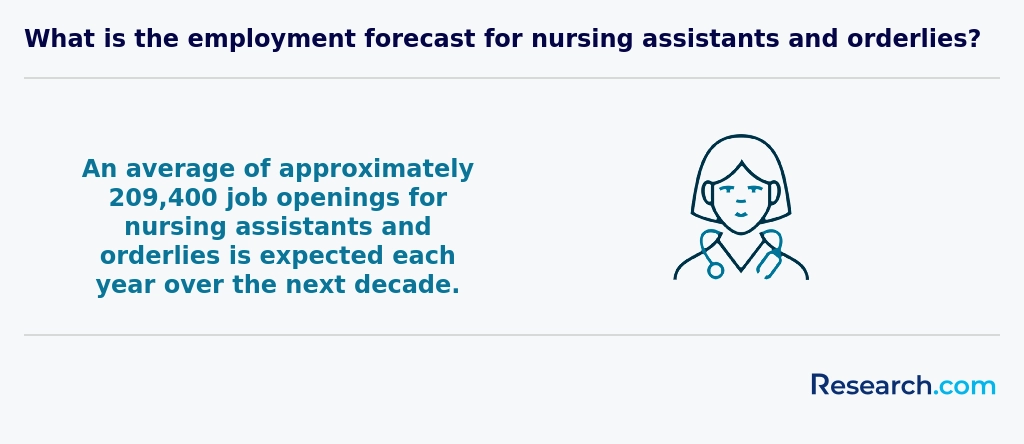
Graduates of nursing programs in Springfield enjoy diverse nursing career opportunities in Springfield that start right after earning their degree from well-regarded local colleges. Many step confidently into roles as Registered Nurses in hospitals, community health organizations, or long-term care facilities, hands-on experiences that many students fondly recall from their clinical rotations. These opportunities reflect the vibrant healthcare scene here, where compassionate care meets practical skill.
Some graduates find joy in advancing their careers by pursuing specialized roles such as nurse practitioners or nurse anesthetists, often earning master's or doctoral degrees at Springfield-area institutions. This path not only elevates their expertise but also unlocks higher earning potential and greater responsibility, turning their passion into impactful leadership within healthcare teams.
For those exploring broader horizons, Springfield nursing degree job prospects include vital positions in healthcare administration, nursing education, and public health nursing. Graduates frequently share how they cherish community outreach projects and teaching roles, knowing their efforts profoundly influence patient outcomes. To explore affordable pathways to such rewarding careers, consider looking into Low Cost Online Nursing Degree Programs Ranking in Pennsylvania.
The job market for nursing degree holders in Springfield is vibrant and full of promise. Graduates from well-known nursing programs at local colleges often find themselves quickly employed in diverse settings-from bustling hospitals like Springfield Regional Medical Center to community health clinics. Many express excitement about entering a field that not only offers stable employment but also the opportunity to make a real difference in the lives of patients, especially with the area's growing elderly population. If you are wondering about job opportunities for nursing graduates in Springfield, you should feel encouraged by the city's expanding healthcare sector and competitive salaries that hover near $75,000 annually.
Students often share how internships and clinical placements in local medical centers have sharpened their practical skills and boosted their confidence before graduation. Additionally, those pursuing associate online degrees in 6 months appreciate the flexibility as they prepare to meet Springfield's increasing healthcare demands. This nursing degree employment outlook Springfield is truly inspiring for anyone ready to launch a meaningful career in healthcare.
2027 Best Nursing Degree Programs Ranking in Springfield
Investing in your education is a significant decision that can shape your future, and the Research.com team understands the importance of making informed choices. To assist prospective students in Springfield, we have meticulously crafted the "2027 Best Nursing Degree Programs Ranking in Springfield." Our commitment to quality, credibility, and accuracy is reflected in the extensive research and analysis conducted to compile this ranking.
We utilized the following reputable data sources to ensure a comprehensive evaluation of nursing programs:
By exploring this ranking, readers will gain valuable insights into the best nursing degree programs available in Springfield, helping them make confident and well-informed decisions about their educational paths. For more details on our methodology, please visit our Research.com methodology page.


Frequently Asked Questions About nursing
Nursing degree students in Springfield can maximize their learning experience by combining classroom study with practical clinical hours. Springfield offers access to several hospitals and healthcare facilities that provide crucial real-world training. According to the Illinois Department of Financial and Professional Regulation, completing at least 500 clinical hours enhances student readiness and employability.
Engaging actively in simulation labs, available at local colleges, strengthens critical skills before direct patient care. Joining nursing student organizations in Springfield also fosters networking and professional growth. Additionally, utilizing resources like the Springfield Public Library for up-to-date nursing journals supports continuous learning.
The nursing field is rapidly evolving, and Springfield students pursuing nursing degrees have several emerging niches to consider. One growing area is gerontological nursing, driven by the aging population in the region. According to the Springfield Health Department, the 65+ population has increased by 12% in the last five years, creating a higher demand for specialized elderly care.
Another expanding niche is telehealth nursing. The rise of virtual care services, accelerated by the COVID-19 pandemic, makes skills in remote patient monitoring highly valuable. Additionally, mental health nursing is gaining importance as awareness grows about behavioral health, with local hospitals reporting a 20% rise in psychiatric cases.
Specialties like pediatric oncology nursing and nurse informatics are also notable. These niches offer nursing graduates diverse career paths aligned with current healthcare trends in Springfield.
After completing a nursing degree in Springfield, preparing for the job market involves several key steps. First, obtaining the necessary state licensure by passing the NCLEX-RN exam is essential to practice as a registered nurse in Illinois. According to the Illinois Board of Nursing, Springfield graduates typically have an 85% pass rate on their first attempt. Networking through clinical placements, local health systems, and nursing associations in Springfield can open up employment opportunities. Additionally, pursuing specialty certifications, such as in gerontology or critical care, can enhance your resume and job prospects. Many Springfield hospitals report a high demand for nurses with advanced skills in 2024, according to the Illinois Department of Employment Security.
Employers in Springfield highly value nursing graduates who demonstrate strong clinical skills combined with effective communication. According to the Springfield Healthcare Workforce Report (2023), proficiency in patient assessment and care planning ranks among the top competencies. Additionally, teamwork and adaptability are essential due to the fast-paced nature of local hospitals.
Critical thinking and decision-making abilities are also prioritized, as evidenced by a survey from the Springfield Nursing Association showing that 78% of employers prefer candidates who can quickly analyze clinical situations. Moreover, familiarity with electronic health records (EHR) systems is increasingly important, given Springfield's recent healthcare digitization efforts.
Finding nursing internships in Springfield involves a few practical steps. Many nursing programs in the area have partnerships with local hospitals and clinics, such as Springfield Regional Medical Center. These collaborations often create streamlined internship opportunities for students. According to the Illinois Department of Financial and Professional Regulation, clinical experience is required for licensure, so securing an internship is essential.
Students should also explore Springfield's public health departments and community health centers, which sometimes offer internship programs. Networking through school career services and attending local healthcare job fairs can increase chances of placement. Early application and maintaining good academic standing are crucial for competitive nursing internships in Springfield.
Obtaining a nursing degree in Springfield significantly enhances career mobility and advancement within the local healthcare sector. According to the Missouri Economic Research and Information Center, registered nurses with a bachelor's degree in nursing (BSN) earn on average 15% more than those with an associate degree.
Springfield's hospitals and clinics increasingly prefer BSN-prepared nurses for leadership roles and specialty departments, reflecting a national trend supported by organizations like the American Nurses Credentialing Center. This preference expands job opportunities and promotes faster promotions.
Additionally, nursing degrees facilitate eligibility for advanced certifications and graduate education, vital for roles such as nurse practitioners or nurse educators, which are in growing demand in Springfield's healthcare market.
Studying for a nursing degree in Springfield equips students with skills essential for interdisciplinary healthcare roles. Local nursing programs emphasize collaboration with professionals such as physicians, social workers, and pharmacists. According to the Springfield Health Education Council (2023), over 70% of nursing curricula include team-based clinical simulations, preparing students for real-world healthcare environments.
Additionally, Springfield's hospitals and clinics actively partner with colleges to offer internships where nursing students engage in multidisciplinary teams. The curriculum often integrates courses on communication, leadership, and healthcare policy, which are critical for effective collaboration across fields.
These interdisciplinary experiences reflect national trends, as promoted by the American Association of Colleges of Nursing, ensuring graduates meet modern healthcare demands.
Choosing between a thesis and a non-thesis nursing degree program in Springfield depends on your career goals and learning preferences. Thesis programs typically require conducting original research, which suits students interested in advanced clinical roles or academic positions. Non-thesis tracks often focus on practical skills, preparing graduates for direct patient care or leadership without the research component.
According to the Missouri Department of Higher Education, Springfield offers several accredited nursing programs with both options available. Data from local nursing boards indicate that thesis graduates often pursue master's or doctoral education, while non-thesis graduates enter the workforce sooner. Consider workload, time commitment, and future plans when deciding.
Students based in Springfield seeking to study nursing abroad have several pathways through U.S. institutions offering international exchange or study-abroad programs. Many accredited nursing schools in the Springfield area partner with universities in countries such as Canada, the United Kingdom, and Australia. These programs typically last a semester or a full academic year, allowing students to earn clinical experience and academic credits recognized by their home institution.
According to data from the American Association of Colleges of Nursing (AACN), about 20% of U.S. nursing programs reported international study options as of 2023. Springfield's major universities align with this trend, giving students access to global healthcare environments.
Additionally, Springfield nursing students can explore summer clinical placements or research internships abroad, often supported by scholarships and grants through their universities' study-abroad offices.
Students pursuing nursing degrees in Springfield have multiple part-time job options that complement their studies. Common roles include certified nursing assistant (CNA), medical aide, and home health aide positions. These jobs offer practical patient care experience, which is vital for nursing education.
According to the U.S. Bureau of Labor Statistics (BLS), Springfield's healthcare sector has grown by 5% over the last five years, increasing demand for such roles. Working in local hospitals, clinics, or long-term care facilities helps students develop clinical skills while managing coursework.
Additionally, pharmacy technician roles can strengthen medication knowledge. Flexible hours in these jobs fit well with nursing program schedules, enhancing both learning and financial stability.
Springfield offers nursing students several valuable networking opportunities. Local colleges and universities often host events that connect students with healthcare professionals, including job fairs and guest lectures. The Springfield Area Healthcare Professionals Association organizes regular mixers and workshops designed specifically for nursing students to build industry contacts.
Students can also join statewide organizations such as the Illinois Nursing Students Association, which provides access to conferences and webinars focused on career development. Additionally, clinical placements in Springfield hospitals and clinics give students hands-on experience and direct networking with practicing nurses and administrators.
These interactions enhance job prospects and professional growth within the Springfield healthcare community.
Alumni networks for nursing degree students in Springfield play a significant role in career development. Graduates benefit from connections with experienced nurses who offer mentorship, guidance, and professional advice specific to the local healthcare environment. According to the Springfield Nursing Association, over 70% of new nurses in the area find job opportunities through alumni referrals.
These networks often provide access to exclusive job listings and local healthcare events, helping students transition smoothly into their careers. Additionally, alumni groups host workshops and continuing education sessions, which are crucial for keeping skills current in a rapidly evolving healthcare field. Engagement with these networks enhances both professional growth and community ties for nursing students in Springfield.
Customizing a nursing degree in Springfield allows students to align their education with specific career goals. Many local colleges offer flexible programs, including options to specialize in fields such as pediatric, geriatric, or psychiatric nursing. Springfield's healthcare market supports such specializations due to its diverse patient population.
Students can choose from different degree levels, like RN-to-BSN or accelerated BSN programs, to fast-track their careers. Clinical rotations are often tailored to your area of interest, providing practical experience in Springfield's hospitals and clinics. According to the Illinois Department of Financial and Professional Regulation, local programs have a strong graduation rate, indicating quality education.
Additionally, some schools provide elective courses and partnerships with nearby medical centers, helping you build relevant skills and networks. This customization helps ensure the degree fits your professional aspirations.
Nursing students in Springfield face several common challenges during their education. A primary issue is balancing rigorous coursework with clinical rotations, which demand significant time and energy. According to the Illinois Board of Higher Education, about 40% of nursing students report stress related to managing both academic and practical requirements.
Financial strain is another concern, with many students relying on loans or part-time work to cover tuition and living expenses. The average cost for nursing programs in Springfield ranges widely, often exceeding $15,000 annually for in-state students.
Finally, competitive admission rates and high licensing exam standards add pressure, making persistence and support services critical for success in local programs.
With a nursing degree in Springfield, graduates can pursue several professional certifications to enhance their careers. The most common certification is the Registered Nurse (RN) license, required to practice nursing in Missouri. Beyond that, many choose specialty certifications such as Certified Nurse Practitioner (CNP), Certified Clinical Nurse Specialist (CNS), or Certified Nurse Anesthetist (CRNA).
There are also certifications in fields like pediatrics, geriatrics, and oncology, offered by organizations such as the American Nurses Credentialing Center (ANCC). According to the Missouri State Board of Nursing, obtaining these credentials can increase job opportunities and salary potential locally.
Certification requirements typically include passing an exam and meeting clinical experience standards. Nurses in Springfield benefit from the growing healthcare sector, making these certifications valuable investments for career advancement.
Applying for a nursing program in Springfield requires clear, concise, and well-organized materials that highlight your dedication and qualifications. Start by thoroughly researching local schools, such as Missouri State University-Springfield or Ozarks Technical Community College, to tailor your application. Include a strong personal statement that explains your passion for nursing, referencing healthcare needs in Springfield, where the demand for registered nurses is projected to grow by 15% through 2030, according to the Missouri Economic Research and Information Center.
Carefully prepare your academic transcripts, demonstrating a solid foundation in science and math. Obtain meaningful letters of recommendation from healthcare professionals or educators who can vouch for your commitment and work ethic. Lastly, complete any required prerequisites or entrance exams exactly as specified by the program to maximize your chances of acceptance.
The global view of a nursing career highlights significant opportunities and growing demand. In the United States, including Springfield, nursing is one of the fastest-growing professions, with the Bureau of Labor Statistics projecting a 9% growth rate from 2020 to 2030. This trend reflects a worldwide need for qualified nurses due to aging populations and increased healthcare access.
Many countries recognize US nursing degrees, supporting international mobility for graduates. Nursing roles often offer competitive salaries and diverse work environments, from hospitals to community care. Springfield's nursing programs align with national standards, preparing students for local and global healthcare challenges.
Additionally, according to the American Nurses Association, nurses consistently report high job satisfaction and respect globally, reinforcing the profession's importance across cultures.
Gaining practical experience while studying for a nursing degree in Springfield is essential for career readiness. Many accredited nursing programs in the area include clinical rotations as part of their curriculum. These rotations allow students to work directly with patients in settings such as hospitals, community clinics, and long-term care facilities.
Springfield nursing students often complete over 500 hours of hands-on clinical practice before graduation, meeting requirements set by the state board of nursing. Additionally, some schools offer simulation labs where students can practice procedures in a controlled environment.
Volunteer opportunities and internships are also common ways to build experience alongside formal coursework. Local health systems, such as Mercy Hospital Springfield, frequently collaborate with nursing schools to provide these practical learning experiences.
Choosing the right concentration within a nursing degree program in Springfield begins with understanding your career goals. Nursing offers many paths, including pediatrics, gerontology, and critical care, each requiring distinct skills and knowledge. According to the American Association of Colleges of Nursing, concentrations that align with local healthcare needs-such as gerontology in areas with aging populations-can enhance job prospects.
Research Springfield's healthcare landscape to identify high-demand specialties. For example, data from the Missouri Economic Research and Information Center highlights a strong need for family nurse practitioners in the Springfield area. Also, consider your interests and clinical experiences during the program, which can guide your specialization choice.
Finally, confirm the nursing programs' accreditation and available resources for each concentration. Accredited programs ensure quality education and eligibility for licensure exams, essential for career advancement in nursing.
- 2027 Best Nursing Degree Programs Ranking in Kansas City
- 2027 Best Nursing Degree Programs Ranking in Saint Louis
- 2027 Best Nursing Degree Programs Ranking in Lincoln
- 2027 Best Nursing Degree Programs Ranking in Peoria
- 2027 Best Nursing Degree Programs Ranking in Omaha
- 2027 Best Nursing Degree Programs Ranking in Sioux City
- 2027 Best Nursing Degree Programs Ranking in Louisville
- 2027 Best Nursing Degree Programs Ranking in Indianapolis
- 2027 Best Nursing Degree Programs Ranking in Chicago
- 2027 Best Nursing Degree Programs Ranking in Birmingham
See What Experts Have To Say About Studying Nursing
Read our interview with Nursing experts


- Nursing https://www.alliancehce.org/program-category/onsite-nursing
- Nurse Your Career in Springfield’s Heartland https://www.nurserecruiter.com/missouri/springfield
- Scholarships & Financial Aid https://www.aacnnursing.org/students/scholarships-financial-aid
- Nursing - SUM Admission https://admission.sum.edu.pl/nursing/
- Essential Tips for Nursing Students to Advance Their Careers https://almanaltraining.com/essential-tips-for-nursing-students-to-advance-their-careers/
- Tips for Creating a Perfect Nursing School Application https://www.allnursingschools.com/articles/how-to-create-the-perfect-nursing-school-application/
- How to Write https://esign.com/letter-of-intent/school/nursing/
- How to Choose a Nursing Program: A Comprehensive Guide - Madonna ABSN https://absn.madonna.edu/blog/how-to-choose-a-nursing-program/
- St. John's College of Nursing | Springfield, IL https://www.hshs.org/st-johns-college
- How Do I Choose the Right Nursing School? | NursingEducation https://nursingeducation.org/insights/choose-nursing-school/


