2027 Most Valuable Nursing Degree Programs Ranking in Denton

Co-Founder and Chief Data Scientist
Choosing the right nursing degree program in Denton can shape your future career and open doors to many opportunities. This article introduces the 2027 Most Valuable Nursing Degree Programs Ranking in Denton, crafted by Research.com's team of expert data scientists.
With clear insights and carefully analyzed data, this ranking helps you identify programs that offer the best value for your time and investment. Whether you're just starting or planning a career change, understanding which nursing programs stand out can guide your decision with confidence.
Pursuing a nursing degree is a rewarding step toward making a real difference while building a stable and fulfilling career. Read on to discover the options that best fit your goals and aspirations.
Key benefits of getting nursing degree in Denton
- Nursing degree graduates in Denton can expect strong earning potential, with Registered Nurses earning a mean annual wage of $94,480 and Operating Room Nurses earning up to $128,490.
- Graduates from institutions like the University of North Texas have diverse career options, including roles as Public Health Nurses, Emergency Room Nurses, or Clinical Nurse Educators, offering flexibility and growth.
- Obtaining a nursing degree online from Denton-based schools provides convenience and allows students to balance studies with work or family, making career advancement more accessible and motivating.
- 2027 Most Valuable Nursing Degree Programs Ranking in Denton
- What can I expect from nursing degree in Denton?
- Where can I work with nursing degree in Denton?
What can I expect from nursing degree in Denton?
The average cost of pursuing a nursing degree in Denton typically ranges depending on the type of institution and program length, but many students find public colleges offer more affordable tuition compared to national averages. Graduates from community colleges in Denton often highlight that associate degrees cost significantly less, sometimes as low as a few thousand dollars per year, easing the financial burden while still opening doors to healthcare careers.
On the other hand, those attending universities for a Bachelor of Science in Nursing (BSN) share mixed feelings about tuition, which can edge higher but bring expanded opportunities and deeper learning experiences. Many reflect on how investing in a BSN at Denton's popular universities felt like stepping into a competitive edge, where the higher cost translated into better clinical placements and networking.
Students who choose accelerated pathways note the intense commitment and associated costs, yet they often express a profound satisfaction from fast-tracking their careers despite the expense. These firsthand experiences reveal that while tuition varies, Denton's nursing programs provide tangible value shaped by personal ambition and local resources.
Where can I work with nursing degree in Denton?
Graduates from nursing programs in Denton often find themselves immersed in diverse healthcare environments shaped by the city's dynamic needs. Imagine starting your career at Denton Regional Medical Center, where nurses support everything from emergency trauma to maternity care, experiencing the thrill and fulfillment of immediate impact. Many graduates from institutions like the University of North Texas Health Science Center describe this as a launching pad that sharpens clinical skills while opening leadership doors, especially if you pursue a BSN.
Others discover unexpected satisfaction working in outpatient clinics or physician offices, adapting to a more personal rhythm of patient interactions focused on prevention and education. The variety here challenges the stereotype that nursing is confined to hospital wards, highlighting how Denton's healthcare ecosystem embraces flexibility.
Long-term care and public health sectors invite graduates to build deep relationships, managing complex care plans or leading community wellness initiatives. These roles frequently evoke a profound sense of purpose as nurses witness sustained improvements in patients' lives, a rewarding contrast to the fast pace of hospital work.
Nursing graduates in Denton stepping into local healthcare roles often discover earnings that challenge expectations. For instance, registered nurses typically earn a mean annual wage of about $94,480-higher than many anticipate. This figure reflects data consistent across roles like clinical nurse educator, public health nurse, and emergency room nurse, all sharing this competitive salary baseline in the Denton region.
Graduates from institutions such as the University of North Texas Health Science Center share stories of jumping into healthcare careers where pay aligns well with rigorous nursing programs they completed. One can imagine the relief and pride in receiving an offer exceeding $90,000 shortly after licensure, a milestone that proves the value of dedicated study in Denton's vibrant medical community.
For those who pursue specialized paths, such as operating room nursing, compensation rises substantially-with mean wages reaching approximately $128,490 annually. This jump can inspire students contemplating further certifications or master's degrees to visualize not just higher income but enhanced professional fulfillment.
Such salary potential challenges the old notion that nursing is underpaid, especially in Denton where healthcare demand and advanced facilities help sustain these attractive levels. This creates a compelling and relatable financial incentive for prospective nursing students committed to making a meaningful impact while securing their futures.
- Denton offers accredited nursing programs including ADN and BSN pathways combining classroom and clinical training.
- ADN program tuition typically ranges from $6,000 to $10,000, while BSN programs cost between $20,000 and $40,000 depending on the school.
- New nurses in Denton start with an average salary of about $60,000, increasing to $80,000 or more after 5 to 10 years of experience.
- Nursing employment in Denton is projected to grow steadily, with most graduates finding jobs within six months thanks to local healthcare partnerships.
- Graduates must pass the NCLEX-RN exam to practice, and Denton's programs have pass rates often exceeding the Texas state average of 85%.
Completing a nursing degree in Denton often challenges expectations around time and commitment. For many, an Associate Degree in Nursing (ADN) from a local community college unfolds over roughly two years, blending classroom learning with hands-on clinical days-an experience many graduates recall as intense yet profoundly rewarding. At institutions like North Central Texas College, students describe the balance of study and practical work as energizing, fueling their passion early on.
Meanwhile, pursuing a Bachelor of Science in Nursing (BSN) at universities nearby typically requires about four years. Many BSN graduates from institutions such as the University of North Texas highlight how the structured pace allows for deeper knowledge and meaningful clinical placements, often arranged through regional hospitals in Denton. Their stories reveal how immersive learning fosters confidence and readiness for real-world nursing challenges.
Those juggling prior credentials often find accelerated or bridge programs that compress the process into 12 to 24 months, proving that the path to becoming a nurse in Denton can flex to fit varied life rhythms and ambitions.
Graduates must pass the NCLEX-RN and secure a Texas RN license. Local programs report strong first-time pass rates:
- University of North Texas: 92% (2023)
- Texas Woman’s University: 95% (2023)
- North Central Texas College: 90% (2023)
Key success factors include:
- Integrated NCLEX prep workshops and simulation labs
- Faculty-led study groups and mentoring
- Access to online question banks and review courses
After passing the NCLEX-RN, apply through the Texas Board of Nursing. For RNs aiming to advance without extra clinical requirements, see our guide on rn to bsn without clinicals.
Choosing between an online and an on-campus nursing degree in Denton shifts from a simple preference to a deeper reflection on how you want to shape your nursing journey. Graduates from UNT's nursing program often share that the on-campus experience pulses with energy-engaging hands-on labs and instant access to clinical sites like Denton Regional Medical Center make theory tangible. Imagine mastering a complex IV insertion in a lab, surrounded by peers and instructors who offer immediate feedback, creating a sense of confidence and community.
Contrast this with online students, many from programs affiliated with local colleges, who praise the flexibility to study around demanding jobs or family commitments. They navigate video lectures and virtual simulations with determination, fitting nursing education seamlessly into their busy lives. Yet, these students also emphasize the importance of local partnerships universities facilitate, ensuring clinical hours are fulfilled at nearby hospitals, aligning real-world practice with remote learning.
Both paths evoke pride but challenge you differently-balancing flexibility with immersion, independence with collaboration, and convenience with direct mentorship, each shaping the future nurse in uniquely powerful ways.
Nurses in Denton, TX, can significantly boost their earning potential and clinical expertise by pursuing continuing education pathways such as RN-to-BSN bridge programs or advanced practice degrees. For those holding an ADN or a bachelor’s in another field, enrolling in accelerated bsn programs for non nurses online offers a streamlined curriculum that builds leadership skills, enhances critical thinking, and fulfills BSN prerequisites in as little as 12–18 months. These programs often integrate evidence-based practice, community health, and informatics, equipping graduates to assume supervisory roles, qualify for magnet hospital designations, and command higher salaries. Beyond degree completion, specialty certifications-such as Critical Care Registered Nurse (CCRN), Certified Nurse Educator (CNE), or Gerontological Nursing Certification (RN-BC)-enable practitioners to demonstrate expertise in niche areas. Certification bodies like the American Nurses Credentialing Center (ANCC) and the American Association of Critical-Care Nurses (AACN) offer flexible exam preparation courses and online modules tailored to working professionals. Earning these credentials not only validates advanced competency but also often leads to a 10–20% wage premium compared to non-certified peers. In addition, active participation in professional organizations-such as the Texas Nurses Association (TNA) or the Denton County Nurses Association-provides networking opportunities, mentorship programs, and access to continuing education units (CEUs) required for license renewal. Attending conferences, webinars, and local chapter events fosters lifelong learning, supports evidence-based practice adoption, and keeps nurses abreast of regulatory changes. By embracing these continuing education and career advancement strategies, Denton’s nursing workforce can achieve greater job satisfaction, expand their scope of practice, and secure leadership positions within diverse healthcare settings.
In Denton, the average cost of a nursing degree shapes a crucial part of career planning for many students. Data indicates that the median in-state total cost of nursing education is approximately $8,640, a figure significantly lower than the median total cost of $32,650 seen overall. This cost difference reflects the affordability of local options like North Central Texas College, where ADN programs provide a more accessible pathway. Graduates from such community colleges often recall the relief of manageable tuition combined with strong hands-on experience, underscoring the value of choosing Denton for nursing education.
For students aiming for a Bachelor of Science in Nursing at institutions such as the University of North Texas, the investment naturally rises, but remains competitive. Many of these graduates describe the emotional reward of overcoming financial hurdles and gaining comprehensive skills that prepare them for the demanding healthcare field. Understanding the average nursing degree cost Denton offers helps students see this as not just a financial sacrifice but a meaningful investment in their futures.
It's important to consider that the cost of nursing programs Denton Texas includes expenses beyond tuition-such as supplies, uniforms, and exam fees-which add to the total financial commitment. Some nursing students find motivation in scholarships, grants, and financial aid opportunities. Additionally, those interested in specific nursing-related careers might explore related fields and specialties, sometimes linked to programs on topics like obstetrics and gynecology sonographers.

Choosing a nursing program with recognized accreditation and strong licensure outcomes is essential for your professional success. In Denton, TX, top institutions typically hold accreditation from the Commission on Collegiate Nursing Education (CCNE) or the Accreditation Commission for Education in Nursing (ACEN). These endorsements ensure curricula meet rigorous standards in nursing theory, clinical practice, and ethical care. • CCNE vs. ACEN Accreditation – CCNE-accredited BSN and MSN programs emphasize leadership, evidence-based practice, and community health. – ACEN-accredited ADN and diploma programs focus on practical skills and foundational nursing competencies. • NCLEX-RN Pass Rates A high first-time NCLEX-RN pass rate reflects program quality and student preparedness. For example, the University of North Texas BSN program boasts a 94% first-time pass rate, while Texas Woman’s University’s ADN program reports an 89% rate. Prospective students should compare these metrics when evaluating schools. • State Board of Nursing Approval All Denton-area programs must be approved by the Texas Board of Nursing to allow graduates to sit for the NCLEX. Approval status indicates compliance with state regulations, clinical hour requirements, and faculty qualifications. • Licensure Application Timeline – Apply for NCLEX eligibility 30–60 days before graduation. – Complete fingerprinting and background checks via the Texas Board of Nursing portal. – Schedule your NCLEX-RN exam through Pearson VUE within six months of graduation. • Continuous Accreditation Monitoring Accredited programs undergo periodic reviews, often including site visits and outcome evaluations. Prospective students can verify current status on CCNE and ACEN websites. For those comparing program affordability alongside accreditation, students looking for cost-effective options outside Denton might explore our Most Affordable Nursing Degree Programs Ranking in San Francisco, CA to balance quality, licensure success, and budget.
Many nursing students at popular Denton institutions like the University of North Texas find that federal aid often becomes their lifeline. Completing the FAFSA is not just a formality-it's the key that unlocks Pell Grants, which can cover up to $7,500 a year without repayment, lightening the financial load substantially. Graduates often recall how these grants transformed their college experience from stressful to manageable.
State aid programs, such as those offered by the Texas Higher Education Coordinating Board, also play a pivotal role. Imagine committing to work in Texas healthcare settings after graduation and receiving financial support through the Nursing Shortage Reduction Program-this kind of targeted aid feels like a direct investment in your future and community.
Local scholarships hold unexpected power as well. Denton-area hospitals and medical societies frequently award scholarships that have helped many students bridge funding gaps. Work-study opportunities on campus blend earning and learning, making the journey feel more connected to real-world healthcare.
For working healthcare professionals pursuing nursing degrees at institutions like North Central Texas College, employer tuition assistance programs become essential, creating a sense of being supported in both work and study. These layered options show financial aid in Denton is not just assistance; it's a lifeline toward a rewarding career.
Prospective students often gauge program quality by examining graduation rates, NCLEX pass percentages, and early-career placement-key indicators of a nursing program’s effectiveness. In Denton, TX, top nursing schools report four-year BSN graduation rates ranging from 78% to 92%, while ADN programs typically see completion rates between 68% and 85%. Equally important is performance on the NCLEX-RN licensure exam. For example, the University of North Texas consistently achieves an NCLEX-RN first-time pass rate of 95%, surpassing the national average of 88%. Texas Woman’s University boasts a 93% first-time pass rate for ADN graduates, demonstrating strong curriculum alignment with licensure requirements. Job placement within six months of graduation is another critical metric. Recent data show that over 84% of BSN graduates in Denton secure full-time positions in hospitals, clinics, or community health settings within six months, with some schools reporting rates as high as 90%. ADN graduates report similarly robust outcomes, particularly when supported by comprehensive career services and clinical partnerships with local health systems. For those aiming to advance quickly into nurse practitioner roles, exploring integrated MSN pathways can provide both academic rigor and streamlined approval processes. In fact, certain programs have designed accelerated tracks that not only ensure licensure success but also qualify as the easiest np degree to go get into online, balancing flexibility with accreditation standards. By prioritizing these outcome metrics-graduation rates, NCLEX pass percentages, and job placement-you’ll make a data-driven decision that aligns with both your career goals and financial investment.
Envision stepping into a nursing classroom at the University of North Texas Health Science Center in Denton, where the journey begins not just with passion but with clear academic prerequisites. Graduates often recall that holding a high school diploma or GED was just the first checkpoint-what truly prepared them was completing courses like anatomy, microbiology, and English composition, maintaining a GPA of around 2.5 to 3.0. These aren't arbitrary hurdles; they ground you in the reality of nursing's demands.
Many students share how passing the TEAS exam was a pivotal moment, a test that challenges your grasp of science, math, and reading. But it's more than exams-CPR or CNA certifications, often gained through local Denton community colleges like North Central Texas College, become badges of readiness. This hands-on experience turns abstract knowledge into confident care, smoothing the path from classroom to clinic.
Reflecting on the admissions process, applicants remember submitting personal statements and letters of recommendation, essential steps that highlight character and commitment. These prerequisites create a foundation that transforms hopeful students into compassionate nurses ready to embrace Denton's healthcare challenges.
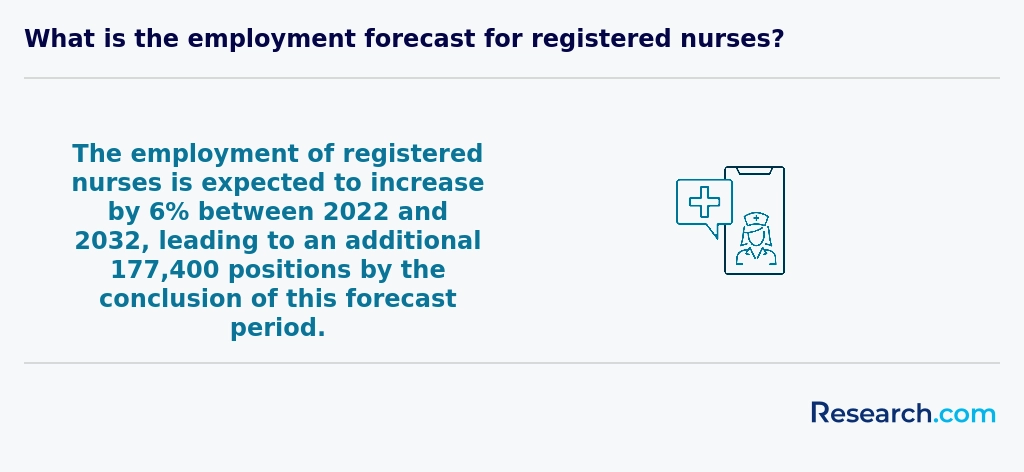
When deciding on a nursing program in Denton, TX, it's essential to consider several factors that can impact your education and future career. One crucial step is to research and explore different programs, such as those offered by valuable nursing schools in Texas, to find the one that best aligns with your goals and interests. By evaluating aspects like accreditation, curriculum, clinical training opportunities, cost, and job placement rates, you can make an informed decision that sets you up for success in the nursing field. Additionally, considering the type of degree, such as an Associate Degree in Nursing (ADN) or a Bachelor of Science in Nursing (BSN), and the specializations available, like pediatric or geriatric nursing, can help you tailor your education to your desired career path.
Nursing degree programs in Denton commonly blend rigorous science with hands-on care principles, challenging students to rethink what it means to be a caregiver. Graduates from popular Denton schools often reflect on how anatomy and physiology courses went beyond memorizing body parts-they illuminated the delicate balance sustaining life, deepening their empathy for patients.
Microbiology and pharmacology are similarly transformative, turning abstract facts about infections and medication into practical tools for safeguarding community health. Many students find themselves recalling lessons from medical-surgical nursing classes, where clinical scenarios at local hospitals illustrated the immense responsibility of adult patient care.
Courses like maternal and child health nursing bring emotional depth, reminding learners of the profound beginnings of life and the unique care newborns require. Meanwhile, mental health nursing breaks stigmas by encouraging a compassionate view of psychological disorders encountered across Denton's diverse population.
Community health nursing and evidence-based practice push students to think beyond individual care, inspiring a commitment to improve public health outcomes throughout the North Texas region. These experiences, embedded in Denton's nursing education, empower students to become adaptable, reflective professionals ready to meet evolving healthcare needs.
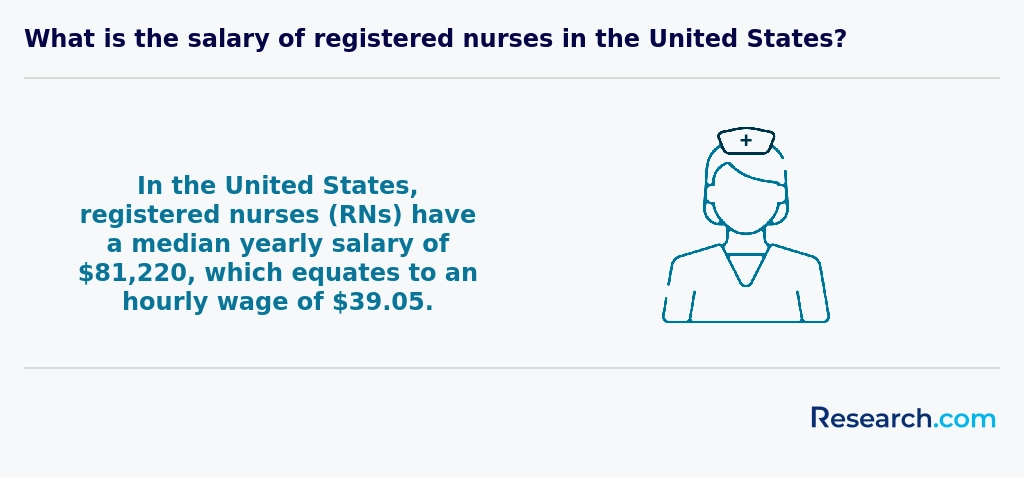
In Denton, nursing degrees challenge students to explore diverse nursing specializations designed to meet real-world healthcare needs. Graduates from institutions like the University of North Texas Health Science Center often reflect on how focusing on areas such as Family Nurse Practitioner or Public Health Nursing transformed their approach to patient care. These programs don't just teach skills-they invite students to engage emotionally, understanding the profound impact of work in community-wide disease prevention or geriatric nursing. The availability of Licensed Vocational Nurse to RN bridge programs further showcases Denton's commitment to flexible pathways for advancing nursing careers, especially when addressing acute or long-term care environments.
Students who pursue nursing specializations in Denton Texas often find themselves confronting and reshaping traditional roles, especially through accredited RN to BSN programs that emphasize leadership and community health. Stories from recent graduates reveal the satisfaction of working in mental health nursing, a growing necessity amid increasing awareness of psychiatric care. Ultimately, these specializations offer not just knowledge but a meaningful connection to the evolving landscape of healthcare in Denton and beyond.
Choosing the best nursing degree in Denton means looking beyond just program titles and costs. Graduates from North Central Texas College often praise the affordable ADN programs, which provide practical skills quickly, but others who pursued BSN pathways at The University of North Texas emphasize the broader leadership development and clinical depth. Reflect on your own priorities: is it immediate hands-on experience or long-term career flexibility? Many successful students report that programs with strong clinical affiliations in Denton hospitals made a tangible difference in their confidence and job prospects.
Consider also how much weight you place on NCLEX-RN pass rates-a program boasting over 85% success suggests solid exam preparation but think about how your daily experiences in class and clinicals match your learning style. If juggling work or family is essential, explore part-time or online options. Some students have found unexpected growth through exposure to online sonography degrees leadership opportunities that complemented their nursing studies.
Cost is especially important when searching for affordable nursing degree options Denton offers; the total expenses, including textbooks and clinical supplies, often surprise newcomers. Ultimately, choosing a degree here means balancing personal circumstances with professional ambitions while tapping into local resources and networks for ongoing support.
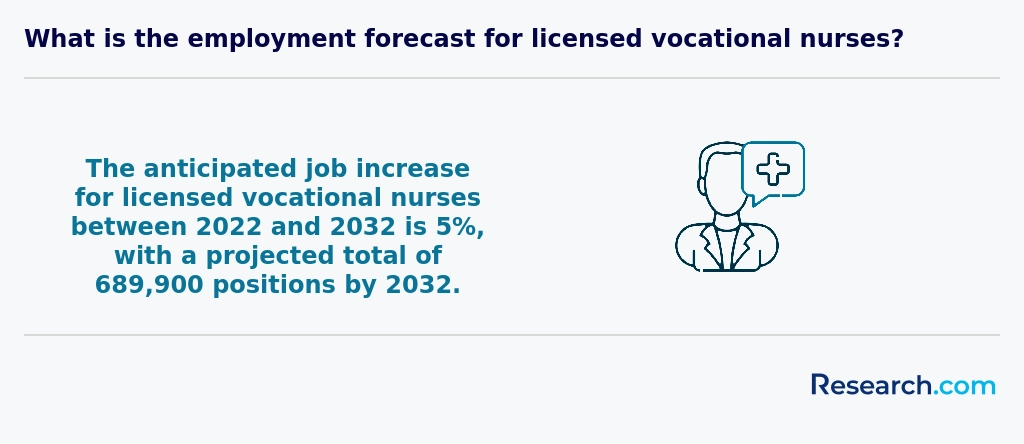
Graduates with a nursing degree in Denton find themselves at a crossroads rich with opportunity, far beyond the typical hospital floor. Many who studied at local institutions like Texas Woman's University share stories of transitioning smoothly into roles such as Registered Nurse (RN) or Licensed Practical Nurse (LPN), drawn by Denton's growing healthcare sector and personalized patient care settings. This city's unique demand for bedside care contrasts with larger metropolitan areas, offering a more intimate environment to build lasting patient relationships.
Exploring specialized fields is another compelling path that many take after gaining experience. Whether it's pediatrics, oncology, or emergency nursing, these focused roles unlock not just higher salaries but a meaningful sense of purpose deeply rooted in community impact. Additionally, pursuing careers as nurse educators in Denton's colleges enables graduates to inspire the next generation of nurses, enhancing healthcare quality locally.
For those aiming even higher, advanced practice registered nurse (APRN) roles beckon, often requiring further education. Considering the affordability of nursing programs in Denton compared to national averages, it's a smart investment in a stable future. Exploring online nursing degrees florida admissions can also offer flexible options for continuous growth. Ultimately, nursing career opportunities in Denton are diverse and deeply rewarding.
Local demand ensures that jobs for nursing graduates Denton TX are not only plentiful but built on a foundation of community trust and professional respect.

The nursing job opportunities in Denton thrive on a blend of robust healthcare infrastructure and a growing demand for skilled professionals. Graduates from prominent local institutions like the University of North Texas often share how their hands-on clinical experiences at Texas Health Presbyterian Hospital Denton prepared them for the realities of patient care, emergency response, and specialized nursing roles. This direct exposure not only builds confidence but also fosters a deep connection with the community they serve.
Many nursing degree holders in Denton find themselves in a market fueled by continuous growth-12% statewide over the next decade-offering not just jobs but career pathways in pediatrics, geriatrics, and telehealth. These roles stand out as emotionally rewarding and dynamically evolving, providing graduates opportunities to make a meaningful impact beyond traditional hospital walls.
Exploring affordable education options and scholarships, students often discover the value of attending valuable nursing schools in Texas which combine cost-effectiveness with strong employment prospects, reinforcing Denton's appeal as a smart choice for those navigating the healthcare employment outlook Denton TX.
2027 Most Valuable Nursing Degree Programs Ranking in Denton
Investing in your education is a significant decision that can shape your future, and the Research.com team recognizes the importance of making well-informed choices. To support prospective students in Denton, we have carefully developed the "2027 Most Valuable Nursing Degree Programs Ranking in Denton." Our dedication to quality, credibility, and accuracy is demonstrated through thorough research and rigorous analysis behind this ranking.
We utilized the following reputable data sources to ensure a comprehensive evaluation of nursing programs:
By exploring this ranking, readers will gain valuable insights into the most valuable nursing degree programs available in Denton, enabling them to make confident and strategic decisions about their education. For more information on how this ranking was created, please visit our Research.com methodology page.

Frequently Asked Questions About nursing
Nursing degree students in Denton can maximize their learning experience by actively engaging in both theoretical and practical training offered by local institutions. Schools such as the University of North Texas Health Science Center provide robust clinical placements that connect students with Denton-area hospitals, enhancing hands-on skills crucial for nursing careers. According to the Texas Board of Nursing, students who complete diverse clinical rotations tend to perform better in licensing exams.
Additionally, students should participate in study groups and seek mentorship from experienced nurses within community healthcare settings. Leveraging online resources alongside traditional coursework helps reinforce knowledge and adapt to evolving healthcare practices.
Networking through local nursing associations in Denton also offers exposure to job opportunities and professional development events. Consistent involvement in these activities supports both academic success and career readiness.
The nursing field is evolving with emerging niches that offer new career opportunities. In Denton and across the U.S., areas like geriatric nursing are expanding due to the aging population. According to the Texas Board of Nursing, nurses specializing in elder care are increasingly in demand to manage complex chronic conditions.
Another growing niche is telehealth nursing, which has surged following the COVID-19 pandemic. Telehealth nurses provide remote patient monitoring and virtual care, improving access for Denton's rural communities. Data from the American Nurses Association highlights a projected 30% growth in telehealth jobs by 2028.
Additionally, psychiatric-mental health nursing is gaining importance as awareness of mental health rises nationwide. Denton's healthcare providers are actively seeking nurses with expertise in behavioral health to support community needs.
After completing a nursing degree in Denton, preparing for the job market involves several practical steps. First, obtaining licensure through the NCLEX-RN exam is essential to practice as a registered nurse in Texas. Denton-area healthcare employers often value clinical experience gained during education, so students should seek internships or externships at local hospitals like Texas Health Presbyterian or Medical City Denton.
Networking through local nursing associations, such as the Denton County Nurses Association, can aid in job placement and professional growth. Additionally, staying updated on Texas Board of Nursing requirements helps maintain licensure and eligibility for advanced roles.
The Texas Workforce Commission reports that registered nursing jobs in the Denton region are expected to grow by over 15% through 2030, emphasizing strong local demand.
Employers in Denton highly value nursing graduates who demonstrate strong clinical skills and critical thinking abilities. According to data from the Texas Board of Nursing, practical competency in patient care and adherence to safety standards are essential for entry-level nurses. Communication skills also rank prominently, as nurses must effectively coordinate with patients, families, and healthcare teams.
Another key skill is adaptability. Denton's healthcare facilities often seek graduates able to manage fast-paced environments and evolving technologies. Additionally, empathy and cultural sensitivity are important due to Denton's diverse patient population, as reported by the Denton County Public Health Department.
These skills collectively prepare graduates for successful employment in local hospitals and clinics.
Finding nursing internships in Denton involves exploring several local healthcare facilities and educational partnerships. Denton is home to facilities such as Texas Health Presbyterian Hospital Denton and Denton Regional Medical Center, which often offer clinical internship opportunities for nursing students.
Many nursing programs in Denton, including those at the University of North Texas Health Science Center, facilitate internships as part of their curriculum. Students should consult their school's career services and nursing department for established internship placements.
Additionally, organizations like the Denton County Public Health Department provide community health internship experiences, allowing students to gain hands-on practice in public health nursing. Online platforms like the Texas Board of Nursing website also list approved clinical facilities in Denton County.
Obtaining a nursing degree in Denton significantly enhances career mobility and advancement opportunities within the local healthcare market. Denton's growing healthcare sector, including facilities like Medical City Denton, values formally educated nurses, which can lead to higher starting salaries and quicker promotion tracks. According to the Texas Workforce Commission, registered nurses with a bachelor's degree in nursing (BSN) in the Denton area earn approximately 15% more than those with an associate degree (ADN). A nursing degree also opens doors to specialized roles such as nurse practitioner or nurse educator, which typically require advanced degrees and offer increased job stability.
Employers in Denton often prefer candidates with accredited nursing degrees due to their comprehensive training and clinical experience. This preference can result in better job placements and eligibility for leadership positions. Furthermore, having a recognized nursing credential supports nurses in meeting ongoing licensure requirements and adapting to evolving healthcare standards, enabling sustained career growth within the Denton community.
Studying for a nursing degree in Denton equips students with skills vital for interdisciplinary healthcare roles. Local programs emphasize teamwork by integrating courses that involve collaboration with disciplines like social work, physical therapy, and medicine. This approach aligns with Texas Board of Nursing standards, which highlight communication and coordination across health professions as essential competencies.
Many Denton nursing programs include clinical rotations in diverse healthcare settings, allowing students to engage with various specialists. According to the Texas Higher Education Coordinating Board, this hands-on experience enhances understanding of collaborative care models, which improves patient outcomes. Denton's growing healthcare sector also offers networking opportunities that prepare graduates to work effectively within multidisciplinary teams.
Choosing between a thesis and a non-thesis nursing degree program in Denton depends on your career goals and learning preferences. A thesis option typically involves conducting original research and writing a formal document, which suits students aiming for academic or research careers.
Non-thesis programs focus on coursework and practical experience, ideal for those planning to enter clinical practice or administrative roles quickly. Denton is home to several accredited nursing programs that reflect this choice.
The Texas Board of Nursing reports that over 60% of Denton graduates prefer non-thesis options for faster entry into the workforce, while thesis tracks are favored by about 40% seeking advanced clinical or academic positions.
Consider your professional objectives and consult with program advisors to identify the best fit for your future in nursing.
Students based in Denton who wish to study nursing abroad have several pathways to explore. Many US universities, including those in Texas, offer exchange programs or study abroad opportunities in countries with established healthcare systems. These experiences can enhance clinical skills and cultural competence.
Additionally, nursing students may consider completing part of their clinical rotations abroad through partnerships facilitated by their home institutions. This is valuable for gaining international nursing perspectives while earning credits applicable toward their degree.
It is important to verify accreditation and proper licensing requirements that apply post-study, especially for returning to work in the US. Sources like the Texas Board of Nursing provide guidance on credential recognition.
Students pursuing nursing degrees in Denton can benefit from part-time jobs that align closely with their studies. Healthcare support roles, such as certified nursing assistants (CNAs) or patient care technicians, offer practical experience while earning. Local hospitals like Texas Health Presbyterian Denton often hire part-time aides, providing valuable exposure to clinical environments.
Additionally, positions in rehabilitation centers and assisted living facilities can help develop patient interaction skills essential for nursing careers. According to the Texas Workforce Commission, Denton's healthcare employment grew by 15% from 2018 to 2023, indicating rising opportunities for part-time healthcare roles.
Campus-based tutoring or lab assistant roles related to health sciences also complement nursing education by reinforcing knowledge and communication skills.
Nursing students in Denton benefit from various networking opportunities through local universities such as the University of North Texas Health Science Center and Texas Woman's University. Both institutions host nursing student organizations and events that connect students with experienced professionals and clinical mentors.
Additionally, Denton's healthcare facilities often offer internship and clinical placement programs, enabling students to build relationships with practicing nurses and healthcare administrators. Participation in Texas Nurses Association chapters in the region also provides valuable chances to attend conferences, workshops, and seminars focused on nursing careers.
According to the Texas Board of Nursing, students with active local engagement report better job placement rates post-graduation, thanks to these networking avenues.
Alumni networks play a significant role in supporting nursing degree students in Denton by providing valuable connections and career opportunities. Graduates often stay engaged through local nursing chapters and university-sponsored events, allowing current students to access mentorship from experienced professionals.
These networks help students navigate the complex job market in Texas, where the demand for registered nurses is projected to grow by 15% by 2030, according to the Texas Workforce Commission. Alumni can offer insights on licensure, continuing education, and clinical placements, which strengthen students' practical skills and employability.
Moreover, networking fosters community support, which is crucial during the rigorous nursing program journey. Resources shared within alumni circles often include job openings at nearby hospitals such as Texas Health Presbyterian Denton and community health centers, improving employment prospects for new graduates. Overall, active alumni networks enhance both educational and professional outcomes for nursing students in Denton.
In Denton, students can tailor nursing degree programs to match their career goals through various options provided by local colleges such as the University of North Texas Health Science Center. Many programs offer specializations in areas like pediatric nursing, gerontology, and emergency care, allowing students to focus their studies on specific fields. Additionally, elective courses and clinical rotations can be selected to gain hands-on experience in preferred settings, enhancing practical skills.
Flexible scheduling, including part-time and online classes, helps students balancing work and study demands. Academic advisors in Denton also assist in crafting individualized study plans aligned with career objectives.
Nursing students in Denton often face significant challenges balancing rigorous coursework with clinical practice hours. The demanding schedule requires strong time management skills, as students must complete both theory and hands-on training. According to the Texas Board of Nursing, attrition rates in nursing programs statewide can reach up to 20%, reflecting the pressure on students to maintain high academic and clinical standards.
Access to clinical placements in Denton is competitive due to the limited number of healthcare facilities partnering with nursing programs. This can delay graduation and increase stress among students. Additionally, the cost of nursing education, including textbooks, uniforms, and licensing exam fees, presents a financial barrier for many.
Students also report challenges adapting to the advanced technology used in modern healthcare settings, requiring continuous learning beyond their coursework. Emotional stress from patient care experiences is another common difficulty impacting student well-being in Denton's nursing programs.
With a nursing degree in Denton, graduates can pursue a variety of professional certifications to enhance their careers. Common certifications include the Certified Registered Nurse Anesthetist (CRNA), Certified Nurse Midwife (CNM), and Family Nurse Practitioner (FNP), all recognized nationwide. These certifications require completion of advanced education and passing specialized exams.
Additionally, Denton nurses often pursue credentials like Medical-Surgical Nursing Certification (CMSRN) and Certified Emergency Nurse (CEN) to specialize further. According to the Texas Board of Nursing, certification boosts employment opportunities and can lead to higher salaries.
Local healthcare facilities, including those in Denton County, sometimes require or prefer certified nurses, making these credentials valuable for career advancement within the region.
Applying to nursing programs in Denton requires a clear and focused approach. Most programs, including those at the University of North Texas Health Science Center, value a strong academic record, especially in science and math courses. Maintaining a GPA above 3.0 increases admission chances, as competition grows each year.
Applicants should emphasize their healthcare experience, volunteer work, or internships, which demonstrate commitment and practical skills. Personal statements must be concise, highlighting motivation for nursing and understanding of the profession's demands. According to the Texas Board of Nursing, up-to-date professional certifications and references contribute positively to applications.
Preparing for the TEAS exam, often required for Denton nursing programs, with a score above 70% further strengthens candidacy.
The global perspective on a nursing career highlights significant opportunities for those trained in the US, including Denton. Nurses are essential worldwide, with the World Health Organization predicting a growing demand exceeding 9 million globally by 2030. In the US, nursing remains a stable and well-compensated profession, especially in Texas, where Denton residents benefit from competitive salaries averaging around $76,000 per year, according to the Bureau of Labor Statistics.
US nursing degrees, especially those from accredited programs in Denton, are respected internationally. Graduates often find pathways to work abroad or engage in global health initiatives. The profession emphasizes cultural competence and evidence-based care, key qualities nurtured in many Denton nursing programs.
Furthermore, global health challenges such as pandemics increase demand for skilled nurses, making this career vital on an international scale. Professional mobility and specialization options make nursing a promising and versatile choice for students in Denton preparing for a dynamic career.
Gaining practical experience is essential when pursuing a nursing degree in Denton. Local nursing programs commonly include clinical rotations at nearby hospitals, such as Denton Regional Medical Center. These placements allow students to apply classroom knowledge in real healthcare settings under professional supervision.
Additionally, many Denton schools partner with community clinics and long-term care facilities, offering diverse hands-on training environments. Students can also engage in simulation labs, which use advanced technology to mimic patient care scenarios safely.
Volunteering or working as a Certified Nursing Assistant (CNA) provides early exposure and practical skills. According to the Texas Board of Nursing, practical experience significantly improves licensure exam pass rates, further emphasizing its importance in education.
Choosing the right concentration within a nursing degree program in Denton involves understanding your career goals and the local healthcare needs. Denton's nursing students can select from specialties like family nurse practitioner, pediatrics, or geriatrics, reflecting regional demands. According to the Texas Board of Nursing, areas such as acute care and chronic disease management are growing in demand statewide, influencing Denton's program focuses.
Research regional job trends via the Texas Workforce Commission, which highlights nursing roles requiring advanced practice skills. Consider your interests and the patient populations you want to serve. Contacting Denton-area hospitals for internship opportunities can also provide insight into day-to-day nursing roles.
- 2027 Most Valuable Nursing Degree Programs Ranking in Austin
- 2027 Most Valuable Nursing Degree Programs Ranking in Memphis
- 2027 Most Valuable Nursing Degree Programs Ranking in Kansas City
- 2027 Most Valuable Nursing Degree Programs Ranking in Hattiesburg
- 2027 Most Valuable Nursing Degree Programs Ranking in Lincoln
- 2027 Most Valuable Nursing Degree Programs Ranking in Saint Louis
- 2027 Most Valuable Nursing Degree Programs Ranking in Mobile
- 2027 Most Valuable Nursing Degree Programs Ranking in Omaha
- 2027 Most Valuable Nursing Degree Programs Ranking in Colorado Springs
- 2027 Most Valuable Nursing Degree Programs Ranking in Birmingham
See What Experts Have To Say About Studying Nursing
Read our interview with Nursing experts


- What Are the Best Jobs to Work While in Nursing School? https://www.dewv.edu/what-are-the-best-jobs-to-work-while-in-nursing-school/
- How to Write https://esign.com/letter-of-intent/school/nursing/
- Nursing Study Abroad Programs | Go Overseas https://www.gooverseas.com/study-abroad/nursing
- Nurse Salary https://nursinglicensemap.com/resources/nurse-salary/
- Tips for Creating a Perfect Nursing School Application https://www.allnursingschools.com/articles/how-to-create-the-perfect-nursing-school-application/
- Top Skills Employers Want in Practical Nursing Graduates https://vervecollege.edu/what-employers-look-for-in-practical-nursing-graduates/
- Study Nursing Abroad | Boomerang International Educational Services https://boomerangedu.com/study-nursing-abroad/
- 10 Nursing Fields That Are Growing in Demand https://promedcert.com/blog/10-nursing-fields-that-are-growing-in-demand
- How to Choose the Right Nursing School for Your Career Goals | Archer Review https://www.archerreview.com/blog/how-to-choose-the-right-nursing-school-for-your-career-goals
- Interdisciplinary Education and Practice https://www.aacnnursing.org/news-data/position-statements-white-papers/interdisciplinary-education-and-practice