
2027 Most Popular Nursing Degree Programs Ranking in Buffalo

Co-Founder and Chief Data Scientist
Choosing the right nursing degree program in Buffalo can feel overwhelming. To make this easier, the article presents the 2027 Most Popular Nursing Degree Programs Ranking in Buffalo, created by the Research.com team of data scientists.
This ranking helps you discover which programs are recognized for quality and popularity among students. Whether you're starting your nursing journey or advancing your career, this guide offers valuable insights to assist your decision-making.
Getting a nursing degree opens doors to rewarding, stable, and fulfilling opportunities in healthcare. Exploring these top programs might be the first step toward your future success.
Key benefits of getting nursing degree in Buffalo
- Nursing graduates in Buffalo can expect competitive salaries, with Registered Nurses earning a mean annual wage of $94,480 and Operating Room Nurses bringing in about $128,490, reflecting strong financial stability.
- Career paths for nursing grads from Buffalo-area schools include diverse roles like Clinical Nurse Educator, Public Health Nurse, and Emergency Room Nurse, offering rewarding opportunities in both hospitals and community health.
- Online nursing degrees from Buffalo universities provide flexibility and convenience, allowing students to balance studies with life commitments while gaining the same respected credentials as traditional programs.
- 2027 Most Popular Nursing Degree Programs Ranking in Buffalo
- What can I expect from nursing degree in Buffalo?
- Where can I work with nursing degree in Buffalo?
What can I expect from nursing degree in Buffalo?
When considering the average cost of a nursing degree in Buffalo, many students find it surprisingly affordable compared to other parts of New York State. Graduates from institutions like the University at Buffalo and D'Youville College often share how financial planning was manageable thanks to reasonable tuition and various scholarship opportunities. Typically, tuition for a full nursing program ranges from $10,000 to $30,000 per year, depending on the degree level and whether you attend a public or private college.
Many students balance work with study, appreciating flexible scheduling options such as evening or part-time classes at these local schools. This flexibility helps ease financial pressure and supports real-life commitments. Real-world clinical experience at places like Erie County Medical Center not only adds value but also reinforces why this investment is worthwhile.
Knowing local graduates who have launched successful careers shortly after completing their degrees reinforces the sense of achievement. Their stories emphasize that while costs exist, the rewarding path and community support in Buffalo make pursuing nursing both possible and inspiring.
Where can I work with nursing degree in Buffalo?
Graduates from nursing programs at institutions like the University at Buffalo find themselves stepping into a vibrant job market right here in Buffalo. Many begin their careers in major hospitals such as Buffalo General Medical Center, where they work in fast-paced environments like emergency rooms or intensive care units, gaining hands-on experience that builds confidence and expertise.
Others discover rewarding roles in long-term care facilities, supporting elderly patients and those recovering from serious illnesses. This work often brings a deep sense of fulfillment, as nurses make a real difference in patients' daily lives. Community health settings are another avenue, where nurses design preventive care programs or visit schools and homes, playing a crucial part in improving public health.
Outpatient clinics and physician practices also hire nursing graduates for chronic disease management and patient assessments, offering a balance of independence and teamwork. Some even return to local colleges to contribute through research or education, shaping the future of healthcare in Buffalo.
Graduates from nursing programs in Buffalo can look forward to competitive earnings that reflect both their dedication and the city's healthcare demand. For example, many who studied at local institutions like the University at Buffalo find starting salaries around $60,000, consistent with regional norms. As they gain experience, several move into roles such as Registered Nurse or Clinical Nurse Educator, where the mean annual wage reaches approximately $94,480, offering solid financial stability early in their careers.
Those who push further into specialties like Emergency Room Nursing enjoy similar earnings, around $94,480 per year, but often with bonuses for overtime or challenging shifts, which can elevate income. Graduates aiming high can find that Operating Room Nursing offers even more lucrative opportunities, with mean wages near $128,490, reflecting the advanced skills and responsibilities involved.
Imagine working in prominent Buffalo healthcare centers, where nurses with practical experience from local colleges are valued and rewarded. Many graduates feel proud knowing their commitment to learning translates into a meaningful career and growing paycheck, supporting both personal ambitions and community health.
- Nursing programs in Buffalo range from LPN certificates to BSN and MSN degrees.
- Tuition costs vary, with public colleges charging $7,000 to $10,000 per year and private institutions over $20,000 annually.
- Additional costs include books, uniforms, and licensing exams.
- Buffalo's healthcare sector has strong job demand, supported by major employers like Kaleida Health and Buffalo General Medical Center.
- Entry-level RN salaries range from $55,000 to $65,000, increasing to around $75,000 or more with experience.
Completing a nursing degree in Buffalo depends largely on the path you choose, and each route offers unique advantages that fit different lifestyles and goals. For instance, many graduates from Erie Community College share how their Associate Degree in Nursing took about 2 to 3 years, combining hands-on clinical experience with coursework to prepare them for the NCLEX-RN. This path is perfect if you're eager to enter the workforce quickly while gaining strong foundational skills.
If you're inspired to deepen your knowledge and expand your opportunities, a Bachelor of Science in Nursing at institutions like the University at Buffalo or D'Youville College typically lasts around 4 years of full-time study. Graduates often speak about how this longer journey enriched their understanding of patient care, leadership, and research, making them confident and competitive in today's healthcare field.
For those with a previous degree, accelerated BSN programs in Buffalo offer an intense, fast-paced option lasting just 12 to 18 months. Many who change careers find this path exciting and rewarding, building quickly on their prior education.
Additionally, if you already hold an ADN, RN to BSN bridge programs can be completed in 1 to 2 years, allowing flexible pacing to fit work and life commitments. Remember, factors like prerequisites and clinical hours may affect your timeline, but with dedication, your nursing dreams in Buffalo are well within reach.
When selecting a nursing program, it's essential to consider various factors to ensure you find the best fit for your career goals and financial situation. One crucial step in this process is researching the most popular nursing colleges, which can be found at most popular nursing colleges, to get a comprehensive understanding of the programs available in your area. By doing so, you can make an informed decision that aligns with your aspirations and sets you up for success in the nursing field.
Choosing between an online and on-campus nursing degree in Buffalo really comes down to how you learn best and what fits your lifestyle. Graduates from community colleges here often share how on-campus programs gave them rich, face-to-face experiences-attending lectures, hands-on labs, and clinical sessions directly at local hospitals within Buffalo's healthcare system. This immediate interaction with instructors and peers helps build confidence and stronger professional connections early on.
On the other hand, many students balancing work or family responsibilities have found online nursing degrees a perfect match. They appreciate the flexibility of completing coursework on their own schedule while arranging local clinical placements independently. This path allows them to keep daily commitments without sacrificing the quality of education, although it requires self-discipline and motivation.
Both paths ensure you meet New York State's clinical hour requirements and gain practical experience. For example, online learners often save time and money on commuting and housing, which can be significant in Buffalo's city environment. Ultimately, success lies in picking the format where you'll thrive, whether in a bustling classroom or your own home workspace.
Accreditation ensures your nursing education meets state and national standards. In Buffalo, look for programs approved by the Accreditation Commission for Education in Nursing (ACEN) or the Commission on Collegiate Nursing Education (CCNE).
Key licensure steps:
- Graduate from a NYSED-approved nursing program.
- Submit your application and background check to the New York State Education Department.
- Register for and pass the NCLEX-RN exam (Buffalo schools often report 85–95% pass rates).
- Receive your Registered Nurse license and begin practice.
Maintaining your license in New York requires completing continuing education every three years. For those planning to advance to nurse practitioner roles, explore the best np programs in california.
The average nursing degree cost in Buffalo typically reflects the balance between quality education and affordability. For many students, the median total cost of obtaining a nursing degree in the area is around $49,340, with in-state students often paying about $20,640 over the course of their studies. Graduates from popular nursing programs at institutions like Buffalo State College often highlight how pursuing an in-state tuition pathway can significantly ease financial stress while gaining excellent clinical experience close to home.
Buffalo nursing program tuition and fees can vary depending on whether you choose a public or private institution. Public colleges offer more modest tuition rates, usually between $8,000 and $12,000 per year for in-state students, making them attractive to many local students. Meanwhile, private schools such as D'Youville University tend to have higher fees, ranging from $20,000 to $30,000 annually, but they also provide some unique benefits like smaller class sizes and specialized faculty attention.
Many nursing students find it encouraging to explore financial aid options, scholarships, and grants that can substantially reduce the financial burden of their education. Those who have successfully navigated the costs often recommend carefully assessing the indirect costs, such as living expenses and licensing fees, which also impact the total investment. For those interested in exploring nursing paths further, the most popular nursing colleges in Buffalo offer diverse programs to fit different goals and lifestyles.
Prospective nursing students in Buffalo should begin their application process at least six months before their desired start date to ensure timely completion of all requirements. Follow these steps to streamline your admissions journey: 1. Research and Program Selection • Identify programs that match your goals-ADN, BSN, accelerated BSN or MSN-by reviewing accreditation (CCNE or ACEN) and clinical partnerships. • Compare tuition, clinical sites, and student support services. For budget-conscious learners seeking flexibility, consider exploring cheap online nursing programs that still hold regional accreditation. 2. Prerequisites and Standardized Exams • Verify course requirements (biology, chemistry, algebra) and minimum GPA (usually 2.5–3.0). • Register for the TEAS exam at least 8–12 weeks before application deadlines and schedule a test prep plan to boost your score. 3. Prepare Application Materials • Request official transcripts from all institutions. • Draft a compelling personal statement that highlights your passion for patient care, community service, and career goals. • Secure two to three letters of recommendation-ideally from science instructors, healthcare supervisors, or volunteer coordinators. 4. Submit Applications and Monitor Deadlines • Note typical deadline windows: October–December for fall admission; March–May for spring admission. • Use each college’s online portal to upload documents, pay application fees, and track submission status. • Confirm receipt of all materials two weeks post-submission and address any missing items promptly. 5. Interview and Campus Visits • If invited, prepare for interviews by reviewing common nursing scenarios and articulating your value as a candidate. • Schedule campus tours-virtual or in-person-to assess facilities, faculty accessibility, and student resources. 6. Financial Aid and Enrollment Confirmation • Submit FAFSA by priority dates (typically March 1) and apply for institutional scholarships. • Review acceptance letters, compare financial aid packages, and confirm enrollment by the stated deadline-often June for fall cohorts. By following these clear, time-tested steps and staying organized, you’ll maximize your chances of acceptance into a reputable Buffalo nursing program and secure the financial aid you need to succeed.
When pursuing a nursing degree in Buffalo, numerous financial aid options make this journey more accessible than you might expect. Graduates from prominent schools like the University at Buffalo often share how the FAFSA was their first step, unlocking federal grants such as the Pell Grant, which can provide up to $7,395 annually-critical support when managing tuition and clinical fees.
Local support is equally vital. The New York State Nursing Incentive Program is a beacon for full-time nursing students, offering financial awards that ease tuition burdens and incentivize commitment to this rewarding field. Many past students have found that applying for both this state program and institutional scholarships directly through Buffalo-area nursing schools dramatically reduced their out-of-pocket expenses.
Employers in Buffalo's healthcare sector often extend tuition assistance or loan repayment programs, especially hospitals eager to retain nursing talent post-graduation. For instance, some nursing graduates have benefited from commitments to local hospitals that reimbursed significant portions of their education costs. Exploring private scholarships from organizations like the American Nurses Association also pays off, as many nursing students secure vital supplemental funds this way.
Assessing the return on investment (ROI) for a nursing degree in Buffalo, NY, helps prospective students weigh tuition costs against potential earnings and career growth. On average, ADN graduates incur total program costs between $3,000 and $10,000 and can expect starting salaries around $60,000, reaching $89,010 for RNs within a few years. BSN graduates invest $40,000–$100,000 in tuition but often command higher starting wages (approximately $70,000) and enjoy faster career advancement into leadership or specialized roles that can exceed $124,680 annually. Key factors influencing ROI:
- Time to Break Even: ADN students can recoup tuition costs within the first 6–12 months of employment, while BSN graduates typically break even in 2–3 years, thanks to higher initial salaries and broader job opportunities.
- Debt Management: Leveraging scholarships, grants, and federal aid reduces reliance on loans. Combining Buffalo’s affordable community college options with targeted aid strategies minimizes long-term debt.
- Advanced Degrees: Pursuing an MSN or DNP extends the timeline to pay off educational expenses but yields significant salary bumps. Nurses with an MSN can see salary increases of 20%–30% over BSN-level pay.
- Online Alternatives: For those balancing work and study, exploring cost-effective programs can boost ROI. Many students compare local offerings with highly rated online options-such as the Affordable Online Master's in Nursing Degree Programs Ranking in the Northeast-to find the best combination of quality and affordability. By carefully evaluating program costs, financial aid opportunities, and projected earnings, nursing students in Buffalo can make informed decisions that maximize their ROI and set the stage for long-term career success.
To embark on a nursing degree journey in Buffalo, you'll first need a high school diploma or GED, a foundational step my graduates from Buffalo State College emphasize as crucial. They recall feeling confident tackling nursing coursework after solidifying this base.
Next, completing key prerequisite courses is essential. Think biology with labs, chemistry (including organic), anatomy, microbiology, math, and English composition. These subjects prepare you for the real-world challenges nurses face daily. Graduates from Medaille University often share how mastering these helped them grasp complex clinical concepts more easily.
Don't overlook entrance exams like TEAS or HESI; these tests sharpen your critical thinking and academic skills. Many Buffalo programs require them, reflecting real nursing demands.
Also, be ready for background checks and immunization verification-steps safeguarding patients and clinical sites. Finally, gaining volunteer experience in healthcare settings can set you apart, providing a genuine sense of the impact you'll make as a nurse in the Buffalo community.

Many registered nurses in Buffalo are now leveraging accelerated RN-to-BSN bridge programs to expand their clinical expertise and leadership opportunities without pausing full-time work. These programs typically accept RNs with an active license and an associate degree, condensing upper-division coursework into six to twelve months through intensive, competency-based modules. Clinical practicum requirements remain rigorous, but the blended format-combining online lectures, virtual simulations, and local clinical placements-ensures that students gain hands-on experience in Buffalo’s top hospitals and community health centers. For RNs seeking a fast-track option, the convenience of a 6 month rn to bsn program online allows you to complete your bachelor’s degree in as little as one semester, all while maintaining work and family commitments. Coursework often covers leadership in nursing, community health assessment, evidence-based practice, and health policy, preparing graduates to step into charge-nurse roles or pursue graduate education. Before enrolling, verify program accreditation by CCNE or ACEN and confirm that clinical partnerships align with your career goals-whether that’s critical care at Buffalo General Medical Center or geriatric outreach through community clinics. Graduates of these bridge pathways report higher job placement rates, stronger salary growth, and increased eligibility for specialized roles, making the RN-to-BSN route an essential step for RNs committed to advancing their nursing careers in Buffalo.
In Buffalo, nursing degree programs offer a well-rounded curriculum designed to build both your knowledge and confidence in healthcare. You'll dive into foundational courses like Anatomy and Physiology, Microbiology, and Chemistry-each essential for understanding the body and how it fights illness.
At popular schools, graduates often recall how Fundamentals of Nursing was where everything started to feel real: practicing hands-on skills, from basic patient care to vital assessments. Pharmacology courses bring clarity to medication management, a skill crucial when working in busy Buffalo hospitals. Medical-Surgical Nursing will prepare you for the complexities of adult care through vivid case studies and clinical rotations.
Specialized courses such as Pediatric Nursing and Mental Health Nursing give you the chance to connect with diverse patient populations, reflecting Buffalo's community needs. Clinical experiences at local healthcare facilities turn theory into practice, allowing you to feel the rewarding impact of your work firsthand.
Nursing degree specializations in Buffalo offer focused paths that align perfectly with your passion and career goals. Graduates from popular colleges in Buffalo often highlight the Registered Nurse (RN) to Bachelor of Science in Nursing (BSN) track as foundational, providing a strong nursing practice base with in-state tuition costing between $15,000 and $30,000. Many of these graduates feel confident stepping into diverse clinical roles thanks to this solid groundwork.
Buffalo nursing program focus areas extend into rewarding advanced practice specializations. Popular examples include Family Nurse Practitioner (FNP) programs, which prepare you to deliver vital primary care throughout a patient's life. Others choose psychiatric-mental health nursing to support individuals facing mental health challenges-a field growing in demand here. Geriatric and pediatric nursing are common passions, reflecting Buffalo's community needs, while critical care equips nurses to excel in high-stakes environments like ICUs. These specializations often spark excitement among students who see their studies directly impacting local healthcare.
In addition, opportunities exist in public health nursing and wound, ostomy, and continence care-areas frequently supported by partnerships with Niagara Frontier hospitals. Many students exploring their options have discovered that enrolling in cheap online nursing programs makes advanced education more accessible without sacrificing quality or local relevance.
Choosing the best nursing degree in Buffalo starts with understanding the type of program that fits your life and goals. Graduates from local schools like SUNY Erie Community College often mention how an ADN program's affordability gave them a solid start without overwhelming debt. However, many also share how BSN programs from institutions offering strong clinical partnerships with places like Buffalo General Medical Center opened doors to more advanced roles and higher salaries.
When weighing your options, focus on accreditation by respected bodies such as CCNE or ACEN to ensure your education truly prepares you for the NCLEX-RN exam. Many students find the balance of tuition cost and program quality crucial; the best nursing degree programs in Buffalo reflect this by blending rigorous academics with real-world experience.
Consider flexibility too-part-time or online options can be a lifesaver for those balancing work. Some graduates took advantage of a 6 month rn to bsn program online to accelerate their career without sacrificing income. Remember, pursuing an affordable nursing school in Buffalo NY doesn't mean sacrificing opportunity; it means being strategic.
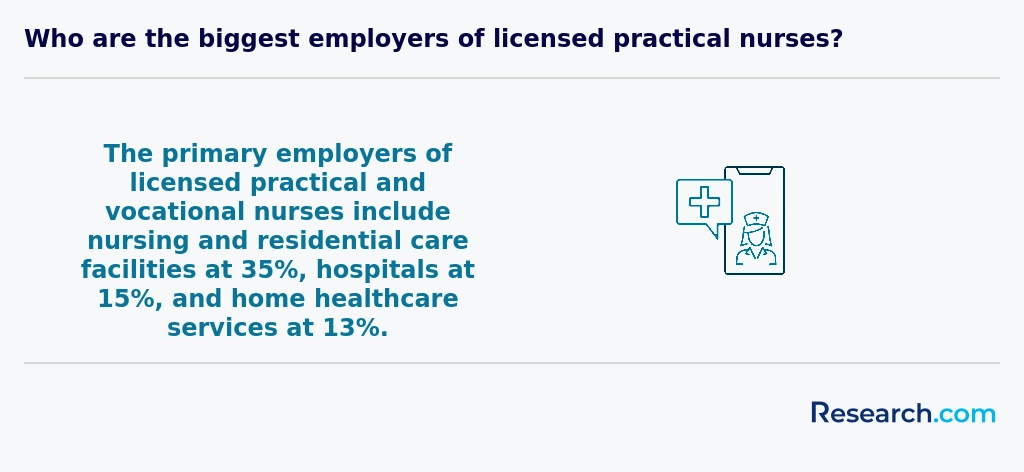
Graduates holding a nursing degree in Buffalo find themselves at the heart of a vibrant healthcare scene with diverse nursing career opportunities in Buffalo that go well beyond bedside care. Many step confidently into roles as registered nurses at well-known facilities like Kaleida Health, where they gain hands-on experience and make a real impact on patient outcomes. Others pursue specialized paths, such as becoming Licensed Practical Nurses serving long-term care centers, or Advanced Practice Registered Nurses who deliver critical care in underserved neighborhoods.
Buffalo nursing degree job prospects also include positions in nurse education, especially at institutions like the University at Buffalo School of Nursing, where graduates help shape the next generation of healthcare providers. Some choose public health nursing, engaging with community wellness programs that address local health challenges. For those aiming higher, administrative and research roles-sometimes connected to places like Roswell Park Comprehensive Cancer Center-offer dynamic ways to influence policy and innovation.
If you're considering advancing your skills without relocating, exploring options like the Affordable Online Master's in Nursing Degree Programs Ranking in the Northeast can be a smart move, providing flexible pathways to grow your career right here in Buffalo.
The nursing degree job outlook Buffalo is promising, with local healthcare facilities like Kaleida Health and Buffalo General Medical Center actively hiring graduates. Many nursing students from popular institutions in Buffalo find rewarding roles soon after graduation, supported by a strong demand fueled by the region's aging population and chronic health conditions. Graduates often speak of the encouragement they received through hands-on clinical experiences in these hospitals, gaining confidence to step directly into full-time nursing roles.
Buffalo nursing employment opportunities are diverse, ranging from hospitals to nursing homes and emerging telehealth services. For example, graduates appreciate flexible schedules available for part-time or remote nursing positions, allowing for a balanced lifestyle. Those pursuing advanced nursing roles with graduate degrees also benefit from higher pay and specialized work, amplifying their career potential.
To ease financial concerns during your studies, consider exploring easiest doctoral programs or employer-sponsored tuition aid available in the region. This practical step helps many students stay motivated as they prepare to join Buffalo's thriving nursing workforce.
2027 Most Popular Nursing Degree Programs Ranking in Buffalo
Investing in your education is a significant decision that can shape your future, and the Research.com team understands the importance of making informed choices. To assist prospective students in Buffalo, we have meticulously crafted the "2027 Most Popular Nursing Degree Programs Ranking in Buffalo." Our commitment to quality, credibility, and accuracy is reflected in the extensive research and analysis conducted to compile this ranking.
We utilized the following reputable data sources to ensure a comprehensive evaluation of nursing programs:
By exploring this ranking, readers will gain valuable insights into the best nursing degree programs available in Buffalo, helping them make well-informed decisions about their educational and career paths. For more details on our methodology, please visit our Research.com methodology page.


Frequently Asked Questions About nursing
Nursing degree students in Buffalo can maximize their learning experience by engaging actively in clinical placements, which are essential for practical skills. Buffalo is home to several hospitals and health centers that collaborate with nursing programs, providing students with diverse real-world exposure. According to the New York State Education Department, approximately 60% of Buffalo nursing students secure clinical rotations locally each semester, enhancing hands-on learning.
Joining local professional nursing organizations offers networking and mentorship opportunities. Students should also utilize campus resources such as simulation labs and tutoring services to reinforce theoretical knowledge. Consistent study habits combined with community involvement help foster a well-rounded education ideal for the competitive healthcare field in Buffalo.
The nursing field in Buffalo is evolving with several emerging niches attracting increased interest. One significant area is geriatric nursing, driven by Western New York's aging population. According to the Buffalo Niagara Medical Campus, over 16% of Buffalo's residents are aged 65 or older, creating high demand for nurses specialized in elderly care.
Another growing niche is telehealth nursing. The COVID-19 pandemic accelerated the adoption of remote patient monitoring and virtual care, making telehealth competencies crucial. Educational programs now often include training in telemedicine technologies.
Specialties like psychiatric-mental health nursing are also expanding due to rising awareness of mental health needs in the Buffalo community. The New York State Department of Health highlights a surge in mental health service utilization, underscoring the need for specialized nurses.
After completing a nursing degree in Buffalo, preparing for the job market involves several strategic steps. First, obtaining licensure by passing the NCLEX-RN exam is mandatory to work as a registered nurse in New York. Buffalo's healthcare sector is strong, with institutions like Erie County Medical Center offering numerous opportunities for new graduates.
Networking through local nursing associations such as the Western New York Chapter of the New York State Nurses Association can enhance job prospects. Additionally, gaining hands-on experience via internships or volunteer work in Buffalo-area hospitals boosts employability.
Staying updated on workforce trends is important; the New York State Department of Labor projects a 12% growth for registered nurses through 2030, indicating steady demand in Buffalo.
Employers in Buffalo highly value nursing graduates who demonstrate strong clinical skills and the ability to provide patient-centered care. According to the New York State Education Department, proficiency in medical procedures and critical thinking are essential for effective nursing practice.
Communication skills also top the list, as nurses must collaborate with doctors, patients, and families. The Buffalo Niagara Medical Campus emphasizes teamwork and empathy as vital qualities for new nurses entering the workforce.
Additionally, knowledge of electronic health records (EHR) systems is increasingly important, given Buffalo hospitals' adoption of advanced health technology.
Time management and adaptability complete the key skills employers seek to ensure high-quality patient outcomes and efficient healthcare delivery.
Finding nursing internships in Buffalo involves leveraging local healthcare institutions and educational resources. Buffalo is home to several prominent medical centers, including the Buffalo General Medical Center and Erie County Medical Center, which often offer internship opportunities for nursing students.
Students should begin by contacting their nursing program's career services or clinical coordinators. These departments typically have established partnerships with hospitals and clinics to place students in internships that meet academic requirements.
The New York State Education Department also provides information about approved clinical sites suitable for nursing internships. Additionally, professional organizations such as the Western New York Nursing Association offer networking events that can lead to internship opportunities.
According to the Bureau of Labor Statistics, the healthcare sector in Buffalo is growing, increasing demand for clinical training positions. Combining academic resources with local healthcare networks is key to securing valuable internship experiences in the region.
Obtaining a nursing degree in Buffalo significantly enhances career mobility and advancement opportunities within the local healthcare market. According to the New York State Department of Labor, registered nurses in the Buffalo area experience a steady job growth rate of about 12% through 2030, reflecting strong demand.
A nursing degree, especially at the bachelor's or higher level, qualifies graduates for advanced roles such as nurse practitioners and healthcare administrators. These positions often offer higher salaries and leadership responsibilities.
Local employers, including the Buffalo General Medical Center and Kaleida Health, prioritize candidates with accredited nursing degrees, improving hiring prospects and promotion potential.
Further education also allows nurses to specialize, increasing their marketability in Buffalo's diverse medical facilities.
Studying for a nursing degree in Buffalo equips students with skills essential for interdisciplinary roles through a blend of clinical practice and collaborative coursework. Buffalo's nursing programs emphasize teamwork among healthcare professionals, reflecting the city's diverse medical environment. According to the New York State Education Department, nursing students in Buffalo engage with practical training alongside physicians, social workers, and pharmacists, which fosters communication skills vital for integrated patient care.
Local clinical placements in hospitals like Buffalo General Medical Center expose students to real-world interdisciplinary settings. This experience prepares graduates to coordinate care effectively within healthcare teams, enhancing outcomes.
Choosing between a thesis and a non-thesis nursing degree program in Buffalo depends on your career goals and learning preferences. Thesis programs emphasize research, requiring you to conduct original studies, which is ideal if you plan to pursue a PhD or work in academia. Non-thesis options focus more on practical skills and clinical practice, suited for nurses aiming to advance in healthcare settings without engaging extensively in research.
Buffalo's nursing schools, including the University at Buffalo, offer both pathways, aligning with New York State's licensing requirements. According to the New York State Education Department, nearly 60% of nursing graduates in Buffalo choose non-thesis tracks to enter the workforce faster.
Students in Buffalo seeking to study nursing abroad have several pathways aligned with U.S. higher education standards. Many local universities, including the University at Buffalo, offer study abroad programs in partnership with international nursing schools. These programs typically last a semester and provide clinical experience in diverse healthcare settings.
Alternatively, students may enroll directly in foreign institutions recognized by the Commission on Graduates of Foreign Nursing Schools (CGFNS) to ensure U.S. licensure eligibility afterward. According to the New York State Education Department, completing an accredited nursing degree abroad requires verification for licensure in New York.
Financial aid or scholarships can sometimes apply to these programs, but students should consult their home institution's study abroad office for specific options.
Students pursuing nursing degrees in Buffalo have several part-time job opportunities that can enhance their education. Working as a nursing assistant or patient care technician in local hospitals such as Kaleida Health or Buffalo General Medical Center allows students to gain hands-on experience with patient care while managing their coursework.
The demand for nursing assistants in the Buffalo area is projected to grow by approximately 10% over the next decade, according to the New York State Department of Labor. This growth reflects the region's aging population and healthcare expansion.
Additionally, roles in home healthcare services and medical administrative support offer flexible schedules that accommodate academic commitments. These jobs also provide insight into healthcare operations and improve communication and organizational skills essential for nursing careers.
Nursing students in Buffalo have various networking opportunities that can enhance their educational and professional growth. Local universities like the University at Buffalo and D'Youville College host student nursing organizations, which provide access to peers, faculty, and healthcare professionals. These groups often organize events, workshops, and conferences focused on nursing advancements.
Buffalo's proximity to major healthcare systems, such as Kaleida Health and Erie County Medical Center, allows students to connect through clinical placements and internships. These experiences support building relationships with practicing nurses and medical staff.
Additionally, regional chapters of national organizations like the American Nurses Association (ANA) offer networking events and continuing education, boosting professional contacts. According to the New York State Department of Labor, Buffalo's growing healthcare sector fosters a supportive environment for emerging nursing professionals.
Alumni networks offer significant benefits to nursing degree students in Buffalo by providing valuable professional connections and mentoring opportunities. Graduates from local institutions like the University at Buffalo and D'Youville University often participate in these networks, enhancing career guidance for current students. According to the Buffalo Niagara Partnership, access to experienced alumni helps nursing students navigate job placements in the region's expanding healthcare sector, which includes major employers like Buffalo General Medical Center.
Alumni can share insights on licensure preparation, clinical internships, and emerging trends in nursing practices. Networking through these groups often leads to internships and job offers. This community support is crucial for students aiming to succeed in Buffalo's competitive nursing field.
In Buffalo, nursing students can customize their degree programs through electives and specialized tracks offered by local institutions like the University at Buffalo and D'Youville College. These options allow students to focus on areas such as pediatrics, gerontology, or acute care, aligning education with specific career goals. Clinical placements in Buffalo's diverse healthcare facilities provide hands-on experience tailored to students' interests.
Many programs also offer flexible scheduling, including part-time and online courses, accommodating working professionals aiming to advance their education. According to the New York State Education Department, 65% of nursing students in Western New York pursue specialization during their studies.
Consult advisors early to create a plan reflecting your desired nursing path.
Nursing students in Buffalo face several challenges common across the U.S., including demanding clinical hours and rigorous academic coursework. Balancing practical training with theory often requires strong time management skills. Many students report stress related to high-stakes exams and the pressure to maintain a competitive GPA.
Financial concerns also affect nursing students in Buffalo. The average tuition for nursing programs, combined with costs for textbooks and uniforms, can strain budgets. According to the New York State Department of Labor, some students work part-time to support themselves, which adds to their workload.
Additionally, securing quality clinical placements is competitive due to the region's healthcare demand, particularly in major hospitals like Buffalo General. This challenge impacts hands-on experience opportunities essential to nursing education.
With a nursing degree in Buffalo, graduates can pursue numerous professional certifications to enhance their careers. Among the most recognized are the Certified Nursing Assistant (CNA), Registered Nurse (RN), and Licensed Practical Nurse (LPN) certifications. Advanced certifications like the Certified Nurse Midwife (CNM) and Nurse Practitioner (NP) require graduate study but offer specialized career paths.
Buffalo's proximity to major healthcare institutions supports certification preparation, with resources tailored to New York State's requirements. According to the New York State Education Department, over 60% of local nursing graduates pursue RN licensure annually.
Further certifications include Clinical Nurse Specialist (CNS), Certified Registered Nurse Anesthetist (CRNA), and certification in areas such as geriatrics or pediatrics, reflecting growing healthcare demands in Buffalo's population.
Writing a winning application for a nursing program in Buffalo requires careful preparation and attention to detail. Start by researching accredited local nursing schools such as the University at Buffalo, which is well-known for its rigorous nursing programs. These schools often look for strong academic records, especially in science courses like biology and chemistry.
Next, craft a compelling personal statement that clearly explains your motivation for becoming a nurse and highlights any relevant volunteer or healthcare experience. According to the New York State Education Department, demonstrated commitment to community health can significantly strengthen your application.
Include accurate and up-to-date letters of recommendation, ideally from healthcare professionals or educators familiar with your skills. Also, prepare for entrance exams such as the TEAS, as many Buffalo programs require competitive scores for admission. Meeting or exceeding the minimum GPA and exam thresholds enhances your chances, with average accepted GPAs often above 3.0 in the region.
Finally, submit all application materials before deadlines and confirm receipt. Timely, complete applications demonstrate professionalism and seriousness, increasing your likelihood of acceptance into nursing programs in Buffalo.
Nursing is a respected and vital profession worldwide, reflecting a shared focus on patient care and health promotion. In the United States, including Buffalo, nursing careers are influenced by global trends such as increasing demand for healthcare services and aging populations. According to the U.S. Bureau of Labor Statistics, registered nursing jobs are expected to grow 9% from 2022 to 2032, with Buffalo showing steady job openings due to its growing healthcare infrastructure.
Globally, nurses often collaborate across borders through exchange programs and standardized certifications, which enhance skills and cultural competence. For students in Buffalo, understanding these global dynamics can expand career opportunities beyond local hospitals to international health agencies and research.
In addition, international nursing standards emphasize evidence-based care and technology integration, important factors in educational programs at Buffalo institutions like the University at Buffalo's School of Nursing, known for its research contributions.
Gaining practical experience while studying for a nursing degree in Buffalo is essential for career readiness. Local nursing programs typically include clinical rotations at Buffalo-based hospitals and healthcare facilities, such as Erie County Medical Center and Kaleida Health. These hands-on placements allow students to work directly with patients under professional supervision.
Additionally, many Buffalo nursing schools partner with community health centers and long-term care facilities to provide diverse clinical experiences. Volunteer opportunities and internships offer further practical exposure. According to the New York State Education Department, nursing students often complete over 700 clinical hours across their coursework, building critical skills before graduation.
Choosing the right concentration within a nursing degree program in Buffalo depends on your career goals and local healthcare needs. Buffalo's healthcare market demands specialties like gerontology, pediatrics, and psychiatric nursing due to its aging population and diverse community health needs. According to the New York State Education Department, concentrations aligned with these areas often offer higher job placement rates.
Consider programs that provide clinical experience in Buffalo hospitals, such as the Buffalo General Medical Center. Hands-on training is crucial for building skills and networking locally. Reviewing faculty expertise and available certifications can also guide your decision.
Evaluating future employment statistics in Western New York helps focus on promising fields. The U.S. Bureau of Labor Statistics projects a steady growth of 15% for nurse practitioners, particularly in primary care roles relevant to Buffalo. Aligning your concentration with market trends enhances career prospects.
- 2027 Most Popular Nursing Degree Programs Ranking in Rochester
- 2027 Most Popular Nursing Degree Programs Ranking in Cleveland
- 2027 Most Popular Nursing Degree Programs Ranking in Pittsburgh
- 2027 Most Popular Nursing Degree Programs Ranking in Detroit
- 2027 Most Popular Nursing Degree Programs Ranking in Baltimore
- 2027 Most Popular Nursing Degree Programs Ranking in Philadelphia
- 2027 Most Popular Nursing Degree Programs Ranking in Washington
- 2027 Most Popular Nursing Degree Programs Ranking in New York
- 2027 Most Popular Nursing Degree Programs Ranking in Bronx
- 2027 Most Popular Nursing Degree Programs Ranking in Columbus
See What Experts Have To Say About Studying Nursing
Read our interview with Nursing experts


- How Much Can I Earn With a BSN? https://www.allnursingschools.com/bsn/salary/
- Know more about thesis vs non- thesis: what is the difference? https://studyfans.com/en/blogs/816
- Work-life balance | Careers Crossroads | RCN Careers Resources | Royal College of Nursing https://www.rcn.org.uk/Professional-Development/Your-career/Nurse/Career-Crossroads/Career-Ideas-and-Inspiration/work-life-balance
- Working While in Nursing School: 25 Ways to Make Money as a Nursing Student https://credenzahealth.com/career-advice/working-while-in-nursing-school-25-ways-to-make-money-as-a-nursing-student
- Career Advancement Pathways for Nurses : Expert RN shares 10+ Professional growth opportunities - MuminMed https://blog.muminmed.com/career-advancement-pathways-for-nurses/
- THE FIELD OF NURSING - FIRST-DEGREE OF STUDIES https://wnoz.wum.edu.pl/pl/content/field-nursing-first-degree-studies
- Essential Tips for Nursing Students to Advance Their Careers https://almanaltraining.com/essential-tips-for-nursing-students-to-advance-their-careers/
- Nursing Programs (AAS and RN to BS in Nursing) https://trocaire.edu/academics/academic-program/nursing/
- Study Nursing Abroad | Boomerang International Educational Services https://boomerangedu.com/study-nursing-abroad/
- Nursing Opportunities - ECMC Hospital | Buffalo, NY https://www.ecmc.edu/careers/nursing-opportunities/


