
2027 Most Valuable Nursing Degree Programs Ranking in Statesboro

Co-Founder and Chief Data Scientist
Choosing the right nursing degree program is an important step toward a rewarding healthcare career. This article introduces the 2027 Most Valuable Nursing Degree Programs Ranking in Statesboro, created by the Research.com team of data scientists to guide you in making an informed choice.
By exploring this ranking, you'll discover programs that offer strong value, quality education, and promising career opportunities. Whether you're just starting or planning to advance, understanding your options can empower your future.
Getting a nursing degree opens doors to helping others and building a stable, fulfilling career.
Key benefits of getting nursing degree in Statesboro
- Nursing degree graduates in Statesboro can expect competitive salaries, with roles like Registered Nurse and Public Health Nurse earning around $94,480 annually, while specialized positions such as Operating Room Nurses can earn up to $128,490.
- Graduates from Georgia Southern University, a popular local school, have diverse career paths including clinical practice, nurse education, and emergency care, offering rewarding opportunities to make a real impact in healthcare.
- Completing a nursing degree online from Georgia Southern University offers flexible scheduling and convenience, helping students balance work and study while gaining the same respected credentials as traditional programs.
- 2027 Most Valuable Nursing Degree Programs Ranking in Statesboro
- What can I expect from nursing degree in Statesboro?
- Where can I work with nursing degree in Statesboro?
What can I expect from nursing degree in Statesboro?
When considering the cost of nursing degrees in Statesboro, many students at Georgia Southern University find the investment manageable compared to national averages. Tuition for nursing programs here typically ranges around $5,000 to $7,000 per year for in-state students, making it a practical choice for local learners. Graduates often recall balancing finances through scholarships and federal aid, which significantly lightened their financial load during studies.
Imagine attending clinical rotations at East Georgia Regional Medical Center, gaining hands-on experience without worrying excessively about overwhelming debt. Many nursing students cherish this balance, combining quality education with accessible pricing that allows focus on mastering patient care skills rather than solely budgeting.
Statesboro's nursing degrees maintain strong accreditation and promising NCLEX pass rates, ensuring you get value well beyond just cost. The programs empower you to grow professionally without the burden of excessive expenses, making your path to becoming a registered nurse both inspiring and achievable.
Where can I work with nursing degree in Statesboro?
With a nursing degree from a place like Georgia Southern University, graduates in Statesboro step confidently into a variety of rewarding roles. Many find fulfilling careers at East Georgia Regional Medical Center, where opportunities abound for registered nurses, licensed practical nurses, and nurse practitioners across busy emergency rooms, surgical units, and outpatient clinics. Imagine yourself providing critical care alongside experienced teams in these vibrant hospital settings.
Others choose long-term care facilities, helping seniors in nursing homes or assisted living communities. These roles bring the joy of daily patient interaction and the satisfaction of making a real difference in an aging population's quality of life-a steadily growing need here in Bulloch County.
Community health centers offer avenues to focus on prevention and education, essential in promoting wellness for Statesboro's families. Plus, nursing graduates with advanced degrees often advance to teaching or leadership positions, shaping the next generation of nurses in local universities.
Finally, some embrace home health care, providing compassionate, personalized support to patients who prefer the comfort of their own homes, truly embodying the spirit of nursing in this close-knit community.
Graduates from nursing programs in Statesboro, such as those at Georgia Southern University, can anticipate starting salaries around $67,000 annually, reflecting the regional trends reported by local healthcare employers. Many fresh Registered Nurses find their initial earnings falling in the $50,000 to $60,000 range, a promising launch that grows steadily as experience and certifications accumulate.
Some graduates report early career opportunities as Clinical Nurse Educators or Public Health Nurses, roles aligned with mean wages near $94,480 per year, based on reliable US Department of Labor data. Those who pursue specializations or further education often advance to positions like Emergency Room Nurse, where the median annual wage also reaches roughly $94,480.
Exceptional pathways exist for Operating Room Nurses, who command significantly higher pay, with mean salaries around $128,490. Alumni often share how pursuing advanced skills and certifications while studying in Statesboro's well-regarded nursing programs opens doors to these high-paying, deeply rewarding roles within regional hospitals and medical centers.
- The average in-state tuition for nursing degrees in Statesboro ranges from $4,000 to $7,000 per academic year; out-of-state tuition is about twice as high.
- Additional costs such as textbooks, uniforms, and clinical supplies add several thousand dollars to the total education expenses.
- Statesboro's nursing job market is growing, supported by facilities like East Georgia Regional Medical Center.
- Starting salaries for nursing graduates typically range between $50,000 and $60,000 annually, increasing to around $75,000 with experience and certifications.
- Nursing programs meet Georgia Board of Nursing and national accreditation standards, preparing students to take the essential NCLEX licensing exam.
In Statesboro, the journey to becoming a nurse varies depending on the degree you choose, but it's absolutely achievable with dedication. Many graduates recall starting their nursing path at community colleges, completing an Associate Degree in Nursing (ADN) in just about two years. This route gets you quickly prepared for the NCLEX-RN and entering the workforce with confidence.
Others share how pursuing a Bachelor of Science in Nursing (BSN) at Georgia Southern University brought a fuller experience, combining clinical practice with leadership training over four years. This longer timeline opens doors to more advanced roles and opportunities.
If you already have an ADN, the flexible RN-to-BSN programs in Statesboro allow you to expand your education in 1 to 2 years, fitting study around work life. Many local nurses find this balance encouraging and motivating.
For those aiming for advanced practice, completing a Master's in Nursing often takes an additional two years, sometimes through nearby or online programs, turning passion into expertise.
To make an informed decision about which nursing program to attend in Statesboro, GA, it's essential to consider several factors, including the type of degree offered, accreditation, curriculum, clinical experience, admission requirements, pass rates, support services, and cost. Exploring these elements can help prospective students find a program that aligns with their career goals and personal circumstances. For those interested in learning more about the value of nursing programs in Georgia, visiting a valuable nursing school in georgia can provide valuable insights into the educational options available. By carefully evaluating these factors, students can set themselves up for success in their nursing careers, whether they aim to work in hospitals, clinics, or other healthcare settings in Statesboro, GA.
Choosing between online and on-campus nursing degrees in Statesboro means weighing flexibility against hands-on experience. Online programs offer the freedom to study on your schedule, perfect if you juggle work or family. Many graduates appreciate the ability to revisit lectures anytime, making learning fit their lives. Yet, they still complete clinical hours locally, ensuring they get vital real-world experience required by the Georgia Board of Nursing.
On-campus programs at places like Georgia Southern University immerse you in face-to-face labs and clinicals. Graduates often say this environment builds confidence through direct mentorship and teamwork, fostering a strong connection with local hospitals. It's a chance to learn alongside peers and faculty, tapping into resources that deepen understanding and prepare you fully for the licensure exam.
Both paths lead to rewarding careers, so consider what fits your lifestyle and learning style best. Whether it's the structured routine of campus life or the adaptable pace of online study, Statesboro's nursing programs are designed to support your success.
Ensuring that a nursing degree program is properly accredited and delivers strong licensing results is critical for both quality and employability. Below is an overview of accreditation bodies, NCLEX-RN pass rates, and advanced certification pathways for nursing graduates in Statesboro, GA. Accreditation Bodies
- Commission on Collegiate Nursing Education (CCNE): Georgia Southern University’s BSN and MSN programs are CCNE-accredited, meeting rigorous national standards.
- Accreditation Commission for Education in Nursing (ACEN): Ogeechee Technical College’s ADN program holds ACEN accreditation, ensuring a solid foundational curriculum.
- Georgia Board of Nursing Approval: All local programs maintain state approval, qualifying graduates to sit for the NCLEX-RN exam. NCLEX-RN Pass Rates by Institution
- Georgia Southern University (BSN): 92% first-time pass rate
- East Georgia State College (ADN): 88% first-time pass rate
- Ogeechee Technical College (ADN): 85% first-time pass rate Licensing and Advanced Certification
- State Licensure: Graduates must pass the NCLEX-RN to become Registered Nurses in Georgia; high pass rates reflect program effectiveness.
- Advanced Roles: Many alumni pursue certifications as Nurse Practitioners, Clinical Nurse Specialists, or Nurse Midwives; for insights on specialized career paths, explore how to be a midwife.
- Continuing Education: Accredited programs offer pathways to enroll in RN-to-BSN or MSN bridge programs, supporting lifelong learning and leadership development. By choosing an accredited nursing program with proven licensing outcomes, students in Statesboro, GA, can confidently advance their careers and meet the evolving demands of healthcare.
Understanding the average nursing degree cost in Statesboro is crucial for planning your educational journey with confidence. On average, in-state students at institutions like Georgia Southern University face total tuition and fees around $6,022, making it an accessible choice compared to many other regions. Graduates often share how this investment felt manageable, given the quality of instruction and clinical opportunities available on campus. Out-of-state students should expect higher costs, closer to $32,378, reflecting wider tuition differences but still competitive within the national landscape.
Many students pursuing nursing in Statesboro combine affordability with superb program quality, especially at community colleges where annual costs for practical nursing certifications or associate degrees typically stay between $4,000 and $8,000. These programs offer a quicker path to entering the healthcare field, which helps students feel motivated and ready for their careers sooner. Whether aiming for a Bachelor of Science in Nursing or a practical nursing degree, Statesboro provides options that align well with various budgets.
Students often find that factoring in additional expenses like books, uniforms, and clinical fees completes the financial picture. Luckily, financial aid opportunities and scholarships specific to the region, including state-funded assistance and the Georgia HOPE Scholarship, help lighten this burden. If you want to explore accredited nursing programs that fit your needs, consider visiting accredited nursing programs to discover pathways suited for you.
In all, knowing the typical 2027 nursing program tuition and fees Statesboro offers empowers you to make informed decisions while nurturing your ambition to become a skilled and compassionate nurse.

Graduates of nursing programs in Statesboro, GA, must complete specific steps to obtain licensure and begin practice.
- NCLEX-RN Examination: Register through Pearson VUE, schedule your exam, and achieve a passing score.
- Georgia Board of Nursing Application: Submit official transcripts, proof of graduation, and a criminal background check.
- Health and Safety Credentials: Provide current CPR/BLS certification and up-to-date immunization records.
- Fees and Processing: Pay the one-time application fee (around $150) and any associated background check costs; processing typically takes 4–6 weeks.
- License Renewal: Renew biennially by completing required continuing education hours and submitting renewal fees.
For program comparisons and NCLEX pass rates in other regions, explore nursing colleges in california.
If you're pursuing a nursing degree in Statesboro, you'll find several financial aid options designed to make your journey smoother. Many nursing students at Georgia Southern University, for example, have benefited from federal Pell Grants, which can provide up to $7,395 annually without requiring repayment. This can significantly ease the burden of tuition costs, especially when combined with federal student loans offering lower interest rates and flexible repayment plans tailored to healthcare careers.
State aid is another vital resource. Programs like the HOPE Scholarship and HOPE Grant specifically support Georgia residents enrolled in nursing programs, covering tuition for both degree and certificate paths. Graduates often share stories of how maintaining a solid GPA unlocked these opportunities, proving that dedication truly pays off.
Local scholarships from hospitals and nursing foundations in Statesboro also add hope and encouragement, rewarding those committed to community service and academic excellence. Plus, loan forgiveness programs like the Nursing Faculty Loan Program encourage you to serve in underserved areas while easing your financial load - a win-win for both you and the community you'll care for.
Work-study options and tuition installment plans at local colleges help you manage expenses without stress, making nursing education in Statesboro not only attainable but inspiring.
When evaluating nursing degree programs in Statesboro, GA, accreditation and NCLEX pass rates are critical indicators of a program’s quality and graduates’ readiness for professional practice. All leading institutions in Statesboro are accredited by the Commission on Collegiate Nursing Education (CCNE) or the Accreditation Commission for Education in Nursing (ACEN), ensuring rigorous standards in curriculum, faculty expertise, and clinical experiences. Prospective students should verify that their chosen program’s accreditation status is current and recognized by state nursing boards, as this directly impacts eligibility for licensure and employment. Equally important is a program’s NCLEX-RN pass rate, which reflects how well graduates are prepared for the national licensure exam. In Statesboro, programs at Georgia Southern University and Ogeechee Technical College consistently report first-time NCLEX pass rates above 90%, outperforming national averages. These strong outcomes stem from structured review courses, simulated clinical labs, and dedicated faculty mentorship. For those aiming to accelerate their career trajectory, exploring specialized certifications like those offered through accelerated nurse practitioner programs online can further enhance licensure success and open advanced practice roles. By prioritizing accredited programs with proven NCLEX pass rates, students lay a solid foundation for a thriving nursing career.
To enroll in a nursing degree program in Statesboro, you'll first need a high school diploma or GED with a strong background in biology, chemistry, and math. Many graduates from Georgia Southern University recall how mastering these subjects gave them confidence during their nursing studies.
Before formal admission, completing prerequisite college courses like anatomy, microbiology, and nutrition is essential. These classes laid a solid foundation for graduates who later thrived in intense clinical rotations.
Maintaining a GPA around 2.5 to 3.0 is often required, and excelling in science boosts acceptance chances. Successful students from local programs share how their dedication to academics opened doors and prepared them for the challenges ahead.
Standardized tests like the TEAS or HESI measure your readiness, and many find that focused study helps ease nerves and improve scores.
Statesboro nursing programs also require background checks and up-to-date immunizations, ensuring safety for both students and patients during clinical practice.
Hands-on experience as a CNA or volunteer enriches your application and provides a real glimpse into the rewarding world of nursing.

As the healthcare landscape evolves, many BSN and MSN graduates in Statesboro, GA, are exploring pathways to doctoral-level nursing education to expand their clinical expertise and leadership opportunities. A Doctor of Nursing Practice (DNP) or PhD in Nursing positions professionals at the forefront of healthcare innovation, policy development, and advanced patient care. Admission requirements for most DNP programs include:
- A completed BSN or MSN from an accredited institution.
- A minimum 3.0 GPA, although some schools may require higher.
- Active RN licensure and clinical practice hours, often ranging from 500 to 1,000.
- Letters of recommendation and a personal statement outlining professional goals and research interests. Online DNP programs offer tremendous flexibility for working nurses. Accredited online curricula combine advanced coursework in evidence-based practice, healthcare systems leadership, and informatics with supervised clinical residencies. For graduates seeking affordable online doctoral options, review our Inexpensive Online Doctorate in Nursing Degree Programs Ranking in Pittsburgh, PA to compare tuition rates, program length, and residency requirements. Financing a doctoral degree often involves a mix of federal loans, employer-sponsored tuition assistance, and nursing-specific scholarships. Organizations such as the American Association of Colleges of Nursing and Sigma Theta Tau International award competitive grants for DNP and PhD candidates. Prospective students should also investigate graduate assistantships or research fellowships that provide stipends in exchange for teaching or research support. By pursuing a nursing doctorate, graduates enhance clinical competencies, qualify for executive roles in healthcare administration, and contribute original research that shapes patient care standards. Whether your goal is to become a nurse practitioner, educator, or healthcare policy expert, advancing to a doctoral degree represents a strategic investment in your professional growth and the future of nursing.
In Statesboro, nursing students immerse themselves in courses that build both a solid foundation and specialized skills essential for compassionate care. Graduates from institutions like Georgia Southern University often recall how anatomy and physiology classes illuminated the marvels of the human body, making every lecture a step closer to understanding their future patients.
Nursing programs here go beyond basics, diving into pharmacology to master safe medication administration and pathophysiology to grasp how diseases affect the body. Students gain hands-on insights through courses like medical-surgical nursing, where they learn to support adults with diverse health challenges. Mental health nursing introduces them to psychiatric care, while pediatric and maternal-newborn nursing prepare them to care for the most vulnerable-children and mothers.
These courses are seamlessly tied to clinical experiences at nearby hospitals and clinics, such as those affiliated with East Georgia State College, transforming theory into meaningful practice that empowers students. This approach nurtures confidence and a deep sense of purpose, inspiring students to excel in nursing here in Statesboro.
In Statesboro, nursing degree specializations cater to a range of passionate students eager to make a difference in healthcare. Graduates from popular colleges here often choose Registered Nurse (RN) Generalist tracks, providing a strong foundation to work directly in hospitals and clinics. Others dedicate themselves to Family Nurse Practitioner (FNP) roles, preparing to offer vital primary care to patients of all ages, reflecting the region's diverse healthcare needs.
For those drawn to compassionate care, specializations like Geriatric Nursing are vital, addressing the challenges of an aging population in Statesboro and beyond. Pediatric Nursing also attracts students passionate about caring for children, while Critical Care nursing prepares graduates to handle emergency situations with confidence and skill. Psychiatric and Mental Health Nursing is growing, offering support to patients facing behavioral health challenges, an area where many nursing career tracks Statesboro truly shine.
Many graduates highlight the real-world experience gained through clinical placements at hospitals like East Georgia Regional Medical Center. Additionally, students considering advancing their education can explore options like accredited RN to BSN programs, which help build on their existing skills for greater career impact in Statesboro's evolving healthcare field.
Choosing the best nursing degree in Statesboro starts with understanding which program fits your career goals. Graduates from local universities often recommend pursuing a Bachelor of Science in Nursing (BSN) because it opens doors to leadership roles and advanced practice opportunities. Many students find that the hands-on clinical experiences offered through partnerships with facilities like East Georgia Regional Medical Center create confidence and readiness for real-world nursing challenges.
When weighing affordable nursing schools Statesboro GA offers, consider not just tuition but also accreditation and NCLEX-RN pass rates. Programs with CCNE or ACEN accreditation ensure quality education and better licensing outcomes, something that past graduates have appreciated in their job searches. Financial aid options and scholarships can lighten the cost, making your dream of nursing achievable without overwhelming debt.
For those interested in advancing quickly, accelerated BSN tracks provide a vital option. Explore detailed nursing pathways and requirements, such as the nurse practitioner degrees washington thesis requirements, to plan your future strategically and confidently.
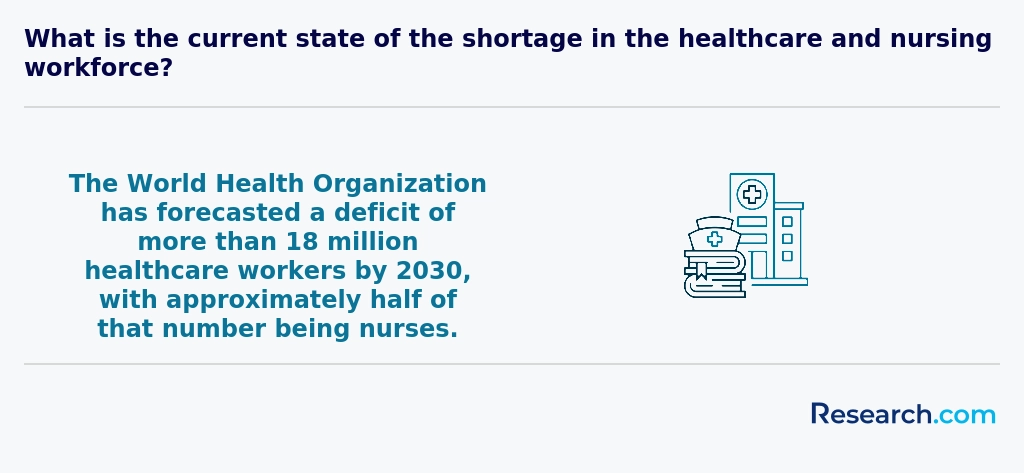
Nursing degree graduates in Statesboro enjoy a wide range of rewarding career paths that tap into the city's strong healthcare network, including facilities like East Georgia Regional Medical Center. Many graduates find jobs as Registered Nurses (RNs) in emergency rooms or outpatient clinics, where they impact patient care directly. Others pursue roles as Licensed Practical Nurses (LPNs) or Licensed Vocational Nurses (LVNs), contributing vital support to healthcare teams. For those seeking advanced practice, becoming Nurse Practitioners (NPs) offers exciting opportunities to diagnose and manage treatments independently.
Students from popular nursing colleges in Statesboro often describe their experiences working alongside seasoned professionals and gaining hands-on skills that prepare them for these roles. Many nursing career opportunities in Statesboro also include non-clinical options such as healthcare administration or nursing education, expanding the possibilities beyond bedside care. For broader career prospects, graduates can explore advanced degrees like BSN or MSN. Those curious about how this path compares nationwide may find value in checking nursing universities washington dc student reviews for additional perspective.

The nursing job opportunities in Statesboro are promising, especially for graduates from well-known nursing programs like those at Georgia Southern University. Many graduates share how their BSN degrees opened doors at local hospitals and clinics, where the demand for skilled nurses continues to rise. The city's healthcare providers, including the East Georgia Regional Medical Center, actively look for nurses with strong educational backgrounds, making the investment in a nursing degree worthwhile.
Statesboro nursing degree employment outlook is further improved by the competitive salaries that start around $68,000 annually and tend to increase with experience or specialized training. Graduates often find rewarding roles not only in hospitals but also in nursing homes and outpatient care centers, helping build meaningful careers within their community. Those advancing to a Master of Science in Nursing often secure higher-paying and leadership positions.
Choosing the most valuable nursing school in georgia can influence your career trajectory, and many students in Statesboro emphasize how local support and workforce initiatives help transition from education to employment smoothly.
2027 Most Valuable Nursing Degree Programs Ranking in Statesboro
Investing in your education is a significant decision that can shape your future, and the Research.com team understands the importance of making informed choices. To assist prospective students in Statesboro, we have meticulously crafted the "2027 Most Valuable Nursing Degree Programs Ranking in Statesboro." Our commitment to quality, credibility, and accuracy is reflected in the extensive research and analysis conducted to compile this ranking.
We utilized the following reputable data sources to ensure a comprehensive evaluation of nursing degree programs:
By exploring this ranking, readers will gain valuable insights into the most beneficial nursing degree programs available in Statesboro, empowering them to make well-informed educational decisions. For more details on our methodology, please visit our Research.com methodology page.

Frequently Asked Questions About nursing
Nursing degree students in Statesboro can enhance their learning by engaging actively with both classroom and clinical experiences. Georgia Southern University, located in Statesboro, offers simulation labs that replicate real patient care scenarios, providing practical skills essential for nursing practice.
Students should pursue internships or volunteer opportunities at local healthcare facilities, such as East Georgia Regional Medical Center, to gain hands-on experience and exposure to diverse patient populations. According to the Georgia Board of Nursing, clinical practice improves critical thinking and decision-making, which are vital in nursing careers.
Additionally, joining professional nursing organizations can provide networking and mentorship opportunities. Utilizing campus academic support and staying current with medical research also contribute to a successful nursing education.
The nursing field in Statesboro is expanding into several emerging niches, reflecting national healthcare trends. One fast-growing area is gerontological nursing, addressing the needs of an aging population; Georgia's older adult population is projected to grow by 20% by 2030, increasing demand for specialists in elderly care.
Another key niche is telehealth nursing, supported by advances in technology and rural access initiatives. Nurses skilled in virtual patient management are now essential to healthcare providers in Bulloch County and surrounding areas.
Additionally, nurse informatics is becoming critical as healthcare systems digitize records and streamline data management. The Bureau of Labor Statistics expects a 12% growth in nursing roles related to informatics nationwide through 2030, indicating strong opportunities here.
Lastly, specialized fields such as psychiatric-mental health nursing are gaining attention due to rising awareness and resources targeting mental health in Georgia.
After earning a nursing degree in Statesboro, preparing for the job market involves several key steps. First, obtaining licensure by passing the NCLEX-RN exam is essential for registered nurses. In Georgia, employers highly value clinical experience, so completing internships or externships during your studies can improve your prospects.
Networking with local healthcare facilities, such as East Georgia Regional Medical Center, increases opportunities for job placement. According to the Georgia Board of Nursing, employment for registered nurses in the state is projected to grow by 15% from 2020 to 2030, reflecting strong demand.
Additionally, developing skills in electronic health records (EHR) systems and seeking certifications in specialty areas can further enhance employability in the Statesboro nursing job market.
Employers in Statesboro prioritize several key skills when hiring nursing degree graduates. First, strong clinical competence is essential, as nurses must accurately perform medical procedures and use healthcare technology. According to the Georgia Board of Nursing, practical experience gained through internships significantly boosts employability.
Communication skills are also vital. Nurses need to clearly and compassionately interact with patients, families, and healthcare teams. This aligns with broader U.S. health care trends emphasizing patient-centered care.
Critical thinking and problem-solving abilities are highly valued for making quick, effective decisions in dynamic healthcare settings. Lastly, adaptability and teamwork skills are important due to the collaborative nature of medical environments in Statesboro hospitals and clinics.
Finding nursing internships in Statesboro involves several practical steps tailored to the local healthcare and educational environment. Students should first explore opportunities through institutions like Georgia Southern University, which often collaborate with regional hospitals for clinical placements. According to the Georgia Board of Nursing, internships typically require students to be enrolled in an accredited nursing program and may involve partnerships with facilities such as East Georgia Regional Medical Center.
Another effective method is to consult the career services offices of nursing schools in Statesboro, which provide listings of available internships and guidance on application procedures. Networking with local healthcare providers and attending nursing job fairs can also uncover internship openings. Additionally, students should verify that internships meet clinical hour requirements essential for licensure. Staying informed via official nursing boards and university resources is key to securing meaningful internships in Statesboro.
Obtaining a nursing degree in Statesboro significantly enhances career mobility and advancement opportunities for healthcare professionals. Registered nurses (RNs) with degrees are better positioned to access a variety of roles, from clinical positions to administrative and specialized fields. According to the U.S. Bureau of Labor Statistics, RNs in Georgia enjoy a projected employment growth of 9% through 2031, signaling strong demand locally.
In Statesboro, nursing degrees from accredited institutions qualify graduates for licensure exams like the NCLEX-RN, a required step for clinical practice. Higher education credentials also open pathways to leadership roles, advanced practice nursing, and teaching positions, which typically offer increased salaries and job stability.
Furthermore, continued education through bachelor's or master's nursing programs improves eligibility for certifications in specialties such as gerontology or pediatrics, which are in demand in the Statesboro healthcare market. This flexibility creates upward career trajectories and adapts to evolving industry standards.
Studying for a nursing degree in Statesboro offers a solid foundation for interdisciplinary roles in healthcare. Programs in this region emphasize teamwork, communication, and collaboration across medical professions, essential skills for integrated care settings. According to the Georgia Board of Nursing, local nursing curricula often include clinical rotations in hospitals where students work alongside physicians, pharmacists, and therapists.
Statesboro's nursing programs also incorporate evidence-based practice and health informatics, preparing students to engage with diverse healthcare teams effectively. Given the growing demand for coordinated care in Southeast Georgia, graduates are well-equipped to address complex patient needs within interdisciplinary environments.
When choosing between a thesis and a non-thesis nursing degree program in Statesboro, consider your career goals carefully. A thesis option typically requires original research and prepares students for roles in academia or advanced clinical research. In contrast, non-thesis programs focus on practical skills and coursework, making them well-suited for professionals aiming to enter or advance in clinical practice quickly.
According to data from the Georgia Board of Nursing, Statesboro's healthcare sector values both paths but shows growing demand for advanced clinical skills. Thesis programs may extend study time, while non-thesis routes often allow faster completion, which can affect employment timelines.
Assess your learning preference and time availability. Speak with program advisors at local institutions like Georgia Southern University for insights tailored to the Statesboro nursing community.
Students based in Statesboro interested in studying nursing abroad have several pathways through US university partnerships and exchange programs. Many nursing schools in Georgia, including those near Statesboro, offer study abroad opportunities in countries like the United Kingdom and Australia, where nursing education follows internationally recognized standards.
These programs typically last from a few weeks to a semester and combine clinical practice with classroom study. Additionally, some accredited online nursing degrees allow international clinical placements, offering more flexibility for Statesboro students. According to the Georgia Board of Nursing, international experiences can enhance cultural competency, a skill in growing demand in US healthcare. It is important to verify that foreign coursework aligns with US licensure requirements.
Statesboro offers several part-time job opportunities that can complement nursing degree education effectively. Working as a nursing assistant or patient care technician in local hospitals like East Georgia Regional Medical Center allows students to gain hands-on clinical experience while continuing their studies. According to the U.S. Bureau of Labor Statistics, these roles provide valuable exposure to patient care, essential for nursing students.
Pharmacies and assisted living facilities in Statesboro also offer flexible part-time positions ideal for nursing students looking to develop communication and medication management skills. Additionally, campus health centers often employ students for basic health support roles, bridging academic knowledge with practical application.
In Statesboro, nursing students have access to various networking opportunities essential for building professional connections. Georgia Southern University, the main higher education institution in the area, hosts a chapter of the Student Nurses Association (SNA), which facilitates regular meetings and events connecting students with local healthcare professionals.
Additionally, clinical placements at nearby hospitals, such as East Georgia Regional Medical Center, expose students to practicing nurses and potential mentors. These experiences help in developing relationships within the regional healthcare community.
Local healthcare conferences and workshops often invite nursing students to participate, offering chances to meet experts and explore careers. According to Georgia Southern's College of Health and Human Sciences, over 70% of nursing students secure clinical placements that enhance networking before graduation.
Alumni networks play a significant role in supporting nursing degree students in Statesboro by providing valuable professional connections. Graduates of nursing programs in Statesboro often remain active in these networks, sharing job leads and guidance. According to the National Student Nurses' Association, strong alumni associations can improve job placement rates by up to 20%, which is vital in a competitive healthcare market.
Statesboro nursing alumni frequently hold positions at local hospitals such as East Georgia Regional Medical Center. This creates a direct pathway for current students to access internships and employment. Additionally, alumni events and mentoring programs offer students practical advice on licensing exams like the NCLEX.
Customizing your nursing degree program in Statesboro involves selecting electives, clinical experiences, and specializations that align with your career goals. Many programs at local institutions such as Georgia Southern University offer tracks in areas like gerontology, pediatrics, or community health, allowing you to focus on preferred patient populations. Additionally, students can often engage in internships or externships in nearby healthcare facilities, which help develop practical skills tailored to specific careers.
Statesboro's nursing programs also emphasize flexible scheduling and part-time options, supporting working professionals. According to the Bureau of Labor Statistics, registered nurses in Georgia have a median annual wage of $65,000, and specialized certifications earned during your degree can increase earning potential and job opportunities in the region.
Nursing students in Statesboro face several common challenges during their education. One major issue is balancing rigorous coursework with clinical practice hours, which often require long, irregular shifts. According to the Georgia Board of Nursing, clinical placements in Statesboro sometimes experience limited availability, causing scheduling difficulties. Additionally, many students report financial strain, as the average tuition for nursing programs in the area ranges between $8,000 to $12,000 annually, excluding additional costs for uniforms and supplies.
Another challenge is managing stress and burnout due to high academic demands and emotional strain from patient care. A 2023 study by the University of Georgia highlighted that nearly 40% of nursing students statewide experienced anxiety related to balancing study and personal life.
With a nursing degree in Statesboro, graduates can pursue several professional certifications to advance their careers. One common certification is the Registered Nurse (RN) license, required for clinical practice. Beyond this, many nurses aim for specialized credentials such as the Certified Nurse Practitioner (CNP), which allows for more autonomous patient care roles.
Other options include certifications in areas like critical care (CCRN), pediatrics (CPN), and geriatrics (GCNS-BC). These certifications often require passing exams administered by the American Nurses Credentialing Center (ANCC) or similar bodies.
According to Georgia's Board of Nursing, certified nurses in Statesboro typically see higher job prospects and greater earning potential. Considering local employment data from the Bureau of Labor Statistics, these certifications can significantly impact career growth in the Statesboro healthcare market.
Writing a winning application for a nursing program in Statesboro requires careful preparation and attention to detail. Start by researching the specific requirements of local institutions such as Georgia Southern University, which is a prominent provider of nursing education in the area.
Strong academic performance, especially in science and math courses, is essential. Programs often expect a minimum GPA of around 3.0, but competitive applicants have higher averages. Including volunteer or healthcare-related work experience strengthens your profile by demonstrating your commitment to nursing.
Personal statements should clearly explain your motivation to pursue nursing and your future career goals. The essay must be concise, genuine, and free from grammatical errors.
Finally, secure solid letters of recommendation from educators or healthcare professionals who know your abilities well. Timely submission of all application materials is crucial, as nursing programs in Statesboro usually operate on strict deadlines.
The nursing profession is recognized globally as essential to healthcare systems, including in Statesboro. According to the Bureau of Labor Statistics, registered nursing is among the fastest-growing occupations in the United States, with a projected 9% growth from 2022 to 2032. This reflects a worldwide demand for skilled nurses driven by aging populations and increasing chronic conditions.
In Statesboro, nursing programs emphasize both practical skills and cultural competence to prepare graduates for diverse patient needs. Globally, nurses often work in collaborative, multidisciplinary teams, highlighting the value of strong communication and adaptability. International health organizations, such as the World Health Organization, advocate for standardizing nursing education to improve care quality and mobility across countries, which benefits U.S.-trained nurses considering global opportunities.
Gaining practical experience is essential when pursuing a nursing degree in Statesboro. Local universities typically incorporate clinical rotations into their curricula, requiring students to complete hands-on training in hospitals and healthcare facilities. For example, Statesboro Regional Medical Center often partners with nursing programs to provide these opportunities.
Students can also seek internships or volunteer roles at community health centers or long-term care facilities in the area. These experiences help develop patient care skills and professional confidence.
Additionally, some programs offer simulation labs with realistic medical scenarios, enhancing practical learning before direct patient interaction.
Choosing the right concentration within a nursing degree program in Statesboro requires careful consideration of your career goals and local healthcare needs. Nursing specialties such as pediatric, geriatric, and community health are popular due to the city's diverse population and growing elderly demographic. According to the Georgia Board of Nursing, registered nurses with specialized certifications tend to have higher employment opportunities statewide.
Research local hospitals and clinics in Statesboro to identify in-demand fields. You can also evaluate program accreditation and clinical placement options offered by nearby institutions, such as Georgia Southern University. Hands-on experience in your chosen concentration is key to building expertise.
Understanding salary prospects and certification requirements in Georgia further guides your choice. For example, advanced practice registered nurses (APRNs) often benefit from specializing in areas like family or psychiatric care.
- 2027 Most Valuable Nursing Degree Programs Ranking in Macon
- 2027 Most Valuable Nursing Degree Programs Ranking in Columbia
- 2027 Most Valuable Nursing Degree Programs Ranking in Jacksonville
- 2027 Most Valuable Nursing Degree Programs Ranking in Atlanta
- 2027 Most Valuable Nursing Degree Programs Ranking in Charlotte
- 2027 Most Valuable Nursing Degree Programs Ranking in Orlando
- 2027 Most Valuable Nursing Degree Programs Ranking in Birmingham
- 2027 Most Valuable Nursing Degree Programs Ranking in Tampa
- 2027 Most Valuable Nursing Degree Programs Ranking in Nashville
- 2027 Most Valuable Nursing Degree Programs Ranking in Mobile
See What Experts Have To Say About Studying Nursing
Read our interview with Nursing experts


- Nursing Loan Repayment, Scholarship, and Grant Programs https://bhw.hrsa.gov/nursing-programs
- Client Challenge https://www.springerpflege.de/nursing-graduates-perceived-future-career-pathway-and-career-shi/50653658
- Online versus Face-to-Face Nursing Degrees: A Study of Recruiters’ Perceptions - OJDLA https://ojdla.com/articles/online-versus-face-to-face-nursing-degrees-a-study-of-recruiters-perceptions
- Nursing Internships Abroad: An Introduction - RealStep https://www.real-step.com/en/articles/nursing-internships-abroad/
- How Much Can I Earn With a BSN? https://www.allnursingschools.com/bsn/salary/
- Pros And Cons Of Online Nursing In 2025 | Davis & Elkins https://www.dewv.edu/the-pros-and-cons-of-online-nusing-in-2025-is-it-right-for-you/
- How to Choose the Right Nursing School for Your Career Goals | Archer Review https://www.archerreview.com/blog/how-to-choose-the-right-nursing-school-for-your-career-goals
- School of Nursing - South Georgia State College https://www.sgsc.edu/academics/school-nursing
- Nursing Study Abroad Programs | Go Overseas https://www.gooverseas.com/study-abroad/nursing
- Know more about thesis vs non- thesis: what is the difference? https://studyfans.com/en/blogs/816


