
2027 Best Online Nursing Degree Programs Ranking in Columbia, MO

Co-Founder and Chief Data Scientist
Choosing the right nursing degree program is an important step toward a rewarding healthcare career. This article presents the 2027 Best Online Nursing Degree Programs Ranking in Columbia, MO, created by the Research.com team of data scientists to guide you toward the top options available.
By exploring this ranking, you'll gain insight into quality programs that fit your needs and lifestyle. Earning a nursing degree opens doors to meaningful work, stability, and personal growth. Let this resource support your journey to becoming a skilled healthcare professional.
Key benefits of getting online nursing degree in Columbia
- Graduates with a nursing degree in Columbia can expect strong salaries, such as $94,480 annually for Registered Nurses and Public Health Nurses, while Operating Room Nurses earn up to $128,490, reflecting rewarding career financial prospects.
- Nursing graduates from respected Columbia universities often explore diverse careers, including roles as Clinical Nurse Educators, Emergency Room Nurses, or Public Health Nurses, allowing flexibility in choosing a fulfilling path.
- Online nursing degrees offer convenient learning schedules and reduce commuting stress, helping busy students in Columbia balance studies with personal life, as experienced by successful online graduates from major local institutions.
- 2027 Best Online Nursing Degree Programs Ranking in Columbia, MO
- What can I expect from online nursing degree in Columbia?
- Where can I work with online nursing degree in Columbia?
What can I expect from online nursing degree in Columbia?
The average cost of an online nursing degree in Columbia, Missouri, typically ranges between $25,000 and $45,000, depending on the program level and institution. Graduates from the University of Missouri's online nursing programs often report that tuition fees are balanced with flexible payment options and financial aid, making the investment manageable for working professionals. For example, students pursuing a Bachelor of Science in Nursing (BSN) appreciate how online coursework reduces commuting expenses, while still requiring local clinical hours arranged near their homes.
Many find value in the hybrid model, where theoretical components are online but hands-on practice in Columbia-area healthcare facilities strengthens their skills. The affordability combined with accredited programs ensures students feel confident that their education aligns with national standards and local job market needs. Graduates recall the support received for clinical placements and emphasize how cost transparency helped them plan better financially to achieve their nursing career goals within Columbia's growing healthcare sector.
Where can I work with online nursing degree in Columbia?
Graduates with an online nursing degree in Columbia, Missouri, often find employment at prominent local healthcare institutions such as the University of Missouri Health Care system and Boone Hospital Center. These settings provide varied roles including medical-surgical nursing, emergency care, and critical care, offering rich, hands-on experiences that many online students successfully transition into after completing their programs.
Many graduates also secure positions in long-term care and rehabilitation centers throughout Boone County, benefiting from the region's consistent healthcare sector growth, as confirmed by Missouri Economic Research and Information Center data. This growth translates into steady job availability for online-trained nurses.
In addition to traditional care roles, some alumni leverage their degrees to work in public health agencies or community organizations within Columbia, focusing on disease prevention and wellness programs. For example, graduates from local programs like the University of Missouri's online BSN report rewarding opportunities in these community-driven roles.
Licensure through the NCLEX-RN exam enables graduates to explore career paths in nursing education or clinical coordination at expanding local colleges, meeting the rising demand fueled by increased program enrollment.
Finally, the expanding home healthcare sector in Columbia offers promising prospects for online nursing graduates, benefiting from demographic trends favoring in-home care. Many alumni appreciate the flexibility and personal connection this setting provides, reflecting positive career satisfaction.
Graduates with an online nursing degree in Columbia, Missouri, can anticipate competitive earnings aligned with the strong healthcare economy locally. Registered nurses in roles such as those held by many recent alumni from popular institutions like the University of Missouri benefit from a mean annual wage of approximately $94,480, translating to about $45.42 per hour. These figures are consistent across several nursing specializations including clinical nurse educators and public health nurses, reflecting stable demand and rewarding career paths.
Nurses who pursue more specialized areas, such as emergency room or operating room nursing, often see even greater financial rewards. For example, operating room nurses earn an average yearly salary of $128,490, which is notably higher and attracts ambitious graduates seeking advanced practice settings.
Graduates express satisfaction with salaries relative to Columbia's moderate cost of living, which allows them to maintain a comfortable lifestyle while managing student obligations. With local hospitals offering attractive pay to nurses holding accredited online degrees, the city remains a promising destination for those looking to maximize their return on nursing education.
- Online nursing programs in Columbia, Missouri, range from LPN certifications to RN degrees and advanced Nurse Practitioner programs.
- Tuition for ADN or RN programs typically ranges from $7,000 to $12,000, while BSN programs cost between $15,000 and $25,000.
- Entry-level RN salaries average between $55,000 and $60,000 annually, increasing to $75,000 to $85,000 with experience and certifications.
- Columbia's job market for nurses is growing, supported by large healthcare employers like University of Missouri Health Care.
- Many online programs require completing clinical practicums locally to prepare students for licensure and the NCLEX-RN exam.
Completing an online nursing degree in Columbia typically depends on the program type and your prior education. Graduates from local institutions like the University of Missouri report that an online ADN usually requires 2 to 3 years, fitting well with those balancing work and family. For students new to nursing, this timeframe allows a practical, steady pace to absorb coursework and clinical practice.
Those aiming for a BSN degree often spend between 3 and 4 years for traditional programs. However, accelerated BSN options available online have enabled career changers with previous degrees to graduate in as little as 12 to 18 months, providing a focused, intensive experience that many find highly rewarding.
Working RNs in Columbia appreciate the RN-to-BSN online pathway, completing their degrees in 1 to 2 years while continuing their jobs. Graduates frequently praise the flexibility offered at public universities, which helps maintain motivation and manage busy lifestyles without sacrificing educational quality.
When considering an online nursing program, it's essential to weigh the costs against the potential return on investment. Prospective students often find themselves torn between the desire to pursue a rewarding career in nursing and the financial implications of their educational choices. To make an informed decision, it's crucial to explore not only the tuition fees but also the availability of financial aid, scholarships, and the potential salary ranges for nursing professionals in Columbia, MO. For instance, understanding the average cost of an online nursing degree and comparing it to the potential earnings can help students assess the affordability of their chosen program. Additionally, researching the most affordable nursing school in Missouri can provide valuable insights into cost-effective options that still offer high-quality education. By carefully evaluating these factors, prospective nursing students can make a well-rounded decision that balances their financial situation with their career aspirations, ultimately leading to a fulfilling and financially stable future in the nursing profession.
Online nursing degrees in Columbia, Missouri, provide flexibility suited for working professionals or those with family commitments. Graduates from programs like the University of Missouri's online offerings often praise the ability to complete lectures and assignments remotely while managing their busy schedules. Approximately 80% of nursing programs nationwide now include online content, reflecting this growing trend. However, even online students must complete local clinical placements in Columbia-area healthcare facilities to gain essential hands-on experience.
In contrast, on-campus programs at Columbia campuses offer a structured environment with face-to-face interactions. Students benefit from on-site simulation labs and immediate guidance from instructors, fostering collaborative learning and quicker development of practical skills.
Cost also varies: online degrees typically reduce expenses related to housing and commuting. Missouri public institutions report average in-state tuition around $10,335 annually, but some online options offer pay-per-credit pricing, easing financial pressure while maintaining consistent costs for clinical training and licensing exams.
Additionally, online courses often allow asynchronous pacing, enabling students to balance studies with other responsibilities, whereas on-campus courses follow a fixed semester schedule preferred by learners who thrive on routine.
Accredited online nursing programs in Columbia blend virtual coursework with hands-on clinical practice to meet Missouri Board of Nursing licensing standards. This structure ensures you translate theory into real-world skills under professional supervision.
- Partner with local hospitals, clinics or community health centers for supervised clinical rotations
- Log the program’s required clinical hours-often 500–700 hours-across medical-surgical, pediatric, maternity and mental health settings using online tracking tools
- Complete simulation exercises through virtual labs to strengthen patient assessment, critical thinking and emergency response skills
- Receive ongoing mentorship and performance feedback from experienced preceptors, ensuring readiness for licensure exams
After fulfilling these clinical requirements, many graduates advance their careers by exploring dnp online programs for specialized practice and leadership roles.
The average cost of an online nursing degree in Columbia reflects a median total tuition of approximately $47,232, with in-state students typically paying around $54,360 and out-of-state learners facing costs near $64,320. These figures align closely with expenses reported by graduates of prominent nursing programs in Columbia's universities, who often highlight the value received despite the financial commitment.
For many students enrolled in regional institutions, including those offering flexible online options, this investment translates into accessible education pathways that support career advancement without immediate relocation or loss of income. One graduate recalled balancing work and study effectively, noting that the program's cost was justified by the practical experience and quality instruction offered through these local schools.
When evaluating the average online nursing degree cost Columbia MO residents face, it's important to factor in additional fees such as clinical placement charges, textbooks, and registration, which may add to the overall financial outlay. Those considering their options can find resources through financial aid or scholarships that help ease these expenses.
Students aiming for affordability can explore options at an affordable nursing school in Missouri, where tuition rates are competitive yet deliver robust training. This approach has helped many local students feel confident pursuing their nursing careers while managing budgets effectively.
Navigating the application process for an online nursing degree program in Columbia, MO requires careful planning and adherence to key deadlines. Below is a step-by-step timeline to ensure you meet all requirements and secure a spot in your preferred program: 1. Six Months Before Start Date • Research Programs: Compare curriculum, NCLEX-RN pass rates, and clinical partnerships at institutions like the University of Missouri and Columbia College. • Gather Transcripts: Request official high school or prior college transcripts; allow 2–4 weeks for processing. 2. Four Months Before Start Date • Complete Prerequisite Courses: Ensure biology, chemistry, anatomy, and any required general education credits are finalized. • Register for Standardized Exams: Schedule the TEAS or HESI A2 exam, if required, to allow ample time for retakes. 3. Three Months Before Start Date • Prepare Application Materials: Draft your personal statement, secure two academic or professional references, and compile a resume highlighting healthcare experience. • Submit the Online Application: Most programs open applications on July 1 for a January intake and January 1 for a May intake. 4. Two Months Before Start Date • Attend Virtual Interview or Information Session: Some nursing schools conduct interviews to assess communication skills and commitment to patient care. • Apply for Financial Aid: Complete the FAFSA and explore university-specific scholarships, federal loans, and work-study options. 5. One Month Before Start Date • Receive Admission Decision: You will typically hear back within 4–6 weeks; confirm acceptance and submit any required deposits. • Complete Health and Background Clearances: Submit immunization records, a negative drug screen, and pass a criminal background check. 6. Orientation and Technology Setup (2–4 Weeks Before Classes) • Attend Online Orientation: Familiarize yourself with the learning management system and clinical placement procedures. • Verify Technology Requirements: Test your webcam, microphone, and secure reliable internet access to support virtual simulations and discussions. For nurses interested in advancing to doctoral practice, exploring the best online dnp programs can help map out your long-term career trajectory. By following this timeline, you’ll be well-prepared to embark on a seamless and successful online nursing education journey in Columbia, MO.
Students pursuing online nursing degrees in Columbia, Missouri, typically leverage multiple financial aid sources to manage costs. Federal aid through FAFSA is key, unlocking eligibility for Pell Grants (up to $7,395 for 2023-2024), FSEOG, and low-interest federal loans. Graduates from institutions like the University of Missouri often recount how Pell Grants significantly lowered their initial financial burden.
Local scholarships play a vital role as well. For example, the Missouri Nurses Foundation offers targeted scholarships for residents, including those attending Columbia-area colleges. Many students report receiving support from local hospitals that provide tuition reimbursement programs in exchange for post-graduation employment, helping balance work and study.
Employer-sponsored tuition assistance is common among employed nursing students in Columbia's expanding healthcare sector, reducing out-of-pocket expenses. State grants from the Missouri Department of Higher Education further support students willing to commit to nursing careers within the state, often without repayment obligations.
While student loans remain frequent, Columbia graduates note that careful borrowing-typically averaging $28,000 in debt-makes completing an online nursing degree financially feasible compared to national averages.
Selecting an online nursing program in Columbia that meets quality and regulatory standards ensures your degree leads to licensure and employment. Key factors include:
- CCNE or ACEN accreditation: Guarantees curriculum meets national nursing education benchmarks.
- Missouri Board of Nursing approval: Confirms your program satisfies state-specific clinical hour and curriculum requirements.
- NCLEX-RN eligibility: Accredited programs allow you to sit for the NCLEX-RN licensure exam upon graduation.
- State authorization: Ensures the institution can legally enroll Missouri residents in online courses.
For budget-conscious students, consider exploring cheap online nursing programs that maintain these essential accreditations.
Enrolling in online nursing degree programs in Columbia requires meeting several baseline prerequisites that align with both state guidelines and university standards, such as those at the University of Missouri. Applicants typically need a high school diploma or GED and must complete foundational courses like biology and chemistry. Graduates often recall that mastering these subjects early on made later clinical concepts more approachable and less stressful.
Most programs demand standardized test scores, commonly the TEAS exam, which evaluates reading, math, science, and English skills. This ensures students are ready for the academic intensity of nursing curricula. Graduates from Columbia-based colleges emphasize how passing the TEAS was a pivotal confidence booster for them.
Additional requirements include submission of official transcripts, health screenings, and immunization records in line with healthcare industry standards. Background checks and drug screenings are standard, especially for clinical placements. Many students feel reassured knowing these steps safeguard both their safety and that of patients they will eventually care for.

Assessing the return on investment (ROI) for an online nursing degree in Columbia, MO, involves weighing tuition and related expenses against projected lifetime earnings and career growth. By understanding this balance, prospective students can make financially sound decisions and anticipate when their educational investment pays off. On average, the total cost for a BSN program in Columbia, MO, is $89,556–$211,392, while ADN pathways range from $23,900–$66,320. With a mean annual RN salary of $89,010 and OR nursing specialists earning up to $124,680, graduates can expect to recoup tuition costs within 2–4 years. Key ROI metrics include: • Payback Period: Calculated as total cost divided by annual salary increase post-graduation (typically 20–30% for BSN vs. ADN). • Net Present Value (NPV): Projects future cash flows (salary less living expenses) discounted at a conservative rate of 3–5%. • Internal Rate of Return (IRR): Compares ROI of different nursing credentials over a 20-year career span. Advanced degrees further accelerate ROI. For non-nurses seeking accelerated pathways to leadership roles or specialized practice, see the fast non nursing bachelor's to msn online, which can yield an additional $20,000–$30,000 in annual earnings and shorten the payback period by 1–2 years. By modeling these financial scenarios and applying personal career goals, students can select the program level and format that optimize both their professional satisfaction and long-term financial outcomes.
Online nursing degrees in Columbia, Missouri, typically feature a comprehensive curriculum combining foundational and specialized courses essential for nursing careers. Graduates from universities such as the University of Missouri often describe foundational courses like Human Anatomy and Physiology, Pathophysiology, and Pharmacology as crucial for understanding how the body works and responds to treatments.
Courses in Health Assessment and Nursing Fundamentals equip students with practical skills to evaluate patients and deliver effective care, which many alumni credit for boosting their confidence during clinical rotations. Specialized subjects like Adult and Pediatric Nursing and Mental Health Nursing prepare students to handle diverse patient needs, reflecting the real-world variety encountered in Missouri's healthcare settings.
To meet Missouri's standards, students also engage in Nursing Ethics and Leadership courses, fostering critical thinking and decision-making skills. Local colleges emphasize evidence-based practice, ensuring graduates can apply the latest research in patient care. Hands-on clinical experiences through partnerships with Columbia hospitals further deepen practical knowledge, making graduates feel well-prepared and valued in the nursing workforce.
Online nursing specializations Columbia MO students pursue commonly include Family Nurse Practitioner (FNP), Adult-Gerontology Acute Care Nurse Practitioner (AGACNP), and Psychiatric-Mental Health Nurse Practitioner (PMHNP). Graduates from programs affiliated with well-known institutions in Columbia, such as the University of Missouri, often highlight how the FNP track prepared them to serve diverse populations, including underserved rural areas, reflecting real workforce demands.
Other typical concentrations include Neonatal Nurse Practitioner (NNP) and Certified Nurse Midwife (CNM), the latter being less common but crucial for specialized prenatal and postpartum care. Nursing students also frequently choose Nursing Education or Nursing Administration pathways to advance into leadership or academic roles, which is especially relevant given Columbia Missouri nursing degree concentrations that address local healthcare shortages.
Students appreciate how these programs integrate with their professional lives through flexible online formats. For those considering further advancement, the university's strong nursing framework is complemented by options like the best online dnp programs, offering tailored experiences for working nurses aiming to elevate clinical and administrative expertise.
Choosing the best online nursing degree in Columbia involves prioritizing program accreditation, curriculum depth, and affordability. Graduates from the University of Missouri, a top choice in Columbia, often praise the school's CCNE-accredited online programs for their robust training in patient care, pharmacology, and healthcare ethics. Programs with clinical placement support in local healthcare facilities enhance hands-on experience, a common positive highlight among students.
For those seeking affordable nursing degrees online Columbia Missouri offers, tuition around $9,000 per year for in-state students at the University of Missouri stands out against the national average range of $5,000 to $20,000. Flexibility is key for working professionals, so program length and options for specialization-such as nursing informatics or family nurse practitioner roles-are important to consider.
Finally, examining pass rates for the NCLEX-RN licensure exam-typically exceeding 85% for respected Columbia programs-is essential. Prospective students can also explore accelerated pathways, including fast non nursing bachelor's to msn online, to advance their careers efficiently.
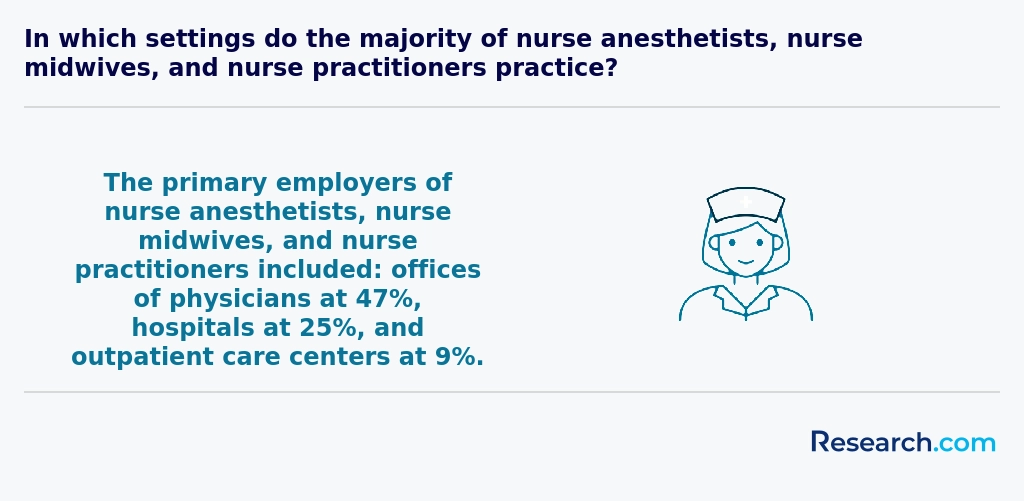
Graduates with an online nursing degree in Columbia have access to diverse career paths that align well with the local healthcare landscape. Many start as Registered Nurses (RNs), providing hands-on patient care in facilities like University of Missouri Health Care or Boone Hospital Center, where demand is strong across specialties such as emergency care and pediatrics. This reflects promising nursing degree job opportunities Columbia Missouri offers in direct clinical roles.
Beyond bedside nursing, online programs in Columbia prepare students for advanced roles including Nurse Practitioner or Clinical Nurse Specialist through further certification. Graduates often appreciate the flexibility of starting with an online Bachelor of Science in Nursing or RN-to-BSN programs, especially when balancing work and study. Experienced nurses also find rewarding transitions into nursing education or healthcare administration at local colleges or healthcare institutions, enhancing community impact.
Some graduates pivot toward public health careers, supporting government initiatives or nonprofits focused on disease prevention and health education, critical in the evolving post-pandemic context in Columbia. Those seeking less costly pathways might explore a low cost online bachelors degree to begin their nursing career journey.
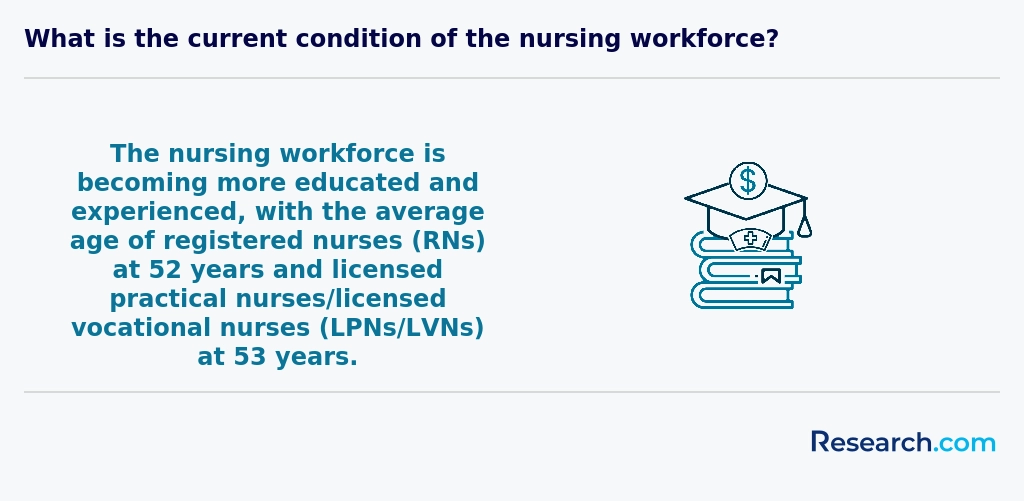
The job market for online nursing degree holders in Columbia remains robust, supported by key healthcare centers such as the University of Missouri Health Care and Boone Hospital Center. Graduates from local programs frequently find opportunities across acute care and outpatient facilities, reflecting strong demand. Employment in registered nursing is projected to grow by about 12% in the Columbia area over the next decade, higher than the 9% national average, signaling an expanding range of nursing roles available to new professionals.
Graduates pursuing an online nursing degree in Columbia often express satisfaction with their ability to balance studies and work through flexible online schedules, a crucial factor for many practicing nurses. Coupled with an average salary around $65,000 annually, these roles offer competitive compensation, particularly as advanced practice nursing positions grow.
For those considering the financial commitment of nursing education, exploring options like the cheapest online bachelor's degree can provide valuable guidance on affordable pathways to enter Columbia MO nursing degree job outlook fields.
2027 Best Online Nursing Degree Programs Ranking in Columbia, MO
Investing in your education is a significant decision that can shape your future, and the Research.com team understands the importance of making informed choices. To assist prospective nursing students in Columbia, MO, we have meticulously crafted the "2027 Best Online Nursing Degree Programs Ranking in Columbia, MO." Our commitment to quality, credibility, and accuracy is reflected in the extensive research and analysis conducted to compile this ranking.
We utilized the following reputable data sources to ensure a comprehensive evaluation of nursing programs:
By exploring this ranking, readers will gain valuable insights into the best online nursing degree programs available in Columbia, MO, empowering them to make confident and informed decisions about their education. For more information on how this ranking was created, please visit our Research.com methodology page.

Frequently Asked Questions About nursing
Online nursing degree students in Columbia can maximize their learning by actively engaging with course materials and participating in virtual discussions. Utilizing resources like the University of Missouri's Sinclair School of Nursing library access offers valuable research tools. Time management is essential; setting a consistent study schedule helps balance coursework with clinical hours and personal commitments. Students should also seek local clinical placements approved by their program to gain hands-on experience in Columbia's healthcare settings.
Networking with peers and faculty through online forums can enhance understanding and career opportunities. According to Missouri's Center for Nursing Workforce, practical experience greatly improves graduate readiness, making clinical engagement a priority. Additionally, leveraging tutoring and academic support services available at Missouri institutions can improve outcomes.
The nursing field is evolving rapidly, with several emerging niches gaining attention. One key area is gerontological nursing, driven by an aging population in the United States, including Missouri. Nurses specializing in elder care play vital roles in managing chronic diseases and improving quality of life.
Another growing niche is telehealth nursing, which expanded significantly during the COVID-19 pandemic. Telehealth allows nurses to provide care remotely, increasing access for patients in rural areas around Columbia.
Additionally, nurse informatics combines nursing with data management, helping improve patient outcomes through technology. According to the U.S. Bureau of Labor Statistics, jobs in this specialty are expected to grow by over 20% through 2030.
Preparing for the job market after completing an online nursing degree in Columbia, MO, involves several strategic steps. First, securing Missouri state licensure through the NCLEX-RN exam is essential to practice as a registered nurse locally. According to the Missouri Board of Nursing, passing this exam opens many clinical opportunities across Columbia's healthcare facilities.
Next, gaining clinical experience through internships or volunteering in Columbia hospitals like University Hospital or Boone Hospital Center strengthens a resume. Networking with local nursing associations can also provide valuable job leads and mentorship.
Finally, continuing education and specialized certifications in areas such as geriatric or pediatric care increase competitiveness in Columbia's healthcare job market, which, as the Missouri Economic Research and Information Center notes, expects a steady 7% growth in nursing employment through 2030.
Employers in Columbia, MO, prioritize several key skills when evaluating nursing degree graduates, especially those from online programs. Critical thinking and clinical judgment top the list, as these abilities directly impact patient care quality. Communication skills are equally important, facilitating clear interactions with patients and healthcare teams.
Proficiency in technology and electronic health records is increasingly vital, reflecting the digital trends in healthcare. According to the Missouri Center for Nursing, adaptability and continuous learning also rank highly, ensuring nurses keep up with evolving medical standards and treatments.
These skills combined prepare graduates to meet local healthcare demands effectively.
Finding internships relevant to a nursing degree in Columbia, MO, begins with exploring partnerships between online nursing programs and local healthcare facilities. Many universities collaborate with institutions like University of Missouri Health Care and Boone Hospital Center to offer clinical placements.
Students should also check Missouri State Board of Nursing resources, which provide guidance on approved clinical sites and preceptor requirements. Networking through local nursing organizations, such as the Missouri Nurses Association, can reveal internship opportunities and mentorship programs.
Since nursing internships must comply with state licensure rules, confirming that clinical hours meet Missouri guidelines is essential. Exploring hospital volunteer programs may also open pathways to gaining practical experience.
Obtaining an online nursing degree in Columbia, MO, significantly enhances career mobility and advancement opportunities within the local healthcare industry. Columbia, home to major medical centers like University of Missouri Health Care, has a growing demand for qualified nurses with flexible education options. Online degrees enable working professionals to continue employment while upgrading their credentials.
According to the Missouri Department of Health and Senior Services, nurses with advanced degrees often see a 15-20% increase in salary compared to those with only associate degrees. This financial incentive, combined with gaining specialized knowledge through online programs, positions graduates for leadership roles.
Many online programs also align with Missouri Board of Nursing requirements, ensuring graduates are eligible for licensure and promotion within the state.
Studying for a nursing degree in Columbia, MO, equips students with skills essential for interdisciplinary healthcare teams. Programs often emphasize collaboration with professionals in medicine, social work, and pharmacy, reflecting modern hospital environments. According to the Missouri Center for Nursing, 65% of healthcare facilities in Columbia report growing demand for nurses proficient in teamwork and communication across disciplines.
Online nursing degrees in Columbia integrate simulation labs and case studies that mirror real-life scenarios involving multiple healthcare roles. This practical approach fosters critical thinking and adaptability, both vital when coordinating patient care with diverse teams.
Students also gain knowledge in health informatics and policy, enhancing their ability to contribute beyond traditional nursing tasks. This broader preparation aligns with national trends encouraging nurses to take active roles in leadership and decision-making processes.
Choosing between a thesis and a non-thesis nursing degree program in Columbia depends largely on your career goals and educational preferences. Thesis programs typically require original research, preparing students for roles in academia, advanced clinical practice, or leadership. These programs often take longer to complete, reflecting the depth of study involved.
Non-thesis programs focus more on practical skills and coursework. They are ideal for nurses aiming for immediate career advancement in clinical settings or healthcare management. In Columbia, where nursing demand grows steadily, non-thesis options may offer quicker entry into the workforce, according to data from the Missouri Department of Higher Education.
Consider workload, time commitment, and long-term goals when deciding. Both options are fully recognized in Missouri's nursing education system and align with licensure requirements set by the Missouri State Board of Nursing.
Students residing in Columbia, Missouri, interested in pursuing nursing degrees abroad have several online options through accredited U.S. universities. Many institutions offer fully online nursing programs, including RN-to-BSN and MSN degrees, which can be completed remotely while maintaining licensure in Missouri. According to the Missouri State Board of Nursing, students must ensure the program is approved and meets Missouri's requirements for licensure and reciprocity if planning to practice locally.
Research indicates that Columbia students might consider programs from universities recognized by the Commission on Collegiate Nursing Education (CCNE) or the Accreditation Commission for Education in Nursing (ACEN) to guarantee quality education.
Online nursing degrees abroad allow students to balance work, study, and family commitments, making them a flexible path in nursing education. However, clinical practice hours typically must be completed locally or approved locations, which students should plan for carefully to comply with Missouri regulations.
Students pursuing online nursing degrees in Columbia, MO can benefit from several part-time job opportunities that enhance both practical skills and academic knowledge. Common roles include Certified Nursing Assistant (CNA) positions, patient care technician jobs, and medical receptionist roles. According to the Missouri Department of Health and Senior Services, CNAs in Missouri earn an average hourly wage of $13 to $16, offering useful hands-on experience in clinical care settings.
These jobs typically offer flexible hours, accommodating nursing students' coursework and clinical schedules. Working in local hospitals or clinics, such as University Hospital or Boone Hospital Center, can provide valuable exposure to healthcare environments while building professional networks.
Additionally, positions in community health organizations or telehealth support roles can improve communication skills and familiarity with healthcare technologies increasingly integrated into nursing education and practice in Columbia.
Online nursing students in Columbia, MO, have various networking opportunities that support their academic and professional growth. Many online programs connect students through virtual study groups and forums, enabling interaction despite geographical distance. Additionally, Columbia's strong healthcare community offers local nursing associations, such as the Missouri State Nurses Association, where students can attend events and build connections.
Clinical placements in Columbia-area hospitals often provide face-to-face networking during internships. The city's proximity to the University of Missouri Health Care system allows practical exposure and professional contacts. According to the Missouri Economic Research and Information Center, Columbia's healthcare sector is growing, increasing local opportunities for nursing students.
Alumni networks play a vital role for students pursuing online nursing degrees in Columbia, Missouri. These networks connect current students with graduates who have practical experience in the local healthcare environment. Through mentoring, alumni provide insights into job opportunities, career advancement, and professional challenges. According to the Missouri Nurses Association, networking increases employment prospects by up to 30% for recent graduates.
In Columbia, where healthcare facilities such as University Hospital and MU Health Care dominate, alumni connections often lead to internships and clinical placements. This fosters real-world learning despite the online format. Additionally, alumni networks support ongoing education and certification, essential in nursing fields subject to constant updates in best practices.
In Columbia, customizing an online nursing degree to align with your career goals begins with selecting the right program specialization. Many accredited schools offer options such as pediatric nursing, gerontology, or nurse leadership to suit diverse interests. Additionally, students can choose elective courses that enhance skills pertinent to their desired roles.
Clinical practicum placements in local healthcare facilities provide practical experience tailored to career objectives. Columbia's proximity to major hospitals offers valuable opportunities for hands-on learning. According to the Missouri Board of Nursing, programs typically require 500 to 700 clinical hours, which can often be arranged to reflect specialty areas.
Flexible scheduling and part-time enrollment options enable working nurses in Columbia to balance education with professional responsibilities. Advisors at most institutions help plan coursework to meet licensure requirements while supporting career advancement.
Online nursing students in Columbia, Missouri, commonly face challenges balancing rigorous coursework with personal and professional responsibilities. Many are working healthcare professionals who struggle to find time for study amid demanding schedules. Access to reliable internet and technology can also impact participation, especially in clinical simulations requiring advanced software.
Another significant challenge is securing local clinical placements. Although Missouri has several healthcare facilities, competition for slots can be high, delaying graduation for some students. According to the Missouri Center for Nursing, about 40% of nursing students report difficulty arranging local practicums.
Additionally, students may experience feelings of isolation, as online formats reduce face-to-face interaction with peers and instructors. This can affect motivation and engagement, crucial components of nursing education.
With an online nursing degree in Columbia, MO, graduates can pursue several professional certifications to advance their careers. Common certifications include the Registered Nurse (RN) license, which is required to practice nursing in Missouri and nationally. Many nurses also seek the Certified Nurse Practitioner (CNP) credential to provide specialized care.
Other certifications include the Certified Nurse Midwife (CNM), Certified Clinical Nurse Specialist (CNS), and certifications in areas such as gerontology, pediatrics, and critical care. Organizations like the American Nurses Credentialing Center (ANCC) and the American Association of Nurse Practitioners (AANP) offer these certifications.
According to the Missouri Board of Nursing, obtaining these credentials can increase job opportunities in Columbia's growing healthcare market, which is projected to expand by 12% through 2030.
Writing a winning application for an online nursing program in Columbia, MO, requires clear focus and preparation. Start by carefully reviewing the specific program requirements, as Missouri nursing programs often seek candidates with a minimum GPA of 3.0 and prerequisite coursework in biology and chemistry.
Highlight relevant healthcare experience, such as CNA certification or volunteer work, as practical experience strengthens your candidacy. Including strong letters of recommendation from nursing supervisors or instructors can improve your chances.
Clearly articulate your motivation in a well-crafted personal statement that aligns with the goals of nursing education in Missouri. Programs such as those at the University of Missouri emphasize community health, so tailoring your essay to local healthcare needs is beneficial.
Finally, ensure your application is error-free and submitted before deadlines, as Columbia nursing schools report increasing applicant pools annually, raising competition. Refer to Missouri's Board of Nursing for the latest credentialing standards.
The nursing profession holds a vital role worldwide, with increasing demand driven by aging populations and global health challenges. In the United States, including Columbia, MO, a strong emphasis is placed on advanced education, such as obtaining online nursing degrees to meet workforce needs. According to the U.S. Bureau of Labor Statistics, registered nursing jobs are projected to grow 9% from 2020 to 2030, reflecting robust career stability.
Globally, nurses are recognized as frontline healthcare providers, with many countries adopting standards influenced by U.S. education models. For students in Columbia, MO, pursuing an online nursing degree aligns with these global trends, offering flexible pathways to contribute in diverse healthcare settings.
Students pursuing an online nursing degree in Columbia, MO can gain practical experience through local clinical placements. Most accredited programs require clinical hours that must be completed in healthcare settings such as hospitals, clinics, or long-term care facilities. In Columbia, the University of Missouri Health Care and Boone Hospital Center offer opportunities for clinical practice, helping students apply theoretical knowledge.
Additionally, partnerships between online programs and local healthcare providers ensure students meet state licensing requirements. According to the Missouri State Board of Nursing, completing supervised clinical hours is mandatory for licensure as a registered nurse (RN).
Students should communicate early with program coordinators to arrange convenient clinical sites nearby.
Choosing the right concentration within an online nursing degree program in Columbia, MO, starts with understanding your career goals. Common concentrations include family nurse practitioner, psychiatric mental health, and nurse leadership. Each path offers unique opportunities in local healthcare settings like University of Missouri Health Care and Boone Hospital Center, major employers in Columbia.
The Missouri Center for Nursing reports that specialties in primary care and mental health are in high demand in the region, reflecting national trends. Investigate whether your chosen program provides clinical placements in Columbia-area facilities to gain relevant experience.
Accreditation from the CCNE or ACEN ensures program quality and eligibility for licensure. Consider your schedule and flexibility needs, as some concentrations may require more clinical hours. Gathering information from current students and alumni in Columbia can also offer valuable insights.
- 2027 Best Online Doctorate in Nursing Degree Programs Ranking in St. Louis, MO
- 2027 Best Online Nursing Degree Programs Ranking in Lebanon, IL
- 2027 Best Online Nursing Degree Programs Ranking in Pittsburg, KS
- 2027 Best Online Nursing Degree Programs Ranking in Peoria, IL
- 2027 Best Online Nursing Degree Programs Ranking in Fayetteville, AR
- 2027 Best Online Nursing Degree Programs Ranking in Omaha, NE
- 2027 Best Online Nursing Degree Programs Ranking in Murray, KY
- 2027 Best Online Nursing Degree Programs Ranking in Joliet, IL
- 2027 Best Online Nursing Degree Programs Ranking in Romeoville, IL
- 2027 Best Online Nursing Degree Programs Ranking in Hammond, IN
See What Experts Have To Say About Studying Nursing
Read our interview with Nursing experts


- School of Nursing Alumni Resources https://nursing.utmb.edu/About/Alumni
- Getting RN Experience After Graduation | All Nursing Schools https://www.allnursingschools.com/articles/getting-rn-experience/
- Mission and Graduate Outcomes https://lowercolumbia.edu/programs/health/nursing/mission_and_graduate_outcomes/
- Top Skills Employers Want in Practical Nursing Graduates https://vervecollege.edu/what-employers-look-for-in-practical-nursing-graduates/
- What Are the Best Jobs to Work While in Nursing School? https://www.dewv.edu/what-are-the-best-jobs-to-work-while-in-nursing-school/
- Career Advancement Pathways for Nurses : Expert RN shares 10+ Professional growth opportunities - MuminMed https://blog.muminmed.com/career-advancement-pathways-for-nurses/
- 7 Things to Consider When Getting a Nursing Degree Online https://onlinedegrees.elmhurst.edu/blog/seven-things-consider-when-picking-online-nursing-program
- Online Nursing Prerequisites: Complete Guide & Cost Savings | StraighterLine https://www.straighterline.com/blog/which-online-nursing-prerequisites-should-you-take-online
- Interdisciplinary Education and Practice https://www.aacnnursing.org/news-data/position-statements-white-papers/interdisciplinary-education-and-practice
- Client Challenge https://www.springerpflege.de/nursing-graduates-perceived-future-career-pathway-and-career-shi/50653658


