2027 Fastest Online Nursing Degree Programs Ranking in the USA

Co-Founder and Chief Data Scientist
Choosing the right nursing degree program can be overwhelming, especially with so many online options available. This article introduces the 2027 Fastest Online Nursing Degree Programs Ranking in the USA, created by the Research.com team of data scientists. It's designed to help prospective students confidently find programs that fit their goals and timelines.
Whether you're starting your nursing career or advancing your education, earning a nursing degree offers rewarding opportunities. Reading this ranking will give you clear insight to make informed decisions and take the next step toward a fulfilling healthcare profession.
Key benefits of getting online nursing degree in America
- Graduates with a nursing degree can earn competitive salaries, such as $94,480 annually for roles like Registered Nurse, Clinical Nurse Educator, and Public Health Nurse, while Operating Room Nurses earn about $128,490 per year.
- Career paths after earning a nursing degree are diverse, including clinical care, education, and public health, offering nursing graduates from schools like the University of Pennsylvania many exciting opportunities to make a difference.
- Online nursing degrees, like those from Johns Hopkins University, offer flexible schedules and allow students to balance work and study, making it easier to achieve their goals without sacrificing current responsibilities.
- 2027 Fastest Online Nursing Degree Programs Ranking in the USA
- What can I expect from online nursing degree in America?
- Where can I work with online nursing degree in America?
What can I expect from online nursing degree in America?
The average cost for an online nursing degree in America typically ranges between $5,000 and $15,000 per year at public universities. For example, graduates from well-known state schools often share how this investment felt manageable thanks to financial aid and scholarships specifically designed for nursing students. Private institutions tend to charge higher tuition, but many students find that employer tuition reimbursement programs or federal aid make the difference.
Consider a student enrolled at a reputable university with a strong online BSN program. They balance coursework remotely while completing essential practicum hours at nearby healthcare facilities. This setup reduces relocation expenses, making the budget more predictable. Graduates often highlight the flexibility and support from their schools' financial advisors, which helped them navigate tuition payments alongside their other responsibilities.
Ultimately, planning ahead for tuition and leveraging financial resources can make earning a nursing degree online in America achievable and rewarding from both a financial and professional standpoint.
Where can I work with online nursing degree in America?
Graduates of online nursing programs from well-known American universities often find themselves working in a variety of healthcare settings. Hospitals are the most common workplace, employing about 61% of registered nurses nationwide. Many graduates cherish the fast-paced environment of emergency rooms or specialize in maternity or ICU wards, gaining hands-on experience that complements their online studies.
Outpatient care centers and physician offices are popular too, especially for those desiring more predictable schedules. Graduates enjoy these positions for the chance to build ongoing patient relationships and focus on preventive care rather than acute medical emergencies.
Long-term care facilities like nursing homes also hire nursing graduates, with many finding fulfillment in supporting elderly patients' daily care and chronic condition management. This path resonates emotionally with many who want to make a difference in aging populations.
Home health services represent a growing opportunity, allowing nurses to provide personalized care in patients' homes. Graduates appreciate the autonomy and close patient interactions this setting offers, often recalling rewarding moments helping patients recover post-hospitalization.
Regardless of the setting, passing the NCLEX-RN exam and attending accredited programs approved by state boards remain essential steps for licensure and employment.
Graduates of online nursing programs from well-known schools such as the University of Pennsylvania or Johns Hopkins University often find themselves stepping into jobs with solid starting salaries. For example, registered nurses typically earn a mean annual wage of about $94,480 according to recent BLS data. This reflects a reliable income for graduates holding either ADN or BSN degrees completed online.
Nurses specializing in areas like emergency rooms or public health enjoy similar earning potential around this same $94,480 annual mark, providing a consistent baseline for new nurses entering the field nationwide. Experienced nurses who focus on operating rooms benefit from higher pay, with the mean annual wage reaching approximately $128,490, representing a lucrative step up after gaining clinical experience.
Many graduates from nationally recognized nursing colleges report being able to comfortably manage expenses and plan for their future thanks to these attractive wages. Salary growth is also supported by job demand, especially in states with competitive healthcare sectors. For those pursuing online degrees, the financial rewards reflect a pragmatic investment in a stable, rewarding nursing career.
- Online nursing degrees range from associate (ADN) to bachelor's (BSN) and advanced practice (MSN) levels.
- Accreditation by CCNE or ACEN is essential for licensure and employment eligibility.
- Tuition for ADN programs typically costs $5,000 to $20,000; BSN programs range from $20,000 to $60,000.
- Registered nurses' employment is projected to grow 6% from 2021 to 2031, adding about 175,900 jobs annually.
- Starting RN salaries average around $60,000, with median wages near $77,600 and advanced nurses earning over $120,000.
- Clinical components often require in-person attendance despite the online format.
Completing an online nursing degree in America often depends on the program you choose and your prior background. For example, graduates from community colleges offering an ADN program often share how their 2 to 3-year online journey allows them to quickly prepare for the NCLEX-RN exam and enter the workforce efficiently. This path fits well for those seeking to start nursing careers without delay.
Many students opting for a BSN program at well-known universities appreciate the 3 to 4 years required for full-time online study, which equips them with broad skills. Those already holding an ADN or RN license can choose RN-to-BSN bridge programs, cutting their time to about 12 to 18 months, a clear advantage for busy professionals balancing work and study.
For nurses aiming higher, online master's or doctorate programs from established institutions usually take an additional 1.5 to 3 years. Graduates highlight the rewarding challenge of managing rigorous coursework alongside clinical hour commitments.
This flexibility helps online learners tailor their pace and achieve their goals without sacrificing quality or personal commitments.
Investing in an online nursing degree involves weighing tuition expenses against long-term earning potential. To assess return on investment (ROI), start by totaling all direct costs-tuition, fees, textbooks, and clinical placement expenses-and compare this figure to projected post-graduation salaries. With Registered Nurses earning a mean annual wage of $89,010 and specialized roles like Operating Room Nurses commanding up to $124,680, most graduates recoup their educational outlay within two to four years, depending on program cost and living expenses. A simple ROI formula divides net gains (annual salary minus living and loan repayment costs) by total educational investment. For example, a $40,000 investment paired with an $89,010 salary yields a 2.2x return in the first year. Factoring in loan interest and tax considerations can refine this calculation. Prospective students should also examine program-specific NCLEX pass rates and job placement statistics-higher outcomes often translate into accelerated ROI by reducing the time between graduation and employment. To maximize ROI, explore scholarships, employer tuition reimbursement, and accelerated pathways that shorten degree completion. Those seeking advanced practice options can further enhance earnings by pursuing a nurse practitioner track; consider the best affordable nurse practitioner online degree to minimize debt while securing higher salary brackets.
Choosing between online and on-campus nursing degrees in America hinges largely on your lifestyle and learning preferences. For instance, graduates from large public universities highlight that online programs offer unmatched scheduling flexibility, allowing them to balance work or family commitments while earning credits remotely. However, these students still organize local clinical hours at nearby hospitals to meet hands-on requirements essential for licensure.
Conversely, applicants to traditional on-campus programs at well-known colleges often praise in-person interactions. They benefit from direct access to simulation labs and real-time feedback from instructors-advantages that foster confidence before entering the workforce. These graduates recall late-night study sessions in campus libraries and networking events that helped build lasting professional relationships.
Cost is a practical factor: public university online nursing degrees can range from $6,000 to $12,000 annually, often saving money on commuting and housing compared to an average $9,000 yearly on-campus tuition. Ultimately, both paths lead to licensure eligibility, so reflecting on your personal routine and support needs ensures you pick the right fit for your successful nursing career.
When considering online nursing programs, affordability is a crucial factor that can significantly impact one's decision. Pursuing an online nursing degree can be a costly endeavor, but there are various options available that cater to different financial situations. For instance, students can explore affordable nursing schools by visiting affordable nursing school to find programs that fit their budget. Understanding the total cost of attendance, including tuition, fees, and living expenses, is essential for making an informed decision. Many online nursing programs offer financial aid, scholarships, and payment plans to help students manage their expenses. Additionally, some employers offer tuition reimbursement programs or assistance with student loans, which can further reduce the financial burden. By carefully evaluating the affordability of online nursing programs and exploring available financial resources, aspiring nurses can make a more informed decision about their educational pathways.
The average cost of an online nursing degree in America typically falls around $32,917. This figure reflects a median total cost combining various degree levels and types of institutions. For students attending public colleges, especially in-state, the expense can be closer to $27,495, while out-of-state students generally face higher costs, averaging about $41,170. These figures help illustrate the financial planning needed when exploring affordable nursing degree programs 2027 USA.
Graduates from well-known state universities often share how balancing in-state tuition benefits and financial aid made their nursing education more manageable. For example, students pursuing a Bachelor of Science in Nursing online at public universities report feeling relieved by lower credit-hour fees and accessible scholarships compared to the private-sector offerings, which can be significantly more costly.
Financial aid, such as federal loans and scholarships, plays a crucial role for many. Clinical supplies and exam fees add to the overall expenses but are often budgeted effectively by students who connect with their university's support offices early. Those aiming for graduate degrees or specialized tracks sometimes experience tuition costs climbing toward the higher end, yet many find the investment rewarding when landing their first nursing job.
For anyone comparing programs, it is practical to consult reliable rankings and resources like the affordable nursing school listings. These provide transparent views on costs, making it simpler to choose an option that fits your budget and lifestyle while earning an online nursing degree.
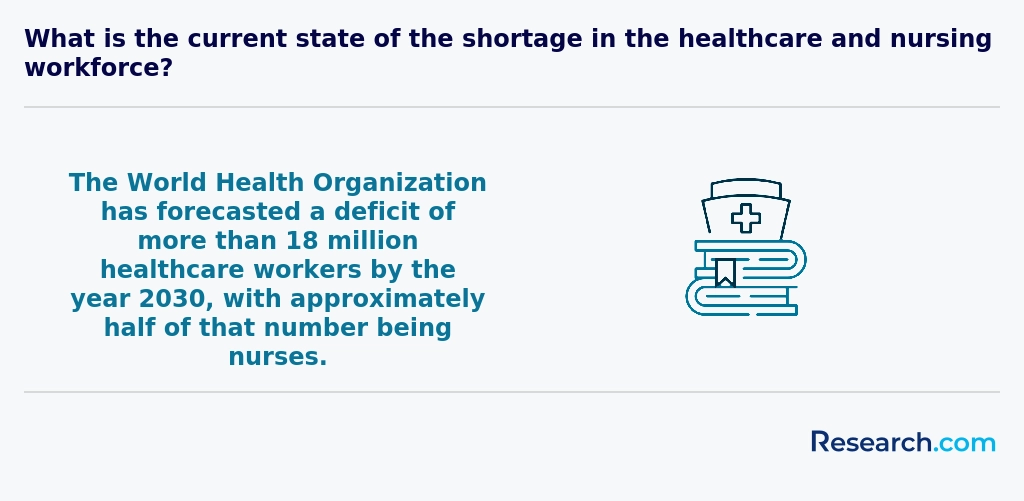
After completing an accredited online nursing program, graduates must navigate state licensing and national certification to practice legally. Many prospective students ask is nursing school easy to get into? While admission competitiveness varies, understanding licensure steps helps clarify post-graduation expectations. To become a Registered Nurse (RN), you must pass the National Council Licensure Examination for Registered Nurses (NCLEX-RN). Each state board of nursing sets eligibility criteria-typically proof of degree completion, a background check, and application fees. Begin the process at least three months before your expected graduation date by submitting an application through your state’s board website and registering with Pearson VUE, the NCLEX testing provider. Once you clear the NCLEX-RN, apply for state licensure. Requirements differ: some states mandate fingerprinting, while others require health screenings or jurisprudence exams. Online graduates should verify their program’s accreditation by the Commission on Collegiate Nursing Education (CCNE) or Accreditation Commission for Education in Nursing (ACEN), as most boards only accept graduates from accredited institutions. For advanced practice roles-such as Nurse Practitioner (NP) or Clinical Nurse Specialist (CNS)-additional certification through bodies like the American Nurses Credentialing Center (ANCC) or the American Association of Nurse Practitioners (AANP) is required. These certifications demand graduate-level coursework, supervised clinical hours, and passing specialty exams. Maintaining licensure involves meeting continuing education (CE) requirements, which vary by state. Many boards require 15–30 CE hours every renewal cycle; courses can be completed online and often focus on patient safety, ethics, and evidence-based practice. Staying current with certification renewal dates and CE deadlines ensures uninterrupted practice authority in your chosen state.
Students pursuing online nursing degrees in America can rely heavily on federal financial aid to lessen the cost burden. Completing the FAFSA is the crucial first step-it unlocks access to Pell Grants, which provide up to $7,395 annually without the need for repayment. Graduates from schools like the University of Florida have praised how these grants helped them focus on studies rather than finances.
Additionally, the Federal Supplemental Educational Opportunity Grant offers extra help for low-income students attending institutions such as Ohio State University. Many also use Direct Subsidized and Unsubsidized Loans, which come with favorable interest rates and flexible repayment plans tailored to nursing students' timelines.
State-level aid frequently supports residents attending state universities-like nursing students in California benefiting from the Cal Grant system-and many receive scholarships from nursing associations or employers offering tuition reimbursement. Veterans attending nursing programs at schools like Texas A&M can access GI Bill benefits, making education more affordable and stress-free.
- Payment plans offered by colleges can ease monthly budgeting for students balancing work and study.
- Employer tuition support allows working nurses to advance their education without heavy debt.
Pursuing an online nursing doctorate is a strategic step for nurses aiming to lead clinical innovations, influence healthcare policy, or teach the next generation of practitioners. Whether you choose a Doctor of Nursing Practice (DNP) or a PhD in Nursing, these programs deepen clinical expertise, enhance research acumen, and open doors to executive roles in hospitals, academia, and government agencies. Most online nursing doctorate curricula blend advanced coursework-such as healthcare economics, organizational leadership, and biostatistics-with practical residencies and capstone projects. Admission requirements typically include a current RN license, a master’s degree in nursing, a minimum GPA (often 3.0 or higher), professional references, and a statement of purpose outlining your research interests or leadership goals. Asynchronous lectures and synchronous seminars ensure flexibility, while virtual simulations and telehealth practicums reinforce hands-on skills. On average, an online DNP takes 2–3 years full-time, while a nursing PhD may require 3–5 years, depending on dissertation progress. Graduates report substantial salary gains-DNP-prepared nurses earn a median annual salary of $115,000-and expanded career trajectories, from chief nursing officers to deans of nursing schools. Many also contribute to peer-reviewed journals and secure grants to advance evidence-based care. For nurse leaders mindful of budget, consider exploring affordable online options. Our sister ranking of the most cost-effective doctorate programs can help you compare tuition, technology fees, and residency requirements. See the Low Cost Online Doctorate in Nursing Degree Programs Ranking in the Northeast to find programs that align with your professional goals and financial needs.
To enroll in an online nursing degree in America, start by ensuring you have a high school diploma or GED. Graduates from well-known programs like those at Arizona State University often mention how completing prerequisite courses-such as anatomy, physiology, and microbiology-made their transition to nursing smoother and more confident.
If you're aiming for a Bachelor of Science in Nursing (BSN), prepare to submit your official transcripts and meet GPA requirements, typically between 2.5 and 3.0. Many students from the University of Florida share how maintaining these academic standards helped them stay on track. Some schools still ask for SAT or ACT scores, but most now emphasize college coursework.
For Licensed Practical Nurses or Registered Nurses entering bridge programs-like RN-to-BSN-current licensure and clinical experience are essential. Many find that providing clear documentation of licensure and clinical hours, as required by schools like Ohio State University, eases their enrollment process.
Finally, be prepared for background checks, letters of recommendation, and sometimes drug screenings. These steps protect patients and create trust, giving students confidence as they enter a respected profession.
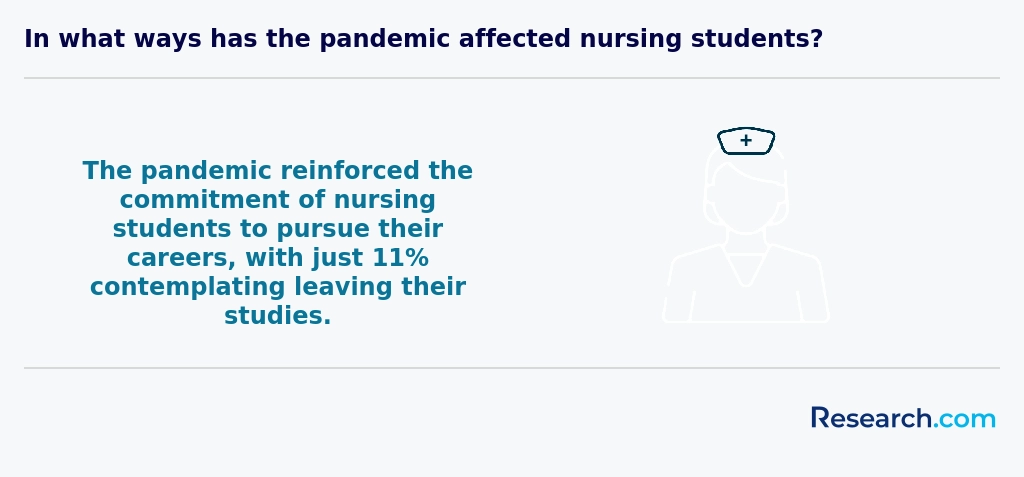
A fast-track online nursing degree combines streamlined coursework with flexible delivery to help you graduate sooner without sacrificing quality:
- Accelerated course formats with condensed terms (often 5–8 weeks) to keep momentum
- Multiple annual start dates for minimal gaps between semesters
- Generous transfer-credit policies for previous college courses or healthcare certifications
- Recognition of prior learning (transfer credits for certifications or experience), similar to the easiest dnp programs that expedite advanced pathways
- Virtual simulation labs reducing on-site clinical hours and travel time
- Flexible clinical-placement options matched to your schedule, including evenings and weekends
Online nursing degree programs in America typically start with foundational science courses like human anatomy, physiology, microbiology, and chemistry to give students a solid understanding of the body and health. Graduates from well-known universities share how these classes prepared them for clinical challenges by clarifying how the body works before moving on to patient care.
Next, you'll take core nursing courses that mix theory with practical skills. Most programs include health assessment and physical examination techniques, pathophysiology, pharmacology, and specialized care areas such as medical-surgical, pediatric, maternal and newborn, mental health, and community nursing. Students from large public universities often praise how these coursework areas built their confidence in varied healthcare settings.
Many reported feeling empowered after courses in nursing leadership, ethics, and evidence-based practice, which directly helped them make smart decisions during rotations. For example, clinical instructors at popular colleges emphasize leadership skills that helped graduates manage emergencies calmly and effectively.
These courses, combined with hands-on clinical rotations, equip you well to meet licensing requirements and thrive in the demanding field of nursing.
When exploring online nursing degree specializations USA offers, students often find programs designed for clear career advancement. Family Nurse Practitioner (FNP) stands out as a popular choice, training nurses to serve diverse age groups, especially in communities needing more healthcare providers. Graduates from well-known universities in America often share how this specialization empowered them to work effectively in rural settings or urban clinics.
Specialties like Psychiatric-Mental Health Nursing also appeal to those passionate about mental well-being. Nurses trained in this field collaborate closely with psychologists to provide therapy and manage conditions, responding to a growing societal need. In addition, nursing program specialties in America usually include areas such as Adult-Gerontology Acute Care, Pediatric Nursing, and Neonatal Nursing, allowing for tailored expertise based on personal interests and job market demand.
For those balancing work and study, many turn to certification options or degree paths at popular colleges that make online learning flexible. To see how accessible these options are, consider if nursing school easy to get into suits your plans.
Start by verifying that the program is fully accredited by the Commission on Collegiate Nursing Education (CCNE) or the Accreditation Commission for Education in Nursing (ACEN). Accreditation is crucial-it guarantees your degree will be recognized by employers and state licensing boards across America. Graduates from well-known universities often mention how this validation eased their NCLEX licensing process.
Next, weigh the costs realistically. Nursing students have found that tuition varies significantly; some community colleges in the U.S. charge around $5,000 yearly, while private universities can reach $30,000 or more. Many appreciate programs that offer flat-rate tuition for both in-state and out-of-state students, helping manage finances better. It's worth exploring affordable nursing degrees online America offers if budget is a concern.
Look for flexibility in course format. Real-life students juggling jobs favored asynchronous classes that fit their schedules, especially in popular institutions known for this approach. Also, confirm how the program handles clinical placements. Renowned nursing schools provide solid partnerships with local healthcare facilities, making hands-on training accessible and less stressful.
Finally, align your choice with career goals. Whether you aim to become a nurse practitioner or move into leadership, targeted programs exist. Check out the best affordable nurse practitioner online degree paths, which some graduates found life-changing and well-suited for advancing their careers.
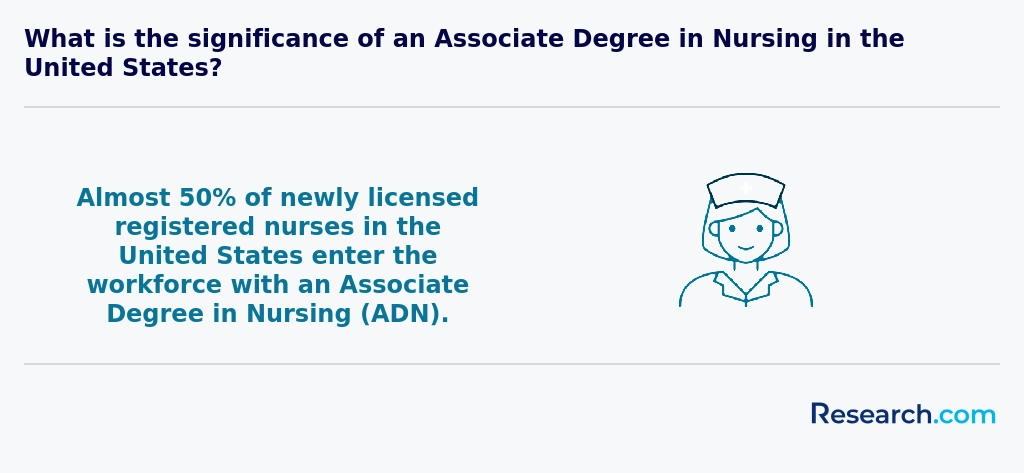
Graduates of online nursing degree programs in America find diverse career paths that align well with their goals and lifestyles. Many quickly step into roles as Registered Nurses (RN), gaining employment in hospitals and clinics with a steady growing demand. For example, graduates from popular colleges report balancing work shifts while pursuing further certifications, which boosts their career trajectory.
Others pursue specialization, such as becoming a Nurse Practitioner (NP), requiring a master's or doctoral degree. This role offers the rewarding challenge of providing primary and specialty care, often leading to higher salaries and autonomy. Clinical Nurse Specialists and Nurse Educators from institutions known for strong nursing faculties share how they thrive shaping patient outcomes and mentoring new nurses.
Those interested in leadership often transition into Nurse Administrator roles or public health nursing, impacting healthcare policy or community wellness programs. Choosing the right program is crucial, and many rely on resources like the Low Cost Online Doctorate in Nursing Degree Programs Ranking in the Northeast to make informed decisions about advancing their qualifications in line with evolving nursing jobs for online graduates America.
The job market for graduates with an online nursing degree in America remains strong and is expected to continue growing. Registered nurses with accredited online degrees from popular programs like those at the University of Phoenix or Arizona State University often find opportunities in hospitals, outpatient clinics, and long-term care facilities. These graduates report stepping confidently into roles where clinical skills learned through virtual coursework are matched with hands-on experience, making them highly employable.
Many nursing graduates expand their careers by pursuing advanced roles such as nurse practitioners or nurse anesthetists, benefiting from the growing demand in specialized nursing fields. The nursing career opportunities in America also include administrative and telehealth positions, reflecting the flexibility of healthcare systems today. Practical experience combined with an online degree from recognized institutions leads to competitive salaries, making it feasible to invest in education costing between $20,000 and $50,000.
Working professionals appreciate the ability to maintain income while studying, as seen in many success stories from graduates who balanced full-time jobs with accredited online programs. For those interested in further study, exploring the cheapest phd program can be a practical next step to advance their career in healthcare leadership or education.
2027 Fastest Online Nursing Degree Programs Ranking in the USA
Investing in your education is a significant decision that can shape your future, and the Research.com team understands the importance of making informed choices. To assist prospective students, we have meticulously crafted the "2027 Fastest Online Nursing Degree Programs Ranking in the USA." Our commitment to quality, credibility, and accuracy is reflected in the extensive research and analysis conducted to compile this ranking.
We utilized the following reputable data sources to ensure a comprehensive evaluation of nursing programs:
By exploring this ranking, readers will gain valuable insights into the fastest online nursing degree programs available in the USA, empowering them to make well-informed educational decisions. For more details on how this ranking was created, please visit our Research.com methodology page.





Frequently Asked Questions About nursing
Online nursing degree students in America can maximize their learning experience by actively engaging with both digital coursework and hands-on clinical practice. According to the American Association of Colleges of Nursing, nearly 80% of nursing programs now incorporate simulation and virtual labs to replicate clinical environments, enhancing practical skills remotely.
Time management is critical; students should establish a consistent study schedule to balance coursework with clinical hours. Utilizing resources like student discussion boards and faculty office hours promotes deeper understanding and networking.
Additionally, students should verify their program's accreditation by bodies such as the Commission on Collegiate Nursing Education to ensure eligibility for licensure and employment.
The nursing field in America is rapidly evolving, with emerging niches offering new career pathways for online nursing degree students. One prominent area is geriatric nursing, driven by the aging Baby Boomer population. The U.S. Census Bureau projects that by 2030, all Baby Boomers will be over 65, increasing demand for specialized elder care.
Another growing niche is informatics nursing, which combines nursing with data management and technology to improve patient care systems. The American Nurses Association notes this specialty is expanding quickly due to healthcare digitization.
Additionally, nurse practitioners in mental health are in high demand as mental health awareness rises nationally. The Bureau of Labor Statistics forecasts a 45% growth in this role through 2031.
These niches create valuable opportunities for students seeking flexible, impactful nursing careers.
Preparing for the job market after completing an online nursing degree in America involves several strategic steps. First, graduates should obtain their Registered Nurse (RN) license by passing the NCLEX-RN exam, which is required for employment in all US states. According to the National Council of State Boards of Nursing, over 85% of nursing graduates pass this exam on their first attempt.
Networking is essential; connecting with nursing associations like the American Nurses Association can provide job leads and professional support. Additionally, gaining practical experience through internships or volunteer work enhances employability.
Continuing education and certifications in specialties such as gerontology or pediatrics can increase job opportunities, as the US Bureau of Labor Statistics projects a 9% growth in nursing jobs through 2031.
Employers in America highly value a combination of technical and interpersonal skills in nursing degree graduates. Clinical competency, including proficiency in patient care and familiarity with electronic health records, is essential. According to the American Association of Colleges of Nursing (AACN), communication skills rank among the top attributes, as nurses must effectively interact with patients, families, and healthcare teams.
Critical thinking and problem-solving are also key, enabling nurses to make quick, informed decisions in high-pressure situations. Additionally, adaptability and cultural competence are increasingly important due to diverse patient populations. Data from the U.S. Bureau of Labor Statistics shows that nurses with these skills are in strong demand as healthcare evolves rapidly.
Finding internships relevant to a nursing degree in America involves strategic steps aligned with educational and healthcare institutions. Nursing students should first consult their school's career services or clinical coordinators, as many online nursing programs have partnerships with hospitals and clinics offering internships. The American Association of Colleges of Nursing (AACN) reports that approximately 80% of nursing programs facilitate clinical placements, essential for licensing.
Students can also explore opportunities through healthcare systems like the Veterans Affairs (VA) hospitals or large providers such as Kaiser Permanente, which often offer structured internship or externship programs. Additionally, using platforms like the National Student Nurses' Association website provides updated listings of internship openings nationwide.
Networking with nursing professionals, attending job fairs, and joining professional nursing organizations can increase internship prospects. Internships typically range from 8 to 12 weeks and provide crucial hands-on experience required for passing the NCLEX-RN.
An online nursing degree in America significantly enhances career mobility and advancement opportunities. According to the Bureau of Labor Statistics, registered nurses with higher education levels, such as a Bachelor of Science in Nursing (BSN) obtained online, experience faster career growth and higher earning potential. Many healthcare employers now prefer or require nurses to hold at least a BSN for advanced roles. Online programs provide flexibility, enabling working nurses to pursue these degrees without sacrificing employment. This flexibility supports continuous professional development, leading to qualifications needed for leadership, specialized clinical roles, or advanced practice nursing positions.
Moreover, online nursing degrees are often accredited by organizations like the Commission on Collegiate Nursing Education (CCNE), ensuring employers recognize their validity. Studies show that nurses with BSNs contribute to better patient outcomes, boosting their career prospects in competitive healthcare markets. Overall, pursuing an accredited online nursing degree in the U.S. is a strategic investment for nurses seeking upward mobility within the profession.
Studying for a nursing degree in America equips students with skills essential for interdisciplinary roles in healthcare. Online nursing programs in the US emphasize collaboration with professionals from various fields such as medicine, pharmacy, and social work. The curriculum often includes courses on communication, healthcare ethics, and teamwork, fostering an understanding of diverse healthcare perspectives.
According to the American Association of Colleges of Nursing (AACN), over 80% of nursing programs incorporate interprofessional education to prepare graduates for complex healthcare environments. This approach helps nurses lead patient-centered care teams effectively.
Such preparation aligns with the increasing demand for nurses capable of working across disciplines to improve patient outcomes.
When choosing between a thesis and a non-thesis nursing degree program in America, consider your career goals. Thesis programs focus on research and preparing students for doctoral studies or academic positions. They involve conducting original research and writing a formal thesis. Non-thesis programs prioritize practical skills and may include additional coursework or clinical experiences instead.
According to the American Association of Colleges of Nursing (AACN), more than 60% of graduate nursing students prefer non-thesis options to enter advanced practice or leadership roles directly. Thesis programs are ideal if you aim to contribute to nursing science or pursue teaching.
Also assess your time and workload capacity; thesis tracks typically take longer due to research demands. Online programs often clarify these differences upfront, helping you align your choice with professional aspirations and personal circumstances.
Students in America interested in studying nursing abroad have several pathways, even while pursuing online degrees. Many U.S. institutions partner with international universities to offer exchange programs or dual degrees, allowing students to gain global experience without leaving their degree progress behind. The Commission on Collegiate Nursing Education (CCNE) recognizes some programs that include international clinical placements, enhancing cultural competence.
Additionally, students can enroll in foreign universities offering recognized online nursing degrees, but they must ensure these programs meet U.S. licensure requirements. The National Council of State Boards of Nursing (NCSBN) provides clear guidelines on credential evaluations for foreign-educated nurses.
According to the American Association of Colleges of Nursing, approximately 45% of registered nurses have a bachelor's degree, highlighting the importance of accredited programs that incorporate international standards. This makes researching and selecting proper study abroad options critical for American nursing students.
Part-time jobs can effectively complement online nursing degree education by providing practical experience and financial support. Many students in the U.S. choose roles such as certified nursing assistant (CNA), medical scribe, or phlebotomist. These positions offer hands-on patient care exposure, helping reinforce classroom learning.
According to the U.S. Bureau of Labor Statistics (BLS), CNAs earn around $15 per hour and gain valuable clinical skills. Medical scribes assist healthcare providers with documentation, improving understanding of medical terminology, which is critical for nursing students. Phlebotomy roles provide experience in patient interaction and venipuncture techniques.
Flexible scheduling is often available in these jobs, accommodating students' academic commitments. Such part-time opportunities can enhance resumes and foster career readiness in nursing careers.
Online nursing students in America have growing networking opportunities that help build professional connections despite physical distance. Many programs partner with healthcare organizations to offer virtual career fairs and alumni networking events.
Students often access nursing associations such as the American Nurses Association (ANA) and the National Student Nurses' Association (NSNA), which provide virtual conferences, webinars, and mentoring programs. These platforms connect students with experienced nurses across the country.
Additionally, online platforms like LinkedIn and dedicated nursing forums enable students to join specialized groups, share knowledge, and find job leads. According to the Bureau of Labor Statistics, nurses with strong professional networks often experience faster job placements and career advancement.
Alumni networks provide significant advantages for online nursing degree students in America. They create a community of professionals who share experiences and career advice, enhancing job placement opportunities. According to the American Association of Colleges of Nursing, networking is a key factor in securing nursing roles, especially in competitive markets.
These networks often host events, webinars, and mentorship programs accessible remotely, which is crucial for online students. Mentorship from alumni with real-world nursing experience can guide students through licensure exams and clinical practice challenges.
Additionally, alumni connections can lead to internships and collaborations, broadening practical skills and improving employability in a pandemic-influenced healthcare environment.
Customizing an online nursing degree in America allows students to align their studies with specific career goals. Many programs offer elective courses in specialty areas such as pediatrics, gerontology, or healthcare management. This flexibility helps students develop expertise tailored to their interests.
Students can also choose between various degree levels, from RN to BSN, MSN, or DNP, depending on their advancement plans. Accredited programs often provide options for part-time or accelerated tracks, enabling faster completion or balancing work and study.
According to the American Association of Colleges of Nursing (AACN), 75% of nursing schools in the US incorporate clinical simulations online, enhancing practical skills remotely.
Online nursing students in America face several challenges that can impact their educational experience. One major hurdle is securing clinical placements, as practical hours are a crucial part of nursing programs. According to the American Association of Colleges of Nursing (AACN), limited local opportunities can delay program completion.
Another difficulty is maintaining motivation and time management when balancing studies with work or family responsibilities. Research from the National League for Nursing shows many online learners juggle multiple roles, increasing stress levels.
Technical issues and lack of direct interaction with instructors also pose barriers. Students may feel isolated without face-to-face support, affecting their learning outcomes.
Finally, financial constraints remain significant, with the average nursing student loan debt reaching $40,000 nationally, according to the National Center for Education Statistics.
With an online nursing degree in America, graduates can pursue various professional certifications to advance their careers. Common certifications include the Registered Nurse (RN) license, required in all states and overseen by the National Council of State Boards of Nursing (NCSBN).
Further specialization is possible through certifications such as the Certified Nurse Practitioner (CNP), Certified Nurse Educator (CNE), and certifications in areas like gerontology, pediatrics, and critical care. According to the American Nurses Credentialing Center (ANCC), over 400,000 nurses held specialty certifications as of 2023.
These credentials validate expertise and often lead to higher earning potential and greater job flexibility within the U.S. healthcare system.
To write a winning application for an online nursing program in America, begin by carefully reviewing the program's prerequisites. Many schools require a minimum GPA, often around 3.0, and completion of foundational courses like anatomy, physiology, and microbiology. Highlight relevant work or volunteer experience in healthcare, which showcases your commitment and practical skills.
Craft a compelling personal statement that explains your motivation for pursuing nursing and how the online format suits your goals. Use clear, professional language and avoid clichés. Request strong letters of recommendation from supervisors or professors familiar with your academic or clinical work. Verify all application materials are complete and submitted before deadlines, as late applications are typically not accepted.
Globally, nursing is recognized as an essential and respected profession, with demand increasing due to aging populations and healthcare challenges. In the United States, the Bureau of Labor Statistics projects a 9% growth in nursing jobs from 2020 to 2030, faster than average for all professions. This reflects a global trend where nurses play a critical role in patient care and healthcare management.
Many countries emphasize advanced nursing education to meet complex healthcare needs. In America, online nursing degrees provide flexible pathways, allowing students to gain credentials recognized worldwide. According to the National League for Nursing, over 50% of U.S. nursing students choose online programs, highlighting accessibility and relevance.
Internationally, nurses often benefit from standardized licensing like the NCLEX exam in the U.S., which facilitates global mobility. This creates opportunities for American-trained nurses to work abroad, reflecting nursing's global integration and collaborative nature.
Gaining practical experience is essential when pursuing an online nursing degree in America. Most accredited online nursing programs require clinical hours, which students complete at approved healthcare facilities near their location. This ensures hands-on training in real-world settings while maintaining the flexibility of remote learning. According to the American Association of Colleges of Nursing, clinical practice is mandatory for licensure and typically ranges from 300 to 600 hours, depending on the program.
Students can also explore internships, externships, or partnerships between schools and local hospitals. These opportunities build skills and enhance employability post-graduation.
When choosing a concentration within an online nursing degree program in America, consider your career goals and the demand for nursing specialties. The U.S. Bureau of Labor Statistics projects a 9% growth in registered nursing jobs from 2022 to 2032, with some areas like nurse practitioners growing faster at 40%.
Popular concentrations include family nurse practitioner, psychiatric-mental health, and gerontology. Research the licensing requirements in your state as they can vary and influence your choice. Additionally, look for programs accredited by the Commission on Collegiate Nursing Education (CCNE) or Accreditation Commission for Education in Nursing (ACEN) to ensure quality.
Evaluate your interests, whether clinical care, administration, or education. Many online programs provide flexibility, allowing you to balance study with work or family commitments. Reviewing career outcomes and salary data from sources like the American Nurses Association helps inform your decision.
See What Experts Have To Say About Studying Nursing
Read our interview with Nursing experts

Lisa Grubb
Nursing Expert
Assistant Professor
Johns Hopkins School of Nursing

- Know more about thesis vs non- thesis: what is the difference? https://studyfans.com/en/blogs/816
- What Are the Best Jobs to Work While in Nursing School? https://www.dewv.edu/what-are-the-best-jobs-to-work-while-in-nursing-school/
- Scholarships & Financial Aid https://www.aacnnursing.org/students/scholarships-financial-aid
- Exploring Diverse Nursing Career Horizons - N2S Healthcare Blog https://n2shealthcare.com/blog/exploring-diverse-nursing-career-horizons-n2s-healthcare-blog
- Nursing School - Online Nursing Degrees | Aspen University https://www.aspen.edu/nursing/
- Study Nursing Abroad | Boomerang International Educational Services https://boomerangedu.com/study-nursing-abroad/
- Nursing Financial Aid https://nursinglicensemap.com/resources/nursing-financial-aid/
- How to Choose a Nursing Program | All Nursing Schools https://www.allnursingschools.com/how-to-get-into-nursing-school/choose-the-right-school/
- Essential Tips for Nursing Students to Advance Their Careers https://almanaltraining.com/essential-tips-for-nursing-students-to-advance-their-careers/
- From our readers…Strengthening nursing networks https://www.myamericannurse.com/from-our-readersstrengthening-nursing-networks/