
2027 Fastest Online Master's in Nursing Degree Programs Ranking in Alabama

Co-Founder and Chief Data Scientist
Are you looking to advance your nursing career with a master's degree while balancing life in Alabama? This article introduces the 2027 Fastest Online Master's in Nursing Degree Programs Ranking in Alabama, developed by the Research.com team of data scientists. It's designed to help you quickly identify high-quality programs that fit your goals and schedule.
Choosing the right program can open doors to rewarding opportunities and greater professional growth. Reading this ranking will give you confidence in making an informed decision about your future in nursing.
Key benefits of getting online nursing degree in Alabama
- Nurse practitioners in Alabama with an online nursing degree can earn a mean annual wage of $128,490, highlighting strong salary potential in advanced nursing roles.
- Graduates from popular Alabama universities often pursue careers as nurse practitioners, clinical nurse specialists, or nurse educators, showing diverse and rewarding career paths.
- Online nursing degrees offer flexibility and convenience, allowing students from Alabama to balance studies with work or family, often leading to quicker completion compared to traditional programs.
- 2027 Fastest Online Master's in Nursing Degree Programs Ranking in Alabama
- What can I expect from online nursing degree in Alabama?
- Where can I work with online nursing degree in Alabama?
What can I expect from online nursing degree in Alabama?
The average cost of an online nursing degree in Alabama varies, but many students find affordability through public institutions like the University of Alabama or Auburn University. Graduates often share relief at balancing tuition costs ranging from approximately $10,000 to $25,000 for full program completion, especially when compared to traditional on-campus programs. These costs cover comprehensive coursework paired with local clinical placements, allowing students to maintain jobs and personal commitments.
Many who pursued an RN-to-BSN online found that financial aid and scholarships greatly eased their burden, making the journey feel achievable and motivating. For instance, graduates often describe the satisfaction of progressing steadily while saving on relocation and commuting expenses. Some MSN students highlight that even though advanced degrees might have higher tuition, their institutions provide flexible payment plans and employer tuition reimbursement options that alleviate financial stress.
Looking ahead, Alabama's online nursing programs are evolving to offer more affordable, competency-based models. These developments promise to reduce costs further while expanding access, making nursing degrees increasingly attainable for Alabama's busy professionals eager to advance their careers.
Where can I work with online nursing degree in Alabama?
Graduates with an online nursing degree in Alabama often find themselves welcomed at major hospitals like the University of Alabama at Birmingham Hospital, where hands-on patient care meets cutting-edge medical practice. Many alumni from Auburn University's online nursing program share how they seamlessly transitioned into roles as registered nurses, thriving in vibrant hospital environments that demand both skill and compassion.
Beyond hospitals, future nurses imagine careers in nursing homes or assisted living centers, addressing Alabama's growing elderly population. Nurses in these settings build strong relationships with patients, providing essential care while experiencing fulfilling daily interactions. Graduates from the University of Alabama in Huntsville mention how their online education prepared them for empathetic roles that make a real difference.
Emerging opportunities in telehealth offer exciting prospects, allowing nurses to engage remotely with patients using advanced technology. Students from Troy University's online nursing track express confidence in pursuing these flexible and dynamic positions, especially as telemedicine evolves rapidly across the state.
Advanced practice roles, such as nurse practitioners, also attract online graduates who continue their education while working, eager to expand their impact through specialized certifications recognized by Alabama's nursing board.
Graduates of online nursing programs in Alabama can anticipate competitive earnings that reward their dedication and expertise. For example, nurse practitioners often earn around $128,490 annually, reflecting the high demand for advanced practice nurses in the state. This salary level allows graduates to confidently pursue fulfilling careers at institutions like the University of Alabama or Auburn University's nursing programs.
Clinical nurse specialists, nurse administrators, and nurse educators also enjoy substantial incomes, averaging about $94,480 per year. Many graduates report feeling proud as they advance into leadership or educational roles, influencing Alabama's healthcare landscape with both knowledge and passion. These positions offer fulfilling opportunities to impact patient care and shape future nursing professionals.
Critical care nurses share a similar salary range with nurse practitioners, typically earning $128,490 yearly. Graduates often describe exhilarating experiences managing high-stakes environments in Alabama hospitals, where their skills directly save lives. As the state addresses nursing shortages, demand and salaries are likely to rise, making these careers not only rewarding but promising pathways for long-term growth and professional satisfaction.
- Many Alabama universities offer fully online or hybrid nursing programs leading to ADN, BSN, or MSN degrees.
- Tuition for an online BSN ranges from $10,000 to $25,000 for in-state students, while MSN programs cost between $15,000 and $35,000.
- New nursing graduates in Alabama start with an average salary of about $55,000 per year, increasing to around $68,000 or more with experience.
- Employment for registered nurses in Alabama is projected to grow steadily through 2030, with high demand in rural and underserved areas.
- Graduates must pass the NCLEX-RN exam and meet Alabama Board of Nursing standards to become licensed.
Online nursing degrees in Alabama typically take varying lengths of time, depending on the path chosen and the student's background. Graduates from well-known institutions like the University of Alabama at Birmingham often share how RN-to-BSN programs allow them to finish in 2 to 3 years while juggling work and family commitments. For those starting fresh, the standard BSN can span about 4 years, but accelerated online options available at colleges such as Auburn University make completing in around 3 years increasingly feasible.
Associate Degree in Nursing (ADN) students frequently find that a 2-year timeline suits their needs well, mixing online studies with clinical hours completed locally in Alabama healthcare facilities. This flexible approach appeals to students eager to enter the workforce quickly without sacrificing quality education.
The Master of Science in Nursing (MSN) degrees at schools like the University of South Alabama can be finished in as little as 18 months for dedicated full-time learners, although 3-year tracks accommodate those balancing part-time study and clinical requirements. These timelines resonate with students who eagerly anticipate advancing their careers while managing life's demands.
Choosing between online and on-campus nursing degrees in Alabama often comes down to lifestyle and learning preferences. Graduates from the University of Alabama at Birmingham recall the freedom of online courses that let them study between shifts or family time, highlighting the flexible pace as a major benefit. Yet, they emphasize how vital those mandatory in-person clinical hours on hospital floors remain for building confidence and real-world skills.
Meanwhile, students attending Alabama State University cherish the campus atmosphere-the immediate access to simulation labs and face-to-face mentoring helped them grasp complex nursing concepts faster. They appreciate the energy of learning alongside peers, which fuels motivation during challenging coursework. However, these programs usually require more rigid scheduling and commuting.
As hybrid models emerge, especially at institutions like Auburn University, future nursing students might enjoy the best of both worlds: online lectures paired with local clinical labs, reducing travel without sacrificing hands-on training. This blend creates a dynamic pathway adaptable to Alabama's evolving healthcare demands.
The average cost of an online nursing degree in Alabama typically centers around $13,637, a figure that reflects a blend of tuition rates from well-regarded public universities known for their nursing programs. Graduates from these institutions often share stories of balancing their financial investment with the flexibility and quality of education they received. Many highlight that despite the fees, the ability to study online while managing work or family commitments made their pursuit feel worthwhile and accessible.
At schools popular for online nursing degrees in Alabama, students considering an Alabama online master's in nursing tuition fees generally expect expenses ranging from $500 to $700 per credit hour at public universities. These rates are competitive and allow aspiring nurses to feel optimistic about achieving advanced qualifications without overwhelming debt. The upfront cost, combined with additional fees for clinicals and technology, often become part of a manageable financial plan when students tap into scholarships and state support.
While private universities in Alabama may set higher rates, many nursing students find value in the programs' reputations and networking opportunities. Some opt for accelerated tracks or look into the quickest online associates degree options as a step toward advancing their careers affordably and quickly, sparking excitement about the future possibilities in nursing leadership roles.
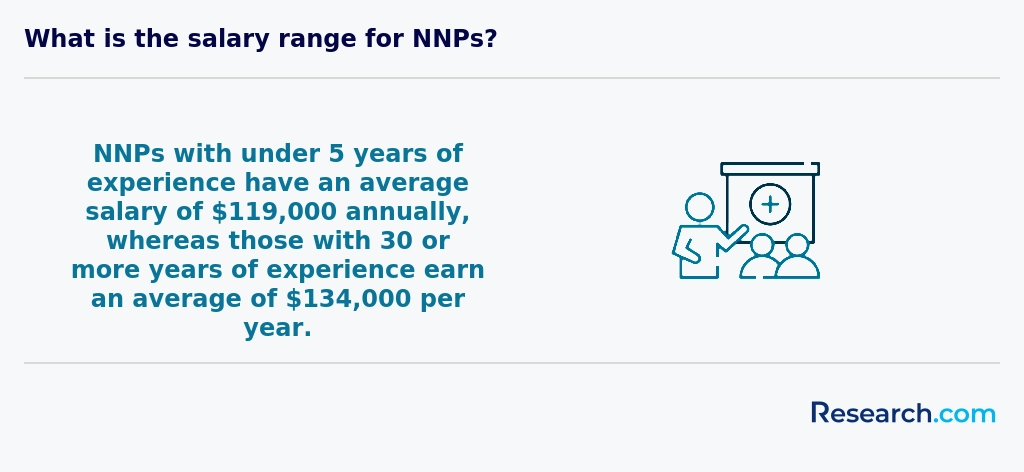
Online nursing students at popular Alabama schools like the University of Alabama at Birmingham often find relief through FAFSA-based federal aid, including Pell Grants and subsidized loans. Graduates frequently share how these funds alleviated early financial stress, making it easier to focus on demanding coursework. The Alabama Student Grant Program also plays a significant role, offering need-based aid specifically for in-state learners, a benefit many students at Auburn University have eagerly used to offset tuition costs.
Scholarships tailored to nursing, such as those from the Alabama Board of Nursing, provide vital support that many graduates recall as turning points in their educational journeys. Employers in the healthcare sector across Alabama increasingly offer tuition reimbursement, transforming the pursuit of higher nursing qualifications into a practical, manageable goal for working professionals.
Future trends could include expanding these programs and integrating technology to simplify applications, while veterans' education benefits open doors for military families pursuing nursing online, creating a more inclusive and supportive financial aid landscape.
Enrolling in an online nursing degree in Alabama usually starts with having a high school diploma or GED, a basic but essential step that graduates from institutions like the University of Alabama or Auburn University often recall as their foundational achievement. Moving beyond this, many programs expect completion of prerequisite college courses such as anatomy and physiology, shaping a confident entry into complex nursing concepts. For those aiming at advanced degrees like an MSN, holding an active RN license from Alabama or another state is common, alongside maintaining a solid GPA and relevant clinical hours-requirements that recent graduates attribute to their readiness for leadership in healthcare.
Standardized testing, especially the TEAS exam, plays a big role in qualifying applicants, ensuring they are well-prepared for the challenge. Alumni from Alabama's nursing schools describe how this step boosted their morale, knowing they met state standards. Looking ahead, dependable internet access and tech-savviness are becoming even more critical, as online coursework increasingly includes immersive virtual simulations, making nursing education not only accessible but engaging and realistic for students balancing life and study.
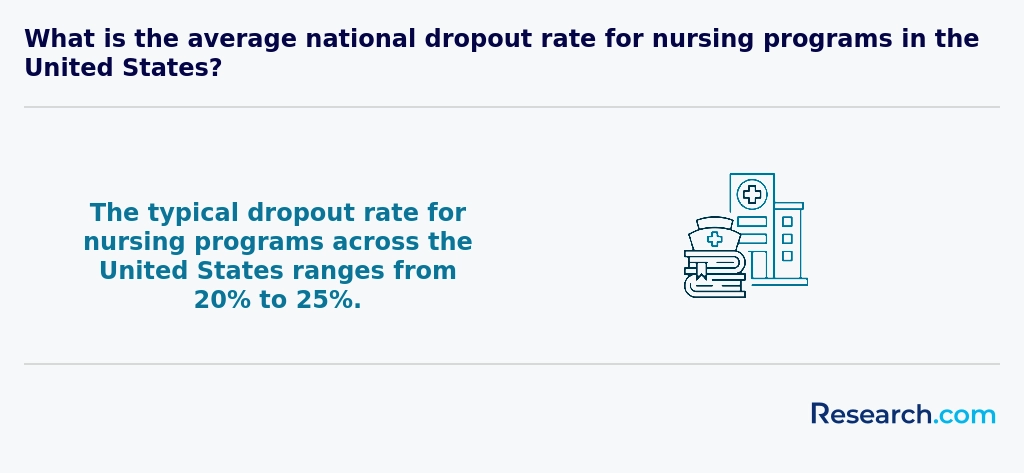
Online nursing degree programs in Alabama typically feature courses like Pathophysiology and Pharmacology, where students dive into the biological processes and medication management essential for real-world patient care. Graduates from popular schools like the University of Alabama at Birmingham often recall how Health Assessment classes prepared them to confidently perform comprehensive physical and psychological evaluations during clinical practicums close to home.
The Evidence-Based Practice course is a favorite among students who appreciate learning to interpret research and apply it to improve patient outcomes, a skill highly valued in Alabama's healthcare settings. Medical-Surgical Nursing and Pediatric and Maternal Health Nursing offer hands-on insights that many alumni describe as vital for managing diverse patient needs, from adults with complex conditions to newborns in local hospitals.
Mental Health Nursing and Community/Public Health Nursing stand out in programs at institutions like Auburn University, where students feel empowered addressing psychiatric and population health challenges specific to Alabama communities. Courses like Nursing Leadership and Management foster confidence for future supervisory roles, making graduates feel well-prepared to advance quickly in their careers.
Online nursing degree programs in Alabama typically offer specializations such as Family Nurse Practitioner, Adult-Gerontology Acute Care, and Psychiatric-Mental Health, providing a strong foundation for advanced clinical practice. Graduates from well-known Alabama colleges often share how balancing work and online study gave them confidence to transition into these roles seamlessly, feeling empowered by the flexibility the state's programs provide. As healthcare evolves, emerging trends show an increase in nursing administration and educator tracks, reflecting a growing need for leadership and teaching skills within the state's expanding healthcare system.
Students pursuing online nursing specializations in Alabama can expect hands-on clinical experiences incorporated locally, ensuring licensure requirements are met without relocating. This approach has resonated with many students who appreciate staying connected to their communities while gaining expertise. With institutions emphasizing areas like Pediatric and Neonatal Nursing, students often express pride in focusing on specialized care that directly improves health outcomes in Alabama's diverse patient populations.
For those considering future career enhancements, exploring certifications that pay well through online nursing degree options can be an excellent next step, boosting both credentials and earning potential in the evolving healthcare landscape.
Choosing the best online nursing degree in Alabama increasingly hinges on finding programs that blend rigorous accreditation with adaptable learning models. Graduates from prominent Alabama institutions often reflect positively on programs accredited by CCNE or ACEN, emphasizing how these credentials paved the way for smooth licensure and strong employer recognition. Visualize a student balancing work and family who benefits from asynchronous classes offered locally by universities known for their nursing education.
Many who pursue affordable online nursing degrees Alabama treasure partnerships their programs hold with nearby healthcare facilities. These collaborations ease the challenge of securing clinical placements that meet state board requirements, making hands-on experience accessible without uprooting one's life. Such real-world training, combined with robust student support, fuels confidence and readiness felt by numerous alumni entering nursing careers.
Looking ahead, the intersection of cost, flexibility, and quality will define standout programs. Exploring diverse options alongside resources about college majors can illuminate paths to thriving in nursing fields adapted for Alabama's evolving healthcare landscape.
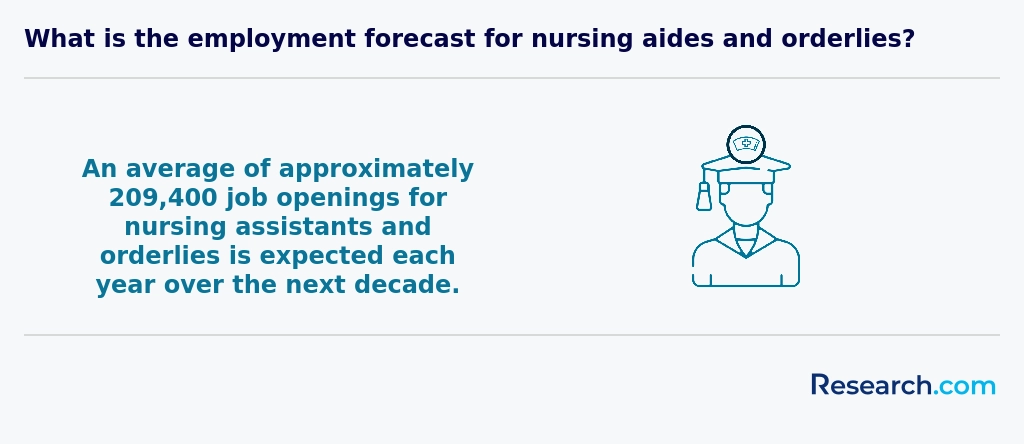
Graduates holding an online nursing degree in Alabama find diverse and evolving career options that go beyond traditional Registered Nurse roles. Many alumni from well-known institutions like the University of Alabama at Birmingham embrace opportunities in clinical practice while exploring emerging fields such as nursing informatics and public health nursing. These positions allow nurses to influence community wellness initiatives and integrate technology into patient care, reflecting a future-oriented approach to healthcare.
Those pursuing advanced degrees can access Alabama nursing job opportunities with online master's programs, leading to roles like Nurse Practitioner or Clinical Nurse Specialist. Graduates often share how leadership positions in healthcare administration and nurse education empower them to shape the profession locally. Stories from students at popular Alabama colleges reveal a strong sense of accomplishment and hope as they contribute to addressing the state's nursing shortage.
Online learners also often explore fast-paced options, so researching fast track degree programs can be a game-changer for accelerating their nursing careers in Alabama's expanding healthcare landscape.
The job market for online nursing degree graduates in Alabama is promising, fueled by steady growth in healthcare demand. Graduates from well-known programs at universities and colleges across Alabama often share positive stories about balancing studies with work, thanks to the flexibility online courses offer. Many find rewarding positions in hospitals in Birmingham or Huntsville, where the demand for skilled nurses continues to rise. This strong demand aligns with broader online nursing job growth in Alabama, making it a strategic choice for students seeking stability and growth.
Beyond hospitals, nursing graduates increasingly take roles in clinics and long-term care facilities, especially as Alabama's elderly population grows. The Alabama nurse practitioner job outlook is particularly encouraging, with expanding opportunities for advanced practice nurses. Those completing accredited programs report confidence entering the workforce, supported by curricula designed to prepare them for licensing exams like the NCLEX-RN.
While considering career advancement, many students explore options such as 1 year master's programs online to accelerate their qualifications and earnings potential. With affordable in-state tuition and growing employment prospects, Alabama remains an attractive place to pursue an online nursing degree.
2027 Fastest Online Master's in Nursing Degree Programs Ranking in Alabama
Investing in your education is a significant decision that can shape your future, and the Research.com team understands the importance of making informed choices. To assist prospective students in Alabama, we have meticulously crafted the "2027 Fastest Online Master's in Nursing Degree Programs Ranking in Alabama." Our commitment to quality, credibility, and accuracy is reflected in the extensive research and analysis conducted to compile this ranking.
We utilized the following reputable data sources to ensure a comprehensive evaluation of nursing programs:
By exploring this ranking, readers will gain valuable insights into the fastest online Master's in Nursing programs available in Alabama, helping them make informed and timely decisions about their educational paths. For more details on our methodology, please visit our Research.com methodology page.


# 4 position
Columbia Southern University
Master of Nursing Education


Frequently Asked Questions About nursing
Online nursing degree students in Alabama can maximize their learning experience by actively engaging with all course materials and participating in virtual discussions. Alabama's Board of Nursing supports online clinical placements, so students should seek out local healthcare facilities for hands-on practice to complement their studies. According to the Alabama Department of Public Health, nursing remains one of the fastest-growing professions statewide, emphasizing the importance of practical experience. Utilizing faculty office hours and study groups helps build a strong support network. Additionally, staying current with Alabama's state nursing regulations and certification requirements ensures students meet all licensure criteria effectively.
The nursing field in Alabama is evolving with several emerging niches gaining prominence. One notable area is gerontological nursing, driven by Alabama's aging population, which is expected to increase demand for specialized elderly care. According to the Alabama Department of Public Health, the state's population aged 65 and older will grow by nearly 20% by 2030. Another growing niche is telehealth nursing, which has expanded substantially since 2020, allowing nurses to provide remote patient monitoring and virtual care-especially relevant in rural Alabama communities. Additionally, informatics nursing is gaining traction as healthcare systems adopt electronic medical records to enhance patient data management and outcomes.
Preparing for the job market after earning an online nursing degree in Alabama involves several key steps. First, graduates must pass the National Council Licensure Examination for Registered Nurses (NCLEX-RN) to become licensed. According to the Alabama Board of Nursing, the state's NCLEX pass rate exceeds 85%, demonstrating strong competency among new nurses.
Building clinical experience through internships or volunteer opportunities in Alabama hospitals can enhance employability. Additionally, networking with local nursing associations, such as the Alabama State Nurses Association, helps graduates connect with employers and mentors.
Staying updated on Alabama's healthcare trends, including the growing need for primary care nurses in rural areas, is also vital. Finally, preparing a professional resume highlighting both online coursework and practical skills will improve job prospects within the state's competitive nursing field.
Employers in Alabama prioritize several essential skills when hiring nursing degree graduates. Critical thinking and clinical decision-making top the list, enabling nurses to provide safe and effective patient care. According to the Alabama Board of Nursing, strong communication skills are vital, as nurses frequently collaborate with patients, families, and healthcare teams.
Adaptability is also crucial due to the fast-paced healthcare environment. Familiarity with electronic health records (EHR) systems is increasingly important, reflecting national trends highlighted by the U.S. Bureau of Labor Statistics. Furthermore, cultural competence and empathy help nurses meet Alabama's diverse patient needs.
These skills support graduates' success in meeting the challenges of modern nursing roles in the state.
Finding nursing internships in Alabama begins with exploring clinical placement options offered by your online nursing program. Most accredited programs partner with local hospitals and healthcare centers to provide hands-on experiences. You should also contact hospitals directly, such as UAB Hospital in Birmingham, which is known for nursing externships and internships.
The Alabama Board of Nursing requires clinical hours for licensure, so securing quality internships aligned with state standards is critical. Websites like the Alabama Department of Public Health and the Alabama Hospital Association provide listings of approved facilities where internships may be available.
Networking through local nursing associations, such as the Alabama Nurses Association, can also aid in discovering internship opportunities tailored to your degree and career goals.
An online nursing degree in Alabama significantly enhances career mobility and advancement opportunities. Alabama's healthcare sector, which employs over 110,000 nurses according to the Alabama Board of Nursing (2023), values advanced credentials, especially for leadership roles.
With an online degree, nurses can access flexible education while continuing to work, accelerating their qualification for promotions or specialized positions. The Alabama State Board of Nursing recognizes accredited online programs, ensuring graduates meet licensure requirements.
Employers such as UAB Medicine and Huntsville Hospital often prefer or require candidates with master's or higher nursing degrees for roles like nurse practitioners or clinical nurse specialists. According to the U.S. Bureau of Labor Statistics, the demand for advanced practice nurses in Alabama will grow by 15% by 2030, reflecting career advancement potential.
Overall, an online nursing degree helps nurses overcome geographic and scheduling barriers, enabling steady career growth in Alabama's evolving healthcare landscape.
Studying for a nursing degree in Alabama offers strong preparation for interdisciplinary roles within healthcare teams. Alabama's nursing programs emphasize collaborative skills, combining clinical practice with coursework that fosters communication with physicians, pharmacists, social workers, and other professionals. According to the Alabama Board of Nursing, many programs integrate simulation labs and case studies designed to replicate real-world team environments.
Online nursing degrees in Alabama also highlight leadership and critical thinking, essential for navigating complex patient care scenarios alongside diverse experts. With Alabama's healthcare system increasingly adopting team-based approaches, graduates are trained to contribute effectively across disciplines.
Data from the U.S. Bureau of Labor Statistics shows nursing teamwork is linked to better patient outcomes, a focus reflected in these academic programs.
When choosing between a thesis and a non-thesis nursing degree program in Alabama, consider your career goals and time commitment. Thesis programs typically require original research, ideal for students planning to pursue a doctoral degree or work in academic nursing roles. Non-thesis options focus more on practical skills and coursework, suiting those aiming for advanced clinical positions or leadership roles.
Alabama nursing programs follow accreditation standards set by the CCNE or ACEN, ensuring quality. According to the Alabama Board of Nursing, RN demand is growing by 15% through 2030, reflecting a need for both research and clinical expertise.
Time and financial resources also matter: thesis programs often take longer and may require faculty mentorship, while non-thesis paths usually complete faster with a practicum or project.
Students based in Alabama who want to study nursing abroad while pursuing an online degree have limited direct options within the US higher education system. Most Alabama institutions offering online nursing degrees focus on domestic accreditation and clinical placements. However, some programs partner with international universities to provide global perspectives through virtual coursework.
Alabama's Board of Nursing requires clinical hours to be completed in approved settings, typically within the state, to meet licensure rules. This restriction means practical training abroad is uncommon for Alabama students enrolled online. According to the National Center for Education Statistics, fewer than 5% of nursing students in Alabama participate in formal study-abroad programs.
For students seeking international experience, engaging in post-graduate fellowships or global health projects abroad after graduation is a practical path. These opportunities supplement online study while ensuring compliance with Alabama's licensure requirements.
Part-time job opportunities in Alabama that complement nursing degree education often include roles such as certified nursing assistant (CNA), medical scribe, or patient care technician. These positions provide hands-on experience with patients and clinical settings, helping students apply their theoretical knowledge. According to the Alabama Board of Nursing, CNAs in Alabama earn an average hourly wage of $13 to $17, allowing students to support themselves financially while gaining relevant skills.
Hospitals and clinics around Alabama, including those in Birmingham and Huntsville, frequently offer part-time work tailored for nursing students. This exposure improves clinical judgment and communication abilities, essential for advanced nursing roles.
Additionally, some students find opportunities in community health organizations or telehealth services, reflecting recent growth in remote healthcare roles across Alabama. According to the Alabama Department of Labor, healthcare positions are projected to grow by 15% through 2030, indicating increasing availability for nursing students seeking part-time work.
Online nursing students in Alabama have several networking opportunities designed to enhance their professional connections. Many universities offering online nursing degrees encourage participation in virtual student organizations and discussion groups. These platforms help students engage with peers and faculty nationwide, fostering collaboration and support.
Additionally, Alabama's healthcare associations, such as the Alabama Nurses Association, provide online events, webinars, and conferences that students can attend to build contacts within the state's nursing community. Clinical placements often occur in local hospitals, allowing students to form relationships with practicing nurses and healthcare professionals.
According to the Alabama Board of Nursing, engaging with local professional groups significantly increases employment chances post-graduation. Consequently, online students can access valuable networking resources both digitally and through in-person clinical experiences.
Alumni networks serve as valuable resources for online nursing degree students in Alabama by connecting them to experienced professionals and career opportunities. Many programs link graduates with peers who work in local hospitals, clinics, and public health agencies, enhancing job placement and mentorship.
These networks often provide access to exclusive job boards and continuing education workshops tailored to Alabama's healthcare needs. According to the Alabama Board of Nursing, networking helps graduates navigate licensure requirements and employment trends unique to the state.
Participation in alumni events fosters professional relationships that support lifelong learning and career advancement, crucial in a rapidly evolving nursing field.
Customizing an online nursing degree program in Alabama allows students to align their education with specific career goals. Many Alabama universities offering online nursing degrees provide elective courses or specialty tracks such as nurse practitioner, nurse educator, or nurse administrator. This flexibility helps students develop skills tailored to their desired roles.
The Alabama Board of Nursing supports advanced practice nursing roles, which is reflected in program design. Students can often select clinical experiences or capstone projects that focus on local healthcare needs, improving job readiness.
Accredited programs typically offer academic advising to guide course selection, ensuring alignment with career objectives and state licensing requirements.
Online nursing students in Alabama often face challenges related to balancing rigorous coursework with clinical requirements. While theory can be completed virtually, students must still complete hands-on clinical hours at approved healthcare facilities, which can be difficult to coordinate, especially in rural areas.
Access to reliable internet can also present obstacles. According to the Alabama Department of Education, nearly 17% of households in rural Alabama lack broadband access, impacting students' ability to participate fully in online classes.
Additionally, online students may struggle with limited interaction and support compared to traditional programs, which can affect motivation and networking opportunities.
The complexity of state-specific licensing requirements adds another layer of challenge, as students must ensure their clinical experiences meet Alabama Board of Nursing standards.
With an online nursing degree in Alabama, graduates can pursue a variety of professional certifications to advance their careers. Common certifications include the Certified Nurse Practitioner (CNP), which allows for specialized practice in areas like family or pediatric care. The Alabama Board of Nursing recognizes credentials such as the Certified Nurse Educator (CNE), essential for nurses seeking teaching roles. Additional certifications include Registered Nurse-Board Certified (RN-BC) and Clinical Nurse Specialist (CNS) credentials, both highly respected in clinical settings. These certifications typically require passing nationally recognized exams from organizations like the American Nurses Credentialing Center (ANCC).
Obtaining such certifications not only enhances clinical expertise but may also improve job prospects and salary potential in Alabama's healthcare market. For example, the Alabama Hospital Association reports a growing demand for certified advanced practice nurses in the state, reflecting trends across the U.S.
When applying to an online nursing program in Alabama, start by carefully reviewing the program's admission requirements. Most schools require a valid Registered Nurse (RN) license and relevant clinical experience. Emphasize your professional achievements and clinical hours in your application to stand out.
Craft a clear and concise personal statement explaining your goals and commitment to nursing. Highlight how the program aligns with Alabama's growing healthcare needs, supported by the Alabama Board of Nursing's data showing demand for advanced nursing roles.
Be sure to request strong letters of recommendation from supervisors familiar with your clinical skills. Finally, verify all transcripts are official and submitted on time to meet application deadlines, which typically occur several months before the semester begins.
The nursing profession holds a vital role worldwide, with growing demand driven by aging populations and increasing healthcare needs. In the United States, including Alabama, nurses enjoy respect and competitive salaries, reflecting their critical contribution to public health. According to the Alabama Board of Nursing, over 83,000 licensed nurses practice in the state, indicating a strong career market for new graduates.
Globally, nursing is viewed as a flexible and rewarding career, offering opportunities across clinical, educational, and research settings. The U.S. Bureau of Labor Statistics projects a 9% growth in nursing jobs from 2022 to 2032, highlighting sustained demand. For Alabama students pursuing online nursing degrees, this reflects both local and international recognition of the profession's importance.
Moreover, nursing standards in the U.S. align closely with international frameworks, facilitating mobility for qualified nurses. This global perspective emphasizes the value of nursing education in Alabama as a gateway to diverse opportunities worldwide.
Students pursuing an online nursing degree in Alabama typically gain practical experience through clinical placements arranged by their schools. These hands-on experiences occur in hospitals, clinics, or other healthcare settings within Alabama, ensuring students meet state licensure requirements.
Alabama requires nursing students to complete a minimum number of clinical hours-often around 500 to 700-depending on the program type, to qualify for the NCLEX examination. Many accredited programs partner with local healthcare providers to facilitate these placements.
Students should communicate early with their program advisors to secure clinical sites near their residence and may also benefit from Alabama's growing healthcare network, which offers diverse clinical opportunities.
Choosing the right concentration within an online nursing degree program in Alabama requires understanding local healthcare needs and personal career goals. Alabama's healthcare sector is growing, with a strong demand for specialized nurses in areas such as primary care, gerontology, and psychiatric nursing, according to the Alabama Board of Nursing.
Consider which population or health issues you are passionate about. For example, Alabama has an aging population, boosting demand for nurse practitioners with geriatric expertise. Review program curricula to ensure they align with state licensing requirements and offer clinical practice opportunities within Alabama.
Explore trending nursing roles and salary data from the Bureau of Labor Statistics to see where job growth is strongest regionally. This can guide choosing concentrations with stronger employment prospects locally.
- 2027 Fastest Online Master's in Nursing Degree Programs Ranking in Mississippi
- 2027 Fastest Online Master's in Nursing Degree Programs Ranking in Tennessee
- 2027 Fastest Online Master's in Nursing Degree Programs Ranking in Georgia
- 2027 Fastest Online Master's in Nursing Degree Programs Ranking in Louisiana
- 2027 Fastest Online Master's in Nursing Degree Programs Ranking in Arkansas
- 2027 Fastest Online Master's in Nursing Degree Programs Ranking in Kentucky
- 2027 Fastest Online Master's in Nursing Degree Programs Ranking in South Carolina
- 2027 Fastest Online Master's in Nursing Degree Programs Ranking in North Carolina
- 2027 Fastest Online Master's in Nursing Degree Programs Ranking in Missouri
- 2027 Fastest Online Master's in Nursing Degree Programs Ranking in Indiana
See What Experts Have To Say About Studying Nursing
Read our interview with Nursing experts


- Online Nursing Schools in Alabama: Find Top Programs https://www.edumed.org/online-schools/nursing-rn-programs/alabama/
- Approved Nursing Programs https://www.abn.alabama.gov/nursing-education/approved-nursing-programs/
- University of Alabama System Expands Nursing Education ... https://uasystem.edu/2026/08/university-of-alabama-system-expands-nursing-education-as-state-faces-looming-nurse-shortage/
- Associate Degree in Nursing - Health Science Division https://www.cacc.edu/programs/associate-degree-in-nursing
- Salary guide for nurses with a bachelor's degree https://www.allnursingschools.com/bsn/salary/
- The Online Nursing Program | Athens State | Alabama https://www.athens.edu/online-degree-completion-programs-working-adults/the-online-nursing-program-at-athens-state-university/
- Nursing https://calhoun.edu/programs-training/explore-academic-programs/health-sciences/nursing/
- Best Online Nursing Programs in Alabama https://www.onlineu.com/degrees/nursing/alabama
- Nursing RN (with Practical Nurse Option) (AAS-NUR) https://www.coastalalabama.edu/healthcare/nursing-rn-with-practical-nurse-option-aas-nur/
- Guide to Mastering Alabama Nursing Prerequisites https://www.prereqcourses.com/mastering-alabama-nursing-prerequisites/


