
2027 Fastest Online Master's in Nursing Degree Programs Ranking in North Carolina

Co-Founder and Chief Data Scientist
Considering advancing your nursing career in North Carolina? This article offers a clear, user-friendly guide to the 2027 Fastest Online Master's in Nursing Degree Programs Ranking in North Carolina, developed by Research.com's skilled team of data scientists.
By exploring this ranking, you'll discover which programs combine quality and speed, helping you choose the best fit for your goals.
Earn a nursing degree that opens doors to rewarding opportunities and growth. Take the next step confidently with insights designed to support your journey.
Key benefits of getting online nursing degree in North Carolina
- Graduates with an online nursing degree in North Carolina can aim for high-paying roles like Nurse Practitioners or Critical Care Nurses, earning around $128,490 annually, which reflects strong financial rewards.
- Career paths from schools like the University of North Carolina include Clinical Nurse Specialist, Nurse Administrator, and Nurse Educator, all offering diverse and fulfilling opportunities in healthcare.
- Completing a nursing degree online offers flexibility and convenience, allowing graduates to balance work and study effectively while still gaining quality education from respected programs such as those offered by North Carolina's well-known universities.
- 2027 Fastest Online Master's in Nursing Degree Programs Ranking in North Carolina
- What can I expect from online nursing degree in North Carolina?
- Where can I work with online nursing degree in North Carolina?
What can I expect from online nursing degree in North Carolina?
The average cost of an online nursing degree in North Carolina varies significantly depending on the program and institution but typically ranges between $15,000 and $45,000 for a Bachelor of Science in Nursing (BSN) or Master of Science in Nursing (MSN). Graduates from prominent universities such as the University of North Carolina at Chapel Hill or East Carolina University report that financial aid and employer tuition reimbursement often ease the financial burden, making advanced education more attainable.
Many students appreciate the balance of affordability with quality, especially when programs feature accreditation from the Commission on Collegiate Nursing Education (CCNE) or the Accreditation Commission for Education in Nursing (ACEN). This accreditation ensures both educational rigor and employer recognition across the state.
Students recount managing busy work schedules and family obligations due to the asynchronous class structure common in these programs. For example, a graduate from a popular North Carolina nursing school described feeling empowered by the flexibility to study late at night after shifts while fulfilling clinical hours at a local hospital nearby.
Accelerated MSN programs completing within 18 to 24 months provide an attractive option, blending cost-effectiveness with accelerated career progression.
Where can I work with online nursing degree in North Carolina?
Graduates holding an online nursing degree in North Carolina find employment in a broad spectrum of healthcare environments across the state. Licensed Registered Nurses (RNs) secure roles in hospitals, outpatient clinics, long-term care facilities, and public health organizations. For example, graduates from universities like the University of North Carolina at Chapel Hill and East Carolina University frequently join large systems such as Atrium Health or Duke University Health System, where advanced roles like nurse practitioners and clinical nurse specialists are accessible.
Online nursing programs also open doors to non-clinical opportunities in healthcare administration, education, and policy. Nurses often work for governmental agencies like the North Carolina Department of Health and Human Services or private health firms, contributing to both urban and rural community health projects. This breadth of opportunity reflects the state's strong nursing demand driven by a 15% projected workforce growth through 2030, positioning graduates favorably for rewarding careers statewide.
Many graduates report positive transitions into nursing through residency programs linked to local hospitals that support clinical practice entry. These collaborations enhance job placement, particularly useful for those earning their degrees online while balancing other commitments.
Graduates from online nursing programs in North Carolina, such as those offered by the University of North Carolina at Chapel Hill or East Carolina University, can expect competitive salaries that reflect the regional healthcare demand. Registered Nurses with a BSN frequently start between $55,000 and $65,000, with experienced graduates moving into higher-earning roles surpassing $80,000.
More advanced degrees open pathways to specialized and leadership positions. For example, Nurse Practitioners, a common career goal among online MSN graduates, earn a mean annual wage near $128,490 nationwide, with North Carolina salaries often close to this benchmark. Clinical Nurse Specialists and Nurse Administrators from these programs tend to earn around $94,480 annually.
Similarly, Nurse Educators play a vital role in the evolving healthcare landscape, earning close to $94,480. These figures motivate graduates who value not only strong compensation but also meaningful, impactful healthcare careers within North Carolina's vibrant medical communities like Charlotte and Raleigh.
- North Carolina offers accredited online nursing degrees including ADN, BSN, and MSN that combine online classes with local clinical practice.
- The average cost for online BSN programs ranges from $20,000 to $40,000, ADN programs typically cost between $10,000 and $20,000, and MSN programs usually exceed $30,000.
- Starting salaries for BSN graduates in North Carolina average about $55,000 per year, with experienced nurses earning around $75,000 or more depending on specialization.
- The nursing job market in the state is expected to grow 7% over the next decade, driven by an aging population and expanded healthcare needs.
- All nursing programs must meet North Carolina Board of Nursing requirements, ensuring graduates are eligible for the NCLEX licensing exam.
- Many schools have partnerships with healthcare facilities to support clinical placements and transition to employment for online students.
Completing an online nursing degree in North Carolina varies significantly by program type and prior education, with durations designed to fit different student needs. For example, traditional online BSN programs at institutions like University of North Carolina at Chapel Hill usually take about four years for full-time students, mirroring on-campus timelines.
Graduates who already hold a bachelor's degree in another field find accelerated BSN tracks particularly appealing. These programs, offered by schools such as East Carolina University, enable completion in as little as 12 to 18 months, allowing students to shift careers quickly and with confidence.
Registered nurses advancing their education through RN-to-BSN programs typically finish within 12 to 24 months. These flexible programs are crucial for working nurses balancing jobs and studies, as seen with graduates from North Carolina State University's online offerings.
For advanced degrees, online MSN programs usually take two to three years, while DNP tracks require about three to four years. Students often report satisfaction managing clinical placements locally alongside coursework, a common scenario at universities like Duke.
Most North Carolina online MSN programs require 500–700 in-person clinical hours at approved local sites. Schools partner with hospitals, clinics, and community health centers to arrange placements and preceptor support.
- Local partnerships: University-affiliated hospitals and outpatient clinics coordinate student placements.
- Flexible scheduling: Evening, weekend, and shift options help working nurses balance study and practice.
- Virtual simulations: Online labs and case scenarios prepare students before real-world patient care.
- Preceptor mentorship: Experienced RNs guide skill development and assess clinical competencies.
For prospective students exploring flexible entry and placement support, consider nursing programs with high acceptance rates.
Online nursing degrees in North Carolina primarily offer flexible, remote coursework using digital platforms, ideal for students balancing jobs or family responsibilities. Graduates from programs like East Carolina University highlight how this flexibility allowed them to progress on their own schedule without sacrificing quality. Conversely, traditional on-campus programs, such as those at the University of North Carolina, require regular attendance in lectures and labs, enabling direct interaction with professors and peers, which many students find motivating and supportive.
A key distinction lies in clinical training. Both formats mandate supervised clinical hours to satisfy the North Carolina Board of Nursing's requirements. Online students often coordinate local clinical placements near their homes, maintaining hands-on experience despite distance learning. This hybrid model reassures students that practical skills are not compromised. Meanwhile, on-campus enrollees benefit from state-of-the-art clinical facilities on site, fostering immersive mentoring.
Cost also varies: nursing degrees in the state average between $8,000 and $25,000 annually. Online options may lower expenses related to housing and transportation while maintaining tuition rates comparable to campus programs. Prospective students should weigh these financial and logistical factors against their learning preferences and career goals.
Online nursing students in North Carolina benefit from a comprehensive suite of support services designed to foster academic success and professional growth. From day one, program enrollees have access to dedicated academic advisors who help tailor course schedules, track clinical placement requirements, and ensure timely progression toward graduation. Many universities also offer 24/7 technical support to troubleshoot learning management systems and virtual simulation platforms, minimizing downtime and keeping students focused on coursework. To enhance learning outcomes, institutions provide free tutoring and writing centers specializing in nursing terminology, research methods, and APA formatting. Interactive webinars and peer-led study groups facilitate collaboration across cohorts, while virtual library resources grant instant access to journals, e-books, and evidence-based practice databases. Simulation labs-both synchronous and asynchronous-allow students to practice patient assessments, medication administration, and critical-thinking scenarios in a risk-free environment, bridging the gap between theoretical knowledge and hands-on skills. Career services teams play a pivotal role in transitioning graduates into the workforce by offering resume reviews, mock interviews, and job search workshops tailored to healthcare settings. Alumni networking platforms connect current students with seasoned professionals, fostering mentorship opportunities and insider insights into North Carolina’s healthcare landscape. These robust support structures not only increase NCLEX-RN pass rates but also strengthen long-term career satisfaction. For those pursuing advanced practice roles, many programs integrate specialized certification prep courses and streamlined pathways, such as the shortest post masters fnp certificate, to help RNs accelerate their transition to Nurse Practitioner positions. By leveraging these targeted resources, online nursing students can confidently navigate their educational journey and emerge as qualified, practice-ready professionals.
The average cost of obtaining an online nursing degree in North Carolina centers around a median total tuition of approximately $30,996. In-state students benefit significantly from reduced rates, often paying near $10,109 in total tuition compared to out-of-state students who may face costs closer to $35,490. These figures encompass popular degree pathways such as Bachelor of Science in Nursing (BSN), RN-to-BSN, and Master of Science in Nursing (MSN) programs.
Graduates from well-regarded institutions like the University of North Carolina and North Carolina State University often share how manageable tuition combined with scholarship opportunities made pursuing their online nursing education both accessible and rewarding. Their experiences highlight the balance between quality education and affordability, enhancing the appeal for many working professionals upgrading their credentials without uprooting their lives.
For prospective students seeking affordable online nursing programs North Carolina offers a variety of public universities and community colleges that keep tuition competitive, especially for those establishing residency. Programs typically require 30 to 120 credit hours depending on the level, with tuition costs reflecting this credit load. Additional expenses such as textbooks and fees should also be factored into budgeting plans.
Those interested in comparing cost-effective options can explore the most affordable nursing programs in North Carolina, which provide a transparent overview of tuition and financial aid available throughout the state. This resource assists students in making informed decisions tailored to their financial and educational goals.
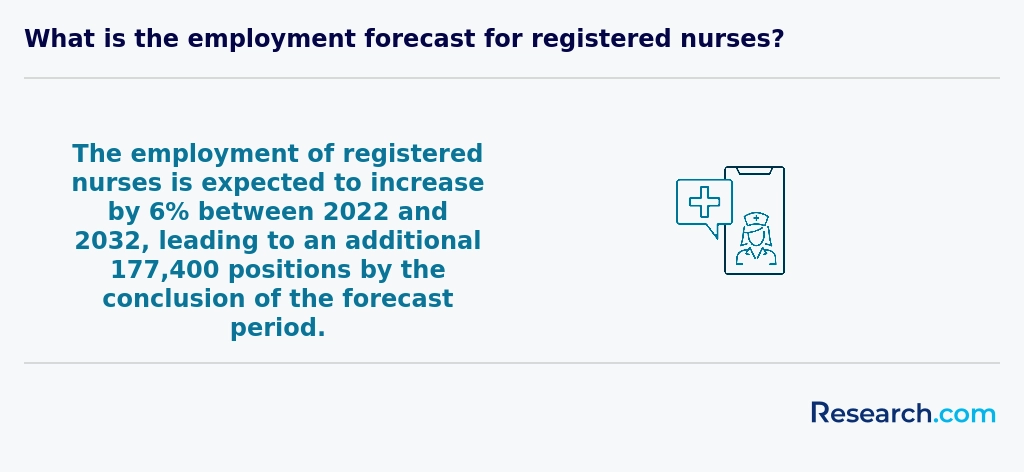
When considering an online nursing degree in North Carolina, it's essential to factor in the costs associated with pursuing higher education. While many programs offer flexible payment plans and financial aid options, students should be aware of the expenses they may incur. For those looking to minimize costs, exploring the most affordable nursing programs in North Carolina can be a great starting point. By understanding the total cost of attendance, including tuition fees, additional expenses, and potential financial aid, students can make informed decisions about their educational investments. This proactive approach to financial planning can help mitigate stress and allow students to focus on their academic and professional goals, ultimately leading to a successful and fulfilling career in nursing.
Students pursuing online nursing degrees in North Carolina typically access a variety of financial aid sources to manage costs ranging from $10,000 to $25,000 annually. Graduates from popular institutions like the University of North Carolina and East Carolina University often report relying on federal aid by submitting the FAFSA, unlocking eligibility for Pell Grants up to $7,395 and federal loans that support both undergraduate and graduate nursing studies.
State-specific options further enhance affordability. Many North Carolina nursing students benefit from the Health Professions Student Loan Program, which offers loan forgiveness for graduates serving underserved areas, a real motivator for those passionate about community health. The Nurse Faculty Loan Program is another crucial resource, encouraging nurses to pursue advanced degrees while committing to nursing education roles within the state.
Scholarships from the North Carolina Nurses Foundation frequently assist registered nurses enrolled online, easing financial pressure. Additionally, employer tuition reimbursement programs at leading healthcare systems help working nurses pursuing master's degrees balance employment and education, making financial stress less daunting through practical support.
Ensuring that an online nursing program is accredited and approved by the North Carolina Board of Nursing is essential for both quality assurance and eligibility to sit for the NCLEX-RN exam. Accredited programs meet rigorous educational standards set by the Commission on Collegiate Nursing Education (CCNE) or the Accreditation Commission for Education in Nursing (ACEN), guaranteeing that coursework, faculty credentials, and clinical experiences align with industry best practices. Graduates from CCNE- or ACEN-accredited programs consistently report higher NCLEX-RN pass rates-often exceeding 90%-which underscores the program’s effectiveness in preparing students for real-world practice. State board approval further ensures portability of licensure; students who complete an accredited online MSN or BSN in North Carolina can apply for licensure in other states without delays or additional coursework. Many programs, including those featured in our Affordable Online Nursing Degree Programs Ranking in Anderson, SC, maintain close partnerships with local healthcare facilities to guarantee seamless clinical placements and supervised practice hours. These affiliations not only satisfy state requirements but also foster networking opportunities that often translate into job offers before graduation. Before enrolling, prospective students should verify program accreditation status via the CCNE or ACEN directories and confirm that the school holds active approval from the North Carolina Board of Nursing. Additionally, reviewing recent NCLEX-RN pass rate data-publicly available through program outcome reports-can help gauge how effectively a program prepares students for licensure. By prioritizing accredited, board-approved online nursing programs, students safeguard their investment in education and ensure a clear pathway to professional practice.
Enrolling in online nursing degree programs in North Carolina, such as those offered by universities like the University of North Carolina at Chapel Hill or East Carolina University, requires meeting specific academic and licensing prerequisites. For entry-level BSN programs, applicants must hold a high school diploma or equivalent, with completed courses in anatomy, physiology, microbiology, and statistics. Graduates often reflect on how these foundational subjects prepared them for rigorous online coursework and clinical rotations, giving them confidence when advancing through their studies.
For registered nurses pursuing a master's degree online in the state, an active North Carolina RN license is mandatory, verified by passing the NCLEX-RN exam. Master's applicants usually require a bachelor's degree in nursing, although some accelerated pathways welcome candidates from other fields. Many students appreciate the clarity these prerequisites provide, enabling them to plan their academic journey effectively.
- Additional requirements include immunization records, background checks, drug screenings, and a minimum GPA near 3.0 on a 4.0 scale
- Completion of general education courses like English composition and psychology is also necessary
These criteria ensure students at institutions such as North Carolina State University meet state and clinical standards while fostering a supportive and successful learning experience in their online nursing career pursuit.

Many aspiring nurses begin their careers as Licensed Practical Nurses (LPNs) before pursuing advanced degrees. Online bridge programs-such as LPN-to-RN and LPN-to-BSN pathways-offer a streamlined curriculum that acknowledges prior LPN training and clinical experience. These programs typically combine foundational nursing coursework with advanced subjects like pathophysiology, community health, and leadership, allowing students to earn an RN or BSN credential in 12–24 months. For a broader look at reputable practical nursing options, explore our guide to top lpn school in virginia. LPN-to-RN bridge tracks focus on expanding clinical competencies and critical thinking skills, preparing graduates for roles in hospitals, outpatient clinics, and long-term care facilities. Coursework often includes pharmacology, health assessment, and nursing research, with hands-on clinical rotations arranged locally to meet state licensure requirements. In contrast, LPN-to-BSN programs build on LPN foundations by integrating community health, evidence-based practice, and leadership training-key components for nurses aiming to take on supervisory or educator positions. For LPNs targeting advanced practice roles, some institutions offer accelerated RN-to-MSN options that reduce redundancy in coursework and shorten time-to-degree. These programs typically require completion of core MSN courses-such as advanced health assessment, nursing theory, and specialty practicum-while awarding credit for prior LPN and RN qualifications. Graduates emerge ready for roles like Family Nurse Practitioner or Clinical Nurse Specialist, often reporting significant salary increases and expanded scope of practice. When evaluating bridge programs, consider accreditation by bodies like the ACEN or CCNE, NCLEX-RN pass rates, and the strength of clinical partnerships. Financial aid and scholarship opportunities may be available specifically for LPN bridge students, reducing out-of-pocket costs. By choosing a bridge pathway suited to your background, you can leverage existing skills, accelerate degree completion, and unlock a wider range of nursing career possibilities.
Online nursing degree programs in North Carolina typically include core courses designed to build a solid foundation in essential nursing knowledge. Graduates from institutions like the University of North Carolina at Chapel Hill and Duke University report that courses such as Pathophysiology and Pharmacology provided critical insights into disease processes and medication effects, which they found directly applicable during clinical rotations and patient care.
Health Assessment courses train students in practical techniques to evaluate patient health, a skill praised by many graduates as helping them confidently perform examinations in fast-paced hospital settings. Programs also emphasize Nursing Research and Evidence-Based Practice, fostering an analytical mindset crucial for effective decision-making in dynamic clinical environments.
Leadership and Management in Nursing prepare learners for supervisory roles, enabling graduates to excel in team coordination and healthcare administration. Many also appreciate courses on Healthcare Policy and Ethics, which clarify legal and moral responsibilities nurses face daily in North Carolina's healthcare system.
Online nursing specializations in North Carolina commonly include Family Nurse Practitioner (FNP), Adult-Gerontology Primary Care Nurse Practitioner (AGPCNP), Psychiatric-Mental Health Nurse Practitioner (PMHNP), Nursing Education, and Healthcare Administration. These concentrations reflect the state's healthcare demands, such as addressing rural primary care shortages and an aging population. Graduates from universities like the University of North Carolina and East Carolina University report satisfaction in developing skills directly applicable to statewide healthcare needs through these programs.
Beyond these, some institutions offer Nurse Midwifery, Informatics, and Public Health Nursing, though availability varies. Students appreciate the flexibility of online study combined with relevance to their career goals.
North Carolina MSN program concentration options align well with workforce growth projections, expecting nearly 15% employment increases by 2030, motivating students to pursue advanced practice roles. Many students find that competitive tuition rates combined with financial aid make these programs accessible.
Prospective enrollees sometimes compare online nursing degrees in North Carolina with options like an lpn school in virginia when considering regional educational pathways, highlighting local program strengths and specialization offerings.
Choosing the best online nursing degree in North Carolina requires verifying accreditation by CCNE or ACEN, ensuring the program meets strict educational standards. Graduates from well-known state schools often praise clinical placement support, as hands-on experience is vital and must be completed locally. Programs affiliated with major universities offer partnerships with healthcare facilities throughout North Carolina, helping students fulfill clinical hours efficiently.
Cost remains a key factor; in-state tuition for public institutions typically ranges from $7,000 to $10,000 annually, which is generally more affordable than out-of-state rates. Many students emphasize the importance of flexible scheduling and robust student support services that accommodate working nurses balancing jobs and studies. For those seeking specialization, exploring pathways such as the shortest post masters fnp certificate can be advantageous.
Assess programs also by graduation rates and NCLEX-RN pass rates published by the North Carolina Board of Nursing. These metrics reliably reflect program effectiveness and career readiness, factors highly valued by students pursuing the best online nursing degrees NC.
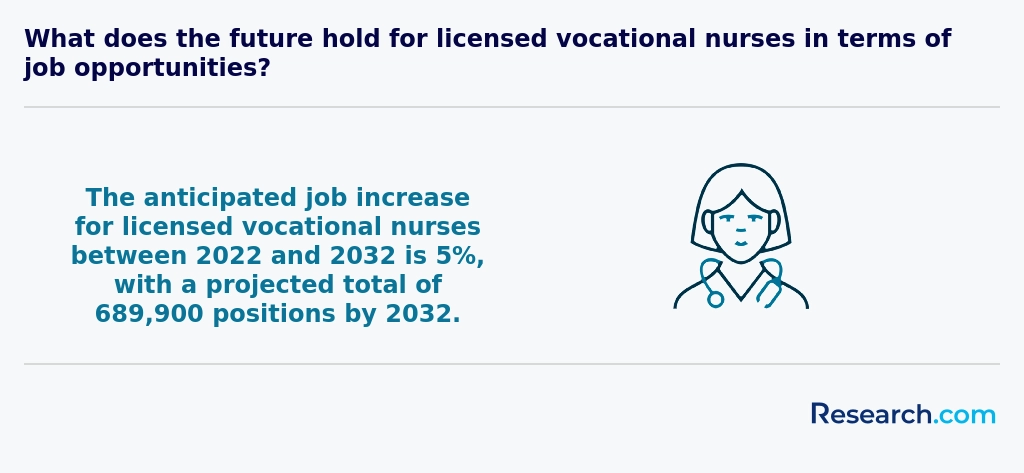
Graduates with an online nursing degree in North Carolina often pursue roles as registered nurses (RNs), a profession with over 160,000 licensed practitioners statewide. These RNs work in diverse clinical settings such as hospitals, clinics, and long-term care facilities, where direct patient care is essential. Nursing students from well-known state universities frequently report rewarding experiences in hands-on clinical rotations, which prepare them for these high-demand roles. The vibrant healthcare system in North Carolina makes online nursing careers in North Carolina particularly promising.
For those advancing to graduate degrees, career opportunities expand into advanced practice registered nurse (APRN) roles, including nurse practitioners, clinical nurse specialists, and nurse anesthetists. Nurse practitioners here can often work independently, allowing for diverse practice environments. Additionally, many graduates enter nursing education and administration, where leadership skills are critical. These positions enable professionals to influence healthcare policies and lead quality improvement initiatives.
Many students appreciate the affordability of online nursing programs in North Carolina, which enhances access to careers that blend clinical expertise with leadership. To explore affordable options, consider the Affordable Online Nursing Degree Programs Ranking in Anderson, SC, which includes programs accessible to North Carolina students seeking value alongside quality.
The job market for online nursing degree graduates in North Carolina is robust and growing, driven by a strong statewide demand for skilled nurses. Registered Nurses (RNs) in North Carolina are expected to see about a 15% increase in job demand by 2030, exceeding many other occupations in the state. Graduates from popular nursing programs at universities like the University of North Carolina and East Carolina University report positive outcomes as they find roles in hospitals, community clinics, and telehealth services.
Online nursing jobs in North Carolina offer flexibility and rewarding career paths, especially with the rise of telehealth platforms and initiatives supporting advanced practice registered nurses. Graduates often highlight how the affordability of North Carolina's public university tuition compares favorably to national averages, enhancing the accessibility of nursing education.
Many students seeking these degrees turn to open enrollment online colleges that accommodate working professionals. With competitive salaries averaging around $64,000 annually and opportunities to specialize, the North Carolina nursing degree job outlook remains positive and encouraging for new nurses entering the workforce.
2027 Fastest Online Master's in Nursing Degree Programs Ranking in North Carolina
Investing in your education is a significant decision that can shape your future, and the Research.com team understands the importance of making informed choices. To support prospective students in North Carolina, we have carefully developed the "2027 Fastest Online Master's in Nursing Degree Programs Ranking in North Carolina." Our dedication to quality, credibility, and accuracy is demonstrated through rigorous research and thorough analysis behind this ranking.
We utilized the following reputable data sources to ensure a comprehensive evaluation of nursing programs:
By exploring this ranking, readers will gain valuable insights into the fastest online nursing master's programs available in North Carolina, empowering them to make confident and well-informed decisions about their educational paths. For further details on how this ranking was created, please visit our Research.com methodology page.


Frequently Asked Questions About nursing
Online nursing degree students in North Carolina can maximize their learning by actively engaging with course materials and participating in virtual discussions. Utilizing resources like the North Carolina Board of Nursing's website helps students stay informed about licensure requirements and state regulations. Scheduling consistent study times and setting clear goals supports time management, a crucial skill for online learners balancing work and study. North Carolina offers accredited programs through institutions such as UNC and Duke, ensuring quality education aligned with state standards. Students should also seek clinical partnerships in their region to gain hands-on experience required for nursing licensure.
The nursing field in North Carolina is evolving with several emerging niches attracting attention. One growing area is geriatrics, driven by the state's increasing elderly population; the CDC reports that North Carolina's 65+ demographic is expanding rapidly, requiring specialized care. Another niche is telehealth nursing, which has surged due to advancements in digital healthcare and the COVID-19 pandemic. Telehealth roles focus on remote patient monitoring and virtual consultations, making nursing more accessible statewide.
Additionally, nurse informatics is becoming critical as healthcare systems adopt electronic records and data analytics. This niche blends nursing knowledge with IT skills.
Pediatric oncology nursing also sees demand, with specialized care needed for children with cancer.
After completing an online nursing degree in North Carolina, it is essential to prepare strategically for the job market. First, graduates must obtain licensure by passing the NCLEX-RN exam, required by the North Carolina Board of Nursing. According to the North Carolina Health Workforce 2023 report, the state projects a 15% growth in registered nurse positions by 2030, reflecting strong demand.
Building a professional network is crucial. Joining state nursing organizations, such as the North Carolina Nurses Association, offers access to job fairs and mentorship. Additionally, gaining clinical experience through internships complements online learning and enhances employability.
Updating resumes to highlight specialized skills acquired during the program, especially in areas like gerontology or critical care, can attract North Carolina employers. Lastly, consider continuing education or certifications to stay competitive within the evolving healthcare landscape.
Employers in North Carolina highly value critical skills in nursing degree graduates. Clinical competence is essential, including proficiency in patient assessment and care planning. According to the North Carolina Board of Nursing, strong communication skills are also vital for collaborating with healthcare teams and patients effectively.
Additionally, nurses must demonstrate adaptability to fast-changing healthcare environments and technology. Leadership and problem-solving abilities remain in demand, particularly as North Carolina faces a growing elderly population requiring complex care. Knowledge of evidence-based practices improves patient outcomes and is frequently sought.
Data from the U.S. Bureau of Labor Statistics highlights that registered nurse employment in North Carolina is projected to grow 8% through 2031, increasing demand for well-prepared graduates.
Finding internships in North Carolina for nursing degree students often starts with connecting to local healthcare facilities. Many hospitals and clinics, such as those in the UNC Health system, offer structured internship programs. It is important to consult your online nursing school's career services, as they frequently provide partnerships or lists of approved clinical sites in the state.
Networking through professional organizations like the North Carolina Nurses Association can also open internship opportunities. According to the North Carolina Board of Nursing, clinical hours completed during internships count toward state licensure requirements, ensuring practical experience aligns with professional standards.
Additionally, websites like the North Carolina Department of Health and Human Services post current internship openings relevant to nursing students, which can be a valuable resource for students seeking hands-on experience within the state's healthcare system.
An online nursing degree in North Carolina significantly enhances career mobility by providing flexibility to balance work and studies. The state's healthcare sector is growing rapidly, with a projected 15% increase in nursing jobs through 2030, according to the North Carolina Department of Commerce. Advanced degrees like a Master's in Nursing often open doors to leadership roles such as nurse practitioner or nurse manager. Online programs are accredited to meet state licensing requirements, facilitating seamless career advancement. Additionally, employers in North Carolina value advanced education, which can lead to higher salaries and greater job security within the competitive nursing field.
Studying for a nursing degree in North Carolina equips students with essential skills to excel in interdisciplinary healthcare teams. Many online programs emphasize collaboration with professionals such as physicians, social workers, and pharmacists. This approach reflects the state's healthcare environment, where teamwork is vital for patient outcomes.
The North Carolina Board of Nursing supports curricula integrating communication, leadership, and critical thinking, fostering readiness for diverse clinical settings. According to the North Carolina Department of Health and Human Services, nurses play a key role in coordinating care, especially in rural and underserved communities.
Online programs also incorporate evidence-based practice and health informatics, enabling graduates to navigate complex healthcare systems effectively with interdisciplinary colleagues.
Choosing between a thesis and a non-thesis nursing degree program in North Carolina depends on your career goals and learning preferences. Thesis programs emphasize research, requiring students to complete a scholarly project, which suits those interested in academic, research, or doctoral pathways.
Non-thesis options focus on practical skills and clinical expertise, often preferred by nurses aiming to advance in clinical leadership or administrative roles without deep research involvement.
In North Carolina, about 15% of nursing master's students opt for thesis tracks, reflecting strong research interests, according to the North Carolina Board of Nursing.
Consider the time commitment, as thesis programs typically require longer completion periods.
Ensure your choice aligns with licensure or employer expectations in the state.
Students based in North Carolina interested in studying nursing abroad typically consider online programs offered by foreign universities with U.S. accreditation recognition. However, most international nursing degrees require validation or additional licensing processes through the North Carolina Board of Nursing to practice locally.
Few U.S. institutions currently partner with global universities to provide fully online international nursing degrees tailored for North Carolina residents. According to the North Carolina Board of Nursing, any international program must meet strict criteria for clinical requirements and curriculum standards to ensure eligibility for licensure exams like the NCLEX-RN.
In general, North Carolina students pursuing nursing abroad online should prioritize programs recognized by the Commission on Collegiate Nursing Education (CCNE) or the Accreditation Commission for Education in Nursing (ACEN) to facilitate licensure and employer acceptance.
In North Carolina, part-time job opportunities that complement nursing degree education include roles such as certified nursing assistant (CNA), medical scribe, and patient care technician. These positions provide practical experience in clinical settings while allowing flexibility for online students. According to the North Carolina Board of Nursing, CNAs earn a median hourly wage of around $14.50, making this role accessible and financially supportive.
Medical scribes assist healthcare providers by managing documentation and are often employed in hospitals or clinics. This job enhances medical terminology skills, beneficial for nursing students.
Additionally, working as a home health aide offers exposure to patient care in community settings.
Nursing students pursuing online degrees in North Carolina have several networking opportunities that support professional growth. Many online programs partner with local hospitals and healthcare facilities, giving students access to clinical placements and internships where they can build valuable connections. Additionally, organizations like the North Carolina Nurses Association offer virtual events, webinars, and conferences that online students can attend to interact with practicing nurses and industry leaders.
University nursing programs often provide online forums and mentorship programs, fostering communication among peers and alumni. According to the North Carolina Board of Nursing, connections built through these channels can improve job prospects in a state where nursing employment is projected to grow by 15% through 2030.
Alumni networks offer valuable support for online nursing degree students in North Carolina by providing professional connections and mentorship opportunities. These networks often link graduates with experienced nurses practicing statewide, helping new professionals navigate the job market. According to the North Carolina Board of Nursing, networking can enhance employment prospects in a competitive healthcare environment that is expected to grow by 7% through 2030.
Through alumni events and online platforms, students gain access to career advice, continuing education information, and insights into the evolving nursing standards in North Carolina hospitals. This community fosters ongoing learning and professional development essential for nurses advancing their careers.
Many universities encourage participation in alumni groups to strengthen ties within the North Carolina nursing field, which can lead to job referrals and collaborative opportunities in healthcare settings.
Customizing an online nursing degree program in North Carolina allows students to align their education with specific career goals. Many programs offer concentrations such as nurse practitioner, nurse educator, or healthcare leadership. This flexibility helps meet the growing demand for advanced nursing roles in the state, where the North Carolina Board of Nursing reports over 120,000 active registered nurses as of 2023.
Students can often select electives and clinical practicum sites that focus on areas like pediatrics, geriatrics, or mental health. Partnerships with local healthcare providers enable practical experiences tailored to individual goals. Additionally, some schools offer part-time and accelerated tracks, helping students balance work while advancing their careers efficiently.
Online nursing students in North Carolina face several common challenges. First, balancing clinical hours with online coursework can be difficult, as students must find local healthcare facilities approved by their programs to complete essential hands-on training. According to the North Carolina Board of Nursing, clinical placement availability is a persistent concern.
Technical issues also affect many students, especially those in rural areas with limited high-speed internet access. The FCC reports that around 8% of North Carolina residents lack broadband connectivity.
Additionally, time management and self-discipline are crucial since online formats require independent study without direct supervision. Finally, some students experience limited peer interaction, which can affect collaboration and support.
With an online nursing degree from North Carolina, graduates can pursue a variety of professional certifications to advance their careers. Common certifications include the Certified Nurse Practitioner (CNP), Certified Nurse Educator (CNE), and the Certified Registered Nurse Anesthetist (CRNA). These certifications require passing national exams and often a minimum amount of clinical experience.
North Carolina nurses can also obtain specialty certifications through the American Nurses Credentialing Center (ANCC) or the National Certification Corporation (NCC). For example, the Family Nurse Practitioner (FNP-BC) certification is popular and recognized nationwide.
According to the North Carolina Board of Nursing, pursuing certification can increase job opportunities and potential salaries significantly within the state's competitive healthcare market.
To write a winning application for an online nursing program in North Carolina, start by highlighting your academic achievements and relevant experience clearly. Many programs require a minimum GPA of 3.0, so emphasize your grades if they meet or exceed this standard. Include detailed descriptions of your clinical or healthcare work, as North Carolina programs value practical exposure.
Craft a strong personal statement explaining your motivation to pursue nursing and why an online program fits your goals. Tailor it to each school's mission and values to show genuine interest. Additionally, secure professional recommendations that speak to your nursing potential and work ethic.
Finally, ensure you meet all state licensing prerequisites and have completed any required prerequisite courses. According to the North Carolina Board of Nursing, demonstrating understanding of local healthcare demands strengthens your application.
The demand for nurses is rising worldwide, and the United States is no exception. In North Carolina, the nursing profession is recognized as a vital part of the healthcare system, with over 125,000 licensed nurses contributing to patient care and public health, according to the North Carolina Board of Nursing (NCBON, 2023).
Globally, nursing is seen as a respected and essential career, offering opportunities for travel, cultural exchange, and specialization. Nurses often serve as frontline healthcare providers in diverse settings, highlighting the profession's universal importance.
For students in North Carolina seeking online nursing degrees, this global demand translates into stable job prospects locally and pathways to work internationally. US nursing standards are highly regarded worldwide, which can benefit graduates pursuing careers beyond state or country borders.
Students pursuing an online nursing degree in North Carolina can gain practical experience through clinical placements arranged by their universities. These experiences are essential for meeting state licensing requirements and developing hands-on skills. Many programs collaborate with local hospitals, clinics, and healthcare facilities to offer supervised clinical hours.
In North Carolina, nursing students typically must complete at least 500 to 700 clinical hours depending on their program, aligning with standards set by the North Carolina Board of Nursing.
Some schools also provide simulation labs and virtual clinical experiences to supplement real-world training.
It is important to confirm how clinical hours are arranged, especially if living outside the immediate region, as local partnerships may vary.
Choosing the right concentration within an online nursing degree program in North Carolina depends on your career goals and the state's healthcare needs. For example, Nurse Practitioners, especially in Family and Psychiatric mental health, are in high demand according to the North Carolina Workforce Development Board.
Consider specialties that align with local job market trends. Areas like gerontology and pediatrics are growing due to North Carolina's aging population and diverse youth demographics.
Also, review program curricula, clinical placement opportunities, and accreditation by bodies such as CCNE to ensure quality education recognized in North Carolina.
Research salary data and future job projections from the Bureau of Labor Statistics to guide your decision.
- 2027 Fastest Online Master's in Nursing Degree Programs Ranking in South Carolina
- 2027 Fastest Online Master's in Nursing Degree Programs Ranking in Georgia
- 2027 Fastest Online Master's in Nursing Degree Programs Ranking in Tennessee
- 2027 Fastest Online Master's in Nursing Degree Programs Ranking in Kentucky
- 2027 Fastest Online Master's in Nursing Degree Programs Ranking in Florida
- 2027 Fastest Online Master's in Nursing Degree Programs Ranking in Pennsylvania
- 2027 Fastest Online Master's in Nursing Degree Programs Ranking in Mississippi
- 2027 Fastest Online Master's in Nursing Degree Programs Ranking in New Jersey
- 2027 Fastest Online Master's in Nursing Degree Programs Ranking in Arkansas
- 2027 Fastest Online Master's in Nursing Degree Programs Ranking in Louisiana
See What Experts Have To Say About Studying Nursing
Read our interview with Nursing experts


- Find Out Where to Earn Your RN Degree in North Carolina https://www.onlinenursingdegrees.org/us/north-carolina.htm
- Online Vs. Traditional Nursing Programs: Which One Is Right for You? https://afaeducation.org/blog/online-vs-traditional-nursing-programs-which-one-is-right-for-you/
- Online Nursing Schools in NC: Choosing Top Programs https://www.edumed.org/online-schools/nursing-rn-programs/north-carolina/
- Approved Nursing Programs https://www.ncbon.com/approved-nursing-programs
- Top Skills Employers Want in Practical Nursing Graduates https://vervecollege.edu/what-employers-look-for-in-practical-nursing-graduates/
- Online versus Face-to-Face Nursing Degrees: A Study of Recruiters’ Perceptions - OJDLA https://ojdla.com/articles/online-versus-face-to-face-nursing-degrees-a-study-of-recruiters-perceptions
- Nursing Internship and Externship Programs https://jobs.mayoclinic.org/nursinginternexternprograms
- How a BSN Prepares You for Graduate Nursing Degrees (MSN, DNP) https://blog.methodistcollege.edu/bsn-prepares-you-graduate-nursing-degrees
- Working While in Nursing School: 25 Ways to Make Money as a Nursing Student https://credenzahealth.com/career-advice/working-while-in-nursing-school-25-ways-to-make-money-as-a-nursing-student
- Nursing Internships: Benefits, Opportunities & Tips | Maryville Nursing https://nursing.maryville.edu/blog/nursing-internships-benefits-tips


