
2027 Best Online Master's in Nursing Degree Programs Ranking in Wisconsin

Co-Founder and Chief Data Scientist
Considering advancing your nursing career from Wisconsin? This article introduces the 2027 Best Online Master's in Nursing Degree Programs Ranking in Wisconsin, crafted by the Research.com team of data scientists. It's designed to help you navigate which programs truly stand out.
Choosing the right nursing degree can open doors to new opportunities and enhance your professional skills. Reading this ranking gives you clear guidance based on thorough data analysis, making your decision easier and more confident.
Whether you're seeking flexibility, quality education, or growth, this article aims to support your journey toward a rewarding nursing future.
Key benefits of getting online nursing degree in Wisconsin
- Nurse practitioners in Wisconsin can earn an average annual salary of $128,490, while clinical nurse specialists, nurse administrators, and nurse educators typically earn about $94,480 per year, offering strong financial rewards for nursing graduates.
- Graduates from universities like the University of Wisconsin have diverse career paths available, including advanced practice roles, healthcare leadership, and education, providing flexibility to find a fulfilling nursing career.
- Online nursing degrees from schools such as the University of Wisconsin offer flexible schedules and the ability to balance work and study, making it easier to advance your career without sacrificing current commitments.
- 2027 Best Online Master's in Nursing Degree Programs Ranking in Wisconsin
- What can I expect from online nursing degree in Wisconsin?
- Where can I work with online nursing degree in Wisconsin?
What can I expect from online nursing degree in Wisconsin?
Many students pursuing online nursing degrees in Wisconsin often assume that cost is prohibitively high, yet the reality is more nuanced. Graduates from institutions like the University of Wisconsin system frequently share how they balanced quality education with manageable tuition fees. On average, the cost of an online nursing degree in Wisconsin ranges broadly-typically between $10,000 and $30,000 for a full program-depending on the level of study and the institution.
One graduate recalled juggling work and family while taking advantage of flexible scheduling offered by these programs. They noted that financial aid and employer tuition reimbursement often made this investment feel less daunting. Another shared how the hybrid model-online classes combined with in-person clinical hours-provided a practical, affordable path without compromising hands-on experience.
For Wisconsin students, affordability is not just about sticker price but also about the long-term value. The median nurse wage of around $69,400 and local demand for nursing expertise give real weight to the cost, transforming tuition from an expense into a strategic career move.
Where can I work with online nursing degree in Wisconsin?
Graduates from online nursing programs in Wisconsin quickly discover their skills are in demand across diverse settings-from bustling Milwaukee hospitals to community clinics in Eau Claire. Many online alumni from institutions like the University of Wisconsin and Marquette University find themselves confidently stepping into roles not only as bedside nurses but also as nurse practitioners serving rural areas where healthcare access is scarce.
One graduate's story exemplifies this: after completing her online BSN at a Wisconsin college, she transitioned to a nurse educator position at a local technical college, inspiring future caregivers. Another online MSN graduate secured a role as a clinical nurse specialist in a Madison hospital, directly improving patient outcomes with specialized expertise.
Whether employed in long-term care facilities, public health agencies, or outpatient centers, Wisconsin nurses who earned their degrees online leverage their knowledge to impact real lives. These career paths emphasize not just job stability but the fulfillment of serving diverse communities, especially where healthcare gaps persist and compassionate care is transformative.
Graduates from online nursing programs in Wisconsin frequently marvel at the evolving salary landscape that awaits them. For example, a nurse practitioner earning a median annual wage near $128,490, according to BLS data, often reflects the ambitions of those completing their degrees through reputable institutions like the University of Wisconsin or Marquette University.
Clinical nurse specialists and nurse administrators also report salaries around $94,480 yearly, offering a stable and rewarding career path for many graduates who sought flexible online education options without sacrificing quality.
Critical care nurses, whose demanding roles underscore the value of advanced skills, frequently earn up to $128,490 annually. Graduates remark that the blend of in-field experience paired with online coursework from Wisconsin's accredited programs prepares them to confidently step into these roles with competitive compensation.
These figures challenge the notion that online degrees are less valuable and illustrate how Wisconsin's healthcare economy rewards specialized knowledge and commitment. For many, this means transforming passion into tangible financial stability, especially in vibrant cities like Milwaukee or Madison where demand escalates.
- Online nursing degrees in Wisconsin range from BSN to MSN programs that accommodate working professionals and recent graduates.
- Bachelor's level tuition generally costs between $10,000 and $25,000, while graduate programs range from $15,000 to $30,000.
- The demand for registered nurses in Wisconsin is expected to grow by about 7% from 2020 to 2030.
- Entry-level registered nurses earn around $58,000 to $63,000 annually, with experienced nurses making upwards of $75,000.
- Wisconsin requires a nursing license and passing the NCLEX-RN exam, with clinical practicum completed in-person in the state.
Completing an online nursing degree in Wisconsin is rarely a one-size-fits-all journey. Many graduates from the University of Wisconsin and other local colleges find that an Associate Degree in Nursing (ADN) takes about two years when studied full-time, but balancing work and family often nudges this timeline to three years or longer. This flexibility can be empowering, allowing students to tailor their learning pace without sacrificing other priorities.
For those pursuing a Bachelor of Science in Nursing (BSN), traditional paths usually span four years, yet accelerated programs popular at Wisconsin institutions can shrink that commitment to as little as 12 to 18 months with intense, focused effort. Online RN-to-BSN programs provide a unique chance for working registered nurses to upgrade their credentials in one to two years, blending coursework seamlessly with professional life.
Graduate degrees like the MSN often stretch from 1.5 to 3 years, shaped by specialization and workload. Students frequently share how Wisconsin's clinical hour requirements made the experience challenging but deeply rewarding, as real-world skills solidify alongside theory. This perspective reframes time not as a hurdle but as an investment in meaningful, lifelong nursing careers.
Accreditation is a critical marker of quality for any online nursing degree in Wisconsin. Prospective students should ensure their program is accredited by either the Commission on Collegiate Nursing Education (CCNE) or the Accreditation Commission for Education in Nursing (ACEN), as these bodies verify that curricula meet stringent academic and clinical standards. Accredited programs also maintain state Board of Nursing approval, which is essential for eligibility to sit for the NCLEX-RN or NCLEX-PN licensing exams. In Wisconsin, the Board of Nursing requires accredited coursework, documented clinical hours, and background checks before issuing a nursing license. NCLEX pass rates offer a transparent measure of a program’s effectiveness. Top-ranked online master’s and BSN programs in Wisconsin report NCLEX-RN first-time pass rates above 85%, signaling robust preparation. When comparing schools, review published pass rates on university websites and in state nursing board reports. Programs that consistently exceed state and national average pass rates demonstrate strong faculty mentorship, comprehensive clinical partnerships, and rigorous exam preparation resources. For registered nurses looking to advance quickly, many accredited institutions provide bridge options that align perfectly with Wisconsin’s licensure requirements. One such pathway is the accelerated rn to bsn fast track, which builds on existing credentials while adhering to CCNE standards. These accelerated tracks include supervised clinical experiences at approved healthcare facilities and ensure seamless compliance with Wisconsin’s educational prerequisites. By choosing an accredited online nursing program-with verified NCLEX success metrics and full state Board approval-students safeguard their eligibility for licensure, reinforce their professional credibility, and position themselves for licensure portability across other states.
Choosing between an online nursing degree and attending a campus like the University of Wisconsin-Madison often surprises students. Online programs offer flexibility that fits busy schedules, especially for those balancing family or jobs in rural Wisconsin, where long drives to campus are a daily challenge. Graduates recall the freedom to watch lectures after work and submit assignments late at night without losing momentum.
Yet, on-campus students at places such as Marquette University describe the irreplaceable value of hands-on labs and face-to-face support from instructors and peers. The energy during simulation exercises in campus labs often sparks connections and confidence that online forums struggle to replicate.
Both paths share clinical placements arranged by the school at local hospitals, ensuring essential real-world experience. The key difference lies in daily rhythms: online learners craft convenience into their education, while campus students immerse themselves fully in a campus environment.
Wisconsin's nursing shortage adds urgency to flexible learning, making online degrees not just an alternative but a vital pathway for many aspiring nurses.
When considering an online nursing degree in Wisconsin, one crucial factor to keep in mind is affordability. Prospective students often find themselves weighing the costs and benefits of various programs, seeking the best value for their investment. For those looking to minimize expenses without compromising on quality, exploring options for an affordable nursing school in Wisconsin can be a wise decision. By researching and comparing the tuition fees, financial aid options, and scholarship opportunities offered by different institutions, students can make informed choices that align with their budget and career aspirations. This proactive approach not only helps in managing financial stress but also paves the way for a successful and fulfilling nursing career in Wisconsin.
The average cost of an online nursing degree in Wisconsin typically hovers around $23,400, a figure that prompts many prospective students to think carefully about their investment. Graduates from well-known state universities often reflect positively on this expense, noting how the blend of quality education and affordability made balancing work and study not only feasible but rewarding. This cost contrasts with private institutions in the state where tuition can soar to $40,000 annually, creating a dynamic where students must weigh prestige against practical financial considerations.
For those pursuing an online master's in nursing tuition Wisconsin often presents a manageable range, especially within the University of Wisconsin system where in-state residents enjoy rates near $500 to $600 per credit. Many students find the immersive clinical and lab experiences worth every cent, given the demanding nature of nursing programs. It's worth mentioning that while tuition forms the bulk of the cost, additional fees related to technology, lab supplies, and clinical placements can add up, yet they reflect real-world learning that prepares graduates to excel.
Looking beyond tuition, many students benefit from financial aid initiatives that soften the blow, like scholarships and employer tuition reimbursement programs. For those concerned about navigating expenses, exploring options at an affordable nursing school in Wisconsin often sparks inspiration and hope, transforming the daunting cost into an attainable goal. This approach keeps the dream alive for many aspiring nurses who prioritize both quality and realistic budgeting.

To practice as a registered nurse (RN) in Wisconsin, graduates must first pass the NCLEX-RN exam administered by the Wisconsin Board of Nursing. The typical licensure process includes:
- Submitting an application and official transcripts to the Board of Nursing
- Completing a criminal background check and fingerprinting
- Registering for the NCLEX-RN through Pearson VUE and achieving a passing score
- Applying for licensure renewal every two years, which requires proof of 30 continuing education hours After securing your RN license, many nurses pursue advanced practice roles. Master’s‐prepared nurses can sit for national certification exams in specialties such as family, acute care, or pediatrics. Some MSN graduates even choose to become a holistic nurse practitioner, integrating mind-body-spirit modalities into primary care. Certification bodies like the American Nurses Credentialing Center (ANCC) and the American Association of Nurse Practitioners (AANP) offer credentials that improve employability and often lead to higher salaries. Maintaining licensure in Wisconsin involves ongoing professional development. RNs must complete continuing education units (CEUs) in areas such as pharmacology, ethics, and patient safety. Advanced practice nurses have additional requirements, including supervised clinical hours and evidence of competency in their specialty. Staying current on Board of Nursing updates and attending local workshops or online seminars ensures compliance and supports lifelong career advancement.
Many online nursing students in Wisconsin find that navigating financial aid can feel like a maze, yet it often turns into one of their greatest supports. For example, a graduate from the University of Wisconsin with an online nursing degree shared how filling out the FAFSA opened doors to federal grants and loans that made her education affordable without overwhelming debt. The federal Pell Grant, typically linked to undergraduates, sometimes aids graduate nursing students through special circumstances, offering unexpected relief.
Beyond federal aid, Wisconsin's own Nursing Student Loan and Scholarship Program stands out. Graduates who committed to working in rural healthcare remember this program as a lifeline that not only funded their studies but also connected them with meaningful community impact.
Many students at colleges like Marquette University praise their schools' scholarships and tuition discounts designed for nursing majors. These institutional offers often come with the encouragement to apply early, a step that transforms uncertainty into opportunity.
Employer tuition reimbursement programs add a powerful layer of support, especially given Wisconsin's rising demand for nurses. Graduates recount the relief of having their tuition covered in exchange for service, easing the balance between study, work, and life.
Finally, private scholarships from associations such as the American Association of Colleges of Nursing promise another pathway. Wisconsin students who pursued these opportunities often emphasize how planning and timely applications led to unexpected financial breakthroughs.
Graduating with an online nursing degree in Wisconsin offers practical and professional advantages:
- Flexible schedule with asynchronous coursework, allowing you to balance work, family, and studies
- Competitive in-state tuition rates and savings on commuting or relocation expenses
- Accredited programs (CCNE or ACEN) that meet Wisconsin Board of Nursing standards and prepare you for licensure
- Convenient local clinical placements in approved healthcare facilities across the state
- Enhanced career prospects and higher earning potential in roles like nurse practitioner, clinical nurse specialist, and nurse educator
- Streamlined path to doctoral studies through options such as the shortest dnp program online
Securing a spot in an online nursing degree program in Wisconsin demands more than just paperwork-it requires a solid foundation that sets you up for success. Graduates from UW-Madison or Marquette University often recall how their high school diploma or GED was just the starting point before tackling prerequisite science courses like anatomy and microbiology, which proved essential in mastering nursing concepts. This reflects a shared reality: Wisconsin programs frequently require a 3.0 GPA minimum, underscoring academic readiness rather than just passing grades.
For those aiming higher, like entering MSN tracks, holding an active RN license and prior nursing experience becomes non-negotiable. Many learners vividly remember the challenge and satisfaction of submitting TEAS or GRE scores, gateways that test your resilience beyond textbooks. Alongside academics, the requirement for health screenings and background checks at colleges such as Concordia University Wisconsin underscores the commitment to patient safety and professionalism.
These prerequisites, while rigorous, empower students to embrace nursing's demands confidently, turning nervous beginnings into hopeful journeys.

Ensuring your online Master’s in Nursing is accredited and approved for practice in Wisconsin is critical for licensure, financial aid eligibility, and employer recognition. The two primary accrediting bodies are the Commission on Collegiate Nursing Education (CCNE) and the Accreditation Commission for Education in Nursing (ACEN). Before applying, verify each program’s accreditation status on the school’s website and through the CCNE or ACEN directories. Equally important is state board approval. The Wisconsin Board of Nursing requires that online nursing programs meet the same curriculum and clinical hour requirements as on-campus offerings. Prospective students should confirm that their chosen program holds Wisconsin Board of Nursing approval, which you can often find in the program’s admissions FAQ or by contacting the registrar. Key steps to ensure compliance: 1. Check CCNE/ACEN accreditation: Confirm the program appears in the official CCNE (www.ccneaccreditation.org) or ACEN (www.acenursing.org) directories. 2. Verify Wisconsin Board of Nursing approval: Look for program approval documentation on the school’s website or contact the board directly at [email protected]. 3. Understand clinical placement rules: Even in online formats, clinical hours must be completed at approved Wisconsin facilities or via interstate agreements under the Nurse Licensure Compact (NLC). 4. Confirm NCLEX eligibility: Only graduates from accredited and board-approved programs are eligible to sit for the NCLEX-RN or advanced practice licensure exams. While focusing on Wisconsin, prospective students may also review cost-effective programs in neighboring states. For a comparison of tuition and accreditation standards, see our Low Cost Online Master's in Nursing Degree Programs Ranking in Pennsylvania.
Graduates from online nursing programs at reputable Wisconsin institutions often reflect on how foundational courses like anatomy, physiology, microbiology, and pharmacology felt intense yet essential-almost like unlocking the hidden language of the human body. These courses aren't just academic requirements; they form the backbone of every clinical decision nurses make, especially when caring for diverse patients across Wisconsin's varied healthcare settings.
Many recall nursing theory and practice classes as transformative, helping them grasp patient care techniques grounded in real-world ethics and health assessments. Imagine applying these lessons during clinical rotations arranged at local facilities, where students turn textbook knowledge into lifesaving actions.
For those pursuing advanced degrees, courses in healthcare policy and leadership, advanced pharmacology, and population health deepen their ability to influence community health outcomes statewide. Specialization tracks like nurse practitioner or educator prepare learners to step confidently into roles that Wisconsin's growing healthcare workforce urgently needs.
Exploring online nursing specializations in Wisconsin reveals an impressive range crafted to meet real-world healthcare challenges. Graduates from renowned institutions like the University of Wisconsin and Marquette University often share how specializing as a Family Nurse Practitioner (FNP) transformed their ability to serve diverse communities, especially in rural areas facing healthcare shortages. These programs don't just shape skills; they inspire confidence and a deeper connection to patient care.
Others find their calling in Psychiatric-Mental Health Nurse Practitioner roles, reflecting Wisconsin's growing mental health needs. Graduates describe a profound fulfillment in making tangible impacts on individuals' emotional and psychological well-being. Similarly, Adult-Gerontology Nurse Practitioner tracks prepare nurses to address the complexities of aging populations, a reality Wisconsin faces with over 16% of residents aged 65 or older.
Beyond clinical roles, many embrace Nursing Education to foster the next generation of nurses. It's also worth noting the innovative pathways like the holistic nurse practitioner approach, broadening traditional specialization boundaries and challenging students to think beyond conventional models in Wisconsin MSN degree specialization options.
Choosing the best online nursing degree in Wisconsin means more than picking a school with a well-known name; it demands a deep look into accreditation, program flexibility, and clinical support. Graduates from popular colleges in the state often highlight how crucial it is that programs hold accreditation from bodies like the CCNE or ACEN, since these affect licensure and career opportunities within Wisconsin.
Cost and schedule flexibility also influence decisions heavily. Affordable nursing degrees Wisconsin online often come from state universities where students balance asynchronous classes with part-time clinical work arranged locally. This real-world balance sparks confidence as they juggle family life and studies.
One shared insight among graduates is the value of programs that actively help with clinical placements in Wisconsin, smoothing the transition from theory to hands-on patient care. Those aiming to advance beyond their BSN often explore pathways like the rn to bsn fast programs to accelerate growth while keeping their roots in the state's healthcare system.
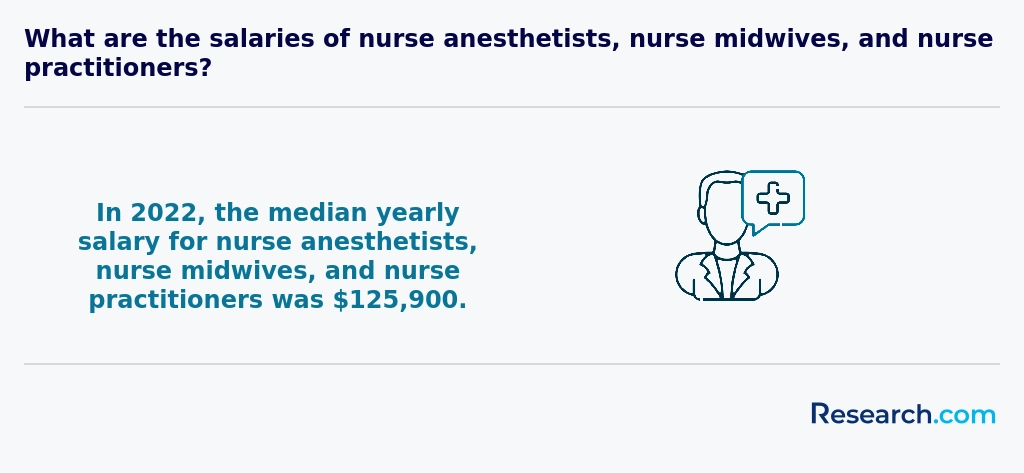
Graduates with an online nursing degree in Wisconsin quickly discover that the job market extends far beyond traditional hospital roles. Many find fulfilling careers as Registered Nurses (RNs) in diverse settings like outpatient clinics and long-term care facilities, benefiting from median wages around $69,000 as reported recently. Those inspired by deeper specialization pursue advanced roles such as Nurse Practitioners, where a Master of Science in Nursing opens doors to autonomy and salaries exceeding $100,000. These paths are well-tread by graduates from renowned institutions like the University of Wisconsin or Marquette University, where students appreciate the flexible blend of theory and clinical practice tailored to Wisconsin's healthcare demands.
Online nursing careers in Wisconsin also embrace specialized fields including Clinical Nurse Specialist, Nurse Anesthetist, and Nurse Educator-each offering unique challenges and rewards that reflect the evolving needs of the state's healthcare system. Graduates often share stories of bridging their BSN degrees into leadership or academic roles, enriching both their professional and personal growth. For those concerned about financial barriers, exploring the Low Cost Online Master's in Nursing Degree Programs Ranking in Pennsylvania can provide actionable insights into affordable advanced education options.
The job market for online nursing degree graduates in Wisconsin reveals encouraging prospects that defy doubts about remote education. Graduates from respected programs at universities like the University of Wisconsin or Marquette University often share stories of securing positions quickly after completing their degrees. These successes stem from Wisconsin's steady 14% projected RN employment growth through 2030 and the demand for nurses in diverse settings from urban hospitals to rural clinics. For many, the flexibility of online nursing jobs in Wisconsin combined with competitive salaries, often around $72,000 annually, creates an appealing pathway that fits various lifestyles.
Consider graduates who leverage their online education to fill critical shortages in rural communities, where their advanced technical skills in telehealth give them an edge. Such real-world impact nurtures pride and motivation. Meanwhile, those seeking to advance find opportunities as nurse practitioners earning over $100,000. For students weighing educational costs and job rewards, resources on high paying jobs trade school provide insightful guidance on career planning and _nursing career outlook Wisconsin_.
2027 Best Online Master's in Nursing Degree Programs Ranking in Wisconsin
Investing in your education is a significant decision that can shape your future, and the Research.com team recognizes the importance of making well-informed choices. To support prospective students in Wisconsin, we have carefully developed the "2027 Best Online Master's in Nursing Degree Programs Ranking in Wisconsin." Our dedication to quality, credibility, and accuracy is demonstrated through rigorous research and analysis behind this ranking.
We utilized the following reputable data sources to ensure a comprehensive evaluation of nursing programs:
By reviewing this ranking, readers will gain valuable insights into the top online Master's in Nursing programs in Wisconsin, empowering them to make sound decisions about their educational paths. For more information on how this ranking was created, please visit our Research.com methodology page.


Frequently Asked Questions About nursing
Online nursing degree students in Wisconsin can maximize their learning by actively engaging with their coursework and clinical experiences. Utilizing university resources such as virtual libraries and tutoring services enhances comprehension and retention. Wisconsin students should prioritize hands-on practice in approved local healthcare settings to fulfill clinical hour requirements, a key component for success in nursing programs regulated by the Wisconsin Board of Nursing.
Networking with peers and instructors through online discussion boards and study groups builds professional connections and fosters collaborative learning. According to the Wisconsin Center for Nursing, focusing on evidence-based practice and state-specific healthcare policies prepares learners for Wisconsin's evolving healthcare needs. Time management and regular self-assessment also improve outcomes in these rigorous programs.
The nursing field is rapidly evolving, with several emerging niches gaining importance in Wisconsin and across the U.S. One notable area is gerontological nursing, driven by Wisconsin's aging population. Registered nurses specializing in elder care address complex health needs in nursing homes and home settings.
Another growing niche is telehealth nursing. The COVID-19 pandemic accelerated remote care, and Wisconsin's healthcare systems continue expanding telehealth services to reach rural communities.
Finally, informatics nursing is advancing as hospitals integrate digital records and data management for better patient outcomes. According to the Wisconsin Center for Nursing, demand for these specialties is expected to grow significantly by 2030.
Preparing for the job market after earning an online nursing degree in Wisconsin requires strategic planning. First, graduates must obtain licensure from the Wisconsin Board of Nursing, which includes passing the NCLEX-RN exam. According to the Wisconsin Department of Safety and Professional Services, the state had over 60,000 licensed RNs in 2023, with a consistent demand for nurses.
It is beneficial to gain clinical experience through internships or volunteer work while studying. Networking with local healthcare providers and joining professional groups such as the Wisconsin Nurses Association can open job opportunities.
Additionally, familiarizing oneself with Wisconsin's healthcare system and continuing education to meet state-specific requirements enhances employability.
Employers in Wisconsin highly value several key skills in nursing degree graduates. Clinical competence is essential, as reported by the Wisconsin Nurses Association, emphasizing hands-on patient care, medication administration, and assessment abilities. Communication skills also rank top, given the need for clear interaction with patients and healthcare teams.
Critical thinking and problem-solving are vital due to the complexity of healthcare settings and patient needs. Adaptability to fast-paced environments and technology use, such as electronic health records, is increasingly important in Wisconsin's healthcare facilities.
Finally, empathy and ethical decision-making are frequently cited as integral to quality nursing care throughout the state.
Finding nursing internships in Wisconsin often begins with connecting to local healthcare facilities and academic programs. Many accredited nursing schools, including those offering online degrees, partner with hospitals and clinics across the state to provide clinical placements.
The Wisconsin Board of Nursing requires nursing students to complete a certain number of clinical hours, making internships essential for licensure. Institutions such as the University of Wisconsin and Milwaukee Area Technical College maintain established networks with major healthcare providers, including Froedtert Health and UW Health.
Students should also explore opportunities through the Wisconsin Organization of Nurse Executives and local health departments, which occasionally offer internship listings. Utilizing job boards like WisCareers can help identify openings specific to nursing internships statewide.
Networking with faculty advisors and using Wisconsin's Nurse Workforce Survey data may provide insights into high-demand specialties and regions within the state, improving internship placement prospects.
Obtaining an online nursing degree in Wisconsin can significantly improve career mobility and advancement opportunities. The state's demand for advanced nursing roles is growing, with the Wisconsin Department of Workforce Development projecting a 12% increase in registered nurse employment through 2030.
Advanced degrees, such as a Master of Science in Nursing obtained online, prepare nurses for leadership, education, and specialized clinical roles that are in high demand across Wisconsin healthcare facilities. Online programs provide flexibility, allowing working nurses to gain credentials without interrupting their careers.
Furthermore, Wisconsin supports nurse practitioners and advanced practice nurses with expanded scope of practice, enhancing the value of higher degrees for increased responsibility and higher salaries.
According to the Wisconsin Nurses Association, nurses with graduate degrees tend to access more diverse opportunities and see faster promotion rates in urban and rural settings alike.
Studying for a nursing degree in Wisconsin online equips students with skills essential for interdisciplinary collaboration in healthcare. Wisconsin nursing programs emphasize teamwork across professions such as medicine, social work, and pharmacy, reflecting real-world healthcare settings. According to the Wisconsin Center for Nursing, nearly 60% of nursing roles require coordination with diverse healthcare teams, making interdisciplinary proficiency crucial.
Curricula often include courses in communication, ethics, and healthcare systems, preparing nurses to navigate complex patient needs effectively. Online programs also integrate case studies and simulation exercises that foster collaboration skills, ensuring students can work seamlessly with other professionals.
Additionally, Wisconsin's focus on community health encourages nurses to engage with various specialists to improve patient outcomes, aligning education with state healthcare priorities.
Choosing between a thesis and a non-thesis online nursing degree program in Wisconsin depends largely on your career goals. A thesis program emphasizes research, requiring students to produce original work, which can be beneficial if you plan to pursue a doctoral degree or a research-focused role. Non-thesis programs typically focus more on practical skills and clinical leadership, catering to those aiming for advanced practice or administrative positions.
In Wisconsin, the demand for nurse practitioners is projected to grow by 31% from 2020 to 2030 (Bureau of Labor Statistics). Thesis programs may offer an advantage if you intend to contribute to nursing science or policy development. Meanwhile, non-thesis paths often take less time to complete, making them attractive for working nurses seeking timely advancement.
Accreditation and faculty expertise are also crucial factors. Make sure the program is accredited by bodies like CCNE or ACEN. Online formats in Wisconsin increasingly incorporate interactive case studies and clinical simulations, benefiting both types of programs.
Students based in Wisconsin seeking to study nursing abroad while pursuing an online degree have several pathways available. Many US universities, including those in Wisconsin, offer online nursing programs with international clinical placement options or partnerships with foreign institutions. This allows students to gain global experience while meeting Wisconsin Board of Nursing requirements.
The Wisconsin Center for Nursing reports a growing emphasis on culturally competent care, encouraging programs to integrate global perspectives. Additionally, students must ensure that any international clinical hours comply with state licensure regulations. Collaborative agreements between US schools and recognized foreign nursing schools facilitate credit transfer and clinical work abroad.
However, there are no specific Wisconsin-based online nursing programs exclusively focused on studying nursing abroad. Prospective students should consult program advisors and licensure bodies to verify recognition of international study components and clinical practice.
Part-time job opportunities in Wisconsin that complement nursing degree education include roles such as certified nursing assistants (CNAs), medical scribes, and patient care technicians. These positions provide hands-on experience in healthcare settings, which is valuable for nursing students advancing their careers. According to the Wisconsin Department of Workforce Development, CNAs can earn an average wage of $15-$18 per hour, offering both income and relevant clinical exposure.
Medical scribing and patient care roles help develop essential skills in patient communication and documentation, critical for nurses. Local hospitals and clinics often hire part-time staff, allowing flexible schedules that suit online learners.
Online nursing students in Wisconsin have several networking opportunities despite their remote learning format. Many universities offering online nursing degrees encourage participation in virtual study groups and professional online forums. These platforms facilitate connections with peers and faculty, enriching students' learning experiences.
In addition, Wisconsin's nursing associations such as the Wisconsin Nurses Association (WNA) offer memberships that provide access to statewide conferences, webinars, and workshops. These events promote professional networking and continuing education.
Clinical placement sites also serve as vital networking venues, allowing students to build relationships with local healthcare professionals. According to the Wisconsin Department of Workforce Development, Registered Nurses in Wisconsin are expected to grow by 12% from 2020 to 2030, highlighting the importance of strong professional networks for employment opportunities.
Alumni networks play a crucial role for online nursing degree students in Wisconsin by providing valuable connections within the state's healthcare community. These networks facilitate mentorship opportunities, helping students navigate career pathways after graduation. According to the Wisconsin Nurses Association, strong professional relationships often lead to better job placements in clinics and hospitals across the state.
Through alumni groups, students gain access to continuing education resources, job openings, and professional events. These connections can be especially helpful in Wisconsin's competitive nursing job market, where networking often enhances employment prospects. Engaging with alumni also supports professional development and lifelong learning, which are vital in nursing careers.
Customizing an online nursing degree in Wisconsin allows students to align their education with specific career goals. Many programs offer elective courses and specialty tracks such as nurse practitioner, nurse educator, or healthcare administration. This flexibility helps tailor skills to local healthcare needs.
Students can also select clinical placements within Wisconsin, gaining practical experience in settings like hospitals, clinics, or community health centers. According to the Wisconsin Board of Nursing, these options improve job readiness regionally.
Additionally, part-time study and accelerated options enable balancing work and education, supporting professionals who want to advance without pausing their careers.
Online nursing students in Wisconsin often encounter several notable challenges. One primary concern is balancing clinical practice requirements with remote coursework, as state regulations demand hands-on experience that can be difficult to schedule around jobs or family commitments. According to the Wisconsin Center for Nursing, clinical placement availability remains limited, causing delays for many students.
Another challenge is technology access and proficiency. Not all students have reliable high-speed internet or the necessary devices to participate fully in virtual classes, which may impact their learning quality.
Additionally, students frequently report feeling isolated without regular face-to-face interaction with peers or instructors. This can affect both motivation and mental health during demanding programs.
Finally, navigating state-specific licensure requirements while studying online adds complexity, as students must ensure their program aligns with Wisconsin Board of Nursing standards to qualify for licensure exams.
With an online nursing degree in Wisconsin, graduates can pursue various professional certifications to advance their careers. Common certifications include the Registered Nurse (RN) credential, which is required to begin practicing and is awarded after passing the NCLEX-RN exam. For advanced practice, nurses often pursue certifications such as Nurse Practitioner (NP), Clinical Nurse Specialist (CNS), or Nurse Educator credentials, issued by bodies like the American Nurses Credentialing Center (ANCC).
Wisconsin Department of Safety and Professional Services reports that holding these certifications can increase job opportunities in hospitals and clinics across the state.
Specialty certifications, such as in gerontology or pediatrics, are also popular and enhance expertise. According to the Wisconsin Center for Nursing, over 40% of nurses in Wisconsin hold at least one specialty certification.
To write a winning application for an online nursing program in Wisconsin, start by clearly demonstrating your commitment to nursing and community health. Highlight any clinical experience, especially within Wisconsin healthcare settings, as practical experience is highly valued.
Next, emphasize strong academic performance. Wisconsin registered nursing applicants often need a minimum GPA of 3.0 for competitive programs. You should also provide updated standardized test scores if required, such as the TEAS exam.
Craft a compelling personal statement explaining why you chose nursing, your career goals, and why the specific online program suits your needs. Wisconsin nursing programs value applicants who reflect the state's healthcare priorities, including rural health and aging populations, according to data from the Wisconsin Center for Nursing.
Lastly, obtain professional recommendations that can attest to your work ethic and clinical skills.
The nursing profession holds a significant role worldwide, with growing demand for skilled nurses across many countries. In the United States, and specifically in Wisconsin, nursing careers offer stability and growth potential due to an aging population and expanding healthcare needs. According to the Wisconsin Department of Workforce Development, registered nursing jobs are expected to grow by 7% through 2030, which aligns with national trends.
Globally, nurses are essential in improving healthcare outcomes, and many countries face shortages, driving international collaboration and standards. For Wisconsin students, pursuing an online nursing degree can open doors to both local and broader healthcare opportunities while aligning with these global workforce demands.
When pursuing an online nursing degree in Wisconsin, gaining practical experience is essential for career readiness. Most accredited programs arrange clinical placements at local hospitals, clinics, or long-term care facilities, allowing students to complete hands-on training close to home. Wisconsin supports this with over 200 healthcare employers participating in clinical education partnerships, according to the Wisconsin Board of Nursing.
Students often coordinate with their school's clinical education office to find placement sites meeting state requirements. These experiences mirror in-person programs, enabling skill development and patient interaction.
Additionally, some online degrees include simulation labs or virtual clinical tools to supplement real-world practice.
Choosing the right concentration within an online nursing degree program in Wisconsin depends on your career goals and interests in healthcare. Wisconsin's nursing workforce needs nurses in specialized areas such as family care, psychiatric mental health, and nurse leadership, according to the Wisconsin Center for Nursing. Considering future demand helps guide your decision.
Explore concentrations that align with your strengths and desired work settings. For example, family nurse practitioners often find opportunities in primary care, while psychiatric nursing addresses mental health shortages.
Look for programs offering clinical placements in Wisconsin to gain local experience and meet state licensure requirements. Also, check if the concentration prepares you for certification exams relevant in Wisconsin.
- 2027 Best Online Master's in Nursing Degree Programs Ranking in Minnesota
- 2027 Best Online Master's in Nursing Degree Programs Ranking in Iowa
- 2027 Best Online Master's in Nursing Degree Programs Ranking in Illinois
- 2027 Best Online Master's in Nursing Degree Programs Ranking in Michigan
- 2027 Best Online Master's in Nursing Degree Programs Ranking in Indiana
- 2027 Best Online Master's in Nursing Degree Programs Ranking in Missouri
- 2027 Best Online Master's in Nursing Degree Programs Ranking in Ohio
- 2027 Best Online Master's in Nursing Degree Programs Ranking in Kentucky
- 2027 Best Online Master's in Nursing Degree Programs Ranking in Kansas
- 2027 Best Online Master's in Nursing Degree Programs Ranking in Tennessee
See What Experts Have To Say About Studying Nursing
Read our interview with Nursing experts


- Online versus Face-to-Face Nursing Degrees: A Study of Recruiters’ Perceptions - OJDLA https://ojdla.com/articles/online-versus-face-to-face-nursing-degrees-a-study-of-recruiters-perceptions
- Exploring Diverse Nursing Career Horizons - N2S Healthcare Blog https://n2shealthcare.com/blog/exploring-diverse-nursing-career-horizons-n2s-healthcare-blog
- Top Nursing Skills U.S. Employers Want to See on Your Resume | O'Grady Peyton https://www.ogradypeyton.com/blog/job-seeker-resources/top-nursing-skills-u.s.-employers-want-to-see-on-your-resume
- Compare BSN Online Nursing Programs | BSN@Home https://bsnathome.com/choose-a-campus/
- 2025 Best Online Nursing Programs in Wisconsin https://www.onlineu.com/degrees/nursing/wisconsin
- Working While in Nursing School: 25 Ways to Make Money as a Nursing Student https://credenzahealth.com/career-advice/working-while-in-nursing-school-25-ways-to-make-money-as-a-nursing-student
- How to Write https://esign.com/letter-of-intent/school/nursing/
- Getting RN Experience After Graduation | All Nursing Schools https://www.allnursingschools.com/articles/getting-rn-experience/
- Online Nursing Degree Programs | University of Phoenix https://www.phoenix.edu/online-nursing-degrees.html
- Client Challenge https://www.springerpflege.de/nursing-graduates-perceived-future-career-pathway-and-career-shi/50653658





