
2027 Best Online Master's in Nursing Degree Programs Ranking in Minnesota

Co-Founder and Chief Data Scientist
If you're considering advancing your nursing career in Minnesota, this article is here to guide you. It features the 2027 Best Online Master's in Nursing Degree Programs Ranking in Minnesota, created by the Research.com team of data scientists.
This ranking helps you discover quality nursing programs that fit your goals and lifestyle. Earning your master's degree online offers flexibility while opening doors to new opportunities in healthcare leadership and specialized fields.
Reading this guide can empower your decision-making and inspire confidence in taking the next step toward a rewarding nursing career.
Key benefits of getting online nursing degree in Minnesota
- Graduates with a nursing degree in Minnesota can expect competitive salaries, such as Nurse Practitioners earning a mean annual wage of $128,490 and Clinical Nurse Specialists earning $94,480.
- Career paths available include roles like Nurse Administrator or Nurse Educator, both earning around $94,480 annually, offering diverse opportunities within healthcare settings.
- Getting a nursing degree online offers flexibility for busy learners in Minnesota, allowing them to balance studies and work efficiently while gaining valuable clinical experience through local partnerships.
- 2027 Best Online Master's in Nursing Degree Programs Ranking in Minnesota
- What can I expect from online nursing degree in Minnesota?
- Where can I work with online nursing degree in Minnesota?
What can I expect from online nursing degree in Minnesota?
The average cost of an online nursing degree in Minnesota generally ranges from $15,000 to $40,000, depending on the institution and level of study. For example, graduates from prominent schools such as the University of Minnesota and St. Catherine University often mention balancing tuition costs with the convenience of flexible online coursework and local clinical placements. Many report feeling empowered by the ability to earn their degree without relocating, which reduces overall expenses and stress.
Looking ahead, the cost structure may become even more accessible as schools incorporate hybrid learning models and partner with more healthcare facilities statewide for clinical experience. This means a student enrolled in Minnesota's online nursing programs could expect seamless integration of theory and practice without additional travel costs.
Graduates often express excitement about not only the financial feasibility but also the career benefits-like preparation for the NCLEX-RN and advanced certifications-that come with these programs. This balance of affordability and quality creates a hopeful outlook for future nursing students in Minnesota.
Where can I work with online nursing degree in Minnesota?
Graduates with an online nursing degree from Minnesota institutions like the University of Minnesota or Bethel University often find rewarding careers in diverse healthcare settings. Many share stories of starting in busy hospital wings at Mayo Clinic or Allina Health, where hands-on patient care and specialty nursing ignite their passion and deepen clinical skills. For those drawn to community impact, rural clinics and public health centers offer meaningful roles in preventive care and health education, addressing real local needs.
Several graduates describe the excitement of joining Minnesota's growing telehealth sector, providing remote care that's become crucial after the pandemic. This flexibility lets nurses balance life while making a tangible difference, sparking feelings of accomplishment and purpose. Others pursuing Master's degrees find leadership and educator positions within academic centers or outpatient clinics, shaping the next generation of nurses.
With Minnesota's strong nursing job growth projections, online graduates confidently envision careers spanning hospitals, home health, and innovative telemedicine-each path offering unique fulfillment and professional growth.
Graduates holding online nursing degrees in Minnesota typically step into rewarding roles with solid earning potential. For example, Nurse Practitioners, often completing their Master of Science in Nursing through reputable institutions like the University of Minnesota or St. Catherine University, can expect a mean annual wage around $128,490. This figure highlights the value of advanced clinical expertise and responsibility.
Clinical Nurse Specialists, Nurse Administrators, and Nurse Educators-positions accessible with further specialization or graduate studies-also command mean salaries near $94,480 per year. These roles are excellent for graduates looking to combine patient care with leadership or educational responsibilities, often found in settings throughout Minneapolis and the broader Twin Cities area.
Graduates share stories of entering critical care nursing with excitement, drawn by the mean wage of $128,490 and the chance to work in cutting-edge hospital environments. The expanding telehealth field in Minnesota's urban and rural health systems suggests even greater future earning possibilities, rewarding those who continually advance their education and certifications.
- Minnesota has a strong demand for nurses due to an aging population and expanding healthcare services.
- Tuition for online BSN programs ranges from $10,000 to $25,000 for in-state students, while master's programs typically cost between $20,000 and $40,000.
- Entry-level registered nurses in Minnesota earn about $70,000 annually, with experienced nurses making $85,000 to $95,000, and APRNs often surpassing $100,000.
- The nursing job market in Minnesota is expected to grow by approximately 12% through 2030, according to state employment projections.
- Online nursing programs in Minnesota include clinical hours to meet state licensing requirements and prepare students for the NCLEX-RN exam.
Completing an online nursing degree in Minnesota often ranges widely, but many students find that a Bachelor of Science in Nursing (BSN) typically takes about four years when pursued full-time. Graduates from popular schools like the University of Minnesota often share how accelerated RN-to-BSN programs allowed them to finish within 12 to 24 months, balancing work and study through flexible online schedules.
Master's degrees such as MSN programs generally require between 1.5 to 3 years, with part-time options extending that timeline. For example, students at St. Catherine University appreciate how online MSN tracks for nurse practitioners or educators adapt around their careers, enabling completion in roughly two years.
Imagine advancing your nursing career while coordinating clinical hours at nearby Minnesota health facilities, combining local hands-on experience with virtual coursework. This blend encourages motivation and confidence among online learners, who feel empowered watching their progress unfold.
In Minnesota, the difference between online and on-campus nursing degrees often centers on how students experience their education daily. Graduates from the University of Minnesota who chose the online route frequently highlight the freedom to juggle family care or part-time jobs while accessing lectures anytime, a vital benefit in busy lives. On the other hand, those who studied at colleges like St. Catherine's appreciate the vibrant campus atmosphere, with immediate access to simulation labs and face-to-face mentorship fueling their confidence and teamwork skills.
Online students often describe a sense of independence, participating in video discussions and virtual study groups that challenge them to develop strong self-motivation. Meanwhile, on-campus peers enjoy structured schedules and spontaneous interactions that help foster close peer connections. Regardless of format, Minnesota's nursing programs ensure hands-on clinical practice remains central, embedding real-world experience that online or campus learners find both challenging and rewarding.
The typical cost of an online nursing degree in Minnesota can vary significantly, but the median total tuition hovers around $35,000. This places Minnesota in an accessible position for students who prioritize affordable online nursing master's programs Minnesota, especially when compared to national averages. Many graduates recall how choosing a public university, such as the University of Minnesota, helped them keep their expenses manageable due to lower in-state tuition rates, often close to $17,200 for the entire program. This balance of cost and quality makes pursuing an online nursing degree in Minnesota appealing to those juggling work and study.
Private institutions in Minnesota may charge higher tuition, but students often find this offset by personalized financial aid packages and scholarships, allowing them to feel a strong personal connection to their school and a sense of empowerment as they advance their careers. The cost includes credit hours ranging from around 30 to 45, with additional fees for necessary online learning technology and clinical placements enhancing the hands-on experience crucial for nursing. These real-world facets of education make the investment worthwhile to many alumni.
Moreover, anticipating trends, future students might benefit from innovative funding solutions or accelerated programs like a 1 year phd that promise faster completion times, potentially reducing overall costs and debt. This forward-thinking approach aligns well with Minnesota's growing reputation as a hub for compassionate, skilled nurses ready to meet healthcare needs with confidence.

Many online nursing students at institutions like the University of Minnesota and Bethel University find substantial financial aid opportunities that make their education more attainable. Federal financial support remains a cornerstone, with Pell Grants and Federal Work-Study options easing costs while students balance coursework and family life. Graduates often recall how these grants felt like a lifeline, allowing them to focus on their studies without overwhelming debt.
Minnesota's state-specific programs, such as the Minnesota Nursing Scholarship Program, provide up to $10,000 annually, which several students have described as transformative for completing their degrees remotely. These scholarships often reflect the state's commitment to addressing nursing shortages, creating exciting prospects for future healthcare professionals.
Additionally, employer tuition reimbursement programs add a dynamic layer of support. Nurses working in Minnesota's healthcare system share how employer contributions made pursuing advanced degrees at schools like Augsburg University feasible, blending work and study with less financial stress.
Professional nursing organizations also offer competitive scholarships that online students from these universities actively pursue, enhancing their sense of community and motivation throughout their nursing education journey.
Enrolling in an online nursing degree in Minnesota means preparing to meet clear academic and professional prerequisites that set you on a confident path forward. Graduates from prominent schools like the University of Minnesota or Bethel University often recall how completing prerequisite courses-such as biology, chemistry, anatomy, and physiology-with solid grades was essential before starting their nursing journey.
Many remember feeling empowered by fulfilling these requirements, knowing these courses built a strong foundation for clinical skills ahead. For those advancing to an MSN online, holding a valid Minnesota RN license is pivotal, reflecting real-world nursing experience that enhances graduate studies. This step isn't just a formality; it deepens the connection between online learning and hands-on patient care.
Applicants typically submit official transcripts and personal statements, moments where they reflect on their dedication and career aspirations. Reliable internet access and readiness for virtual platforms also shape the experience, while clinical practicum arrangements within Minnesota bridge theory and practice seamlessly.

Online nursing degree programs in Minnesota typically include courses designed to build strong clinical expertise and leadership abilities, preparing students to thrive in diverse healthcare settings. Graduates from well-regarded institutions such as the University of Minnesota and Minnesota State Colleges often describe courses like Advanced Pathophysiology and Pharmacology as eye-opening, helping them understand complex disease mechanisms and safe medication practices from day one.
Health Assessment classes simulate patient interactions, allowing students to gain confidence in conducting thorough evaluations even before their in-person clinical rotations start. Nursing Research courses encourage critical thinking and evidence-based approaches, which many find empowering when making real-world care decisions.
Leadership and Management coursework is especially valued by students aiming to advance into supervisory roles, with practical examples that resonate with current healthcare challenges in Minnesota hospitals. Graduates appreciate Healthcare Informatics training, as it equips them to navigate digital records efficiently in settings ranging from urban clinics to rural facilities.
Clinical practicums embedded in these programs provide hands-on experience in local Minnesota healthcare centers, reinforcing lessons through real patient care. Graduates often share that this blend of theory and practice makes them feel ready and excited to make a difference in their communities.
Online nursing specializations in Minnesota are evolving to meet the changing healthcare landscape. Graduates from prominent programs at universities and colleges across the state often speak of the Family Nurse Practitioner (FNP) track, which equips them to provide vital primary care in both urban and underserved rural communities. This hands-on experience energizes nurses to make a real difference, especially in addressing Minnesota's broad healthcare gaps.
Another growing focus area is the Psychiatric-Mental Health Nurse Practitioner (PMHNP) specialization. Graduates describe how online courses deepen their understanding of mental health challenges faced by diverse Minnesotan populations, driving their passion to improve statewide access to treatment. This reflects the increased emphasis on mental health in Minnesota's nursing curriculum.
Those choosing Adult-Gerontology Nurse Practitioner (AGNP) programs appreciate the opportunity to serve the state's aging population, often sharing stories about caring for elderly patients during clinical placements affiliated with top Minnesota nursing schools. Many also highlight public health nursing and nurse educator paths as powerful roles that prepare them for leadership in community health and education.
Prospective students interested in these areas should explore accredited programs carefully. Tuition varies broadly, so considering the cheapest online college options can help manage costs while accessing excellent education tailored to Minnesota's needs.
Choosing the best online nursing degree in Minnesota means focusing on programs that combine solid accreditation with practical flexibility. Graduates from well-known Minnesota colleges often emphasize the importance of selecting degrees approved by the Minnesota Board of Nursing and accredited by CCNE or ACEN. Their positive reflections often highlight how a well-structured curriculum with asynchronous classes allowed them to balance family and work commitments effectively, fostering a sense of achievement and confidence.
Many future nurses find that affordable online nursing degrees Minnesota offer keep education accessible without compromising quality. These students appreciate programs that provide clear pathways through clinical leadership and healthcare ethics, encouraging them to envision leadership roles within Minnesota's healthcare system. One graduate spoke of the reassurance gained from a supportive online platform that facilitated active discussions with faculty and peers, enhancing engagement despite remote learning.
Looking ahead, prospective students might explore emerging trends in nursing education, such as virtual simulation clinicals and AI-driven personalized learning paths. For those seeking to align their investment with outcomes, the demand for rates like NCLEX pass and employment placement within Minnesota remain crucial. Exploring resources like best accredited non profit colleges can guide informed decisions and foster optimism about the possibilities ahead.
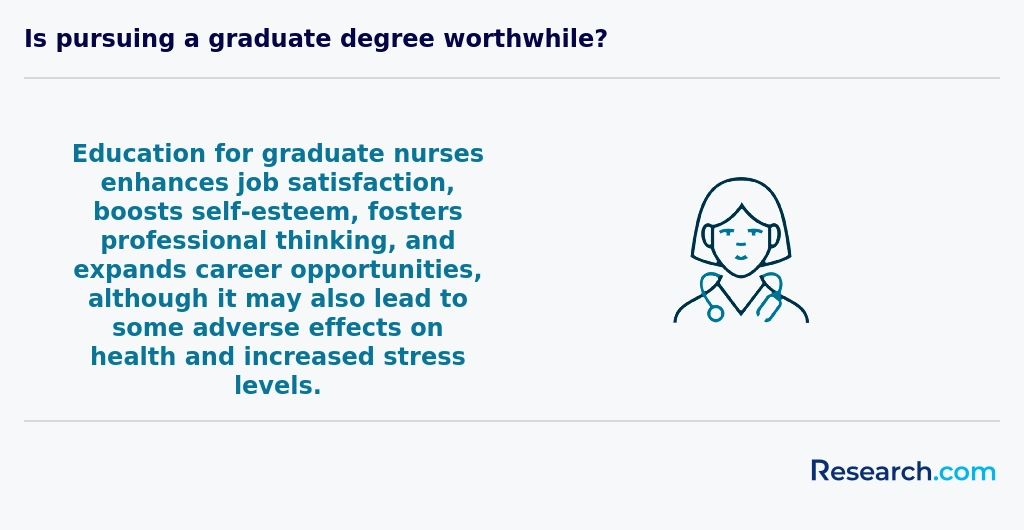
Graduates holding an online nursing degree in Minnesota find themselves stepping into diverse and evolving career paths, perfectly suited for the state's dynamic healthcare environment. Many experience firsthand how programs at popular colleges such as the University of Minnesota or Bethel University prepare them for roles like Registered Nurses (RN), where they actively engage in patient care within local hospitals and clinics. These roles often lead to a deep sense of fulfillment as nurses collaborate closely with healthcare teams and empower patients.
Others pursue advanced degrees and embrace leadership roles such as Nurse Practitioners or Nurse Educators, responding to Minnesota's growing need for healthcare expansion in rural communities. Graduates share stories of working in underserved areas, helping to transform healthcare access and outcomes. For those interested in specialized care or administration, careers as Clinical Nurse Specialists or Nurse Administrators offer impactful opportunities to influence patient care quality and health policy within the state.
Additionally, many online nursing degree careers Minnesota graduates explore public health nursing, contributing to statewide health promotion and disease prevention efforts. With rising online education options making nursing more accessible, some students have utilized financial aid from accredited online colleges with no application fee to begin these rewarding career journeys, fueling optimism about the future of nursing in the region.
The job market for online nursing degree graduates in Minnesota remains vibrant and expanding, fueled by strong demand across various healthcare settings. Many recent graduates from popular institutions in Minnesota share how their online degrees opened doors to roles in hospitals, outpatient clinics, and community health organizations, reflecting a steady rise in nursing degree employment opportunities Minnesota. These graduates feel confident pursuing licensure through the Minnesota Board of Nursing and find employers value the flexibility and rigor of accredited online programs.
With the aging population driving an increased need for skilled nurses, healthcare providers prefer candidates with bachelor's and master's nursing degrees, which are readily available through Minnesota's leading online programs. Nursing students often balance coursework and real-life challenges, motivated by the prospect of competitive salaries and fulfilling careers. Exploring financial support, many turn to resources such as best online colleges that accept fafsa to manage education costs effectively.
2027 Best Online Master's in Nursing Degree Programs Ranking in Minnesota
Investing in your education is a significant decision that can shape your future, and the Research.com team understands the importance of making informed choices. To assist prospective students in Minnesota, we have meticulously crafted the "2027 Best Online Master's in Nursing Degree Programs Ranking in Minnesota." Our commitment to quality, credibility, and accuracy is reflected in the extensive research and analysis conducted to create this ranking.
We utilized the following reputable data sources to ensure a comprehensive evaluation of nursing programs:
By exploring this ranking, readers will gain valuable insights into the best online nursing master's programs available in Minnesota, enabling them to make well-informed decisions about their educational pursuits. For a detailed explanation of how the ranking was created, please visit our Research.com methodology page.
# 1 position
Bethel University, Minnesota
Master of Nurse-Midwifery
# 2 position
Walden University
Master of Nursing

Frequently Asked Questions About nursing
Online nursing degree students in Minnesota can maximize their learning by engaging actively with digital course materials and participating regularly in virtual discussions. Consistent communication with instructors and peers helps deepen understanding of complex topics such as pharmacology and patient care.
Utilizing Minnesota's clinical placement opportunities is crucial. Students should identify local healthcare facilities early to complete practicum requirements, gaining hands-on experience while adhering to state regulations.
Staying informed about Minnesota Board of Nursing updates and licensing requirements ensures that academic efforts align with professional standards.
Additionally, leveraging resources like the Minnesota Nurses Association offers networking and professional development support tailored to the state's healthcare environment.
The nursing field in Minnesota is evolving with several emerging niches driven by healthcare needs and technological advancements. One of the fastest-growing areas is geriatric nursing, reflecting Minnesota's aging population; by 2030, nearly one in five Minnesotans will be 65 or older, increasing demand for specialized elderly care.
Another important niche is psychiatric-mental health nursing, as mental health concerns continue to rise statewide. Nurses trained in this specialty are essential in providing accessible care, especially via telehealth platforms.
Additionally, informatics nursing is expanding, focusing on managing electronic health records and data systems. Minnesota's strong healthcare infrastructure supports this niche, which improves patient outcomes through technology integration.
Finally, community and public health nursing remains vital, particularly in rural regions facing healthcare disparities. These roles emphasize prevention and education, helping improve statewide health metrics.
After completing an online nursing degree in Minnesota, preparing for the job market involves several key steps. First, obtain Minnesota state licensure by passing the NCLEX-RN exam, which is required to practice. The Minnesota Board of Nursing oversees this process. According to the Minnesota Department of Employment and Economic Development, registered nurses in the state have a strong job outlook with a projected growth rate of 12% through 2030.
Networking is essential; joining professional organizations like the Minnesota Nurses Association can aid job placement. Additionally, seeking clinical internships or residency programs boosts practical experience and employability.
Continuing education and certifications in specialties such as gerontology or pediatrics can increase competitiveness in this growing field.
Employers in Minnesota highly value nursing graduates who demonstrate strong clinical skills combined with effective communication. The Minnesota Board of Nursing emphasizes critical thinking and sound decision-making, especially given the state's growing elderly population. According to the Minnesota Department of Employment and Economic Development, nurses with skills in patient assessment, medication administration, and electronic health record management are in increasing demand.
Additionally, teamwork and cultural competence are crucial. Minnesota's diverse communities require nurses to be adaptable and sensitive to various cultural backgrounds. Leadership abilities also rank highly, as many facilities seek nurses prepared for supervisory roles or project management.
Finding nursing internships in Minnesota involves a combination of research and networking, especially for students enrolled in online nursing degree programs. Many Minnesota hospitals and healthcare systems, such as Mayo Clinic and Allina Health, offer structured internship and clinical placement opportunities for nursing students.
Students should start by consulting their online program's career services, as partnerships often provide easier access to local internships. Additionally, the Minnesota Nurses Association and the Minnesota Board of Nursing publish resources and lists of approved clinical sites, which can guide students towards reputable opportunities.
Local public health departments and long-term care facilities often seek nursing interns, providing diverse clinical experiences. Using online platforms like the Minnesota Hospital Association's job board can also help identify openings. Early application and clear communication of goals improve chances of securing meaningful internships.
An online nursing degree in Minnesota significantly enhances career mobility by providing flexible education options for working nurses and new students alike. Minnesota's healthcare sector demands advanced nursing qualifications, and earning an online degree can open doors to roles such as nurse practitioner, clinical nurse leader, or nursing administrator. According to the Minnesota Department of Employment and Economic Development, registered nursing jobs are projected to grow 15% by 2030, outperforming many other occupations.
Completion of an online nursing degree often meets Minnesota Board of Nursing licensure requirements, enabling graduates to pursue advanced certifications. This educational path also facilitates geographic job flexibility, as online programs prepare nurses for work in diverse settings including rural locations.
The ability to complete coursework remotely allows professionals to balance education with employment, accelerating promotions and salary increases. Nationally, nurses with master's degrees earn approximately 20% more than those with only a bachelor's, a benefit reflected in Minnesota's competitive healthcare market.
Studying for an online nursing degree in Minnesota equips students with skills essential for interdisciplinary roles in healthcare. Minnesota nursing programs emphasize collaborative care, preparing students to work with physicians, therapists, social workers, and other professionals.
Curricula often integrate courses on healthcare policy, communication, and leadership, reflecting the state's focus on team-based patient care. According to the Minnesota Board of Nursing, over 50% of nursing programs include simulations and clinical experiences that promote interprofessional interactions.
These experiences help students understand how diverse healthcare roles contribute to patient outcomes. Additionally, Minnesota's strong healthcare network, including the Mayo Clinic and Fairview Health Services, offers extensive opportunities for interdisciplinary training.
When choosing between a thesis and a non-thesis nursing degree program in Minnesota, consider your career goals and learning preferences. Thesis programs focus on research and typically require a formal written project. They suit those aiming for doctoral studies or academic positions.
Non-thesis options often emphasize clinical practice and coursework, ideal for professionals seeking advanced nursing roles without intensive research demands.
According to the Minnesota Board of Nursing, the state has seen a steady growth in advanced practice registered nurses, reflecting the rising demand for skilled clinicians.
Review program curricula carefully and assess time commitments, as thesis programs generally require more extensive research hours than non-thesis tracks.
Programs accredited by the Commission on Collegiate Nursing Education (CCNE) in Minnesota ensure quality education, regardless of the path chosen.
Students in Minnesota interested in studying nursing abroad have several pathways, although options remain limited due to licensing and accreditation requirements. Many choose online nursing programs within the U.S. that offer clinical placements either locally or internationally, allowing practical experience abroad while maintaining U.S. licensure eligibility.
Some programs partner with international healthcare institutions, enabling students to gain hands-on experience in a global setting. However, online degrees specifically from foreign universities might not fully meet Minnesota Board of Nursing standards without additional certification.
According to the Minnesota Center for Nursing, over 90% of nurses in the state hold U.S.-accredited degrees, emphasizing domestic recognition. Prospective students should ensure any international study complies with the Minnesota Board of Nursing requirements to sit for the NCLEX-RN exam.
In Minnesota, part-time jobs that align well with nursing degree education include roles such as certified nursing assistant (CNA), medical assistant, and patient care technician. These positions provide hands-on experience in clinical settings, which is beneficial for students pursuing online nursing degrees. According to the Minnesota Department of Employment and Economic Development (DEED), CNAs in the state earn an average hourly wage of around $16, offering a practical income source alongside studies.
Hospitals and long-term care facilities in Minnesota frequently offer flexible schedules, making it easier for nursing students to balance work and education. Additionally, telehealth roles have been expanding, allowing students to gain experience in virtual patient communication, an increasingly relevant skill in modern nursing.
Online nursing students in Minnesota benefit from various networking opportunities designed to connect them with peers, faculty, and local healthcare professionals. Many programs partner with local hospitals and clinics, offering virtual events and discussion forums where students can engage. Additionally, students have access to the Minnesota Nurses Association, which hosts conferences and workshops that encourage interaction and professional growth.
According to the Minnesota Board of Nursing, the state supports over 70,000 licensed nurses, creating a robust local network. Online learners are often invited to participate in regional nursing groups and alumni networks, facilitating mentorship and career advancement. These connections are vital for students aiming to build their professional community despite remote study.
Alumni networks provide valuable support for online nursing degree students in Minnesota by fostering professional connections and mentorship opportunities. Engaging with alumni allows students to gain insights into the state's healthcare environment, which includes diverse settings from urban Minneapolis to rural clinics. According to the Minnesota Board of Nursing, networks help new graduates navigate licensure and employment procedures more effectively.
Furthermore, alumni connections often lead to job referrals, which is crucial given Minnesota's competitive nursing market and the projected 15% growth in nursing jobs through 2030, as reported by the U.S. Bureau of Labor Statistics. Alumni groups also organize continuing education events, helping students stay updated on best practices and state regulations.
Students pursuing online nursing degrees in Minnesota have multiple ways to customize their programs to align with career goals. Many universities offer specialty tracks such as family nurse practitioner, nurse educator, or nurse administrator. Selecting one of these concentrations helps tailor coursework to specific roles in healthcare.
Elective courses allow students to deepen knowledge in areas like gerontology or pediatric care, essential in Minnesota's aging population. Additionally, clinical placement flexibility enables practical experience in preferred settings, including urban hospitals or rural clinics.
Some programs also provide opportunities for research projects or leadership training, preparing nurses for advanced roles. According to the Minnesota Department of Health, these tailored pathways improve job readiness in the state's evolving healthcare landscape.
Online nursing students in Minnesota often face challenges related to balancing rigorous coursework with clinical practice requirements. Since nursing programs require hands-on experience, students must coordinate clinical placements, which can be limited by location and availability. The Minnesota Board of Nursing mandates supervised practice hours, making remote learning logistically complex.
Additionally, many students report difficulties with time management due to the demanding nature of nursing curricula combined with work and family commitments. Technical issues and the need for reliable internet access also pose barriers, especially in rural areas where connectivity can be inconsistent.
According to the Minnesota Department of Employment and Economic Development, the state expects a 12% growth in registered nursing jobs by 2030, increasing competition for clinical sites and potential stress on students.
With an online nursing degree in Minnesota, graduates can pursue several professional certifications to advance their careers. Common certifications include the Registered Nurse (RN) license, which is required for practice in the state. Additionally, nurses may seek specialized credentials such as Certified Nurse Practitioner (CNP), Clinical Nurse Specialist (CNS), or Nurse Educator certification.
The Minnesota Board of Nursing oversees licensure and certification, ensuring standards align with national requirements. According to the Minnesota Department of Employment and Economic Development, demand for advanced practice nurses is growing by 15% through 2030.
Certifications like the American Nurses Credentialing Center (ANCC) or the American Association of Nurse Practitioners (AANP) offer recognized credentials for various specialties.
To write a winning application for an online nursing program in Minnesota, start by emphasizing your academic achievements and relevant healthcare experience. Many programs require a minimum GPA of around 3.0, so clearly showcase your transcripts and any clinical hours completed. Highlighting Minnesota's nursing workforce demand, which is projected to grow 15% through 2030 according to the Minnesota Department of Employment and Economic Development, strengthens your motivation.
Strong letters of recommendation from nursing supervisors or professors can demonstrate your readiness for graduate-level study. Personal statements should convey your commitment to patient care and adaptability to online learning environments. Finally, ensure all application materials comply with specific school requirements and are submitted before deadlines to increase your chances of acceptance.
The nursing profession is recognized worldwide for its critical role in healthcare systems. Globally, nurses are among the most trusted professionals, often cited as essential in managing public health and responding to crises like pandemics. In the US, including Minnesota, nursing education adapts to these global challenges by emphasizing evidence-based practice and cultural competence.
According to the Minnesota Board of Nursing, the state supports over 100,000 licensed nurses, reflecting strong regional workforce growth. This growth aligns with a global demand projected to increase by 15% through 2030, driven by aging populations and more complex care needs, as reported by the World Health Organization.
Online nursing degrees in Minnesota thus prepare students to meet these worldwide demands, offering flexible education while adhering to internationally informed standards. Understanding global health trends helps nurses provide care that is both locally relevant and globally informed.
Students pursuing an online nursing degree in Minnesota can gain practical experience through clinical placements coordinated by their programs. These clinical hours are typically arranged at hospitals, clinics, or long-term care facilities within Minnesota. The state requires a minimum number of clinical hours for licensure, ensuring that online learners receive hands-on patient care experience.
The Minnesota Board of Nursing enforces standards for clinical education, and many schools partner with local healthcare providers to facilitate these opportunities. Additionally, students may engage in simulation labs when available, enhancing critical skills in a controlled environment.
According to the Minnesota Center for Nursing, clinical experience is crucial as the state anticipates a need for nearly 9,630 new registered nurses by 2028, highlighting the importance of practical training to meet workforce demands.
Choosing the right concentration within an online nursing degree program in Minnesota depends on your career goals and the healthcare needs in the state. Popular fields include family nurse practitioner, psychiatric mental health, and nurse educator roles. Minnesota's Department of Employment and Economic Development reports strong demand for nurse practitioners, with 15% growth expected by 2030.
Consider your interests, such as patient care settings or leadership opportunities. Also, check if the concentration aligns with Minnesota Board of Nursing certification requirements. Research schools offering clinical placements near you, since hands-on experience is essential.
Lastly, evaluate program accreditation and graduate success rates for a well-rounded decision.
- 2027 Best Online Master's in Nursing Degree Programs Ranking in Wisconsin
- 2027 Best Online Master's in Nursing Degree Programs Ranking in Iowa
- 2027 Best Online Master's in Nursing Degree Programs Ranking in Illinois
- 2027 Best Online Master's in Nursing Degree Programs Ranking in Missouri
- 2027 Best Online Master's in Nursing Degree Programs Ranking in Michigan
- 2027 Best Online Master's in Nursing Degree Programs Ranking in Kansas
- 2027 Best Online Master's in Nursing Degree Programs Ranking in Indiana
- 2027 Best Online Master's in Nursing Degree Programs Ranking in Ohio
- 2027 Best Online Master's in Nursing Degree Programs Ranking in Colorado
- 2027 Best Online Master's in Nursing Degree Programs Ranking in Kentucky
See What Experts Have To Say About Studying Nursing
Read our interview with Nursing experts


- Exemplary Clinical Experiences in Nursing Homes https://mngwep.nexusipe.org/toolkits/nursing-homes
- Nursing https://www.century.edu/programs/nursing/
- 165 Most Affordable Nursing Programs in Minnesota (2026) https://mynursingschools.com/affordable-nursing-programs/minnesota
- Building a Statewide Nursing Program https://cliniciannexus.com/resources/building-a-statewide-nursing-program
- Nursing https://www.mnwest.edu/academics/all-programs/nursing.php
- Online Nursing Programs in Minnesota: Find a School https://www.edumed.org/online-schools/nursing-rn-programs/minnesota/
- Top Associate Degree in Nursing Program in Minnesota https://www.normandale.edu/academics/degrees-certificates/nursing/index.html
- Nursing https://minnesotanorth.edu/programs/nursing/
- Best Minnesota Nursing Schools and Programs https://nursingeducation.org/state/minnesota/
- Best Online Nursing Programs in Minnesota https://www.onlineu.com/degrees/nursing/minnesota


