
2027 Most Affordable Online Master's in Nursing Degree Programs Ranking in Pennsylvania

Co-Founder and Chief Data Scientist
If you're considering advancing your nursing career without leaving Pennsylvania, this article is for you. We present the 2027 Most Affordable Online Master's in Nursing Degree Programs Ranking in Pennsylvania, crafted by the Research.com team of data scientists to guide you toward smart choices.
Finding the right program can be overwhelming, but this ranking narrows down affordable, quality options so you can focus on your goals.
Earning a nursing degree opens doors to new opportunities and personal growth. Let us help you take that next step confidently.
Key benefits of getting online nursing degree in Pennsylvania
- Salary for nursing degree graduates: Graduates can expect competitive salaries, with Nurse Practitioners and Critical Care Nurses earning around $128,490 annually, while Clinical Nurse Specialists, Nurse Administrators, and Nurse Educators earn about $94,480 per year.
- Potential career paths: A graduate from the University of Pennsylvania can pursue diverse roles such as Nurse Practitioner, Nurse Educator, or Nurse Administrator, each offering rewarding opportunities to impact patient care and healthcare systems.
- Benefits of an online nursing degree: Online programs like those at Pennsylvania State University allow flexible scheduling and learning from home, making it easier to balance studies with work or family life while earning a respected nursing qualification.
- 2027 Most Affordable Online Master's in Nursing Degree Programs Ranking in Pennsylvania
- What can I expect from online nursing degree in Pennsylvania?
- Where can I work with online nursing degree in Pennsylvania?
What can I expect from online nursing degree in Pennsylvania?
The average cost of an online nursing degree in Pennsylvania typically ranges from $20,000 to $60,000, depending on the program level and school. Graduates from well-known institutions like the University of Pennsylvania or Drexel University often share that while tuition may seem significant, the investment pays off through flexible learning options and strong career outcomes. Many find that the ability to balance work, family, and education without relocating is priceless, reducing hidden expenses like commuting and housing.
Students pursuing degrees such as a BSN or MSN appreciate programs that incorporate local clinical hours-essential for Pennsylvania licensure-which can save money on travel for in-person requirements. For example, a graduate recounts completing clinical placements close to home, allowing continued income alongside studies. Many programs also offer financial aid or scholarships, making costs manageable for motivated nurses.
Overall, the cost reflects more than tuition; it represents access to expert faculty, accredited courses, and resources that nurture professional growth in Pennsylvania's diverse nursing landscape.
Where can I work with online nursing degree in Pennsylvania?
Graduates with an online nursing degree from well-known Pennsylvania institutions often find themselves welcomed into some of the state's largest healthcare systems, such as those affiliated with the University of Pittsburgh or Penn State. Many recall how their flexible programs allowed them to balance coursework while gaining hands-on experience in diverse roles like emergency nursing or pediatric care within local hospitals.
Beyond hospital walls, these nurses have ventured into outpatient clinics, home health agencies, and long-term care facilities, responding to Pennsylvania's growing demand driven by its aging population. For example, a graduate from a popular Pennsylvania college shares how working in a community health center provided meaningful connections with underserved patients, blending clinical skills with compassionate care.
Advanced practitioners, including Nurse Practitioners, often serve vital roles in rural parts of the state, expanding access to primary care where it's most needed. Many students appreciate that earning an online degree in Pennsylvania fits perfectly with licensure requirements and leads to fulfilling careers across diverse healthcare settings statewide.
Graduates from Pennsylvania's online nursing programs, like those from Villanova University or Pennsylvania State University, often find rewarding salary prospects that reflect their dedication and expertise. Registered Nurses typically start with annual earnings near $77,000, which can rise noticeably with experience and certifications.
For those advancing their studies to roles such as Nurse Practitioners, the financial outlook brightens significantly, with mean annual wages around $128,490 according to the latest data. This higher salary aligns with the heightened responsibilities and autonomy that advanced practice nurses enjoy in Pennsylvania's healthcare settings.
Similarly, specialized roles such as Clinical Nurse Specialists, Nurse Administrators, and Nurse Educators command competitive salaries, typically near $94,480 annually. Graduates reflect on how these positions blend rewarding challenges with a stable and meaningful career path.
Many graduates emphasize how their chosen fields offer not just financial benefits but also personal fulfillment, especially when working in urban centers like Philadelphia or Pittsburgh where salaries can be 5%-10% higher to match living costs. Their stories showcase the tangible impact of an online nursing degree in Pennsylvania on both earnings and professional satisfaction.
- Pennsylvania's registered nurse employment is projected to grow by about 9% through 2030, faster than the national average.
- Online BSN programs typically cost between $25,000 and $45,000, while MSN programs range from $30,000 to $60,000 in total tuition.
- Entry-level registered nurses in Pennsylvania earn an average of around $75,000 annually, with experienced RNs making over $90,000 and nurse practitioners earning more than $110,000 per year.
- Licensure requires passing the NCLEX exam and completing clinical training in Pennsylvania or an approved state.
- Many accredited online nursing programs are available across associate to doctoral levels, with key accreditations like the Commission on Collegiate Nursing Education (CCNE) important for credit transfer and recognition.
Completing an online nursing degree in Pennsylvania often fits within flexible timeframes tailored to individual circumstances. Graduates from schools like Penn State World Campus report finishing accelerated BSN programs in as little as 12 to 18 months when coming from a non-nursing bachelor's background, which offers a rewarding intensity for those eager to advance quickly.
Others who balance life and work while enrolled part-time at universities such as Drexel find their RN-to-BSN pathways typically take one to two years. This flexibility honors prior clinical experience, making every hour meaningful and keeping motivation high amid daily responsibilities.
For those pursuing a Master's in Nursing online, graduates from institutions like Villanova often note completion times ranging from 18 months to three years. The variation depends on specializations and course loads, but many find fulfillment in progressing steadily, knowing each clinical hour deepens their expertise.
These experiences underscore that Pennsylvania's nursing programs thoughtfully integrate required clinical hours locally, encouraging practical growth at a pace that reflects personal and professional needs.
For prospective nursing students in Pennsylvania, understanding the nuances of affordable nursing education is crucial. Pursuing a nursing degree can be a costly endeavor, but there are various options available that can help alleviate financial burdens. Students can explore affordable nursing schools in Pennsylvania to find programs that fit their needs and budget. By considering factors such as tuition costs, financial aid options, and program accreditation, students can make informed decisions about their nursing education. Additionally, many institutions in Pennsylvania offer flexible online nursing programs, which can provide students with the opportunity to balance their studies with work or personal commitments. By taking advantage of these affordable options, students can pursue their nursing aspirations without undue financial burden, ultimately contributing to a more robust healthcare workforce in Pennsylvania.
Choosing between online and on-campus nursing programs in Pennsylvania often comes down to how you want to balance flexibility with hands-on learning. Graduates from well-known schools like Drexel University share how online programs allowed them to manage work and family commitments, appreciating the freedom to study lectures on their own time. Yet, they stress that even the most flexible online courses require in-person clinical hours, typically arranged near your home, ensuring you gain essential real-world experience.
Conversely, those who attended programs like the University of Pennsylvania emphasize the value of face-to-face interaction with instructors and peers, highlighting the immersive campus labs and direct supervision during clinical rotations. This traditional setting fosters close-knit relationships and immediate feedback, which some students find deeply motivating and confidence-building.
The key difference in Pennsylvania lies in how clinical experiences are coordinated: online students often arrange placements locally, while on-campus students benefit from institutional partnerships. Either path maintains rigorous standards aligned with the Pennsylvania State Board of Nursing, so your choice reflects personal needs more than educational quality.
Choosing an accredited program is the first step toward securing your nursing license in Pennsylvania. Look for accreditation from the Commission on Collegiate Nursing Education (CCNE) or the Accreditation Commission for Education in Nursing (ACEN), as these endorsements ensure your curriculum meets the Pennsylvania State Board of Nursing’s standards. Accredited programs integrate theory with supervised clinical practice, fulfilling the minimum 500 clinical hours required for MSN graduates and guaranteeing eligibility for the NCLEX-RN or advanced practice certification exams. Before enrolling, verify that your online curriculum includes:
- State-approved clinical placements in Pennsylvania or approved out-of-state sites with Board reciprocity.
- Clear pathways to sit for the NCLEX-RN (for BSN/entry-level MSN) and national certification exams for Nurse Practitioners (e.g., AANP, ANCC).
- Comprehensive instruction in Pennsylvania’s Nurse Practice Act and patient safety regulations. Graduates aiming for advanced practice roles should also explore specialized, low cost nurse practitioner online programs that align with state licensure requirements and offer clinical preceptorships under qualified NP mentors. Confirm that each program maintains high NCLEX-RN pass rates (ideally above 85%) and publishes data on graduate certification success. By choosing a CCNE- or ACEN-accredited program with robust state licensing support, you ensure seamless progression from coursework to clinical practice, reducing delays in licensure and maximizing your return on investment in nursing education.
The average cost of an online nursing degree in Pennsylvania typically centers around $26,796, with in-state students paying closer to $22,131 and out-of-state students around $24,741. Graduates from well-regarded universities often recall balancing tuition fees with additional expenses like technology and lab fees, which can influence the total investment. One graduate, completing a master's degree online, described budgeting carefully for the entire program, recognizing that paying per credit-usually between $500 and $1,200 depending on the institution-added up as courses progressed.
Many students find programs within the Pennsylvania State System of Higher Education offer more affordable tuition rates compared to private colleges. Several graduates appreciated these options, finding value in programs that maintain quality while being mindful of costs. However, knowing the full financial scope-including books, supplies, and licensing exam fees-is vital. These elements often surprise students new to budgeting for higher education and highlight the importance of thorough financial planning.
For those seeking affordable options, reviewing affordable online nursing master's programs Pennsylvania offers can be a wise step. Scholarships, employer assistance, and federal financial aid also play significant roles in easing financial burdens. Reflecting on the experience of past students, many suggest gathering detailed cost information directly from schools' websites to avoid unexpected expenses and to make well-informed decisions about this important career investment. Prospective students can explore a list of affordable nursing schools in Pennsylvania to help guide their search.
For master's-prepared nurses seeking leadership roles and top clinical positions, a Doctor of Nursing Practice (DNP) builds on MSN coursework and hones skills in evidence-based practice, systems management, and advanced patient care.
- Program Formats: Choose between MSN-to-DNP tracks (fewer credits, shorter timeline) or BSN-to-DNP options, offered fully online or hybrid.
- Duration & Flexibility: Full-time MSN-to-DNP programs often take 12–18 months; part-time pathways may extend to 24 months to fit working schedules.
- Core Curriculum: Advanced pharmacology, health policy leadership, quality improvement methodologies, informatics, plus a DNP capstone showcasing clinical scholarship.
- Admission Criteria: Hold an accredited MSN, maintain a minimum GPA (commonly 3.0), possess active Pennsylvania RN licensure, and submit professional references.
- Career Outcomes: Earn eligibility for roles such as Nurse Practitioner, Clinical Nurse Leader, healthcare executive, or policy advisor.
For accelerated options, explore the shortest dnp program online to streamline your journey to advanced practice.
Many nursing students pursuing their degrees online in Pennsylvania find crucial support through financial aid tailored to their needs. Graduates from well-known institutions like Drexel University or the University of Pennsylvania often recall how completing the FAFSA opened doors to federal aid such as Pell Grants, which can cover thousands annually. This aid was instrumental in alleviating their tuition burden and allowed them to focus more on their studies and clinical experiences.
State aid through the Pennsylvania Higher Education Assistance Agency (PHEAA) plays a similarly vital role. Nursing students attending schools like Pennsylvania State University benefit from the Pennsylvania State Grant, which adjusts to each student's financial situation, easing out-of-pocket costs. Many share how these grants made the often-daunting price of nursing programs feel more manageable.
Additional resources such as institutional scholarships and employer tuition reimbursement offer personalized assistance. For example, nurses working in local hospitals have been able to continue advancing their education while receiving financial support from their employers, creating a balance between work and study that feels encouraging and sustainable.
Ensuring that your online Master of Science in Nursing (MSN) program is properly accredited and meets Pennsylvania Board of Nursing licensure standards is essential for both educational quality and future employment. Most reputable programs in Pennsylvania hold accreditation from the Commission on Collegiate Nursing Education (CCNE) or the Accreditation Commission for Education in Nursing (ACEN), which confirms that curricula align with national best practices and prepare graduates for advanced practice roles. Before enrolling, verify that the institution is approved by the Pennsylvania State Board of Nursing and, if you plan to practice in multiple states, confirm that the program supports the Nurse Licensure Compact (NLC) or offers guidance on obtaining interstate licensure. Key accreditation indicators to look for include: • CCNE or ACEN accreditation seal on the program website • State Board of Nursing approval in Pennsylvania • NCLEX-RN pass rates (for RN-to-MSN pathways) and APRN certification pass rates Licensure preparation often involves: • Reviewing Pennsylvania’s APRN practice requirements, including collaborative agreements if applicable • Completing all clinical hours under preceptors approved by the state board • Accessing board-certified exam review resources for NP, CNS, or CRNA certification For non-nurse holders of bachelor’s degrees seeking an accelerated path to advanced practice, exploring direct entry np programs for non nurses can provide insight into programs that fast-track your licensure eligibility while maintaining rigorous accreditation standards. Always consult both the program’s admissions office and the Pennsylvania Board of Nursing to confirm that your chosen pathway aligns with licensure requirements and sets you up for success in your nursing career.
Enrolling in an online nursing degree program in Pennsylvania means meeting clear academic and practical prerequisites that prepare students for success. Many graduates from established programs at universities like Penn State and Drexel recall starting their journeys by ensuring they completed high school-level science courses, especially biology and chemistry, which laid the groundwork for advanced nursing topics.
At the graduate level, earning an MSN or DNP online often requires an active RN license in Pennsylvania, reflecting the need for hands-on experience. Graduates note how submitting transcripts proving their BSN and maintaining a solid GPA helped streamline their admission process, easing anxiety about meeting competitive standards.
Beyond academics, successful students frequently share that gathering documentation such as immunization records and passing background checks became part of their preparatory routine. Completing certifications like BLS boosted their confidence, making clinical placements feel attainable. This comprehensive preparation fosters a genuine sense of readiness and optimism toward a demanding yet rewarding nursing career trajectory in Pennsylvania.

Students evaluating online nursing programs in Pennsylvania may benefit from a regional cost comparison to understand how tuition and living expenses stack up against other U.S. areas. On average, in-state tuition for a Master’s in Nursing in Pennsylvania hovers around $22,491, whereas many institutions featured in the Inexpensive Online Nursing Degree Programs Ranking in the Midwest report annual tuition rates closer to $18,000–$20,000 for resident students. This $2,000–$4,500 differential can translate into significant savings over the lifespan of a graduate program. Beyond tuition, cost of living is a crucial factor. Metropolitan areas like Pittsburgh and Philadelphia command higher housing and transportation costs compared to Midwest locations such as Indianapolis or Kansas City, where rent and utilities are typically 10–15% lower. When combined with lower regional tuition, Midwest programs often offer up to 20% less total spending per year, giving prospective students more flexibility in budgeting for books, licensure fees, and technology costs. Conversely, salary prospects can vary by region. Registered nurses in Pennsylvania report median starting salaries of $65,000–$70,000, while counterparts in Midwestern states average $60,000–$65,000. Over a five-year career trajectory, the slight salary premium in Pennsylvania can offset higher living expenses, making the ROI between regions relatively balanced. Prospective students should weigh these factors-tuition, cost of living, and salary trends-to determine which region aligns best with their financial and professional goals.
Online nursing degree programs in Pennsylvania consistently include a blend of courses that equip students with both clinical knowledge and leadership skills. Graduates from respected institutions like Penn State World Campus often recall how Advanced Pathophysiology deepened their understanding of complex disease processes, making the theory feel immediately relevant during clinical rotations arranged close to home.
Pharmacology courses provide essential insights into medication effects and patient safety, topics that graduates frequently share gave them confidence when administering treatments in real healthcare settings. Health Assessment classes refine skills crucial for conducting thorough patient evaluations-a foundation every nurse in Pennsylvania must master.
Courses in Evidence-Based Practice teach students to critically apply the latest research, fostering a sense of empowerment as they contribute to improving patient outcomes. Leadership and Management studies prepare nurses for future supervisory roles, instilling a motivating vision of career growth within the Pennsylvania healthcare system.
Graduates emphasize how learning about Healthcare Policy and Ethics illuminated the legal and moral responsibilities nurses face, while Population Health coursework highlights the importance of community care-all vital in meeting state licensure standards through a meaningful, location-based clinical experience. These thoughtfully designed courses make studying nursing online in Pennsylvania both enriching and practical.
Online nursing specializations in Pennsylvania typically include focused tracks such as Family Nurse Practitioner (FNP), Adult-Gerontology Primary Care, Psychiatric-Mental Health, Nursing Education, and Nurse Leadership. Graduates from well-regarded institutions across Pennsylvania often share how these specialized paths have allowed them to align their careers with personal passion and community needs. For example, many appreciate how the FNP specialization prepares them to serve families in both urban centers and rural areas, addressing the state's critical shortage of primary care providers.
Students pursuing Adult-Gerontology Primary Care find their education directly relevant to Pennsylvania's aging population, giving them confidence to manage chronic illnesses with compassion. Similarly, those in Psychiatric-Mental Health report feeling empowered by the state's growing mental health initiatives, enabling them to make real differences in patients' lives. Many nursing professionals also choose Nursing Education to mentor future nurses, responding to a clear need at Pennsylvania's popular nursing colleges.
For those considering leadership roles, the Nurse Leadership and Administration specialization equips them with management skills vital to healthcare institutions. Working nurses value the flexibility of online formats in Pennsylvania, which often include options such as direct entry np programs for non nurses, helping them advance without interrupting their careers.
Choosing the best online nursing degree in Pennsylvania often means prioritizing accreditation and program flexibility above all else. Graduates from well-known universities describe relief and confidence knowing their degrees meet the standards set by the Commission on Collegiate Nursing Education (CCNE) or the Accreditation Commission for Education in Nursing (ACEN), vital for seamless licensure within the state. One graduate shared how finding a program that aligned with Pennsylvania's State Board of Nursing requirements gave them peace of mind as they prepared for their career.
Cost can feel daunting, but many students find that affordable online nursing programs in Pennsylvania, especially public universities, deliver excellent value. For those balancing work and study, asynchronous classes supported by robust clinical placement opportunities close to home create a manageable rhythm. Hearing from graduates who appreciated clear guidance on clinical hours makes selecting such programs reassuring rather than overwhelming.
Reflecting on program outcomes, high NCLEX-RN pass rates in Pennsylvania indicate strong academic support and preparedness. If you want to specialize, consider programs offering focused tracks like family nurse practitioner or nurse leadership, which many schools tailor through partnerships with local healthcare providers. For insight into affordable options, explore low cost nurse practitioner online programs-many students credit these choices for both professional success and financial peace of mind.
Graduates from online nursing degree programs in Pennsylvania find a wealth of career paths waiting for them, each shaped by their chosen level of education and clinical experience. Many begin as Registered Nurses (RNs), filling crucial roles in hospitals and outpatient centers, often inspired by stories shared from peers at institutions like Penn State or Drexel University. These graduates frequently express pride in serving diverse populations, from pediatric wards to geriatric care.
For those pursuing advanced degrees, the landscape opens into specialized arenas such as Family Nurse Practitioner, Clinical Nurse Specialist, or Nurse Midwife roles. Alumni who earned their Master of Science in Nursing online tell of the rewarding challenge of stepping into these positions, where impact and salary align with their dedication. This variety reflects the broad spectrum of nursing profession opportunities in Pennsylvania.
Others find fulfillment beyond direct patient care, moving into leadership or education, helping to address the state's nursing faculty shortage. Balancing work and study is more manageable thanks to resources like the Inexpensive Online Nursing Degree Programs Ranking in the Midwest, a guide many students consult to ensure their investment in education yields meaningful career advancement.
Graduates holding an online nursing degree in Pennsylvania often find themselves well positioned in a job market characterized by steady growth and diverse opportunities. Nursing career opportunities in Pennsylvania extend across a variety of settings such as hospitals in Philadelphia, outpatient centers in Pittsburgh, and rural clinics facing acute nursing shortages. Many graduates from well-known Pennsylvania universities appreciate how their online training enabled flexible completion alongside work and family commitments, which helped them enter this expanding workforce with confidence.
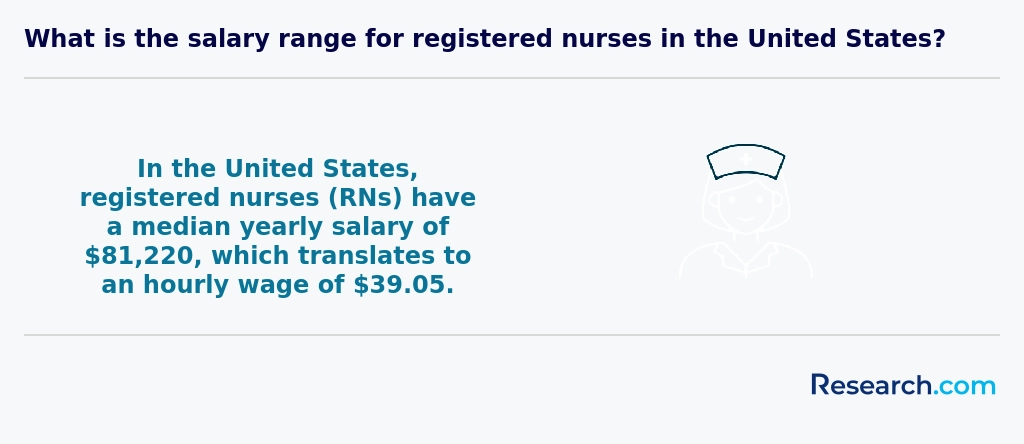
Wages for registered nurses average around $75,000 statewide, with specialized roles like nurse practitioners earning significantly more. This aligns with experiences relayed by alumni who transitioned smoothly into higher-paying positions after earning advanced degrees online. The state's licensing system supports graduates from accredited programs, ensuring their credentials are respected widely. For students researching costs and value, several institutions offer competitive tuition, and you can discover options by exploring cheap online masters.
Those pursuing online nursing jobs in Pennsylvania report satisfaction in career flexibility, meaningful patient care, and advancement potential. These elements combine to create a hopeful and practical professional outlook for many entering the nursing field through these accessible degree pathways.
2027 Most Affordable Online Master's in Nursing Degree Programs Ranking in Pennsylvania
Investing in your education is a significant decision that can shape your future, and the Research.com team understands the importance of making informed choices. To assist prospective students in Pennsylvania, we have meticulously crafted the "2027 Most Affordable Online Master's in Nursing Degree Programs Ranking in Pennsylvania." Our commitment to quality, credibility, and accuracy is reflected in the extensive research and analysis conducted to compile this ranking.
We utilized the following reputable data sources to ensure a comprehensive evaluation of nursing programs:
By exploring this ranking, readers will gain valuable insights into the most affordable and quality online nursing master's programs available in Pennsylvania, helping them make confident and informed decisions about their educational paths. For more details on our methodology, please visit our Research.com methodology page.


# 5 position
Penn State University Park
Master of Nursing



Frequently Asked Questions About nursing
Online nursing degree students in Pennsylvania can maximize their learning by actively engaging with their coursework and peers. Participating in virtual discussions and study groups helps reinforce key concepts and build a professional network. Pennsylvania has over 50 accredited nursing programs, many offering robust online platforms designed for flexible learning, according to the Pennsylvania State Board of Nursing.
Students should utilize simulation labs and clinical partnerships provided by their programs to gain hands-on experience, which is crucial in nursing education. Managing time effectively and setting a regular study schedule is also essential to balance coursework with personal and professional responsibilities. Accessing state nursing resources and licensing information from the Pennsylvania State Board supports career readiness.
The nursing field in Pennsylvania is expanding into several emerging niches that reflect changing healthcare needs. One notable area is gerontological nursing, driven by the state's aging population-Pennsylvania ranks among the top states for residents over 65, according to the U.S. Census Bureau. This increases demand for nurses specializing in elderly care and chronic disease management.
Another growing sector is informatics nursing, which merges patient care with data management and technology. With healthcare systems adopting electronic health records widely, there's an acute need for nurses skilled in both clinical practice and IT.
Additionally, psychiatric-mental health nursing is gaining importance as mental health awareness grows. The Pennsylvania Department of Health highlights shortages in behavioral health staff, underlining opportunities for specialized nurses in this niche.
After completing an online nursing degree in Pennsylvania, preparing for the job market requires strategic steps. First, obtaining Pennsylvania state licensure by passing the NCLEX-RN exam is essential. The Pennsylvania State Board of Nursing oversees this licensing process.
Networking is vital; joining local chapters of professional organizations like the Pennsylvania State Nurses Association (PSNA) can connect graduates with employers. Additionally, internships or clinical experiences gained during the degree add practical skills, enhancing employability.
According to the Pennsylvania Department of Labor & Industry, registered nursing jobs in the state are projected to grow by 7% from 2022 to 2032, signaling positive career prospects.
Finally, crafting a strong resume that highlights both clinical skills and online learning adaptability can impress healthcare employers statewide.
Employers in Pennsylvania highly value nursing graduates who demonstrate strong clinical skills and critical thinking. According to the Pennsylvania State Nurses Association, top skills include patient assessment, medication administration, and effective communication. These abilities are essential for ensuring patient safety and quality care.
In addition, teamwork and adaptability are critical due to the fast-paced healthcare environment. Nurses must collaborate with multidisciplinary teams and adjust to evolving protocols, especially in hospitals and long-term care facilities common in Pennsylvania.
Technological proficiency is increasingly important as well, with electronic health records widely used across the state's healthcare settings.
Finding internships relevant to a nursing degree in Pennsylvania involves leveraging several local and state resources. Many online nursing programs partner with hospitals, clinics, and public health organizations within Pennsylvania to offer quality clinical experiences. The Pennsylvania State Board of Nursing requires hands-on clinical practice, which often comes through accredited internships. You can explore opportunities with large healthcare systems such as Penn Medicine or UPMC, which frequently offer internships and clinical placements to nursing students.
Additionally, the Pennsylvania Center for Nursing provides data and support for clinical education, which can help students identify internship openings in the state's nursing workforce.
Contacting your online program's clinical coordinator is crucial, as they often facilitate placements and maintain relationships with regional healthcare sites. You can also search the Pennsylvania Department of Health website for information on nursing internships and clinical programs across the state.
Internship availability may vary, but according to Pennsylvania Department of Labor statistics, the demand for nurses in Pennsylvania is projected to grow by 10% through 2028, indicating ample clinical placement opportunities for nursing students statewide.
Obtaining an online nursing degree in Pennsylvania can significantly enhance career mobility and advancement opportunities. Online programs often offer flexibility, allowing working nurses to pursue higher education without interrupting their employment. This flexibility is crucial in Pennsylvania, where the demand for advanced nursing roles is growing.
According to the Pennsylvania Center for Nursing Workforce, registered nurses with a bachelor's or master's degree have better chances of moving into leadership, specialized clinical roles, or educational positions. Hospitals and healthcare facilities in the state increasingly prefer candidates with advanced degrees.
Additionally, online degrees accredited by the Commission on Collegiate Nursing Education (CCNE) or the Accreditation Commission for Education in Nursing (ACEN) meet Pennsylvania's licensing board requirements, ensuring graduates remain eligible for licensure and certification advancements.
Studying for a nursing degree in Pennsylvania offers strong preparation for interdisciplinary roles in healthcare settings. Pennsylvania's nursing programs emphasize collaboration with professionals from medicine, social work, and pharmacy to ensure holistic patient care. According to the Pennsylvania Department of Health, nearly 60% of healthcare jobs require teamwork across disciplines, highlighting the importance of these skills.
Online nursing degrees in Pennsylvania integrate courses on communication, care coordination, and health informatics, preparing students to work effectively within diverse healthcare teams. This interdisciplinary focus aligns with national trends promoted by the American Association of Colleges of Nursing, which advocates for interprofessional education to improve patient outcomes.
When choosing between a thesis and a non-thesis nursing degree program in Pennsylvania, consider your career goals and learning preferences. Thesis programs focus on research and prepare students for roles in academia or advanced clinical research. Non-thesis options emphasize practical skills and are often preferred by nurses aiming for leadership or advanced practice roles without heavy research involvement.
Online programs in Pennsylvania vary; some require a final project instead of a thesis, catering to working professionals. According to the Pennsylvania State Board of Nursing, 70% of graduate nurses pursue clinical advancement, favoring non-thesis paths. Assess program curriculum, faculty expertise, and your long-term plans before deciding.
Students based in Pennsylvania who wish to study nursing abroad while pursuing an online degree have limited direct options due to accreditation and licensure requirements. Most Pennsylvania nursing programs adhere to U.S. standards set by bodies like the Commission on Collegiate Nursing Education (CCNE) or the Accreditation Commission for Education in Nursing (ACEN), which focus on domestic accreditation.
However, some Pennsylvania institutions offer global clinical partnerships or study abroad components within their online nursing programs, allowing students to gain international experience while completing their American-accredited degree. These arrangements ensure that clinical hours meet Pennsylvania Board of Nursing requirements. According to the Pennsylvania State Board of Nursing, licensure eligibility depends on program accreditation rather than location.
Students interested in international study should verify that any abroad experiences align with U.S. licensure prerequisites to avoid complications when applying for Registered Nurse (RN) or Advanced Practice Registered Nurse (APRN) credentials in Pennsylvania.
Part-time job opportunities in Pennsylvania that complement nursing degree education include roles such as certified nursing assistants (CNAs), medical assistants, and home health aides. These positions provide hands-on patient care experience, essential for nursing students to apply theoretical knowledge. According to the Pennsylvania Department of Labor & Industry, CNAs earn a median wage of around $15 per hour, making this role accessible for students balancing work and studies.
Hospitals and long-term care facilities in Pennsylvania often hire part-time staff, allowing nursing students to gain exposure in diverse healthcare settings. Additionally, some students work as pharmacy technicians or medical scribes to enhance their understanding of clinical workflows.
Engaging in these jobs not only supports financial stability but also strengthens resumes for future nursing licensure and employment.
Online nursing students in Pennsylvania have several opportunities to build professional networks despite studying remotely. Many universities offer virtual events, webinars, and discussion boards where students connect with peers and faculty. For example, the Pennsylvania State Nurses Association regularly hosts online workshops and networking sessions tailored to students and professionals in the state.
Additionally, students can join statewide nursing organizations such as the Pennsylvania Action Coalition, which promotes collaboration and mentorship in nursing education and practice. These organizations often facilitate connections to Pennsylvania healthcare employers, increasing job prospects post-graduation.
Clinical placements within Pennsylvania also enable students to network locally while gaining practical experience, an essential component supported by most accredited programs.
Alumni networks provide valuable support for online nursing degree students in Pennsylvania by fostering professional connections and mentorship opportunities. Graduates often share job openings, advice, and guidance, helping current students navigate the competitive healthcare environment. According to the Pennsylvania State Nurses Association, strong professional networks increase employment prospects by up to 25% for recent nursing graduates.
These networks also promote continuing education and skill development, essential in a state with evolving healthcare standards. By engaging with alumni, students gain insights into Pennsylvania's specific medical workforce demands and licensing processes.
Therefore, alumni networks bridge the gap between academic training and practical career advancement in nursing statewide.
Online nursing degree programs in Pennsylvania offer various ways to customize your education to align with your career goals. Many schools allow students to choose specialized tracks, such as family nurse practitioner, nurse educator, or healthcare leadership. This helps focus your studies on areas with strong local demand. For example, Pennsylvania's growing aging population increases the need for geriatric nursing specialists.
Students can also select electives that suit their interests within clinical practice, research, or administration. Some programs provide flexible clinical placement options, enabling you to gain experience in preferred healthcare settings across Pennsylvania. According to the Pennsylvania State Board of Nursing, nearly 90% of online nursing graduates find employment in their specialization within six months, demonstrating the value of tailored programs.
Flexible scheduling and part-time options help balance study with work, which is crucial for working professionals. To ensure your academic and career goals align, it's advised to consult with academic advisors and explore Pennsylvania Board of Nursing requirements for advanced nursing roles.
Online nursing students in Pennsylvania often face several key challenges. One major hurdle is balancing clinical requirements with remote coursework. Pennsylvania's nursing programs require in-person clinical hours, which can be difficult to schedule alongside work and family commitments.
Additionally, students may encounter technological barriers, such as unreliable internet access or lack of familiarity with learning management systems. According to a 2023 Pennsylvania Board of Nursing report, about 15% of nursing students expressed difficulties adapting to online learning platforms.
Another challenge is limited peer interaction and networking opportunities, which can impact skill development and professional growth. Access to local clinical placements can also vary by region, affecting students in rural areas disproportionately.
With an online nursing degree in Pennsylvania, graduates can pursue a variety of professional certifications that enhance career opportunities. Common certifications include the Certified Nurse Practitioner (CNP), Clinical Nurse Specialist (CNS), and Certified Nurse Educator (CNE).
Many nurses also seek credentials like the Certified Registered Nurse Anesthetist (CRNA) or Certified Nurse Midwife (CNM) after completing advanced degrees.
These certifications require passing national exams administered by organizations such as the American Nurses Credentialing Center (ANCC) or the National Certification Corporation (NCC). In Pennsylvania, licensed nurses benefit from access to continuing education programs, helping maintain certification status. According to the Pennsylvania State Board of Nursing, about 30% of registered nurses pursued advanced certification in 2022, reflecting strong professional development trends in the state.
To write a winning application for an online nursing program in Pennsylvania, start by carefully reviewing the specific program requirements and prerequisites. Many programs require a current RN license, a minimum GPA (often around 3.0), and relevant clinical experience. Highlight your professional experience and dedication to nursing in your personal statement.
Be sure to provide strong letters of recommendation from nursing supervisors or educators who can attest to your skills and work ethic. Additionally, include any certifications or continuing education courses you have completed. According to the Pennsylvania Department of Education, having a well-organized application with clear documentation helps increase your chance of acceptance.
Finally, some programs may require GRE scores or essays focused on your career goals in nursing. Tailoring your responses to demonstrate your understanding of Pennsylvania's healthcare needs can help your application stand out.
Nursing is recognized worldwide as a vital and respected profession, offering diverse opportunities across countries. For students in Pennsylvania considering online nursing degrees, understanding global perspectives highlights the increasing demand for qualified nurses everywhere.
According to the World Health Organization, there is a global shortage of nearly 6 million nurses, which impacts patient care and health outcomes internationally. In the United States, including Pennsylvania, the Bureau of Labor Statistics projects a 9% growth in registered nursing jobs by 2032, reflecting similar trends worldwide.
Many nations emphasize advanced nursing education and specialization to improve healthcare systems. Pennsylvania's online nursing programs align with these standards, preparing graduates to meet both local and international healthcare challenges.
Gaining practical experience is an essential component of pursuing an online nursing degree in Pennsylvania. Despite the remote coursework, students must complete clinical hours in local healthcare settings. Many universities partner with Pennsylvania hospitals, clinics, and long-term care facilities to help students fulfill these requirements.
Students typically arrange their clinical placements near their residence, allowing hands-on learning under supervision. The Pennsylvania State Board of Nursing mandates clinical practice hours for licensure, ensuring students gain real-world skills.
Additionally, some programs offer simulation labs or virtual clinical experiences to supplement direct patient care. Resources like the Pennsylvania Action Coalition provide guidance for clinical training opportunities within the state.
Choosing the right concentration within an online nursing degree program in Pennsylvania depends on your career goals and local healthcare demands. Popular concentrations include Family Nurse Practitioner, Nurse Educator, and Psychiatric-Mental Health Nursing. According to the Pennsylvania Department of Labor & Industry, demand for nurse practitioners is growing faster than average in the state, reflecting a need for advanced clinical roles.
Consider certifications required by the Pennsylvania State Board of Nursing for each specialty. Also, evaluate the curriculum's alignment with Pennsylvania's healthcare policies and clinical placement options. Research schools accredited by the Commission on Collegiate Nursing Education (CCNE) to ensure quality education.
Finally, assess how each concentration fits your personal interests and long-term professional plans.
- 2027 Most Affordable Online Master's in Nursing Degree Programs Ranking in New Jersey
- 2027 Most Affordable Online Master's in Nursing Degree Programs Ranking in New York
- 2027 Most Affordable Online Master's in Nursing Degree Programs Ranking in Ohio
- 2027 Most Affordable Online Master's in Nursing Degree Programs Ranking in Virginia
- 2027 Most Affordable Online Master's in Nursing Degree Programs Ranking in Massachusetts
- 2027 Most Affordable Online Master's in Nursing Degree Programs Ranking in Kentucky
- 2027 Most Affordable Online Master's in Nursing Degree Programs Ranking in North Carolina
- 2027 Most Affordable Online Master's in Nursing Degree Programs Ranking in Tennessee
- 2027 Most Affordable Online Master's in Nursing Degree Programs Ranking in South Carolina
- 2027 Most Affordable Online Master's in Nursing Degree Programs Ranking in Indiana
See What Experts Have To Say About Studying Nursing
Read our interview with Nursing experts

Lisa Grubb
Nursing Expert
Assistant Professor
Johns Hopkins School of Nursing

- Nursing (BSN) | York College of Pennsylvania https://www.ycp.edu/academics/programs/nursing
- 14 Graduate Nursing Scholarships for Pennsylvania RNs https://nursingcecentral.com/14-graduate-nursing-scholarships-for-pennsylvania-rns/
- York College of Pennsylvania | RN to BSN Online Degree https://onlinenursing.ycp.edu/
- Online Nursing Schools in Pennsylvania: Exploring Programs https://www.edumed.org/online-schools/nursing-rn-programs/pennsylvania/
- Nursing Foundation of Pennsylvania Scholarship Program https://thenfp.org/scholarship-program/
- Nursing Scholarships & Financial Aid Resources | AACN https://www.aacnnursing.org/students/scholarships-financial-aid
- EDUCATIONAL - SEPABNA https://www.sepabna.org/educational
- Best Online Nursing Programs in Pennsylvania https://www.onlineu.com/degrees/nursing/pennsylvania
- 7 Nursing School Tips for Studying https://www.denvercollegeofnursing.edu/blog/nursing/7-Nursing-School-Tips-for-Studying.html
- How to become a nurse in Pennsylvania https://www.allnursingschools.com/how-to-become-a-nurse/pennsylvania/


