2027 Most Valuable Online Doctorate in Nursing Degree Programs Ranking in New Jersey

Co-Founder and Chief Data Scientist
Choosing the right online doctorate in nursing degree program can shape your future career and impact your life positively. For New Jersey students, this article introduces the 2027 Most Valuable Online Doctorate in Nursing Degree Programs Ranking in New Jersey, created by the Research.com team of data scientists.
This ranking is designed to help you make an informed decision by highlighting programs that offer strong value and quality education. Pursuing a nursing doctorate opens doors to advanced opportunities and personal growth, making it a rewarding journey.
Explore the rankings to find the best fit for your goals and take a confident step toward your nursing career.
Key benefits of getting online nursing degree in New Jersey
- Nursing degree graduates in New Jersey, such as Advanced Practice Registered Nurses, can expect a mean annual wage of $128,490, offering strong financial rewards for their expertise.
- Graduates from popular New Jersey universities often find diverse career paths, including Family Nurse Practitioner and Psychiatric Nurse Practitioner roles, providing flexible options to match their interests.
- Completing a nursing degree online from well-known New Jersey schools allows for greater schedule flexibility and work-life balance, making it easier to earn a degree while managing personal commitments.
- 2027 Most Valuable Online Doctorate in Nursing Degree Programs Ranking in New Jersey
- What can I expect from online nursing degree in New Jersey?
- Where can I work with online nursing degree in New Jersey?
What can I expect from online nursing degree in New Jersey?
When it comes to the cost of an online nursing degree in New Jersey, many students find it to be surprisingly affordable compared to on-campus programs. For example, graduates from schools like Rutgers University or Stockton University often share that they paid in-state tuition rates, which can be a big help when budgeting. The price usually ranges from around $10,000 to $25,000 for full programs like an RN-to-BSN, depending on the school and how long it takes to finish.
Many students also talk about how scholarships and financial aid made a real difference, allowing them to keep working part-time while studying without stressing about money. It's pretty common to juggle work and classes, thanks to the flexibility of online learning, which eases financial worries and keeps motivation high.
Plus, since New Jersey's online nursing programs often include real clinical hours locally-like at Hackensack Meridian Health-students get hands-on experience without extra travel costs, which balances out the expenses nicely.
Where can I work with online nursing degree in New Jersey?
If you earn an online nursing degree in New Jersey, you've got a lot of great career doors opening for you. Graduates from schools like Rutgers University-Newark or Fairleigh Dickinson University often find jobs in big hospital systems such as Hackensack Meridian Health or RWJBarnabas Health, where they care for patients in bustling ERs or specialized units. It's pretty common to hear from grads who love the fast pace and meaningful impact of hospital work.
But it's not just hospitals. Many grads land roles in community health centers or public health departments, especially in areas where healthcare access is still growing. Imagine working on health education programs or helping manage chronic illnesses-that's really rewarding stuff. Plus, with telehealth booming lately, nurses can work remotely, checking in with patients over video calls, which many say offers fantastic work-life balance.
For those who go further and become nurse practitioners or specialists, New Jersey's full practice authority means you can run your own clinics or work independently-something grads from sets like Monmouth University appreciate as a game changer for their careers.
If you're thinking about getting an online nursing degree in New Jersey, you're probably wondering what kind of paycheck you can expect. On average, advanced nursing roles like nurse practitioners-families, adults, psychiatric, and acute care specialists-all pull in about $128,490 a year in New Jersey. That's pretty solid, especially when you consider you can earn this after finishing a flexible online program from schools like Rutgers or Rowan University.
Graduates from these programs often share how rewarding it is to balance work and study, knowing that a better salary is waiting. Starting nurses with a Bachelor of Science in Nursing (BSN) may see salaries around $65,000 to $75,000, but moving up to an MSN or DNP through online classes can boost earnings significantly. Plus, those with specialized certifications typically find themselves making closer to $90,000 or more, especially in big cities like Newark or Jersey City where demand is high.
So, if you're aiming for a nursing career in New Jersey, online degree programs offer a smart path to growing both skills and income without putting your life on hold.
- Online nursing degrees in New Jersey often use a hybrid model, combining remote coursework with local clinical practice to meet state standards.
- Tuition for an associate degree in nursing (ADN) ranges from $8,000 to $20,000 for in-state students, while Bachelor of Science in Nursing (BSN) programs cost between $30,000 and $60,000.
- The average starting salary for registered nurses (RNs) in New Jersey is about $65,000 per year, with experienced nurses earning between $85,000 and $95,000 annually.
- Nursing employment in New Jersey is projected to grow by 12% through 2030, which is faster than the average for all jobs.
- Students must pass the NCLEX-RN exam and complete clinical hours at approved locations in New Jersey to obtain RN licensing.
If you're wondering how long it takes to finish an online nursing degree in New Jersey, it really depends on what type of program you pick and your previous experience. For example, many graduates from community colleges around New Jersey find that an Associate Degree in Nursing (ADN) usually takes about 2 to 3 years. That's enough time to gain the basics and get ready for the NCLEX-RN exam.
Now, if you're aiming for a Bachelor of Science in Nursing (BSN), it can be a full-time, four-year commitment-but plenty of folks who already have an ADN or another bachelor's degree manage to speed things up by enrolling in RN-to-BSN or accelerated BSN programs online. These take just around 12 to 24 months, which is perfect for busy nurses balancing work and life in places like Rutgers or Seton Hall.
For those going for advanced degrees like an MSN, grads say it usually takes about 1.5 to 3 years, depending on the specialty and how flexible the schedule is. Doctoral programs like the DNP can stretch to 3 to 4 years, but some nurses who already have an MSN can find accelerated options that get them there faster.
Lots of students highlight how balancing part-time study and juggling clinical hours is doable thanks to online formats, making the whole journey feel much more manageable.
Ensuring your online doctorate in nursing program is properly accredited and meets New Jersey’s licensure requirements is critical for career success. New Jersey Board of Nursing approval and accreditation by recognized bodies-such as the Commission on Collegiate Nursing Education (CCNE) or the Accreditation Commission for Education in Nursing (ACEN)-guarantee that your education aligns with state standards and qualifies you to sit for the National Council Licensure Examination for Registered Nurses (NCLEX-RN) or advanced practice licensure exams. Key steps and considerations: 1. Confirm Program Approval - Verify that your chosen institution holds active approval from the New Jersey Board of Nursing. This status ensures your degree will be recognized for licensure application and practice within the state. 2. NCLEX-RN and Advanced Practice Exams - After completing your doctorate or postmaster’s coursework, apply for the NCLEX-RN if transitioning from registered nursing to advanced practice, or register with the New Jersey Board for the Nurse Practitioner Certification Examination. 3. Clinical Hour Documentation - Maintain detailed records of all supervised clinical hours. The Board requires official transcripts and clinical verification forms to confirm you’ve met the mandatory clinical practice requirements in a state-approved setting. 4. Background Check and Jurisprudence Exam - New Jersey mandates a criminal background check and passage of the state jurisprudence exam covering nursing laws and regulations. Schedule these early to avoid licensure delays. 5. Endorsement for Out-of-State Graduates - If your program is based outside New Jersey, ensure it’s accredited and Board-approved for interstate endorsement. Graduates from such programs may need to submit additional documentation, including course descriptions and syllabi. 6. Continuing Education and Renewal - Once licensed, fulfill the Board’s continuing education (CE) requirements every two years. Many graduates supplement their practice with accelerated post masters fnp certificate programs to maintain competencies and expand clinical skills. By following these accreditation and licensure guidelines, you safeguard your investment in education and accelerate your transition from student to practicing nurse leader in New Jersey.
If you're thinking about a nursing degree in New Jersey, picking between online and on-campus really comes down to how you like to learn and live your day-to-day. Graduates from Rutgers or Monmouth University often tell me how stepping into campus life gave them hands-on practice in labs and real-time chats with professors that helped build their confidence quickly. That face-to-face vibe is perfect if you love the buzz of a classroom and access to campus resources.
On the flip side, lots of students juggling jobs or family find online nursing programs super convenient. Picture logging into class after the kids are asleep or squeezing study time in between shifts-this flexibility is a lifesaver. Even though lectures and discussions happen online, in-person clinical hours still happen locally, sometimes at one of New Jersey's many hospitals. A graduate from Stockton University shared how this setup pushed them to get really disciplined but also saved on commute and housing costs. So, it's all about what fits your lifestyle while making sure you get quality clinical experience.
Accreditation by recognized bodies such as the Commission on Collegiate Nursing Education (CCNE) or the Accreditation Commission for Education in Nursing (ACEN) is essential for ensuring academic quality and eligibility for federal financial aid. New Jersey online doctorate programs must also hold approval from the New Jersey Board of Nursing, which guarantees that curricula meet state standards and prepare graduates for licensure. Upon program completion, graduates are eligible to sit for the NCLEX-RN (or the appropriate APRN certification exam), and programs with high pass rates-often exceeding 90%-demonstrate a strong track record of student success. Prospective students should verify both institutional accreditation and state board approval before enrolling, and may compare program quality and cost by reviewing rankings such as the Most Affordable Online Nursing Degree Programs Ranking in Wisconsin, which highlights institutions recognized for their value and rigorous standards.
If you're thinking about an online nursing degree in New Jersey, the average cost can really vary depending on where you study and what level you're aiming for. Many students find that public universities in the state offer online nursing programs for around $7,000 to $15,000 per year if you're an in-state student. That's pretty reasonable compared to private schools, where tuition can jump up to $25,000 or even as high as $60,000 annually, especially for specialized graduate programs like a doctorate.
Graduates from popular schools like Rutgers or Thomas Edison State University often mention how factoring in additional fees-books, supplies, and technology costs-adds about $1,000 to $2,000 each year. It's also good to keep in mind that fees for clinical placements or per-credit costs can sneak in and change the total overall price. These extra expenses are something you'll want to budget for if you want to avoid surprises.
For many New Jersey students, the real challenge is balancing tuition with life outside of school. Luckily, there are scholarships, financial aid, and employer tuition programs that can ease the financial load. If you want to explore affordable options, here's a useful resource showing the cheapest nursing school in new jersey-a great place to start your search.
When looking at the average cost of online nursing degree in New Jersey, graduate degrees typically cost more than undergraduate ones, sometimes doubling in price. But many students say the investment feels worth it when they land jobs as nurse practitioners or advanced care nurses at New Jersey hospitals.

When evaluating an online doctorate in nursing degree in New Jersey, ensuring proper accreditation and meeting state licensing requirements is non-negotiable. Accredited programs are vetted by recognized bodies-primarily the Commission on Collegiate Nursing Education (CCNE) and the Accreditation Commission for Education in Nursing (ACEN)-to guarantee that curricula meet rigorous academic and clinical standards. Before applying, verify that the institution holds CCNE or ACEN accreditation and that the program is approved by the New Jersey Board of Nursing. Accreditation safeguards educational quality and is essential for licensure: graduates of non-accredited programs may be ineligible to sit for the National Council Licensure Examination (NCLEX) or obtain advanced practice credentials. Many New Jersey online programs publish their NCLEX pass rates and DNP completion statistics; aim for schools with pass rates above the state average and strong clinical placement partnerships. Licensure in New Jersey also requires criminal background checks, proof of clinical hours, and submission of official transcripts. For doctoral candidates, additional requirements may include verification of master’s-level practice hours and portfolio assessments. Internationally educated nurses should confirm that their credentials are evaluated by a recognized credentialing agency before enrollment. Finally, while DNP and PhD tracks focus on leadership, research, and evidence-based practice, aspiring LPNs and RNs should also explore state-approved pathways. For those considering practical nursing roles as a stepping stone or parallel option, check out these online lpn programs that meet New Jersey’s licensing prerequisites. By choosing an accredited and Board-approved program, you ensure a seamless transition from graduation to licensure and lifelong career growth in nursing.
If you're diving into an online nursing degree in New Jersey, there's good news: plenty of financial aid options can make this journey a bit easier. Many nursing students at popular schools like Rutgers University or Thomas Edison State University share how completing the FAFSA opened doors for them - especially through Pell Grants, which can cover thousands and don't need to be paid back.
State programs like NJ STARS have been a game changer for community college grads transferring into four-year nursing programs, helping slash tuition bills dramatically. Plus, scholarships from groups like the New Jersey State Nurses Association often feel like a personal boost, with merit- and need-based awards specifically designed for nursing hopefuls.
Some grads also mention tuition reimbursement options available if you're working with certain hospitals or health systems while studying online. And don't overlook federal loans, especially subsidized ones where interest won't pile up while you're in class - that relief can really ease stress.
Loan forgiveness programs like PSLF? They're perfect if you plan to serve in public health jobs here in Jersey after graduation. Many students find that reaching out to their school's financial aid office uncovers even more tailored help to keep the dream of becoming a nurse fully affordable.
Choosing between a Doctor of Nursing Practice (DNP) and a PhD in Nursing depends on your career goals and whether you prefer clinical leadership or research scholarship.
- DNP focuses on advanced clinical practice, healthcare policy, quality improvement and translating evidence into patient care. Graduates often serve as nurse practitioners, clinical leaders or executive directors.
- PhD emphasizes original research, theory development and teaching at the university level. Career paths include academic faculty, research scientist or policy analyst.
- Program length: DNP programs typically take 2–3 years post-MSN, including a practice immersion or capstone project; PhD tracks require 3–5 years, with a dissertation and research publications.
- Prerequisites: Both require an MSN or equivalent, but PhD applicants may need demonstrated research experience, while DNP candidates show clinical proficiency.
- Outcome metrics: Compare NCLEX pass rates for NP tracks in DNP programs and publication or grant success for PhD graduates to ensure program quality.
For affordable NP pathways that align with DNP clinical concentrations, explore cheap np programs.
If you're looking to enroll in an online nursing degree in New Jersey, you'll need to have a high school diploma or GED first - that's the starting line. Many students from popular schools like Rutgers or Stockton share how submitting official transcripts with strong science and math courses really helped pave their way. Subjects like biology and anatomy aren't just boxes to check; they actually prepare you for the real-deal nursing work ahead.
For those going the RN-to-BSN route or aiming for grad-level nursing programs, an active RN license from the New Jersey Board of Nursing is a must. Graduates often mention how having their license and some hands-on clinical hours gave them a big confidence boost before jumping into advanced studies online.
Don't forget the TEAS exam - a lot of NJ nursing programs require it to make sure you're ready academically. Plus, there are health checks like immunizations and background screenings, which might seem annoying but keep everyone safe during clinical placements.
Overall, these prerequisites may seem like a lot at first, but many students find they're manageable stepping stones that really set you up for success in New Jersey's nursing field.
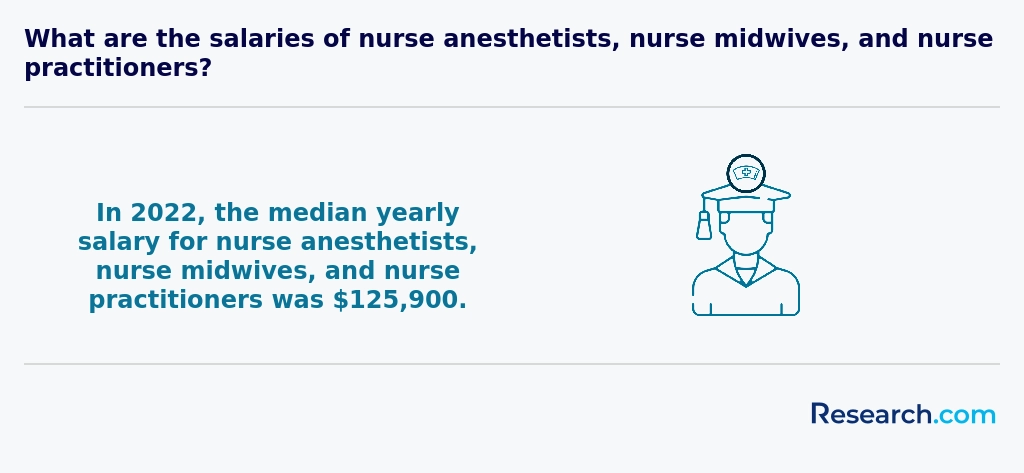
When considering the financial aspects of pursuing an online nursing degree in New Jersey, it's essential to factor in not just the tuition costs but also the potential return on investment. Many students find that the cost of their education is significantly offset by the higher salaries they can command upon graduation. For those looking to minimize their expenses, exploring options for the cheapest nursing school in new jersey can be a strategic move. This approach allows students to invest wisely in their future, ensuring that they can reap the benefits of their nursing education without being overly burdened by debt. By weighing the costs against the potential career outcomes, aspiring nurses can make informed decisions that align with their financial situation and professional aspirations.
If you're diving into an online nursing degree in New Jersey, you'll tackle a bunch of essential courses that really build your skills for the real world. Graduates from schools like Rutgers and Stockton often mention how courses like anatomy, physiology, and microbiology helped them understand what's going on inside the human body-super useful when you're caring for patients. You'll also get into pharmacology, which is all about the meds nurses give every day, and health assessment, where you learn to spot important signs and symptoms before anyone else does.
Many students find nursing theory and practice really eye-opening because it's where you learn to think on your feet, making quick decisions in tricky situations. Plus, there's mental health nursing and community health-these classes remind you that nursing isn't just about hospitals but about helping people in their everyday lives. It's like getting a toolkit to handle anything that comes your way in New Jersey's diverse healthcare settings.
Nursing research and leadership classes also pop up later, especially if you're aiming to step into roles where you lead a team or improve how care is given. Those graduates often talk about how these courses gave them confidence to stand out and make a difference.
When you dive into online nursing specializations in New Jersey, you'll find options that really match what the state needs. Many students from popular schools like Rutgers or Stockton College swear by the Family Nurse Practitioner (FNP) track because it prepares them to provide primary care, which is incredibly valuable as New Jersey's population ages. Graduates often share how rewarding it feels to help local families stay healthy.
Other cool areas students explore include Psychiatric-Mental Health Nursing and Gerontological Nursing. These fields focus on mental health and elder care-huge priorities around here, especially with so many seniors in the community. Some also choose Informatics Nursing, blending tech and patient care, which fits well with New Jersey hospitals stepping up their digital game.
If you're thinking long-term, many schools offer pathways into Nursing Education or Healthcare Administration, perfect if you want to lead or teach future nurses. Plus, you might want to check out online lpn programs for more flexible entry points. These specializations really open doors for New Jersey nurses aiming to make a real impact in their communities.
New Jersey online nursing doctorate programs also offer advanced dives into these areas, ideal if you're aiming to climb higher professionally while studying from home.
When picking the best online nursing degrees New Jersey has to offer, start by checking if the program is properly accredited-schools connected with the Commission on Collegiate Nursing Education or the Accreditation Commission for Education in Nursing usually have your back. Graduates from well-known universities in NJ often share how important accreditation was for passing the NCLEX-RN and landing jobs locally.
Think about what kind of degree fits your life: maybe a BSN if you're just starting out, or an MSN if you want to level up your nursing career. Many find that programs at public universities in New Jersey deliver solid education without the headache of sky-high tuition, making affordable online nursing doctorate NJ options realistic for busy students balancing work and family.
Nursing is hands-on, right? So definitely look for online programs that offer local clinical placements with nearby hospitals or clinics. That way you get real-world experience without uprooting your life. And if you're craving faster routes, don't miss accelerated post masters fnp certificate programs available in the state.
Picking a nursing program that's flexible, affordable, and well-connected in NJ will make your journey way smoother and more rewarding.
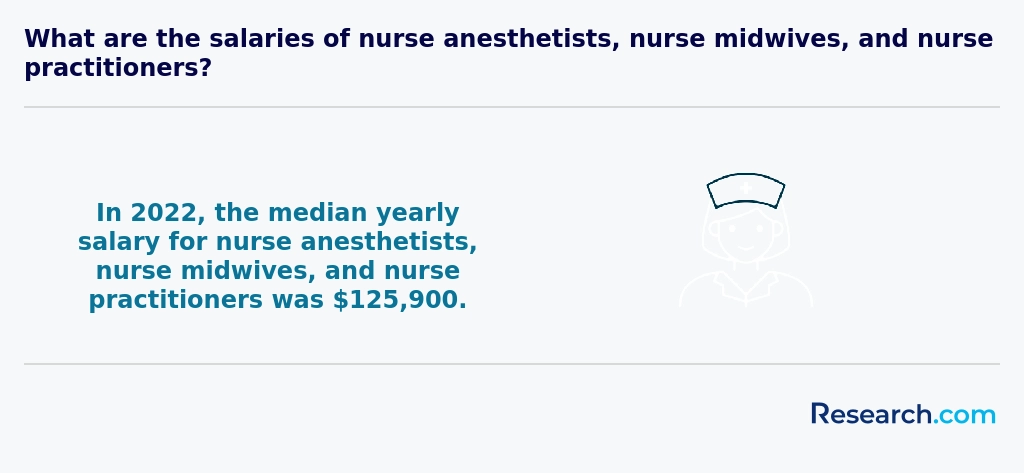
Graduates with an online nursing degree in New Jersey find themselves with a bunch of exciting career options. Many go straight into staff nurse roles at hospitals, outpatient centers, or long-term care facilities right in their communities. It's rewarding work, and being able to help patients face-to-face makes it feel well worth the effort. Others decide to level up by pursuing nurse practitioner or nurse anesthetist roles, which come with more responsibility and higher pay. These advanced nursing careers are especially popular among graduates from well-known New Jersey schools like Rutgers and Seton Hall.
Some grads love the idea of moving into nursing education or healthcare management, guiding the next wave of nurses or leading teams at medical centers. If you're into tech, healthcare informatics is a growing field here, blending nursing know-how with data analysis. New Jersey's diverse population means public health nursing roles are also super important, focusing on community wellness. For those curious about how to cut costs while exploring these career perspectives, check out the Most Affordable Online Nursing Degree Programs Ranking in Wisconsin. It's a handy resource that many New Jersey students have found useful when planning their path in the nursing world.
The job market for online nursing degree graduates in New Jersey is buzzing with opportunity. Many folks finishing their nursing programs at well-known schools like Rutgers or Stockton University find that hospitals and clinics across the state are eager to hire them. Whether you're aiming for a spot at a busy urban hospital or a cozy local clinic, nursing career opportunities in New Jersey are solid thanks to ongoing nursing shortages and a rapidly growing healthcare sector.
Graduates often share how the flexibility of online courses helped them juggle work and study while building essential skills. Plus, New Jersey's aging population means nurses are in demand, especially in settings like nursing homes or home health agencies. Salary-wise, registered nurses can expect an average around $83,000, which is pretty encouraging for those investing in their education.
If you want a career with a bright outlook, considering nursing in New Jersey is smart. Many students also check out the best college degrees for the future to plan wisely.
2027 Most Valuable Online Doctorate in Nursing Degree Programs Ranking in New Jersey
Investing in your education is a significant decision that can shape your future, and the Research.com team recognizes the importance of making well-informed choices. To guide prospective students interested in New Jersey's online doctorate in nursing programs, we have carefully developed the "2027 Most Valuable Online Doctorate in Nursing Degree Programs Ranking in New Jersey." Our dedication to quality, credibility, and accuracy is demonstrated through rigorous research and detailed analysis conducted to compile this ranking.
We utilized the following reputable data sources to ensure a comprehensive evaluation of these programs:
By reviewing this ranking, readers will gain valuable insights into the best online doctorate in nursing options in New Jersey, empowering them to make strategic decisions about their educational investments. For a deeper understanding of how this ranking was created, please visit our Research.com methodology page.


Frequently Asked Questions About nursing
Online nursing degree students in New Jersey can maximize their learning experience by actively engaging with their coursework and clinical practice. The New Jersey Board of Nursing requires clinical hours for licensure, so students should arrange local clinical placements early. Utilizing state resources like the New Jersey Center for Nursing can provide valuable support and networking opportunities.
Students should also take advantage of interactive online tools and live sessions offered by accredited programs, as these improve understanding and retention. According to the National League for Nursing, students who participate regularly in virtual study groups score higher on licensing exams. Time management is crucial, especially balancing work and study commitments common among New Jersey nursing students.
The nursing field is rapidly evolving, with several emerging niches gaining importance. In New Jersey, areas such as geriatric nursing and psychiatric mental health nursing are experiencing higher demand due to an aging population and increased focus on mental health. According to the New Jersey Department of Labor, employment for registered nurses is projected to grow by 7% through 2030, particularly in specialized roles.
Advanced practice roles like nurse informatics and nurse educators are also expanding. These roles support healthcare technology and the training of new nurses, addressing current workforce shortages. Online nursing degrees in New Jersey often offer tracks specializing in these niches to meet market needs.
After completing an online nursing degree in New Jersey, preparing for the job market requires strategic steps to enhance employability. First, graduates should obtain New Jersey state licensure by passing the NCLEX-RN exam, which is mandatory to practice as a registered nurse. According to the New Jersey Board of Nursing, over 40,000 active RNs contribute to a growing healthcare workforce.
Networking and joining professional organizations, like the New Jersey State Nurses Association, can provide valuable connections and job leads. Additionally, gaining clinical experience through internships or volunteer work improves practical skills demanded by employers.
Continuing education and specialization certifications help nurses stay competitive amid increasing demand driven by New Jersey's aging population and healthcare expansions.
Employers in New Jersey highly value nursing graduates who demonstrate strong clinical skills, critical thinking, and effective communication. According to the New Jersey Board of Nursing, practical knowledge of patient care protocols and familiarity with electronic health records are essential competencies.
New Jersey's healthcare sector emphasizes teamwork and adaptability due to its diverse patient population. Graduates with leadership experience and cultural competency tend to have an advantage in local hospitals and clinics.
Data from the U.S. Bureau of Labor Statistics shows a growing demand for nurses skilled in telehealth and technology integration, reflecting trends in online nursing education programs statewide.
Finding nursing internships in New Jersey requires a strategic approach, especially for online nursing students. Start by contacting nursing programs at New Jersey colleges, as many maintain relationships with local hospitals and clinics offering clinical placements. The New Jersey Board of Nursing also lists approved healthcare facilities that frequently host interns.
Healthcare systems like Hackensack Meridian Health and RWJBarnabas Health provide internship and practicum opportunities tailored to nursing students. Networking through professional groups such as the New Jersey Nurses Association can increase chances of securing internships.
According to the New Jersey Department of Labor, nursing roles are projected to grow significantly, increasing demand for clinical experience. Early inquiries and applying directly to hospitals can improve internship outcomes.
Online nursing degrees in New Jersey significantly enhance career mobility by providing flexible education options that accommodate working professionals. Nurses with advanced online degrees, such as a Bachelor's or Master's in Nursing, often qualify for higher-level positions in hospitals, clinics, and public health organizations.
The New Jersey Department of Labor projects a 16% growth in registered nurse employment through 2030, making advanced credentials increasingly valuable for job seekers. Online programs approved by the New Jersey Board of Nursing ensure graduates meet state licensure requirements.
Additionally, online nursing degrees can open pathways to specialized roles like nurse practitioner or healthcare administration, which typically offer higher salaries and leadership opportunities.
According to the Bureau of Labor Statistics, New Jersey nurses with graduate degrees earn approximately 20% more than those with only a diploma or associate degree, reflecting clear advancement benefits.
Studying for a nursing degree in New Jersey equips students to work effectively in interdisciplinary healthcare teams. New Jersey nursing programs emphasize collaboration between nurses, physicians, social workers, and other health professionals. Coursework often includes communication skills, ethics, and team-based care models, preparing graduates for coordinated patient management.
The state's healthcare system supports teamwork due to its diverse population and complex care needs. According to the New Jersey Board of Nursing, over 25% of nurses work in settings requiring close interdisciplinary cooperation, such as hospitals and community clinics. This practical focus helps students gain real-world experience in shared decision-making and patient advocacy.
Online nursing degrees in New Jersey also incorporate clinical simulations and virtual collaborations, enhancing students' adaptability in team environments across various healthcare settings.
Choosing between a thesis and a non-thesis nursing degree program in New Jersey depends on your career goals and learning preferences. A thesis option typically involves conducting original research, which is ideal if you aim to pursue a PhD or work in academic or research settings. It allows deeper exploration of a specific nursing topic and hones skills in data analysis and scientific writing.
Non-thesis programs focus more on practical knowledge and advanced clinical skills, suitable for those targeting leadership or specialized nursing roles without a research emphasis. In New Jersey, the Board of Nursing supports both formats, aligning with national standards from the American Association of Colleges of Nursing. According to the New Jersey Nursing Initiative, over 60% of advanced practice nurses prefer non-thesis programs for faster workforce entry.
Consider your professional plans and the type of expertise you wish to develop before deciding. Many online programs in New Jersey offer flexible options catering to either pathway, enabling you to balance work, study, and personal commitments efficiently.
Students based in New Jersey seeking to study nursing abroad typically explore online programs offered by internationally accredited universities. While physically relocating may be challenging, many institutions provide fully online nursing degrees allowing global access. It is crucial that these programs align with New Jersey Board of Nursing requirements for licensure to ensure eligibility after graduation.
Some New Jersey students consider joint programs or partnerships between U.S. and foreign schools, enabling credit transfer and clinical placements locally. According to the New Jersey State Nurses Association, verifying a program's accreditation and curriculum compatibility is essential.
Additionally, international study options may include completing theoretical coursework online paired with clinical practice in New Jersey health facilities, balancing global education with U.S. licensure standards.
In New Jersey, part-time jobs that complement nursing degree education often include roles such as certified nursing assistant (CNA), medical scribe, or pharmacy technician. These positions provide practical patient care experience and enhance clinical knowledge, both essential for nursing students. According to the New Jersey Department of Labor, CNAs earn an average hourly wage of $15 to $18, allowing students to support themselves financially while gaining valuable skills.
Medical scribing offers exposure to healthcare documentation and electronic health record systems, crucial for modern nursing practice. Pharmacy technician roles help students understand medication management.
Online nursing students in New Jersey benefit from diverse networking opportunities despite studying remotely. Many accredited programs partner with regional hospitals and healthcare providers, offering virtual events and local clinical placements. This enables students to connect with practicing nurses and health professionals within the state's healthcare system.
Professional organizations such as the New Jersey State Nurses Association (NJSNA) provide members with access to workshops, conferences, and online forums. These platforms are valuable for exchanging knowledge, finding mentors, and exploring job openings in New Jersey's nursing market, which employed over 130,000 registered nurses in 2022, according to the Bureau of Labor Statistics.
Additionally, online cohorts and alumni groups from New Jersey-based universities often maintain active social media communities. These networks foster peer support, collaboration, and sharing of local opportunities, which is essential for building a strong professional foundation in nursing within the state.
Alumni networks offer significant benefits for online nursing degree students in New Jersey by providing valuable professional connections. These networks allow students to engage with experienced nurses who understand the local healthcare landscape, including key employers like Atlantic Health System and RWJBarnabas Health.
Networking through alumni groups can lead to job referrals and mentorship opportunities. In New Jersey, where the nursing workforce is expected to grow by 7% through 2028 according to the U.S. Bureau of Labor Statistics, such connections are crucial for career advancement.
Students also gain access to continuing education resources and exclusive job postings shared within these networks, enhancing their long-term professional development.
Customizing an online nursing degree program in New Jersey enables students to align their education with specific career goals. Many programs offer specialty tracks such as family nurse practitioner, psychiatric nursing, or nurse educator, allowing focused skill development. Students can also select elective courses relevant to advanced clinical practice or leadership roles.
Online schools in New Jersey often provide flexible credit transfer policies, which help nurses with existing licenses or degrees accelerate their programs. Additionally, clinical placement options can be tailored to local healthcare facilities, ensuring practical experience in preferred specialties.
According to the New Jersey Board of Nursing, registered nurses in the state benefit from advanced certifications linked with higher salaries, reinforcing the importance of program customization for career growth.
Online nursing students in New Jersey often face unique challenges related to balancing coursework with clinical requirements. While theory courses can be completed online, the New Jersey Board of Nursing mandates in-person clinical hours, which can create scheduling and commuting difficulties. Additionally, students may encounter limited local clinical placement options due to high demand in healthcare facilities across the state.
Technical issues, such as unstable internet connections, also affect many learners, especially those in rural areas with less broadband access. According to the Federal Communications Commission, nearly 10% of New Jersey residents lack reliable high-speed internet, impacting their online study experience.
Finally, the rigor of nursing programs combined with work and family commitments leads to high stress levels among online students.
With an online nursing degree in New Jersey, graduates can pursue several professional certifications to enhance their careers. Popular certifications include the Certified Nurse Practitioner (CNP), Certified Nurse Educator (CNE), and the American Nurses Credentialing Center (ANCC) certifications across specialties like gerontology and pediatrics.
The New Jersey Board of Nursing requires licensure through the NCLEX-RN exam before certification eligibility. Nurses often pursue advanced certifications to meet state healthcare demands, as New Jersey ranks among the top states for nurse practitioner employment, according to the Bureau of Labor Statistics (2023).
Additional certifications, such as Certified Registered Nurse Anesthetist (CRNA) or Clinical Nurse Specialist (CNS), require advanced degrees but are accessible with proper online doctoral pathways. These certifications improve job prospects and reflect advanced expertise in specialized care.
Writing a winning application for an online nursing program in New Jersey requires careful preparation and clear communication of your qualifications. Start by thoroughly researching the program's requirements, as many New Jersey nursing schools emphasize clinical experience and standardized test scores, like the TEAS. Highlight your practical nursing hours and any relevant certifications, such as CPR or CNOR, which strengthen your candidacy.
Focus on crafting a compelling personal statement that explains your motivation for pursuing nursing and how an online degree fits your career goals. According to the New Jersey Board of Nursing, a strong application also demonstrates understanding of state healthcare needs and commitment to patient care.
Finally, secure strong letters of recommendation from clinical supervisors or academic mentors who can attest to your skills and professionalism, as these significantly impact admissions decisions in competitive nursing programs.
Nursing is a globally respected profession with expanding opportunities across many countries. In the United States, including New Jersey, the demand for nurses grows steadily due to an aging population and increased healthcare needs. According to the New Jersey Center for Nursing, the state expects a 15% growth in nursing jobs by 2030, reflecting a broader global trend of rising healthcare demands.
Internationally, nursing roles vary but share core values of patient care and health promotion. The World Health Organization highlights nursing as essential to strengthening health systems worldwide. For students in New Jersey pursuing online nursing degrees, this global demand translates into diverse career paths and potential for cross-border employment.
Globally, advanced nursing education such as doctorates enhances leadership and research roles, which are also priorities in New Jersey's healthcare sector. Such qualifications align with international standards and opportunities to contribute to global health initiatives.
Gaining practical experience is essential when pursuing an online nursing degree in New Jersey. Most accredited programs require clinical hours that students must complete in healthcare settings. These placements often happen locally to accommodate online learners, ensuring hands-on training in hospitals, clinics, or long-term care facilities within New Jersey.
The New Jersey Board of Nursing mandates specific clinical requirements depending on the degree level and specialty. For example, a typical Doctor of Nursing Practice (DNP) program may require over 1,000 supervised clinical hours. Students often arrange their practicum experiences through their school's partnerships with local healthcare providers.
Additionally, using New Jersey's extensive healthcare network, including renowned facilities like Hackensack Meridian Health, can offer diverse clinical opportunities. Online students should verify that their program has strong local clinical ties to meet state licensure requirements effectively.
Choosing the right concentration within an online nursing degree program in New Jersey involves assessing your career goals and local healthcare needs. Popular specializations include family nurse practitioner, psychiatric-mental health, and nurse educator roles.
New Jersey ranks among the states with a high demand for advanced practice nurses, especially in primary care and mental health (Bureau of Labor Statistics, 2023). Reviewing employment trends in the state can help you align your choice with job opportunities.
Consider program accreditation and whether it prepares you for relevant New Jersey licensure exams. Also, evaluate curriculum flexibility and clinical placement support, crucial for online learners balancing work and study.
- 2027 Most Valuable Online Doctorate in Nursing Degree Programs Ranking in Pennsylvania
- 2027 Most Valuable Online Doctorate in Nursing Degree Programs Ranking in Virginia
- 2027 Most Valuable Online Doctorate in Nursing Degree Programs Ranking in Massachusetts
- 2027 Most Valuable Online Doctorate in Nursing Degree Programs Ranking in Ohio
- 2027 Most Valuable Online Doctorate in Nursing Degree Programs Ranking in Kentucky
- 2027 Most Valuable Online Doctorate in Nursing Degree Programs Ranking in South Carolina
- 2027 Most Valuable Online Doctorate in Nursing Degree Programs Ranking in Georgia
- 2027 Most Valuable Online Doctorate in Nursing Degree Programs Ranking in Michigan
- 2027 Most Valuable Online Doctorate in Nursing Degree Programs Ranking in Florida
- 2027 Most Valuable Online Doctorate in Nursing Degree Programs Ranking in Illinois
See What Experts Have To Say About Studying Nursing
Read our interview with Nursing experts

Lisa Grubb
Nursing Expert
Assistant Professor
Johns Hopkins School of Nursing

- Best Online Nursing Programs in New Jersey https://www.onlineu.com/degrees/nursing/new-jersey
- Nursing School in North Brunswick, New Jersey https://www.chamberlain.edu/nursing-school/new-jersey/north-brunswick
- Nursing Scholarships & Financial Aid Resources | AACN https://www.aacnnursing.org/students/scholarships-financial-aid
- 166 Most Affordable Nursing Programs in New Jersey (2026) https://mynursingschools.com/affordable-nursing-programs/new-jersey
- Nursing, AAS https://eicollege.edu/academics/associates/nursing/
- Nursing AAS, Degrees | Programs Near Me https://www.ccm.edu/programs/nursing/
- Accelerated Bachelor of Science in Nursing (BSN) https://www.tesu.edu/degrees-programs/bachelors/accelerated-bsn/index.php
- Career Paths in Nursing | Blog https://www.raritanval.edu/news/career-paths-in-nursing/
- Nursing Education at Eastwick | Compassionate Caregivers https://eastwick.edu/articles/cultivating-compassionate-caregivers-the-eastwick-approach-to-nursing-education/
- Online Nursing Schools in New Jersey: Explore Top ... https://www.edumed.org/online-schools/nursing-rn-programs/new-jersey/