2027 Best Nursing Degree Programs Ranking in Honolulu

Co-Founder and Chief Data Scientist
Choosing the right nursing degree program in Honolulu can shape your future career and personal growth. Our article features the 2027 Best Nursing Degree Programs Ranking in Honolulu, created by the Research.com team of data scientists to provide you with clear, data-driven insights.
By reading this guide, you'll discover valuable information to help you make an informed decision about your education and career path. Nursing offers rewarding opportunities to make a positive impact, and this ranking highlights programs worth considering for your success.
Key benefits of getting nursing degree in Honolulu
- Salary benefits: Graduates with a nursing degree in Honolulu can earn competitive wages, such as $94,480 annually for roles like Registered Nurse or Public Health Nurse, and up to $128,490 for specialized positions like Operating Room Nurse.
- Career paths: Nursing graduates from popular Honolulu colleges often find diverse opportunities in hospitals, community health, and education, allowing them to choose fulfilling roles aligned with their passions.
- Online degree advantages: Completing a nursing degree online from Honolulu-based programs offers flexibility and convenience, empowering students to balance studies with life commitments while gaining the same quality education as traditional courses.
- 2027 Best Nursing Degree Programs Ranking in Honolulu
- What can I expect from nursing degree in Honolulu?
- Where can I work with nursing degree in Honolulu?
What can I expect from nursing degree in Honolulu?
The average cost of pursuing a nursing degree in Honolulu varies depending on the program and institution. For example, ADN programs at community colleges like Kapiolani typically cost between $8,000 and $12,000 for in-district students, which makes them a practical choice for those balancing finances and education. Graduates often share how this affordability allowed them to focus on clinical experience without heavy financial stress.
BSN programs at the University of Hawaii at Manoa tend to be higher, ranging from $20,000 to $35,000, reflecting the comprehensive curriculum and advanced training provided. Students often highlight the value of strong connections with local hospitals, which enhances job prospects after graduation, making the investment worthwhile.
Many nursing students emphasize budgeting for additional expenses such as textbooks, uniforms, and certification exams like the NCLEX-RN. Some find that applying for financial aid and scholarships offered through Honolulu's programs significantly eases the overall cost burden, allowing them to concentrate on mastering nursing skills in culturally rich and diverse clinical settings.
Where can I work with nursing degree in Honolulu?
Graduates with a nursing degree from institutions like the University of Hawaii at Manoa often find rewarding employment in Honolulu's well-established hospital systems such as The Queen's Medical Center and Kaiser Permanente. These facilities offer diverse roles, from bedside RNs to nurse practitioners, providing hands-on experience in fast-paced environments that recent graduates appreciate for their teamwork and learning opportunities.
Others pursue careers in community health centers or private clinics, where nursing roles focus on primary care and chronic disease management. One graduate shared how working at a neighborhood clinic deepened their connection to patients, making their job feel impactful and fulfilling.
Home healthcare is a growing path, especially with Honolulu's aging population needing skilled care at home. Graduates often report satisfaction balancing personal visits with flexible schedules, which public health nursing programs at local colleges prepare them well for.
Long-term care facilities and public sector jobs, like roles with the Hawaii State Department of Health, also provide promising, stable careers. Nurses here enjoy building lasting relationships while contributing to community wellness.
Graduates from nursing programs in Honolulu, such as those at the University of Hawaiʻi at Mānoa or Honolulu Community College, can expect competitive earnings reflecting the local healthcare demand. Registered nurses typically earn a mean annual wage of about $94,480, aligning with data for Clinical Nurse Educators, Public Health Nurses, and Emergency Room Nurses. This steady salary provides a strong foundation for graduates entering the workforce.
For those advancing their education or specializing further, opportunities to increase income are clear. Operating Room Nurses in Honolulu, for example, earn significantly more, with mean annual wages around $128,490. This jump highlights how gaining experience or certifications in specialized areas can boost financial prospects.
Real-life graduates often share how starting salaries near $70,000 to $85,000 grow quickly with experience, especially when working night shifts or weekends where additional pay applies. Choosing a local nursing school brings practical advantages, like networking with area hospitals that recognize the rigor of these programs.
- Annual tuition for nursing degrees in Honolulu ranges from $10,000 to $25,000, with community colleges and state universities typically costing less than private schools.
- The demand for Registered Nurses (RNs) is strong due to Honolulu's aging population and growing healthcare facilities on Oahu.
- Entry-level nurses can expect an average starting salary of about $65,000 per year, which may increase to around $90,000 with experience and further qualifications.
- Passing the NCLEX-RN exam is required to become a licensed nurse in Honolulu, and local schools often include exam preparation in their programs.
- There are diverse job opportunities, including hospitals, clinics, and specialized fields like geriatrics, pediatrics, and emergency care.
Completing a nursing degree in Honolulu varies widely depending on your starting point and program choice. Many students at Honolulu Community College find success finishing an Associate Degree in Nursing (ADN) in about 2 to 3 years, which prepares them for the RN licensure exam quickly and affordably. Graduates often feel motivated knowing they can start working in the healthcare field sooner.
If you aim for a Bachelor of Science in Nursing (BSN), plan for a full 4 years of study, as offered by the University of Hawai'i at Mānoa. Students there balance rigorous nursing theory with clinical practice, gaining confidence through extensive hands-on experience that directly translates to better job prospects and higher earning potential.
For those who already have a bachelor's degree, accelerated BSN tracks in Honolulu allow completion in as little as 12 to 18 months. This intensive focus excites many learners focused on quickly transitioning into nursing careers without redundant coursework.
Advanced roles like nurse practitioners require an additional 2 years of study for an MSN after the BSN, demanding dedication but opening doors to specialized, rewarding positions.
Aspiring nurses in Honolulu seeking faster entry into the healthcare field can explore a variety of accelerated and bridge programs tailored to different educational backgrounds. For high school graduates or career changers, certificate tracks such as Practical Nursing offer condensed curricula that blend foundational nursing theory with hands-on clinical experiences. Many local institutions partner with hospitals to ensure these programs meet Hawaii Board of Nursing requirements while maintaining high NCLEX-PN pass rates. Registered Nurses aiming to advance their credentials can benefit from LPN-to-RN bridge programs. These pathways build on practical nursing skills, allowing licensed practical nurses to complete an Associate Degree or Bachelor of Science in Nursing in as little as 12–18 months. When evaluating these options, prospective students often research accelerated timelines and ask can you become an lpn in 6 months to determine if a fast-track LPN program aligns with their career goals. For those holding a non-nursing bachelor’s degree, direct-entry accelerated BSN programs condense core nursing coursework and clinical rotations into 11–16 months, integrating key subjects like advanced pharmacology, pathophysiology, and leadership. Additionally, Honolulu’s universities offer accelerated MSN tracks for individuals with a BSN in another field, combining graduate-level theory with specialized practicums in roles such as Nurse Practitioner or Clinical Nurse Specialist. Key considerations for selecting an accelerated program include accredited status by CCNE or ACEN, NCLEX pass rates above 90%, clinical placement partnerships with premier medical centers like The Queen’s Medical Center, and comprehensive student support services. By leveraging these alternative pathways, students can strategically reduce time to licensure and jumpstart rewarding nursing careers in Honolulu’s dynamic healthcare environment.
Online nursing degrees in Honolulu offer flexibility that suits working adults or those managing family responsibilities. Graduates often appreciate being able to study coursework remotely at their own pace, making it easier to balance life and education. For example, students enrolled online at institutions offering accredited programs can avoid daily commuting and housing costs while still completing required clinical hours locally.
On the other hand, traditional on-campus programs, like those at the University of Hawaiʻi at Mānoa, provide a hands-on learning environment with direct access to instructors and immediate peer support. Graduates frequently find that in-person clinical placements at Honolulu's medical centers boost confidence and help build professional networks through face-to-face interactions.
Both pathways meet Hawaiʻi's licensing requirements and include essential clinical training, but cost structures differ. Online students may save on non-tuition expenses, though technology fees can apply. Prospective students should weigh their learning style, schedule flexibility, and desire for a social campus experience when choosing their program.
To make informed decisions about their educational paths, prospective nursing students in Honolulu, HI, must consider the financial implications of pursuing a nursing degree. Understanding the costs associated with nursing programs, such as tuition, fees, and living expenses, is crucial for creating a realistic budget. For instance, students can expect to pay around $10,000 per year for in-state tuition at institutions like the University of Hawaii at Manoa. Additionally, exploring options for financial aid, such as scholarships, grants, and loans, can help mitigate these costs. Students can also research the most affordable nursing programs in Hawaii to find programs that fit their budget. By carefully planning and budgeting, aspiring nurses can ensure that they are adequately prepared to invest in their future without undue financial burden.
The average nursing degree cost in Honolulu typically ranges around $30,874 for in-state students, reflecting the more affordable tuition rates found at public institutions such as the University of Hawai'i at Mānoa. Graduates from these programs often share that attending a local university helps them balance quality education with manageable expenses. However, for those studying as out-of-state students or attending private colleges like Hawaii Pacific University, the costs can rise significantly, nearing a median total of $53,169. These figures align with real student experiences highlighting the importance of financial planning to cover tuition, fees, and other educational needs.
Students pursuing nursing degrees in Honolulu find that additional costs beyond tuition, such as clinical fees ranging between $1,000 and $3,000, textbooks, and lab equipment, also contribute to the overall financial commitment. Many graduates emphasize how scholarships, federal aid, and community grants were essential in mitigating these expenses, helping them focus on their studies and clinical practice without constant financial stress.
For prospective students mindful of the cost of nursing program in Honolulu, exploring local financial aid opportunities and comparing the detailed tuition packages at various institutions is vital. A practical step is researching the most affordable nursing programs in Hawaii, which can offer a clearer view of budget-friendly options and resources available specifically for nursing students on the islands.
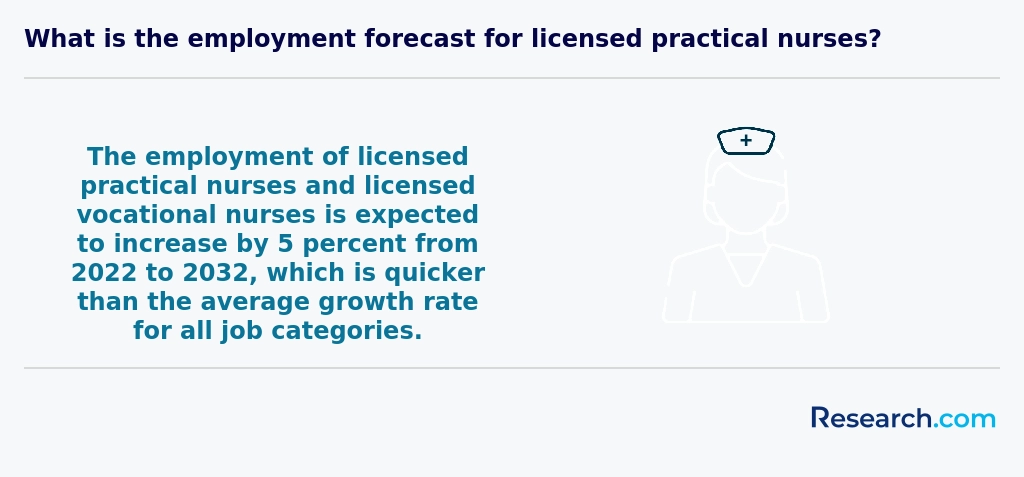
Evaluating the return on investment (ROI) for a nursing degree in Honolulu is essential for prospective students weighing tuition costs against future earnings. On average, a four-year BSN program in Honolulu carries total expenses of $89,556 to $211,392; assuming a mid-range investment of $150,000 and a mean RN salary of $89,010, graduates can expect to recoup their education costs in roughly two to three years of full-time employment. Factoring in loan interest and living expenses, the break-even point typically falls between three and five years-a competitive payback period compared to other high-demand professions. For those pursuing advanced credentials, an MSN program in Honolulu averages $28,060 to $78,820 in tuition, with graduates often entering roles that command mean salaries above $100,000. Even at the upper tuition limit, the ROI remains strong: a $78,820 investment against a conservative $100,000 starting salary yields a payback period under two years. To minimize educational debt and maximize ROI, some students explore lower-cost online master’s options; for example, our Affordable Online Master's in Nursing Degree Programs Ranking in the West highlights programs with reduced tuition and flexible schedules, allowing nurses to work while they learn. Beyond salary figures, ROI also encompasses intangible benefits-job security in a field with projected 6% growth through 2031, opportunities for specialization that boost earning potential, and employer-sponsored loan forgiveness programs. By comparing program costs, expected salaries, and available financial aid, students can select the nursing pathway in Honolulu that delivers the highest long-term value.
Nursing students in Honolulu commonly rely on a mix of financial aid options tailored to their needs. For example, graduates from the University of Hawaii at Manoa often start by submitting the FAFSA to unlock federal support like Pell Grants, which can cover up to $7,895 annually without repayment.
Many find scholarships from organizations such as the American Association of Colleges of Nursing or the Hawaii State Center for Nursing essential. These funds have helped local students manage tuition while strengthening their commitment to serving Hawaii's communities.
Loan forgiveness programs like the Hawaii State Loan Repayment Program are especially popular among Kapiolani Community College nursing graduates, as these programs forgive loans in exchange for service in underserved areas, providing relief after graduation.
Employment-based aid from Honolulu hospitals adds another layer of support. Students working while studying appreciate tuition reimbursement programs that reduce debt and often lead to rewarding jobs.
Institutional scholarships based on merit and need from local colleges make the dream of nursing school achievable for many. These resources combined create a practical pathway to success amid the challenges of nursing education in Honolulu.
Many aspiring nurses in Honolulu seek faster routes to their RN credentials without sacrificing quality. Accelerated BSN programs are designed for students who already hold a bachelor’s degree in another field, condensing core nursing coursework into 12–18 months. These intensive tracks combine online lectures with local clinical placements, enabling candidates to sit for the NCLEX-RN sooner than in traditional programs. For licensed practical nurses (LPNs) or vocational nurses looking to leverage their hands-on experience, specialized bridge options exist. In particular, lpn to rn online bridge programs allow working professionals to complete RN coursework remotely while fulfilling clinical requirements at Honolulu’s healthcare facilities. These programs typically run 6–12 months and emphasize advanced patient assessment, leadership, and evidence-based practice. Similarly, RN-to-BSN and RN-to-MSN bridge tracks cater to RNs aiming to expand their scope of practice and increase earning potential. Online RN-to-BSN programs let students maintain full-time employment, completing general education and upper-division nursing classes via an asynchronous format. For those pursuing advanced practice roles, RN-to-MSN pathways integrate master’s-level coursework in specialties such as family nurse practitioner or nursing education, shortening the time to graduation through credit transfers and accelerated terms. Before enrolling, candidates should verify program accreditation by CCNE or ACEN, review NCLEX-RN pass rates, and consider partnerships with clinical sites like The Queen’s Medical Center. By choosing the right accelerated or bridge program, Honolulu nurses can swiftly advance their careers and respond to the region’s growing demand for highly educated nursing professionals.
To enroll in a nursing degree program in Honolulu, you must first have a high school diploma or GED. For example, graduates from Honolulu Community College often share how completing essential courses like biology, chemistry, and math helped them feel prepared for the challenging nursing curriculum ahead.
Many nursing programs in the area require a minimum grade of C in these prerequisite courses, which builds a solid academic foundation. Alongside your transcripts, be ready to submit to a background check and maintain up-to-date immunizations, as these are mandatory for clinical work in local healthcare facilities.
Standardized test scores like the ACT or SAT may be requested, although some schools now value healthcare experience or community service just as highly. English proficiency, often demonstrated through tests like TOEFL for international candidates, is crucial given the patient communication demands in nursing careers.
Applicants from universities such as the University of Hawaii at Manoa highlight how submitting a personal statement and recommendation letters helped showcase their dedication and boosted their chance of acceptance.

Graduating from an accredited nursing program in Honolulu is just the first step. To begin practicing, applicants must secure state licensure through the Hawaii Board of Nursing.
Steps to licensure:
- Earn your nursing degree from a CCNE or ACEN-accredited institution in Honolulu.
- Register for and pass the NCLEX-RN exam.
- Apply online with the Hawaii Board of Nursing, submitting official transcripts, fingerprint clearance, and required fees.
- Receive your Hawaii RN license and complete any initial orientation requirements.
Renewal and continuing education:
- Renew your license biennially with at least 30 hours of approved continuing education.
- Pursue specialty certifications (e.g., CCRN, CPN) to enhance clinical expertise and career prospects.
Registered nurses holding an ADN can advance their credentials and fulfill BSN requirements through affordable rn to bsn online programs, opening doors to leadership and specialized roles.
Nursing degree programs in Honolulu include a blend of essential courses designed to prepare students for real-world nursing challenges. At institutions like the University of Hawaii at Manoa, students typically take Human Anatomy and Physiology to thoroughly understand the body's structure, which graduates often recall as crucial during clinical rotations at local hospitals.
Microbiology and Pharmacology courses are standard, providing vital knowledge of infection control and safe medication administration-skills frequently praised by those entering busy healthcare environments around Oahu.
Nutrition and Nursing Fundamentals classes help students grasp patient care basics, while more specialized subjects like Medical-Surgical Nursing and Mental Health Nursing prepare them for diverse patient needs seen in community health settings.
Many students find Maternal and Child Health Nursing especially rewarding, connecting theory to hands-on experience in Honolulu's diverse populations. Leadership courses round out the curriculum, building confidence for future supervisory roles.
Nursing students in Honolulu typically encounter a broad range of specializations that equip them to meet the region's unique healthcare demands. Common areas of focus include gerontological nursing, tailored for the elderly population that is notably larger in Hawaii, and pediatric nursing, which emphasizes family-centered care essential for Honolulu's diverse communities.
Graduates from well-regarded colleges in Honolulu share that specialties like critical care nursing stand out due to local hospital needs, especially in intensive care units. Mental health nursing is another growing field, reflecting the state's commitment to behavioral health services.
Additional specializations available in these programs include obstetric and neonatal nursing, community health nursing, oncology nursing, and family nurse practitioner tracks. These cover a spectrum of practical skills and clinical experiences, preparing students for varied roles in Honolulu's healthcare system.
For those considering flexible pathways, many find programs offering lpn to rn online bridge programs helpful for advancing their careers while balancing work and studies. Choosing a program with strong clinical placements in Honolulu's medical centers can significantly enhance job prospects after graduation.
Focusing on nursing specializations available in Honolulu ensures students gain relevant expertise and confidence to thrive in demanding healthcare environments throughout the islands.
To choose the best nursing degree in Honolulu, start by identifying your career goals. Graduates from popular local colleges often emphasize how a Bachelor of Science in Nursing (BSN) opened doors to hospital roles, especially since many facilities now prefer BSN-prepared nurses. If you seek a faster entry, an Associate Degree in Nursing (ADN) can work, but consider bridging later to a BSN for broader opportunities. The quality of the program matters-look for schools accredited by CCNE or ACEN to ensure your education meets national nursing standards.
Cost is another key factor. Many students find affordable nursing degrees Honolulu public schools offer, with annual tuition between $7,000 and $15,000. Graduates appreciate clinical rotations at well-known hospitals, like The Queen's Medical Center, which boost confidence and real-world experience. Flexibility is often crucial; some programs offer part-time or online options for working students, and if you wonder about quicker paths, see if can you become an lpn in 6 months applies to your goals.
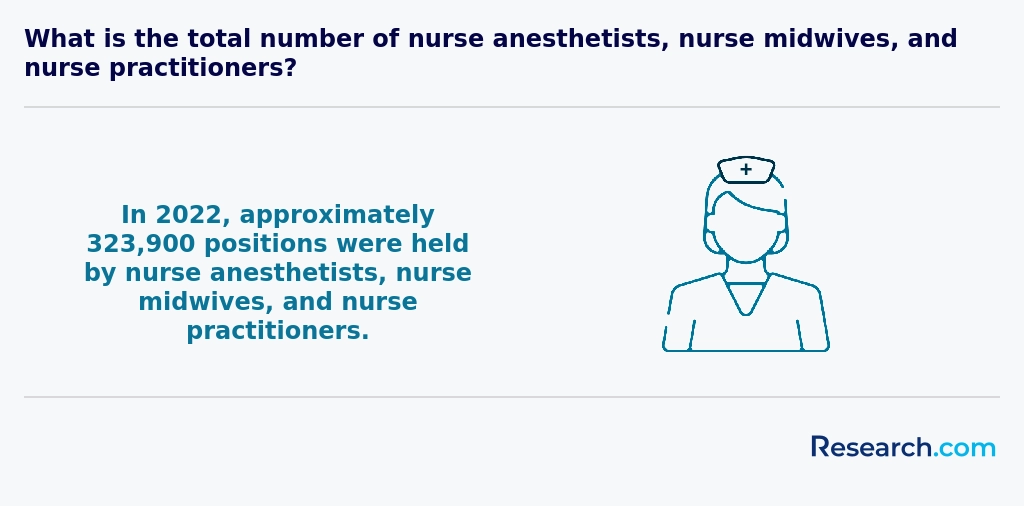
Graduates of nursing programs in Honolulu enjoy diverse nursing career opportunities in Honolulu that tap into the city's robust healthcare landscape. After earning a BSN or ADN from local institutions like the University of Hawaii at Manoa or Kapiolani Community College, many graduates secure roles as Registered Nurses (RNs), delivering patient care in hospitals such as The Queen's Health Systems. Others choose Licensed Practical Nurse (LPN) positions, finding rewarding work in nursing homes or outpatient centers. For those eager to advance, pursuing an MSN to become a Nurse Practitioner (NP) unlocks specialized roles in family or geriatric care, often with salaries exceeding $110,000 annually.
Graduates also explore roles as Clinical Nurse Specialists or Nurse Educators, where they improve care quality or train future nurses. Public Health Nurse positions allow involvement in community health initiatives, crucial in Honolulu's diverse population. Many students value programs offering clinical partnerships, which enhance job prospects for nursing graduates Honolulu by combining theory with hands-on experience. To explore advanced options, consider resources like the Affordable Online Master's in Nursing Degree Programs Ranking in the West for further education pathways.
The nursing degree job opportunities in Honolulu are strong, driven by local healthcare demands and an aging population. Graduates from institutions like the University of Hawaii at Manoa often find rewarding positions in nearby hospitals and clinics, where the average RN salary exceeds $97,000 annually, well above the national average. This favorable salary outlook makes pursuing a nursing degree in Honolulu especially appealing despite higher living and tuition costs.
Students report that gaining clinical experience through internships offered at Honolulu healthcare facilities significantly boosts job prospects. Many emphasize the advantage of continuing education programs available statewide, which help them develop specialized skills in areas such as geriatric and emergency nursing. These strategies make graduates highly competitive in the Honolulu nursing career outlook 2027.
For those considering cost-effective pathways, exploring 6-month certificate programs that pay well can provide quick entry into the field while building experience for long-term career growth. Overall, the job market supports steady employment growth and rewarding opportunities for nursing degree holders in Honolulu.
2027 Best Nursing Degree Programs Ranking in Honolulu
Investing in your education is a significant decision that can shape your future, and the Research.com team understands the importance of making informed choices. To assist prospective students in Honolulu, we have meticulously developed the "2027 Best Nursing Degree Programs Ranking in Honolulu." Our commitment to quality, credibility, and accuracy is demonstrated through thorough research and careful analysis conducted to compile this ranking.
We utilized the following reputable data sources to ensure a comprehensive evaluation of nursing programs:
By exploring this ranking, readers will gain valuable insights into the top nursing degree programs available in Honolulu, empowering them to make well-informed decisions about their educational paths. For more details on our methodology, please visit our Research.com methodology page.


Frequently Asked Questions About nursing
Nursing degree students in Honolulu can maximize their learning experience by engaging in hands-on clinical practice, which is often integrated into local programs. Honolulu's healthcare centers, like The Queen's Medical Center, provide diverse clinical settings that expose students to various patient populations and conditions.
Additionally, students should take advantage of community health initiatives in Hawaii to gain practical skills while contributing to local public health efforts. Joining nursing student associations also fosters networking and professional growth.
Academic success is supported by utilizing tutoring services and participating in study groups, as recommended by the University of Hawai'i at Mānoa's nursing faculty.
According to the Hawaii State Center for Nursing, over 70% of registered nurses in Honolulu hold a bachelor's degree or higher, highlighting the importance of pursuing advanced education and continuous skill development.
The nursing field in Honolulu is evolving with several emerging niches gaining attention. One rapidly growing area is **telehealth nursing**, which leverages technology to provide care remotely, particularly important in Hawaii's island geography. According to the Hawaii State Department of Health, telehealth visits increased by over 60% from 2020 to 2023. Another niche is **geriatric nursing**, driven by the state's aging population; nearly 20% of Hawaii's residents are over 65, requiring specialized care. Additionally, **palliative and hospice nursing** is expanding, focusing on comfort and quality of life for chronic illness patients. These niches offer new opportunities for nursing graduates in Honolulu's dynamic healthcare environment.
After completing a nursing degree in Honolulu, preparing for the local job market involves multiple important steps. First, graduates should obtain licensure by passing the NCLEX-RN exam, required for registered nurses in Hawaii. The Hawaii Board of Nursing provides application details and ensures candidates meet state-specific requirements.
Networking is crucial in Honolulu's healthcare community. Attending job fairs and joining professional groups like the Hawaii Nurses Association can connect new nurses with employers. According to the Hawaii Department of Labor, healthcare jobs are projected to grow faster than the state average, fueling demand for skilled nurses.
Gaining clinical experience through internships or volunteering at facilities such as Queen's Medical Center enhances employability. Strong communication and cultural competency skills are also valued in Hawaii's diverse population.
Employers in Honolulu seek nursing degree graduates who demonstrate strong clinical skills and patient care expertise. According to the Hawaii Board of Nursing, proficiency in evidence-based practice and accurate documentation are essential for entry-level nurses. Communication skills also rank highly, as nurses must effectively interact with patients, families, and healthcare teams in diverse settings.
Critical thinking and adaptability are vital, given Honolulu's dynamic healthcare environment and population needs. Familiarity with electronic health records and cultural competence, especially relating to Native Hawaiian and Pacific Islander communities, are increasingly important competencies for new graduates in the region.
Finding nursing internships in Honolulu involves several well-established steps for students pursuing nursing degrees. Many accredited nursing programs in Hawaii require clinical rotations, which double as internships. Students should start by contacting local institutions like Hawai'i Pacific Health or The Queen's Medical Center, as these health systems frequently offer internship opportunities to nursing students.
Additionally, the Hawaii State Center for Nursing provides guidance on clinical placements and may list healthcare facilities open to interns. According to the Hawaii Department of Labor and Industrial Relations, the healthcare sector in Honolulu employs a significant portion of the nursing workforce, making hospitals and outpatient clinics key internship venues.
Students can also explore internships through their college career services or nursing program advisors, who often have partnerships with local healthcare providers. Early application and maintaining good academic standing help secure competitive spots.
Obtaining a nursing degree in Honolulu significantly enhances career mobility and advancement opportunities within Hawaii's healthcare system. Registered nurses (RNs) holding a Bachelor of Science in Nursing (BSN) often have a competitive edge, as many employers such as The Queen's Health Systems prioritize BSN-prepared nurses for leadership roles and specialized positions.
According to the Bureau of Labor Statistics, Honolulu's demand for nurses is expected to grow 15% from 2022 to 2032, faster than the national average. This growth supports a diverse range of career paths, including nurse management, public health, and advanced practice roles.
The state also encourages continuing education, with Hawaii's Board of Nursing requiring ongoing professional development, which further benefits those with a formal nursing degree when seeking promotions. Nursing degrees thus provide foundational knowledge and credentials necessary to access higher salaries and expanded responsibilities in Honolulu's clinical and administrative settings.
Studying for a nursing degree in Honolulu offers a strong foundation for interdisciplinary roles within healthcare. Local programs emphasize collaboration between nurses, physicians, social workers, and other health professionals, reflecting Hawaii's integrated healthcare approach.
The University of Hawai'i at Mānoa, for example, integrates interdisciplinary learning in its Bachelor of Science in Nursing curriculum, promoting teamwork skills essential for diverse healthcare settings. According to the Hawai'i State Center for Nursing, nearly 40% of nursing graduates work in collaborative environments such as community clinics and hospitals.
Students gain practical experience through partnerships with local agencies, strengthening communication and problem-solving abilities vital in interdisciplinary care teams. This preparation equips graduates to contribute meaningfully across medical, social, and mental health disciplines.
Choosing between a thesis and a non-thesis nursing degree program in Honolulu depends largely on your career goals and learning preferences. A thesis program requires original research and is ideal if you plan to pursue advanced study or a research-based role. In contrast, a non-thesis program focuses more on clinical practice and coursework, suited for those aiming to enter or advance in nursing practice quickly.
Data from the Hawaii State Center for Nursing (2023) shows that about 60% of local nursing graduates enter clinical roles, suggesting demand for non-thesis paths. However, thesis programs may open doors to teaching or leadership positions in Honolulu's academic hospitals.
Students based in Honolulu seeking to study nursing abroad have several pathways under the U.S. higher education system. Many universities in Hawaii, including the University of Hawaii at Manoa, offer study abroad programs in collaboration with international nursing schools. These programs typically last from a few weeks to a full semester and include clinical experience and cultural immersion.
Additionally, students can participate in exchange programs through organizations such as the Institute of International Education (IIE), which promotes global nursing education. According to the Hawaii State Center for Nursing, about 12% of nursing students in Honolulu pursue some level of international education to enhance their skills.
Students should ensure that their foreign coursework meets accreditation standards recognized by the Commission on Collegiate Nursing Education (CCNE) to seamlessly transfer credits.
Students pursuing nursing degrees in Honolulu have several part-time job opportunities that complement their education. Working as a certified nursing assistant (CNA) or a home health aide provides valuable hands-on experience with patient care, which is essential in nursing. According to the Hawaii Department of Labor, CNAs in Honolulu earn an average hourly wage of $15 to $18, making this role financially viable for students.
Other options include medical receptionist positions or roles in outpatient clinics, where students can develop administrative and organizational skills while learning about healthcare workflows. These jobs often offer flexible hours to accommodate academic schedules.
Moreover, volunteering or working in long-term care facilities and hospitals in the Honolulu area helps build practical skills and networking opportunities, important for future employment in nursing.
Nursing students in Honolulu have multiple networking opportunities that can enhance their professional growth. Local institutions like the University of Hawaiʻi at Mānoa and Hawaiʻi Pacific University often host nursing-related events, workshops, and career fairs. These gatherings connect students with healthcare professionals, alumni, and potential employers.
Additionally, organizations such as the Hawaiʻi State Center for Nursing provide resources and events tailored to nursing students. The Hawaii Nurses Association offers membership benefits that include networking mixers and educational conferences.
Hospitals and clinics across Honolulu frequently offer internships and clinical placements, providing direct contact with practicing nurses and healthcare leaders. This hands-on experience fosters valuable connections within the local nursing community and can lead to job opportunities after graduation.
Alumni networks play a significant role for nursing degree students in Honolulu by providing valuable connections within the local healthcare community. These networks offer mentorship opportunities, linking students with experienced nurses who can guide their career development. According to the Hawaii State Center for Nursing, networking increases the chances of job placement, especially in Honolulu's competitive hospital environment.
Many alumni associations organize workshops and job fairs, helping students stay updated on the latest nursing practices and certification requirements. In a market where 45% of nursing positions are filled through recommendations, these networks enhance student employability.
Additionally, they create a support system for sharing resources and advice during clinical rotations and licensure preparation, helping students succeed academically and professionally.
Customizing a nursing degree program in Honolulu allows students to align their education with specific career goals. Many local institutions offer flexible curricula where students can choose concentrations such as gerontology, pediatrics, or community health. Adapting course selections helps address the region's healthcare needs, which are unique due to its aging population and diverse communities. Clinical placements in Honolulu's hospitals and clinics provide practical experience tailored to desired specialties. According to the Hawaii State Center for Nursing, over 30% of nursing roles in Honolulu require specialized skills, emphasizing the importance of focused training. Online and hybrid options also enable working professionals to customize pacing.
Nursing students in Honolulu face several typical challenges during their education. One major issue is the high cost of living in Hawaii, which often puts financial pressure on students balancing tuition, housing, and daily expenses. According to the Hawaii Business Magazine, Honolulu's living costs rank among the highest in the U.S., affecting many students' ability to focus fully on studies.
Another challenge is the competitive nature of clinical placements. With limited healthcare facilities on the islands, access to hands-on experience can be limited, requiring students to adapt quickly and sometimes travel off-island for training.
Additionally, rigorous coursework and long hours in demanding clinical environments contribute to high stress levels among students, as reported by the University of Hawaii Nursing Department.
With a nursing degree in Honolulu, graduates can pursue various professional certifications to advance their careers. Common certifications include the Registered Nurse (RN) license, which is essential for clinical practice across Hawaii. Nurses can also obtain specialty certifications such as Certified Nurse Practitioner (CNP), Certified Nurse Midwife (CNM), or Certified Registered Nurse Anesthetist (CRNA), each requiring additional education and exams.
The Hawaii Board of Nursing oversees licensing, ensuring compliance with national standards. Obtaining certifications may increase job opportunities, especially in Honolulu's growing healthcare sector, which saw a 15% employment growth between 2020 and 2023, according to the U.S. Bureau of Labor Statistics.
Other options include certifications in geriatrics, pediatrics, oncology, and palliative care, responding to Hawaii's diverse patient needs.
To write a winning application for a nursing program in Honolulu, start by thoroughly researching program requirements from schools such as the University of Hawaii at Manoa or Hawaii Pacific University. Emphasize your academic strengths, particularly in sciences like biology and chemistry, as competitive nursing programs often require strong GPA scores, typically around 3.0 or higher.
Include relevant healthcare experience, such as volunteering or working in medical settings, to demonstrate commitment and practical knowledge. Personal statements should clearly express your motivation for nursing and familiarity with Hawaii's unique healthcare landscape, which often involves serving diverse communities.
Strong letters of recommendation from academic or healthcare professionals are valuable to validate your skills and character. Finally, prepare for possible entrance exams and interviews by practicing responses that highlight your ability to work under pressure and compassion for patients. Data from the Hawaii State Center for Nursing notes a growing demand for nurses, making well-prepared applications increasingly important.
The nursing profession is viewed globally as a vital component of healthcare systems, reflecting a growing demand for well-trained nurses everywhere. In the United States, including Honolulu, registered nursing is among the fastest-growing occupations, with the U.S. Bureau of Labor Statistics projecting a 9% growth from 2020 to 2030. This trend is influenced by aging populations and increased chronic illnesses worldwide.
Internationally, nursing roles vary, but core skills such as patient care, communication, and critical thinking remain essential. Honolulu benefits from diverse cultural exchanges in nursing education due to its location, providing unique opportunities to learn global health perspectives.
Data from the Hawaii State Center for Nursing highlights an ongoing need for nursing professionals locally, aligned with global trends emphasizing interdisciplinary and community-based care.
Gaining practical experience while studying for a nursing degree in Honolulu is essential for building skills and confidence. Most accredited nursing programs in Honolulu, such as those at the University of Hawai'i at Mānoa and Kapi'olani Community College, include clinical rotations as part of their curriculum. These rotations typically place students in local hospitals, clinics, and community health centers, allowing hands-on learning under professional supervision.
Additionally, students can pursue internships and volunteer opportunities at Honolulu's major healthcare facilities like The Queen's Medical Center. This helps develop real-world experience and networking connections. According to the Hawaii State Center for Nursing, clinical hours required often range between 500 to 800 hours depending on the degree level.
Students are also encouraged to join nursing student organizations, which sometimes offer workshops and simulation labs to supplement clinical training.
Choosing the right concentration within a nursing degree program in Honolulu involves understanding your career goals and the needs of the local healthcare system. Honolulu offers programs focused on areas like acute care, geriatrics, pediatrics, and community health, reflecting Hawaii's diverse population and aging demographics.
The Hawaii State Department of Health reports a growing demand for nurses specializing in elder care and chronic disease management. Reviewing how each concentration addresses these needs can guide your decision.
Consider also the curriculum, clinical placement opportunities, and faculty expertise at Honolulu's institutions, as these factors influence practical experience and job readiness.
Licensing and certification requirements in Hawaii may vary by specialty, so verify these early with the Hawaii Board of Nursing to ensure your chosen path aligns with state regulations.
- 2027 Best Nursing Degree Programs Ranking in San Francisco
- 2027 Best Nursing Degree Programs Ranking in Los Angeles
- 2027 Best Nursing Degree Programs Ranking in San Diego
- 2027 Best Nursing Degree Programs Ranking in Las Vegas
- 2027 Best Nursing Degree Programs Ranking in Phoenix
- 2027 Best Nursing Degree Programs Ranking in Tempe
- 2027 Best Nursing Degree Programs Ranking in Denver
- 2027 Best Nursing Degree Programs Ranking in Colorado Springs
- 2027 Best Nursing Degree Programs Ranking in Lubbock
- 2027 Best Nursing Degree Programs Ranking in Lincoln
See What Experts Have To Say About Studying Nursing
Read our interview with Nursing experts

Lisa Grubb
Nursing Expert
Assistant Professor
Johns Hopkins School of Nursing

- Guide to Making a Career Change to Nursing https://teach.com/online-ed/healthcare-degrees/online-msn-programs/career-change-to-nursing/
- How to Choose the Right Nursing School for Your Career Goals | Archer Review https://www.archerreview.com/blog/how-to-choose-the-right-nursing-school-for-your-career-goals
- Work-life balance | Careers Crossroads | RCN Careers Resources | Royal College of Nursing https://www.rcn.org.uk/Professional-Development/Your-career/Nurse/Career-Crossroads/Career-Ideas-and-Inspiration/work-life-balance
- Sign Up for the Journal of Nursing. https://www.asrn.org/journal-advanced-practice-nursing/3399-10-business-ideas-for-nurses-in-2026.html
- Healthcare Career Development https://www.ohanapacific.com/career-development
- Interdisciplinary Education and Practice https://www.aacnnursing.org/news-data/position-statements-white-papers/interdisciplinary-education-and-practice
- What Are the Best RN Certifications for Your Career? - Credenza https://credenzahealth.com/career-advice/what-are-the-best-rn-certifications-for-your-career
- Nursing Internship and Externship Programs https://jobs.mayoclinic.org/nursinginternexternprograms
- Types of Nursing Careers & Specialties https://nursinglicensemap.com/nursing-specialties/
- Your Questions About Online Nursing School, Answered https://www.allnursingschools.com/how-to-get-into-nursing-school/online-programs/