2027 Most Affordable Nursing Degree Programs Ranking in Pensacola

Co-Founder and Chief Data Scientist
Choosing the right nursing program in Pensacola can feel overwhelming, but finding an affordable and quality option is key to your future success. This article presents the 2027 Most Affordable Nursing Degree Programs Ranking in Pensacola, created by the Research.com team of data scientists to help you make an informed decision.
By exploring this ranking, you'll discover nursing programs that offer great value without compromising quality. Pursuing a nursing degree opens doors to a rewarding career where you can make a real difference in people's lives.
Take the first step toward your future with confidence and clarity.
Key benefits of getting nursing degree in Pensacola
- Salary benefits: Nursing graduates in Pensacola can expect rewarding salaries, with Registered Nurses earning an average of $94,480 annually, while Operating Room Nurses can make around $128,490.
- Career opportunities: Graduates from local institutions like the University of West Florida can pursue diverse roles such as Public Health Nurse or Emergency Room Nurse, offering flexibility and growth in healthcare.
- Online degrees: Completing a nursing degree online, as many from Pensacola State College do, offers convenience and the chance to balance work and study, accelerating your career without sacrificing income.
- 2027 Most Affordable Nursing Degree Programs Ranking in Pensacola
- What can I expect from nursing degree in Pensacola?
- Where can I work with nursing degree in Pensacola?
What can I expect from nursing degree in Pensacola?
The average cost of pursuing a nursing degree in Pensacola typically comes in lower than many larger Florida cities, making it a practical choice for aspiring nurses aiming to balance quality and affordability. Graduates from institutions like Pensacola State College often share how manageable tuition fees-coupled with accessible scholarships and financial aid-helped ease their financial worries, allowing them to focus fully on their studies and clinical practice.
Many students report that the flexible scheduling options offered by local programs let them work part-time while gaining hands-on experience in respected local hospitals such as Ascension Sacred Heart Hospital. This real-world exposure not only builds confidence but also enriches their education without inflating costs.
Looking ahead, as demand for nurses in Pensacola continues to grow, innovative program designs may emerge, potentially offering even more affordable pathways. Graduates foresee these evolving options supporting diverse lifestyles and helping future cohorts achieve their nursing goals without the burden of excessive debt.
Where can I work with nursing degree in Pensacola?
Graduates from nursing programs at institutions like Pensacola State College often find themselves stepping confidently into diverse roles throughout the city's expanding healthcare landscape. Many begin their careers working as registered nurses in local hospitals within the Baptist Health Care system, where they experience dynamic clinical environments that nurture both professional growth and compassion. These early job placements allow graduates to gain hands-on expertise while making meaningful impacts on patient lives.
Others pursue career paths in long-term care facilities such as Life Care Center of Pensacola, where they develop rewarding relationships caring for the elderly population. The steady rise in demand for nurses here creates an encouraging atmosphere for graduates eager to specialize in geriatric or palliative care. This shift toward community-centered roles is echoed by nurses employed at primary care clinics and public health organizations, where innovative programs focus on preventive care and chronic disease management.
Some nursing degree holders choose to advance their careers by joining educational roles within Pensacola's academic institutions, shaping future nurses with enthusiasm and firsthand clinical insights. These opportunities highlight how completing a nursing degree locally opens doors to fulfilling paths that blend patient care, education, and community service-a hopeful outlook for any aspiring nurse in Pensacola.
Graduates from nursing programs in Pensacola often find promising earning potential right after completing their degrees. For example, many registered nurses in the area start with salaries near the local range of $52,000 to $58,000, but nationwide data indicates that RNs typically earn a mean annual wage of around $94,480. This suggests that as Pensacola's healthcare market grows, local wages may increasingly align with higher national standards.
Students from well-regarded institutions like the University of West Florida have shared experiences of quickly moving into roles with competitive salaries. Entry-level positions can transition into specialized careers, such as emergency room or clinical nurse educator roles, both averaging about $94,480 annually. More advanced nursing careers-like operating room nurses-can exceed $128,000 per year, illustrating exciting financial growth potential for those who pursue additional certifications or graduate degrees.
Imagining the future, as Pensacola's demand for skilled nurses increases, graduates may see faster salary growth combined with the emotional rewards of making tangible impacts on patient care. This creates an encouraging outlook for aspiring nurses aiming to balance meaningful work with strong financial stability.
- Tuition for ADN programs in Pensacola ranges from $6,000 to $12,000, while BSN programs cost between $15,000 and $30,000 for in-state students.
- The nursing job market in Pensacola is growing, with a 15% projected increase in demand for registered nurses in Florida over the next decade.
- Starting salaries for new nurses in Pensacola average around $55,000 per year, which is slightly above the national entry-level average.
- Experienced nurses typically earn between $70,000 and $85,000 annually, with higher pay for critical care and specialized fields.
- Passing the NCLEX-RN exam is required to practice as a registered nurse in Florida, and local programs have a high pass rate.
- Flexible class schedules, including part-time and online options, are available to support working students, along with local financial aid and scholarships.
Completing a nursing degree in Pensacola typically varies by the program chosen but continues to evolve with flexible learning options. Graduates from local institutions, such as Pensacola State College, often share how their LPN programs took just over a year, making it a confident step into healthcare without long delays. For those pursuing an ADN, commonly completed in about two years, many express pride in balancing rigorous clinical rotations at neighborhood hospitals with their coursework.
At the University of West Florida, nursing students pursuing a traditional BSN spend around four years but benefit from engaging in community-based experiences that bring their studies to life. Accelerated BSN tracks, favored by degree holders wanting faster advancement, often take two years or less, with alumni excited about how quickly they entered nursing roles with greater responsibilities.
Bridge programs remain popular, with working nurses in Pensacola describing the process as rewarding yet manageable, often completing their BSN within 1-2 years while continuing full-time jobs. This blend of hands-on learning and flexibility helps students feel prepared and optimistic about the future.
Aspiring nurse practitioners in Pensacola begin their journey by earning a Bachelor of Science in Nursing (BSN) from an accredited institution such as the University of West Florida or Pensacola State College, followed by an advanced degree-either a Master of Science in Nursing (MSN) or a Doctor of Nursing Practice (DNP). Admission to NP programs typically requires an active RN license, a minimum GPA of 3.0, completion of graduate-level prerequisites (statistics, advanced physiology), and a set number of clinical practice hours. Most MSN tracks demand at least 500 to 700 clinical hours, while DNP programs can require over 1,000 hours of supervised practice coupled with a scholarly project. Students should explore program-specific requirements and clinical placement support to ensure seamless progression from coursework to hands-on training. For detailed timelines and accelerated options, check out how long do you have to go to school to become a nurse practitioner. Upon graduation, candidates must pass the national NP certification exam (AANP or ANCC) in their specialty area-Family, Adult-Gerontology, or Psychiatric-Mental Health-and apply for state licensure through the Florida Board of Nursing. Maintaining certification involves completing continuing education units (CEUs) and renewing licensure every two years. With the growing demand for primary and specialty care, Pensacola-based nurse practitioners enjoy competitive salaries, flexible practice settings, and the opportunity to lead in community health initiatives.
Graduates from popular Pensacola colleges often describe online nursing programs as a lifeline for those juggling busy lives. Imagine a working parent attending lectures from home while managing a toddler's schedule-online courses offer the flexibility to learn anytime without a commute. However, they emphasize that hands-on clinical training still happens locally, ensuring real-world skills are developed in nearby healthcare settings.
Conversely, alumni of on-campus programs share stories of vibrant classroom energy at places like Pensacola State College, where face-to-face discussions spark deeper understanding and immediate instructor feedback. These environments foster close-knit peer connections that many find motivating. The buzz of labs and clinical rotations right on campus creates a tangible sense of progress and confidence.
Looking ahead, the blend of virtual and in-person elements may evolve further in Pensacola, with hybrid models improving access while preserving crucial clinical experiences. Both formats make nursing education accessible but suit different lifestyles, highlighting that your personal rhythm can shape a rewarding nursing journey.
After earning your nursing degree in Pensacola, FL, the next critical step is obtaining licensure and pursuing certifications that validate your expertise. First, graduates must pass the NCLEX-RN exam, administered by the National Council of State Boards of Nursing. To apply, submit your official transcripts and background check to the Florida Board of Nursing, complete the fingerprinting requirement, and pay the application fee. Once you receive your RN license, you’ll need to renew it every two years, which includes completing at least 30 contact hours of continuing education. For those interested in specialized practice, advanced certifications enhance both your skill set and marketability. For example, becoming a Family Nurse Practitioner requires a graduate degree, hands-on clinical hours, and passing a national board certification exam. Many nurses explore family nurse practitioner programs to compare curriculum strengths and clinical placement opportunities. Additionally, Florida offers certification credentials in areas like pediatrics, geriatrics, and psychiatric-mental health. Each certification typically involves a combination of practice hours in the specialty area and passing a focused exam. Maintaining these credentials also involves periodic renewal and continued professional development, which can include workshops, seminars, and accredited online courses. By understanding and planning for the licensure timeline, examination requirements, and certification options, you can streamline your transition from graduate to practicing nurse. This structured approach not only ensures compliance with state regulations but also positions you for leadership roles and advanced clinical practice in Florida’s dynamic healthcare environment.
The average cost of a nursing degree in Pensacola tends to be quite manageable, especially for in-state students. At community colleges like Pensacola State College, the median in-state total cost hovers around $6,360, which reflects a strong value in affordable nursing programs Pensacola tuition fees are known for. Many graduates share how this cost-effectiveness allowed them to focus more on their studies and clinical experiences without the relentless stress of large student debt.
For those attending the University of West Florida, tuition is higher but still competitive compared to national averages. The median total cost for out-of-state students and others can reach about $34,923, yet even here, many students find the investment worthwhile given the university's reputation and robust program offerings. In real-life terms, this allows new nurses to enter the workforce with confidence, often feeling supported and well-prepared rather than burdened by financial strain.
The flexibility of today's educational landscape also plays a role. Emerging trends such as online and hybrid programs can reduce expenses or add convenience for working students, creating more accessible paths. This is particularly relevant for those exploring options like online nursing degrees new jersey specialization, signaling a future where hybrid learning might also affect Pensacola's nursing education affordability.
Many graduates emphasize that these tuition costs are just part of the picture. Financial aid and scholarships often bridge the gap, allowing students to pursue their ambitions with less worry about costs. This makes nursing a truly attainable dream for many in Pensacola, where the average cost of nursing degree Pensacola programs remains within reach for a growing number of hopeful healthcare professionals.
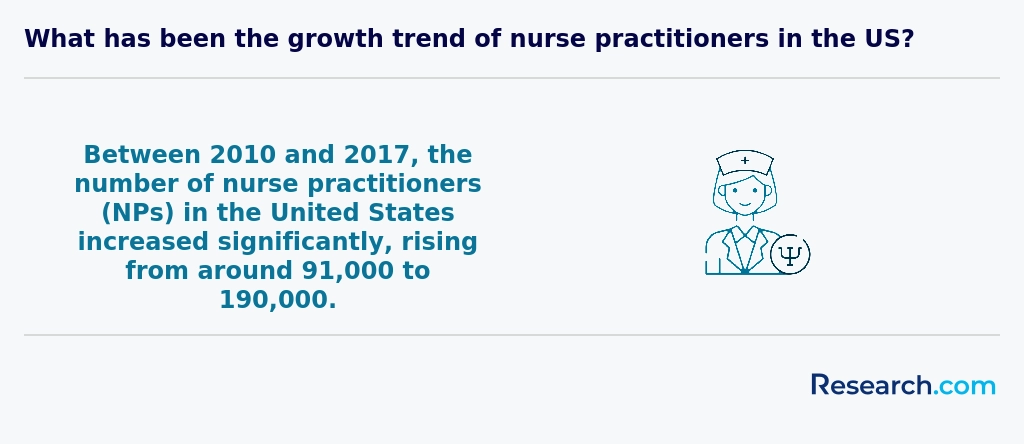
For nurses seeking leadership, clinical expertise or academic roles, a Doctor of Nursing Practice (DNP) provides the highest level of clinical preparation. Completing a DNP can:
- Enhance clinical decision-making through evidence-based practice
- Open doors to advanced roles such as nurse practitioner, clinical educator or healthcare executive
- Increase earning potential, with DNP-prepared nurses earning on average 15–20% more than master’s-prepared peers
Most DNP programs require a master’s degree in nursing, 1,000 practice hours and take 2–3 years full time; many offer part-time or online formats for working professionals. To explore flexible, accelerated options, consider dnp online.
Nursing students in Pensacola often find relief through a mix of federal, state, and local financial aid options that make pursuing their degrees more manageable. For example, many graduates from Pensacola State College recall how the Pell Grant significantly eased their tuition burden, covering thousands of dollars annually when paired with in-state rates averaging $4,000 to $7,000 for associate degrees. This grant, free of repayment, truly transforms the financial landscape for those balancing work and study.
State scholarships like the Florida Bright Futures Program add another layer of support, rewarding academic merit with tuition assistance. Graduates commonly share how combining this with low-interest loans from programs such as the Nurse Faculty Loan or Nursing Student Loan created a practical funding mix that felt sustainable throughout their studies.
Local hospitals and healthcare employers in Pensacola increasingly invest in tuition assistance or loan repayment deals, directly linking students' futures with real job opportunities. Many find these partnerships inspiring, fueling their commitment to stay local and contribute to the community's healthcare needs.
Lastly, engaging with professional nursing groups often opens doors to scholarships and fellowship programs, helping students feel connected and supported beyond the classroom.
Accreditation ensures that nursing programs meet rigorous quality standards, directly impacting your eligibility for licensure and employment. In Pensacola, FL, reputable programs are accredited by bodies such as the Commission on Collegiate Nursing Education (CCNE) or the Accreditation Commission for Education in Nursing (ACEN). Before enrolling, verify a school’s accreditation status through the Florida Board of Nursing and the U.S. Department of Education’s database to confirm that your degree will qualify you for the NCLEX-RN examination. To obtain an active Registered Nurse (RN) license in Florida, graduates must:
- Complete an accredited nursing program (CCNE or ACEN approved).
- Submit a licensure application to the Florida Board of Nursing, including proof of degree and official transcripts.
- Pass a criminal background check and meet health screening requirements (immunizations, drug screening).
- Successfully clear the NCLEX-RN exam, which tests competency in areas like patient care, safety protocols, and pharmacology.
- Fulfill any additional state requirements, such as continuing education for license renewal every two years. High NCLEX-RN first-time pass rates often correlate with strong program quality. For instance, the University of West Florida boasts a 91% first-time NCLEX pass rate, reflecting robust curriculum design and clinical preparation. When comparing options, ask about each program’s recent NCLEX outcomes and average time to licensure. For students seeking flexible online pathways, consider our sister ranking of affordable programs: Affordable Online Nursing Degree Programs Ranking in Columbia, MO. These online options maintain accreditation standards while offering greater scheduling freedom-ideal for working professionals or those balancing family commitments. By choosing an accredited program and understanding Florida’s licensure process, you’ll position yourself for a seamless transition from student to licensed RN, ensuring long-term career success in nursing.
Enrolling in a nursing degree in Pensacola commonly requires a high school diploma or GED, with strong foundations in biology, chemistry, and math. Graduates from popular local institutions often recall how early coursework in anatomy, microbiology, and psychology prepared them practically for the clinical challenges ahead. Many nursing programs, like those offered at Pensacola State College, also ask for TEAS test scores with minimum thresholds around 60% to 70%, helping ensure students' academic readiness and boosting confidence before starting complex studies.
Health clearances such as immunizations, physical exams, and background checks are standard, reflecting the real-world responsibility students face when practicing in hospitals and clinics. Financial preparedness matters too, since tuition for associate degrees ranges roughly between $4,000 and $7,000 annually for in-state students. Students often talk about the relief of securing scholarships or aid, enabling them to focus fully on their passion for patient care.
Interviews or personal statements increasingly highlight applicants' motivation. Prospective students envision themselves making a difference, which resonates deeply with admissions committees at places like the University of West Florida. These prerequisites create a supportive yet challenging path, suited to dedicated Pensacola nursing hopefuls eager to embark on meaningful careers.
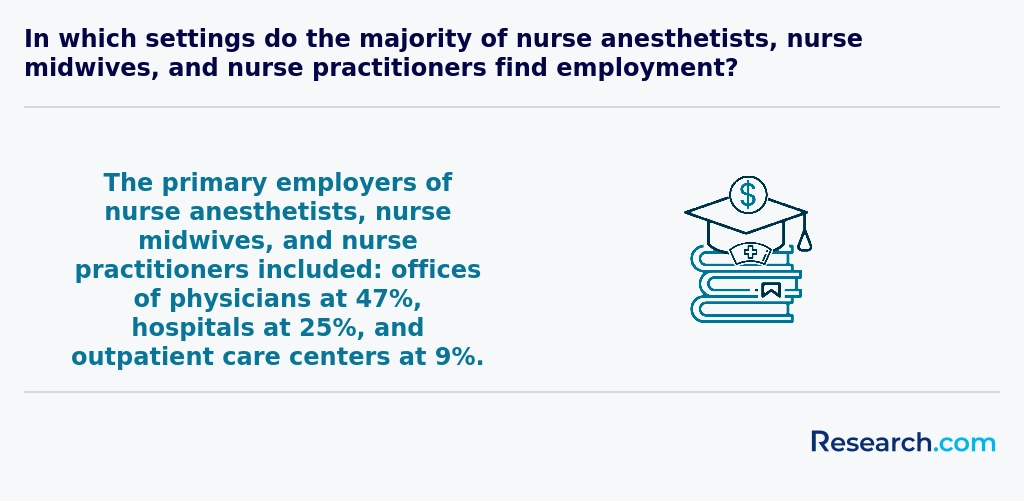
When selecting a nursing program in Pensacola, FL, one crucial factor to consider is affordability. Prospective students should research programs that offer a balance of quality education and financial feasibility. For those looking for affordable options, checking the cheapest nursing schools in Florida can provide valuable insights. This approach enables students to make informed decisions about their education, considering factors such as tuition costs, financial aid, and potential return on investment. By prioritizing affordability without compromising on educational quality, aspiring nurses can set themselves up for success in their future careers.
Nursing programs in Pensacola typically include courses that build a strong foundation in both science and patient care, setting students up for success in diverse healthcare environments. Graduates from popular local colleges often describe anatomy and physiology classes as eye-opening, helping them understand the human body in ways that made clinical work feel intuitive rather than overwhelming.
Courses like microbiology and pharmacology introduce essential knowledge about infection control and medication management, which students find directly applicable during their hands-on rotations in nearby hospitals. These experiences make the material come alive, as one graduate noted how mastering medication calculations built confidence when administering patient care.
Specialized classes in maternity, pediatric, and mental health nursing prepare students for emotionally rewarding roles, reflecting the community-focused spirit of Pensacola's healthcare settings. Many express joy in seeing how community health nursing courses emphasize prevention strategies, encouraging future nurses to become advocates for wellness beyond hospital walls.
Nutrition and psychology round out the curriculum, fostering empathy and holistic understanding-a blend that graduates say helped them connect deeply with patients' diverse needs in the city's varied clinical environments.

Nursing degrees in Pensacola increasingly offer a diverse range of specializations that reflect both immediate community needs and future healthcare trends. Graduates from Pensacola State College and similar institutions often highlight how their focused training-in fields like Adult-Gerontology Nursing or Psychiatric-Mental Health Nursing-equips them to meet the rising demand in Florida's aging and mental health populations.
In a typical Pensacola nursing program specialization options such as Pediatric Nursing and Emergency Nursing allow students to immerse themselves in high-impact environments, from local children's clinics to fast-paced hospital emergency rooms. This hands-on approach fosters confidence and a deep sense of purpose, essential for thriving in demanding healthcare roles.
Students have described their experiences as both challenging and rewarding, especially when working in community health or public health nursing roles that emphasize prevention and wellness on a broader scale. For those seeking comprehensive quality nursing education, Pensacola's programs provide clear pathways to certification and specialization that align closely with evolving healthcare priorities.
Choosing the best nursing degree in Pensacola often means envisioning your future career path and the type of educational environment that suits your lifestyle. Graduates from local institutions like Pensacola State College frequently share how the balance of affordable tuition and strong NCLEX pass rates gave them confidence stepping into their roles as nurses. One student recalled how flexible evening classes allowed them to work part-time while completing their ADN, a model likely to grow in demand as more adult learners seek practical, affordable nursing degrees Pensacola FL can offer.
Looking forward, program accreditation remains crucial-not just for licensure but for competitive job placement. Many students emphasize that hands-on clinical experiences at Pensacola's healthcare centers transformed their learning, making theory real and boosting their passion for nursing. Considering personal stories from graduates can illuminate which programs excel in support services and adaptability, an edge in rapidly evolving healthcare. For deeper insights on nursing programs, exploring nursing universities houston student reviews can provide relatable perspectives applicable beyond local offerings.

Graduates with a nursing degree in Pensacola find themselves entering a dynamic job market with a variety of rewarding career paths. Many begin as Registered Nurses (RNs) in prominent local hospitals like Baptist Health Care, gaining invaluable hands-on experience. Others pursue specialties such as pediatric or emergency nursing, reflecting Pensacola's community-focused healthcare needs. Some graduates from Pensacola State College express excitement about taking on roles like Advanced Practice Registered Nurses (APRNs), requiring further education but offering advanced clinical opportunities and higher earning potential.
The region's growing demand for healthcare professionals means that job prospects for nursing graduates Pensacola remain strong, with opportunities beyond traditional hospital settings. Graduates often move into public health nursing or healthcare administration, combining their clinical background with leadership roles. Community clinics and long-term care facilities also recruit locally trained nurses, offering diverse options tailored to individual passions and work-life balance preferences.
Those weighing educational choices can find competitive options by comparing costs, such as viewing nursing colleges fort worth tuition, ensuring informed decisions. Overall, nursing career opportunities in Pensacola encourage both immediate employment and flexible futures in healthcare fields.
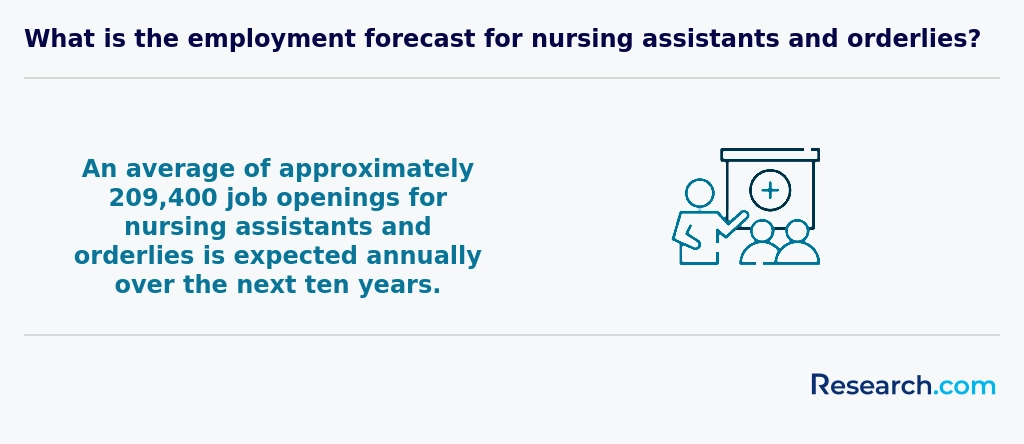
The nursing job outlook in Pensacola is poised for sustained growth, mirroring national trends that favor healthcare careers. Graduates from local institutions like Pensacola State College often share how hands-on clinical experiences at Ascension Sacred Heart Pensacola build both confidence and skills, opening doors to immediate employment. The region's expanding healthcare infrastructure continually seeks nurses equipped for diverse roles, from elder care to outpatient services, ensuring a steady demand for qualified professionals.
Many Pensacola nursing degree employment opportunities arise due to the area's aging population and increasing healthcare access. Graduates frequently mention the value of affordable tuition, which allows them to start their careers with manageable debt levels. This advantage encourages more students to pursue nursing while benefiting from partnerships between schools and local hospitals that enhance practical training.
Looking ahead, innovation in healthcare practices and a focus on quality improvement in nursing will likely drive new job roles, making Pensacola an appealing place to begin a nursing career well grounded in both theory and real-world readiness.
2027 Most Affordable Nursing Degree Programs Ranking in Pensacola
Investing in your education is a significant decision that can shape your future, and the Research.com team understands the importance of making informed choices. To assist prospective students in Pensacola, we have meticulously crafted the "2027 Most Affordable Nursing Degree Programs Ranking in Pensacola." Our commitment to quality, credibility, and accuracy is reflected in the extensive research and analysis conducted to compile this ranking.
We utilized the following reputable data sources to ensure a comprehensive evaluation of nursing programs:
By exploring this ranking, readers will gain valuable insights into the most affordable nursing degree programs available in Pensacola, helping them make informed decisions about their educational paths. For more details on our methodology, please visit our Research.com methodology page.

# 3 position
Pensacola State College
Bachelor of Science in Nursing

Frequently Asked Questions About nursing
Nursing students in Pensacola can maximize their learning by engaging with local clinical placements early and often. Pensacola hosts several healthcare facilities, including the Baptist Hospital, which offers diverse clinical experiences necessary to build hands-on skills. According to the Florida Center for Nursing, students who participate in varied clinical rotations demonstrate stronger practical abilities and higher NCLEX pass rates. Additionally, utilizing resources at institutions like Pensacola State College, known for its accredited nursing programs, helps students access updated coursework and simulation labs. Networking with local professionals and joining nursing student organizations can also provide mentorship and professional growth opportunities.
The nursing field in Pensacola, Florida, is experiencing growth in several emerging niches driven by evolving healthcare needs. One prominent area is geriatric nursing, focusing on elderly patient care, reflecting the region's increasing senior population. According to the Florida Department of Health, the aging demographic in Escambia County is expanding faster than the national average, boosting demand for specialized nurses.
Another rising niche is telehealth nursing. This sector has grown significantly due to expanded broadband access and the COVID-19 pandemic's lasting impact on remote care delivery. Telehealth nurses provide virtual patient monitoring and education.
Additionally, nursing specialties in mental health and community care are gaining prominence to address local shortages and improve access to services.
Preparing for the job market after completing a nursing degree in Pensacola involves several strategic steps. First, obtaining licensure by passing the NCLEX-RN exam is essential to practice as a registered nurse in Florida.
Building clinical experience through internships or entry-level positions within Pensacola's healthcare facilities, such as Sacred Heart Health System, enhances employability. Networking with local nursing associations can provide job leads and mentorship opportunities.
Additionally, staying informed about the growing demand for nurses in Pensacola-projected to increase by over 15% through 2030 according to the Florida Department of Economic Opportunity-helps graduates position themselves for success.
Employers in Pensacola prioritize a blend of clinical expertise and interpersonal skills in nursing degree graduates. Key abilities include strong patient assessment, critical thinking, and proficiency in electronic health records. According to the Florida Center for Nursing, effective communication and teamwork rank highly given Pensacola's collaborative healthcare environment.
Additionally, cultural competence is vital, as the region serves a diverse population. Graduates familiar with local health challenges, such as chronic disease management, are preferred. Time management and adaptability also stand out, reflecting the fast-paced nature of Pensacola hospitals and clinics. Developing these skills can enhance employment prospects in the competitive nursing job market here.
Finding nursing internships in Pensacola involves several practical steps. Start by contacting local hospitals such as Sacred Heart Health System and West Florida Hospital, which frequently offer clinical placement opportunities for nursing students. These internships often align with curriculum requirements from accredited programs.
The University of West Florida's nursing department provides resources and partnerships with healthcare facilities that can assist students in securing internships. Additionally, check the Florida Center for Nursing's website for statewide internship and job listings relevant to nursing students.
Remember to prepare a strong resume and obtain recommendations, as competitive internships usually require them. Early application is key since Pensacola internships tend to fill quickly due to growing healthcare demands in the region.
Obtaining a nursing degree in Pensacola significantly enhances career mobility and advancement opportunities. According to the Florida Center for Nursing, the demand for registered nurses (RNs) in the Pensacola area is expected to grow by over 15% through 2028. This growth creates opportunities for degree holders to enter diverse healthcare settings such as hospitals, clinics, and long-term care facilities.
A nursing degree provides foundational knowledge and clinical skills required for specialized roles, including nurse practitioner or nurse educator positions. Employers in Pensacola often prefer candidates with an Associate Degree in Nursing (ADN) or Bachelor of Science in Nursing (BSN), with the latter increasingly linked to better salary prospects and leadership roles.
Additionally, local healthcare providers support continuing education, making advanced degrees a pathway to management or specialized clinical careers. Licensing requirements in Florida also underscore the importance of accredited programs, ensuring graduates meet professional standards that facilitate smoother career progression.
Studying for a nursing degree in Pensacola provides strong preparation for interdisciplinary roles by emphasizing collaboration across healthcare fields. Local nursing programs incorporate practical training with diverse medical professionals such as physicians, pharmacists, and social workers. This teamwork approach aligns with recommendations from the American Association of Colleges of Nursing, promoting effective communication and shared decision-making.
Pensacola's healthcare facilities, including Baptist Health Care and Sacred Heart Health System, offer clinical placements that expose students to real-world interdisciplinary environments. According to the Florida Center for Nursing, this hands-on experience is vital for developing skills to coordinate patient care in complex settings.
The curriculum often includes courses in healthcare ethics, informatics, and patient management, equipping graduates to work competently in multifaceted teams. This holistic education helps address the evolving demands of modern healthcare in Pensacola and beyond.
When choosing between a thesis and a non-thesis nursing degree program in Pensacola, students should consider their career goals and learning preferences. A thesis program emphasizes research skills and may appeal to those interested in advanced studies or academic roles. Pensacola nursing schools offering thesis options often require students to complete an original research project, which can be time-consuming but valuable for careers in education or leadership.
Non-thesis programs focus more on practical knowledge and clinical experience, ideal for professionals aiming to advance within healthcare settings without pursuing research. Data from the Florida Center for Nursing shows Pensacola's demand for clinical nurses continues to grow, highlighting the value of hands-on training.
Cost and program length also differ; thesis options may take longer and be more rigorous. Prospective students should review each local program's curriculum carefully to ensure it aligns with their professional goals and personal commitments.
Students based in Pensacola seeking to study nursing abroad have several pathways through U.S. higher education partnerships. Many universities offer exchange programs or dual-degree options with institutions in countries such as the United Kingdom, Australia, and Canada. These programs allow students to complete part of their nursing education overseas while earning credits transferable to their degree in the U.S.
According to the American Association of Colleges of Nursing, about 10% of nursing programs nationwide have international collaborations, which Pensacola students can access through affiliated universities. Additionally, organizations like Education Abroad at the University of West Florida facilitate international internships and clinical placements, offering practical experience.
Because nursing licensure requirements vary internationally, students must ensure foreign clinical hours meet the Florida Board of Nursing standards to maintain eligibility for licensure upon return. Pensacola-based students should also consider program costs and visa regulations involved in studying abroad.
Students pursuing nursing degrees in Pensacola can benefit from several part-time job opportunities that complement their education. Healthcare facilities such as Sacred Heart Health System and Baptist Health Care offer roles like certified nursing assistant (CNA) or patient care technician, which provide hands-on experience with patient care. These positions allow students to develop clinical skills and improve their understanding of healthcare settings. Additionally, local pharmacies and outpatient clinics sometimes hire pharmacy technicians or health aides, offering insight into medication management and patient interaction.
According to the Florida Department of Economic Opportunity, the Pensacola metropolitan area has a growing demand for nursing support roles, ensuring available part-time work. Working in these positions can strengthen resumes and help with licensure exam readiness.
Nursing students in Pensacola have multiple networking opportunities that support career growth and professional development. Local institutions like Pensacola State College and the University of West Florida offer nursing student organizations, such as the Student Nurses Association, which host events and workshops. These groups facilitate connections with faculty and healthcare professionals.
In addition, Pensacola's medical community includes several hospitals such as Baptist Health Care and Sacred Heart Hospital. These facilities often provide clinical placements and networking events where students can meet practicing nurses and potential employers. According to the Florida Center for Nursing, these connections can improve job prospects.
Regional conferences and workshops hosted by Florida nursing associations are also accessible to students, expanding professional contacts beyond Pensacola itself.
Alumni networks play a significant role for nursing degree students in Pensacola by providing valuable professional connections. These networks connect current students with graduates who have firsthand experience navigating the local healthcare job market.
Such connections can lead to internships, job referrals, and mentorship opportunities. For example, the University of West Florida's alumni association frequently hosts events that facilitate direct interaction between students and practicing nurses in the Pensacola area.
Additionally, alumni networks often share insights about local employers, including Pensacola's Gulf Coast Medical Center and Sacred Heart Hospital, which helps students better understand employment trends and skill demands in the region.
Research by the National Student Nurses' Association shows that 70% of nursing students who engage with alumni networks report increased confidence in job searches, emphasizing their practical impact.
Customizing a nursing degree program in Pensacola allows students to align their education with specific career goals. Many local institutions offer flexible coursework options, including specializations such as pediatric nursing, gerontology, or critical care. Students can select elective courses that support their interests and desired roles within healthcare.
Clinical rotations in Pensacola hospitals and healthcare facilities give practical experience in chosen specialties. Additionally, some programs provide part-time and online class options, which help students balance work and study. According to the Florida Center for Nursing, Pensacola has seen a steady demand in skilled nursing professionals, making tailored programs valuable for career advancement.
Nursing students in Pensacola commonly face a range of challenges during their education. One significant obstacle is managing rigorous coursework alongside clinical practice. Programs often require students to balance heavy class loads with demanding hands-on experiences in healthcare settings.
Access to clinical placements can also be competitive due to the limited number of healthcare facilities in the area. According to the Florida Board of Nursing, this can lead to scheduling conflicts and delays in completing program requirements.
Financial strain is another concern. While Pensacola offers affordable tuition compared to national averages, many students still struggle with costs related to books, uniforms, and licensing fees.
Finally, adjusting to the fast-paced environment and emotional stress of patient care is a common challenge noted in surveys of nursing students throughout Florida.
A nursing degree from Pensacola can open doors to various professional certifications that enhance your career opportunities. After earning a Registered Nurse (RN) license, many graduates pursue certifications to specialize in areas such as critical care, pediatrics, or geriatrics. Common certifications include the Certified Critical Care Nurse (CCRN) and Pediatric Nursing Certification Board (PNCB) credentials.
According to the Florida Board of Nursing, nurses in Pensacola often advance by obtaining the Nurse Practitioner (NP) certification, allowing them to provide primary care independently. Other options include certifications in wound care, oncology, and emergency nursing.
These certifications typically require clinical experience and successful completion of an exam, improving job prospects and potential salaries within the Pensacola healthcare market.
When applying to nursing programs in Pensacola, it is essential to prepare a clear and organized application. Start by carefully reviewing the requirements of the specific program, as these can vary between institutions. For example, Pensacola State College emphasizes a strong GPA and completion of prerequisite courses such as biology and chemistry.
Highlight any healthcare experience, including volunteer work or employment in medical settings. According to the Florida Board of Nursing, practical experience can improve your chances of acceptance. Strong letters of recommendation from academic or professional sources add credibility to your application.
Finally, write a compelling personal statement explaining your motivation for nursing and your commitment to the community. Pensacola nursing programs often look for candidates demonstrating empathy and resilience, key traits for successful nurses.
The nursing profession offers diverse opportunities worldwide, with growing demand reflecting an aging global population. In the United States, including Pensacola, registered nurses (RNs) are among the fastest-growing occupations. According to the U.S. Bureau of Labor Statistics, employment for RNs is projected to grow 6% from 2021 to 2031, faster than average. This trend aligns with global health priorities such as aging populations and chronic disease management.
Globally, nursing roles vary but share a foundation in patient care, health promotion, and disease prevention. The U.S. nursing education system is respected internationally for its combination of theory and clinical practice. Pensacola's nursing programs often emphasize community health to meet local and global healthcare needs. This equips graduates with skills valued both domestically and abroad.
Gaining practical experience is essential when pursuing a nursing degree in Pensacola. Most accredited nursing programs in the region, including those at the University of West Florida, incorporate clinical rotations as a mandatory part of their curriculum. These rotations typically occur in local hospitals and healthcare facilities such as West Florida Hospital and Sacred Heart Health System.
Students usually complete between 500 to 1,000 clinical hours, depending on the program. This hands-on training allows students to apply classroom knowledge in real patient care settings under supervision. Additionally, some programs offer simulation labs to practice nursing skills safely.
Volunteering or working as a certified nursing assistant (CNA) in Pensacola also provides valuable experience and can enhance employability after graduation.
Choosing the right concentration within a nursing degree program in Pensacola depends on your career goals and local healthcare needs. Pensacola has a growing demand for registered nurses in specialties like gerontology and critical care, reflecting national trends reported by the Bureau of Labor Statistics. Research local job openings through Florida's Department of Health to identify high-demand areas.
Consider your personal interests and strengths. For example, pediatric nursing focuses on children's health, while psychiatric nursing involves mental health care. Many Pensacola nursing programs offer options such as nurse practitioner or clinical nurse specialist tracks, which require advanced study.
Exploring clinical rotations and internships in Pensacola hospitals can help you gain practical experience in different specialties. Speaking with academic advisors and local nursing professionals also provides valuable insight into the best fit within the region's healthcare system.
- 2027 Most Affordable Nursing Degree Programs Ranking in Mobile
- 2027 Most Affordable Nursing Degree Programs Ranking in Hattiesburg
- 2027 Most Affordable Nursing Degree Programs Ranking in Birmingham
- 2027 Most Affordable Nursing Degree Programs Ranking in Macon
- 2027 Most Affordable Nursing Degree Programs Ranking in Atlanta
- 2027 Most Affordable Nursing Degree Programs Ranking in Jacksonville
- 2027 Most Affordable Nursing Degree Programs Ranking in Tampa
- 2027 Most Affordable Nursing Degree Programs Ranking in Memphis
- 2027 Most Affordable Nursing Degree Programs Ranking in Orlando
- 2027 Most Affordable Nursing Degree Programs Ranking in Fort Lauderdale
See What Experts Have To Say About Studying Nursing
Read our interview with Nursing experts


- How to Choose a Nursing Program | All Nursing Schools https://www.allnursingschools.com/how-to-get-into-nursing-school/choose-the-right-school/
- Scholarships & Financial Aid https://www.aacnnursing.org/students/scholarships-financial-aid
- Study Nursing Abroad | Boomerang International Educational Services https://boomerangedu.com/study-nursing-abroad/
- How to Choose a Nursing Program: A Comprehensive Guide - Madonna ABSN https://absn.madonna.edu/blog/how-to-choose-a-nursing-program/
- Guide to Making a Career Change to Nursing https://teach.com/online-ed/healthcare-degrees/online-msn-programs/career-change-to-nursing/
- Medical University of GdaÅsk https://admission.mug.edu.pl/29318.html
- How to Choose the Right Nursing Program for Your Career Goals - Maria College https://mariacollege.edu/blog/how-to-choose-the-right-nursing-program-for-your-career-goals
- How Do Nurses Prepare to Work in a Multidisciplinary Team? | NursingEducation https://nursingeducation.org/insights/multidisciplinary-team/
- How to Set and Achieve Your Nursing Career Goals | HealthTrust https://engage.healthtrustjobs.com/how-to-set-achieve-nursing-career-goals
- | NRR | Dove Medical Press https://www.dovepress.com/internship-challenges-encountered-by-nursing-students-a-qualitative-st-peer-reviewed-fulltext-article-NRR