
2027 Best Nursing Degree Programs Ranking in New Jersey

Co-Founder and Chief Data Scientist
If you're a student in New Jersey thinking about a nursing career, choosing the right program is a crucial step. This article features the 2027 Best Nursing Degree Programs Ranking in New Jersey, created by the Research.com team of data scientists to guide you toward informed decisions.
Discover which nursing programs stand out for quality and opportunities, helping you find the best fit for your goals. Pursuing a nursing degree is a rewarding path that opens doors to meaningful work and personal growth.
Let this ranking support your journey toward a bright future in healthcare.
Key benefits of getting nursing degree in New Jersey
- Salary for nursing degree graduates: Graduates can expect rewarding salaries, with typical roles like Registered Nurse, Clinical Nurse Educator, Public Health Nurse, and Emergency Room Nurse earning around $94,480 annually in New Jersey.
- Career paths: Nursing graduates from universities such as Rutgers University enjoy diverse opportunities, from bedside nursing to specialized roles like nurse educators or public health professionals.
- Benefits of online nursing degrees: Completing a nursing degree online from schools like Kean University offers flexibility and convenience, making it easier to balance work, life, and study while preparing for a fulfilling career.
- 2027 Best Nursing Degree Programs Ranking in New Jersey
- What can I expect from nursing degree in New Jersey?
- Where can I work with nursing degree in New Jersey?
What can I expect from nursing degree in New Jersey?
The average cost of a nursing degree in New Jersey varies depending on the type of institution and degree level, but it's important to see this as an investment in your future. Many graduates from local community colleges pursuing an Associate Degree in Nursing (ADN) find tuition affordable, often costing significantly less than university-based programs. For instance, those attending well-known community colleges appreciate lower fees, which makes nursing education accessible without a heavy financial burden early in their career.
On the other hand, nursing students at state universities pursuing a Bachelor of Science in Nursing (BSN) encounter higher tuition costs, yet gain a broader, deeper education that opens doors to more advanced opportunities. Graduates often share how the comprehensive curriculum and clinical experiences at these universities prepared them for a confident transition into demanding healthcare roles.
Many of these students also point out the benefit of accelerated BSN options, designed for those switching careers, which come with varied pricing but save time. Scholarships from New Jersey-based initiatives often ease expenses, making a nursing degree both attainable and rewarding.
Where can I work with nursing degree in New Jersey?
Graduates from nursing programs at New Jersey institutions like Rutgers University or Seton Hall University find themselves welcomed across diverse healthcare settings. Many peers share how rewarding it feels to join leading hospitals like those within Hackensack Meridian Health or RWJBarnabas Health, where day-to-day nursing roles span from critical care to oncology. Working in bustling urban centers such as Newark or Jersey City means being part of high-impact teams that truly shape community health.
Others discover the meaningful challenge of long-term care in nursing homes or assisted living facilities, supporting the aging population with compassion and specialized skills. The hands-on experience gained here builds confidence and resilience-qualities that former graduates often highlight as career-defining.
Outpatient clinics and urgent care centers provide a dynamic environment for nurses who enjoy fast-paced, patient-centered roles. Many nursing alumni recall how their time at schools like William Paterson University prepared them for these settings through strong clinical rotations and mentorship.
Opportunities also abound in public health and specialized fields such as home health and school nursing. Here, nurses make tangible differences in prevention, education, and wellness. Graduates often describe the deep fulfillment of helping patients navigate health challenges beyond traditional hospital walls.
Graduates from nursing programs at institutions like Rutgers University or the College of New Jersey often find rewarding salary opportunities right here in New Jersey. With a nursing degree, you can expect mean annual wages around $94,480 in roles such as Registered Nurse, Clinical Nurse Educator, or Emergency Room Nurse. These figures reflect a strong market that values your skills and dedication.
Many graduates share how starting as a Registered Nurse with a solid foundation gave them confidence, knowing their earning potential comfortably surpasses many states' averages. If you specialize, for example, by advancing to an Operating Room Nurse, your salary can rise significantly, with a mean annual wage of about $128,490, rewarding your further expertise and commitment to patient care.
Picture yourself working in a bustling Newark hospital or a top medical center near Princeton, earning competitive pay while making a real difference. Many alumni highlight the pride and motivation that come with not only a meaningful career but also a salary that supports a fulfilling lifestyle in New Jersey's vibrant communities.
- New Jersey offers nursing degrees including LPN, ADN, and BSN programs across various institutions.
- BSN tuition at public schools ranges from $15,000 to $30,000 for in-state students, while private schools can cost over $40,000.
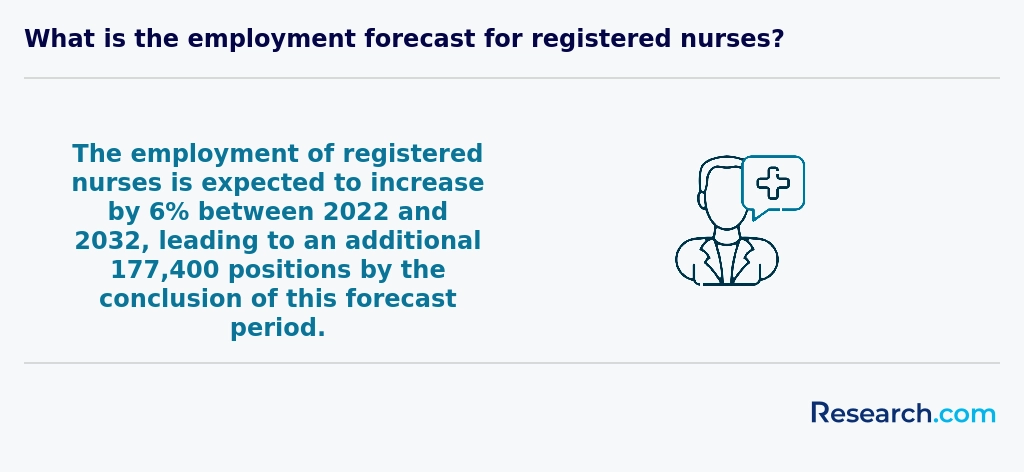
- The registered nurse (RN) job market is expected to grow by about 9% from 2020 to 2030, matching the national average.
- Entry-level RNs earn roughly $70,000 to $75,000 annually, with median salaries rising to $85,000-$90,000 as experience increases.
- Graduates must pass the NCLEX-RN exam, with many state schools reporting above-average pass rates.
- Financial aid such as state grants and scholarships is available to help with the cost of nursing education.
Completing a nursing degree in New Jersey varies depending on the path you choose, but there's a route for every ambition. Many graduates from popular schools like Rutgers University or Camden County College recall how their Associate Degree in Nursing (ADN) took just about 2 years, allowing them to quickly step into nursing roles and start making a difference right away. This quick start is ideal if you're eager to enter the workforce and gain hands-on experience swiftly.
For those attending institutions such as William Paterson University, the traditional Bachelor of Science in Nursing (BSN) typically spans 4 years. Graduates often describe the journey as transformative, with comprehensive training that opens doors to better job prospects. If you already hold a bachelor's degree, accelerated BSN programs in New Jersey offer an inspiringly swift alternative, lasting between 11 to 18 months, blending intensity with opportunity.
Those aiming for leadership or specialized roles often pursue a Master of Science in Nursing (MSN) after their BSN, adding about 2 more years of study. Many alumni reflect that this commitment is deeply rewarding, propelling their careers to new heights in the Garden State's thriving healthcare scene.
Cost-conscious students may find that exploring accredited online nursing programs outside of New Jersey can yield significant savings without sacrificing quality. For example, our Low Cost Online Bachelor's in Nursing Degree Programs Ranking in Kentucky highlights several nationally recognized institutions offering online BSN pathways with annual tuition often below $10,000. Comparing New Jersey’s average BSN cost of $30,884 per year to these online options reveals potential savings of over 60%, all while maintaining access to CCNE- or ACEN-accredited curricula and state board–approved clinical partnerships. Online formats also reduce living and commuting expenses and provide the flexibility needed by working adults. Before enrolling, verify program accreditation, clinical placement support, and licensure reciprocity with the New Jersey Board of Nursing to ensure a seamless transition to professional practice.
Choosing between online and on-campus nursing degrees in New Jersey comes down to your lifestyle and learning style. Online programs, like those offered through Rutgers or William Paterson University, provide flexibility to study anywhere and balance work or family commitments. Graduates often share how completing coursework remotely helped them stay motivated while juggling busy schedules. Yet, the New Jersey Board of Nursing requires clinical hours on-site, so local practicum placements ensure essential hands-on experience, giving online students a real taste of patient care despite the virtual format.
On the other hand, on-campus programs at schools like Seton Hall or Montclair State immerse you in a traditional college environment. Students thrive with face-to-face interactions, accessing simulation labs and professors for immediate feedback. Many graduates recall the energy of campus life fueling their confidence and professional growth. While these programs may cost more due to housing and commuting, the daily engagement can deepen connections that prove invaluable in healthcare careers.
Nurses aiming for top-tier clinical, academic, or leadership positions can advance with a Doctor of Nursing Practice (DNP). Programs focus on translating research into practice, health policy, and organizational leadership.
- Enhanced evidence-based practice and patient outcomes
- Preparation for executive, educator, and policy roles
- Expanded clinical expertise and scope of practice
Most DNP tracks require 1.5–3 years post-BSN or MSN, blending intensive clinical immersions with flexible formats. Compare CCNE-accredited options, clinical hours, and delivery modes. Many working nurses choose online pathways; explore the cheapest dnp program online to balance quality and affordability.
The average cost of a nursing degree in New Jersey can vary significantly depending on the type of program and institution you choose. For example, graduates from public community colleges offering ADN programs often report total tuition and fees close to $17,000. This path provides an affordable and practical route into nursing, making it appealing for many aspiring healthcare professionals aiming to start their careers efficiently.
On the other hand, earning a Bachelor of Science in Nursing (BSN) at a public university like Rutgers University typically involves higher costs but offers a more comprehensive education that many graduates find rewarding in the long term. The total tuition and fees for such programs tend to hover around $48,000, reflecting the investment in both education quality and expanded opportunities upon graduation. These figures represent the average cost of nursing degree in New Jersey and help paint a realistic picture to guide your planning.
Private universities in New Jersey provide even more options, but often come with pricier tuition that can surpass $120,000 for a BSN program. Despite the higher cost, many graduates appreciate the personalized attention and resources available, which can enrich the learning experience.
If affordability is a key factor for you, exploring the cheapest nursing programs in New Jersey can help balance quality and cost effectively. Understanding these numbers is essential for prospective students to realistically plan finances while pursuing their passion for nursing in the state.
As the demand for advanced practice nurses grows, many individuals without prior nursing education are exploring accelerated pathways to enter the profession. Direct-entry Master of Science in Nursing (MSN) programs bridge this gap by equipping non-nurses with foundational nursing knowledge alongside graduate-level clinical training. These programs typically span 24 to 36 months, combining accelerated coursework in anatomy, pharmacology, and health assessment with immersive clinical rotations in diverse healthcare settings. Direct-entry MSN curricula emphasize hands-on experience from day one, ensuring that students develop critical skills alongside traditional graduate competencies. Learners engage in simulated labs, interprofessional team projects, and supervised practice in acute-care and community health environments. Upon successful completion, graduates are eligible to sit for the NCLEX-RN exam and transition seamlessly into advanced practice roles such as nurse practitioner or clinical nurse specialist. When evaluating programs, consider factors like accreditation by the Commission on Collegiate Nursing Education (CCNE), NCLEX pass rates, faculty expertise, and partnerships with local health systems. Financial aid and scholarship opportunities specifically tailored for direct-entry MSN students can alleviate tuition costs, while flexible part-time or online options support working professionals. For prospective students seeking the most accelerated options, our guide to the msn degree for non nurses highlights the shortest online direct-entry MSN pathways, detailing admission requirements, clinical hour expectations, and outcomes data. Whether you aim to specialize in family practice, pediatrics, or psychiatric-mental health, a direct-entry MSN offers a streamlined, evidence-based route to a transformative career in nursing.
When pursuing a nursing degree in New Jersey, financial aid can truly transform your educational journey from a daunting expense to an achievable goal. Many nursing students at institutions like Rutgers University or William Paterson University rely on Pell Grants, which provide crucial need-based funds up to $7,395 for the 2023-2024 year, easing tuition burdens without the stress of repayment.
State aid also makes a big difference. The New Jersey Higher Education Student Assistance Authority (HESAA) offers Tuition Aid Grants that many nursing students use to cover part of their costs. Graduates often share how these grants made a tangible impact during their studies, especially when balancing work and classes.
Scholarships such as the Nurse Education Scholarship Program reward commitment by supporting those who plan to serve underserved communities in New Jersey. Hospitals sometimes offer tuition reimbursements for students ready to join their workforce post-licensing, which adds an exciting career incentive.
Additionally, you can explore federal Nurse Corps programs, which not only help with debt but also connect you to rewarding work in high-need areas throughout the state. These options can turn your passion for nursing into both a fulfilling and financially manageable path.
Starting your journey in a New Jersey nursing program begins with a clear roadmap of application steps and deadlines. Most institutions open applications for fall admission as early as September of the previous year, with priority deadlines between December and February. Be sure to gather official transcripts, letters of recommendation, and proof of prerequisite course completion (biology, chemistry, anatomy) well in advance. Many programs also require a personal statement outlining your motivation for nursing, so allocate time to craft a compelling narrative that highlights your clinical passions and community service. To strengthen your application, schedule any required entrance exams-such as the TEAS-at least two months before the deadline. Aim for scores in the 70th percentile or higher to enhance your competitiveness. After submitting your primary materials through each school’s online portal, verify receipt via email and follow up with admissions offices if confirmations are delayed. For accelerated pathways, such as RN-to-BSN tracks, research and compare the best rn to bsn programs that match your career goals and work schedule. Interview invitations typically arrive in March or April; prepare by reviewing common clinical scenarios and ethical dilemmas. During campus visits or virtual open houses, ask about clinical preceptorship placements, simulation labs, and faculty-to-student ratios to gauge the hands-on learning environment. Finally, monitor financial aid deadlines (often April 1 for state grants) to maximize scholarship and loan opportunities, ensuring you submit the FAFSA by March 1 each year. By adhering to this timeline and preparing diligently, you’ll position yourself for acceptance into a nursing degree program that aligns with your ambitions in New Jersey’s dynamic healthcare landscape.
To enroll in a nursing degree program in New Jersey, expect to meet foundational prerequisites that prepare you for success. Most programs at schools like Rutgers or Rowan University first require a high school diploma or GED, with strong coursework in biology, chemistry, and math. Graduates from these respected programs often recall how mastering these subjects early gave them confidence when encountering challenging nursing concepts.
Before admission, many New Jersey colleges ask you to complete key prerequisite courses such as human anatomy and physiology, microbiology, nutrition, and English composition. One graduate shared that having solid communication skills built through these courses made clinical interactions smoother and less intimidating.
Standardized tests like the TEAS are common, assessing skills directly relevant to healthcare. Providing current immunization records and passing a physical exam ensures you meet clinical site health requirements-a step that protects both you and your future patients. Background checks and drug screenings are also essential, reflecting New Jersey's focus on patient safety.
Some programs value healthcare experience, like volunteering or CNA certification, which alumni say deepened their compassion and understanding in ways textbooks alone cannot. These prerequisites are your stepping stones to a rewarding nursing career in New Jersey.
When considering nursing programs in New Jersey, affordability is a crucial factor. Prospective students should research the total cost of attendance, including tuition, fees, and living expenses. Additionally, exploring financial aid options, such as scholarships and grants, can help make nursing education more accessible. For those looking for cheapest nursing programs in New Jersey, it's essential to weigh the cost against the quality of education and potential career outcomes. By doing so, aspiring nurses can make informed decisions about their educational investments and set themselves up for success in this rewarding and in-demand field.
In New Jersey, pursuing a nursing degree means diving into a curriculum that balances science with hands-on care. At schools like Rutgers or Stockton University, students tackle courses in human anatomy, physiology, microbiology, and chemistry that build a strong foundation for understanding the human body. These aren't just textbooks and lectures - graduates recall moments in labs where seeing cell structures under a microscope made the material come alive, fueling their passion for health sciences.
Alongside science, practical skills are paramount. Courses such as Fundamentals of Nursing and Medical-Surgical Nursing prepare students to handle real patient situations. Many share stories of clinical rotations in New Jersey hospitals, where they learned to comfort nervous patients or assist with newborn care. Pediatrics, mental health, and community health nursing broaden perspectives, emphasizing empathy and communication.
Pharmacology and pathophysiology deepen understanding of medication effects and disease processes. Ethics and healthcare law courses also give future nurses confidence to advocate for patient rights, a critical skill in New Jersey's diverse healthcare environments. This blend of theory and clinical experience forms the backbone of what it truly means to become a nurse here.
Nursing degree specializations in New Jersey offer aspiring nurses the chance to focus on areas that truly inspire them. Graduates from popular colleges in the state often share how specializing in Adult-Gerontology Acute Care Nursing opened doors to working with complex adult patients in bustling hospital environments. Others find deep fulfillment in Pediatric Nursing, caring for children through joyful and challenging stages of growth. Many students at top New Jersey programs choose Psychiatric-Mental Health Nursing, gaining skills to support individuals facing mental health challenges-a field growing in urgent demand.
Family Nurse Practitioner and Neonatal Nursing are also popular specializations, shaping nurses who deliver primary care or care for newborns in critical conditions. These focused paths align with New Jersey's healthcare needs and can lead to rewarding careers. For those seeking flexibility, some graduates turn to best rn to bsn programs that include these specializations, blending convenience with quality education tailored to their goals.
Choosing the best nursing degree program in New Jersey means aligning your education with your career dreams and lifestyle. Graduates from well-known state universities often highlight the value of accredited programs, especially those recognized by the Commission on Collegiate Nursing Education or the Accreditation Commission for Education in Nursing. These credentials not only ensure high education standards but also improve your chances for licensure and federal aid.
Many students appreciate programs where flexible scheduling and hybrid classes fit their busy lives, particularly in affordable nursing schools New Jersey offers. Clinical rotations in local hospitals give you real-world confidence before graduation, turning classroom knowledge into meaningful patient care experiences.
If you're aiming to advance quickly, consider RN-to-BSN bridge programs offered by top institutions. For those without a nursing background, exploring an msn degree for non nurses could be a transformative next step, opening doors to leadership roles.
Look closely at NCLEX pass rates from programs in New Jersey; graduates who tackled these exams successfully often credit small class sizes and attentive faculty for their preparedness. With thoughtful choices, your nursing journey will be both fulfilling and empowering.

Graduates with a nursing degree in New Jersey often find themselves stepping into rewarding roles ranging from Registered Nurse (RN) positions in hospitals and outpatient clinics to specialized fields like pediatrics and emergency care. Many who started their journey at popular institutions such as Rutgers University or Seton Hall University were inspired by real-world experiences treating patients, which fueled their passion for healthcare jobs with nursing degree New Jersey employers highly value. These graduates see firsthand how BSN preparation opens doors to more advanced and fulfilling roles.
Some choose to expand their impact by becoming public health nurses or school nurses, working directly within communities and schools to promote wellness and prevention. Others pursue advanced education locally to become nurse practitioners or clinical specialists, roles that offer greater autonomy and higher salaries. For those considering cost-effective options, exploring Low Cost Online Bachelor's in Nursing Degree Programs Ranking in Kentucky has helped recent graduates manage education expenses while advancing career goals in New Jersey.
Whether entering bedside care, education, or healthcare administration, the nursing career opportunities in New Jersey continue to grow, offering graduates the chance to make a tangible difference with every patient they serve.
The job market for nursing degree graduates in New Jersey is vibrant and growing, making it an excellent choice for aspiring nurses. Recent graduates from well-known programs at institutions like Rutgers University and the College of New Jersey often share how quickly they secured rewarding positions, thanks to strong local demand for registered nurses. The New Jersey nursing degree employment opportunities remain promising, fueled by an aging population and expanding healthcare facilities in both urban and suburban areas.
Many nursing students find that their credentials are highly valued not only within the state but also in nearby cities like New York and Philadelphia. Graduates report feeling confident entering the workforce with competitive salaries-often around $85,000 annually-and meaningful chances for advancement, especially when pursuing specialties like critical care or becoming nurse practitioners.
Choosing to study nursing in New Jersey means investing in a career with stability and growth potential. Tuition can vary, but many students consider it worthwhile, balancing their expenses with future earnings. For those curious about other career paths, exploring college majors and jobs can help inform their next steps.
2027 Best Nursing Degree Programs Ranking in New Jersey
Investing in your education is a significant decision that can profoundly impact your future, and the Research.com team is keenly aware of the importance of making well-informed choices. To support prospective nursing students in New Jersey, we have rigorously developed the "2027 Best Nursing Degree Programs Ranking in New Jersey." Our dedication to quality, credibility, and accuracy is demonstrated through thorough research and careful analysis underpinning this ranking.
We utilized the following reputable data sources to ensure a comprehensive evaluation of nursing degree programs:
By reviewing this ranking, readers will gain trustworthy and insightful information about top nursing programs in New Jersey, empowering them to make confident educational decisions. For more information about our approach, please visit our Research.com methodology page.


Frequently Asked Questions About nursing
Nursing students in New Jersey can enhance their education by engaging actively in clinical experiences offered through accredited programs. The New Jersey Board of Nursing requires 500 to 1,000 hours of clinical practice, allowing students to apply classroom knowledge in real-world settings, which improves critical skills.
Leveraging the strong network of healthcare facilities in New Jersey, including hospitals affiliated with Rutgers and other universities, provides exposure to diverse patient populations. Additionally, joining professional associations like the New Jersey State Nurses Association offers mentorship and valuable continuing education resources.
According to the New Jersey Department of Labor, registered nurses in the state earn a median annual wage of around $76,000, making early career preparation important. Students should also focus on mastering both practical skills and current healthcare technologies to remain competitive in this growing field.
The nursing field in New Jersey is evolving rapidly, with several emerging niches gaining importance. One key area is gerontological nursing, driven by the state's growing elderly population-approximately 16% are aged 65 or older, according to the U.S. Census Bureau. Specialized nurses in this field focus on addressing chronic diseases and improving quality of life for seniors.
Another rising specialty is informatics nursing, which combines healthcare and technology to improve patient data management. New Jersey hospitals increasingly rely on nurses skilled in electronic health records and data analytics to enhance care delivery.
Lastly, psychiatric-mental health nursing is expanding due to higher demand for mental health services statewide. The New Jersey Department of Health notes a rise in programs integrating behavioral health with primary care, creating new opportunities for nurse specialists in this area.
After completing a nursing degree in New Jersey, preparing for the job market involves several key steps. First, obtaining licensure through the New Jersey Board of Nursing is essential; passing the NCLEX-RN exam is required to practice as a registered nurse. According to the New Jersey Department of Labor, employment for registered nurses in the state is projected to grow by 7% through 2030, indicating strong job prospects.
Networking plays a crucial role. Joining local nursing associations like the New Jersey State Nurses Association can provide valuable connections and job leads. Additionally, gaining clinical experience through internships or residencies enhances your resume.
Finally, developing skills in specialized areas such as gerontology or critical care can increase employability, especially given New Jersey's aging population. Online job portals and hospital career fairs are effective for finding open positions aligned with your qualifications.
Employers in New Jersey highly value nursing graduates with strong clinical skills and effective communication abilities. According to the New Jersey Board of Nursing, competencies in patient assessment, medication administration, and critical thinking are essential for new nurses entering the workforce.
Interpersonal skills, including empathy and teamwork, are also important because nurses frequently collaborate with diverse healthcare teams and interact with patients from various backgrounds. Data from the New Jersey Hospital Association highlights that facilities prioritize graduates who demonstrate cultural competence and adaptability.
Additionally, familiarity with electronic health records and adherence to safety protocols are increasingly emphasized due to technological advancements and regulatory standards within the state's healthcare system.
Finding internships relevant to a nursing degree in New Jersey involves several practical steps. First, students should explore clinical internship opportunities through their nursing programs, as many accredited schools in New Jersey collaborate with local hospitals and healthcare facilities. New Jersey ranks among states with strong healthcare industries, including major hospitals like RWJBarnabas Health and Hackensack Meridian Health, which frequently offer internships and clinical placements.
Students can also consult the New Jersey Board of Nursing and professional organizations such as the New Jersey State Nurses Association for internship listings and guidance. Additionally, nursing students are encouraged to directly contact healthcare providers to inquire about available internships, especially in high-demand areas such as acute care or community health.
Using university career centers and LinkedIn can support networking within New Jersey's healthcare field. According to recent data from the New Jersey Department of Labor, healthcare employment is projected to grow by over 15% in the coming decade, highlighting internship availability for nursing students.
In New Jersey, earning a nursing degree significantly enhances career mobility and advancement opportunities. According to the New Jersey Board of Nursing, degree credentials such as an Associate Degree in Nursing (ADN) or Bachelor of Science in Nursing (BSN) are essential for licensure and eligibility for many roles. Nurses with a BSN often find greater access to leadership positions and specialized fields like pediatrics or geriatrics.
Healthcare employers in the state increasingly prefer or require a BSN due to evidence linking higher education levels with improved patient outcomes. The New Jersey Department of Labor notes that nurses with advanced degrees can expect faster wage growth and more diverse job options. Overall, holding a nursing degree in New Jersey is a key driver for career progression in this expanding field.
Studying for a nursing degree in New Jersey equips students with skills essential for interdisciplinary roles in healthcare. Programs emphasize collaboration among nurses, physicians, social workers, and other professionals. This team-based approach reflects the state's healthcare landscape, where coordinated care improves patient outcomes.
New Jersey nursing curricula often include courses on communication, leadership, and ethics, preparing students to work effectively in diverse teams. Clinical placements in various settings, from hospitals to community clinics, expose students to real-world interdisciplinary environments.
According to the New Jersey Center for Nursing, nearly 70% of employers prioritize graduates with strong teamwork and problem-solving abilities, underlining the state's focus on interdisciplinary readiness.
When choosing between a thesis and a non-thesis nursing degree program in New Jersey, consider your career goals and learning preferences. Thesis programs focus on research, requiring students to complete a significant project, which is ideal for those pursuing advanced studies or roles in nursing education and leadership. Non-thesis options emphasize practical skills and clinical work, suitable for nurses aiming to enter or advance in clinical practice quickly.
The New Jersey Board of Nursing reports steady growth in nurse employment, highlighting demand for both research and clinical expertise. Check if your preferred universities, like Rutgers or Seton Hall, offer the program format aligned with your ambitions.
Students based in New Jersey who wish to study nursing abroad have several pathways to consider. Many New Jersey institutions maintain partnerships with international universities, facilitating exchange programs or dual-degree options. For example, Rutgers University offers study abroad opportunities that allow nursing students to gain clinical experience in countries like Spain or Ireland. These programs often align with U.S. accreditation standards to ensure graduates can pursue licensure upon return.
It is important for students to verify that foreign programs are approved by the New Jersey Board of Nursing to meet licensing requirements. According to the New Jersey Board of Nursing, foreign-educated nurses must pass the NCLEX-RN exam and have credentials evaluated by recognized agencies such as CGFNS. This ensures that study abroad experiences translate into career opportunities in New Jersey's healthcare system.
Part-time job opportunities in New Jersey that complement nursing degree education include roles such as certified nursing assistant (CNA), medical scribe, and pharmacy technician. CNAs support patient care in hospitals and long-term care facilities, providing valuable hands-on experience for nursing students. According to the New Jersey Department of Labor, the demand for CNAs is projected to grow by 15% from 2022 to 2032, indicating strong job availability.
Medical scribing offers exposure to clinical documentation and healthcare workflows, helping nursing students understand patient records and communication. Pharmacy technicians assist pharmacists in medication dispensing, deepening knowledge of pharmacology, a key nursing subject. These roles balance work with study commitments, offering practical skills and financial support during nursing education in New Jersey.
Nursing students in New Jersey benefit from a variety of networking opportunities critical for career development. The state hosts numerous chapters of national organizations such as the National Student Nurses' Association (NSNA), which provide access to conferences, mentorship, and job fairs.
Universities like Rutgers and Seton Hall offer nursing-specific events and partnerships with local hospitals, allowing students to connect with healthcare professionals. Additionally, the New Jersey State Nurses Association (NJSNA) regularly hosts workshops and networking sessions to help students build industry contacts.
Through such channels, students gain exposure to over 150,000 registered nurses licensed in New Jersey, enhancing their chances for internships and employment. These networks are essential for staying current on state healthcare trends and advancing in a competitive job market.
Alumni networks in New Jersey provide nursing degree students valuable opportunities for mentorship and career advancement. Graduates often share job openings and offer guidance during clinical placements, which is vital in a competitive healthcare job market. The New Jersey Board of Nursing reports a growing demand for nurses, emphasizing the importance of professional connections in securing positions.
These networks also host events and workshops, enhancing continuing education and skill development. Access to such resources helps students stay updated with evolving nursing practices and state licensing requirements. Engaging with alumni can significantly improve employment prospects in New Jersey's diverse healthcare settings.
Customizing your nursing degree program in New Jersey allows you to align education with your career goals. Many institutions offer flexible pathways, including associate, bachelor's, and advanced degree options. Students can choose specialties such as pediatrics, gerontology, or psychiatric nursing through elective courses or clinical placements.
The New Jersey Board of Nursing supports various certification programs that enhance job outlook and earning potential. Clinical hours can often be completed at local hospitals within New Jersey, offering practical experience tailored to your area of interest.
Additionally, some programs provide online and part-time schedules for working professionals. According to the New Jersey Center for Nursing, the demand for nurses with specialized skills is growing steadily, so selecting a focus can increase employment opportunities.
Nursing students in New Jersey face several common challenges during their education. One significant hurdle is balancing rigorous coursework with clinical hours, which often require travel to various healthcare facilities across the state. According to the New Jersey Board of Nursing, clinical placements are critical but can be limited in number, increasing competition among students. Additionally, the demanding curriculum includes extensive studying and skills development, which can lead to stress and burnout.
Financial pressure is another factor; nursing programs in New Jersey can be costly, with tuition averaging between $10,000 and $30,000 annually depending on the institution. Students may also struggle with meeting the New Jersey Registered Nurse (RN) licensure exam requirements, which have a pass rate of around 83% as reported by the National Council of State Boards of Nursing (NCSBN) in recent years.
With a nursing degree in New Jersey, graduates can pursue various professional certifications that enhance career opportunities and expertise. One common certification is the Registered Nurse (RN) license, which is mandatory to practice nursing in the state. Beyond this, nurses can seek specialized certifications such as the Certified Nurse Practitioner (CNP), Certified Clinical Nurse Specialist (CNS), or certifications in areas like pediatrics, gerontology, or critical care nursing.
New Jersey nurses may also consider credentials from national bodies like the American Nurses Credentialing Center (ANCC). For example, the ANCC offers certifications in wound care, oncology, and nurse midwifery. These credentials often require passing an exam and meeting clinical experience criteria. According to the New Jersey Board of Nursing, ongoing certification can lead to higher salaries and advanced roles within healthcare institutions.
To write a winning application for a nursing program in New Jersey, start by carefully reviewing each school's specific admission requirements. Many programs look for a minimum GPA around 3.0 and prerequisite courses such as anatomy, physiology, and microbiology. Highlight your academic achievements clearly.
Clinical experience and volunteer work in healthcare settings strengthen your application, showing your commitment to nursing. According to the New Jersey Board of Nursing, competitive applicants often have completed accredited CNA or EMT training before applying.
Craft a compelling personal statement that reflects your motivation and understanding of nursing's challenges and rewards. Schools value applicants who demonstrate strong communication skills and empathy.
Lastly, secure strong letters of recommendation from instructors or healthcare professionals familiar with your skills and character. Meeting application deadlines precisely is crucial, as many programs fill quickly due to high demand in New Jersey.
The nursing profession is highly valued worldwide for its critical role in healthcare delivery. In the United States, including New Jersey, the demand for skilled nurses continues to grow due to an aging population and expanding healthcare needs. According to the New Jersey Department of Labor, registered nurse employment is projected to increase 12% from 2020 to 2030, faster than the average for all occupations.
Globally, nursing careers offer diverse opportunities, including international work and collaboration on public health issues. Advanced education, such as a Bachelor of Science in Nursing, is often required to meet these challenges and improve patient outcomes. For students in New Jersey, earning a nursing degree aligns with a strong job market and the chance to contribute to global health standards.
Gaining practical experience is essential when pursuing a nursing degree in New Jersey. Most accredited nursing programs in the state require students to complete clinical rotations, which provide hands-on training in hospitals, clinics, and other healthcare settings. These clinical hours allow students to apply classroom knowledge and develop patient care skills under supervision.
Additionally, many schools partner with local healthcare providers to offer internships or externships. According to the New Jersey Board of Nursing, students must complete a minimum number of clinical hours-often around 500 to 700-to qualify for licensure.
Volunteering and part-time work in healthcare facilities are other ways to build experience and strengthen your resume during your studies.
Choosing the right concentration within a nursing degree program in New Jersey involves understanding both your career goals and the local healthcare landscape. The New Jersey Board of Nursing recognizes several specialties, including family nurse practitioner, psychiatric-mental health, and pediatric nursing. Research from the New Jersey Department of Labor shows high demand for gerontological and acute care nurses due to the state's aging population.
Consider program accreditation, as New Jersey students benefit from New Jersey Board of Nursing-approved curricula, ensuring eligibility for state licensure exams. Networking with local healthcare providers and reviewing state employment trends can also guide your decision toward concentrations with strong job prospects.
- 2027 Best Online Nursing Degree Programs Ranking in Pennsylvania
- 2027 Best Online Nursing Degree Programs Ranking in New York
- 2027 Best Online Nursing Degree Programs Ranking in Virginia
- 2027 Best Online Nursing Degree Programs Ranking in Massachusetts
- 2027 Best Online Nursing Degree Programs Ranking in Ohio
- 2027 Best Online Nursing Degree Programs Ranking in Kentucky
- 2027 Best Online Nursing Degree Programs Ranking in North Carolina
- 2027 Best Online Nursing Degree Programs Ranking in South Carolina
- 2027 Best Online Nursing Degree Programs Ranking in Tennessee
- 2027 Best Online Nursing Degree Programs Ranking in Indiana
See What Experts Have To Say About Studying Nursing
Read our interview with Nursing experts


- How to Choose a Nursing Program: A Comprehensive Guide - Madonna ABSN https://absn.madonna.edu/blog/how-to-choose-a-nursing-program/
- What Are the Best Jobs to Work While in Nursing School? https://www.dewv.edu/what-are-the-best-jobs-to-work-while-in-nursing-school/
- Study Nursing Abroad | Boomerang International Educational Services https://boomerangedu.com/study-nursing-abroad/
- THE FIELD OF NURSING - FIRST-DEGREE OF STUDIES https://wnoz.wum.edu.pl/pl/content/field-nursing-first-degree-studies
- How to Write https://esign.com/letter-of-intent/school/nursing/
- How to Choose a Nursing Program | All Nursing Schools https://www.allnursingschools.com/how-to-get-into-nursing-school/choose-the-right-school/
- | NRR | Dove Medical Press https://www.dovepress.com/internship-challenges-encountered-by-nursing-students-a-qualitative-st-peer-reviewed-fulltext-article-NRR
- How a BSN Prepares You for Graduate Nursing Degrees (MSN, DNP) https://blog.methodistcollege.edu/bsn-prepares-you-graduate-nursing-degrees
- 10 Nursing Fields That Are Growing in Demand https://promedcert.com/blog/10-nursing-fields-that-are-growing-in-demand
- Complete Guide to Mastering New Jersey Nursing Prerequisites https://www.prereqcourses.com/mastering-new-jersey-nursing-prerequisites/


