
2027 Best Online Nursing Degree Programs Ranking in Virginia

Co-Founder and Chief Data Scientist
For aspiring nurses in Virginia, choosing the right online nursing degree program can feel overwhelming. Our article presents the 2027 Best Online Nursing Degree Programs Ranking in Virginia, developed by the Research.com team of data scientists. This ranking helps you navigate options with clear, data-driven insights.
Reading this guide will empower you to make confident decisions about your education and career path. A nursing degree opens doors to meaningful work, job stability, and personal growth. Explore the best programs that fit your goals and lifestyle.
Key benefits of getting online nursing degree in Virginia
- Graduates with a nursing degree in Virginia can earn competitive salaries, such as $94,480 annually for Registered Nurses and $128,490 for Operating Room Nurses, offering strong financial rewards.
- Career paths are diverse, ranging from clinical roles to educational positions, with many graduates from Virginia Commonwealth University successfully entering dynamic healthcare fields.
- Online nursing degrees provide flexible scheduling and the ability to balance work or family commitments, as seen with students from George Mason University who value convenience without sacrificing quality education.
- 2027 Best Online Nursing Degree Programs Ranking in Virginia
- What can I expect from online nursing degree in Virginia?
- Where can I work with online nursing degree in Virginia?
What can I expect from online nursing degree in Virginia?
Imagine a nursing student juggling late-night Zoom lectures while their toddler naps nearby, all from the cozy nook of a popular Virginia college's virtual campus. The reality for many pursuing online nursing degrees in Virginia is a financial landscape that blends opportunity with careful budgeting. On average, the cost hovers between $7,000 and $10,000 per year, especially at well-known public universities where in-state tuition offers a welcome relief.
Graduates often share stories of balancing scholarships, financial aid, and personal sacrifices to unlock the door to a rewarding healthcare career. For instance, students from revered institutions experience the thrill of affordable education that respects Virginia's rigorous nursing standards, allowing them to focus on the hands-on clinical hours sprinkled throughout the state. The price tag doesn't just pay for lectures; it buys access to a future in a booming field with a projected 23% job growth, fueling hope and ambition in every lecture streamed and every test aced.
Where can I work with online nursing degree in Virginia?
Graduates with an online nursing degree from Virginia's top schools like Old Dominion University or Virginia Commonwealth University find themselves stepping into a vibrant healthcare world bursting with opportunity. Picture starting your shift at Sentara Healthcare, where you're not just a nurse but a vital force in patient recovery, or joining Bon Secours to specialize in elder care, meeting the needs of Virginia's aging population with compassion and skill.
Some graduates embrace the rhythm of telehealth, offering comfort and care through screens, reaching patients in rural corners of the state without leaving their homes. Others dive into public health roles with the Virginia Department of Health, shaping community wellness programs that ripple far beyond hospital walls. The blend of hands-on clinical experience and online theory makes these nurses ready for every challenge.
From bustling urban hospitals to quiet rehabilitation centers, or even the administrative desks where policies shaping future care are crafted, Virginia's online nursing grads build careers rich with purpose and connection. This flexibility reflects the state's dynamic healthcare needs and the growing respect for versatile nursing professionals.
Graduates holding online nursing degrees from Virginia's top schools-like the University of Virginia or George Mason University-often step into roles with mean annual wages around $94,480, whether as registered nurses, clinical nurse educators, or public health nurses. Imagine starting your first shift in bustling Richmond, knowing your salary reflects not just hours worked but the mastery earned through online study.
For those who dive into specialty areas, the financial rewards soar. Operating Room Nurses, who thrive under pressure in pivotal surgical moments, can earn a mean annual wage of $128,490 in Virginia. Picture yourself in a state-of-the-art OR at Virginia Commonwealth University Health System, the adrenaline matched by a paycheck that respects your skill and dedication.
Whether navigating emergency rooms or leading public health initiatives, online nursing grads in Virginia find their degrees translate into substantial incomes, allowing real-life stories of overcoming challenges, balancing family, and advancing careers. The numbers back it up-your online path is not just convenient, it's a gateway to respected and well-compensated nursing careers across the state.
- Virginia employs over 120,000 registered nurses, showing strong demand across healthcare settings.
- Online nursing degrees typically cost between $10,000 and $35,000, with public universities offering lower tuition than private ones.
- Entry-level registered nurses in Virginia earn about $65,000 annually, with experienced nurses making $85,000 or more.
- Online nursing programs range from LPN bridge to MSN degrees, combining online coursework with local supervised clinical practice.
- The Virginia Board of Nursing regulates education and practice, so students must choose programs meeting state licensure requirements.
Jumping into an online nursing degree in Virginia often feels like stepping onto a unique timeline shaped by your past education and dreams. For many fresh starters, envisioning two to three years to earn an Associate Degree in Nursing at a community college like Northern Virginia Community College means evenings filled with online lectures and weekends at local clinics, stitching theory with hands-on care.
Graduates from these paths recall pushing through accelerated BSN programs at renowned institutions such as Old Dominion University, where the usual four-year journey shrinks to an intense 12 to 18 months. It's a whirlwind-clinical hours packed tightly between online assignments-with the Virginia Board of Nursing watching over each step. The feeling of balancing hustle and healing defines their success.
Those aiming higher, pursuing MSN or DNP degrees, embrace 2 to 4 years of adaptive learning rhythms, blending remote coursework with real-world nursing shifts. Universities like the University of Virginia offer this flexibility, turning study hours into empowering moments, especially for working nurses who juggle family, jobs, and aspirations.
Time moves differently depending on how full your plate is-full-time flames fast, part-time simmers slow-and your prior credits weave into your personalized schedule. Many cherish this adaptable pace, feeling the pulse of Virginia's healthcare community as they grow.
Online nursing programs in Virginia integrate local clinical experiences with strong support to bridge online learning and hands-on practice.
- Local partnerships with Virginia hospitals and clinics secure clinical sites near your community.
- Dedicated coordinators match you with experienced nurse preceptors for guided patient-care training.
- Automated placement tracking and compliance checks (immunizations, background screening, CPR) simplify requirements.
- Flexible scheduling options, including part-time and accelerated tracks, help fit clinical hours around work and family.
- Programs such as affordable np programs offer cost-effective tuition paired with robust clinical support.
Imagine juggling a full-time job, family, and classes-this is the reality for many online nursing students at institutions like Old Dominion University. Here, coursework pulses through digital veins, flexible and accessible day or night, letting students sink into lessons between hospital shifts or toddler naps. In contrast, on-campus nursing at the University of Virginia feels like a buzzing hive of hands-on action, where students thrive under the watchful eyes of instructors in simulation labs and clinical rounds.
Virginia's nursing graduates often testify to the quiet triumphs of online learning: the self-discipline sharpened, the freedom to dive deep into studies without a long commute. Yet, they also highlight the occasional dance of arranging local clinical hours independently-an intricate puzzle unlike the seamless hospital placements OC residents enjoy.
The heartbeat of both paths? The strict demand for accredited programs by the Virginia Board of Nursing and real-world clinical experience. Whether behind a screen or in a scrub cap, Virginia's future nurses are molded by rigor and resilience, personalized by how they embrace their unique journey.
One of the most important indicators of program quality is how well graduates perform on licensure exams and in the job market. In Virginia, top online nursing programs boast impressive NCLEX-RN pass rates-often exceeding the national average of 87%. For example, James Madison University reports a first-time NCLEX pass rate of 92%, while the University of Virginia similarly achieves rates above 90%. These statistics demonstrate that rigorous curricula and dedicated faculty support translate into licensure success. Graduation rates also reflect program effectiveness. Accredited online BSN programs in Virginia typically report graduation rates between 85% and 95% within their expected timeframe. High graduation rates are often tied to robust student support services, including virtual tutoring, academic advising, and career counseling. Employment outcomes further highlight program value. Approximately 84% of BSN graduates secure job offers by the time they walk across the virtual commencement stage, and 82% of MSN graduates land positions within six months of graduation. Many students accept roles at leading healthcare facilities throughout Virginia, such as Inova Health System or Sentara Healthcare, reporting average starting salaries that align with state data-around $89,010 annually for RNs and up to $124,680 for specialized roles. For registered nurses seeking to advance quickly without additional clinical hours, consider exploring flexible pathways like rn to bsn without clinicals. By understanding these key metrics-NCLEX pass rates, graduation percentages, and employment statistics-you’ll be equipped to choose an online nursing program in Virginia that not only educates but also delivers tangible career outcomes.
The average cost of an online nursing degree in Virginia hovers around a median total of $36,900, with in-state students often seeing a more comfortable figure near $27,550. Imagine a graduate from Old Dominion University logging in from home, balancing a part-time job and family duties while knowing their tuition is structured reasonably compared to out-of-state counterparts paying closer to $29,750. This balance between cost and convenience fuels many Virginians' dreams.
Virginia online nursing degree tuition fees reflect this blend of accessibility and quality. For example, community college ADN students typically invest less upfront-making it easier to start a career swiftly-while BSN learners at universities like George Mason experience a more substantial tuition commitment tied to credit hour pricing. The excitement of progressing through these programs is often paired with relief, as financial aid options and scholarships play a key role in offsetting costs and making the journey feel achievable.
Envision a graduate reminiscing about late-night study sessions juxtaposed with affordable tuition that didn't break the bank, a reality many in Virginia appreciate. For prospective nurses searching for pathways that work financially and academically, exploring the most affordable nursing schools in Virginia offers clear guidance and hope on where to start their educational adventure.
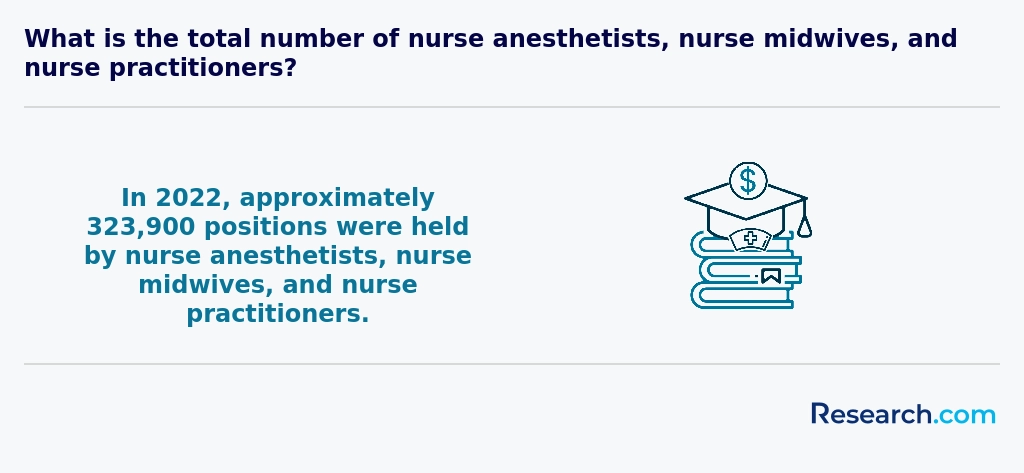
When considering an online nursing degree in Virginia, understanding the costs and developing a financial plan is essential. The average total cost for an online nursing degree in Virginia can range significantly, from around $6,000 to $70,000, depending on the program. Students should also consider additional expenses such as clinical rotation costs, travel, uniforms, and supplies. Besides tuition, many students explore financial aid options, including federal and state aid, scholarships, grants, and tuition reimbursement programs offered by employers. For instance, those looking for most affordable nursing schools in Virginia can find valuable information and resources to help make their educational journey more affordable. By carefully evaluating the total cost, including tuition and fees, and looking into financial aid options, prospective students can make informed decisions about their educational paths, helping them identify programs that align with their career goals and financial situation.
Picture this: a graduate from Old Dominion University, balancing work and family, breathing a sigh of relief as a Pell Grant cushions the hefty $7,500 annual tuition at a Virginia public school. Federal student aid like Pell Grants-capped at $7,395-feels like a lifeline to many, whispering "you've got this" when the cost of education looms large.
Meanwhile, at George Mason University's online program, another nursing student dances with hope, thanks to state gems like the Virginia Tuition Assistance Grant (VTAG), which unlocks funds specifically for private institutions. These dollars transform dreams of care into reality, especially when coupled with scholarships that demand a small promise-say, serving Virginia's healthcare system as repayment-like the Virginia Nursing Scholarship Program.
And let's not forget the quiet heroes: employers. Hospitals across Richmond and Norfolk frequently pitch in, lightening the load by covering parts of tuition in exchange for dedication. With such support, many graduates feel the thrill of investing in themselves without the shadow of debt dragging their steps.
One of the most critical measures of an online nursing program’s quality is its NCLEX-RN pass rate, which reflects how well graduates are prepared for real-world practice. In Virginia, top programs report first-time pass rates exceeding 90%: • James Madison University: 93% first-time NCLEX-RN pass rate in 2023. • University of Virginia: 95% first-time pass rate, driven by rigorous clinical simulations and dedicated review courses. • Virginia Commonwealth University: 91% first-time pass rate, supported by peer study groups and faculty-led question-bank sessions. To maximize your chances of success: – Engage early with NCLEX-style practice questions and virtual simulations to build critical thinking skills under exam conditions. – Take advantage of program-provided review workshops and NCLEX prep platforms, which often include timed mock exams, flashcards, and analytics to identify areas for improvement. – Collaborate with faculty mentors and join student-led study cohorts to discuss challenging case studies and rationales for correct answers. – Verify your state board requirements: Virginia’s Board of Nursing mandates background checks, health screenings, and application fees before you can sit for the NCLEX-RN. For students entering nursing from a non-clinical background, consider an accelerated direct entry msn for non nurses online pathway, which combines foundational coursework with intensive NCLEX preparation-all designed to streamline your journey to licensure and practice in Virginia.
To step into the world of online nursing degrees in Virginia, you'll first need the golden ticket: a high school diploma or a GED. Imagine a graduate from a well-known Virginia university recalling how mastering prerequisite courses like Biology with a lab and Anatomy pushed them from feeling overwhelmed to confidently embracing the nursing journey. These foundational classes-think of Chemistry, Microbiology, and a pinch of Statistics-are more than hoops; they're the sturdy pillars that future nurses stand on.
Many Virginia programs, such as those at respected state colleges, ask for a solid GPA, usually hovering between 2.5 and 3.0, ensuring you're ready to tango with nursing's challenges. Some graduates vividly remember the moment they submitted their TEAS scores, a test honing in on math, science, and reading skills, knowing it was a ticket to prove readiness.
For those already licensed as practical or registered nurses, programs require you to verify your credentials through the Virginia Board of Nursing-solid proof that your skills are up to snuff statewide. And while your lectures play out online, real-life clinical hours at Virginia healthcare facilities await, blending virtual learning with hands-on healing.
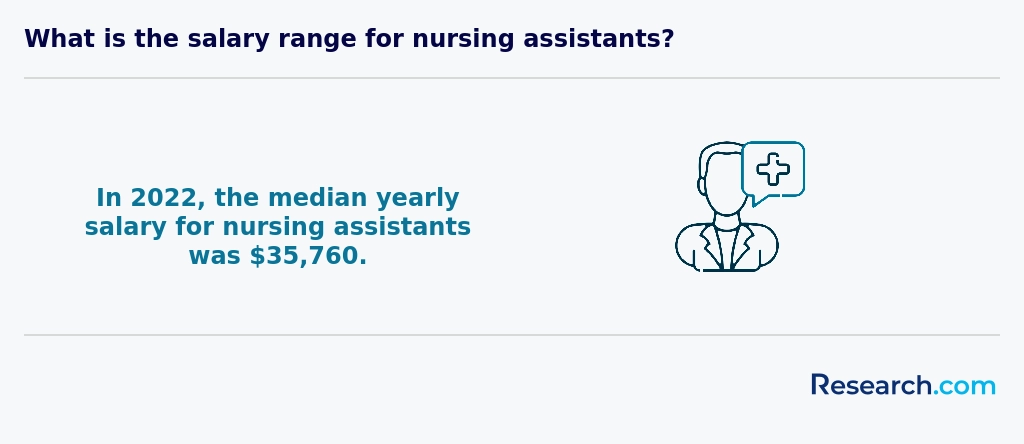
Earning an online nursing degree in Virginia culminates in passing the NCLEX-RN exam and securing licensure through the Virginia Board of Nursing. Accredited programs report first-time NCLEX pass rates, a key quality indicator: for example, James Madison University boasts a 92% pass rate, while the University of Virginia reports 94%. High pass rates reflect rigorous curricula, comprehensive review courses, and dedicated faculty support. Prospective students should review each school’s published NCLEX outcomes, as these statistics directly impact your ability to begin practice. To prepare for licensure, most Virginia online programs integrate NCLEX-focused workshops, question banks, and simulated exams. Graduates frequently praise these resources: one JMU alum noted that weekly live review sessions helped her master pharmacology questions, while a UVA graduate cited personalized faculty feedback on practice tests as invaluable. Additionally, some programs partner with third-party prep providers-be sure to inquire whether associated fees are included in tuition or billed separately. After passing NCLEX-RN, you’ll apply for endorsement or initial licensure with the Virginia Board of Nursing, submitting official transcripts, background checks, and proof of clinical hours. The Board typically processes complete applications within 4–6 weeks. Maintaining licensure requires 30 continuing education hours every two years-many online programs offer post-graduation CE modules to keep your license active and skills current. If you’re weighing program quality alongside affordability, don’t miss our sister ranking on Inexpensive Nursing Degree Programs Ranking in Rhode Island, which highlights budget-friendly options for nursing students seeking cost-effective pathways.
Diving into an online nursing degree in Virginia feels like stepping into a vibrant ecosystem of learning where courses blend science and humanity in perfect harmony. Picture yourself navigating the intricate pathways of anatomy and physiology at Old Dominion University, where every muscle and organ becomes a familiar companion on your screen. Graduates from George Mason University often recall how pharmacology wasn't just about memorizing drugs-it was understanding how each medication whispers to the body's systems, empowering safe patient care.
In Virginia's online nursing programs, foundational classes like microbiology and chemistry lay the bedrock, while nursing theory courses transform abstract ideas into real-world skills. Imagine tackling health assessment online, then translating that knowledge during clinical hours arranged locally, feeling the thrill of connecting theory to a patient's pulse. Pathophysiology courses reveal the drama of disease, turning complex processes into storytelling that sticks.
Leadership and community health modules, frequently praised by students from Norfolk State University, spark confidence and a sense of purpose-preparing you to lead with empathy, manage healthcare teams, and champion the wellbeing of Virginians. It's a journey that feels both challenging and deeply rewarding.
Virginia's online nursing specializations unfold like a vibrant tapestry woven with care and precision. Graduates from renowned institutions like the University of Virginia and Old Dominion University share stories of mastering the Family Nurse Practitioner (FNP) track, where they confidently serve diverse communities-from bustling Richmond clinics to quiet Appalachian towns-filling critical primary care gaps with empathy and expertise.
Others immerse themselves in the Psychiatric-Mental Health Nurse Practitioner (PMHNP) path, inspired by the region's rising focus on mental wellness. The immersive courses prepare them to navigate real-life crises with heart and skill, a vital antidote in today's healthcare landscape. Meanwhile, those choosing Adult-Gerontology Nurse Practitioner (AGNP) specialization feel a profound connection addressing the needs of Virginia's blossoming elderly population, cultivating patient bonds that span generations.
Leadership and administration tracks attract nurses eager to transform healthcare systems from within, often sparked by experiences at institutions like George Mason University. The rn to bsn without clinicals option further broadens access for busy professionals balancing family and work, keeping the dream alive without sacrificing real-world demands. These Virginia nursing degree specialization options demonstrate how education can adapt boldly to meet the state's unique challenges and vibrant spirit.
Imagine balancing late-night study marathons with the demands of life in vibrant Virginia, where every nursing student dreams of that perfect online degree. The best online nursing degree Virginia offers isn't just about accredited prestige; it's a blend of flexible schedules, solid clinical placements, and a welcoming support system. Graduates from local universities recall how seamless asynchronous classes allowed them to juggle work and family without sacrificing quality education. They highlight that programs accredited by the Commission on Collegiate Nursing Education (CCNE) or the Accreditation Commission for Education in Nursing (ACEN) made their degrees respected and reliable.
Think of affordability not as a barrier but as a pathway, where studying at a public institution in Virginia can cost between $8,000 and $15,000 annually, making affordable nursing programs Virginia a beacon for many hopefuls. One graduate vividly remembers how the program facilitators helped locate clinical sites nearby, offering real-world experience essential for licensing. For those seeking accelerated paths, exploring an accelerated direct entry msn for non nurses online can flip the script entirely, transforming aspirations into action faster.

Graduates armed with an online nursing degree career options Virginia offers often leap into dynamic roles like Registered Nurse, blending hands-on care in bustling Richmond hospitals or community clinics in scenic Charlottesville. Imagine the rewarding challenge of emergency nursing amid Virginia Beach's urban pulse, or the calming expertise required in pediatrics, where you cradle both hope and healing. These career paths aren't just jobs-they are daily adventures where passion meets purpose.
Some graduates take the next bold step, pursuing Nurse Practitioner roles through Virginia's online programs, such as those at the University of Virginia or Virginia Commonwealth University. With advanced degrees like MSN or DNP, they command respect, diagnosing and prescribing treatments, especially vital in the state's rural stretches where healthcare access transforms lives. This empowerment fuels their devoted sense of making a difference.
Beyond clinical walls, graduates explore administrative leadership or teaching at Virginia nursing colleges, weaving their clinical wisdom into shaping future caregivers. For budget-conscious learners, financial aid shines as a beacon, making programs more accessible compared with national tuition rates; those curious about affordable options will find value in the Inexpensive Nursing Degree Programs Ranking in Rhode Island. These solid Virginia nursing degree job opportunities energize hopefuls ready to serve and thrive.
Graduates stepping into the world of online nursing jobs Virginia find themselves in a realm rich with opportunity, fueled by a state healthcare system growing alongside its aging population. Imagine a recent nursing graduate from a respected Virginia college, landing a job swiftly at a bustling Richmond hospital where advanced skills honed online meet real-world demands. These careers bloom beyond hospitals-outpatient clinics or community health centers eagerly recruit these digitally trained nurses, blending technical know-how with compassionate care.
Many report that completing their nursing degrees online allowed flexibility while securing employment promptly after graduation, thanks to Virginia's steady 11% job growth rate for nursing roles. Public institutions here often balance quality and affordability, making the online path particularly appealing. Exploring dual degree programs undergraduate can also expand career horizons and prepare graduates for varied nursing roles in diverse settings.
2027 Best Online Nursing Degree Programs Ranking in Virginia
Investing in your education is a significant decision that can shape your future, and the Research.com team understands the importance of making informed choices. To assist prospective students in Virginia, we have meticulously crafted the "2027 Best Online Nursing Degree Programs Ranking in Virginia." Our commitment to quality, credibility, and accuracy is reflected in the extensive research and analysis conducted to compile this ranking.
We utilized the following reputable data sources to ensure a comprehensive evaluation of nursing programs:
By exploring this ranking, readers will gain valuable insights into the best online nursing degree programs available in Virginia, helping them make informed decisions about their educational journeys. For more details on our methodology, please visit our Research.com methodology page.



Frequently Asked Questions About nursing
Online nursing degree students in Virginia can maximize their learning experience by engaging actively with their coursework and clinical opportunities. Combining asynchronous study with scheduled live sessions helps reinforce knowledge and build practical skills. Virginia has over 40 approved nursing programs, many offering simulation labs and partnerships with local healthcare facilities, which provide essential hands-on experience.
Students should also take advantage of academic advising and tutoring services offered by their institutions. According to the Virginia Board of Nursing, maintaining a strong GPA and completing clinical hours effectively are key to success. Networking with peers and joining nursing associations in Virginia can further enhance learning and career opportunities.
The nursing field is expanding into several specialized areas, reflecting Virginia's evolving healthcare needs. One emerging niche is telehealth nursing, which leverages digital technology to provide care remotely. This area grew significantly during the COVID-19 pandemic and remains vital in rural parts of Virginia where access to healthcare is limited. Another growing specialty is gerontological nursing, driven by Virginia's aging population; the U.S. Census Bureau projects a steady increase in residents aged 65 and older, highlighting demand for elder care expertise.
Additionally, informatics nursing, combining healthcare and data management, is gaining traction as hospitals adopt more electronic health records. Psychiatric mental health nursing also sees rising importance due to increased awareness of mental health issues throughout the state. These niches offer promising career paths for Virginia nurses seeking advanced roles.
After completing an online nursing degree in Virginia, preparing for the job market requires strategic planning. First, graduates should obtain licensure by passing the NCLEX-RN exam, necessary to practice as a registered nurse in Virginia. According to the Virginia Board of Nursing, timely application for licensure is crucial to avoid delays in employment.
Networking is also vital. Joining state nursing associations, such as the Virginia Nurses Association, provides access to job listings and professional development. Additionally, tailoring your resume to highlight clinical experience gained during online programs can attract employers in Virginia's healthcare system.
Lastly, consider gaining certifications in high-demand specialties like gerontology or critical care, as Virginia's aging population increases demand for specialized nurses (Virginia Employment Commission data, 2023).
Employers in Virginia prioritize several key skills when hiring graduates with online nursing degrees. Clinical competence remains fundamental, requiring proficiency in patient care, medical technology, and critical thinking. According to the Virginia Department of Health Professions, 85% of nursing employers seek strong practical skills combined with theoretical knowledge.
Effective communication is essential for collaborating with healthcare teams and educating patients. Additionally, adaptability and leadership abilities are highly rated, especially given the evolving nature of healthcare in Virginia's diverse settings.
Technical literacy, including familiarity with electronic health records (EHR), is increasingly important as hospitals adopt advanced digital systems. Employers also value cultural sensitivity because Virginia nurses serve varied populations.
Finding nursing internships in Virginia begins with exploring opportunities through accredited online nursing programs, as many maintain partnerships with local healthcare providers. Virginia has over 120 hospitals, clinics, and long-term care facilities that frequently offer clinical placements for nursing students.
The Virginia Board of Nursing and local nursing schools often provide resources for internships, ensuring students meet state requirements and gain practical experience. Websites like the Virginia Nurses Association and individual school career centers can be valuable starting points.
Students should also consider leveraging statewide job boards such as Virginia Workforce Connection, which lists openings for nursing internships and clinical rotations. Networking through professional nursing organizations in Virginia is another effective method for securing placements.
Online nursing degrees in Virginia significantly enhance career mobility by providing flexible access to education for working nurses. The Virginia Board of Nursing recognizes online programs that meet accreditation standards, ensuring graduates are eligible for licensure and advanced practice roles.
According to the U.S. Bureau of Labor Statistics, registered nurse employment in Virginia is projected to grow about 7% from 2021 to 2031, signaling expanding job opportunities. Earning an online Bachelor of Science in Nursing (BSN) or higher degree enables nurses to pursue leadership, specialized clinical, and administrative roles.
Additionally, advanced degrees obtained online support eligibility for certifications in fields like nurse practitioner or nurse anesthetist, which offer higher salaries and better job stability in Virginia healthcare facilities.
Studying for a nursing degree in Virginia equips students with skills essential for interdisciplinary healthcare roles. Virginia's nursing programs emphasize collaboration with professionals in medicine, social work, and health administration to improve patient outcomes. According to the Virginia Center for Nursing, over 60% of nurses engage in team-based care settings.
Courses often include training in communication, leadership, and evidence-based practice to prepare nurses for diverse healthcare environments. Online nursing programs integrate clinical simulations and case studies that mirror real-world interdisciplinary scenarios. This approach aligns with Virginia's focus on team-based healthcare delivery models promoted by the Virginia Department of Health.
When choosing between a thesis and a non-thesis nursing degree program in Virginia, students should consider their career goals and learning preferences. A thesis program typically involves conducting original research and writing a detailed paper, which can be beneficial for those planning to pursue doctoral studies or research-focused roles.
Non-thesis programs often focus more on practical skills and coursework, appealing to nurses seeking leadership or advanced clinical positions without a research emphasis. According to the Virginia Nurses Association, many employers in the state value experience alongside advanced degrees.
Online nursing programs in Virginia offer both options, but admissions criteria and time commitments may differ. Prospective students should review curriculum details and speak with advisors to ensure alignment with their professional aspirations.
Virginia students seeking nursing degrees online who wish to study abroad face several considerations. Most U.S. nursing programs, including those in Virginia, require clinical hours that must be completed in-person, making fully online international options limited. According to the Virginia Board of Nursing, clinical experience in approved U.S. facilities is essential for licensure. Some students pursue study abroad opportunities through exchange programs affiliated with American universities, but these tend to supplement, not replace, Virginia-based coursework.
Additionally, accreditation by agencies recognized by the U.S. Department of Education is crucial for degree validity and licensure. International nursing programs may not meet these standards. Therefore, while studying abroad is possible, Virginia students often combine domestic online studies with short-term clinical experiences internationally to enrich their education without compromising licensure requirements.
Part-time job opportunities in Virginia that complement nursing degree education often focus on healthcare support roles. Common positions include certified nursing assistants (CNAs), medical assistants, and patient care technicians. These roles provide practical experience and help students apply their academic knowledge in clinical environments.
Virginia's Department of Health Professions notes that CNAs can earn an average hourly wage of $14 to $17, making this a feasible option for nursing students seeking flexible schedules.
Additionally, jobs in home health care or outpatient clinics offer valuable patient interaction, strengthening communication and clinical skills crucial for nursing careers.
Local hospitals and clinics often accommodate student schedules, aiding professional growth while continuing education.
Online nursing students in Virginia have access to a range of networking opportunities that support their professional growth. Many Virginia universities offering online nursing programs organize virtual meetups, webinars, and discussion groups. These platforms help students connect with faculty, alumni, and peers across the state.
The Virginia Nurses Association (VNA) is an important resource, hosting events and conferences that are accessible to online learners. VNA membership offers connections to thousands of registered nurses statewide, fostering mentorship and career advancement.
Additionally, clinical placements and practicum requirements often take place in local healthcare facilities, providing hands-on networking with Virginia's nursing community. According to Virginia Board of Nursing data, over 100,000 nurses are licensed in the state, creating a robust professional network for graduates.
Alumni networks play a crucial role for students pursuing online nursing degrees in Virginia. These networks provide access to a community of experienced professionals who can offer mentorship, job leads, and career advice. According to the Virginia Nurses Association, 70% of nursing jobs in the state are obtained through networking and referrals. This makes alumni connections particularly valuable for online students who may lack traditional on-campus interactions.
Many Virginia nursing programs maintain strong alumni databases that facilitate professional collaborations and continuing education opportunities. Access to job fairs, webinars, and local meetups often occurs through these networks, enhancing employment prospects.
Furthermore, alumni networks help online nursing students stay informed about industry trends and licensure updates specific to Virginia, supporting their long-term career growth.
Online nursing degree programs in Virginia offer flexibility to tailor your education toward specific career goals. Many universities provide specialization options such as family nurse practitioner, nurse educator, or nurse administrator tracks. This customization helps align your degree with in-demand roles in Virginia's healthcare system.
You can often select electives and clinical experiences that focus on areas like geriatrics or mental health, reflecting local community needs. According to the Virginia Nurses Association, advanced practice nurses and educators are critical to addressing the state's provider shortages.
Additionally, some programs allow part-time study or accelerated pacing, enabling you to balance education with current employment. Exploring program accreditation, such as by the CCNE or ACEN, ensures your specialized training meets professional standards across Virginia and nationwide.
Online nursing students in Virginia often face challenges balancing rigorous coursework with personal and professional responsibilities. Many students juggle full-time jobs while completing clinical hours required by the Virginia Board of Nursing, which can be difficult without on-campus support.
Access to reliable technology and high-speed internet is another common barrier, especially in rural areas where connectivity may be limited. According to the Virginia Department of Education, approximately 15% of households in some rural counties lack broadband access.
Additionally, students may encounter difficulties finding local clinical placements, a critical component for licensure preparation, due to high demand and limited availability. Support services such as tutoring and advising are sometimes less accessible online than in traditional programs, which can impact student success rates.
With an online nursing degree in Virginia, graduates can pursue a variety of professional certifications to advance their careers. Common certifications include the Certified Nurse Practitioner (CNP), Certified Registered Nurse Anesthetist (CRNA), and Certified Nurse Midwife (CNM), each requiring additional specialized training beyond the degree.
The Virginia Board of Nursing also recognizes certifications like the Medical-Surgical Nursing Certification (CMSRN) and the Pediatric Nursing Certification (CPN), which validate expertise in specific clinical areas.
According to the Virginia Nurses Association, pursuing certification can increase job opportunities and salary potential within the state's competitive healthcare market.
Writing a strong application for an online nursing program in Virginia requires clear focus on academic and professional qualifications. Virginia's Board of Nursing recommends that applicants highlight relevant healthcare experience, particularly in clinical settings. Including certifications such as CPR or CNA can strengthen your profile.
Additionally, a well-crafted personal statement is crucial. Use this to explain your motivation for pursuing nursing, your understanding of Virginia's healthcare challenges, and your career goals within the state's growing medical workforce. According to the Virginia Nurses Association, demand for registered nurses is expected to grow by 15% through 2030, emphasizing the importance of commitment to the field.
Make sure to meet all prerequisites, such as prerequisite courses or minimum GPA requirements set by programs accredited by the Accreditation Commission for Education in Nursing (ACEN). Letters of recommendation from clinical supervisors or educators familiar with your skills add significant value. Finally, carefully proofread all documents to ensure professionalism and clarity.
A nursing career is recognized globally as both essential and rewarding, with strong demand across many countries. In the United States, including Virginia, nursing offers robust employment opportunities; the U.S. Bureau of Labor Statistics projects a 7% growth for registered nurses from 2021 to 2031, faster than the average for all occupations.
Virginia reflects this trend, with a growing need for qualified nurses to support its expanding healthcare system. According to the Virginia Department of Health Professions, registered nursing is among the fastest-growing professions in the state.
Globally, nurses often serve as frontline healthcare providers, adapting to diverse medical systems and technologies. This makes a nursing degree valuable for those considering international work or collaboration in healthcare innovation.
For students pursuing online nursing degrees in Virginia, understanding these perspectives helps align local education paths with broader career opportunities both inside and outside the U.S.
While pursuing an online nursing degree in Virginia, gaining practical experience is essential to meet licensing requirements and build clinical skills. Students typically complete clinical rotations at approved healthcare facilities near their residence. Virginia's Board of Nursing requires clinical hours to be completed under supervision, ensuring hands-on experience.
Many online programs coordinate agreements with local hospitals, clinics, and long-term care facilities to facilitate these placements. According to the Virginia Nurses Association, students often complete between 500 and 700 clinical hours during their program. Some schools also offer simulation labs or virtual clinical experiences to supplement in-person hours.
It's important for students to verify that their chosen program supports clinical sites in their area to fulfill state licensure requirements efficiently.
Choosing the right concentration within an online nursing degree program in Virginia requires understanding both your career goals and the state's healthcare needs. Virginia's nursing workforce reports a high demand for nurse practitioners, nurse educators, and specialty nurses in geriatrics and mental health, according to the Virginia Nurses Association.
Consider concentrations that align with these needs to improve job prospects. Additionally, think about your personal interests and skills. For example, if you enjoy patient education, a focus on nurse education might be fitting.
Review program accreditation and the availability of clinical placements within Virginia to ensure licensure eligibility and practical experience.
- 2027 Best Online Nursing Degree Programs Ranking in North Carolina
- 2027 Best Online Nursing Degree Programs Ranking in Tennessee
- 2027 Best Online Nursing Degree Programs Ranking in Kentucky
- 2027 Best Online Nursing Degree Programs Ranking in Pennsylvania
- 2027 Best Online Nursing Degree Programs Ranking in South Carolina
- 2027 Best Online Nursing Degree Programs Ranking in Ohio
- 2027 Best Online Nursing Degree Programs Ranking in New Jersey
- 2027 Best Online Nursing Degree Programs Ranking in Georgia
- 2027 Best Online Nursing Degree Programs Ranking in Indiana
- 2027 Best Online Nursing Degree Programs Ranking in New York
See What Experts Have To Say About Studying Nursing
Read our interview with Nursing experts

Lisa Grubb
Nursing Expert
Assistant Professor
Johns Hopkins School of Nursing

- Online Nursing Prerequisites: Helpful Guide to BSN and ABSN Requirements [2025] - Prereqcourses https://www.prereqcourses.com/online-nursing-prerequisites/
- Online Bachelor of Science in Nursing https://an.edu/programs/bachelors-degrees/online-bachelor-of-science-in-nursing/
- Study Nursing Abroad | Boomerang International Educational Services https://boomerangedu.com/study-nursing-abroad/
- Online versus Face-to-Face Nursing Degrees: A Study of Recruiters’ Perceptions - OJDLA https://ojdla.com/articles/online-versus-face-to-face-nursing-degrees-a-study-of-recruiters-perceptions
- Top Nursing Skills U.S. Employers Want to See on Your Resume | O'Grady Peyton https://www.ogradypeyton.com/blog/job-seeker-resources/top-nursing-skills-u.s.-employers-want-to-see-on-your-resume
- Do I Have to Write a Thesis to Complete a Master’s Degree in Nursing? https://www.bestmasterofscienceinnursing.com/faq/write-thesis-complete-masters-degree-nursing/
- Scholarships https://www.bsmcon.edu/scholarships
- Working While in Nursing School: 25 Ways to Make Money as a Nursing Student https://credenzahealth.com/career-advice/working-while-in-nursing-school-25-ways-to-make-money-as-a-nursing-student
- | NRR | Dove Medical Press https://www.dovepress.com/internship-challenges-encountered-by-nursing-students-a-qualitative-st-peer-reviewed-fulltext-article-NRR
- How to Write https://esign.com/letter-of-intent/school/nursing/


