2027 Most Valuable Nursing Degree Programs Ranking in Syracuse

Co-Founder and Chief Data Scientist
If you're considering a nursing degree in Syracuse, this article is designed to guide your decision-making. It features the 2027 Most Valuable Nursing Degree Programs Ranking in Syracuse, created by the Research.com team of data scientists. This ranking helps you identify programs that offer excellent education and career prospects.
Choosing the right nursing program is a big step toward a rewarding and impactful career. Reading this article will give you clear, trustworthy insights to help you find the nursing degree that best fits your goals.
Key benefits of getting nursing degree in Syracuse
- Graduates with a nursing degree in Syracuse can expect strong salary prospects, with Registered Nurses earning an average annual wage of $94,480 and Operating Room Nurses earning up to $128,490, reflecting rewarding financial stability.
- Career paths for nursing graduates include roles such as Clinical Nurse Educator, Public Health Nurse, and Emergency Room Nurse, offering diverse opportunities to make a real difference in local healthcare.
- Getting a nursing degree online in Syracuse allows flexible study schedules and the ability to balance work and life, making it easier for students to advance their careers without sacrificing income.
- 2027 Most Valuable Nursing Degree Programs Ranking in Syracuse
- What can I expect from nursing degree in Syracuse?
- Where can I work with nursing degree in Syracuse?
What can I expect from nursing degree in Syracuse?
The average cost of pursuing a nursing degree in Syracuse varies widely depending on the institution and program level, yet students often find the investment rewarding beyond tuition fees. For example, graduates from Syracuse University's nursing program share that while the annual tuition may exceed $30,000, scholarships and financial aid available through both public and private institutions significantly reduce the burden. Conversely, programs at Onondaga Community College offer affordable pathways with tuition closer to $5,000 per year, making nursing education accessible without sacrificing quality.
Many students reflect on how the real value emerges from immersive clinical experiences at places like Upstate University Hospital rather than just classroom instruction. These hands-on opportunities cultivate confidence and practical skills that feel priceless when transitioning into the workforce. The cost, then, is not just a number but an investment in tangible competence and career readiness grounded in Syracuse's healthcare community.
Understanding these costs through the lens of local resources and support helps demystify finances, inspiring prospective nurses to focus on the rewarding journey ahead rather than being overwhelmed by price tags.
Where can I work with nursing degree in Syracuse?
Graduates from nursing programs at Syracuse's top institutions often find themselves stepping into dynamic roles across the city's bustling healthcare landscape. Imagine starting your shift at SUNY Upstate Medical University, where you might move swiftly between the intensive care unit and pediatric wards, gaining hands-on experience that few other cities can match. This firsthand exposure shapes your confidence and expertise, pushing you beyond textbook learning.
Others discover meaningful careers in long-term care facilities around Onondaga County, responding to the urgent needs of an aging population. They become vital support systems for elderly patients, managing chronic conditions and fostering rehabilitation, turning everyday challenges into rewarding victories.
Nursing graduates frequently share how community health centers in Syracuse allow them to engage deeply with preventive care-educating families and helping reduce hospital visits. This connection to community wellbeing creates an enriching sense of purpose.
Some alumni find unexpected fulfillment in academic or research roles at Syracuse's universities, influencing the next generation of nurses or pioneering healthcare advances. The diverse job market here defies one-dimensional career paths and invites you to redefine what nursing means in your life.
Graduates with a nursing degree in Syracuse often encounter salary prospects that challenge typical expectations. Registered nurses (RNs) in the area earn a mean annual wage of about $94,480, matching data for clinical nurse educators, public health nurses, and emergency room nurses, which shows the stable and competitive nature of these roles locally. Imagine a recent Syracuse University nursing graduate securing a position at Upstate University Hospital, earning this solid average while gaining invaluable experience.
More specialized roles reflect even greater earning potential. Operating room nurses, for example, command a significantly higher mean wage of $128,490 annually, reflecting critical skills honed through advanced training. Graduates from SUNY Upstate Medical University with strong clinical expertise often find themselves in these higher-paying roles.
This salary range illustrates how a nursing degree in Syracuse can open doors to financially rewarding and emotionally fulfilling careers in diverse healthcare settings. The combination of local employer demand and specialized skills transforms these figures from abstract numbers into achievable goals, fueling graduates' confidence and optimism about their professional futures.
- Nursing programs in Syracuse include ADN, BSN, and MSN degrees offered by community colleges and universities.
- ADN programs cost between $6,000 and $15,000, while BSN programs range from $20,000 to $40,000 in tuition.
- Entry-level RNs earn an average salary of $60,000 to $65,000, with experienced nurses and specialists making $80,000 or more.
- The job market for nurses is strong, with many hospitals offering residency programs for new graduates.
- All nursing graduates must pass the NCLEX-RN exam to obtain a license and practice legally in Syracuse.
Completing a nursing degree in Syracuse challenges students to weigh time, commitment, and opportunity. Many graduates from Onondaga Community College find that the Associate Degree in Nursing (ADN) takes about two years-enough time to build confidence through hands-on clinical experience while preparing for the NCLEX-RN exam. This quicker pathway often fuels a sense of accomplishment and financial relief for those eager to enter the workforce.
Meanwhile, graduates from Syracuse University pursuing a Bachelor of Science in Nursing (BSN) experience a four-year blend of rigorous academics and real-world practice, which often deepens their professional insight and personal growth. Students often reflect on how those years shaped their readiness and opened doors for advancement with higher earning potential.
For some working nurses or career changers in Syracuse, accelerated BSN programs condense this journey into one to two years, infusing urgency with excitement as they balance studies with life's demands. These varied paths remind prospective students that nursing education here is not just about time-it's about transformation.
To make an informed decision when selecting a nursing program in Syracuse, NY, it's crucial to consider several factors, including accreditation, program types, flexibility, clinical experience, cost, and reputation. Prospective students should research each program thoroughly, weighing the benefits and drawbacks of each. For instance, those interested in attending a valuable nursing school in New York should look into programs that offer comprehensive curricula, experienced faculty, and ample opportunities for hands-on training. By doing so, students can ensure they are well-prepared for the demands of the nursing profession and poised for success in their future careers.
Online and on-campus nursing degrees in Syracuse offer distinctly different experiences that shape both learning and daily life. Graduates from SUNY Upstate Medical University often recall the energizing atmosphere of in-person lectures and lab sessions where immediate dialogue with instructors and peers fueled their passion. Hands-on clinical rotations in nearby hospitals created a tangible connection to patient care that online students must arrange independently.
Conversely, those who pursued nursing online appreciated the flexibility to juggle family needs or jobs, tapping into coursework at their own pace through digital platforms. Yet, this freedom demands strong self-discipline and comfort with technology, traits not every aspiring nurse finds natural. Though online programs still require clinical practice in local settings, coordinating these hours can feel isolating compared to the communal support in on-campus cohorts.
Both paths lead to the same licensure, but choosing between them challenges students to reflect on how they prefer to learn: through the vibrant buzz of campus life or the quiet, self-driven rhythm of online study.
Understanding the true value of a nursing degree goes beyond tuition and salary-it’s about how quickly graduates recoup their investment and build long‐term earning potential. On average, ADN programs in Syracuse cost between $23,900 and $66,320, while BSN programs range from $89,556 to $211,392. Assuming a mid‐range BSN cost of $150,000 and an entry‐level RN salary of $89,010, graduates can expect a payback period of approximately 1.7 years. For those pursuing an MSN, even with higher tuition costs averaging $33,150 annually, the jump to advanced practice roles-where average salaries exceed $119,000-reduces payback time to under two years. To maximize ROI: • Compare total program costs-including fees, textbooks, and living expenses-to projected starting salaries. • Leverage financial aid and scholarships to lower debt-Pell Grants, TAP, and specialty nursing scholarships can cut payback time by up to 30%. • Consider accelerated pathways: students interested in graduate study may explore the easiest direct-entry msn program to get into to transition from a bachelor’s to a master’s degree in as little as 18 months, unlocking higher salaries sooner. When weighing programs, calculate net present value (NPV) by factoring in average nurse turnover, regional demand growth, and potential for specialization premiums (e.g., operating room, critical care). This ROI framework empowers prospective students to choose the most cost‐effective program aligned with their career goals and financial circumstances.
The average cost of a nursing degree in Syracuse reflects a significant investment, with median total expenses reaching around $57,885. For many students attending institutions such as Le Moyne College or Syracuse University, managing the total tuition and fees for nursing programs Syracuse can feel daunting yet purposeful. Graduates often describe that while the financial commitment is substantial, the sense of achievement and future opportunities in healthcare make it worthwhile.
In-state students benefit from lower median costs near $40,330, which can ease the financial burden compared to out-of-state peers who face the full median cost. These figures incorporate tuition, fees, textbooks, supplies, and clinical requirements that are essential parts of nursing education but frequently underestimated. Students share how budgeting for uniforms and specialized equipment can feel like a balancing act alongside classwork, yet these tangible expenses anchor the reality of becoming a hands-on healthcare provider.
Some graduates recall moments when they questioned if the cost was justified, but their commitment to serving communities fueled a positive mindset. Many recognize that financial aid and scholarships, along with federal loan forgiveness options, play crucial roles in transforming the sticker price into an attainable goal. Choosing the right program also means considering return on investment; attending a valuable nursing school in New York in Syracuse often leads to rewarding career outcomes that align well with the initial cost.
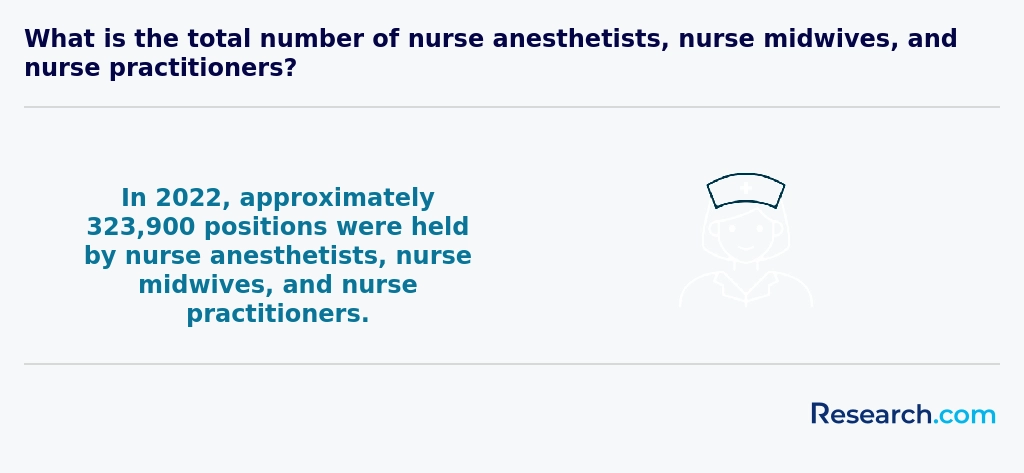
Understanding the return on investment (ROI) for a nursing degree in Syracuse, NY, is essential for students seeking both quality education and financial sustainability. By comparing total program costs-including tuition, fees, textbooks, and living expenses-to average starting salaries and long-term earning potential, prospective nurses can make data-driven choices. Graduates of local BSN programs, for example, typically incur total costs between $89,556 and $211,392 but command entry-level salaries around $70,000–$75,000. Factoring in projected salary growth (5%–6% annual increases) and a 20-year career span, the breakeven point for most BSN holders in Syracuse falls around 6–8 years post-graduation. When evaluating an Associate Degree in Nursing (ADN), which ranges from $23,900 to $66,320 in total costs, the shorter program duration (2 years) often translates to lower debt and a faster start to earning the RN average salary of $89,010. However, BSN graduates benefit from higher initial wages and greater access to leadership roles-leading to a higher lifetime ROI despite greater upfront costs. To calculate your personalized ROI, subtract your estimated total loan repayment from projected cumulative earnings and divide by total educational investment; this ratio helps rank programs by value rather than just prestige. Financial aid and scholarship awards can dramatically improve ROI. In addition to federal grants and loans discussed earlier, students should explore merit-based scholarships and employer tuition reimbursement programs. For those exploring cost-effective options beyond New York, consider the Most Affordable Nursing Degree Programs Ranking in Washington to benchmark program expenses and discover best-value approaches in different regions. Ultimately, by weighing program costs against salary trajectories, job placement rates, and specialization premiums (e.g., CRNA or Nurse Practitioner roles with average salaries exceeding $120,000), prospective nursing students in Syracuse can select the path that maximizes both their earning potential and educational quality.
Nursing students in Syracuse often find that the financial aid landscape is more than just loans and scholarships-it's a carefully woven safety net tailored to their unique journey. Graduates from Onondaga Community College frequently share how federal aid like Pell Grants lifted the burden early on, allowing them to focus on clinical skills rather than tuition anxiety.
State programs such as the Excelsior Scholarship offer transformative relief, especially for SUNY nursing students, turning what feels like an impossible cost into an achievable goal. Meanwhile, the Nursing Faculty Loan Forgiveness Program rewards those who commit to underserved communities or teaching roles, making service feel not just noble but financially feasible.
Local scholarships from Syracuse University and employer-sponsored tuition assistance from hospitals like Upstate University create a tangible bridge between classroom theory and real-world experience. Picture a nursing intern balancing patient care while receiving stipends-a true testament to how these aids breathe life into educational dreams.
By leaning on these nuanced, multifaceted financial resources, nursing students in Syracuse don't just pay for their education-they invest in a future rich with purpose and hope.
Accelerated nurse practitioner programs offer a fast-track route for RNs seeking advanced practice roles without the traditional master’s-first timeline. These pathways typically condense core NP coursework and clinical hours into 12–18 months, leveraging RNs’ existing clinical knowledge to streamline education. In Syracuse, accelerated tracks often include online didactic sessions combined with local clinical placements, making it easier for working nurses to balance shifts with academic requirements. Admission criteria usually require a current RN license, a BSN or ADN with a bridge component, and satisfactory GRE or TEAS scores. Students gain expertise in diagnostics, pharmacology, and patient management across specialties such as family practice, adult-gerontology, or pediatrics. Upon completion, graduates are eligible to sit for national NP certification exams and secure roles in primary care, acute care, or community health settings. For those comparing program quality and outcomes, our team evaluated curriculum rigor, faculty credentials, and post-graduation employment rates. To explore top-rated options, consider our best rated accelerated nurse practitioner online program, which excels in flexible scheduling and clinical support, ensuring a smooth transition from RN to NP.
To enroll in a nursing degree program in Syracuse, securing a high school diploma or GED is just the starting point. Graduates from local colleges like Onondaga Community College often recall how mastering biology, chemistry, and math before applying gave them confidence navigating tough science courses later. These prerequisites build a foundation not just for exams but for real clinical challenges.
Standardized tests like the SAT or ACT still play a crucial role, shaping who moves forward. Many remember the tension before seeing their scores, a moment that felt like the first real test of their future in nursing. Some programs also require placement tests, ensuring students won't be overwhelmed during reading and math-intensive coursework.
Healthcare exposure, whether volunteering or shadowing nurses, is more than a checkbox. Past students from Syracuse universities speak of how this firsthand experience solidified their passion and eased the leap into the demanding clinical environment. Ultimately, it's a blend of solid academics and authentic care experience that opens doors here.
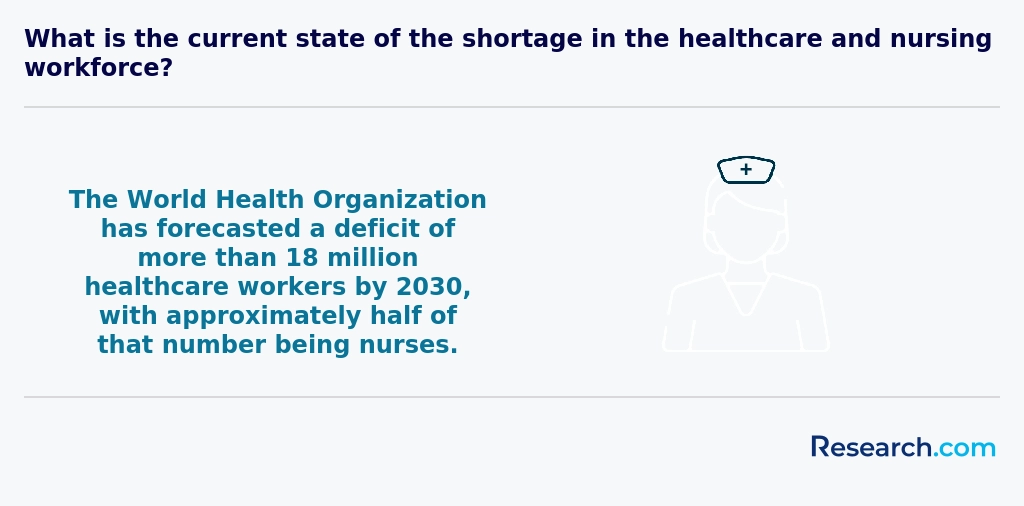
Accreditation ensures curriculum meets national standards and qualifies you for licensure. In Syracuse, top nursing programs hold CCNE or ACEN accreditation and routinely exceed New York state NCLEX-RN pass rates.
- Check for CCNE (Commission on Collegiate Nursing Education) or ACEN (Accreditation Commission for Education in Nursing) approval before applying.
- SUNY Upstate Medical University BSN: ~92% NCLEX-RN pass rate (2025 cohort).
- Onondaga Community College ADN: ~88% NCLEX-RN pass rate, above state average.
- Le Moyne College BSN: ~95% NCLEX-RN pass rate, reflecting strong clinical preparation.
High NCLEX-RN pass rates indicate effective teaching, solid clinical experiences, and strong exam preparation. For a broader perspective on accredited program outcomes, explore nursing programs in california.
Nursing degrees in Syracuse immerse students in a blend of rigorous science and compassionate care, challenging the idea that nursing is just about following instructions. Graduates from institutions like Upstate Medical University often recall mastering anatomy, physiology, and pharmacology, not as mere subjects but as essential tools that save lives. Imagine confidently explaining medication effects to a worried patient-this is built in those classrooms.
Core courses go beyond theory: Fundamentals of Nursing teach hands-on skills, while Adult Health and Pediatrics reveal the delicate balance of treating diverse ages and conditions. Mental Health Nursing, often overlooked, opens eyes to emotions behind diagnoses, creating a deeper empathy. Community and Maternal Nursing expose students to public health realities right in Syracuse neighborhoods and hospitals like St. Joseph's Health, reinforcing healthcare's human side.
Clinical practicum solidifies learning by placing students in real-life hospital situations, transforming textbook knowledge into confident action. Graduates describe moments when their preparation turned uncertainty into empowerment, a feeling unique to Syracuse's nursing programs.
Nursing degree specializations in Syracuse reflect a broad spectrum of career paths that challenge the traditional view of nursing as a singular role. Graduates from Syracuse's universities often recall the empowering experience of choosing from focused pathways such as Adult-Gerontology Nursing, which involves managing complex, chronic conditions in aging populations, or Pediatric Nursing, where empathy translates into dedicated care for children. These specializations demand sharp clinical skills and a compassionate heart, providing immediate, palpable impacts in hospitals and community clinics.
For those intrigued by high-pressure environments, Critical Care Nursing offers a frontline role in intensive care units, demanding quick decision-making and resilience. Meanwhile, other graduates find fulfillment in Mental Health Nursing, addressing deeply personal psychological needs often overlooked in mainstream care.
With many Syracuse programs highlighting best nursing specialties Syracuse can offer, students also explore advanced options like Family Nurse Practitioner tracks that expand their scope of practice and patient interaction. Institutions here frequently blend academic rigor with practical exposure, inviting students to explore these rewarding roles firsthand.
Prospective students aiming for the best rated accelerated nurse practitioner online program can similarly access focused credentialing designed to elevate their career swiftly and effectively.
Choosing the best nursing degree in Syracuse means looking beyond just program names or popularity. Graduates from SUNY Upstate Medical University often share how affordable nursing degrees Syracuse NY made their paths more manageable, freeing their focus to absorb complex clinical skills rather than stress over debt. Yet, cost alone shouldn't steer your choice-think of how hands-on experience at hospitals affiliated with Crouse Hospital transformed students' confidence, enabling them to thrive under pressure in real healthcare settings.
Many find themselves reflecting on how a Bachelor of Science in Nursing (BSN) opened unexpected doors-employers here increasingly favor BSN-prepared nurses, impacting long-term earning potential by up to 15%. A Syracuse nursing graduate's story about excelling through rigorous clinical rotations offers insight into what accreditation truly means: assurance that you will be job-ready.
To navigate this effectively, consider program outcomes and your future role in local healthcare. If you're exploring advanced routes, you might want to check out the easiest direct-entry msn program to get into available, as it reshapes traditional paths in nursing education and may be a hidden gem for your career.

Graduates holding a nursing degree in Syracuse encounter a landscape rich with opportunities that often defy traditional expectations. Far beyond bedside care, many find themselves thriving in diverse settings such as Upstate University Hospital or community clinics, where the impact on local health feels immediate and personal. Those moving into advanced roles, particularly with a BSN or MSN, are stepping confidently into positions as nurse practitioners or clinical nurse specialists, roles that blend autonomy with deep expertise. The journey of a graduate from Onondaga Community College, for example, might begin in long-term care facilities but swiftly evolve toward leadership or education, nurturing the next wave of nursing professionals in the area.
Syracuse's dynamic healthcare environment offers more than just employment-it invites a chance to shape patient outcomes in real-time. Reflecting on healthcare jobs for nursing graduates Syracuse consistently offers reveals a pattern: those who embrace diverse paths, including nurse educator or administrative roles, often speak of profound fulfillment. For those considering cost-effective education options, exploring the Most Affordable Nursing Degree Programs Ranking in Washington can provide valuable guidance when weighing choices.
The nursing job opportunities in Syracuse are shaped by a healthcare landscape that both demands expertise and offers resilience amid change. Graduates from popular nursing programs in the area often share how clinical rotations at major facilities like Upstate University Hospital provide more than skills-they offer a clear view of growing patient needs and job availability. This direct exposure reassures many that employment growth is not just a statistic but an unfolding reality.
These graduates emphasize the importance of specialized skills, as the Syracuse nursing degree employment outlook favors candidates trained in fields like geriatrics and mental health. In practice, this means stepping confidently into roles at diverse workplaces, from rehabilitation centers to home healthcare agencies, where the demand steadily rises alongside the aging population.
Many students recognize that wages align well with living costs here, offering a meaningful return on investment for local nursing graduates. For those seeking to boost their career prospects even further, exploring certifications for high paying jobs is often the pivotal next step.
2027 Most Valuable Nursing Degree Programs Ranking in Syracuse
Investing in your education is a significant decision that can shape your future, and the Research.com team understands the importance of making informed choices. To assist prospective students in Syracuse, we have meticulously crafted the "2027 Most Valuable Nursing Degree Programs Ranking in Syracuse." Our commitment to quality, credibility, and accuracy is reflected in the extensive research and analysis conducted to compile this ranking.
We utilized the following reputable data sources to ensure a comprehensive evaluation of nursing programs:
By exploring this ranking, readers will gain valuable insights into the most valuable nursing degree programs in Syracuse, helping them make well-informed decisions about their educational and career paths. For more details on our methodology, please visit our Research.com methodology page.


Frequently Asked Questions About nursing
Nursing degree students in Syracuse can maximize their learning experience by engaging actively in clinical rotations offered by local healthcare facilities such as Upstate University Hospital. Hands-on practice in diverse medical settings helps build essential skills and confidence. Students should also leverage resources at institutions like Syracuse University and Onondaga Community College, which provide access to simulation labs and updated nursing technologies. Participating in study groups and seeking mentorship from experienced nurses enhances understanding and professional growth. Additionally, staying informed about certification requirements and continuing education opportunities in New York State ensures readiness for the NCLEX-RN exam and career advancement.
Emerging niches within the nursing field reflect evolving healthcare needs and technological advancements. In Syracuse, specialized areas like geriatric nursing are growing rapidly due to the increasing elderly population in Onondaga County, which is projected to rise by 15% over the next decade (U.S. Census Bureau, 2023). Another expanding sector is telehealth nursing, where nurses provide remote care using digital platforms, a trend accelerated by the COVID-19 pandemic. Additionally, psychiatric-mental health nursing is gaining importance in Syracuse, reflecting national efforts to address mental health shortages. These niches offer focused career opportunities for nursing degree graduates seeking to meet specific community needs.
Graduates with nursing degrees in Syracuse should begin preparing for the job market by obtaining licensure through the National Council Licensure Examination (NCLEX-RN). Passing this exam is essential to practice as a registered nurse in New York State. Networking locally can also be critical; attending job fairs hosted by Syracuse-area hospitals and healthcare organizations helps connect candidates with potential employers.
According to the New York State Department of Labor, nursing jobs in Syracuse are expected to grow by over 10% between 2022 and 2032. Gaining clinical experience via internships or externships during studies significantly improves employment prospects.
Enhancing skills in electronic health record (EHR) software is beneficial, as most Syracuse healthcare providers use digital systems. Additionally, pursuing certification in specialty areas like geriatric or pediatric nursing can make candidates more competitive in the local job market.
Employers in Syracuse seek nursing graduates with strong clinical skills and the ability to apply evidence-based practices effectively. According to the New York State Department of Labor, critical thinking and patient assessment are highly valued competencies. Communication skills, both with patients and interdisciplinary teams, are essential for successful care coordination.
Technical proficiency with electronic health records (EHR) and familiarity with healthcare technology are increasingly important due to growing digital integration in Syracuse hospitals. Additionally, cultural competence plays a significant role, given the diverse patient population in the region.
Leadership potential and adaptability are also frequently cited by local employers as indicators of future success in healthcare settings.
Finding nursing internships in Syracuse involves exploring partnerships between local healthcare facilities and educational institutions. Many nursing programs in Syracuse, such as those affiliated with Syracuse University and local community colleges, offer structured clinical placements as part of their curriculum.
The Syracuse area has several hospitals and health centers, including Upstate University Hospital and St. Joseph's Hospital Health Center, which frequently host nursing interns. The New York State Department of Labor reports a steady demand for nursing professionals in Onondaga County, making internships valuable for practical experience and job placement.
Students should also contact their school's career services and nursing departments to identify available internships. Networking at job fairs and joining nursing organizations like the New York State Nurses Association can provide additional opportunities tailored to the Syracuse nursing market.
Obtaining a nursing degree in Syracuse significantly enhances career mobility and advancement opportunities. The Central New York region has a growing healthcare sector, with the New York State Department of Labor projecting a 12% increase in registered nurse employment through 2030. This growth creates demand for qualified nurses, making degree holders more competitive.
Graduates can access a variety of roles beyond bedside nursing, including leadership, education, and specialized clinical fields. Advanced degrees such as a BSN or MSN often lead to higher salaries and eligibility for supervisory positions within prominent local hospitals like Upstate University Hospital.
Additionally, accredited nursing programs in Syracuse support licensure preparation, essential for career progression. According to the National Council of State Boards of Nursing (NCSBN), individuals with bachelor's degrees tend to have higher pass rates on the NCLEX-RN exam, a key credential.
Studying for a nursing degree in Syracuse offers students comprehensive training that emphasizes collaboration across healthcare disciplines. Local nursing programs integrate practical experiences in hospitals and community clinics where interdisciplinary teamwork is essential. This hands-on approach helps students understand how to coordinate with doctors, pharmacists, social workers, and other care providers.
According to the New York State Education Department, Syracuse nursing schools incorporate updated curricula aligned with the Institute of Medicine's recommendations for teamwork and communication. This prepares graduates to contribute effectively to patient-centered care teams.
Moreover, partnerships between Syracuse-area healthcare facilities and nursing programs provide students with exposure to multiple health professions, reinforcing the skills needed for interdisciplinary roles in diverse settings, improving both outcomes and job readiness.
When choosing between a thesis and a non-thesis nursing degree program in Syracuse, consider your professional goals first. Thesis programs focus on research and require a formal written project, preparing students for roles in academia or advanced clinical research. Non-thesis programs emphasize practical skills and coursework, ideal for those seeking immediate clinical practice.
The State University of New York (SUNY) system reports that approximately 40% of nursing students in Syracuse opt for thesis tracks, often those interested in pursuing doctoral studies later. In contrast, the majority choose non-thesis paths for faster entry into the workforce.
Cost and time are also important factors. Thesis programs may take longer due to research commitments, while non-thesis options often finish sooner with more flexible schedules.
Students based in Syracuse seeking to study nursing abroad have several pathways through US higher education partnerships and exchange programs. Many nursing schools in Syracuse, such as those affiliated with Syracuse University, offer study abroad options or collaborations with international institutions, allowing students to gain clinical experience overseas while earning credits toward their degree.
Additionally, programs accredited by the Commission on Collegiate Nursing Education (CCNE) often facilitate global clinical placements, especially in regions with strong healthcare systems. According to the National Student Clearinghouse Research Center, about 7% of nursing students in New York actively participate in study abroad or international clinical programs, reflecting growing interest.
These international experiences enhance cultural competence and global health understanding, crucial skills in nursing today. Students should consult their academic advisers early to navigate prerequisites, licensing implications, and credit transfers successfully.
Part-time job opportunities in Syracuse that complement nursing degree education often include roles within healthcare settings such as patient care technician, medical scribe, or nursing assistant positions. These jobs provide practical experience alongside academic study, enhancing clinical skills and patient interaction capabilities.
Syracuse hosts several hospitals and healthcare facilities, including Upstate University Hospital, which frequently offers part-time positions suitable for nursing students. According to the U.S. Bureau of Labor Statistics, healthcare support roles in the Syracuse area are projected to grow by 12% from 2022 to 2032, reflecting strong job availability.
Additionally, outpatient clinics and long-term care centers also offer flexible part-time roles that fit student schedules. Working in these environments allows students to apply nursing principles in real-world settings while maintaining their academic workload.
Nursing students in Syracuse have access to multiple networking opportunities that can enhance their professional growth. Local institutions such as Syracuse University and Onondaga Community College offer student nursing organizations that connect learners with peers and faculty. These groups often host events, workshops, and guest lectures by healthcare professionals.
The city's strong healthcare presence, including the University Hospital and St. Joseph's Health, provides avenues for clinical rotations and internships, fostering relationships with practicing nurses and administrators. Syracuse also hosts regional nursing conferences, offering students chances to meet experts and recruiters.
According to the New York State Department of Labor, the healthcare sector in Syracuse is projected to grow by 12% over the next decade, increasing networking potential for graduates.
Alumni networks provide significant advantages for nursing degree students in Syracuse by fostering valuable professional connections. These networks typically include healthcare professionals who graduated from local institutions such as SUNY Upstate Medical University and Le Moyne College. Access to such contacts can increase job placement rates; for example, SUNY Upstate reports that over 90% of its nursing graduates find employment within six months, often through alumni referrals.
Moreover, alumni can offer mentorship, guidance on certification processes, and firsthand insights into evolving healthcare practices specific to the Central New York region.
Participation in alumni events and groups helps students stay updated on clinical opportunities and continuing education, critical for long-term career growth in nursing.
Customizing your nursing degree program in Syracuse to fit your career goals starts with choosing the right type of degree. Local institutions, such as Le Moyne College and SUNY Upstate Medical University, offer flexible options including BSN, RN-to-BSN, and MSN programs tailored to different professional paths.
Many programs allow students to select clinical practicum sites based on specialty interests like pediatrics, geriatrics, or acute care, helping gain specific hands-on experience. Elective coursework and certification preparation, including Nurse Practitioner or Nurse Educator tracks, are also common ways to specialize.
According to the New York State Education Department, Syracuse nurses with advanced certifications experience higher employment rates and salaries, underscoring the value of customizable programs.
Nursing students in Syracuse often face several demanding challenges throughout their education. One major hurdle is balancing rigorous coursework with clinical hours, which are essential for hands-on experience but can be time-consuming. According to the New York State Education Department, clinical placements in Syracuse hospitals like Upstate University Hospital can require long, irregular hours that impact students' personal lives.
Another common issue is the high cost of nursing programs. Tuition combined with fees for lab supplies and textbooks can exceed $10,000 annually at local institutions such as Onondaga Community College. This financial burden can lead to stress and require students to seek part-time employment.
Finally, the complexity of adapting to evolving healthcare technologies and protocols poses a challenge. Nursing students must remain up-to-date with the latest standards, which demands continuous learning alongside their studies.
With a nursing degree in Syracuse, graduates can pursue various professional certifications to enhance their careers. Common certifications include the Certified Registered Nurse Anesthetist (CRNA), Certified Nurse Practitioner (CNP), and Certified Clinical Nurse Specialist (CNS), each requiring additional education and clinical experience.
Many Syracuse nurses choose to become Certified Medical-Surgical Registered Nurses (CMSRN) or Certified Pediatric Nurses (CPN) to specialize in specific care areas. According to the New York State Education Department, these certifications improve job prospects and salary potential in the region.
Hospitals in Syracuse also support Advanced Cardiac Life Support (ACLS) and Basic Life Support (BLS) certifications, often mandatory for employment. Certifications demonstrate advanced skills and dedication to patient care, important for both local and statewide nursing careers.
To write a winning application for a nursing program in Syracuse, start by carefully researching each school's admission requirements. Most programs seek applicants with strong academic records, particularly in sciences like biology and chemistry. The average accepted GPA for nursing programs in Syracuse often ranges from 3.0 to 3.5, reflecting competitive academic standards.
Highlight relevant experience such as volunteering in healthcare settings or working as a certified nursing assistant. Syracuse hospitals, like Upstate University Hospital, often collaborate with local nursing schools and value practical exposure.
Craft a clear, focused personal statement emphasizing your passion for nursing and commitment to community health. Be sure to include any connections to Syracuse or its healthcare needs to show local engagement.
Lastly, secure strong letters of recommendation from educators or healthcare professionals who can attest to your skills and character. According to the New York State Education Department, organized and thorough applications increase your chances of acceptance in this competitive field.
Nursing careers are increasingly valued worldwide, reflecting a growing demand for healthcare professionals. In the United States, including Syracuse, the nursing field offers diverse opportunities from bedside care to advanced practice roles. According to the Bureau of Labor Statistics, registered nursing jobs are expected to grow 9% through 2031, faster than average for all occupations.
Globally, nurses play a critical role in managing public health, especially during pandemics, highlighting their importance across borders. The World Health Organization emphasizes ongoing education to meet evolving healthcare needs, encouraging nurses to pursue higher degrees.
For Syracuse students, local nursing programs align with these global standards, preparing graduates for both domestic and international careers.
Gaining practical experience while studying for a nursing degree in Syracuse is essential for building necessary skills and improving job prospects. Many nursing programs in Syracuse partner with local hospitals such as Upstate University Hospital and St. Joseph's Health for clinical placements. These internships allow students to work with patients, observe experienced nurses, and apply classroom knowledge in real healthcare settings.
Students can also seek volunteer opportunities or part-time roles such as Certified Nursing Assistant (CNA) positions in nursing homes or clinics. According to the New York State Education Department, clinical hours are a required part of nursing curricula, typically ranging from 500 to 700 hours, depending on the program.
Some Syracuse programs also offer simulation labs, providing hands-on training using advanced medical technology under faculty supervision.
Choosing the right concentration within a nursing degree program in Syracuse depends on your career goals and interests. Syracuse offers various specializations such as pediatric nursing, gerontology, and psychiatric nursing, aligned with workforce demands.
Data from the New York State Education Department shows an increasing need for nurses specializing in gerontology, reflecting the aging population in the region. Meanwhile, pediatric nursing remains vital due to Syracuse's numerous family healthcare facilities.
Consider local clinical opportunities when selecting a concentration. Hands-on experience at hospitals like Upstate University Hospital can enhance your skills and employability.
Assess program accreditation, faculty expertise, and support services as these factors influence your educational quality.
- 2027 Most Valuable Nursing Degree Programs Ranking in Rochester
- 2027 Most Valuable Nursing Degree Programs Ranking in Bronx
- 2027 Most Valuable Nursing Degree Programs Ranking in New York
- 2027 Most Valuable Nursing Degree Programs Ranking in Brooklyn
- 2027 Most Valuable Nursing Degree Programs Ranking in Baltimore
- 2027 Most Valuable Nursing Degree Programs Ranking in Boston
- 2027 Most Valuable Nursing Degree Programs Ranking in Washington
- 2027 Most Valuable Nursing Degree Programs Ranking in Detroit
- 2027 Most Valuable Nursing Degree Programs Ranking in Columbus
- 2027 Most Valuable Nursing Degree Programs Ranking in Virginia Beach
See What Experts Have To Say About Studying Nursing
Read our interview with Nursing experts

Lisa Grubb
Nursing Expert
Assistant Professor
Johns Hopkins School of Nursing

- Nursing Internship and Externship Programs https://jobs.mayoclinic.org/nursinginternexternprograms
- Do I Have to Write a Thesis to Complete a Master’s Degree in Nursing? https://www.bestmasterofscienceinnursing.com/faq/write-thesis-complete-masters-degree-nursing/
- Sign Up for the Journal of Nursing. https://www.asrn.org/journal-advanced-practice-nursing/3399-10-business-ideas-for-nurses-in-2026.html
- Financial Aid https://www.sjhcon.edu/financial-aid/
- Types of Nursing Degrees-Which One Is Yours? https://www.allnursingschools.com/how-to-get-into-nursing-school/degree-options/
- 8 Nursing Programs to Boost Your Career https://www.pointloma.edu/resources/nursing/8-nursing-programs-boost-your-career
- RN in 16 Months | Crouse Health, Syracuse, New York https://www.crouse.org/nursing/admissions/rnin16/
- What Are the Best Jobs to Work While in Nursing School? https://www.dewv.edu/what-are-the-best-jobs-to-work-while-in-nursing-school/
- The Importance of Clinical Experience for Nursing Students https://bealuniversity.ca/clinical-experience-for-nursing-students/
- School of Nursing Alumni Resources https://nursing.utmb.edu/About/Alumni