2027 Most Valuable Online Nursing Degree Programs Ranking in Washington, DC

Co-Founder and Chief Data Scientist
Choosing the right nursing degree program can be daunting, especially when options seem endless. This article introduces the 2027 Most Valuable Online Nursing Degree Programs Ranking in Washington, DC, created by the Research.com team of data scientists to guide you in making a smart, informed decision.
You'll discover online programs that balance quality education with career value, helping you find the best fit for your goals. Pursuing a nursing degree opens doors to a rewarding and stable career, and this ranking aims to support your journey every step of the way.
Key benefits of getting online nursing degree in Washington
- Registered Nurses in Washington with an online nursing degree can earn a mean annual wage of $94,480, while Operating Room Nurses can make up to $128,490 annually, showing strong salary prospects.
- Graduates from popular Washington colleges often pursue careers as Registered Nurses, Public Health Nurses, or Emergency Room Nurses, offering diverse and rewarding paths in healthcare.
- Online nursing degrees provide flexibility for working students, allowing them to balance studies and life commitments, often leading to quicker completion compared to traditional programs.
- 2027 Most Valuable Online Nursing Degree Programs Ranking in Washington, DC
- What can I expect from online nursing degree in Washington?
- Where can I work with online nursing degree in Washington?
What can I expect from online nursing degree in Washington?
The average cost of an online nursing degree in Washington typically ranges from $15,000 to $40,000, depending on the school and program level. Many students find programs at institutions like the University of Washington or Washington State University offering competitive tuition rates combined with strong reputations for nursing education.
Graduates often recall the excitement of flexible classes fitting around their busy lives, while still tackling hands-on clinical hours at local hospitals. One graduate shared how the affordable tuition paired with state scholarships made pursuing an MSN online feel not only achievable but rewarding. The investment felt worthwhile, considering Washington's growing nursing demand and job outlook.
For students balancing work and family, this price range opens doors to quality nursing education without overwhelming financial stress. Many programs also provide financial aid options, making the dream of becoming a registered nurse in Washington accessible through a mix of savvy budgeting and dedicated effort.
Where can I work with online nursing degree in Washington?
With an online nursing degree from popular programs like those at the University of Washington or Bellevue College, graduates often discover a wide array of thrilling career paths across the state. Imagine starting your journey in a bustling hospital ward, part of institutions such as the University of Washington Medical Center or Providence Health, where you're hands-on with diverse patient care-everything from emergency cases to specialized pediatrics.
Others find rewarding roles in community health centers, like Public Health - Seattle & King County clinics, where they educate and support underserved populations. Many graduates share the pride of making real differences in rural areas through telehealth services, remotely monitoring patients and breaking barriers to care.
For those drawn to eldercare, long-term facilities and nursing homes across Washington offer meaningful work supporting aging neighbors. Some adventurous nurses advance into education, case management, or administration, fueled by cutting-edge knowledge earned online. The state's strong support for telemedicine and APRN roles means your career can be as flexible and innovative as you want.
Graduates with an online nursing degree in Washington often find themselves stepping into rewarding roles that offer solid financial returns. For example, those entering positions like Registered Nurse, Clinical Nurse Educator, or Public Health Nurse can expect mean annual wages around $94,480, or about $45.42 per hour. Imagine starting your shift at a bustling hospital near Seattle, equipped with knowledge from a program like the University of Washington's online nursing track, feeling confident knowing your skills command competitive pay.
For those drawn to high-stakes settings, becoming an Operating Room Nurse is especially promising, with mean annual earnings soaring to approximately $128,490 and hourly wages near $61.78. Graduates from Washington State University's robust online MSN program often share stories of the adrenaline and satisfaction from this fast-paced environment, where expertise and dedication translate into higher income.
Whether exploring urban medical centers or community clinics, the nursing degree journey in Washington opens doors to exciting career possibilities paired with encouraging salaries that reflect the state's dynamic healthcare demand.
- Online nursing degrees in Washington include ADN and BSN programs and require state approval and accreditation for licensure eligibility.
- Costs for an ADN range from about $7,000 to $15,000, while BSN programs average between $20,000 and $35,000, excluding extra fees like textbooks and clinical costs.
- Entry-level registered nurses in Washington earn around $75,000 annually, with experienced RNs making between $85,000 and $100,000 depending on setting and location.
- Nursing employment in Washington is projected to grow by approximately 15% from 2022 to 2032, driven by demand in hospitals, outpatient centers, and home health services.
- Graduates must pass the NCLEX-RN exam to practice, and the state board enforces licensure and continuing education requirements.
Diving into an online nursing degree in Washington feels like embarking on a meaningful adventure where time molds your journey uniquely. Graduates from community colleges often share that earning an Associate Degree in Nursing (ADN) takes about 2 to 3 years, especially when balancing work and life through part-time study. Imagine the satisfaction of passing clinical rotations locally, blending online classes with hands-on care in Washington's vibrant healthcare settings.
Many aspiring nurses chasing a Bachelor of Science in Nursing (BSN) find themselves immersed for roughly 3 to 4 years when starting fresh. Yet, those already holding an RN or ADN, attending universities like the University of Washington or Seattle University, celebrate accelerated paths-wrapping up in as few as 12 to 24 months. The excitement of advancing knowledge while juggling real-life commitments really shines here.
For those pursuing Master's degrees, the experience stretches from 18 to 36 months, with intriguing clinical hours offering deep dives into specialized nursing roles. Each moment spent in Washington's unique hybrid programs becomes a stepping stone toward a thriving nursing career.
An essential benchmark for any online nursing degree in Washington, DC is its graduates’ NCLEX-RN pass rate, reflecting the program’s rigor and effectiveness in preparing students for licensure. Accredited programs-typically approved by the Commission on Collegiate Nursing Education (CCNE) or the Accreditation Commission for Education in Nursing (ACEN)-must meet stringent standards to ensure eligibility for state boards of nursing and maximize candidate success. Key factors influencing NCLEX-RN outcomes:
- Accreditation and State Approval: Only graduates of DC programs approved by the DC Board of Nursing are eligible to sit for the NCLEX-RN exam.
- Historical Pass Rates: Top DC institutions report first-time pass rates between 88% and 95%, exceeding the national average of 84%.
- Exam Preparation Resources: Online students benefit from virtual NCLEX review modules, practice question banks, and live webinars hosted by experienced faculty.
- Remediation and Tutoring: Many programs offer personalized remediation plans and peer-led study groups to address individual knowledge gaps. To bolster licensure readiness, students should verify that their chosen program publishes annual NCLEX data and provides:
- Comprehensive test-taking strategy workshops
- Simulated exams mirroring the NCLEX Computer Adaptive Testing format
- Access to virtual skills labs for clinical decision-making practice While focusing on RN licensure, some students may explore alternative entry points into nursing. For example, prospective learners looking for a shorter pathway can compare options such as lpn programs in mn, which offer foundational clinical training and prepare graduates for the NCLEX-PN. By prioritizing programs with strong pass rates and robust support systems, Washington, DC online nursing students can confidently transition from graduation to licensed practice.
Choosing between online and on-campus nursing degrees in Washington offers unique adventures. Imagine a nursing student at the University of Washington navigating clinical skills hands-on in bustling labs and simulation centers, soaking up the energy of face-to-face mentorship. The buzz of on-campus life fuels motivation and sparks immediate connections with peers and instructors, making networking feel natural and exciting.
Contrast this with a student from Seattle University who balances coursework online, weaving study sessions between family duties and a part-time job. The freedom to learn anywhere in Washington's varied landscapes-from urban Seattle to peaceful Spokane-means no daily commute through traffic jams or long winters outside.
Both paths demand the same rigorous clinical hours approved by Washington's NCQAC, ensuring readiness for the NCLEX-RN exam. Online programs often arrange local clinical placements, creating a personalized, hands-on experience near your home.
A hallmark of top-tier online nursing programs in Washington, DC is the breadth of support services designed to help students succeed. These resources not only foster academic excellence but also enhance student satisfaction and retention. Academic Advising and Career Coaching
- Personalized Academic Plans: Dedicated advisors guide students through course selection, clinical placements, and NCLEX-RN preparation.
- Career Services: Resume workshops, mock interviews, and networking events connect graduates with leading healthcare employers in the DC area. Technical and Learning Resources
- 24/7 Tech Support: Reliable assistance ensures uninterrupted access to learning management systems, virtual simulation labs, and electronic health record platforms.
- Digital Library Access: Comprehensive nursing journals, e-books, and interlibrary loan services enable students to conduct evidence-based research without geographic limitations. Clinical Simulation and Peer Mentoring
- Virtual Simulation Labs: Interactive scenarios replicate real-world patient care, helping students develop critical thinking and decision-making skills before in-person rotations.
- Peer Mentorship Programs: Upper-level nursing students mentor newcomers, sharing study strategies, time-management tips, and insights into balancing work, family, and academics. Mental Health and Wellness Support
- Counseling Services: Licensed counselors provide confidential support for stress management, work-life balance, and resilience building.
- Wellness Workshops: Webinars on mindfulness, sleep hygiene, and nutrition help students maintain peak performance throughout rigorous coursework. Financial and Scholarship Assistance
- Dedicated Financial Aid Counselors: Experts assist with identifying grants, scholarships, and loan forgiveness programs specific to Washington, DC nursing students.
- Cost-Saving Resources: For students interested in regional comparisons, explore our Most Affordable Online Bachelor's in Nursing Degree Programs Ranking in the Northeast to uncover additional budget-friendly pathways. By assessing the availability and quality of these support services, prospective students can make an informed decision and choose an online nursing program in Washington, DC that not only delivers academic rigor but also comprehensive student care.
Exploring the average cost of an online nursing degree in Washington reveals an intriguing mix of affordability and investment in your future. Graduates from popular institutions like Central Washington University and Eastern Washington University often share how their in-state tuition hovered between $9,000 and $15,000 for a Bachelor of Science in Nursing (BSN), making the journey both achievable and worthwhile. These figures reflect the typical range for local students eager to advance their careers without embracing overwhelming debt.
Out-of-state learners might find the financial landscape more challenging, with tuition sometimes nearly doubling, yet the flexibility of online programs often balances those costs by cutting expenses on housing and commuting. For those diving deeper with a Master of Science in Nursing (MSN), the costs can rise to $20,000-$40,000, a worthwhile step according to many graduates who speak of the professional doors it opened.
Many prospective students wonder about the hidden expenses beyond basic tuition-technology fees, course materials, and clinical supplies are all part of the mix. Wise students approach these as manageable puzzles within their budgeting plans. Looking into options such as FAFSA and Washington-specific nursing scholarships often unlocks unexpected financial aid treasures.
Washington's online nursing degree tuition fees Washington DC residents consider reflect strong value when compared to national averages, with many feeling confident they've chosen a path that aligns with both passion and practicality. Exploring local options contrasts nicely with programs out of state or online alternatives - and for those beginning their health care journeys, even considering lpn courses tennessee universities can be an eye-opening step in comparing costs and opportunities.
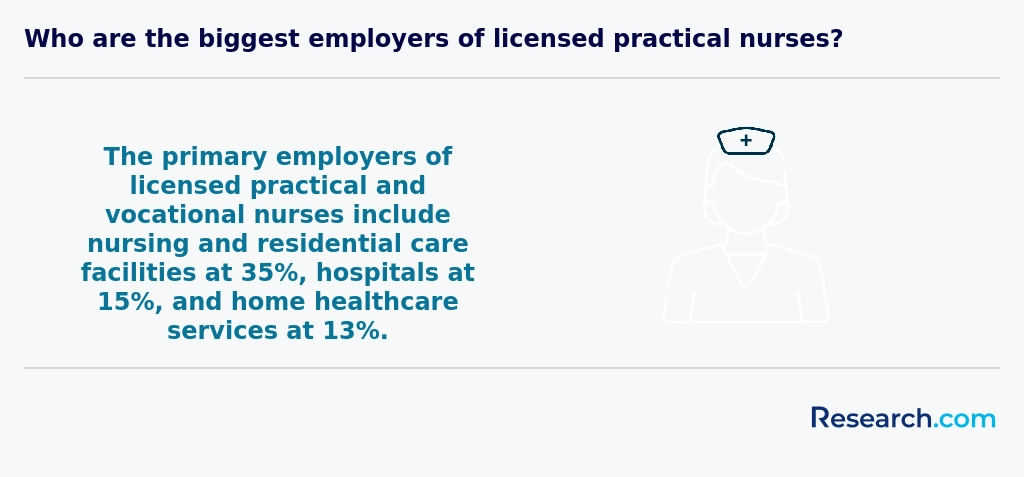
After earning an online nursing degree in Washington, DC, graduates benefit from a robust array of continuing education opportunities and specialized certifications designed to deepen clinical expertise and support career advancement. Many RNs and APRNs pursue accredited certificate programs in high-demand areas-such as informatics, leadership, and nurse education-to develop targeted competencies and meet employer expectations for specialized roles. Washington, DC nurses can enroll in both university-sponsored tracks and professional‐association modules, earning Continuing Education Units (CEUs) while staying current with evidence-based practice guidelines. For instance, registered nurses interested in transitioning into academic roles can explore low cost graduate certificate programs in nursing education, which provide essential teaching methodologies, curriculum design principles, and clinical simulation techniques without a hefty price tag. Beyond academic certificates, many local health systems partner with online platforms to offer in-house workshops-covering Pediatric Advanced Life Support (PALS), Trauma Nursing Core Course (TNCC), and wound care management-that satisfy DC Board of Nursing requirements for licensure renewal. These offerings often include virtual simulations and interdisciplinary case studies, granting both practical experience and credits toward mandatory CEU thresholds. Maintaining active licensure in the District requires completion of a set number of CEUs every renewal cycle. By strategically selecting certificate courses aligned with individual career goals-whether in nurse administration, policy advocacy, or specialized clinical practice-graduates of online nursing programs in Washington, DC can solidify their expertise, enhance their resumes, and sustain long-term professional growth in a competitive healthcare landscape.
Imagine starting your nursing journey at the University of Washington, feeling the excitement of pursuing your dreams while knowing financial aid options are within reach. Many online nursing students here rely on federal aid through FAFSA, unlocking access to Pell Grants that can ease tuition costs by up to $7,395 a year - no repayment needed! This support sparks hope and makes tackling the $9,000 average tuition fee less daunting.
Graduates from Washington State University often share stories of tapping into the Washington College Grant, a powerful state resource that can cover full tuition for eligible residents. This grant has been a game-changer for low- to middle-income students aiming to nurse their communities back to health.
Beyond grants, scholarships from organizations like the Washington State Nurses Association bring encouragement and recognition, rewarding dedication with financial backing. Plus, some lucky students find employers offering tuition reimbursement programs, inspiring commitment with practical support tied to future careers.
And for graduates ready to serve underserved Washington areas, the Nurse Corps Loan Repayment Program offers a thrilling chance to wipe away up to 85% of loans - turning service into a rewarding adventure.
Licensure success is a critical indicator of program quality, showing how well online nursing degrees prepare students for professional practice.
- All programs are approved by the DC Board of Nursing and accredited by CCNE or ACEN, ensuring eligibility for the NCLEX-RN
- First-time NCLEX-RN pass rates for online BSN graduates in Washington, DC range from 85% to 95%, surpassing national averages
- APRN and MSN tracks report certification exam pass rates above 90%, reflecting robust clinical partnerships and exam prep
- Consistently high pass rates signal strong faculty support, up-to-date curricula, and effective virtual simulation tools
For nurse practitioner aspirants seeking cost-effective online options, explore our cheap np programs.
Diving into an online nursing degree in Washington invites you to meet some clear yet encouraging prerequisites that set you up for success. Imagine a recent graduate from a well-known Washington college sharing how their journey began with solid foundations-high school diplomas, strong biology and chemistry knowledge, and prerequisite courses like anatomy and physiology aced with a 'C' or better. These basics ensure you can confidently tackle nursing classes ahead.
For those eyeing advanced paths, picture an RN licensed in Washington, energized by hands-on clinical experience and holding a bachelor's degree, stepping into a master's nursing program. These graduate programs often ask for letters of recommendation and a GPA around 3.0, which motivated many to reflect on their growth and dedication.
Washington's nursing education journey also weaves in state-specific steps: arranging clinical placements locally with background checks and immunization proofs, all creating an adventurous yet structured learning path. This blend of academic rigor and real-world readiness truly resonates with students embracing the challenge.
. When considering a nursing school in Washington, DC, it's essential to think about the unique benefits and opportunities that the city has to offer. For instance, students can gain valuable experience by working with diverse patient populations and collaborating with top-notch healthcare professionals. Additionally, many nursing schools in Washington, DC, offer competitive programs and specializations, such as those found at the most valuable nursing schools in District of Columbia, which can provide students with a competitive edge in the job market. By choosing a nursing school in Washington, DC, students can set themselves up for success and pursue a rewarding career in nursing, with numerous opportunities for advancement and specialization.
Diving into an online nursing degree in Washington means embarking on a journey through a dynamic mix of courses designed to build both knowledge and confidence. Graduates from well-known institutions like the University of Washington find themselves immersed in core classes such as Human Anatomy and Physiology, which feels like unlocking the secrets of the human body one layer at a time. Imagine exploring Microbiology, where you learn about invisible enemies like pathogens and how to outsmart them-skills essential for any clinical setting.
Many students share how Pharmacology surprised them with its intricate details about medications and safe administration, which truly prepares you for real-world challenges. Pathophysiology and Health Assessment classes bring you right to the bedside in your mind's eye, sharpening your ability to recognize symptoms and conduct thorough exams-skills prized in Washington's competitive healthcare environment.
Beyond science, courses such as Nursing Ethics and Professionalism encourage thoughtful reflection on patient rights, while Healthcare Informatics opens doors to technology's ever-growing role in nursing. These lessons, coupled with Community and Public Health Nursing, transform online learners into compassionate, adaptable nurses ready for the 12% projected job growth through 2030 in Washington.

Exploring online nursing degree specializations in Washington opens a world of exciting possibilities for students eager to shape their careers. Graduates from popular Washington colleges often embrace the Registered Nurse to Bachelor of Science in Nursing (RN to BSN) path, enhancing their skills while balancing work and life. Others dive into the hands-on challenge of becoming a Family Nurse Practitioner (FNP), ready to serve growing communities with vital primary care. The state's expanding focus on mental health inspires many to specialize in Psychiatric-Mental Health Nursing, where nurses feel rewarded addressing complex emotional needs in both urban and rural settings.
Imagine working with seniors through Geriatric Nursing, a field gaining urgency as Washington's population ages, or stepping into leadership with a track in Healthcare Administration, guiding teams at hospitals and clinics. Students at well-known regional schools appreciate how these online programs tailor learning to local healthcare demands. Some even compare nursing's depth and purpose to other fields, like choosing a veterinary technician degree, highlighting nursing's unique blend of science and compassion. Discovering the best nursing programs with specialization Washington DC options encourages thoughtful, adventurous learners ready to make an impact.
Choosing the best online nursing degree in Washington is an adventure of discovery, starting with accreditation. Graduates from popular colleges in Seattle often share how crucial it was to confirm their program was approved by the Washington State Nursing Care Quality Assurance Commission, ensuring their eligibility for licensure. Imagine juggling family life while attending asynchronous classes tailored for busy adults-it's a game-changer that many find reassuring. Programs at universities across Washington balance online coursework with hands-on clinicals at local hospitals, making the experience feel tangible and real.
Cost matters too. Many students find joy in stretching their budgets by comparing tuition rates, including additional clinical fees, especially considering Washington's in-state tuition benefits. Some even explore financial aid options or scholarships designed for residents. When researching, be sure to peek at NCLEX-RN pass rates-graduates rave about programs boasting over 85%, a true testament to quality preparation.
For those curious about alternatives or wanting more insight, exploring accredited nursing programs Georgia offers can open doors to fresh perspectives and options worth considering alongside your Washington search: accredited nursing programs Georgia. This blend of information makes choosing affordable nursing degrees online Washington DC feel like an enlightening journey toward your healthcare career dreams.

Graduates with an online nursing degree in Washington embark on thrilling career adventures, from becoming registered nurses in bustling Seattle hospitals to serving diverse communities in Spokane clinics. These Washington DC nursing degree job opportunities often lead to specializations such as pediatrics or emergency care, fueled by the state's patient-centered approach. Many grads from top programs at the University of Washington or Seattle University share how stepping into roles as clinical nurse specialists or nurse educators sparked deep satisfaction, knowing they elevate patient outcomes and inspire future nurses.
Some adventurous alumni pursue advanced paths as nurse practitioners or anesthetists, enjoying the independence and higher salaries that come with these roles. For those eager to expand nursing horizons, bridge programs help licensed practical nurses transition into registered nurses seamlessly. Curious minds might explore public health nursing or healthcare administration, embracing leadership roles that shape entire systems. Those interested in further expertise can check out nurse practitioner degrees wisconsin benefits to see similar career-enhancing options.
With online nursing careers in Washington DC growing, every graduate finds rewarding ways to impact health while exploring new possibilities within a thriving statewide healthcare network.

The job market for online nursing degree graduates in Washington is vibrant and full of opportunity. Many graduates from well-known nursing programs at universities like the University of Washington find themselves quickly absorbed into diverse healthcare settings-from bustling Seattle hospitals to community health centers in smaller towns. This is why so many students pursuing online nursing jobs in Washington DC feel encouraged by the demand that continues to grow alongside the state's expanding and aging population.
Licensed RNs entering the workforce benefit from competitive salaries and a variety of career paths including acute care, home health, and even healthcare administration. Graduates often share how the balance of online coursework with hands-on clinical experience they received helped them confidently navigate real-world nursing challenges. The state's healthcare landscape also supports flexibility, making it easier for students to tailor their education. For example, exploring MSN program specializations online can open doors to advanced roles that align with local needs.
Washington DC nursing degree employment outlook continues to be promising, with a nurse vacancy rate that signals abundant openings. Nurses are welcomed in numerous settings, fueling both urban and rural healthcare growth and inviting new graduates to join a profession that feels rewarding every day.
2027 Most Valuable Online Nursing Degree Programs Ranking in Washington, DC
Investing in your education is a significant decision that can shape your future, and the Research.com team understands the importance of making informed choices. To assist prospective students in Washington, DC, we have meticulously crafted the "2027 Most Valuable Online Nursing Degree Programs Ranking in Washington, DC." Our commitment to quality, credibility, and accuracy is reflected in the extensive research and analysis conducted to compile this ranking.
We utilized the following reputable data sources to ensure a comprehensive evaluation of nursing programs:
By exploring this ranking, readers will gain valuable insights into the most valuable online nursing degree programs in Washington, DC, helping them make well-informed decisions about their educational paths. For more details on our methodology, please visit our Research.com methodology page.

Frequently Asked Questions About nursing
Online nursing degree students in Washington can maximize their learning by actively engaging with their coursework and using available resources. Many Washington institutions offer virtual simulations and clinical practice opportunities, which help students gain hands-on experience remotely. According to the Washington Center for Nursing, linking theory to practice improves retention and skill development.
Students should also maintain consistent communication with instructors and peers to foster collaboration. Participating in virtual study groups and discussion forums encourages knowledge sharing and networking.
Time management is essential. Creating a structured study schedule helps balance coursework with clinical requirements and personal responsibilities. Utilizing Washington's nursing boards and professional organizations can provide additional guidance and updated industry standards.
Emerging niches within the nursing field reflect changes in healthcare demands and technological advances. In Washington, there is growing interest in telehealth nursing, where nurses provide remote care, improving access for rural and underserved communities. According to the Washington State Department of Health, telehealth services have risen by over 50% since 2020. Another expanding area is geriatric nursing, driven by the state's aging population-18% of Washington residents are currently 65 or older. Additionally, psychiatric-mental health nursing is gaining attention due to increased recognition of mental health needs, especially following the pandemic. Specialized certifications in these areas can enhance career prospects for online nursing students.
After completing an online nursing degree in Washington, preparing for the job market involves several key steps. First, graduates must obtain licensure through the Washington State Nursing Care Quality Assurance Commission by passing the NCLEX-RN exam, a requirement to practice as a registered nurse.
Networking with local healthcare providers and joining professional organizations like the Washington State Nurses Association can open job opportunities and support career growth. According to the Washington Employment Security Department, registered nurse positions in the state are projected to grow 16% through 2030, reflecting strong demand in hospitals and clinics.
Building clinical experience through internships or volunteer work enhances employability and practical skills. Finally, staying updated on continuing education is crucial to advancing within Washington's evolving healthcare system.
Employers in Washington value nursing graduates who demonstrate strong clinical skills combined with effective communication. According to the Washington State Nursing Care Quality Assurance Commission, proficiency in patient assessment and care planning ranks high among desirable competencies.
Critical thinking and adaptability are essential, especially as healthcare environments evolve rapidly. Nurses must respond efficiently to varied medical situations, ensuring patient safety and quality care.
Knowledge of electronic health records (EHR) is increasingly important, given Washington's investment in health information technology. Familiarity with EHR systems helps graduates integrate smoothly into clinical teams.
Lastly, teamwork and cultural competence are vital. Washington's diverse population requires nurses to provide respectful, inclusive care. Employers prioritize graduates who can collaborate across disciplines and understand community health needs.
Finding nursing internships in Washington typically involves leveraging connections with local healthcare facilities and academic programs. Many nursing schools in Washington provide internship placement assistance for online students.
Hospitals such as the University of Washington Medical Center and Seattle Children's Hospital offer clinical internship opportunities. Students should register with Washington's Nursing Care Quality Assurance Commission for licensure requirements, which often align with internship eligibility.
Additionally, websites like the Washington Center for Nursing provide resources for locating accredited internship programs. According to the Bureau of Labor Statistics, Washington's nursing job market is expected to grow 14% by 2030, increasing internship availability.
Networking through professional nursing associations such as the Washington State Nurses Association can also be valuable for securing internships.
Obtaining an online nursing degree in Washington can significantly enhance career mobility and advancement. The Washington Center for Nursing notes that registered nurses with bachelors or higher degrees are more likely to access leadership roles and specialized positions. Online programs offer flexibility, enabling working nurses to further their education without interrupting their careers. This flexibility supports continuous professional development, which is critical in Washington's evolving healthcare environment.
According to the U.S. Bureau of Labor Statistics, Washington's nursing workforce is expected to grow 9% from 2021 to 2031, indicating strong demand for qualified nurses. Advanced degrees obtained online prepare graduates for higher-paying roles such as nurse practitioners or nurse educators, improving career prospects locally.
Studying for a nursing degree in Washington equips students with skills that extend beyond traditional nursing roles, emphasizing collaboration across healthcare disciplines. Many online programs incorporate coursework and clinical experiences designed to foster teamwork with professionals such as physicians, social workers, and therapists. This interdisciplinary focus reflects the state's healthcare demands and aligns with recommendations from the Washington Center for Nursing.
Washington nurses often work in integrated care environments, requiring strong communication and coordination skills. According to the Employment Security Department, 68% of nursing jobs in Washington involve multidisciplinary teams, underscoring the importance of this training.
Online degrees frequently include case studies and simulations that enhance decision-making in complex healthcare settings, preparing students for real-world challenges within diverse teams.
Choosing between a thesis and a non-thesis nursing degree in Washington involves understanding your career goals and learning preferences. Thesis programs focus on research, requiring a substantial project, which suits those interested in academic or advanced clinical roles. Non-thesis options typically emphasize practical skills through coursework, fitting for students targeting direct patient care or leadership positions.
According to the Washington State Nursing Workforce Center, demand for nurse researchers and advanced practice nurses is growing steadily, highlighting the value of research skills. Conversely, many hospitals and clinics prioritize hands-on nursing expertise, which non-thesis programs strengthen.
Consider also your time commitment; thesis paths often take longer due to research demands. Accreditation and online flexibility should guide your choice. Reviewing curriculum details from Washington's accredited programs can clarify which format aligns with your ambitions.
Students based in Washington interested in studying nursing abroad have several pathways to consider, primarily through international partnerships and exchange programs. Many U.S. institutions offer online nursing degrees with options to complete clinical hours overseas. However, ensuring that international coursework meets Washington State nursing board requirements is critical.
Recognized programs often include clinical practice aligned with the Washington State Nursing Care Quality Assurance Commission standards. According to the Washington Center for Nursing, over 23,000 registered nurses work statewide, reflecting strong local demand for qualified professionals.
Students are advised to verify accreditation and licensing reciprocity before enrolling in any international or hybrid program to ensure seamless credential recognition upon returning to Washington.
In Washington, several part-time job opportunities effectively complement nursing degree education. Many students find roles as certified nursing assistants (CNAs), a position that provides hands-on patient care experience valuable for nursing practice. According to the Washington State Department of Health, CNAs earn an average hourly wage of $16 to $20, making it a practical choice for students.
Other common positions include medical assistants and home health aides. These jobs offer direct patient interaction and flexible schedules, crucial for balancing coursework and clinical training. Additionally, hospitals and clinics in Washington often seek nursing students for administrative support or phlebotomy roles.
Gaining experience in these roles can enhance resumes and help build professional networks within local healthcare systems such as UW Medicine and Providence Health.
Online nursing students in Washington have access to various networking opportunities crucial for career growth. Many accredited programs connect students with local healthcare employers through virtual career fairs and internship placements. Professional organizations like the Washington State Nurses Association offer student memberships that include networking events, webinars, and mentorship programs tailored for online learners. Additionally, students can join national groups such as the American Nurses Association, which hosts regional meetings and online communities. According to the Washington State Department of Health, nursing remains a high-demand profession, making networking essential for securing positions in hospitals and clinics throughout the state.
Alumni networks provide significant benefits for online nursing degree students in Washington by creating valuable professional connections. These networks often include graduates working in diverse healthcare settings across the state, offering guidance and mentorship to current students. Networking through alumni can improve job placement opportunities, as Washington's nursing workforce is projected to grow 15% through 2030, according to the Washington State Employment Security Department.
Additionally, alumni frequently share insights about local licensing requirements and continuing education resources, which is vital due to Washington's nursing compact membership. Access to an active alumni community enhances career development and fosters a sense of belonging despite the online learning environment.
Students in Washington can customize their online nursing degree programs by selecting from various specializations such as family nurse practitioner, pediatric nursing, or gerontology. Many accredited schools offer flexible elective options that allow learners to focus on areas aligned with their career goals. Clinical hours, a mandatory component, can often be completed locally, enabling students to gain relevant hands-on experience within their community.
Washington's robust healthcare sector means certain specialties, like primary care or mental health nursing, are in high demand according to the Washington State Department of Health. Tailoring your coursework accordingly can improve job prospects.
Additionally, some programs provide part-time pacing and accelerated tracks, allowing students to balance education with work or personal commitments.
Online nursing students in Washington often face challenges balancing rigorous coursework with clinical practice requirements. While theoretical content is delivered digitally, nursing programs still mandate in-person clinical hours, which can be difficult to schedule and commute to, especially in rural areas.
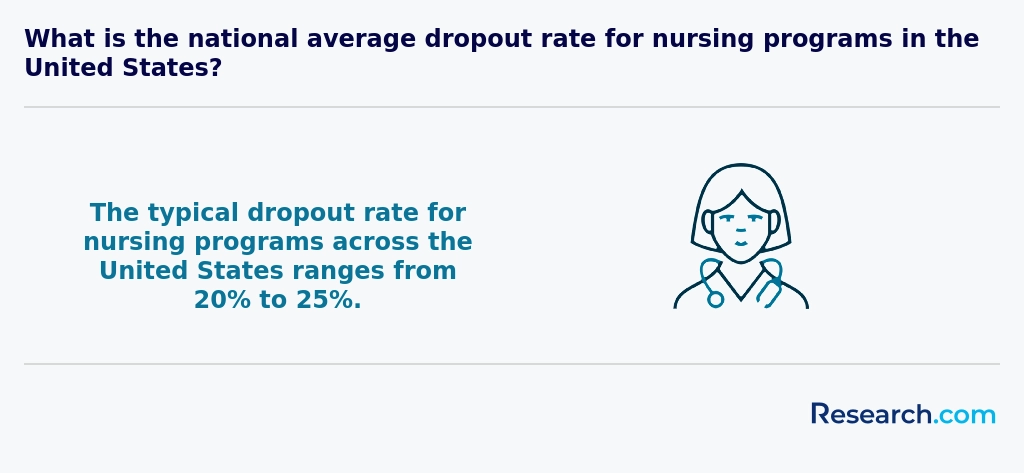
Many students report difficulties adapting to online learning platforms, which demand strong self-discipline and time management. According to the Washington Center for Nursing, nearly 30% of nursing students withdraw before completing their programs due to these challenges.
Access to reliable internet is another common issue. Students in underserved parts of Washington may struggle with connectivity, limiting their ability to attend live lectures or submit assignments on time.
Finally, the limited local availability of accredited programs can restrict options, often forcing students to enroll out-of-state or in hybrid models, which sometimes complicates state board licensing.
With an online nursing degree in Washington, you can pursue several professional certifications that enhance your career opportunities. Registered nurses (RNs) often seek the Certified Nursing Assistant (CNA) or the Licensed Practical Nurse (LPN) credentials early on, but with a degree, advanced certifications become accessible.
Popular certifications include the Certified Nurse Educator (CNE) and the Medical-Surgical Nursing Certified (CMSRN), which validate your expertise in specific areas. The Washington State Department of Health reports that around 70,000 RNs practice in the state, many holding certifications that align with their specialties.
Certifications like the Certified Pediatric Nurse (CPN) or Certified Emergency Nurse (CEN) help nurses specialize, often leading to higher wages and job security, as noted by the Bureau of Labor Statistics. Many online programs in Washington prepare students to meet certification eligibility requirements effectively.
When applying to an online nursing program in Washington, it is essential to highlight both academic achievements and relevant clinical experience. Most programs require at least a 3.0 GPA and official transcripts from accredited institutions. Be sure to include clear documentation of any prior healthcare certifications or licenses, such as a Certified Nursing Assistant (CNA) credential.
Personal statements should articulate your passion for nursing and your commitment to serving diverse Washington communities. According to the Washington Center for Nursing, demand for nurses is growing rapidly due to a projected 15% increase in job openings through 2028.
Strong letters of recommendation from healthcare professionals or instructors also enhance applications. Additionally, applicants should familiarize themselves with state-specific nursing regulations and incorporate knowledge of local healthcare needs into their essays to demonstrate readiness.
Globally, nursing is recognized as a vital and growing profession, reflecting increasing healthcare needs. In the United States, including Washington, nursing offers strong career opportunities driven by an aging population and expanding healthcare access. According to the U.S. Bureau of Labor Statistics, employment for registered nurses is projected to grow 6% from 2021 to 2031, faster than average for all occupations.
Washington state supports this trend with a high demand for qualified nurses. The Washington Center for Nursing reports a consistent need for nurses across urban and rural areas.
Internationally, nursing standards and education vary, but U.S. degrees, including online programs, are often valued for their rigor and comprehensive training, enabling graduates to compete globally.
Gaining practical experience while pursuing an online nursing degree in Washington is essential for licensure and career readiness. Most accredited programs require clinical hours completed at approved healthcare facilities. Students typically arrange these local clinical rotations in hospitals, clinics, or nursing homes through partnerships between their online school and Washington providers.
The Washington Nursing Care Quality Assurance Commission mandates successful completion of supervised clinical training for licensure as a registered nurse (RN). In 2023, clinical practice hours ranged from 500 to 800 based on program intensity and degree level (Washington State Department of Health).
Additionally, some programs offer simulation labs or virtual clinical experiences to supplement in-person practice. Students are encouraged to coordinate early with their advisors to find suitable clinical sites near their residence.
Choosing the right concentration within an online nursing degree program in Washington requires careful consideration of your career goals and local healthcare needs. Washington's healthcare landscape emphasizes specialties like gerontology, mental health, and primary care, reflecting its growing aging population and demand for behavioral health services, as noted by the Washington State Department of Health.
Review program options that offer concentrations aligned with Washington's nursing shortages, such as family nurse practitioner or psychiatric nursing. Consider your personal interests, such as acute care versus community health, and check that the program's curriculum prepares you for Washington state licensure requirements.
You can also explore data from the Washington Center for Nursing, which highlights in-demand specialties and employment trends, helping guide your choice based on job availability and potential salary. Taking these steps ensures you select a concentration well-suited to Washington's nursing job market and your professional aspirations.
- 2027 Most Valuable Online Nursing Degree Programs Ranking in Hampton, VA
- 2027 Most Valuable Online Nursing Degree Programs Ranking in Norfolk, VA
- 2027 Most Valuable Online Nursing Degree Programs Ranking in Morgantown, WV
- 2027 Most Valuable Online Nursing Degree Programs Ranking in West Long Branch, NJ
- 2027 Most Valuable Online Master's in Nursing Degree Programs Ranking in Pittsburgh, PA
- 2027 Most Valuable Online Nursing Degree Programs Ranking in South Orange, NJ
- 2027 Most Valuable Online Nursing Degree Programs Ranking in Dobbs Ferry, NY
- 2027 Most Valuable Online Nursing Degree Programs Ranking in Greenville, NC
- 2027 Most Valuable Online Nursing Degree Programs Ranking in Radford, VA
- 2027 Most Valuable Online Nursing Degree Programs Ranking in Athens, OH
See What Experts Have To Say About Studying Nursing
Read our interview with Nursing experts

Lisa Grubb
Nursing Expert
Assistant Professor
Johns Hopkins School of Nursing

- Top Nursing Skills U.S. Employers Want to See on Your Resume | O'Grady Peyton https://www.ogradypeyton.com/blog/job-seeker-resources/top-nursing-skills-u.s.-employers-want-to-see-on-your-resume
- Can I Get a Nursing Degree Online? | University of Phoenix https://www.phoenix.edu/articles/nursing/can-i-get-a-nursing-degree-online.html
- Working While in Nursing School: 25 Ways to Make Money as a Nursing Student https://credenzahealth.com/career-advice/working-while-in-nursing-school-25-ways-to-make-money-as-a-nursing-student
- Tips for Creating a Perfect Nursing School Application https://www.allnursingschools.com/articles/how-to-create-the-perfect-nursing-school-application/
- How Do Nurses Navigate Career Advancement? | NursingEducation https://nursingeducation.org/insights/career-advancement/
- How to Choose the Right Nursing Program for Your Career Goals - Maria College https://mariacollege.edu/blog/how-to-choose-the-right-nursing-program-for-your-career-goals
- Alumni Association https://executivenursefellows.org/how-nursing-education-programs-prepare-students-for-real-world-challenges.php
- Study Nursing Abroad | Boomerang International Educational Services https://boomerangedu.com/study-nursing-abroad/
- Nursing Degrees - Washington Center for Nursing https://www.wcnursing.org/be-a-nurse/nursing-degrees/
- How to Set and Achieve Your Nursing Career Goals | HealthTrust https://engage.healthtrustjobs.com/how-to-set-achieve-nursing-career-goals