
2027 Best Nursing Degree Programs Ranking in Miami

Co-Founder and Chief Data Scientist
If you're considering a nursing career in Miami, choosing the right program is crucial for your success. This article presents the 2027 Best Nursing Degree Programs Ranking in Miami, developed by the Research.com team of data scientists. Their expertise ensures the ranking is both accurate and reliable.
By exploring these top programs, you'll gain valuable insights to help make an informed decision that fits your goals and lifestyle. A nursing degree opens doors to a rewarding career where you can truly make a difference in people's lives.
Key benefits of getting nursing degree in Miami
- Graduates with a nursing degree in Miami can earn competitive salaries, with Registered Nurses and Public Health Nurses averaging around $94,480 annually, while specialized roles like Operating Room Nurses can earn up to $128,490.
- Career paths are diverse, ranging from Clinical Nurse Educator to Emergency Room Nurse, offering flexibility and growth opportunities in hospitals, community health, and education sectors.
- Obtaining a nursing degree online from a Miami-based university allows for flexible scheduling and the ability to balance work or family commitments while gaining valuable hands-on experience through local clinical placements.
- 2027 Best Nursing Degree Programs Ranking in Miami
- What can I expect from nursing degree in Miami?
- Where can I work with nursing degree in Miami?
What can I expect from nursing degree in Miami?
The average cost of a nursing degree in Miami typically ranges from $15,000 to $40,000 for associate degrees, while bachelor's and master's programs at popular institutions like Miami Dade College or Florida International University may reach $30,000 to $70,000. Graduates often recall balancing their budgets carefully, feeling a sense of accomplishment as they invested in a future-proof career that promises growth and stability.
Many nursing students in Miami share stories of juggling part-time work and clinical rotations at Jackson Health System, finding motivation in the real-world impact of their training. They describe how the supportive community and culturally rich environments make the cost feel worthwhile, as their education prepares them to serve diverse patient populations effectively.
Looking ahead, some programs might introduce more flexible, hybrid learning options that could reduce overall expenses without compromising hands-on experiences. This evolving model may enable future students to save on commuting and childcare while still benefiting from Miami's dynamic healthcare landscape and growing RN demand.
Where can I work with nursing degree in Miami?
Graduates from nursing programs at Miami institutions like the University of Miami and Miami Dade College often find themselves welcomed into a variety of healthcare settings. Many start their careers in bustling hospitals such as Jackson Memorial, where they gain hands-on experience in emergency rooms or maternity wards, working closely with teams to provide critical patient care. These real-world environments help build confidence and competence, which students frequently describe as both challenging and rewarding.
Beyond hospitals, nursing graduates embrace roles in outpatient centers and community clinics, where they support preventive care and manage chronic conditions. The chance to educate patients and see the direct impact of their work creates a strong sense of purpose for many.
Emerging trends show growing opportunities in home health and skilled nursing facilities, especially as Miami's population ages. Graduates feel inspired by the prospect of making a difference in patients' lives outside traditional settings, reflecting a broader shift toward personalized and community-focused healthcare.
Public health roles in Miami-Dade's health departments also attract new nurses eager to contribute to vaccination drives and disease prevention efforts-work that feels vital and deeply connected to the community's well-being.
Graduates from nursing programs in Miami, such as those at the University of Miami or Miami Dade College, typically enter the workforce with strong earning potential. Registered nurses often start with annual salaries near $94,480, reflecting data consistent across roles like clinical nurse educators, public health nurses, and emergency room nurses. Many recent grads feel optimistic stepping into these roles, especially as their Miami education provides both hands-on experience and local healthcare connections that boost confidence.
For those aiming to specialize further, operating room nurses in Miami can earn considerably more, with mean annual wages around $128,490. This prospect excites many Miami nursing students who envision themselves working in high-demand, fast-paced hospital settings. The combination of a strong support network at local schools and a growing healthcare market enhances job security and salary growth.
As Miami's healthcare industry expands, nurses anticipate increasing opportunities and improved compensation. Graduates often share stories of mentors encouraging them to pursue advanced certifications, knowing these can accelerate salary increases and open doors to leadership roles, making nursing a rewarding and stable career choice in the region.
- Miami offers nursing programs from LPN certificates to BSN and advanced degrees with various institutions accepting state and federal financial aid.
- BSN tuition at public colleges ranges from about $7,000 to $15,000 per year for in-state students; private colleges generally have higher fees.
- Additional costs include textbooks, uniforms, and licensing exam fees that students should budget for.
- Starting salaries for registered nurses in Miami range from $58,000 to $62,000 annually, with mid-career nurses earning between $70,000 and $85,000.
- The Miami nursing job market is expected to grow by approximately 15% over the next decade due to increased healthcare demand driven by population aging and chronic health issues.
Completing a nursing degree in Miami often spans from 2 to 4 years, yet the journey can feel deeply rewarding and tailored to your pace. Graduates from Miami's community colleges describe the 2 to 3 years for an ADN program as an immersive experience that quickly launched their nursing careers, blending hands-on clinical hours with solid classroom learning. For those attending local universities, the traditional 4-year BSN program delivers a richer curriculum, covering leadership and research, which many alumni say boosted their confidence and opened doors to advanced roles.
Accelerated BSN options, lasting just 12 to 18 months, are a game-changer for students who already hold bachelor's degrees. Many report feeling energized by the fast pace and the immediate connection to Miami's vibrant healthcare community. Meanwhile, RN-to-BSN bridge programs allow practicing nurses to upgrade their credentials in as little as 1 to 2 years, often balancing family and work while studying part-time. This flexibility in Miami's nursing education landscape means you can find a pathway that fits your life without sacrificing quality.
Looking ahead, many anticipate programs will continue to evolve, integrating more digital simulation and community partnerships in Miami, making completion times potentially even more efficient without losing the personal and practical touch that current graduates cherish.
To make the dream of becoming a nurse a reality, it's essential to consider the financial aspects of pursuing a nursing degree. While the cost of education can seem daunting, there are numerous affordable nursing programs in Miami that can help alleviate these concerns. For instance, students can explore affordable nursing programs in Florida to find options that fit their budget. By understanding the various financial aid options, scholarships, and grants available, prospective students can make informed decisions about their educational paths, ensuring they receive the best possible education without breaking the bank. Many institutions in Miami offer competitive pricing, flexible payment plans, and comprehensive support services, making it easier for students to focus on their studies rather than financial stress. Ultimately, the key to overcoming financial barriers is to be proactive, explore all available options, and choose a program that not only meets academic needs but also financial ones, paving the way for a successful and rewarding nursing career.
Online nursing degrees in Miami offer unmatched flexibility, appealing to working adults and busy parents who appreciate being able to balance study with life's demands. Graduates from institutions like Miami Dade College often describe how digital coursework allowed them to learn at their own pace, fitting lectures and assignments around family or jobs without sacrificing quality.
Conversely, students enrolled on-campus at places such as Florida International University cherish the face-to-face connections and hands-on practice in cutting-edge simulation labs. They highlight how immediate feedback from instructors during labs or anatomy classes helped them grasp complex concepts faster and boosted their confidence in clinical skills.
Both formats require in-person clinical rotations at Miami's hospitals and healthcare centers, ensuring real-world experience. The hybrid nature of online programs combined with local clinical hours reflects a future where personalized education adapts to individual lifestyles without compromising practical expertise.
This evolving balance empowers students to choose a path that fits their unique needs while preparing them thoroughly for Miami's dynamic healthcare environment.
Licensed Practical Nurses (LPNs) seeking to elevate their qualifications often turn to LPN to RN bridge programs, which build on existing clinical experience and streamline the path to Registered Nurse licensure. These bridge programs typically allow LPNs to complete an accelerated curriculum-often in as few as 12 to 18 months-by awarding credit for prior coursework and hands-on practice. In Miami, FL, both campus-based and flexible online options are available, giving busy professionals the chance to balance work, family, and study. By enrolling in an lpn to rn bridge program online, candidates benefit from asynchronous lectures, virtual skills labs, and targeted NCLEX-RN prep modules designed to reinforce critical thinking and evidence-based practice. Many graduates report increased confidence in patient assessment, pharmacology, and care coordination-skills that translate directly into higher starting salaries and expanded job opportunities in acute care, long-term care, and specialty units. Key considerations when choosing an LPN to RN bridge pathway include program accreditation by the CCNE or NLNAC, clear articulation agreements for seamless credit transfer, clinical placement support, and robust student services such as tutoring and career advising. Prospective students should also verify graduation and NCLEX-RN pass rates, as these metrics reflect the program’s effectiveness in preparing LPNs for advanced nursing roles. With nursing shortages projected to grow, completing a bridge program not only fast-tracks career progression but also positions you to meet urgent healthcare needs in Miami and beyond.
The average nursing degree cost in Miami typically reflects a median total cost around $12,820 for in-state students, making local public colleges an attractive option for many. Graduates from Florida International University or Miami-Dade College frequently share that despite the financial commitment, investing in their education has been rewarding both professionally and personally. Students often describe the value of hands-on clinical experiences balancing cost concerns, affirming that tuition expenses align with the quality of training and future earning potential.
For those considering the total cost of nursing programs Miami offers, private institutions and accelerated options can significantly raise expenses, sometimes exceeding $50,000. Still, many students find that access to scholarships and federal aid eases the burden. The emotional uplift that comes from receiving financial support encourages persistence through rigorous courses and demanding clinical hours. This makes the journey toward nursing not just a financial decision but a deeply motivating personal achievement.
Looking ahead, the evolving landscape of nursing education in Miami suggests growing opportunities to manage costs. Innovations in hybrid learning and partnerships with healthcare providers could reduce expenses for future cohorts. Prospective students are encouraged to explore affordable nursing programs in Florida that balance solid educational outcomes with accessible pricing, helping to plan effectively for both tuition and living costs.
Ensuring your nursing program holds proper accreditation and state approval is vital for NCLEX-RN eligibility and employer confidence.
- Accredited by the Commission on Collegiate Nursing Education (CCNE) or the Accreditation Commission for Education in Nursing (ACEN)
- Approved by the Florida Board of Nursing to qualify graduates for licensure
- Program NCLEX-RN pass rates meeting or exceeding Florida’s 80% benchmark demonstrate educational quality
After earning your RN license, consider advancing your credentials with the cheapest rn to bsn bridge programs.
Many nursing students in Miami rely on federal financial aid, starting with the FAFSA application. Graduates from institutions like the University of Miami often share how Pell Grants, offering up to $7,395 annually, eased their tuition burden and allowed them to focus on clinical practice rather than finances. State aid such as the Florida Student Assistance Grant also plays a crucial role, especially for residents attending schools like Miami Dade College, who find it a welcome boost toward lowering overall costs.
Institutional scholarships at Miami nursing programs frequently combine merit and need-based criteria, helping diverse students afford specialized tracks like RN to BSN bridges. Recipients often report a deep sense of relief and motivation knowing their schools support their ambitions financially.
Beyond traditional grants, nursing students benefit from work-study roles and employer tuition reimbursements, particularly through partnerships between healthcare facilities and local colleges. These opportunities provide practical experience and financial support simultaneously, a dual advantage valued by many who have balanced school and part-time work in Miami's vibrant healthcare scene.
Professional organizations add another hopeful layer of funding, with scholarships from groups supporting Miami's future nurses, making the pursuit of a nursing degree feel more attainable and meaningful.
Graduates of nursing programs in Miami, FL must secure licensure through the Florida Board of Nursing to practice legally. The process includes: 1. NCLEX-RN Examination • Register with Pearson VUE and submit fingerprints for a background check via the Florida Department of Law Enforcement. • Pay the NCLEX and licensure application fees. • Schedule and pass the NCLEX-RN, which tests competency across medical-surgical, maternal-newborn, pediatric, psychiatric, and community health domains. 2. Florida Board of Nursing Application • Complete the online application on the Florida e-Licensing portal. • Submit official transcripts verifying graduation from an accredited program. • Provide proof of English proficiency if educated outside the U.S. 3. Endorsement for Out-of-State Nurses • Submit verification of licensure from your current state. • Demonstrate completion of 30 contact hours of continuing education, including two in prevention of medical errors, if your license has lapsed over two years. 4. Advanced Certifications and Renewal • After passing the NCLEX, nurses can pursue specialty certifications (e.g., CCRN, CPN) through organizations like the American Nurses Credentialing Center to enhance career mobility. • Florida RN licenses renew biennially; requirements include 24 contact hours of continuing education, two hours of HIV/AIDS training, and two hours of domestic violence education. By understanding these licensure steps, new nurses ensure timely entry into the workforce. For those interested in further academic advancement, consider our Affordable Online Master's in Nursing Degree Programs Ranking in Columbia, MO to explore cost-effective master’s pathways.
Nursing programs in Miami typically expect applicants to have a high school diploma or GED, with strong foundations in biology, chemistry, and algebra. Graduates from well-known Miami colleges often recall how their early focus on anatomy and health sciences helped them tackle rigorous coursework more confidently. As testing requirements evolve, many programs now emphasize the TEAS exam over traditional SAT or ACT scores, reflecting a shift toward assessing practical skills in science and English that directly impact nursing success.
Future students should also anticipate the need for CPR certification and possibly immunization records, critical for clinical placements in Miami's diverse healthcare environments. Many graduates found volunteering at local hospitals or clinics invaluable, not only enriching their applications but providing firsthand experience that made their transition into clinical roles smoother and more exciting.
Admissions are beginning to place more weight on such experiential learning, suggesting a future where hands-on skills and community involvement will become prerequisites alongside academics, especially at Miami's top nursing schools like those in Miami Dade College and Florida International University.

Navigating the application process for nursing programs in Miami, FL, requires careful planning to meet key deadlines and present a competitive profile. Follow this step-by-step guide to ensure your materials stand out: 1. Application Timeline - Fall Term: Most BSN and ADN programs begin accepting applications in August, with deadlines between November and January. - Spring Term: Select schools offer spring starts; apply by June for programs with limited seats. - Rolling Admissions: Some institutions admit qualified candidates year-round-check each school’s portal for updates. 2. Required Documents - Official Transcripts: Request high school and college transcripts at least eight weeks before your deadline. - Prerequisite Verification: Ensure completion of biology, chemistry, and anatomy courses with a minimum 2.5 GPA. - Standardized Test Scores: Submit TEAS or HESI results if required; aim for scores in the 75th percentile or above. 3. Crafting a Standout Personal Statement - Focus on Impact: Describe a moment that ignited your passion for patient care. - Highlight Transferable Skills: Emphasize communication, teamwork, and leadership experiences. - Proofread Thoroughly: Use active voice and concise language; avoid clichés. 4. Letters of Recommendation - Choose Instructors or Supervisors: Seek references who can attest to your clinical aptitude and character. - Provide a Resume and Prompt: Share your resume and a summary of your goals to guide your recommenders. 5. Interview Preparation - Research the Program: Familiarize yourself with clinical partnerships and specializations. - Practice Behavioral Questions: Prepare examples demonstrating problem-solving, empathy, and ethical decision-making. 6. Exploring Accelerated Pathways - For those interested in LPN routes as a bridge to RN licensure, learn more about what is the fastest you can get your lpn? to jumpstart your journey. By adhering to these best practices and timelines, you’ll present a polished, competitive application that highlights both your academic readiness and deep commitment to nursing.
Typical nursing degree programs in Miami integrate a mix of foundational science and specialized nursing courses tailored to the city's unique healthcare landscape. Graduates from prominent Miami colleges often recall engaging deeply with subjects like anatomy, physiology, microbiology, and pharmacology, which build essential medical knowledge. These courses become especially meaningful when applied during clinical rotations at local hospitals, where students witness firsthand the vibrant, multicultural patient population.
Core nursing classes such as adult health, maternal and child nursing, pediatric care, and psychiatric nursing prepare students to meet diverse community needs. Many Miami nursing students express pride in their exposure to public health topics focused on tropical diseases and chronic conditions like diabetes, reflecting local health priorities. Leadership, ethics, and nursing research courses empower students to confidently evaluate evidence-based practices and step into management roles.
Clinical practice integrated within coursework offers real-world experience in Miami's varied healthcare settings. Nursing graduates often describe these experiences as transformative, fostering empathy and cultural competence amid the city's rich diversity. The blend of science, practice, and community focus creates a dynamic learning path uniquely suited to Miami's evolving healthcare demands.
Nursing degree specializations in Miami are evolving to meet the city's dynamic healthcare environment. Graduates from popular institutions like Miami Dade College and the University of Miami often highlight the rich variety of focused tracks available, such as Adult-Gerontology Acute Care Nursing-ideal for addressing Miami's growing elderly population. Others find rewarding careers in Pediatric Nursing, where working in a multicultural city prepares them to handle diverse patient backgrounds with empathy and cultural competence.
Miami nursing programs with specialty options also include Emergency Nursing and Psychiatric-Mental Health Nursing, reflecting local demand for crisis responsiveness and mental health support. Many graduates share stories of hands-on clinical experiences that ignite passion and confidence. Emerging trends suggest increased emphasis on Family Nurse Practitioner roles and Public Health Nursing, integrating community-wide healthcare strategies.
For students considering expanded career paths, enrolling in a lpn to rn bridge program online complements traditional studies and accelerates professional growth within Miami's healthcare landscape.
Choosing the best nursing degree in Miami means anticipating how the city's healthcare landscape will evolve by 2027. Graduates from popular institutions like Miami-Dade College often share how affordable nursing degrees Miami cost combined with strong clinical training made a real difference in feeling prepared for demanding hospital environments. The hands-on experiences in Miami's diverse healthcare settings create confidence and excitement for tackling future nursing challenges.
Many students recommend focusing on programs that offer flexible scheduling with evening or weekend classes, especially if you're balancing work or family commitments. Additionally, look at NCLEX-RN pass rates and the type of accreditation programs hold-these are key indicators of both immediate job readiness and future career stability. Programs offering pathways from ADN to BSN or fast-track options can empower you to grow quickly in Miami's competitive healthcare job market.
For those wondering about speed, exploring what is the fastest you can get your lpn? offers insight into accelerated routes. Ultimately, graduates highlight that choosing based on quality clinical experiences, affordability, and program reputation makes the journey rewarding and hopeful for Miami's growing nursing community.
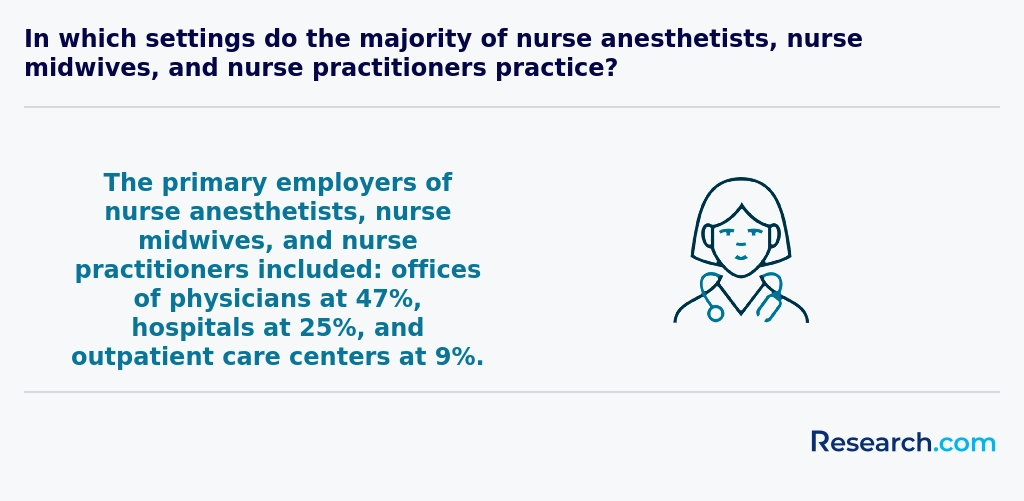
Graduates with a nursing degree in Miami find themselves stepping into a dynamic healthcare landscape rich with opportunities. Many begin as Registered Nurses (RN), gaining hands-on clinical experience in bustling hospitals around the city. As Miami's population ages, the demand for RNs continues to surge, making this a reliable entry point for nursing careers in Miami Florida. Those pursuing a Bachelor of Science in Nursing (BSN) from well-regarded local institutions often share stories of rewarding patient interactions that fuel their passion for care.
For nursing graduates aiming higher, advanced roles such as Nurse Practitioners or Clinical Nurse Specialists are attainable by continuing education locally or through online options. Popular Miami colleges encourage students to explore these paths, where autonomy in patient care and specialized expertise enhance job satisfaction. Meanwhile, roles like Nurse Anesthetists or Nurse Midwives, requiring graduate-level certification, offer both challenge and prestige.
Beyond clinical settings, many nursing graduates embrace leadership and education, inspiring future cohorts or driving policy improvements in local health systems. Public health nursing also gains traction, focusing on community wellbeing in Miami's diverse neighborhoods. For those weighing expenses with career benefits, some consider the Affordable Online Master's in Nursing Degree Programs Ranking in Columbia, MO as an accessible next step to elevate their qualifications and expand future job opportunities in Miami nursing degree job opportunities.
The nursing job opportunities in Miami present a promising future for graduates from local universities and colleges, where hands-on clinical experience in diverse healthcare settings is a core part of the curriculum. Many graduates describe the excitement of working in Miami's busy hospitals and outpatient clinics, feeling valued as they support a growing elderly community and participate in cutting-edge healthcare innovation. The city's expanding healthcare system not only offers abundant entry-level RN positions but also opens doors for nurses to specialize in areas like telehealth and home care, which are rapidly evolving fields.
Miami nursing degree employment outlook appears bright as the region's need for skilled nurses grows faster than the national average. Schools here are adapting programs to meet these demands, often encouraging students to pursue advanced practice roles or certifications. Graduates appreciate that Florida's lack of state income tax enhances the financial benefits of working in this vibrant market. Those interested in advancing quickly might explore 1 year masters degree programs tailored to accelerate career growth in nursing.
2027 Best Nursing Degree Programs Ranking in Miami
Investing in your education is a significant decision that can profoundly impact your future, and the Research.com team is fully aware of the importance of making well-informed choices. To support prospective nursing students in Miami, we have carefully developed the "2027 Best Nursing Degree Programs Ranking in Miami." Our dedication to quality, credibility, and accuracy is demonstrated through comprehensive research and detailed analysis.
We utilized the following reputable data sources to ensure a thorough evaluation of nursing programs:
By exploring this ranking, readers will access valuable insights into the top nursing degree programs in Miami, empowering them to make confident and informed decisions about their educational journeys. For more details on how this ranking was created, please visit our Research.com methodology page.


Frequently Asked Questions About nursing
Students pursuing nursing degrees in Miami can maximize their learning experience by engaging actively in clinical rotations offered through local hospitals such as Jackson Health System and Baptist Health South Florida. These hands-on experiences are essential for developing practical skills and confidence. Additionally, Miami's diverse patient population allows students to encounter a wide range of medical conditions and cultural perspectives, enriching their understanding of patient care.
Participating in study groups and seeking mentorship from faculty at accredited programs, like those at Florida International University, can help deepen knowledge. Staying current with NCLEX-RN pass rates and Florida Board of Nursing guidelines is also key to success.
The nursing field in Miami is evolving with several emerging niches attracting attention from students and professionals alike. One rapidly growing area is geriatric nursing, driven by Florida's large aging population. According to the Florida Department of Elder Affairs, over 20% of Miami-Dade County's residents are aged 65 or older, increasing demand for specialized elder care.
Another niche is psychiatric-mental health nursing, which responds to rising mental health needs exacerbated by the pandemic. The Miami Health Council reports a 15% increase in demand for mental health services since 2020.
Furthermore, informatics nursing combines healthcare and technology to improve patient data management, a field gaining momentum due to Miami's expanding healthcare IT sector. Lastly, community health nursing remains vital in Miami's diverse urban neighborhoods, focusing on preventive care and health education.
After completing a nursing degree in Miami, preparing for the job market involves several key steps. First, graduates must pass the NCLEX-RN exam, which is essential for licensure as a registered nurse in Florida. According to the Florida Board of Nursing, the pass rate for first-time test takers from Miami-area schools generally exceeds 85%, highlighting the program quality in this region.
Networking is also critical; joining local professional organizations like the Miami chapter of the Florida Nurses Association helps connect graduates with employers and mentors. Additionally, gaining experience through clinical internships or part-time roles in Miami's hospitals improves employability.
Miami's healthcare sector is growing, with a projected 15% increase in nursing jobs by 2030 (U.S. Bureau of Labor Statistics), so maintaining current certifications and pursuing specialized training can provide a competitive edge in this expanding market.
Employers in Miami highly value nursing graduates who demonstrate strong clinical skills paired with effective communication abilities. According to the Florida Center for Nursing, proficiency in patient assessment, medication administration, and critical thinking are essential. These skills ensure safe and high-quality care in Miami's diverse healthcare settings.
In addition, cultural competence is particularly important in Miami due to its rich multicultural population. Nurses who understand cultural differences can better address patient needs and improve health outcomes.
Technical skills with electronic health records (EHR) systems are increasingly demanded, reflecting the digitization of healthcare in Miami. Adaptability and teamwork also remain key traits sought by local employers.
Finding internships in Miami relevant to a nursing degree involves several strategic steps. Miami hosts numerous hospitals and healthcare facilities, such as Jackson Health System and Baptist Health South Florida, which frequently offer clinical internships to nursing students. Checking with your nursing school's career services is essential, as many local programs have partnerships with these institutions.
The Florida Center for Nursing reports a growing demand for nurses in Miami-Dade County, increasing internship opportunities. Students should also explore listings on the Florida Board of Nursing website or local job portals targeting healthcare internships.
Networking with professionals during health fairs and joining nursing associations can aid in identifying internships early.
Obtaining a nursing degree in Miami significantly enhances career mobility and advancement opportunities within the local healthcare industry. According to the Florida Center for Nursing, Miami's demand for registered nurses (RNs) is expected to grow by over 15% through 2028, reflecting the expanding healthcare needs of its diverse population.
Higher educational credentials, such as a Bachelor of Science in Nursing (BSN), are increasingly preferred by employers in Miami's hospitals and clinics. A BSN can open doors to leadership roles, specialized nursing fields, and faster promotions compared to an associate degree.
Additionally, Miami's healthcare market offers many opportunities for nurses with advanced degrees, including nurse practitioners and nurse educators, due to the city's large network of healthcare providers and educational institutions. Data from the U.S. Bureau of Labor Statistics confirms that nurses with advanced qualifications earn significantly higher wages in Florida's largest metro areas, including Miami.
For students and professionals, acquiring a nursing degree locally also facilitates networking and licensing specific to Florida, further supporting career advancement in Miami's healthcare sector.
Studying for a nursing degree in Miami equips students with skills vital for interdisciplinary roles in healthcare. Miami's nursing programs emphasize collaboration across professions such as medicine, pharmacy, social work, and public health. The region's diverse patient population encourages cultural competence and communication, key in team-based care.
Many Miami institutions include clinical rotations in local hospitals and community centers where nurses work alongside physicians and specialists. According to the Florida Center for Nursing, over 40% of nursing graduates in Miami engage in team-oriented settings immediately after graduation.
This collaborative training supports Miami's growing healthcare demands and complex care environments, preparing nurses to coordinate effectively in multidisciplinary teams.
When choosing between a thesis and a non-thesis nursing degree program in Miami, consider your career goals and learning preferences. Thesis programs typically require original research and are suited for students interested in advanced clinical practice, leadership, or pursuing doctoral studies. Non-thesis options focus more on practical skills and coursework, appealing to those aiming for direct patient care or administrative roles.
Miami offers various accredited nursing programs, such as at Florida International University, where about 65% of graduate students choose non-thesis tracks for their faster completion times. According to the Florida Board of Nursing, research experience gained in thesis paths can enhance job competitiveness in specialized fields.
Evaluate the time commitment, faculty support, and resources available in each program to make an informed decision.
Students based in Miami who wish to study nursing abroad have several pathways available through U.S. higher education institutions that maintain international partnerships. Many Miami universities with nursing programs participate in exchange programs, allowing students to gain clinical experience in countries such as Spain, Ireland, and Australia. According to the American Association of Colleges of Nursing (AACN), about 20% of nursing programs nationwide offer study abroad opportunities, which help students develop global healthcare perspectives.
Miami students can also consider accredited online nursing programs with international clinical placements, expanding flexibility while meeting U.S. licensure requirements. It is important to confirm that any foreign study aligns with the Commission on Collegiate Nursing Education (CCNE) standards to ensure credit transferability and eligibility for the NCLEX-RN licensure exam.
Students pursuing nursing degrees in Miami have several part-time job options that complement their education while gaining practical experience. Certified Nursing Assistant (CNA) roles are common and provide hands-on patient care experience, crucial for clinical skills development. According to the Florida Department of Health, Miami's growing healthcare sector offers numerous CNA openings with flexible hours ideal for students.
Medical scribing positions in local hospitals offer exposure to clinical documentation, enhancing students' understanding of medical terminology and patient care procedures. Additionally, pharmacy technician assistant roles in Miami's retail pharmacies help develop knowledge of medications and pharmacy operations, supporting nursing studies.
These jobs not only provide income but also improve resumes, making students competitive in Miami's healthcare job market post-graduation. The U.S. Bureau of Labor Statistics projects a 15% growth for nursing-related jobs in Florida through 2031, further encouraging students to gain early work experience.
Nursing students in Miami benefit from diverse networking opportunities that help launch their healthcare careers. Local universities, such as the University of Miami and Florida International University, collaborate with Miami's major hospitals, providing students access to clinical rotations and professional events. These partnerships foster connections with practicing nurses, faculty, and healthcare leaders.
Professional organizations like the South Florida Chapter of the Florida Nurses Association offer student memberships, enabling attendance at conferences and workshops. According to the Florida Board of Nursing, Miami has over 35,000 licensed nurses, creating a large and active community for mentorship and job opportunities.
Additionally, Miami's diverse population presents unique settings for students to build multicultural communication skills while expanding their professional network.
Alumni networks offer key advantages for nursing degree students in Miami by providing valuable professional connections. These networks link current students with graduates working in the local healthcare system, which is one of the largest job markets in Florida. According to the Florida Center for Nursing, the Miami metropolitan area employs over 50,000 registered nurses, making networking essential for job placement and career growth.
Through alumni events and mentorship programs, students gain insights into the demands of Miami's diverse healthcare settings. This support can improve clinical skills and help graduates find employment more quickly after completing their degrees. Access to experienced nurses also offers guidance on licensing and certification specific to Florida.
Customizing your nursing degree program in Miami allows you to align your education with specific career goals. Many Miami nursing schools offer flexible curricula where you can select electives focused on specialties such as gerontology, pediatrics, or community health. This helps you build expertise relevant to local healthcare needs.
Additionally, consider programs with clinical placement options in Miami's diverse healthcare facilities. Hands-on experience in hospitals or clinics serving various populations strengthens practical skills and networking. According to the Florida Center for Nursing, Miami's nursing workforce is projected to grow by 15% through 2029, increasing demand for specialized nurses.
Some institutions also provide pathways for advanced degrees or certifications, allowing smooth progression from RN to BSN or MSN tailored to leadership or research roles. Exploring programs with flexible schedules or online components can support working students aiming for career advancement while managing personal commitments.
Nursing students in Miami face several common challenges throughout their academic journey. One major difficulty is balancing demanding course loads with clinical rotations, which often require long hours at healthcare facilities. According to the Florida Center for Nursing, the state has a high demand for nurses, which means students may experience pressure to enter the workforce quickly.
Many students also report financial stress, as tuition and living expenses in Miami are relatively high compared to other cities. Scholarships and financial aid options can be limited, adding to this burden. Additionally, language barriers may affect some students, given Miami's diverse population and high number of bilingual patients.
Finally, adapting to fast-evolving healthcare technologies and evidence-based practices can be challenging. Programs in Miami aim to keep curricula up to date, but some students struggle with the rapid pace of change in nursing education and clinical expectations.
With a nursing degree, graduates in Miami can pursue several professional certifications to enhance their careers and specialize. Popular credentials include the Certified Nursing Assistant (CNA), Registered Nurse (RN), and Licensed Practical Nurse (LPN) licenses, which are essential for clinical practice in Florida.
Advanced certifications such as Certified Nurse Practitioner (CNP), Certified Clinical Nurse Specialist (CNS), and Certified Nurse Midwife (CNM) are available after completing additional education and clinical hours. These credentials allow nurses to provide specialized care in areas like pediatrics, geriatrics, and acute care.
According to the Florida Board of Nursing and Miami-based healthcare reports, the demand for certified nurse practitioners in Miami has grown by over 15% in recent years, emphasizing strong local opportunities.
Writing a winning application for a nursing program in Miami requires careful preparation and attention to detail. Start by thoroughly researching the program's prerequisites, which often include a minimum GPA of 3.0 and completion of courses like anatomy and physiology. According to the Florida Center for Nursing, Miami nursing programs are highly competitive, with acceptance rates sometimes below 30%.
Strong letters of recommendation and a well-written personal statement that highlights your commitment to healthcare can set you apart. Emphasize any relevant healthcare experience or volunteer work in Miami-area hospitals or clinics. Also, prepare thoroughly for required entrance exams such as the TEAS test, as scores significantly impact admissions decisions.
Finally, tailor your application to reflect knowledge of the local healthcare community and its needs, demonstrating both professional readiness and community engagement. This approach increases your chances of acceptance into Miami nursing programs.
The nursing career holds significant value globally, reflecting strong demand and diverse opportunities. In the United States, and specifically Miami, the nursing profession is recognized as vital to public health. According to the U.S. Bureau of Labor Statistics, employment of registered nurses is projected to grow 6% from 2021 to 2031, faster than average for all occupations.
Miami's diverse population requires culturally competent nurses, enhancing career prospects. This city is part of a global network where nursing standards and education increasingly align with international benchmarks, such as those set by the World Health Organization. This alignment facilitates nurse mobility and global career advancement.
U.S. nursing education, including programs in Miami, incorporates both practical and theoretical training, preparing graduates for various healthcare settings worldwide. Students pursuing nursing degrees in Miami can expect education compatible with international expectations while addressing local healthcare needs.
Gaining practical experience while studying for a nursing degree in Miami is essential for building clinical skills and improving job prospects. Many Miami nursing programs incorporate hands-on clinical rotations at local hospitals, such as Jackson Health System, which is among Florida's largest healthcare providers. These rotations allow students to work in real healthcare settings under supervision.
Additionally, Miami offers numerous internship opportunities and volunteer programs in community health centers and nursing homes. According to the Florida Center for Nursing, clinical placements in Miami are designed to meet state requirements and prepare students for the NCLEX-RN licensing exam.
Students are encouraged to seek part-time work as nurse aides or assistants during their studies to complement academic training with practical experience.
Choosing the right concentration within a nursing degree program in Miami involves understanding local healthcare needs and your career goals. Miami's diverse population requires nurses specialized in geriatrics, pediatrics, or acute care. According to the Florida Center for Nursing, demand for registered nurses with expertise in chronic illnesses and elder care is growing rapidly in Miami-Dade County.
Review available specializations in accredited programs, such as Miami Dade College or Florida International University. Consider programs offering clinical rotations in hospitals serving Miami's multicultural communities, enhancing your practical experience.
Assess job placement rates for each concentration; for example, adult-gerontology acute care nurses gain broader employment opportunities across Miami's hospital network.
- 2027 Best Nursing Degree Programs Ranking in Fort Lauderdale
- 2027 Best Nursing Degree Programs Ranking in Orlando
- 2027 Best Nursing Degree Programs Ranking in Tampa
- 2027 Best Nursing Degree Programs Ranking in Jacksonville
- 2027 Best Nursing Degree Programs Ranking in Macon
- 2027 Best Nursing Degree Programs Ranking in Columbia
- 2027 Best Nursing Degree Programs Ranking in Mobile
- 2027 Best Nursing Degree Programs Ranking in Atlanta
- 2027 Best Nursing Degree Programs Ranking in Birmingham
- 2027 Best Nursing Degree Programs Ranking in Hattiesburg
See What Experts Have To Say About Studying Nursing
Read our interview with Nursing experts


- How to Switch to Nursing as a Second Career | All Nursing Schools https://www.allnursingschools.com/articles/second-career-nursing/
- Nursing Study Abroad Programs | Go Overseas https://www.gooverseas.com/study-abroad/nursing
- How to Choose the Right Nursing School for Your Career Goals | Archer Review https://www.archerreview.com/blog/how-to-choose-the-right-nursing-school-for-your-career-goals
- Work-life balance | Careers Crossroads | RCN Careers Resources | Royal College of Nursing https://www.rcn.org.uk/Professional-Development/Your-career/Nurse/Career-Crossroads/Career-Ideas-and-Inspiration/work-life-balance
- In-Demand Nursing Specialties in Miami Gardens and Surrounding Areas https://fvi.edu/nursing/in-demand-nursing-specialties-in-miami-gardens-and-surrounding-areas/
- Choosing a Thesis vs. Non-Thesis Program: What Every Graduate Student Needs to Know https://presenti.ai/blog/choosing-a-thesis-vs-non-thesis-program/
- Miami: Financial Aid | Galen College of Nursing https://galencollege.edu/campuses/miami/financial-aid
- Guide to Making a Career Change to Nursing https://teach.com/online-ed/healthcare-degrees/online-msn-programs/career-change-to-nursing/
- Open The Door To Your Future https://larkinschoolofnursing.com/en/associate-science-degree-nursing/
- Nursing Internship and Externship Programs https://jobs.mayoclinic.org/nursinginternexternprograms


