2027 Best Nursing Degree Programs Ranking in Hawaii

Co-Founder and Chief Data Scientist
Exploring nursing degree programs in Hawaii can be overwhelming, but choosing the right path is crucial for a rewarding career. Our article introduces the 2027 Best Nursing Degree Programs Ranking in Hawaii, crafted by the Research.com team of data scientists to guide you toward informed decisions.
This ranking highlights programs that offer quality education, practical training, and strong career prospects. Whether you're starting your journey or advancing your skills, pursuing a nursing degree opens doors to meaningful work and community impact. Read on to discover options that match your goals and aspirations.
Key benefits of getting nursing degree in Hawaii
- Nursing degree graduates in Hawaii can earn competitive salaries, with Registered Nurses, Clinical Nurse Educators, Public Health Nurses, and Emergency Room Nurses averaging around $94,480 annually, while Operating Room Nurses can earn up to $128,490 per year.
- Graduates from universities like the University of Hawaii enjoy diverse career paths ranging from hospital care to public health, offering rewarding roles that make a real difference in community health.
- Online nursing degrees from Hawaii Pacific University provide flexibility and convenience, allowing students to balance family and work while gaining the skills needed for a successful nursing career.
- 2027 Best Nursing Degree Programs Ranking in Hawaii
- What can I expect from nursing degree in Hawaii?
- Where can I work with nursing degree in Hawaii?
What can I expect from nursing degree in Hawaii?
If you're thinking about nursing school in Hawaii, the cost for a degree is pretty reasonable compared to other places. For example, graduates from the University of Hawaii at Manoa often mention tuition around $11,000 per year for in-state students. That makes it easier to focus on studies without stressing too much about racking up huge debt.
Community colleges like Honolulu Community College also offer ADN programs that come with affordable tuition, which many students appreciate. These programs allow grads to take their NCLEX-RN exams and step confidently into a nursing career without breaking the bank.
Many students share how scholarships geared toward Hawaii residents help take the pressure off even more. Between the lower tuition and extra funding options, it feels like a supportive setup where the financial side doesn't overshadow their passion for nursing.
So, if you're picturing yourself in clinical rotations at urban hospitals or rural clinics around Hawaii, rest easy knowing your education here is both top-quality and budget-friendly.
Where can I work with nursing degree in Hawaii?
With a nursing degree from schools like the University of Hawaii or Hawaii Pacific University, you're stepping into a world full of opportunities right here at home. Many grads find themselves hopping into busy hospitals like The Queen's Medical Center in Honolulu or Maui Memorial, where every day brings new challenges and chances to make a difference. Imagine starting your day checking on patients, then collaborating with doctors to create care plans - it's hands-on and super rewarding.
Others take a different path, working in community clinics or rural health centers where they get to build close connections with local families. Some even specialize, diving into mental health clinics or school nursing, helping kids stay healthy and safe. Long-term care facilities are also huge employers, with nurses providing comfort and care to elders in assisted living places, creating a warm, supportive environment.
Several grads mention loving the flexibility of home healthcare, visiting patients and supporting recovery in familiar surroundings. It's awesome to see nursing open so many doors across Hawaii, letting you pick a path that feels right for you.
When you graduate with a nursing degree in Hawaii, you can expect some pretty solid paychecks. For example, registered nurses coming out of programs at schools like the University of Hawaii at Manoa or Hawaii Pacific University typically earn around $94,480 a year, which matches the mean wage for roles like Clinical Nurse Educator, Public Health Nurse, and Emergency Room Nurse here.
One graduate shared that after starting work in Honolulu, where wages tend to be a bit higher, they were thrilled to earn a decent starting salary, especially compared to other states. Operating Room Nurses, who usually require extra training or certification, make a standout $128,490 annually, so there's great potential to boost your earnings if you specialize.
Keep in mind, the nursing scene in Hawaii values experience and education, so many alumni from local programs aim for those advanced roles to increase their income in the long run. Plus, with the island's unique cost of living, these wages help make the tough but rewarding nursing career feel worthwhile.
- Nursing degrees in Hawaii include ADN, BSN, and advanced MSN programs.
- ADN programs cost between $10,000 and $20,000, while BSN programs range from $30,000 to $45,000 at public universities.
- Starting salaries for new registered nurses in Hawaii average about $75,000 per year, higher than the national average.
- Experienced nurses with certifications can earn over $95,000 annually, especially in urban and specialized roles.
- Nurses must obtain licensure through the Hawaii Board of Nursing by passing the NCLEX-RN and completing continuing education.
If you're thinking about nursing school in Hawaii, you'll find that finishing your degree usually depends on which path you pick. Say you start with an ADN program at Honolulu Community College-it usually takes around 2 to 3 years. Many grads say it's a great way to jump into nursing quickly without waiting forever.
Now, if you're aiming for a BSN, which employers really like these days, expect about 4 years. The University of Hawaii at Manoa's School of Nursing is a popular choice, and students there appreciate how the program preps them for leadership roles. Plus, if you already have an ADN, the RN-to-BSN bridge programs around the islands often take just 1 to 2 years, making it pretty flexible depending on if you're studying full or part-time.
For those dreaming bigger-like going for an MSN or DNP-plan for about 2 years post-BSN or even up to 4 years to tackle a DNP. Nursing grads from Hawaii love how these programs open doors to specialties and advanced careers. Overall, the timing feels just right for busy island life and clinical experiences right here at home.
Obtaining a nursing license in Hawaii is a critical step that ensures your education translates into professional practice. To become a Registered Nurse (RN) in Hawaii, graduates must apply to the Hawaii Board of Nursing, complete a background check, and register for the NCLEX-RN exam. Key steps include: 1. Hawaii Board of Nursing Application - Submit official transcripts from an accredited program. - Provide documentation of clinical hours and a criminal background check. - Pay application and licensure fees, which currently total around $100. 2. NCLEX-RN Exam Registration and Preparation - Register through Pearson VUE and schedule your exam at a local testing center. - Resources such as NCLEX review courses, practice questions, and study groups can boost your confidence and pass rate. - Aim for programs with NCLEX pass rates above 90% to maximize your chances of success. 3. Continuing Education and Renewal - Hawaii requires RNs to complete 30 contact hours of continuing education every two years. - Approved providers include the University of Hawaii and professional nursing associations. - Track your CE credits online to ensure timely license renewal and avoid late fees. 4. Interstate Reciprocity - Hawaii participates in the Nurse Licensure Compact (NLC) for multistate practice. - If you hold a compact license from another state, you may practice in Hawaii without reapplying for a separate RN license. - Out-of-state graduates should verify compact status before relocating. For nurses exploring cost-effective ways to earn a bachelor’s degree before licensure, comparing national tuition trends can be invaluable. You can review the Cheapest Online Bachelor's in Nursing Degree Programs Ranking in Pennsylvania to benchmark program affordability and determine whether an online BSN pathway aligns with your educational and financial goals.
Online nursing degrees in Hawaii give you the freedom to juggle work, family, and school without the hassle of commuting. Graduates from programs at universities like the University of Hawaii at Manoa often mention how watching lectures at their own pace fits perfectly into their busy lives. But remember, clinicals are a must, and on-campus students get easier access to local hospitals through established partnerships, which many find super helpful for hands-on experience.
On the flip side, if you choose to study on-campus, say at Hawaii Pacific University, you get that face-to-face connection with professors and fellow students that can really boost motivation. Many grads highlight how group projects and in-person labs made learning more engaging and built strong support networks.
Costs can vary too. Online programs might save you some money on housing and travel, but you'll likely still pay tech fees and might have to find your own clinical sites in remote areas. Both formats meet Hawaii's strict nursing board requirements, but it's smart to double-check your online program is fully approved so there are no surprises when it's exam time.
Clinical placements are a cornerstone of nursing education in Hawaii, providing students with essential hands-on experience in diverse healthcare settings. Accredited programs require a minimum of 700–900 clinical hours, ensuring graduates are well-prepared for the NCLEX exam and real-world patient care. Students typically rotate through medical-surgical units, pediatrics, obstetrics, mental health, and community health, gaining exposure to both acute and preventive care models. These rotations are carefully scheduled to align with academic coursework, allowing seamless integration of theory and practice. Hawaii’s top nursing schools cultivate partnerships with leading healthcare institutions such as Queen’s Medical Center, Hawaiʻi Pacific Health, and The Queen’s Rehabilitation Center. Under the guidance of experienced nurse preceptors, students develop critical skills in assessment, care planning, and interprofessional collaboration. Community health internships in rural areas and on neighbor islands further enrich the learning experience, fostering cultural competence and adaptability. Simulation labs equipped with high-fidelity mannequins complement clinical hours by allowing students to rehearse emergency scenarios and complex procedures in a controlled environment. To support career advancement, many programs offer streamlined pathways to graduate study and leadership roles. For example, students interested in combining robust clinical training with accelerated graduate credentials can explore the quickest non nursing bachelor's to msn online options. Dedicated field coordinators assist with placement logistics, monitor student progress, and facilitate reflections that reinforce learning outcomes. By integrating comprehensive clinical rotations, strategic healthcare partnerships, and robust support services, Hawaii’s nursing programs ensure that graduates enter the workforce with confidence, competence, and a commitment to lifelong learning.
When you look at the average nursing degree cost in Hawaii, you'll find it's a bit higher than many other states, mainly because Hawaii's overall cost of living and schooling tends to be on the expensive side. Nursing students attending popular schools like the University of Hawaii system often see tuition and fees adding up to around $21,530 for in-state students to complete their degree. Out-of-state students usually pay much more, sometimes double, which can definitely be a shock if you're not prepared.
Graduates from community colleges offering ADN programs often share that starting at these schools can help ease the financial burden while still giving you a solid footing in nursing. But when you factor in all the extras like textbooks, uniforms, clinical supplies, and additional fees, the total can climb closer to what many describe as a $50,000 journey, especially if you're aiming for a BSN degree.
Many students appreciate the support from local scholarships and loan repayment programs offered through Hawaii's state centers, which help lighten the load after graduation. If you're curious about affordable nursing programs in Hawaii, it's a smart move to check out these options early to plan wisely and keep your costs manageable.
The affordability of nursing degree programs in Hawaii is a crucial factor for prospective students, as the cost of tuition, fees, and living expenses can vary significantly. To make informed decisions, students should research and compare the costs of different programs, considering factors such as the type of degree, institution, and location. For those interested in exploring more affordable options, checking out affordable nursing programs in Hawaii can provide valuable insights into cost-effective pathways for achieving their nursing career goals. Additionally, understanding the potential return on investment, including salary expectations and job prospects, can help students assess the overall value of their nursing education. By carefully evaluating these factors and considering financial aid options, students can create a comprehensive financial plan that supports their academic and professional aspirations in the nursing field.
If you're aiming for a nursing degree in Hawaii, the good news is there are solid financial aid options to ease the cost, which can be a bit higher here than on the mainland. Many students attending the University of Hawaii or community colleges grab federal Pell Grants-these don't have to be paid back and can cover up to $7,395, making a real dent in tuition. It's a big relief when you're juggling class and clinicals!
Another popular help comes from Hawaii's Nursing Education Loan Program (NELP). Graduates often share how this low-interest loan made a difference, especially since you commit to working in underserved areas, giving back while building your career. Plus, the University of Hawaii and local colleges offer scholarships that reward hard work or focus on specialty fields like pediatric nursing-great motivation to push through those tough semesters.
Finally, some hospitals chip in with tuition reimbursement if you're already on their team, which is a win-win as you gain experience and cut costs simultaneously.
- Graduate from a Commission on Collegiate Nursing Education (CCNE) or Accreditation Commission for Education in Nursing (ACEN)-accredited program.
- Submit an application and official transcripts to the Hawaii Board of Nursing.
- Complete a criminal background check and provide fingerprinting as part of the state’s safety protocols.
- Register for and pass the NCLEX-RN exam; schedule through Pearson VUE once your eligibility is confirmed.
- Pay licensure and examination fees, typically around $200–$300 total, and track your approval timeline (4–6 weeks on average).
- Renew your license every two years by completing 30 contact hours of approved continuing education.
- After initial licensure, consider advancing your credentials through the cheapest rn to bsn online to unlock higher-level roles and salary potential.
If you're thinking about starting a nursing degree in Hawaii, getting your basics right is key. Most nursing programs here, like those at the University of Hawaii or Hawaii Pacific University, expect you to have finished high school or earned your GED first. A solid grip on biology, chemistry, and math really helps because these subjects come up a lot in the coursework.
Many students I've heard about had to take the TEAS test to show they're ready for the challenge - it's a bit nerve-wracking but totally manageable with some prep. Plus, schools often want to see letters of recommendation and a personal statement, which gives you a chance to show why you're passionate about nursing and ready to commit.
Some grads shared that having CNA experience or other healthcare certifications made a big difference in standing out during admissions. Since there's a nursing shortage in Hawaii, these little extras can boost your chances when applications get competitive.
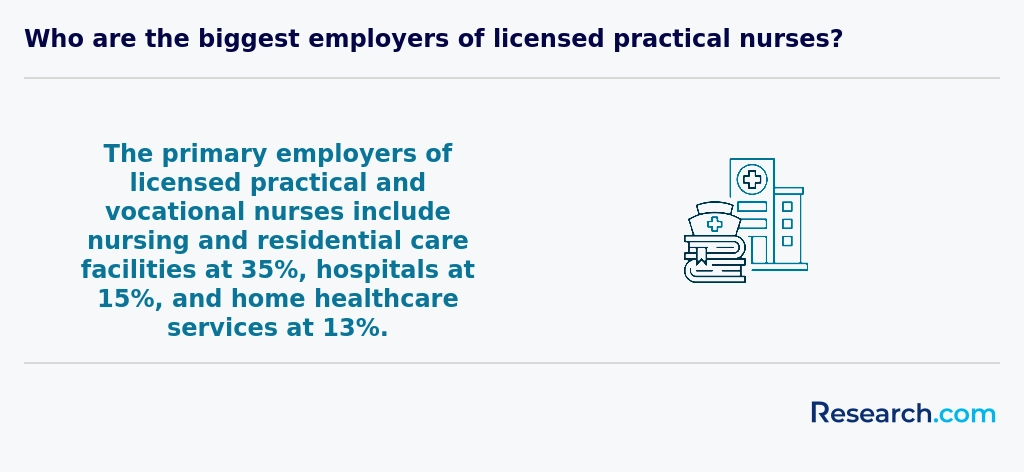
Nurses who hold an ADN and wish to elevate their careers can enroll in RN to BSN bridge programs, designed to build on foundational skills and deepen clinical, leadership, and research competencies. These pathways are especially valuable in Hawaii’s competitive healthcare market, where BSN-prepared nurses often enjoy higher wages, enhanced promotion opportunities, and eligibility for specialty certifications. Most RN to BSN curricula include:
- Leadership and Management in Nursing: Equips RNs to supervise teams, manage patient care workflows, and champion quality improvement initiatives.
- Community and Public Health Nursing: Expands the nurse’s role in health promotion across diverse island populations.
- Evidence-Based Practice and Research: Teaches critical appraisal of clinical studies, fostering data-driven decision-making.
- Healthcare Policy and Ethics: Prepares nurses to navigate regulatory requirements and advocate for patient rights. Recognizing the demands on working professionals, many Hawaii institutions partner with online providers to offer flexible formats. For example, graduates seeking streamlined coursework can explore our easy rn to bsn programs, which allow you to complete most theory modules asynchronously while completing clinical projects locally. Key benefits of RN to BSN pathways include: 1. Faster promotion to supervisory and specialty roles. 2. Increased average salaries-BSN nurses in Hawaii report wages up to 15% higher than ADN counterparts. 3. Eligibility for graduate studies (MSN or DNP), opening doors to nurse practitioner and educator positions. By choosing an RN to BSN track, Hawaii nurses not only solidify their clinical expertise but also position themselves for long-term leadership and advanced practice opportunities within the state’s dynamic healthcare landscape.
If you're thinking about nursing degrees in Hawaii, know that the courses cover a solid mix of science and real-world nursing skills. Students at places like the University of Hawaii or Hawaii Pacific University often start with basics like anatomy, physiology, and microbiology to really get how the body works.
From there, courses dive into stuff like health assessments, pharmacology, and nutrition that you'll use every day as a nurse. Graduates love how programs include mental health nursing and community health, which is perfect for Hawaii's unique population. You'll also get hands-on in clinical rotations at local hospitals and clinics, so it's not just textbook stuff-you're actually caring for patients early on.
Plus, many programs add courses on professional ethics and cultural competency. This means you'll be well-prepared to understand and connect with the diverse communities around the islands. Graduates often say these parts really helped them feel confident and ready to tackle Hawaii-specific health issues like diabetes and heart disease.
If you're thinking about nursing in Hawaii, you'll find a bunch of cool nursing specializations offered in Hawaii that really suit the state's unique healthcare vibes. Places like UH Mānoa and UH Hilo give students options like Adult-Gerontology Nursing, perfect for helping Hawaii's growing elderly population, or Pediatric Nursing, where you get to care for keiki in hospitals or clinics. Graduates often share how rewarding it is to focus on Family Nurse Practitioner roles, providing care across all ages in communities all over the islands.
Plus, if you're into mental health or community wellness, you'll see psychiatric-mental health and public health nursing tracks that really respond to Hawaii's specific needs. Emergency Nursing is another popular specialization-imagine being ready to jump into action treating trauma cases at a busy Honolulu ER! Many students also explore easy rn to bsn programs to add flexibility while diving deep into their chosen path.
With so many nursing degree specialization options, it's easy to find what fits your passion and the kind of difference you want to make here in Hawaii.
When picking the best nursing degree programs in Hawaii, start by checking if the school has solid accreditation like CCNE or ACEN. Graduates from popular colleges here often say that knowing their program met these standards really boosted their confidence before the NCLEX exam. Plus, Hawaii's unique healthcare scene-from Honolulu hospitals to smaller island clinics-means programs with strong local clinical ties give you real-world experience you'll actually use.
Another thing to keep in mind is cost. Affordable nursing schools Hawaii 2027 options vary a lot. Public colleges might offer ADN programs around $6,000 yearly, while private BSN programs can be pricier, but many grads mention scholarships and financial aid eased that burden. Also, it's smart to look at NCLEX pass rates and graduation stats to gauge program success.
For those wanting to fast-track, some find a quickest non nursing bachelor's to msn online route appealing. It's a great way to jump into advanced nursing without waiting years.

If you're getting a nursing degree in Hawaii, you've got tons of career options right here on the islands. Many grads from popular schools like the University of Hawaii's nursing program find themselves working as Registered Nurses (RNs) in hospital settings, gaining hands-on experience in busy emergency rooms or surgical floors. It's a rewarding way to apply what you've learned, especially when you're helping locals through all kinds of health challenges.
Other graduates love diving into community health nursing, which is super important in Hawaii's more rural and island communities. Imagine being part of a vaccination drive or helping manage chronic illnesses where healthcare access can be tricky-that's a real way to make a difference. These diverse nursing career opportunities in Hawaii reflect the unique needs of the population, especially with many elders around.
Some choose to specialize further, heading into fields like Pediatric or Oncology Nursing, or stepping up to advanced roles like Nurse Practitioners by going back for higher degrees. If you're curious about how to afford all this, check out the Cheapest Online Bachelor's in Nursing Degree Programs Ranking in Pennsylvania for some inspiration on smart ways to cover tuition costs.
The nursing job outlook in Hawaii is pretty promising, especially if you've got a degree from one of the popular nursing schools on the islands. Graduates often find good opportunities working in hospitals or community clinics, and many mention how rewarding it feels to care for local families, especially in areas where healthcare access can be limited. The demand is steady thanks to Hawaii's aging population and the need for skilled nurses who understand the unique cultural diversity here.
Some grads from Hawaii's nursing programs have shared how earning their BSN really boosted their chances of landing advanced roles. Plus, with employers preferring nurses who hold higher degrees, those continuing their education often gain a competitive edge. If you're considering further studies, you might even explore online 1 year masters programs to speed up your path.
Thanks to these factors, Hawaii nursing degree employment opportunities remain strong, especially in specialties like geriatric or mental health nursing. It's a great time to jump in and make a difference!
2027 Best Nursing Degree Programs Ranking in Hawaii
Investing in your education is a significant decision that can shape your future, and the Research.com team understands the importance of making informed choices. To assist prospective students in Hawaii, we have meticulously crafted the "2027 Best Nursing Degree Programs Ranking in Hawaii." Our commitment to quality, credibility, and accuracy is reflected in the extensive research and analysis conducted to compile this ranking.
We utilized the following reputable data sources to ensure a comprehensive evaluation of nursing programs:
By exploring this ranking, readers will gain valuable insights into the best nursing degree programs available in Hawaii, helping them make well-informed decisions about their educational paths. For more details on our methodology, please visit our Research.com methodology page.


Frequently Asked Questions About nursing
Nursing degree students in Hawaii can maximize their learning by engaging in diverse clinical experiences offered across the islands. Hawaii's healthcare facilities range from urban hospitals to rural clinics, providing exposure to varied patient populations and unique health issues, such as tropical diseases and native Hawaiian health disparities. According to the Hawaii State Center for Nursing, over 30% of nurses in the state work in community health settings, highlighting the importance of practical experience outside hospitals.
Students should also take advantage of simulation labs, which many Hawaiian nursing programs offer, allowing hands-on practice in a controlled environment. Additionally, participation in local health initiatives can enhance cultural competence, a vital skill given Hawaii's diverse population. Lastly, connecting with professional nursing organizations in Hawaii can provide mentorship and networking opportunities crucial for career growth.
The nursing field in Hawaii is evolving, with emerging niches responding to local health needs and national trends. One growing area is gerontological nursing, driven by Hawaii's increasing elderly population. According to the Hawaii State Department of Health, over 20% of the state's residents are aged 65 or older, highlighting the demand for specialized nursing care.
Another expanding niche is community and public health nursing. Nurses are playing vital roles in managing chronic diseases common in Hawaii, such as diabetes and cardiovascular conditions. Additionally, telehealth nursing is gaining traction, allowing nurses to provide care remotely, especially in rural islands.
Environmental health nursing is also notable, focusing on health issues related to Hawaii's unique ecosystem. These specialized roles create exciting opportunities for new nursing graduates.
After completing a nursing degree in Hawaii, preparing for the job market involves several important steps. First, obtaining your Registered Nurse (RN) license through the Hawaii Board of Nursing is essential. This requires passing the NCLEX-RN exam, which tests practical skills and nursing knowledge.
Hawaii's nursing job market is growing steadily, with the state expecting a 16% increase in RN employment between 2020 and 2030, according to the U.S. Bureau of Labor Statistics. Building local clinical experience through internships or volunteer work can improve employment chances.
Networking with healthcare facilities, attending local nursing associations like the Hawaii Nurses Association, and maintaining updated CPR and specialty certifications also strengthen your job prospects.
Employers in Hawaii highly value nursing graduates who demonstrate strong clinical skills and cultural competence. Given Hawaii's diverse population, nurses must effectively communicate with patients from various ethnic backgrounds. The Hawaii State Center for Nursing highlights cultural sensitivity as a critical skill to provide quality care.
In addition, proficiency in patient assessment and critical thinking is essential. Nurses in Hawaii frequently manage complex health conditions, requiring quick decision-making. According to the U.S. Bureau of Labor Statistics, practical nursing skills combined with empathy significantly improve patient outcomes.
Finally, teamwork and adaptability are crucial in Hawaii's healthcare settings, which often include rural and urban facilities with resource variations.
Finding nursing internships in Hawaii typically begins by connecting with accredited nursing programs, as many include clinical placements in their curriculum. Hawaii's Department of Health and local hospitals like The Queen's Medical Center offer valuable internships for nursing students, providing hands-on experience in diverse healthcare settings.
Students are encouraged to explore the Hawaii Board of Nursing resources, which often list approved clinical sites. Additionally, organizations such as the Hawaii Nurses Association can help with networking and internship opportunities.
According to the Bureau of Labor Statistics, Hawaii's demand for registered nurses is projected to grow 10% through 2031, increasing the availability of internships and employment in the state.
Obtaining a nursing degree in Hawaii significantly enhances career mobility and opportunities for advancement within the state's healthcare system. According to the Hawaii State Center for Nursing, nurses with a Bachelor of Science in Nursing (BSN) have greater access to leadership roles and specialized positions compared to those with an associate degree.
Hawai'i's growing demand for nurses, fueled by an aging population, means that higher qualifications often lead to better job security and higher salaries. The U.S. Bureau of Labor Statistics reports that registered nurses with advanced degrees earn notably more and have wider employment options.
In addition, many healthcare employers in Hawaii increasingly prefer or require BSN-prepared nurses for career advancement, reflecting nationwide trends.
Studying for a nursing degree in Hawaii equips students with skills essential for interdisciplinary healthcare roles. Hawaii's nursing programs emphasize collaboration among medical professionals, reflecting the state's diverse patient populations and healthcare settings. The Hawaii State Center for Nursing highlights that nearly 60% of nurses engage in team-based care, underscoring the need for strong communication and coordination skills.
Programs in Hawaii incorporate training in cultural competence and community health, preparing nurses to work alongside doctors, social workers, and public health experts. The interdisciplinary curriculum includes courses in health policy, ethics, and case management, enabling graduates to contribute effectively within healthcare teams.
Clinical placements often occur in varied environments, such as rural clinics and urban hospitals, fostering adaptability and teamwork.
Choosing between a thesis and a non-thesis nursing degree program in Hawaii depends on your career goals and learning preferences. Thesis programs emphasize research and critical thinking, preparing students for roles in academia or advanced clinical studies. These usually take longer and require completing original research under faculty supervision.
Non-thesis programs focus on practical skills and clinical application, making them ideal for students aiming to enter or advance directly in healthcare settings. According to the Hawaii State Center for Nursing, about 62% of nursing graduates pursue clinical careers, valuing hands-on experience over research.
Consider accreditation, program flexibility, and faculty expertise when deciding. Reviewing course requirements and speaking with advisors can clarify the best path for your professional plans.
Students in Hawaii interested in studying nursing abroad have several pathways to consider. Many US universities, including those offering nursing programs, have established exchange or study abroad agreements with institutions worldwide. These programs allow students to earn credit while gaining international clinical experience.
Hawaii-based students often explore options in countries with strong nursing education systems like Canada, Australia, and the United Kingdom. These locations provide exposure to varied healthcare environments and advanced nursing practices.
Additionally, Hawaii's unique location in the Pacific makes partnerships with institutions in Asia-Pacific regions attractive for cultural and clinical diversity.
According to the Hawaii State Center for Nursing, over 60% of students pursue baccalaureate degrees, making study abroad programs an increasingly viable supplement to local education.
Students pursuing nursing degrees in Hawaii have several part-time job options that complement their education and enhance clinical skills. Common roles include certified nursing assistant (CNA), medical assistant, or home health aide positions. These jobs offer practical experience in patient care, which is valuable for nursing students.
Hawaii's healthcare sector is growing due to an aging population, creating demand for support staff. According to the U.S. Bureau of Labor Statistics, the median hourly wage for CNAs in Hawaii was around $18.50 in 2023, making it a financially viable option.
Additionally, roles in pharmacies or outpatient clinics provide exposure to medical settings while offering flexible hours. Many students balance these jobs with their coursework to gain hands-on knowledge and strengthen their resumes.
Nursing students in Hawaii benefit from multiple networking opportunities through academic institutions and professional organizations. The Hawaii State Center for Nursing supports students by connecting them with licensed nurses and healthcare employers statewide. Universities such as the University of Hawaii at Manoa offer student chapters of the American Nursing Association, providing access to workshops and conferences focused on local healthcare issues.
Community health events and clinical placements in diverse Hawaiian settings also allow students to build relationships with practitioners and patients. According to the Hawaii State Center for Nursing's 2023 workforce report, over 70% of nursing graduates find professional connections during their education, which improves job placement rates in the state's growing healthcare sector.
Alumni networks play a significant role in supporting nursing degree students in Hawaii. These networks connect current students with graduates who have a wealth of professional experience in local healthcare settings. According to the Hawaii Board of Nursing, over 25% of nursing professionals in the state find job opportunities through referrals and connections. Alumni can provide mentoring, career advice, and guidance on navigating Hawaii's unique healthcare landscape, which includes rural and island-specific challenges.
Such networks also facilitate access to internships and job placements in renowned institutions like The Queen's Medical Center. Engaging with alumni strengthens community bonds and fosters professional growth, enhancing the overall educational experience for nursing students in Hawaii.
Customizing a nursing degree program in Hawaii allows students to align their education with specific career goals. Many institutions offer specializations such as pediatrics, geriatrics, or community health nursing, which reflect Hawaii's diverse patient population. Elective courses and clinical rotations can be tailored to focus on areas like rural health or Hawaiian native wellness, important due to the state's unique healthcare needs.
Students can also pursue advanced certifications alongside their degree, enhancing job prospects. According to the Hawaii State Center for Nursing, the demand for nurses in specialties like gerontology is expected to grow by over 20% through 2030, emphasizing the value of targeted education.
Additionally, accelerated and part-time degree options enable flexibility for working professionals seeking career advancement.
Nursing students in Hawaii face several unique challenges compared to their mainland counterparts. One major difficulty is the high cost of living, which can strain budgets and limit access to educational resources. Hawaii's remote location also impacts clinical placement opportunities, as there are fewer healthcare facilities relative to population size, creating intense competition for internships and practical experience.
Additionally, students often confront faculty shortages, affecting class sizes and mentorship quality. According to the Hawaii State Center for Nursing, about 40% of the nursing workforce is nearing retirement, increasing demand for qualified graduates.
Finally, those balancing cultural expectations and family responsibilities find it challenging to maintain study routines, especially in a community-focused state like Hawaii. These combined factors require strong time management and support systems for success.
With a nursing degree in Hawaii, you can pursue a variety of professional certifications that enhance your career opportunities and specialization. Common certifications include the Certified Nurse Assistant (CNA), Licensed Practical Nurse (LPN), and Registered Nurse (RN) credentials, the latter requiring passing the NCLEX-RN exam. Advanced certifications such as the Certified Nurse Midwife (CNM), Nurse Practitioner (NP), and Clinical Nurse Specialist (CNS) are also available for those with higher education levels.
Specialty certifications in areas like pediatrics, oncology, or gerontology are offered by organizations such as the American Nurses Credentialing Center (ANCC). According to the Hawaii State Center for Nursing, certified nurses tend to have better job prospects and higher salaries in the state's healthcare market.
Writing a winning application for a nursing program in Hawaii requires careful preparation and a clear understanding of the selection criteria. Admissions committees often prioritize strong academic records, particularly in science and math courses relevant to nursing.
Applicants should highlight any healthcare experience, such as volunteer work or employment in clinical settings, to demonstrate commitment and readiness for nursing challenges.
Personal statements must be concise and reflective, describing motivations for pursuing nursing and how the applicant plans to contribute to Hawaii's healthcare community.
Including strong letters of recommendation from educators or healthcare professionals can significantly boost an application's strength. According to the Hawaii Board of Nursing, programs receive many applicants, making each element of the application crucial for standing out.
Nursing is a globally respected career with increasing demand in many countries, including the United States. In Hawaii, the nursing workforce reflects this global trend, with the state experiencing steady job growth of about 15% from 2020 to 2030, according to the U.S. Bureau of Labor Statistics (BLS). This aligns with global needs for healthcare professionals, especially in aging populations.
Worldwide, nursing roles emphasize both clinical expertise and cultural competence, important in diverse places like Hawaii. The U.S. education system prepares nurses through various degrees, including associate, bachelor's, and advanced practice levels, recognized internationally.
Hawaii's nursing programs often include global health perspectives, responding to the evolving challenges nurses face globally. These programs encourage students to develop skills that are transferable worldwide, supporting career mobility.
According to the Hawaii State Center for Nursing, there has been an increased focus on advanced nursing practices to meet complex healthcare demands locally and abroad. This supports the global view that nursing careers offer versatile and stable opportunities.
Students pursuing nursing degrees in Hawaii can gain practical experience through clinical rotations, which are integral to accredited programs. These placements typically occur in local hospitals, community health centers, and long-term care facilities, allowing students to apply classroom knowledge in real-world settings.
Hawaii has partnerships with major healthcare providers such as The Queen's Health Systems and Hawaiian Health Services. According to the Hawaii State Center for Nursing, about 80% of nursing students engage in clinical experiences during their studies, which help prepare them for the workforce.
Additionally, some programs encourage internships, externships, and volunteering, offering diverse hands-on opportunities. These experiences are essential in meeting state licensure requirements and improving job readiness in Hawaii's growing healthcare sector.
Choosing the right concentration in a nursing degree program in Hawaii depends on your career goals and local healthcare needs. Hawaii's aging population increases demand for gerontology and long-term care specialists. According to the Hawaii State Department of Health, there is also a growing need for registered nurses in community health, especially in rural areas.
Consider concentrations like pediatric nursing, mental health, or nurse practitioner tracks, which can increase job opportunities. Research the licensure and certification requirements in Hawaii, as some specialties require additional qualifications.
Evaluate clinical placement options offered by programs since hands-on experience in local hospitals or clinics strengthens your readiness to work in Hawaii's unique healthcare environment.
- 2027 Best Online Nursing Degree Programs Ranking in California
- 2027 Best Online Nursing Degree Programs Ranking in Colorado
- 2027 Best Online Nursing Degree Programs Ranking in Texas
- 2027 Best Online Nursing Degree Programs Ranking in North Dakota
- 2027 Best Online Nursing Degree Programs Ranking in Kansas
- 2027 Best Online Nursing Degree Programs Ranking in Iowa
- 2027 Best Online Nursing Degree Programs Ranking in Missouri
- 2027 Best Online Nursing Degree Programs Ranking in Louisiana
- 2027 Best Online Nursing Degree Programs Ranking in Wisconsin
- 2027 Best Online Nursing Degree Programs Ranking in Illinois
See What Experts Have To Say About Studying Nursing
Read our interview with Nursing experts

Lisa Grubb
Nursing Expert
Assistant Professor
Johns Hopkins School of Nursing

- 10 Nursing Fields That Are Growing in Demand https://promedcert.com/blog/10-nursing-fields-that-are-growing-in-demand
- Top Skills Employers Want in Practical Nursing Graduates https://vervecollege.edu/what-employers-look-for-in-practical-nursing-graduates/
- Nursing - SUM Admission https://admission.sum.edu.pl/nursing/
- Nursing Study Abroad Programs | Go Overseas https://www.gooverseas.com/study-abroad/nursing
- School of Nursing Alumni Resources https://nursing.utmb.edu/About/Alumni
- What Nursing Concentration Is Right for Me? | Maryville Nursing https://nursing.maryville.edu/blog/what-nursing-concentration-is-right-for-me
- Study Nursing Abroad | Boomerang International Educational Services https://boomerangedu.com/study-nursing-abroad/
- Work-life balance | Careers Crossroads | RCN Careers Resources | Royal College of Nursing https://www.rcn.org.uk/Professional-Development/Your-career/Nurse/Career-Crossroads/Career-Ideas-and-Inspiration/work-life-balance
- Working While in Nursing School: 25 Ways to Make Money as a Nursing Student https://credenzahealth.com/career-advice/working-while-in-nursing-school-25-ways-to-make-money-as-a-nursing-student
- Know more about thesis vs non- thesis: what is the difference? https://studyfans.com/en/blogs/816