
2027 Best Online Master's in Nursing Degree Programs Ranking in New Jersey

Co-Founder and Chief Data Scientist
Exploring online nursing degrees can feel overwhelming, especially when balancing work and life in New Jersey. This article presents the 2027 Best Online Master's in Nursing Degree Programs Ranking in New Jersey, developed by the Research.com team of data scientists. It's designed to help you confidently choose programs that truly stand out.
Whether you're advancing your career or entering nursing leadership, a master's degree opens new doors. Reading this ranking gives you clear insights, so you can focus on what matters most-your future in nursing.
Key benefits of getting online nursing degree in New Jersey
- Nurse graduates in New Jersey can earn competitive salaries, such as Nurse Practitioners making around $128,490 annually and Clinical Nurse Specialists earning about $94,480 per year.
- Career paths after earning a nursing degree include roles like Nurse Administrator, Critical Care Nurse, and Nurse Educator, offering diverse opportunities for growth and specialization.
- Completing an online nursing degree from a recognized New Jersey university allows flexible scheduling and learning from home, perfect for balancing work, life, and education without compromising quality.
- 2027 Best Online Master's in Nursing Degree Programs Ranking in New Jersey
- What can I expect from online nursing degree in New Jersey?
- Where can I work with online nursing degree in New Jersey?
What can I expect from online nursing degree in New Jersey?
The average cost of an online nursing degree in New Jersey varies, typically ranging from $10,000 to $30,000 depending on the institution and program level. Graduates from well-regarded schools such as Rutgers University or Seton Hall University often mention that while tuition can be significant, the flexibility of online classes and the ability to maintain employment during study make the investment manageable and rewarding.
Many students share how scholarships, including state-specific nursing scholarships and loan forgiveness programs, significantly ease their financial burden. For example, a graduate completing a Bachelor of Science in Nursing (BSN) online at William Paterson University found that combining part-time work with these funding options helped them avoid excessive debt while gaining crucial clinical experience locally.
Prospective students should also factor in additional costs like clinical placement fees, textbooks, and state licensing exam preparations. Being strategic about financing and choosing programs with strong financial aid support can transform the journey into an achievable step toward advancing a nursing career in New Jersey.
Where can I work with online nursing degree in New Jersey?
Graduates with an online nursing degree from popular New Jersey schools, such as Rutgers University or Stockton University, find a variety of fulfilling career paths available. Many join major hospital systems like Hackensack Meridian Health or RWJBarnabas Health, thriving in roles from critical care to pediatrics. One graduate shared how quickly she secured a position thanks to the state's high demand for licensed RNs and hands-on clinical exposure provided by her program.
Beyond hospitals, online nursing grads often work in outpatient clinics, managing patient education and chronic conditions, or with home health agencies delivering compassionate care directly in patients' homes. These roles offer flexibility and meaningful impact, especially for nurses passionate about community-based care.
Long-term care centers are another key employment sector, tapping into the growing elderly population. Graduates feel rewarded supporting patients in rehabilitation settings, applying skills honed during their clinical rotations in New Jersey's aging-focused healthcare programs.
For those with advanced degrees, opportunities expand into nurse practitioner or educator roles, providing increased responsibility and career satisfaction. Securing New Jersey licensure remains essential, but once achieved, the state's strong healthcare infrastructure offers graduates exciting and diverse nursing careers.
Graduates from popular New Jersey programs like Rutgers University and Fairleigh Dickinson University with an online nursing degree typically see strong earning potential. Entry-level registered nurses earn an average annual wage around $87,300 in New Jersey, which is above the national average. Moving into specialized roles, nurse practitioners command mean salaries near $128,490 annually, according to recent Bureau of Labor Statistics data, highlighting the financial benefit of pursuing an MSN online.
Those progressing to clinical nurse specialist, nurse administrator, or nurse educator roles also enjoy competitive salaries, with average wages near $94,480 per year. Many graduates report feeling valued and motivated by their ability to impact patient care while earning a comfortable income. For example, a graduate from a New Jersey college's MSN program shared how obtaining certifications like family nurse practitioner boosted their salary and job satisfaction in metropolitan areas like Newark and Jersey City.
These figures emphasize the advantage of advancing your education while positioning yourself in New Jersey's robust healthcare market, where demand and wages remain high.
- New Jersey has a strong demand for registered nurses, with a median annual salary of about $85,000, higher than the national average.
- Tuition for online nursing degrees varies: public universities charge $8,000-$15,000 per year, while private schools range from $20,000 to $30,000 annually.
- All nursing graduates must pass the NCLEX-RN exam and complete a state-approved clinical component for licensure in New Jersey.
- Accreditation by bodies like CCNE or ACEN is required for program legitimacy and smooth licensure.
- The nursing job market in New Jersey is expected to grow 7% over the next decade, with experienced nurses earning over $100,000 annually.
Completing an online nursing degree in New Jersey varies by program and prior education. For example, many graduates from community colleges offering ADN programs share that the typical duration is about two to three years, often balancing studies with family or work commitments through hybrid or online classes.
At institutions like Rutgers University or Stockton University, online BSN students usually spend around four years if starting fresh. However, many students who already hold an ADN or a non-nursing bachelor's degree appreciate accelerated RN-to-BSN tracks, often finishing within 12 to 24 months. These flexible options allow students to advance faster without sacrificing quality.
Graduate nursing students pursuing an MSN online can expect about two years full-time, though part-time schedules at schools such as Seton Hall University can extend this to three or four years-ideal for working nurses aiming for leadership roles. Graduates often describe this path as challenging but highly rewarding, especially with clinical rotations integrated locally in New Jersey healthcare settings.
Graduates of New Jersey online MSN programs must meet state licensing standards before practice. Follow these steps to secure your credentials:
- Graduate from a CCNE- or ACEN-accredited master’s nursing program.
- Pass the NCLEX-RN exam within five years of graduation and submit official scores to the New Jersey Board of Nursing.
- Submit a complete application to the New Jersey Board of Nursing, including transcripts, background checks and fingerprinting fees.
- Obtain national APRN certification (e.g., AANP or ANCC) for advanced practice roles and provide proof to the Board.
- Maintain an active license by renewing biennially and completing at least 30 contact hours of continuing education per cycle.
For those aiming to extend clinical authority and leadership, consider exploring easiest online dnp programs.
Online nursing programs in New Jersey, like those offered by Rutgers or Stockton University, provide flexibility that suits working adults or parents juggling family life. Graduates often share that managing coursework via virtual lectures and discussion boards fits their busy schedules, though they stress the importance of strong self-discipline to stay on track. Clinical hours still require in-person attendance at approved healthcare sites, ensuring hands-on experience meets New Jersey Board of Nursing standards.
In contrast, on-campus programs, such as those at Montclair State University, foster daily face-to-face interaction with professors and peers. Many students value the immediate feedback and access to on-site labs, which enhances their confidence in mastering complex clinical skills.
Cost differences can be subtle; online students save on commuting and housing, but tuition often parallels on-campus fees. Choosing the right path means considering personal learning styles, professional responsibilities, and budget, with both routes leading effectively to nursing licensure in New Jersey.
When considering online nursing programs in New Jersey, one crucial aspect to examine is the cost and how to finance your education. Understanding the economic investment involved can help prospective students make informed decisions. For those interested in finding an affordable option, researching the cheapest nursing school in New Jersey can be a valuable starting point. This involves looking into tuition fees, additional expenses such as textbooks and equipment, and considering the potential return on investment in terms of career advancement and salary increases. Many online nursing programs offer flexible payment plans, scholarships, and financial aid options to help make the program more accessible. By carefully planning financially and exploring all available resources, aspiring nurses can embark on their educational journey with confidence, knowing they are making a sound investment in their future.
The average cost of an online nursing degree in New Jersey varies depending on residency and institution, with median total tuition and fees around $53,680. For in-state students, costs tend to be lower, approximately $37,972, while out-of-state students usually face expenses near $53,719. Graduates from popular universities in New Jersey often share how managing these costs felt more achievable when leveraging in-state tuition benefits and exploring financial aid options.
Many online nursing students at well-known public universities experience tuition rates per credit hour generally ranging between $350 and $700, which aligns with the overall total costs reported. For example, some master's nursing programs requiring 30 to 40 credits can cost between $18,000 and $24,000 for in-state learners. These figures help clarify the average cost of online nursing degree New Jersey students encounter while planning their education.
Additional expenses, such as technology fees or clinical placement costs, may increase the overall financial commitment. However, using support resources like scholarships, employer tuition assistance, and federal aid can greatly ease the burden. Prospective students should review each program's specific tuition structure carefully. For those seeking budget-friendly options, check out the cheapest nursing school in New Jersey, as graduates often recommend exploring these schools for both quality and affordability.
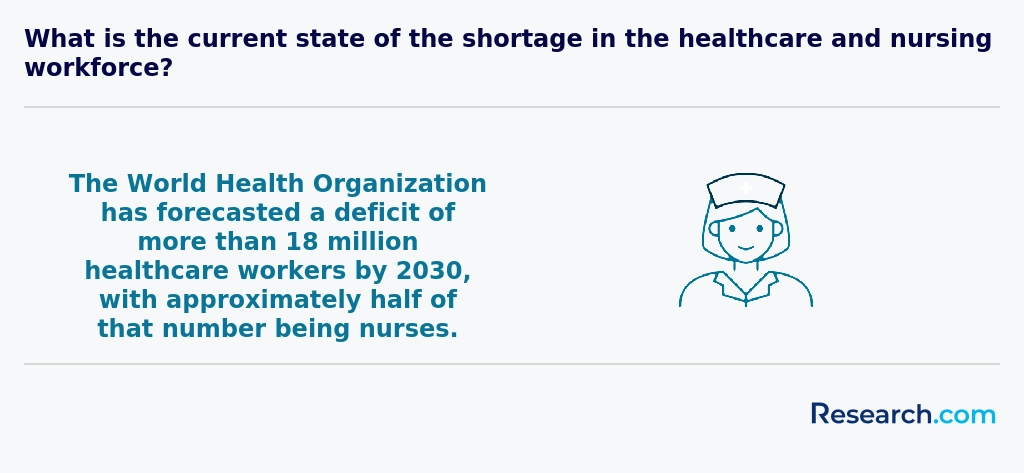
Completing an online master’s in nursing degree in New Jersey demands rigorous hands-on training through clinical practicums and internships. Most programs require between 500 and 750 supervised clinical hours, which students can arrange at local hospitals, outpatient clinics, long-term care facilities, or community health centers. To facilitate placements, universities often partner with healthcare providers across the state, assigning each student a qualified preceptor who mentors them in real-world settings. Key elements of successful clinical experiences include:
- Flexible Scheduling: Online cohorts coordinate with clinical sites to accommodate evening or weekend shifts, enabling working professionals to fulfill requirements without sacrificing employment.
- Regional Partnerships: Institutions like Rutgers University and Seton Hall University maintain extensive networks of New Jersey healthcare facilities, ensuring students can secure nearby placements.
- Preceptor Support: Assigned preceptors guide students through specialty rotations-such as acute care, pediatrics, or psychiatric nursing-providing feedback on competencies like patient assessment and care coordination.
- Reflection and Evaluation: Regular debriefings and performance assessments help students track progress, refine clinical skills, and meet program benchmarks for graduation and licensure eligibility. For those considering advanced practice roles or a doctoral pathway, exploring the cheapest dnp program can provide insights into structuring clinical residencies under nurse practitioner and nurse educator tracks. By understanding clinical practicum logistics, prospective students can better prepare for immersive training, ensure compliance with state board requirements, and transition confidently into professional nursing roles.
Online nursing students in New Jersey can tap into multiple financial aid sources to ease the high tuition costs at institutions like Rutgers University or William Paterson University. Federal aid programs require completing the FAFSA and commonly include Stafford and PLUS loans, which offer manageable repayment options. While Pell Grants mostly serve undergraduates, many graduates find federal loans essential in funding their education without overwhelming debt.
State scholarships such as those from the New Jersey Nursing Initiative (NJNI) make a big difference for nurses willing to work in underserved areas. Graduates report feeling motivated knowing these grants support their commitment to improve community health. The New Jersey Higher Education Student Assistance Authority (HESAA) also offers assistance programs specific to nursing students, providing valuable relief on tuition bills.
Employer tuition reimbursement is a popular route for working nurses pursuing online degrees. Many healthcare providers in New Jersey encourage continuous education by offering scholarships and payback programs, helping nurses balance work and study smoothly.
Professional groups like the New Jersey State Nurses Association award scholarships that have empowered many students to complete their degrees with less financial stress. Graduates often share how these combined options made advancing their careers feel achievable and rewarding.
Understanding NCLEX-RN pass rates is critical when evaluating online master’s in nursing programs in New Jersey. High pass rates indicate robust curricula and effective exam preparation, reflecting a program’s commitment to student success and patient safety. • Average Pass Rates: Top-ranked institutions like Rutgers University and Seton Hall University consistently report first-time NCLEX-RN pass rates above 90%, outperforming the national average of 85%. • Program Transparency: Many online programs publish annual outcome reports, showcasing pass rates, time-to-graduation, and graduate employment statistics. Reviewing these reports helps you choose a program aligned with your professional goals. • Graduate Employment: With NCLEX success often comes strong job placement-over 88% of nursing graduates secure positions within six months of passing the exam. Employers in New Jersey value candidates from accredited programs with proven licensure track records. • Exam Readiness Resources: Leading online programs offer dedicated NCLEX prep resources, including virtual practice exams, study groups, and one-on-one tutoring. These support services boost confidence and reduce exam anxiety. • Pathway Flexibility: For those exploring initial nursing credentials, consider foundational routes such as lpn programs online nj, which can provide core clinical skills before advancing to an RN or MSN pathway. By prioritizing programs with transparent NCLEX-RN pass data and comprehensive exam preparation, prospective students can make informed decisions that lead to licensure success and rewarding nursing careers in New Jersey.
To enroll in an online nursing degree program in New Jersey, you must first hold a Bachelor of Science in Nursing (BSN) from an accredited institution, such as those recognized by the Council for Higher Education Accreditation. Many graduates from institutions like Rutgers University or Seton Hall University emphasize how this foundation gave them confidence when advancing to their master's studies.
You also need an active Registered Nurse (RN) license issued by the New Jersey Board of Nursing. This ensures you are legally qualified to practice in the state while studying. Many students recall feeling reassured knowing their licensure was a key requirement that connected their clinical work to academic progress.
Programs typically ask for one to two years of clinical experience. This hands-on background helps you apply coursework directly to patient care scenarios. Some schools, like Stockton University, appreciate applicants with specialties such as family nurse practitioner, which aligns with real-world nursing demands.
Standardized tests like the GRE may be required, although some programs waive this for strong GPAs or professional experience. Submitting transcripts with a 3.0 GPA or higher, letters of recommendation, and a personal statement clearly outlining your goals completes most applications.
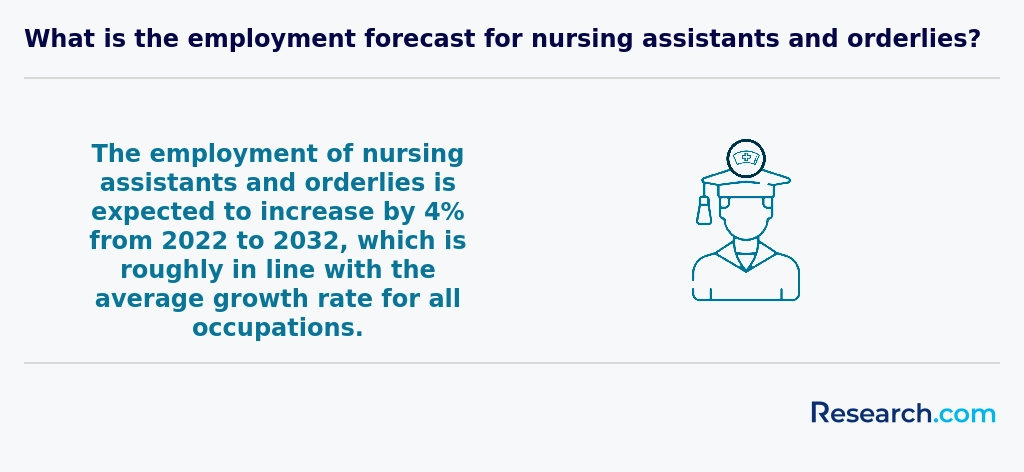
One of the most critical steps after completing an online nursing program in New Jersey is obtaining state licensure and fulfilling clinical practicum requirements. The New Jersey Board of Nursing mandates that all registered nurse (RN) candidates graduate from a program with at least 500–700 supervised clinical hours. These practicum experiences typically take place in accredited hospitals, outpatient clinics, long-term care facilities, and community health settings, ensuring students develop hands-on skills under the guidance of certified preceptors. Programs often integrate virtual simulation modules to complement in-person hours, preparing students for real-world scenarios. After completing clinical practicum, graduates must pass the National Council Licensure Examination for Registered Nurses (NCLEX-RN). Many online MSN programs in New Jersey offer comprehensive NCLEX review courses, including practice exams, live webinars, and personalized study plans. Maintaining a high NCLEX pass rate is a key indicator of program quality and directly impacts graduates’ employability. To apply for licensure, candidates submit official transcripts, verify completion of background checks, and pay applicable New Jersey Board fees. Beyond initial licensure, RNs in New Jersey are required to renew their license biennially and complete 30 continuing education (CE) credits. Common CE topics include ethics in nursing, patient safety, and evolving best practices in specialized fields. These ongoing requirements ensure nurses remain current with clinical guidelines and innovations in patient care. For those exploring cost-effective BSN pathways to meet licensure prerequisites, consider the Inexpensive Online Bachelor's in Nursing Degree Programs Ranking in Missouri, which highlights accredited programs that balance affordability with rigorous clinical training.
Online nursing degree programs in New Jersey usually cover a blend of essential science and nursing-specific courses. Graduates from popular institutions like Rutgers University and New Jersey City University often recall mastering anatomy, physiology, and microbiology early on. These foundational sciences help you understand the human body and diseases, which is critical before moving into patient care.
Alongside science, expect coursework in nursing theory focused on real-world skills. Courses such as health assessment, pathophysiology, and medication administration prepare you to confidently evaluate and treat patients. Many students find these classes directly applicable during their clinical practicums, which are required in approved New Jersey healthcare facilities to build hands-on experience.
Leadership training is another highlight in advanced or master's programs, with topics like healthcare policy and nursing administration. These prepare you for roles managing teams or driving quality improvements, a growing demand in New Jersey's healthcare market. Graduates often share how these courses boosted their confidence stepping into leadership positions.
Choosing a program recognized by the New Jersey Board of Nursing ensures your coursework meets state licensure standards while offering the flexibility of online learning combined with valuable local clinical hours.
Online nursing specializations New Jersey programs commonly include Family Nurse Practitioner (FNP), Psychiatric-Mental Health Nurse Practitioner (PMHNP), Nurse Educator, and Nurse Administrator tracks. Graduates from popular New Jersey universities often share how the FNP specialization empowered them to work confidently in diverse clinical settings, from community health centers to outpatient clinics. Those pursuing the PMHNP track report feeling especially motivated by the local demand for mental health professionals, given New Jersey's high rates of depression and anxiety.
Nursing degree concentrations New Jersey options like Nurse Educator prepare students to become effective mentors, addressing the state's nursing shortage by teaching future nurses with practical curriculum development skills. Nurse Administrator programs focus on leadership and finance, equipping graduates to manage hospital departments efficiently. Many students appreciate the flexible online format, which fits busy schedules and helps them advance their careers without relocating or taking time off.
For those beginning their journey, exploring lpn programs online nj can be a helpful first step before specializing.
Choosing the best online nursing degree in New Jersey starts with verifying accreditation from bodies like CCNE or ACEN to ensure your degree is credible and recognized. Graduates from popular institutions in the state often highlight how local clinical placement support made fulfilling practical hours manageable, a critical requirement for licensure in New Jersey. Look for programs that offer flexible scheduling and part-time options to balance work and study efficiently, a key factor many successful students appreciate.
Affordability is another crucial aspect since New Jersey residents can benefit from in-state tuition rates. Students who prioritized affordable nursing degrees online NJ found that scholarship opportunities and employer tuition reimbursement also helped ease the financial burden. Additionally, exploring programs' NCLEX pass rates and alumni employment results can provide confidence in your future success.
Many nursing students in the state choose specialized tracks like RN-to-BSN or DNP programs to advance careers. For those interested in advanced nursing practice, considering the cheapest dnp program available can be a smart, cost-effective strategy.

Graduates of online nursing degree programs in New Jersey find a range of career paths tailored to their interests and skills within the state's healthcare system. Many begin as registered nurses, providing essential bedside care in hospitals, clinics, or community health centers across New Jersey. For instance, graduates from popular nursing colleges often highlight their ability to balance patient care with continued education, boosting confidence in this demanding role. Exploring online nursing careers in New Jersey, many also advance to specialized roles like Nurse Practitioners or Clinical Nurse Specialists, where they apply advanced training to improve patient outcomes in primary or specialized care settings.
Others pursue leadership opportunities as Nurse Educators or Administrators, shaping future nurses or managing departments in busy hospitals. Those drawn to public health contribute to community wellness and disease prevention initiatives, collaborating with state programs. Students have found that programs accommodating working professionals, like those at New Jersey's leading institutions, enable steady progress without sacrificing employment. For practical cost options, explore the Inexpensive Online Bachelor's in Nursing Degree Programs Ranking in Missouri to compare affordability while planning your career path.
The job market for online nursing degree graduates in New Jersey is robust, with demand driven by the state's aging population and expanding healthcare facilities. Graduates from popular local institutions find they can leverage clinical placements at nearby hospitals, enhancing their credentials and increasing employability. Many nursing students report feeling confident stepping into roles in geriatric care and outpatient clinics, where their practical experience meets pressing community needs.
In terms of nursing career opportunities in New Jersey, wages are attractive; the average salary surpasses the national figure, reflecting both the cost of living and the value placed on skilled nurses. Those completing online programs benefit from flexible study options while gaining hands-on training that employers seek, giving graduates a competitive edge in the job market.
Students considering an online nursing degree should also explore financial aid and scholarships, as tuition varies across institutions in New Jersey. For guidance on manageable program options, consider researching the easiest masters degree online, which some nursing graduates have cited for balancing workload and career ambitions effectively.
2027 Best Online Master's in Nursing Degree Programs Ranking in New Jersey
Investing in your education is a significant decision that can shape your future, and the Research.com team understands the importance of making informed choices. To assist prospective students in New Jersey, we have meticulously developed the "2027 Best Online Master's in Nursing Degree Programs Ranking." Our commitment to quality, credibility, and accuracy is reflected in the thorough research and analysis conducted to compile this ranking.
We utilized the following reputable data sources to ensure a comprehensive evaluation of nursing programs:
By exploring this ranking, readers will gain valuable insights into the top online nursing master's programs in New Jersey, enabling them to make well-informed decisions about their educational endeavors. For more details on our methodology, please visit our Research.com methodology page.


# 5 position
Thomas Edison State University
Master of Nursing

Frequently Asked Questions About nursing
Online nursing degree students in New Jersey can maximize their learning experience by actively engaging with both virtual and clinical components of their programs. Given New Jersey's requirement for hands-on clinical practice, selecting a program with strong local healthcare partnerships ensures practical experience near home. The New Jersey Board of Nursing mandates at least 500 supervised clinical hours for advanced nursing degrees, emphasizing the importance of quality clinical placements. Additionally, leveraging online resources such as virtual simulation labs and joining study groups can enhance comprehension. Staying up to date with state nursing regulations and participating in professional nursing organizations can also support academic and career growth.
Emerging niches in nursing focus on specialized care areas driven by technological advances and demographic changes. In New Jersey, the rise in an aging population has increased demand for gerontological nursing and palliative care specialists. According to the New Jersey Department of Labor, employment for registered nurses in long-term care and hospice settings is projected to grow significantly through 2030.
Another expanding area is telehealth nursing. Online nursing degree programs increasingly offer training in remote patient monitoring and virtual care coordination. This field combines clinical expertise with digital technology, addressing access issues in both urban and rural parts of New Jersey.
Behavioral health nursing is also gaining prominence. The state has recognized a growing need for mental health services, encouraging nurses to specialize in psychiatric and substance abuse treatment settings.
After completing an online nursing degree in New Jersey, it is crucial to prepare strategically for the competitive job market. First, obtaining licensure through the New Jersey Board of Nursing is mandatory; passing the NCLEX-RN exam is required to become a registered nurse. New Jersey's healthcare sector is growing, with a projected 19% increase in RN employment between 2020 and 2030, according to the U.S. Bureau of Labor Statistics. Networking with local healthcare providers and joining professional associations, such as the New Jersey State Nurses Association, can open job opportunities and enhance career development.
Continuing education and certifications in specialties like gerontology or critical care may increase employability. Additionally, practical experience from clinical rotations or volunteer work in New Jersey healthcare facilities strengthens resumes and interview readiness.
Employers in New Jersey prioritize strong clinical skills in nursing graduates, including patient assessment, care planning, and medication administration. Effective communication is equally crucial, as nurses must collaborate with diverse healthcare teams and provide clear explanations to patients. Critical thinking abilities stand out, enabling nurses to make swift, informed decisions in high-pressure situations.
Adaptability and cultural competence are also valued, reflecting New Jersey's diverse population. According to the New Jersey Board of Nursing, these skills enhance patient outcomes and workplace efficiency. Additionally, proficiency with electronic health records (EHR) and telehealth technologies is increasingly important due to the rise of digital healthcare systems.
Finding nursing internships in New Jersey involves several strategic steps. Begin by exploring clinical placement opportunities offered through your online nursing program, as many schools maintain partnerships with local healthcare providers. Additionally, using resources from the New Jersey Board of Nursing can help identify approved facilities for internships in hospitals, clinics, and community health centers.
Networking through professional organizations like the New Jersey State Nurses Association can also provide valuable internship leads. According to the New Jersey Department of Labor, healthcare support roles are among the fastest-growing occupations, making timely internship applications essential.
Contacting local hospitals directly, such as Hackensack Meridian or RWJBarnabas Health, often yields available positions for student nurses seeking practical experience.
Obtaining an online nursing degree in New Jersey can significantly enhance career mobility and opportunities for advancement. Many employers in the state value advanced education, especially given New Jersey's competitive healthcare market and the demand for skilled nurses.
According to the New Jersey Center for Nursing, registered nurses with a bachelor's or master's degree earn higher salaries and have greater access to leadership roles. Online programs provide flexibility, allowing students to continue working while upgrading their qualifications. This is crucial in New Jersey, where the average RN salary exceeds the national average, partly due to advanced credentials.
Additionally, online degrees accredited by recognized bodies align with state licensure requirements, making graduates eligible for promotions, specialized nursing roles, and management positions. These degrees also support transitions into fields like nurse education, administration, and advanced practice nursing, all growing sectors in New Jersey's healthcare system.
Studying for a nursing degree in New Jersey equips students with skills essential for interdisciplinary healthcare roles. Online nursing programs in the state emphasize collaborative care, preparing graduates to work alongside physicians, therapists, and social workers. The New Jersey Board of Nursing requires curricula to include communication, leadership, and evidence-based practice, fostering teamwork in diverse clinical settings.
According to the New Jersey Department of Labor, nurses often engage in multi-disciplinary teams to improve patient outcomes. Online programs leverage simulations and case studies to reflect real-world scenarios, illustrating the importance of coordinated care across specialties. Graduates leave ready to contribute in complex healthcare environments, supporting holistic patient needs.
When choosing between a thesis and a non-thesis nursing degree program in New Jersey, consider your career goals and learning preferences. A thesis option typically suits those interested in research or pursuing a doctorate later, as it involves original research and writing under faculty supervision. Non-thesis programs focus more on practical skills and often require additional coursework or clinical hours instead of a research project.
In New Jersey, the nursing workforce is expected to grow by 11% through 2030, according to the NJ Department of Labor. This growth supports diverse educational needs. If you aim for leadership or advanced clinical roles, a thesis could strengthen your qualifications. Otherwise, a non-thesis path may better fit clinical practice advancement.
Consider program flexibility, time commitment, and whether you prefer research or applied learning. Accreditation by bodies like CCNE ensures quality in both formats.
Students in New Jersey interested in studying nursing abroad have several options primarily through partnerships between U.S. and international institutions. While fully online nursing degrees from foreign universities may be limited due to licensure requirements, some programs offer hybrid models combining online coursework with clinical training overseas.
New Jersey students should ensure that any foreign nursing program meets the National Council of State Boards of Nursing (NCSBN) standards to qualify for the NCLEX-RN exam, which is required for licensure. The New Jersey Board of Nursing also evaluates foreign educational credentials to approve eligibility.
According to the New Jersey Department of Education, collaboration with globally recognized universities can enhance clinical experience and cultural competence, valuable in the diverse healthcare environment of the state.
Students are advised to verify accreditation and licensure equivalency before enrollment to avoid delays in professional licensing after graduation.
Part-time job opportunities in New Jersey that complement nursing degree education typically include roles like certified nursing assistant (CNA), medical scribe, or home health aide. These positions help students gain practical experience while balancing their studies.
According to the New Jersey Department of Labor, CNAs earn a median hourly wage of about $15.50, making this a viable option for students needing flexible schedules.
Working as a medical scribe offers exposure to clinical documentation and patient care workflows, supporting academic knowledge with real-world skills.
Home health aides also provide hands-on care experience, especially for those interested in community health.
Online nursing students in New Jersey have access to diverse networking opportunities, despite the virtual learning format. Many accredited programs encourage participation in state nursing associations such as the New Jersey State Nurses Association (NJSNA), which offers events, webinars, and mentorship programs tailored to nursing professionals. According to the NJSNA, approximately 40% of their membership actively participates in such activities, helping students build vital industry connections.
Medical facilities in New Jersey also offer clinical placements and virtual networking sessions, often crucial for building relationships with healthcare professionals. Additionally, online students can join professional groups on platforms like LinkedIn focused on New Jersey healthcare to connect regionally with peers and employers.
Alumni networks play a crucial role for online nursing degree students in New Jersey by providing valuable professional connections. These networks offer mentoring opportunities, helping graduates navigate the local healthcare job market, which is expected to grow by 12% from 2020 to 2030 according to the U.S. Bureau of Labor Statistics.
Access to exclusive job postings and industry events is another benefit, as many hospitals and clinics in New Jersey prefer candidates recommended through alumni channels. Additionally, alumni often share insights on continuing education and certifications important for advancement in nursing careers within the state.
Networking through alumni can also foster collaboration and support, enhancing both personal and professional growth.
Customizing an online nursing degree in New Jersey allows students to align their education with specific career goals. Many accredited programs offer specialized tracks, such as nurse practitioner, nurse educator, or healthcare administration. Choosing electives related to your desired field can deepen expertise and improve job opportunities.
Clinical placements can often be arranged locally, helping students gain relevant hands-on experience within New Jersey's healthcare system. According to the New Jersey Board of Nursing, advanced practice roles are growing, with nurse practitioners among the fastest-growing professions in the state.
Additionally, selecting schools with flexible pacing and tailored mentorship supports balancing studies with work or family commitments, making your degree more suited to your professional path.
Online nursing students in New Jersey commonly face challenges related to clinical placement requirements. The New Jersey Board of Nursing mandates hands-on clinical hours, which can be difficult to coordinate due to limited availability at local healthcare facilities. According to the New Jersey Center for Nursing, about 30% of nursing programs report clinical site shortages as a significant barrier.
Another challenge is balancing coursework with professional and personal obligations. Many students are working nurses or have family responsibilities, making time management critical. Technical issues with online platforms and varying levels of digital literacy can also disrupt learning, particularly for older students.
Finally, financial concerns are notable. Despite access to federal aid, some New Jersey students find tuition and fees for nursing programs higher than average, as reported by the New Jersey Higher Education Commission. These challenges require proactive planning and support to navigate effectively.
With an online nursing degree in New Jersey, graduates can pursue several professional certifications to advance their careers. Common options include the Certified Nurse Practitioner (CNP), Certified Nurse Educator (CNE), and Certified Registered Nurse Anesthetist (CRNA) credentials. These certifications typically require passing national exams administered by organizations such as the American Nurses Credentialing Center (ANCC).
New Jersey nurses often pursue the Advanced Practice Registered Nurse (APRN) license, which mandates certification in a specialized area. According to the New Jersey Board of Nursing, certification increases job prospects and salary potential in the state.
Specialized certifications in areas like gerontology, pediatrics, or psychiatric nursing are also available nationally and valued within New Jersey's healthcare system.
Writing a winning application for an online nursing program in New Jersey starts with clear organization and attention to detail. Ensure you meet all state-specific requirements, such as holding an active New Jersey nursing license if required and submitting official transcripts. Many programs value applicants who demonstrate clinical experience and familiarity with New Jersey's healthcare environment.
Highlight your commitment to nursing through a compelling personal statement. Use this to explain your goals and why you chose New Jersey for your studies. According to the New Jersey Board of Nursing, programs often look for evidence of strong communication skills and a professional attitude.
Additionally, gather strong letters of recommendation from supervisors or instructors who can attest to your capabilities. Some programs may require GRE scores, so verify each school's criteria carefully. Finally, submit your application before deadlines to avoid disqualification, as online nursing programs in New Jersey can be competitive.
The nursing profession is recognized worldwide as essential to healthcare systems, with global demand growing steadily. In the United States, particularly in New Jersey, the nursing workforce is expected to expand by about 15% between 2020 and 2030, according to the U.S. Bureau of Labor Statistics. This growth reflects broader international trends emphasizing the importance of skilled nurses in improving patient outcomes.
Globally, many countries value nursing degrees obtained in the U.S. for their rigorous training and clinical standards. Online nursing degrees from accredited New Jersey institutions offer flexibility while meeting these high standards, enabling graduates to be competitive both domestically and internationally.
Additionally, New Jersey's diverse population provides nurses with multicultural experience, an asset in global healthcare settings.
Students pursuing an online nursing degree in New Jersey can gain practical experience through clinical placements required by the New Jersey Board of Nursing. These hands-on experiences typically occur in local hospitals, clinics, or community health centers, arranged by the online program in partnership with healthcare facilities.
Many programs mandate a specific number of clinical hours to meet licensure requirements, which can range from 500 to over 700 hours depending on the degree level. This real-world training is essential to develop patient care skills in diverse settings.
Additionally, some programs offer simulation labs or virtual clinical experiences to supplement in-person hours. Prospective students should verify that their chosen program is accredited by the Commission on Collegiate Nursing Education (CCNE) or the Accreditation Commission for Education in Nursing (ACEN), ensuring high program quality and clinical placement support.
Choosing the right concentration within an online nursing degree program in New Jersey depends on your career goals and the state's healthcare needs. New Jersey faces growing demand for advanced practice nurses, especially in primary care and gerontology, reflecting its aging population. The New Jersey Board of Nursing highlights specialties like Family Nurse Practitioner and Psychiatric-Mental Health Nurse Practitioner as critical.
Consider your work experience and interests when selecting a concentration. Check if the program's curriculum aligns with state licensing requirements and prepares you for certification exams.
Research local job market trends through New Jersey's Department of Labor to identify high-demand specialties with strong employment prospects.
- 2027 Best Online Master's in Nursing Degree Programs Ranking in Pennsylvania
- 2027 Best Online Master's in Nursing Degree Programs Ranking in New York
- 2027 Best Online Master's in Nursing Degree Programs Ranking in Virginia
- 2027 Best Online Master's in Nursing Degree Programs Ranking in Massachusetts
- 2027 Best Online Master's in Nursing Degree Programs Ranking in Ohio
- 2027 Best Online Master's in Nursing Degree Programs Ranking in Kentucky
- 2027 Best Online Master's in Nursing Degree Programs Ranking in North Carolina
- 2027 Best Online Master's in Nursing Degree Programs Ranking in South Carolina
- 2027 Best Online Master's in Nursing Degree Programs Ranking in Tennessee
- 2027 Best Online Master's in Nursing Degree Programs Ranking in Indiana
See What Experts Have To Say About Studying Nursing
Read our interview with Nursing experts

Lisa Grubb
Nursing Expert
Assistant Professor
Johns Hopkins School of Nursing

- Career Paths in Nursing | Blog https://www.raritanval.edu/news/career-paths-in-nursing/
- Nursing Scholarships & Financial Aid Resources | AACN https://www.aacnnursing.org/students/scholarships-financial-aid
- Best Online Nursing Programs in New Jersey https://www.onlineu.com/degrees/nursing/new-jersey
- Nursing School in North Brunswick, New Jersey https://www.chamberlain.edu/nursing-school/new-jersey/north-brunswick
- 166 Most Affordable Nursing Programs in New Jersey (2026) https://mynursingschools.com/affordable-nursing-programs/new-jersey
- Nursing AAS, Degrees | Programs Near Me https://www.ccm.edu/programs/nursing/
- Online Nursing Schools in New Jersey: Explore Top ... https://www.edumed.org/online-schools/nursing-rn-programs/new-jersey/
- Nursing Education at Eastwick | Compassionate Caregivers https://eastwick.edu/articles/cultivating-compassionate-caregivers-the-eastwick-approach-to-nursing-education/
- Nursing, AAS https://eicollege.edu/academics/associates/nursing/
- Accelerated Bachelor of Science in Nursing (BSN) https://www.tesu.edu/degrees-programs/bachelors/accelerated-bsn/index.php


