2027 Best Online Master's in Nursing Degree Programs Ranking in Pennsylvania

Co-Founder and Chief Data Scientist
Choosing the right nursing degree is a big step toward a rewarding career in healthcare. If you're in Pennsylvania and thinking about advancing your education, this article is here to guide you.
We present the 2027 Best Online Master's in Nursing Degree Programs Ranking in Pennsylvania, crafted by the Research.com team of data scientists. This ranking helps you easily compare programs based on reliable data, making your decision clearer.
Reading this article will save you time and give you confidence in selecting a program that fits your goals. Your future in nursing starts here.
Key benefits of getting online nursing degree in Pennsylvania
- Nursing degree graduates in Pennsylvania can expect competitive salaries, such as Nurse Practitioners earning about $128,490 annually and Clinical Nurse Specialists making around $94,480 per year.
- Graduates from popular Pennsylvania universities often find diverse career paths including critical care nursing, nurse education, and administration, offering rewarding opportunities to grow professionally.
- Completing a nursing degree online from a Pennsylvania school provides flexibility and convenience, allowing students to balance work and study without compromising education quality or career prospects.
- 2027 Best Online Master's in Nursing Degree Programs Ranking in Pennsylvania
- What can I expect from online nursing degree in Pennsylvania?
- Where can I work with online nursing degree in Pennsylvania?
What can I expect from online nursing degree in Pennsylvania?
The average cost of an online nursing degree in Pennsylvania typically ranges between $20,000 and $45,000 for a Bachelor of Science in Nursing (BSN) completion program, while Master of Science in Nursing (MSN) degrees often fall between $30,000 and $60,000. Graduates from institutions like the University of Pennsylvania or Villanova University often speak positively about the value they receive, noting that flexible online coursework combined with in-state tuition rates contributes to manageable expenses.
Many students appreciate that these programs balance affordability with rigorous academic standards, allowing them to continue working while studying. Some highlight how financial aid options through resources like the Pennsylvania Higher Education Assistance Agency (PHEAA) helped ease the financial burden, making quality education accessible. Others mention employer tuition reimbursement programs that substantially reduced their out-of-pocket costs.
For example, a graduate from Temple University recalls the convenience of accessing lectures asynchronously while fulfilling clinical hours locally, which minimized additional travel expenses. These practical cost considerations, combined with Pennsylvania's strong healthcare market, make online nursing degrees appealing and financially feasible for many prospective students.
Where can I work with online nursing degree in Pennsylvania?
Graduates with an online nursing degree from respected Pennsylvania institutions like Drexel University or Penn State often secure roles in major hospitals such as the University of Pennsylvania Health System and UPMC. Many share how hands-on clinical rotations paired with online coursework gave them confidence to excel in dynamic hospital environments, from specialized units to case management.
Others find rewarding careers in outpatient care centers, including urgent care and surgical clinics, where nurses support quick diagnostics and treatments. These settings appeal to graduates who value teamwork and fast-paced patient interactions while benefiting from Pennsylvania's expanding outpatient services.
Community health organizations and public health agencies also employ these nurses to lead preventive initiatives and educate underserved populations. Graduates often describe a deep fulfillment working to manage chronic diseases and improve overall population health locally.
Home health care remains a vital area-with many nurses providing skilled services directly in patients' homes, ensuring personalized and compassionate care as part of Pennsylvania's growing demand for at-home medical support.
Advanced practice roles, such as nurse practitioners and clinical specialists, welcome online degree holders who pursue further education. Graduates recall the pride in practicing independently or alongside physicians in diverse settings regulated by the Pennsylvania State Board of Nursing.
Finally, those passionate about education contribute as instructors or curriculum developers within Pennsylvania's nursing programs, embracing the rise of online learning to mentor the next generation of nurses.
Graduates of online nursing programs in Pennsylvania can expect competitive salaries reflecting the state's strong healthcare industry. For instance, Nurse Practitioners frequently earn a mean annual wage of approximately $128,490-a compelling figure for those completing advanced degrees such as an MSN. Clinical Nurse Specialists, Nurse Administrators, and Nurse Educators, all roles commonly filled by Pennsylvania graduates from institutions like the University of Pennsylvania or Pennsylvania State University, typically have mean annual salaries near $94,480.
Many graduates share how their increased earning potential positively impacts their lives, enabling them to support families or pursue further specialization. For example, a graduate from a popular Pennsylvania nursing college might advance from an RN position to a Nurse Practitioner role, boosting income significantly while working in metropolitan areas like Philadelphia or Pittsburgh, where wages tend to be higher due to demand.
Critical Care Nurses also earn on par with Nurse Practitioners, with a mean salary of about $128,490, illustrating the financial benefits of specialized online nursing degrees. Such outcomes highlight the value of investing in online nursing education within Pennsylvania's dynamic healthcare landscape.
- Pennsylvania employs over 185,000 registered nurses, ranking it among the top states for nursing jobs.
- Tuition for online Bachelor of Science in Nursing (BSN) programs ranges from $30,000 to $60,000, while Master of Science in Nursing (MSN) programs cost between $25,000 and $50,000.
- The average starting salary for new nurses in Pennsylvania is about $65,000 annually, with experienced nurses often earning more than $90,000.
- Online nursing programs must be accredited by organizations like CCNE or ACEN to meet educational standards.
- Nurses must pass the NCLEX-RN exam and be licensed by the Pennsylvania State Board of Nursing; Pennsylvania also participates in the Nurse Licensure Compact for multistate practice.
Completing an online nursing degree in Pennsylvania typically ranges from one to four years, depending on the program level and enrollment status. For instance, graduates from Penn State World Campus and University of Pennsylvania's online offerings often report finishing a Bachelor of Science in Nursing (BSN) within 2 to 4 years. Those who begin with an associate degree frequently enroll in RN-to-BSN programs, completing their studies in about 12 to 24 months while balancing work and family commitments.
Master of Science in Nursing (MSN) graduates from institutions like Drexel University Online often describe timelines between 18 and 36 months. Flexibility in course load and part-time study options allow students to accommodate clinical placements alongside coursework.
Many Pennsylvania nursing students appreciate how accredited programs facilitate credit transfers and personalized pacing, enabling them to progress steadily without sacrificing quality or licensure requirements. This adaptability often brings satisfaction by aligning education with busy professional and personal lives.
Online and on-campus nursing degrees in Pennsylvania differ primarily in delivery method but share identical accreditation and state licensure eligibility. Graduates from programs at universities like Penn State and the University of Pennsylvania emphasize that online courses offer unmatched flexibility, allowing students to balance work, family, and study obligations. These students often highlight the convenience of accessing lectures and assignments anytime, which helps those living in rural areas or managing full-time jobs.
In contrast, on-campus students appreciate direct interactions with faculty and peers, benefiting from immediate feedback and hands-on experiences in campus simulation labs. Universities such as Drexel and Temple provide resources that support complex clinical skill development through face-to-face mentoring.
Regardless of format, all Pennsylvania nursing programs require clinical practice in approved healthcare settings, ensuring graduates gain essential hands-on experience. This combination prepares students to enter nursing roles confidently, with graduates frequently describing a sense of accomplishment and readiness fostered through either learning environment.
The average cost of an online nursing degree in Pennsylvania varies based on residency and institution type, with median total tuition around $26,796. In-state students often benefit from lower fees, averaging approximately $22,131, which makes programs at public universities more accessible. Out-of-state learners can expect tuition closer to $24,741. These rates reflect typical credit requirements and comprehensive nursing curricula designed to prepare graduates for successful careers.
Graduates from well-known Pennsylvania institutions frequently share positive experiences regarding the value of their education, emphasizing how tuition investment translated into practical skills and career advancement. Many appreciate the balance of affordable costs and quality education, noting how flexible online formats accommodate working professionals. Students pursuing an online nursing master's tuition fees Pennsylvania often highlight that selecting public universities helped them manage expenses effectively without compromising educational rigor.
Additional costs, such as textbooks, technology fees, and clinical placements, should also be considered in budgeting for an online nursing degree. Prospective students encouraged to explore financial aid options and scholarships often find relief from these expenses. Those searching for an affordable nursing school in Pennsylvania can discover programs that combine reasonable tuition with specialized nursing concentrations and supportive learning environments.
Ensuring your online master’s in nursing program holds proper accreditation and meets Pennsylvania’s licensing standards is crucial for both employability and quality of education. Accredited programs are vetted by bodies such as the Commission on Collegiate Nursing Education (CCNE) or the Accreditation Commission for Education in Nursing (ACEN), guaranteeing that the curriculum aligns with national benchmarks and prepares you for the NCLEX-RN or advanced practice certification. When researching programs, verify:
- Institutional Accreditation: Confirm regional accreditation (e.g., Middle States Commission on Higher Education) to ensure transferability of credits and eligibility for federal financial aid.
- Nursing-Specific Accreditation: Look for CCNE or ACEN seals on the program’s website; graduates from these programs report higher pass rates on licensure exams and greater employer trust.
- State Board Approval: Each program must be approved by the Pennsylvania State Board of Nursing. Approval ensures the clinical components satisfy state requirements and support streamlined licensure application. Licensing in Pennsylvania involves passing the NCLEX-RN (for RNs) or the national certification exam for Nurse Practitioners, Clinical Nurse Specialists, and other advanced roles. Graduates should prepare for: 1. NCLEX Application: Submit transcripts and background checks early to avoid delays in exam scheduling. 2. Endorsement and Reciprocity: If you hold an out-of-state license, Pennsylvania’s endorsement process typically requires verification of accredited program completion and a clean disciplinary record. 3. Continuing Education: Maintain licensure through biennial renewal and required continuing education units (CEUs), often ranging from 30 to 45 hours every two years. Balancing cost with accreditation can be challenging. While prioritizing quality, you might also explore more budget-friendly options like the Most Affordable Online Nursing Degree Programs Ranking in Greeley, CO, which highlights accredited pathways that align with both educational standards and financial goals.
Students pursuing online nursing degrees in Pennsylvania commonly access a range of financial aid options to ease tuition costs. Federal aid remains the cornerstone, with graduates often citing the Free Application for Federal Student Aid (FAFSA) as their first step. This application unlocks Federal Pell Grants, which require no repayment, alongside Federal Direct Loans that carry manageable interest rates. Work-study programs also provide valuable part-time employment, allowing students to balance income with study.
At the state level, institutions like the University of Pennsylvania and Drexel University attract nursing students benefiting from Pennsylvania-specific grants and scholarships. The Pennsylvania Higher Education Assistance Agency (PHEAA) administers the Nurse Recruitment and Retention Program, rewarding graduates who commit to underserved regions with loan forgiveness or financial bonuses, a program that many recall as a pivotal financial relief.
Graduate nurses report considerable advantages from employer tuition reimbursement plans offered by local hospitals, which alleviate costs while maintaining employment. Additionally, loan forgiveness from programs like the National Health Service Corps supports those serving in high-need areas, reinforcing nursing as a sustainable and financially accessible career path within Pennsylvania.
When considering online nursing programs in Pennsylvania, one of the most crucial factors is the financial aspect. Understanding the costs associated with these programs and exploring available financial aid options can significantly impact the decision-making process. For those seeking affordability, researching an affordable nursing school in Pennsylvania can provide valuable insights into budget-friendly options without compromising on the quality of education. The average cost of obtaining an online nursing degree in Pennsylvania is approximately $26,730, with in-state students benefiting from a median total cost of around $22,491, while out-of-state students face a median cost of $24,741. This financial investment is critical for aspiring nurses, as it encompasses not only tuition but also essential resources such as clinical rotations, uniforms, and supplies. Financial aid options, including federal loans, state grants like the Pennsylvania Higher Education Assistance Grant (PHEAA), institutional scholarships, external scholarships from organizations like the Nursing Foundation of Pennsylvania, loan forgiveness programs, and employer assistance, are designed to support nursing students in their educational journey. By carefully evaluating these factors and opportunities, prospective students can make informed decisions about their online nursing education and set themselves up for success in their future careers.
Enrolling in an online nursing degree program in Pennsylvania typically requires a high school diploma or equivalent, such as a GED. For graduate programs like a Master's in Nursing, possessing a BSN from an accredited institution is essential. Nursing schools across Pennsylvania, including well-regarded institutions like the University of Pennsylvania and Drexel University, adhere to accreditation standards from the Commission on Collegiate Nursing Education (CCNE) or the Accreditation Commission for Education in Nursing (ACEN), ensuring the quality and recognition of the program.
Prospective students must show foundational knowledge in biology, chemistry, and anatomy, often verified through prerequisite coursework or prior degrees. Many programs expect a minimum GPA around 3.0 to reflect academic readiness, a criterion that graduates from Pennsylvania nursing colleges affirm helped set a strong foundation for their clinical success.
Additionally, clinical experience is crucial. Applicants to advanced programs usually must hold an active RN license issued by the Pennsylvania State Board of Nursing, demonstrating successful completion of the NCLEX-RN exam and state-specific licensure standards. This licensure reassures students they possess hands-on experience, vital for graduate-level study and future certification.
Additional application components often include personal statements, recommendation letters, and sometimes GRE scores. Nursing graduates from top Pennsylvania programs frequently highlight how these requirements encouraged thorough reflection and preparation, strengthening their confidence and professional focus before entering clinical rotations.
Online nursing programs in Pennsylvania blend virtual coursework with essential in-person clinical experiences to meet state licensure standards. Most programs require a minimum of 500 clinical hours in settings such as acute care, community health and specialty rotations.
Key practicum details:
- Partnerships with PA hospitals, clinics and long-term care facilities for local placements
- Flexible scheduling with part-time 8- to 12-hour shifts alongside online classes
- Use of high-fidelity simulation labs to supplement in-person hours
Before enrolling, verify:
- The program’s clinical network covers your region
- Student support for placement coordination and compliance
- Requirements for background checks, immunizations and liability insurance
Advanced practice students should compare practicum intensities and can explore cheapest online acute care nurse practitioner programs to find a balance between cost and clinical depth.
Online nursing degree programs in Pennsylvania typically include a blend of foundational sciences and nursing-specific subjects that prepare students for real-world healthcare challenges. Graduates from popular institutions like the University of Pennsylvania and Drexel University often recall beginning their studies with courses in anatomy, physiology, microbiology, and pharmacology, which provide essential scientific knowledge for effective patient care.
Nursing students then progress to focused coursework such as health assessment, pathophysiology, and foundations of nursing practice, which deepen clinical reasoning skills. Many appreciate learning about health promotion, disease prevention, and adult and pediatric nursing in ways that connect classroom theory to actual patient situations.
The curriculum also emphasizes mental health nursing, community and public health nursing, leadership, and research methods, equipping learners with a comprehensive skill set. Students report that these subjects boost their confidence to handle diverse patient needs and leadership roles in Pennsylvania's healthcare settings.
Hands-on practicums are completed locally, enriching the online experience and ensuring readiness for Pennsylvania's rigorous nursing standards.
Online nursing specializations in Pennsylvania typically encompass a range of focused areas designed to align with various career ambitions. Graduates from prominent universities in the state often highlight concentrations such as Family Nurse Practitioner (FNP), where they gain skills to manage comprehensive primary care across all age groups. Others pursue the Psychiatric-Mental Health Nurse Practitioner (PMHNP) track, responding to the growing societal need for mental health expertise. Programs also offer Adult-Gerontology Acute Care Nurse Practitioner (AG-ACNP), preparing nurses for acute care environments dealing with complex adult and elderly patient cases.
Students pursuing Pennsylvania MSN degree concentration options appreciate the inclusion of Healthcare Leadership/Administration and Education, which enable them to transition into influential management roles or academic positions. These specializations are often offered through flexible online formats by well-known institutions, making advanced nursing education accessible without disrupting professional and personal commitments. Many find pathways that guide them seamlessly from foundational studies like rn to bsn 100 online no clinicals into these advanced concentrations, fostering confident, career-ready nursing professionals.
To choose the best online nursing degree in Pennsylvania, start by verifying that the program is accredited by agencies like CCNE or ACEN to ensure recognized and reputable education. Graduates from well-known Pennsylvania institutions often highlight the value of programs offering asynchronous learning that accommodates work and family commitments, providing the flexibility essential to successful online study.
Affordability remains a critical factor; many students find that public universities in Pennsylvania provide some of the most affordable online nursing degrees PA, with tuition ranging roughly from $7,000 to $15,000 annually. It's important to check if schools extend in-state tuition benefits to online learners, which can substantially lower costs.
Practical experience is indispensable, so prioritize programs that assist with local clinical placements, as graduates frequently emphasize how hands-on training near their homes enhances confidence and job readiness. To explore advanced nursing career trajectories, consider specializations offered by Pennsylvania programs, such as family nurse practitioner or nurse educator paths, which reflect real-life student ambitions.
Additionally, good NCLEX-RN pass rates are a testament to a program's quality and predictability of success. For non-nursing majors interested in accelerated study options, several Pennsylvanian universities provide direct entry msn programs for non-nursing majors online, cherished by career changers for their focus and support.
Graduates of online nursing degree programs in Pennsylvania find diverse and rewarding career paths. Many start as registered nurses (RNs) in hospitals, clinics, or community health centers, where they deliver hands-on patient care. Some graduates from well-regarded institutions like the University of Pennsylvania pursue advanced roles such as nurse practitioners or clinical nurse specialists, enjoying expanded responsibilities like diagnosing and prescribing medication. This progression reflects the growing demand in Pennsylvania's healthcare market, confirmed by workforce data showing a steady increase in nursing jobs for online degree graduates Pennsylvania.
Others enter healthcare administration or public health nursing, using their clinical expertise to improve patient outcomes or lead educational initiatives within communities. Graduate nurses from popular colleges feel a strong sense of accomplishment working in specialty areas like oncology or pediatrics, which often require additional certifications but offer rewarding challenges. Students frequently explore further education and career options through resources such as the Most Affordable Online Nursing Degree Programs Ranking in Greeley, CO, helping them plan their futures strategically while balancing work and study.
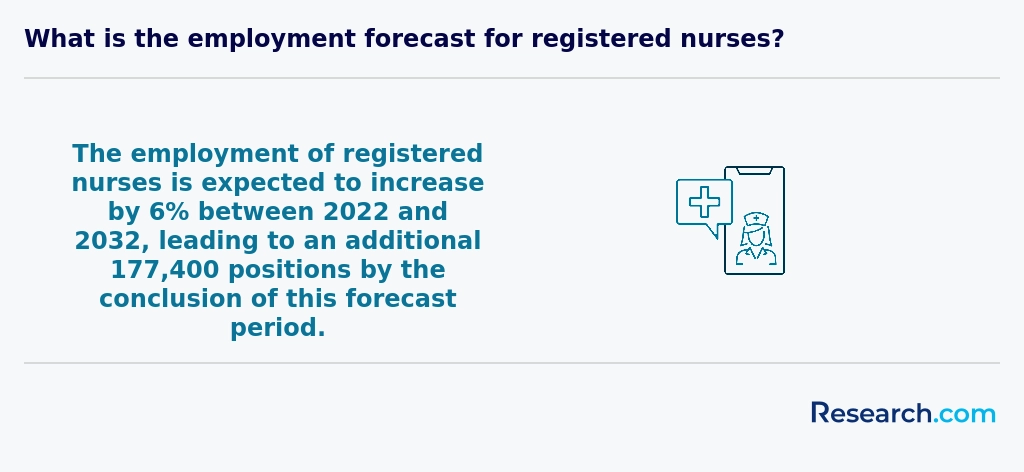
The job market for online nursing degree graduates in Pennsylvania remains robust, driven by a projected 9% growth in registered nurse employment from 2022 to 2032. Nursing graduates from institutions such as the University of Pennsylvania and Pennsylvania State University report strong hiring prospects in diverse healthcare settings, including hospitals in Philadelphia and outpatient centers in Pittsburgh. This steady demand is fueled by an aging population necessitating expanded medical care across both urban and rural areas.
Many graduates pursuing online nursing jobs in Pennsylvania appreciate the flexibility of their programs, allowing them to gain practical experience while studying. Facilities in underserved rural communities actively seek qualified nurses, creating meaningful opportunities for newly licensed professionals. Graduates also benefit from preparation aligned with the Pennsylvania State Board of Nursing licensure requirements, enhancing their readiness for the workforce.
Salary expectations are favorable, with registered nurses earning approximately $77,000 annually on average, and advanced roles such as nurse practitioners exceeding $110,000. Considering tuition costs ranging from $20,000 to $50,000, pursuing nursing degrees in Pennsylvania offers a competitive return on investment, especially when compared to the most rewarding majors.
2027 Best Online Master's in Nursing Degree Programs Ranking in Pennsylvania
Investing in your education is a significant decision that can shape your future, and the Research.com team understands the importance of making informed choices. To assist prospective students seeking advanced nursing education opportunities in Pennsylvania, we have meticulously developed the "2027 Best Online Master's in Nursing Degree Programs Ranking in Pennsylvania." Our commitment to quality, credibility, and accuracy is reflected in the thorough research and analysis conducted to ensure this ranking is reliable and comprehensive.
We utilized the following reputable data sources to create this ranking:
By exploring this ranking, readers will gain valuable insights into the top online master's nursing programs available in Pennsylvania, empowering them to make well-informed decisions about their educational and professional futures. For more information on how the ranking was created, please visit our Research.com methodology page.


# 3 position
Penn State University Park
Master of Nursing


Frequently Asked Questions About nursing
Online nursing degree students in Pennsylvania can maximize their learning by actively engaging with their coursework and instructors. Utilizing interactive tools, discussion boards, and virtual simulations enhances understanding, especially for complex nursing skills. Scheduling regular study times and creating a dedicated workspace helps maintain focus and discipline.
Building connections through online study groups promotes collaboration and peer support. Pennsylvania's nursing programs often require clinical hours; securing local clinical placements early ensures practical experience aligns with academic learning.
Students should also take advantage of Pennsylvania Board of Nursing resources and statewide healthcare data to stay informed on local healthcare trends. According to the Pennsylvania Department of Labor, the state is projected to add about 14,000 registered nursing jobs by 2030, highlighting growing opportunities for well-prepared graduates.
The nursing field in Pennsylvania is expanding beyond traditional clinical roles, with several emerging niches gaining importance. One significant area is gerontological nursing, driven by Pennsylvania's aging population-27% of residents are aged 60 or older, according to the Pennsylvania State Data Center.
Another growing specialty is informatics nursing, which merges healthcare with technology to manage electronic health records and improve patient care. The Pennsylvania Nurses Association highlights that this field is critical for the modernization of healthcare systems statewide.
Additionally, psychiatric-mental health nursing is seeing increased demand, reflecting broader national trends and Pennsylvania's efforts to address mental health needs.
These niches offer promising career pathways for nurses pursuing online degrees in Pennsylvania, aligning with local healthcare priorities and workforce demands.
After completing an online nursing degree in Pennsylvania, preparing for the job market involves several key steps. First, graduates should focus on obtaining state licensure by passing the NCLEX-RN exam, which is mandatory for registered nurses in Pennsylvania. According to the Pennsylvania State Board of Nursing, timely licensure is crucial for employment.
Networking is also important; joining professional organizations like the Pennsylvania State Nurses Association can connect graduates with job opportunities and resources.
Furthermore, securing clinical experience through internships or volunteer work enhances practical skills and employability. Pennsylvania's healthcare sector is growing, with the Bureau of Labor Statistics projecting a 15% increase in nursing jobs by 2030.
Continuing education and certifications can differentiate candidates in a competitive market.
Employers in Pennsylvania highly value nursing degree graduates who demonstrate strong clinical skills combined with excellent communication. According to the Pennsylvania Department of Health, nurses must effectively assess patient conditions and implement care plans. Critical thinking and problem-solving abilities are essential to manage complex medical situations.
Additionally, teamwork and adaptability stand out as important skills. Nurses often work in fast-paced environments where collaboration with healthcare teams improves patient outcomes. Pennsylvania hospitals emphasize proficiency in electronic health records (EHR) systems, reflecting nationwide trends in healthcare technology adoption.
Strong ethical standards and cultural competence are also required to provide quality care in diverse communities. These skills are often highlighted in job postings and employer surveys from institutions like the Pennsylvania State Nurses Association.
Finding nursing internships in Pennsylvania involves a strategic approach to connect with healthcare providers and academic institutions. Many online nursing programs in the state partner with local hospitals, clinics, and long-term care facilities to facilitate internships for their students. Prospective interns should begin by consulting their program's clinical placement office, which often maintains a database of approved sites.
In Pennsylvania, hospitals such as Penn Medicine and UPMC offer internships that provide hands-on experience in diverse clinical settings. Additionally, students can explore opportunities through the Pennsylvania Nurses Association, which frequently lists internship programs and networking events.
Search tools like the Pennsylvania Department of Health's resources help locate accredited healthcare facilities approved for clinical training. Remember that Pennsylvania requires nursing interns to complete a specified number of clinical hours, typically around 500, to meet state licensing standards set by the Pennsylvania State Board of Nursing.
Online nursing degrees in Pennsylvania significantly enhance career mobility and advancement by offering flexible pathways to higher qualifications. Nurses with a master's degree can qualify for specialized roles such as nurse practitioners or nurse administrators, which often come with higher salaries and leadership opportunities. According to the Pennsylvania Department of Labor & Industry, healthcare employment in the state is projected to grow by 15% through 2030, increasing demand for advanced-skilled nurses.
Distance learning programs accredited by the Commission on Collegiate Nursing Education (CCNE) ensure that graduates meet Pennsylvania Board of Nursing requirements. This accreditation supports licensure and helps graduates pursue job openings statewide. Additionally, online degrees allow working nurses to upskill without interrupting employment, facilitating steady career progression.
Studying for a nursing degree in Pennsylvania equips students with essential skills for interdisciplinary healthcare roles. Pennsylvania nursing programs emphasize collaboration with professionals such as physicians, social workers, and pharmacists to deliver comprehensive patient care.
Many online MSN programs in the state incorporate courses on healthcare systems, leadership, and communication, fostering teamwork across disciplines. According to the Pennsylvania State Nurses Association, 60% of nurses in the state report regularly collaborating in interdisciplinary teams, highlighting the importance of these skills.
This approach prepares graduates to work effectively within complex healthcare environments, improving outcomes through coordinated care and shared decision-making processes.
When choosing between a thesis and a non-thesis nursing degree program in Pennsylvania, consider your career goals first. A thesis option typically suits students interested in research, academia, or doctoral studies. It requires conducting original research and writing a substantial paper, which can be demanding but valuable for advancing nursing science.
A non-thesis program usually focuses on practical application and clinical skills, ideal for nurses aiming to advance in leadership, administration, or advanced practice roles. According to the Pennsylvania Department of Education, many online programs offer both options to accommodate diverse goals.
Review program requirements carefully, including time commitments, faculty expertise, and state licensure considerations, to align with your professional plans.
Students based in Pennsylvania interested in studying nursing abroad have limited direct options through online degree programs from foreign institutions due to licensure and accreditation requirements. Most Pennsylvanian students pursuing nursing seek accredited online programs within the U.S., focusing on regional accreditation recognized by the Pennsylvania State Board of Nursing.
For those interested in international exposure, some Pennsylvania nursing programs offer study abroad or clinical exchange partnerships. These opportunities enable students to gain global nursing experience while largely completing their coursework domestically.
Data from the Pennsylvania State Board of Nursing indicates that foreign nursing credentials must be evaluated and meet U.S. standards before licensure, making fully online foreign nursing degrees complex to use for practice in Pennsylvania.
Therefore, students often combine online degrees from U.S. institutions with short-term international clinical experiences to enhance their education without compromising licensure eligibility.
Part-time job opportunities in Pennsylvania that complement nursing degree education often focus on healthcare support roles. Positions such as certified nursing assistants (CNAs), medical scribes, or patient care technicians offer relevant experience while allowing schedule flexibility. According to the Pennsylvania Department of Labor & Industry, CNAs earn a median hourly wage of about $14. These roles provide hands-on patient interaction, enhancing clinical skills important for nursing students.
Additionally, some students explore jobs in outpatient clinics or telehealth services to develop communication and administrative skills. These roles also help build familiarity with electronic health records, a key nursing competency.
Engaging in such part-time work supports both academic success and professional growth within Pennsylvania's robust healthcare environment.
Online nursing students in Pennsylvania have access to various networking opportunities that can enhance their education and career prospects. Many accredited online programs encourage participation in virtual study groups, discussion boards, and live webinars where students connect with peers and faculty. The Pennsylvania State Nurses Association (PSNA) offers membership that provides statewide networking events, professional development, and access to nursing leaders.
Additionally, clinical placements within Pennsylvania healthcare facilities allow online students to build local professional contacts. According to the Pennsylvania Department of Health, nearly 280,000 registered nurses work in the state, creating a broad network for mentoring and job opportunities.
Alumni networks play a significant role in supporting online nursing degree students in Pennsylvania. These networks offer access to professional mentorship, which helps students navigate career paths within the state's healthcare system. According to the Pennsylvania State Nurses Association, nearly 60% of nursing jobs are filled through connections and referrals.
Through alumni groups, students gain opportunities for job placements and internships in local hospitals, such as the University of Pennsylvania Health System. Networking also fosters continuous education by sharing workshops, certifications, and seminars relevant to Pennsylvania's nursing regulations.
Ultimately, strong alumni relationships can enhance students' chances of career advancement and professional growth in Pennsylvania's dynamic nursing field.
Customizing an online nursing degree program in Pennsylvania allows students to match their education with specific career goals. Many Pennsylvania institutions offer various specializations, such as nurse practitioner, nurse educator, or healthcare administration. Students can select elective courses focused on areas of interest, enhancing skills relevant to their chosen path.
Clinical placement options often let students gain experience in settings that align with their objectives, such as hospitals, community health, or long-term care facilities. According to the Pennsylvania State Board of Nursing, integrating flexible clinical hours benefits working nurses advancing in their careers.
Furthermore, some programs provide options for part-time study or accelerated tracks to suit individual schedules. This flexibility helps nurses balance work while progressing toward advanced roles in a state with over 298,000 licensed nurses (Pennsylvania Department of State, 2023).
Online nursing students in Pennsylvania often face unique challenges compared to traditional learners. One common issue is balancing clinical practice requirements with remote coursework. Pennsylvania mandates specific hands-on clinical hours for nursing licensure, which can be difficult to schedule and complete alongside online classes.
Technical barriers also exist, including reliable internet access and proficiency with educational technology platforms. This is significant in rural parts of Pennsylvania, where broadband coverage can be limited, affecting students' ability to participate fully in online learning.
Furthermore, students may experience a sense of isolation due to limited face-to-face interaction with instructors and peers, which can impact motivation and networking opportunities.
The Pennsylvania State Board of Nursing reports that retention rates for online programs can be lower than in-person programs, partly because of these factors.
With an online nursing degree from Pennsylvania, you can pursue several professional certifications that enhance your career opportunities. Common certifications include the Registered Nurse (RN) license through the Pennsylvania State Board of Nursing, a requirement for clinical practice.
Advanced degrees often prepare you for certifications like the Certified Nurse Practitioner (CNP) or Clinical Nurse Specialist (CNS). Additionally, you may qualify for specialty certifications, such as Certified Nurse Educator (CNE) or certifications in areas like oncology, pediatrics, or gerontology offered by the American Nurses Credentialing Center.
According to the Pennsylvania Department of Health, nurses with advanced certifications often see higher job placement rates and salary growth.
Writing a winning application for an online nursing program in Pennsylvania requires careful preparation. Start by ensuring you meet all prerequisite coursework and clinical experience requirements, as most programs expect a valid Registered Nurse (RN) license in Pennsylvania. Highlighting your hands-on experience and commitment to healthcare can strengthen your application.
Pay close attention to the personal statement. Clearly explain your motivation for advancing your nursing education, referencing Pennsylvania's growing demand for advanced practice nurses, as reported by the Pennsylvania Department of Labor and Industry.
Strong recommendation letters from nursing supervisors or professors enhance credibility. Additionally, maintain a competitive GPA-many programs seek applicants with at least a 3.0 on a 4.0 scale, according to data from the Pennsylvania State System of Higher Education.
Lastly, demonstrate your ability to manage online coursework by mentioning any prior online education or relevant skills.
The nursing profession holds significant global importance due to rising healthcare needs and aging populations worldwide. In the United States, nursing is one of the fastest-growing careers, with Pennsylvania projected to experience a 15% job growth in nursing roles through 2030, according to the Pennsylvania Department of Labor & Industry.
Globally, nursing standards and education vary, but the demand for highly qualified nurses remains consistent. Online nursing degrees in Pennsylvania follow rigorous accreditation standards to prepare graduates for versatile roles both domestically and internationally.
Internationally, nurses often act as primary healthcare providers, emphasizing the critical role of advanced education and continuous training seen in Pennsylvania's online programs. This global viewpoint aligns with efforts to improve health outcomes through better-trained nursing professionals.
Students pursuing an online nursing degree in Pennsylvania must complete practical clinical hours to gain real-world experience. Pennsylvania nursing programs typically partner with local hospitals, clinics, and healthcare facilities to arrange these clinical placements.
The Pennsylvania State Board of Nursing requires a specific number of clinical hours depending on the degree level. For example, Master's in Nursing often demand between 500 and 700 supervised clinical hours, which can be fulfilled at approved sites within Pennsylvania.
Many programs assist students in finding clinical sites near their homes, making it easier to balance online coursework with hands-on learning. The Pennsylvania Action Coalition highlights that these experiences are crucial for nursing competence and licensure preparation.
Additionally, some students may participate in simulation labs or virtual clinical environments approved by their institutions to supplement in-person hours.
Choosing the right concentration within an online nursing degree program in Pennsylvania involves aligning your career goals with the state's healthcare demands. Pennsylvania's nursing workforce particularly needs advanced practice nurses in family, gerontology, and psychiatric specialties, according to the Pennsylvania Action Coalition and the Bureau of Labor Statistics.
Consider your interests and strengths alongside job growth projections. For example, gerontological nursing is important due to the state's aging population, with those 65 and older making up about 20% of residents.
Additionally, review program accreditation and whether the concentration supports licensure or certification relevant to Pennsylvania's nursing boards. This ensures your degree will be recognized statewide and maximize employment opportunities.
- 2027 Best Online Master's in Nursing Degree Programs Ranking in New Jersey
- 2027 Best Online Master's in Nursing Degree Programs Ranking in New York
- 2027 Best Online Master's in Nursing Degree Programs Ranking in Ohio
- 2027 Best Online Master's in Nursing Degree Programs Ranking in Virginia
- 2027 Best Online Master's in Nursing Degree Programs Ranking in Massachusetts
- 2027 Best Online Master's in Nursing Degree Programs Ranking in Kentucky
- 2027 Best Online Master's in Nursing Degree Programs Ranking in North Carolina
- 2027 Best Online Master's in Nursing Degree Programs Ranking in Tennessee
- 2027 Best Online Master's in Nursing Degree Programs Ranking in South Carolina
- 2027 Best Online Master's in Nursing Degree Programs Ranking in Indiana
See What Experts Have To Say About Studying Nursing
Read our interview with Nursing experts

Lisa Grubb
Nursing Expert
Assistant Professor
Johns Hopkins School of Nursing

- Best Online Nursing Programs in Pennsylvania https://www.onlineu.com/degrees/nursing/pennsylvania
- Nursing Foundation of Pennsylvania Scholarship Program https://thenfp.org/scholarship-program/
- Online Nursing Schools in Pennsylvania: Exploring Programs https://www.edumed.org/online-schools/nursing-rn-programs/pennsylvania/
- York College of Pennsylvania | RN to BSN Online Degree https://onlinenursing.ycp.edu/
- Nursing (BSN) | York College of Pennsylvania https://www.ycp.edu/academics/programs/nursing
- Financial Aid and Scholarships for Nursing Students - PITC https://pitc.edu/financial-aid-and-scholarships-for-nursing-students/
- 7 Nursing School Tips for Studying https://www.denvercollegeofnursing.edu/blog/nursing/7-Nursing-School-Tips-for-Studying.html
- 14 Graduate Nursing Scholarships for Pennsylvania RNs https://nursingcecentral.com/14-graduate-nursing-scholarships-for-pennsylvania-rns/
- The Impact of Education on Nursing Practice https://www.aacnnursing.org/news-data/fact-sheets/impact-of-education-on-nursing-practice
- How to become a nurse in Pennsylvania https://www.allnursingschools.com/how-to-become-a-nurse/pennsylvania/