
2027 Most Affordable Nursing Degree Programs Ranking in New Orleans

Co-Founder and Chief Data Scientist
Choosing the right nursing degree program in New Orleans can feel overwhelming, but it doesn't have to be. This article presents the 2027 Most Affordable Nursing Degree Programs Ranking in New Orleans, thoughtfully compiled by the Research.com team of data scientists. It's designed to help you easily identify programs that offer quality education without breaking the bank.
By exploring this ranking, you'll gain confidence in your decision and discover opportunities to pursue a fulfilling and stable career in nursing. Taking this step can open doors to a rewarding future in healthcare.
Key benefits of getting nursing degree in New Orleans
The key benefits of getting a nursing degree in New Orleans include:
- Nursing graduates can expect rewarding salaries, with Registered Nurses and Public Health Nurses earning an average of $94,480 annually, while Operating Room Nurses make up to $128,490, reflecting strong financial stability.
- Career paths are diverse, as graduates from LSU Health New Orleans often pursue roles in hospitals, community health, or education, offering exciting opportunities to impact patient care everywhere.
- Online nursing degrees, such as those from the University of New Orleans, provide flexible learning options that balance work and study, making it easier to gain skills without interrupting your life.
- 2027 Most Affordable Nursing Degree Programs Ranking in New Orleans
- What can I expect from nursing degree in New Orleans?
- Where can I work with nursing degree in New Orleans?
What can I expect from nursing degree in New Orleans?
The average cost of pursuing a nursing degree in New Orleans varies significantly depending on the institution and program level, but students consistently find value in their investment. Many graduates from local community colleges share how their Associate Degree in Nursing (ADN) programs typically cost between $4,000 and $8,000 per year for in-state tuition, making it an accessible choice for many aspiring nurses. These programs offer a hands-on learning experience, often at hospitals right here in the city, which enriches their education while keeping costs manageable.
For those aiming higher, Bachelor of Science in Nursing (BSN) programs at universities can range from $10,000 to $20,000 annually. Graduates emphasize how these programs combine rigorous academics with clinical rotations in diverse healthcare settings like major New Orleans medical centers. This practical approach not only prepares students well for the NCLEX-RN exam but also builds confidence in real-world caregiving.
Many students appreciate the availability of scholarships and financial aid tailored to nursing, which lightens the financial load considerably. Imagine studying in a vibrant city with rich culture, receiving strong support, and knowing your education will open doors to meaningful careers in this growing healthcare community.
Where can I work with nursing degree in New Orleans?
Graduates from nursing programs in New Orleans, such as those at local universities, find themselves welcomed by a vibrant healthcare community eager for their skills. Many start their careers in large hospitals like Ochsner Health or Tulane Medical Center, where they gain hands-on experience treating diverse patient populations in fast-paced acute care settings. These roles offer a real sense of purpose and growth, as graduates quickly become vital team members within these trusted institutions.
Others choose outpatient clinics or specialty centers, where the work feels more personal-providing ongoing care for chronic conditions or rehabilitation. Imagine supporting patients as they regain strength or managing health programs in your own community. This path often suits those who thrive on building long-term relationships and making a difference one patient at a time.
Long-term care facilities and assisted living homes are also popular, especially with Louisiana's growing elderly population. Graduates often describe the fulfillment found in helping seniors maintain dignity and comfort, becoming trusted faces in these nurturing environments.
Some nursing graduates are drawn to public health roles in community organizations or schools, where they champion preventive care and education, impacting entire neighborhoods. For those with ambition, advancing into specialized roles like nurse practitioners or nurse anesthetists is an exciting possibility, opening doors to leadership and higher earning potential. Local programs encourage this growth, reflecting the expanding regional demand for advanced practice nurses.
Graduates from nursing programs in New Orleans, like those at local institutions such as Tulane University and Delgado Community College, can anticipate rewarding financial prospects. Entry-level nurses often start near $55,000 to $60,000, reflecting the local market and the broader national demand for nursing professionals.
With experience and specialization, the earnings increase significantly. According to the US Bureau of Labor Statistics, registered nurses nationwide earn an average annual wage of $94,480. Roles such as Clinical Nurse Educators and Public Health Nurses command similar earnings, offering graduates diverse, well-paid career paths.
For those aiming higher, positions like Operating Room Nurses are especially lucrative, with a mean annual wage reaching $128,490 and hourly rates over $61. These figures highlight the potential for growth through advanced skills and certifications.
Graduates often share how combining their education with hands-on experiences in New Orleans hospitals unlocks these salaries, boosting confidence in their worth and career longevity.
- Associate Degree in Nursing (ADN) programs cost between $6,000 and $12,000 per year at community colleges.
- Bachelor of Science in Nursing (BSN) programs at four-year universities range from $15,000 to over $25,000 annually for in-state students.
- Registered nurses in New Orleans earn a median annual wage of approximately $66,000, which is above the national median.
- Starting salaries for new nursing graduates typically range from $52,000 to $60,000 per year depending on the role and employer.
- Nursing employment in New Orleans is expected to grow by about 12% over the next decade, driven by healthcare demand and population needs.
In New Orleans, completing a nursing degree varies depending on the path you choose, but each journey is rewarding and tailored to your goals. For example, many students at Delgado Community College finish their Associate Degree in Nursing in about two years. These graduates often share how this quicker route gave them the confidence to start working as registered nurses swiftly, balancing life and studies effectively.
At universities like the University of New Orleans or Loyola University New Orleans, the Bachelor of Science in Nursing takes around four years full-time. Graduates describe this experience as transformative, diving deep into leadership and research that prepares them for a wider range of nursing roles. Some working nurses enroll in RN-to-BSN programs that last 12 to 24 months, which offer flexible online or hybrid schedules, allowing them to study without pausing their careers.
For those pursuing advanced roles, MSN programs typically add two to three years after a BSN, opening doors to specialized, fulfilling careers like nurse practitioners. Each option reflects a pathway designed for growth in New Orleans' vibrant healthcare community.
Understanding accreditation and licensure is essential for practicing nursing in Louisiana. Ensure your chosen program and post-graduation steps meet all legal and professional standards:
- ACEN or CCNE accreditation: Validates curriculum quality and guarantees eligibility for the NCLEX-RN exam.
- Louisiana State Board of Nursing approval: Confirms the program aligns with state licensure requirements.
- NCLEX-RN pass rates: Select schools with rates above the state average to maximize your chance of success.
- License application steps: Submit official transcripts, complete a background check, and pay required fees.
- Renewal and continuing education: Plan for biennial license renewal and maintain required contact hours.
For nurses seeking advanced practice roles beyond the RN level, explore the shortest dnp program online.
Choosing between online and on-campus nursing degrees in New Orleans comes down to the learning style and life situation that suits you best. Online programs offer unmatched flexibility, perfect for those balancing work or family commitments. Graduates from online tracks often share how they appreciated being able to study at their own pace while completing clinical hours locally at places like University Medical Center or Tulane Medical Center.
On the other hand, many who thrived in on-campus programs at Delgado Community College or the University of Holy Cross mention the value of hands-on practice and face-to-face support from instructors. These environments provide rich opportunities for immediate feedback and collaborative learning, which can boost confidence when mastering essential nursing skills.
Both paths prepare you thoroughly for the NCLEX-RN and nursing careers in Louisiana. Reflect on your daily routine and learning preferences-do you prefer the structure and community of campus life, or the independence and convenience of studying online? Your journey in nursing is uniquely yours, and New Orleans' excellent clinical sites and schools are ready to support you either way.
One of the most telling indicators of a nursing program’s quality is its NCLEX-RN pass rate, which directly reflects how well graduates are prepared for real-world practice. In New Orleans, top programs consistently outperform national averages (87% in 2023), ensuring that students not only learn theory but also master the critical thinking and clinical skills required for safe patient care. • University of New Orleans (UNO): 89% first-time pass rate, supported by dedicated NCLEX review workshops and small lab cohorts. • Louisiana State University Health Sciences Center (LSUHSC): 91% first-time pass rate, bolstered by faculty-led simulation labs and personalized tutoring. • Tulane University: 93% first-time pass rate, achieved through intensive clinical practicums at local hospitals and one-on-one mentor programs. • Delgado Community College: 86% first-time pass rate, enhanced by peer-led study groups and on-campus testing centers. • Dillard University: 88% first-time pass rate, supported by interprofessional education initiatives and virtual case-study sessions. High pass rates not only pave the way for licensure but also signal strong employer confidence-many local hospitals prioritize hiring from programs with NCLEX success above 90%. To further elevate your credentials, consider advancing to an MSN-explore our guide to affordable msn nursing education-where you’ll find programs that combine affordability with specialized preparation for leadership roles and advanced clinical practice.
The average cost of obtaining a nursing degree in New Orleans typically falls around $51,467, with in-state students paying less-approximately $36,679-while out-of-state students can expect to pay closer to the median total cost. Graduates from local institutions like Delgado Community College often share how starting at a more affordable place gave them a solid foundation without overwhelming financial stress. On the other hand, those attending private universities in New Orleans experience a higher tuition but also benefit from smaller class sizes and more personalized attention, which many find extremely rewarding.
When exploring affordable nursing programs tuition New Orleans offers, it's crucial to consider not only basic tuition but also additional fees such as books, lab expenses, uniforms, and licensing exam costs, which together add several thousand dollars to the total investment. Many students reflect on the real impact of financial aid and scholarships that helped ease their financial burdens, making the journey feel achievable and motivating.
For those seeking an affordable nursing degree, researching options like scholarships provided by the Louisiana Board of Regents and nursing-related grants can make a significant difference. To discover options suitable for your budget and goals, check out programs like the affordable nursing school in Louisiana, which offers insights into cost-effective pathways tailored for students in our region.
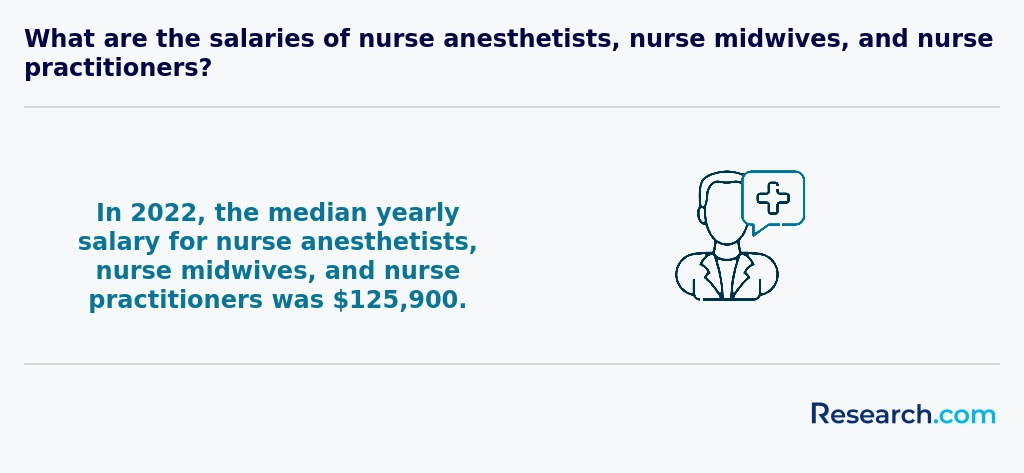
Before you can practice as a registered nurse in New Orleans, graduates must navigate Louisiana’s licensure and certification process, which ensures that all RNs meet the state’s quality and safety standards. To become eligible for the NCLEX-RN exam, you must first graduate from an accredited nursing program recognized by the Louisiana State Board of Nursing. Once your school confirms your completion, submit an application to the Board and register with Pearson VUE, the official NCLEX testing vendor. The typical steps include:
- Submitting official transcripts and proof of program completion
- Undergoing a criminal background check and fingerprinting
- Paying application and examination fees (NCLEX registration fee plus any state board charges) Upon passing the NCLEX-RN, the Board will issue your Louisiana RN license, allowing you to practice in hospitals, clinics, and community health settings across the state. To maintain your license, Louisiana requires RN renewal every two years, accompanied by at least 20 continuing education contact hours in topics such as ethics, pharmacology, and patient safety. For nurses aspiring to advance into specialized roles, such as Nurse Practitioners or Clinical Nurse Specialists, additional certification is required. After completing a graduate-level program, you must pass a national certification exam (for example, through ANCC or AANP) and obtain an APRN certificate from the Louisiana State Board of Nursing. Many RNs explore further specialization by reviewing a list of best nurse practitioner in california programs to compare advanced practice tracks and curriculum models before committing to a graduate pathway.
When pursuing a nursing degree in New Orleans, you'll find several financial aid options that truly make a difference. Graduates from the University of New Orleans often share how the Federal Pell Grants and subsidized loans through FAFSA helped ease their tuition burden, allowing them to focus fully on clinical rotations. These funds don't just reduce costs-they bring peace of mind when balancing studies and life.
For students attending Louisiana's state institutions like Xavier University of Louisiana, the Go Grant is a game-changer. This need-based aid directly offsets out-of-pocket expenses, making in-state tuition far more manageable and accessible. Many nursing students express relief and gratitude for this support during challenging semesters.
Scholarships from organizations like the Louisiana Nurses Foundation and local hospitals also provide vital financial backing. A friend who graduated recently mentioned how these scholarships gave her the confidence to take on extra hours in clinicals without financial stress. Plus, work-study and part-time nursing roles in New Orleans healthcare facilities offer hands-on experience while helping cover expenses.
- Federal Pell Grants and subsidized loans available via FAFSA
- Louisiana Go Grant for in-state students attending public institutions
- Scholarships from Louisiana Nurses Foundation and local healthcare providers
- Work-study programs and part-time nursing-related employment opportunities
To practice as a Registered Nurse (RN) or Licensed Practical Nurse (LPN) in Louisiana, graduates must first pass the National Council Licensure Examination (NCLEX-RN or NCLEX-PN) administered by the Louisiana State Board of Nursing (LSBN). The current NCLEX-RN pass rate for Louisiana is approximately 88%, reflecting the rigorous preparation provided by accredited programs. Applicants must submit proof of graduation from an LSBN-approved nursing program, complete a background check, and pay licensure fees. After licensure, continuing education is mandatory: RNs and LPNs must earn 20 contact hours every two years, including at least one hour in pain and symptom management and one hour in cultural competency. Nurses seeking specialty certification-such as Oncology Certified Nurse (OCN) or Certified Emergency Nurse (CEN)-should verify prerequisite practice hours and accredited exam providers. Advanced roles like Nurse Practitioner require an active RN license, a Master of Science in Nursing (MSN), and national certification by organizations such as the American Nurses Credentialing Center (ANCC). Students who prefer an online pathway can explore Most Affordable Online Bachelor's in Nursing Degree Programs to find accredited programs that meet state licensure criteria and offer the flexibility to complete clinical rotations in New Orleans-area healthcare facilities. Understanding and fulfilling these licensing steps ensures graduates transition smoothly from the classroom to a rewarding nursing career in Louisiana.
To enroll in a nursing degree in New Orleans, you'll first need a high school diploma or GED, which sets the foundation for success. Graduates from local programs often share how their strong backgrounds in biology and math gave them confidence before starting classes. At universities like the University of New Orleans, many students prepare by completing science and math courses in high school to ease into the challenging curriculum.
Standardized test scores, such as the TEAS, play a key role, measuring your readiness across reading, math, and science. Past students recall this test as a helpful way to gauge their skills before diving into nursing studies. Completing prerequisite classes-like anatomy and microbiology-at community colleges or dual-enrollment programs is common and prepares you for the complex nursing concepts ahead.
Beyond academics, expect background checks, immunization proof, and health screenings. Local nursing students appreciate how these steps protect both them and patients throughout clinical experiences in New Orleans hospitals. Many programs also ask for personal statements or recommendations, helping admissions see your dedication and passion firsthand.

To find an affordable nursing program in New Orleans, considering factors such as tuition costs, financial aid options, and program duration is essential. Prospective students can explore various nursing schools in the area, comparing their costs and benefits to make an informed decision. For those seeking an affordable nursing school in Louisiana, understanding the average costs of nursing degrees and the potential return on investment can help guide their choice. By weighing these factors and exploring available options, students can identify the most affordable nursing program that aligns with their career goals and financial situation.
In New Orleans, nursing degrees focus on building a solid foundation through courses that blend science with hands-on practice. Graduates from the University of New Orleans often speak about how core classes like human anatomy, physiology, and microbiology gave them a clear understanding of the body's complexities, which proved invaluable during clinical rotations at local hospitals.
Expect to dive into nursing-specific topics such as Fundamentals of Nursing Practice, Pharmacology, and Medical-Surgical Nursing. At Delgado Community College, students find these courses especially engaging as they directly relate to real patient care scenarios they encounter during community health placements.
Many also take classes in Mental Health Nursing, Pediatric Nursing, and Maternal and Newborn Health, preparing them to meet the diverse needs of New Orleans' unique population. Courses in Nursing Research and Evidence-Based Practice encourage students to think critically and adapt to evolving healthcare challenges.
Finally, ethics, leadership, and healthcare policy classes prepare future nurses to become advocates and leaders. These experiences inspire confidence and readiness to thrive in the dynamic healthcare environments across New Orleans.
When exploring nursing degree specializations in New Orleans, students find a vibrant range of options designed to suit diverse passions and career goals. Graduates from institutions like LSU Health New Orleans often share how specializing in Adult-Gerontology Nursing gave them fulfilling roles caring for elderly patients in local hospitals, blending compassion with clinical expertise.
Other popular paths include Pediatric Nursing, perfect for those inspired by supporting children's health, and Psychiatric-Mental Health Nursing, which addresses vital mental wellness needs in the community. Family Nurse Practitioner programs attract those eager to provide holistic care across all ages, while Critical Care Nursing prepares graduates for high-stakes environments such as emergency rooms.
Programs in Obstetrics and Gynecology Nursing and Public Health Nursing also stand out, reflecting New Orleans' rich healthcare landscape. Students appreciate how clinical placements in these specializations bring real-world challenges to the classroom, creating confident and skilled professionals ready for the city's demanding healthcare sector.
If you're aiming to broaden your horizons, consider exploring the list of best nurse practitioner in california programs for inspiration on advancing your nursing career.
Choosing the best nursing degree in New Orleans means focusing on accredited programs that prepare you well for the NCLEX-RN licensing exam. Graduates from schools like the University of New Orleans or Delgado Community College often share how the strong clinical partnerships with Ochsner Health System and Tulane Medical Center gave them real confidence during their rotations. These hands-on experiences are invaluable for mastering skills and feeling ready to enter the workforce.
When evaluating affordable nursing degree programs New Orleans offers, consider tuition costs carefully. Public institutions can be budget-friendly, helping to avoid overwhelming debt that many nursing graduates face nationally. One useful route is exploring affordable msn nursing education options, which can also enhance your qualifications and future opportunities.
Many graduates highlight how earning a BSN in New Orleans unlocked leadership roles and increased salary potential compared to an ADN. Smaller class sizes and dedicated advising really made a difference for those balancing studies with life responsibilities, proving that personal support is just as vital as academic quality when choosing from the best nursing schools in New Orleans.
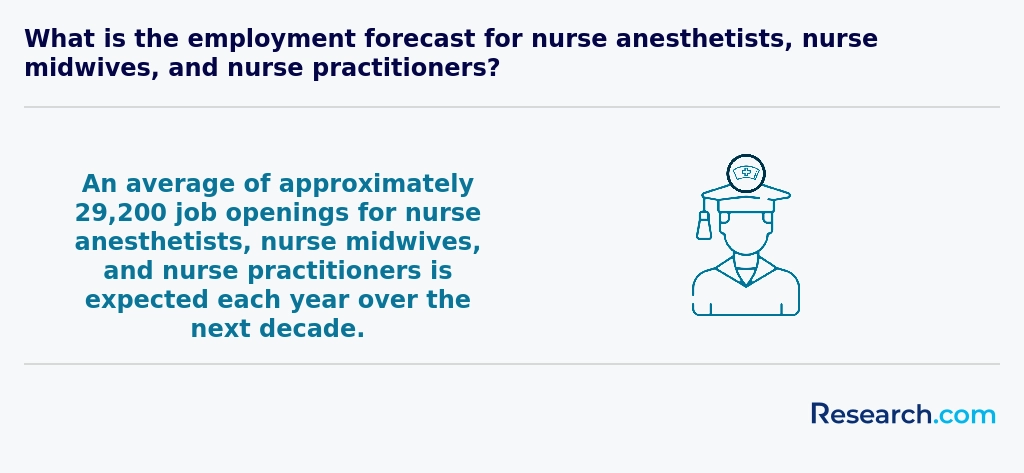
Graduates with a nursing degree in New Orleans find a spectrum of rewarding career paths that truly match their passion for care and community impact. Whether starting as a Registered Nurse (RN) in renowned local hospitals like Tulane Medical Center or Ochsner Health System, or advancing to roles such as Nurse Practitioner or Nurse Anesthetist, the city offers abundant opportunities. Many graduates from universities here experience firsthand how a Bachelor of Science in Nursing enhances job prospects and earning potential in this vibrant healthcare market, reflecting strong nursing degree job prospects New Orleans.
Beyond bedside care, nursing professionals can thrive in specialized roles-Certified Nurse Midwives support maternal health, while Clinical Nurse Specialists elevate patient care through expert consultation. Graduates often recount how programs at popular nursing schools connect them with community health initiatives, opening doors to public health and education careers. For those seeking flexible study options, exploring the Most Affordable Online Bachelor's in Nursing Degree Programs is a practical path to success while balancing life in New Orleans.
The nursing job outlook in New Orleans is exceptionally encouraging for graduates from local institutions such as Tulane University and LSU Health New Orleans. Many recent graduates find rewarding roles in major hospitals like Ochsner Health or engage in community health programs supported by regional health authorities. These firsthand experiences reveal that completing a nursing degree here opens doors to diverse career paths, from bedside care in bustling urban centers to meaningful positions in home healthcare and mental health facilities.
Healthcare employment opportunities New Orleans continue to expand, fueled by an aging population and increased demand for specialized care. Graduates often share that they feel energized and confident stepping into the workforce, knowing their skills are in high demand. Nursing students appreciate the balance of affordable tuition with strong job prospects, making this a smart, fulfilling path. For those eager to accelerate their career, exploring fast track college programs online can provide an even quicker route into nursing roles that are vital to the community.
2027 Most Affordable Nursing Degree Programs Ranking in New Orleans
Investing in your education is a significant decision that can shape your future, and the Research.com team understands the importance of making informed choices. To assist prospective students in New Orleans, we have meticulously crafted the "2027 Most Affordable Nursing Degree Programs Ranking in New Orleans." Our commitment to quality, credibility, and accuracy is reflected in the extensive research and analysis conducted to compile this ranking.
We utilized the following reputable data sources to ensure a comprehensive evaluation of nursing programs:
By exploring this ranking, readers will gain valuable insights into the most affordable nursing degree programs available in New Orleans, helping them make educated decisions about their educational investments. For more details on our methodology, please visit our Research.com methodology page.


# 5 position
Louisiana State University Health Sciences Center-New Orleans
Bachelor of Science in Nursing

Frequently Asked Questions About nursing
Nursing students in New Orleans can maximize their learning by engaging in both classroom and practical experiences offered by local healthcare institutions. Facilities such as LSU Health New Orleans provide clinical placements that expose students to diverse medical cases, enhancing hands-on skills.
Active participation in simulation labs and clinical rotations is crucial for building confidence and competence. According to the Louisiana State Board of Nursing, students who complete more clinical hours tend to perform better on the NCLEX-RN licensure exam, a vital step for career entry.
Networking with local nursing professionals and joining student nursing organizations also offers mentorship and professional development opportunities.
The nursing field is evolving rapidly, and several emerging niches offer exciting opportunities for students pursuing degrees in New Orleans. One fast-growing area is geriatric nursing, driven by the aging U.S. population and increased demand in Louisiana for specialized elderly care. According to the Bureau of Labor Statistics, registered nursing jobs in Louisiana are projected to grow by 14% through 2030.
Another expanding niche is nurse informatics, which blends nursing with information technology to improve healthcare systems. New Orleans hospitals increasingly rely on nurses skilled in data management and electronic health records.
Additionally, community health nursing is gaining importance, especially post-pandemic, focusing on preventive care and education in diverse local populations. These niches reflect broader shifts in healthcare priorities and offer strong career prospects.
After earning a nursing degree in New Orleans, preparing for the job market involves several key steps. First, obtaining a nursing license by passing the NCLEX-RN exam is essential to practice legally in Louisiana. Candidates should also consider gaining clinical experience through internships or externships, which are often available through local hospitals such as Ochsner Health. Networking within local healthcare communities can open doors, as New Orleans hosts a range of facilities from urban hospitals to community clinics. According to the Louisiana Workforce Commission, registered nurse positions in the region are projected to grow 12% by 2030, highlighting strong job prospects.
Employers in New Orleans prioritize several key skills when hiring nursing degree graduates. Clinical competence remains essential, meaning graduates must be proficient in patient care, medication administration, and using medical technologies. According to the Louisiana State Board of Nursing, strong communication skills are also crucial, as nurses regularly interact with patients, families, and healthcare teams.
Critical thinking and problem-solving abilities are valued due to the fast-paced and unpredictable nature of healthcare settings in the region. Adaptability and cultural sensitivity stand out, reflecting New Orleans' diverse patient population. Additionally, knowledge of local healthcare laws and ethics is important for compliance and professional standards.
Finding nursing internships in New Orleans involves several strategic steps. Local healthcare providers like Ochsner Health and LCMC Health often offer clinical internships for nursing students. Checking with your nursing school's career services is essential, as many programs have partnerships that guarantee placement.
The Louisiana State Board of Nursing reports that clinical experience is mandatory for licensure, making internships a critical part of nursing education. Additionally, contacting community hospitals and public health departments in New Orleans directly can uncover opportunities.
Joining professional organizations such as the Louisiana Nurses Association can provide networking leads and internship listings. Finally, some local colleges offer job fairs focused on healthcare careers, which are valuable for finding internships and making professional connections.
A nursing degree significantly enhances career mobility and advancement opportunities in New Orleans. Registered nurses (RNs) with a Bachelor of Science in Nursing (BSN) are increasingly preferred by employers, especially hospitals accredited by The Joint Commission, which often require or strongly recommend a BSN. According to the Louisiana Workforce Commission, the demand for BSN-prepared nurses is projected to grow faster than average through 2027, reflecting a shift towards higher educational standards in healthcare facilities.
Having a nursing degree allows professionals to pursue specialized roles such as nurse practitioner or nurse educator, which typically offer higher salaries and leadership responsibilities. Additionally, hospitals in New Orleans often support continuing education and offer tuition reimbursement for advanced degrees, facilitating career advancement. Those with advanced nursing degrees can expect greater job security and access to management or research positions within the region's healthcare system.
Studying for a nursing degree in New Orleans offers unique preparation for interdisciplinary roles due to the city's diverse healthcare environment. Nursing programs often include coursework and clinical experiences that emphasize collaboration with professionals such as doctors, social workers, and public health experts. This approach reflects the integrated care models increasingly used across the U.S.
Local institutions align their curricula with standards from the American Association of Colleges of Nursing, ensuring graduates are equipped for teamwork in complex healthcare settings. According to the Louisiana Center for Nursing, interdisciplinary skills improve patient outcomes and are highly valued by employers regionally.
Additionally, New Orleans' hospitals often serve vulnerable populations, providing nursing students practical experience in coordinating care across multiple disciplines.
When choosing between a thesis and a non-thesis nursing degree program in New Orleans, consider your career goals and time commitment. Thesis programs emphasize research, often preparing students for doctoral studies or advanced clinical roles. They typically require original research and a written thesis. Non-thesis options focus more on practical skills and coursework, suiting those aiming to enter or advance in clinical nursing or healthcare administration more quickly.
The University of Louisiana at Lafayette notes that thesis programs may take longer but can open doors in academic or research positions. Meanwhile, non-thesis programs often appeal to working professionals due to flexibility.
Evaluate your interests, career plans, and available resources carefully before deciding.
Students in New Orleans interested in studying nursing abroad have several pathways to consider within the US higher education system. Many universities in Louisiana, including institutions in New Orleans, offer study abroad programs that allow nursing students to gain international clinical experience and cultural exposure. These programs typically last from a few weeks to a semester and often partner with universities in countries like Spain, Ireland, or Australia.
According to the Louisiana Board of Regents, students should ensure that international coursework meets clinical hour requirements for the NCLEX-RN licensure exam. Additionally, some New Orleans nursing programs provide dual-degree options or exchange programs with foreign universities, allowing students to earn credits abroad while staying on track for graduation.
Financial aid and scholarships may be available to offset costs, but careful planning and consultation with academic advisors are essential. Resources like the Study Abroad Office at local universities provide guidance tailored to nursing students' unique requirements.
Students pursuing nursing degrees in New Orleans have several part-time job options that complement their education while providing practical experience. Positions such as certified nursing assistant (CNA), medical scribe, or home health aide allow students to apply clinical skills gained in class. According to the Louisiana Workforce Commission (2023), CNAs in New Orleans earn an average of $13 to $16 per hour, offering valuable patient care exposure.
Hospitals like Ochsner Health System and Tulane Medical Center often hire part-time aides, which helps students build connections in a competitive healthcare market. Additionally, hospital volunteer roles can boost communication and team collaboration skills relevant for nursing careers.
Nursing students in New Orleans benefit from multiple networking opportunities through local hospitals, professional organizations, and academic events. The city hosts several prominent healthcare institutions such as Tulane Medical Center and Ochsner Health, which partner with nursing programs for clinical rotations and job fairs. These settings allow students to meet practicing nurses and healthcare leaders early in their careers.
Organizations like the Louisiana Nursing Students Association and the Greater New Orleans Sigma Theta Tau chapter offer networking events, workshops, and conferences tailored to nursing students. According to the Louisiana Board of Nursing, participation in such groups improves job placement rates by connecting students with employers in the region.
Local universities also host career panels and nursing symposiums, enhancing professional connections. These opportunities support students in building relationships vital for career advancement in New Orleans's competitive healthcare market.
Alumni networks play a significant role in supporting nursing degree students in New Orleans. These networks provide valuable opportunities for mentorship, offering guidance from experienced nurses who graduated from local programs. This connection helps students navigate the challenges of their studies and clinical placements more effectively.
Moreover, alumni networks often facilitate job placements and internships by connecting current students with healthcare employers in the New Orleans area. According to the Louisiana State Board of Nursing, employment rates for nursing graduates are higher in communities with strong alumni involvement.
These networks also promote professional development through workshops, seminars, and local events, helping students stay updated on nursing trends and local healthcare needs.
Customizing a nursing degree program in New Orleans allows students to align their education with specific career goals. Many local institutions offer flexible options such as choosing between Associate, Bachelor's, or RN-to-BSN pathways. Students can select clinical specializations like pediatrics, geriatrics, or emergency care to gain targeted skills.
Electives and practicums in New Orleans hospitals provide hands-on experience relevant to regional healthcare needs. According to the Louisiana Board of Nursing, tailoring your coursework and clinical hours helps meet licensure and certification requirements.
Online and hybrid programs also increase accessibility for working professionals seeking advancement without relocating.
Nursing students in New Orleans face several challenges throughout their education. One key issue is the high demand for clinical placements, which can limit hands-on experience opportunities. According to the Louisiana State Board of Nursing, this competition affects many local students seeking internships in hospitals and community health centers. Additionally, balancing rigorous coursework with financial pressures is common, as the cost of nursing programs and living expenses in New Orleans may strain many students.
Another challenge involves coping with a demanding curriculum that includes anatomy, pharmacology, and patient care skills, requiring significant time and dedication. Mental health concerns and burnout are also increasingly reported by nursing students in the region, reflecting national trends documented by the American Association of Colleges of Nursing (AACN). These factors combine to create a challenging yet critical educational journey for aspiring nurses in New Orleans.
With a nursing degree in New Orleans, graduates can pursue several professional certifications to advance their careers. Common options include the Registered Nurse (RN) license, which is mandatory and granted after passing the NCLEX-RN exam. Beyond that, specialization certifications such as Certified Nurse Practitioner (CNP), Certified Clinical Nurse Specialist (CNS), and Certified Nurse Midwife (CNM) offer further expertise.
Additionally, many pursue certifications in areas like pediatric care, gerontology, or critical care. According to the Louisiana State Board of Nursing, these certifications improve job prospects in New Orleans's growing healthcare sector, which has seen a 7% employment increase since 2020.
Writing a winning application for a nursing program in New Orleans requires careful attention to detail and clear communication of your qualifications. Start by researching the specific requirements of local schools such as Delgado Community College and the University of Holy Cross, which offer well-regarded nursing programs.
Make sure your application highlights relevant experience, such as healthcare volunteer work, which is highly valued. Include a strong personal statement explaining your motivation and commitment to nursing. According to the Louisiana Board of Nursing, having a competitive GPA-usually above 3.0-is essential. Also, prepare for and excel on the TEAS (Test of Essential Academic Skills), commonly required by these programs.
Finally, secure strong letters of recommendation from professionals who can attest to your dedication and character. Following these steps can help strengthen your application in a competitive field.
Nursing careers have a significant global impact, with demand rising steadily due to aging populations and health challenges worldwide. In the United States, including New Orleans, the Bureau of Labor Statistics projects a 9% growth for registered nurses between 2022 and 2032, reflecting strong job security.
Worldwide, nurses often engage in diverse roles such as community health, research, and leadership, highlighting the profession's adaptability. For students in New Orleans, understanding global nursing standards can enhance career mobility and open international opportunities.
New Orleans-area nursing programs emphasize evidence-based practice and cultural competence, aligning with global health priorities. This approach prepares graduates to contribute effectively both locally and internationally. According to the Louisiana Center for Nursing, the region's nursing workforce supports a variety of healthcare settings, underlining the profession's breadth and relevance.
Gaining practical experience while studying for a nursing degree in New Orleans is essential for developing clinical skills and enhancing employability. Most nursing programs in the city include clinical rotations, which place students in local hospitals, clinics, and community health centers. These experiences allow students to interact with patients under the supervision of licensed professionals.
Students can also participate in internships or externships offered through schools or healthcare providers. Tulane University and LSU Health New Orleans both have partnerships with regional medical centers, providing valuable hands-on learning.
Additionally, joining student nursing organizations and volunteering in local health initiatives can further increase practical exposure.
Choosing the right concentration within a nursing degree program in New Orleans involves assessing your career goals and local healthcare needs. Popular focuses include family nursing, pediatrics, and gerontology, reflecting the diverse patient populations in the city. The Louisiana Board of Nursing highlights a growing demand for nurse practitioners, especially in primary care, which may influence your decision. Consider programs offering clinical experiences at New Orleans hospitals like Ochsner Health System, as hands-on training is vital. Also, review state certification requirements tied to each concentration to ensure smooth licensure after graduation. Researching regional employment trends can further guide your choice.
- 2027 Most Affordable Nursing Degree Programs Ranking in Hattiesburg
- 2027 Most Affordable Nursing Degree Programs Ranking in Mobile
- 2027 Most Affordable Nursing Degree Programs Ranking in Birmingham
- 2027 Most Affordable Nursing Degree Programs Ranking in Memphis
- 2027 Most Affordable Nursing Degree Programs Ranking in Atlanta
- 2027 Most Affordable Nursing Degree Programs Ranking in Macon
- 2027 Most Affordable Nursing Degree Programs Ranking in Tampa
- 2027 Most Affordable Nursing Degree Programs Ranking in Jacksonville
- 2027 Most Affordable Nursing Degree Programs Ranking in San Antonio
- 2027 Most Affordable Nursing Degree Programs Ranking in Orlando
See What Experts Have To Say About Studying Nursing
Read our interview with Nursing experts


- Types of Nursing Careers & Specialties https://nursinglicensemap.com/nursing-specialties/
- How to Choose a Nursing Program | All Nursing Schools https://www.allnursingschools.com/how-to-get-into-nursing-school/choose-the-right-school/
- Start Your US Nursing Career in New Orleans Louisiana with Health Carousel International. https://www.passportusa.com/locations/new-orleans-louisiana
- The Nurses' Alumni Association https://giving.mainlinehealth.org/get-involved/auxiliaries-and-womens-boards/lankenau-medical-center-womens-board/the-nurses-alumni-association
- Study Nursing Abroad | Boomerang International Educational Services https://boomerangedu.com/study-nursing-abroad/
- Scholarship Program Attracts Nurses, Alleviates Staffing Shortages https://www.childrenshospitals.org/news/childrens-hospitals-today/2022/01/scholarship-program-attracts-nurses-alleviates-staffing-shortages
- Essential Tips for Nursing Students to Advance Their Careers https://almanaltraining.com/essential-tips-for-nursing-students-to-advance-their-careers/
- Work-life balance | Careers Crossroads | RCN Careers Resources | Royal College of Nursing https://www.rcn.org.uk/Professional-Development/Your-career/Nurse/Career-Crossroads/Career-Ideas-and-Inspiration/work-life-balance
- Know more about thesis vs non- thesis: what is the difference? https://studyfans.com/en/blogs/816
- Top Nursing Skills U.S. Employers Want to See on Your Resume | O'Grady Peyton https://www.ogradypeyton.com/blog/job-seeker-resources/top-nursing-skills-u.s.-employers-want-to-see-on-your-resume


