2027 Most Popular Nursing Degree Programs Ranking in Colorado

Co-Founder and Chief Data Scientist
Exploring nursing degree options in Colorado can feel overwhelming. This article introduces the 2027 Most Popular Nursing Degree Programs Ranking in Colorado, carefully developed by the Research.com team of data scientists. It's designed to help you discover the best nursing programs based on solid data.
Whether you're starting your educational journey or advancing your career, understanding which programs stand out makes the decision easier. Nursing offers rewarding opportunities, and choosing the right program sets the foundation for your success.
Reading this ranking will empower you to make an informed choice with confidence.
Key benefits of getting nursing degree in Colorado
- Salary for nursing degree graduates: Registered Nurses in Colorado earn a mean annual wage of $94,480, while Operating Room Nurses enjoy higher pay with an average of $128,490 per year, reflecting rewarding financial opportunities.
- Career paths: Graduates from popular Colorado schools can pursue diverse roles such as Emergency Room Nurse, Public Health Nurse, or Clinical Nurse Educator, offering flexibility and growth in various healthcare settings.
- Online degree benefits: Earning a nursing degree online offers convenience and allows working professionals in Colorado to balance studies with life commitments, making it easier to advance without sacrificing income.
- 2027 Most Popular Nursing Degree Programs Ranking in Colorado
- What can I expect from nursing degree in Colorado?
- Where can I work with nursing degree in Colorado?
What can I expect from nursing degree in Colorado?
When it comes to the cost of nursing degrees in Colorado, most students find that an ADN or BSN program can range widely depending on the school and whether you're attending in-state or out-of-state. For example, at well-known places like the University of Colorado College of Nursing, tuition for a BSN can run between $30,000 to $50,000 for the full program. Graduates often mention the value in seeing that tough tuition price pay off with high NCLEX-RN pass rates and solid job prospects.
Community colleges offering ADN degrees tend to be more budget-friendly, sometimes costing around $10,000 to $20,000 in total, which is a big help if you're worried about finances. Plus, many students appreciate the availability of state scholarships or federal grants-these really ease the burden and make studying nursing in Colorado feel achievable.
Online and part-time options also add flexibility, letting working students manage costs and schedules better while still completing all those essential clinical hours around Denver or other cities. It's about balancing price with quality and support, and plenty of graduates find that sweet spot here in Colorado.
Where can I work with nursing degree in Colorado?
If you're studying nursing in Colorado, you've got tons of options waiting for you once you graduate. Many grads from schools like the University of Colorado or Colorado State University find themselves working in busy hospitals around Denver or Colorado Springs, handling everything from emergency care to surgical units. It's a fast-paced environment where you can really sharpen your skills and even specialize in cool areas like pediatrics or cardiology.
Others prefer the more regular hours at outpatient clinics or doctor's offices, where they help patients manage chronic illnesses or focus on preventive care. It's awesome to hear from recent grads who love the community vibe at places like those around Boulder, making a big impact close to home.
And don't forget about the growing demand in eldercare-lots of nurses are stepping into roles at assisted living centers as Colorado's older population grows. Plus, working in public health or home health care agencies gives you the chance to support folks in their own homes, which many find super rewarding.
Some grads even get into teaching or healthcare admin, shaping the future of nursing right here in Colorado. Whatever path you choose, there's a real sense of purpose and plenty of opportunities ready for you.
If you're aiming for a nursing degree in Colorado, here's some good news about what you can expect to make once you graduate. Registered nurses across the state pull in a solid mean annual wage of about $94,480, which covers a bunch of roles like clinical nurse educators, public health nurses, and emergency room nurses. Pretty consistent pay, right?
Graduates from well-known schools like the University of Colorado College of Nursing often tell stories of landing jobs in Denver hospitals earning close to that $94k mark, which makes paying off student loans a bit less stressful. And if you decide to specialize, say becoming an operating room nurse, the pay jumps significantly-the mean annual wage is around $128,490, and hourly you're looking at nearly $62. That's the kind of money that makes extra study totally worth it.
Working in bustling cities like Boulder or Colorado Springs can give your paycheck a little extra boost thanks to demand and cost of living. So, if you're studying nursing here, you're stepping into a career that balances good cash flow with meaningful work, making all those late-night study sessions feel totally worth it.
- Colorado offers nursing programs ranging from LPN and ADN to BSN, MSN, and DNP degrees.
- ADN tuition at community colleges ranges from $5,000 to $15,000, while BSN programs at public universities cost $20,000 to $35,000 for in-state students.
- Private schools often charge more than $40,000 for a BSN program, plus additional costs for books and clinical fees.
- Registered nurses in Colorado earn around $81,000 per year on average, with new graduates starting between $60,000 and $65,000.
- Nursing job demand in Colorado is growing faster than the national average due to an aging population and expanding healthcare services.
- Licensure requires passing the NCLEX and meeting continuing education standards regulated by the Colorado State Board of Nursing.
If you're wondering how long it takes to finish a nursing degree in Colorado, it really depends on the path you pick. For example, if you're going for an LPN certificate, most programs wrap up in about a year. Lots of folks at community colleges like Red Rocks Community College find this a quick way to dive into nursing with hands-on skills.
Planning on becoming an RN? The ADN route usually takes 2 to 3 years, with classes and clinical rotations at places like Front Range Community College giving you real-world experience. Many grads say they loved getting clinical time early-it made the whole nursing thing feel doable and exciting.
Then there's the BSN, typically a 4-year deal at universities like the University of Colorado Anschutz Medical Campus. But if you've already got some credits or healthcare background, accelerated BSN programs can finish in just 12 to 18 months, which many students find saves a ton of time and keeps the momentum going.
And if you start with an ADN, plenty of RNs jump into RN-to-BSN bridge programs lasting 1 to 2 years to level up their education without a huge time commitment.
Colorado nursing programs consistently demonstrate strong NCLEX-RN first-time pass rates, a key indicator of program quality and student preparedness. According to the Colorado Board of Nursing, the statewide average first-time NCLEX-RN pass rate is 89%, slightly above the national average of 87%. Top-ranked institutions such as the University of Colorado Denver and Colorado State University boast pass rates of 94% and 92%, respectively, reinforcing their reputation for rigorous curricula and robust student support. Job placement rates further underscore the value of a Colorado nursing degree. On average, 85% of BSN graduates secure full-time nursing positions within three months of graduation, while ADN completers report a 78% placement rate. These outcomes reflect strong partnerships between nursing schools and local healthcare providers, ensuring that clinical rotations often lead directly to employment offers. For students seeking an accelerated entry into the nursing workforce, practical pathways like an 8 month lpn program provide foundational clinical skills and licensure as a Licensed Practical Nurse (LPN). Graduates of fast-track LPN programs typically achieve NCLEX-PN pass rates above 90% and often transition into RN bridge programs, further enhancing long-term career prospects.
Choosing between online and on-campus nursing degrees in Colorado mostly comes down to how you like to learn and manage your time. If you enjoy face-to-face interaction and hands-on practice, on-campus programs like those at the University of Colorado Anschutz Medical Campus offer lots of chances to work directly in simulation labs and local hospitals. Graduates often mention how much they valued the immediate feedback from instructors and the real-life clinical experiences.
On the other hand, online programs give you way more flexibility, which is a lifesaver if you're juggling work or family. Many Colorado students appreciate being able to watch lectures and do assignments on their own schedule. But remember, you still have to complete clinical hours in person, usually near your home, to meet Colorado's licensing rules.
Both options cost about the same on average-around $12,000 to $25,000 a year for residents. So whether you want a more traditional college vibe or prefer studying from your couch, Colorado's nursing programs have you covered.
Choosing an accredited nursing program ensures you meet educational standards and qualify for licensure. Look for:
- ACEN or CCNE accreditation, recognized by most employers and state boards
- State Board of Nursing approval, required to sit for the NCLEX-RN exam
- Transfer-friendly credits, verified through articulation agreements for ADN-to-BSN pathways
Verify accreditation on school websites or the U.S. Department of Education database before applying. Graduating from an approved program not only unlocks employment opportunities but also lays the groundwork for advanced studies-consider exploring accelerated dnp programs if you aim to progress to doctoral-level nursing.
When you think about the average cost of nursing degree in Colorado, most students find that it can vary quite a bit depending on where they study. For example, graduates from public universities like the University of Colorado often mention feeling relieved about the tuition because in-state costs typically hover around $10,000 to $12,000 a year. That's a big difference compared to private schools in Colorado, where nursing programs can easily run upwards of $20,000 to $40,000 annually. This gap can really impact budgeting for your education and life expenses.
Many students aiming for an Associate Degree in Nursing (ADN) at community colleges share how the lower tuition made a huge difference in their ability to focus on studying without stressing about money. Since ADN programs are generally more affordable, they are a popular choice here. Yet, those pursuing the Bachelor of Science in Nursing (BSN) know they're investing more but often feel optimistic about the wider opportunities this degree opens up, especially as many Colorado employers prefer nurses with a BSN.
It's also wise to remember that tuition isn't the whole story: nursing students often talk about extra costs like the NCLEX-RN licensing exam fee, textbooks, and supplies, which can add up. For anyone exploring affordable nursing schools in Colorado, it's helpful to check out resources like the affordable nursing schools in Colorado guide to find options that align well with both your career goals and budget.
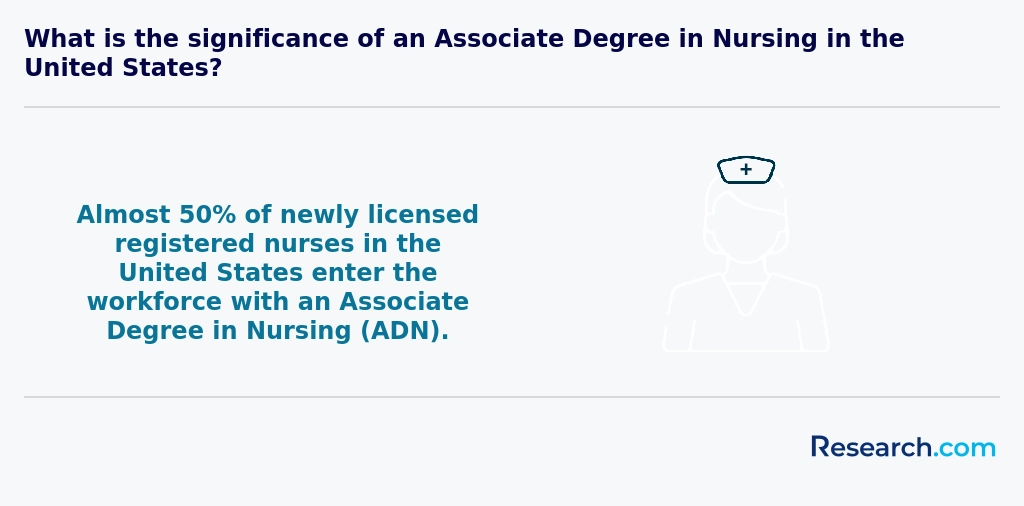
Pursuing a nursing degree in Colorado can be a costly endeavor, but there are several options available to help students fund their education. One crucial aspect to consider is the affordability of nursing schools, and researching affordable nursing schools in Colorado can be a great starting point. Many institutions offer financial aid, scholarships, and grants to eligible students, which can significantly reduce the financial burden. Additionally, students can explore federal and private loans, as well as loan forgiveness programs, to help cover the costs of tuition, fees, and living expenses. It's essential for prospective nursing students to carefully review the costs associated with their desired program and explore all available financial aid options to make informed decisions about their education.
If you're looking to study nursing in Colorado, you'll be glad to know there's a solid mix of financial aid to help you out. A lot of nursing students at places like the University of Colorado and Regis University tap into federal aid programs like the FAFSA, which unlocks grants such as the Pell Grant-offering up to $7,395 a year that doesn't have to be paid back. That kind of relief can make a huge difference when you're juggling tuition and living costs.
Plus, Colorado has its own perks. The Colorado Nursing Incentive Program is a favorite among students who want to give back by working in underserved areas. Graduates often share how receiving a CNIP scholarship or loan repayment help removed a huge weight from their shoulders.
Then there's a bunch of scholarships from the Colorado Nurses Association and local colleges that reward hard work and dedication. Many students who balance school and work say the Workforce Grants helped them stay afloat.
After earning your initial nursing license, ongoing professional development and specialty certifications can significantly boost your career trajectory and earning potential. In Colorado, the Board of Nursing requires RNs to complete a minimum of 30 continuing education credits every two years for license renewal, with at least one hour in ethics and one hour in pain management. Beyond mandatory CEUs, many graduates pursue specialty credentials offered by organizations such as the American Nurses Credentialing Center (ANCC) and the National Certification Corporation (NCC). Popular options include:
- Certified Emergency Nurse (CEN) and Trauma Certified Registered Nurse (TCRN): Ideal for nurses working in high‐acuity emergency settings.
- Oncology Certified Nurse (OCN) and Advanced Oncology Certified Nurse Practitioner (AOCNP): For those passionate about cancer care.
- Certified Pediatric Nurse (CPN) and Pediatric Nurse Practitioner (PNP): A path for nurses dedicated to treating children and adolescents.
- Informatics Nursing Certification (RN‐BC): Reflects expertise in healthcare technology and data management. Earning specialty certifications not only demonstrates your expertise but also often leads to pay differentials-OCNs in Colorado report salary increases of up to 10% compared to non‐certified peers. For nurses who began as Licensed Practical Nurses, consider accelerated pathways like 6-month lpn to rn programs in florida to fast‐track your RN credential and start accumulating CEUs sooner. Many employers also offer tuition reimbursement or paid release time for approved certification exams and continuing education courses, making lifelong learning both achievable and rewarding.
If you're thinking about diving into a nursing degree in Colorado, you'll want to start by ticking off a few key boxes. First up, having a high school diploma or GED is non-negotiable. Lots of students at big schools like the University of Colorado Anschutz Medical Campus found that having a solid background in biology and chemistry really helped them breeze through the tougher classes.
Tests like the TEAS or SAT are also usually part of the game here. Many graduates say that prepping for these exams gave them confidence and a great foundation before starting their coursework.
On top of that, expect to have completed some college prerequisites such as human anatomy, microbiology, and even psychology. These classes come in handy during your nursing studies and clinicals.
Don't forget about the practical stuff too-schools often want you to show CPR certification, immunization records, and clear background checks. It's all about keeping you and your future patients safe!
Students from places like Colorado Mesa University often mention the importance of meeting GPA requirements, typically around 2.5 to 3.0, which keeps competition healthy and pushes you to stay focused.
If you're diving into a nursing degree in Colorado, expect to tackle a solid mix of courses that really prepare you for the real world. Colleges like the University of Colorado and Colorado State University pack their programs with everything from Anatomy and Physiology to Pharmacology. Graduates often say these classes gave them a clear picture of how the human body works and how meds affect patients-knowledge you'll use every day on the job.
Besides the science-heavy courses, you'll also study Mental Health Nursing and Community Health, which is huge for understanding the diverse patients you'll meet, whether in Denver hospitals or rural clinics. Many grads remember their first clinical rotations fondly-applying what they learned in class while working alongside nurses in real healthcare settings.
Courses like Pediatrics and Geriatrics help you handle patients across all ages, making the whole experience super rewarding. Plus, leadership and ethics classes in Colorado programs get you ready not just to care for patients but to lead and advocate for them, which feels empowering as you step into the profession.
If you're looking into nursing degree specializations in Colorado, you'll find a variety of options that really cater to different interests and career paths. For example, many graduates from popular colleges here dive into Pediatric Nursing, gaining the skills to care for kids and teens-which makes a big difference in a state with a young and growing population. Others focus on Geriatric Nursing, helping out with the elderly as Colorado's population ages fast. Then there are those who choose the fast-paced world of Critical Care Nursing, working in ICUs where every second counts.
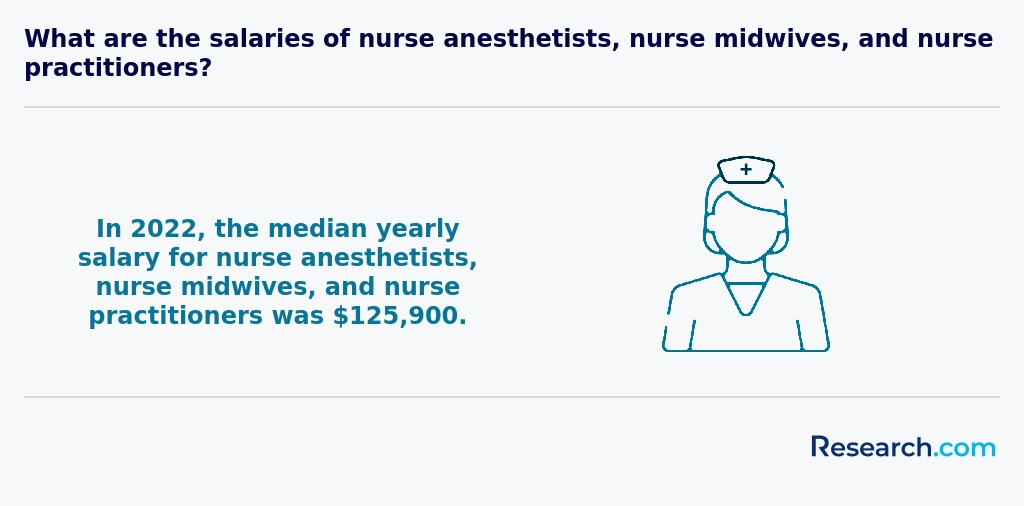
Students also love the Psychiatric and Mental Health Nursing route, especially since mental health awareness is on the rise around Colorado. For folks looking to step up their game, Nurse Practitioner and advanced specialties like Nurse Anesthetist or Nurse Midwifery are popular too, opening doors to higher salaries and more responsibility. Graduates often share how these specialized tracks, combined with hands-on clinical work at local hospitals, make their training feel real and rewarding.
Many students from Colorado schools find programs that fit their schedules, and if you're eager to move quickly, check out these 6-month lpn to rn programs in florida for flexible study options. It's cool how programs blend learning with real-world experience, making you feel ready for Colorado's healthcare scene.
Exploring Colorado nursing program specialization options means picking a path that matches your passion and career goals while meeting the state's specific health needs.
Choosing the best nursing degree in Colorado really comes down to your goals and budget. Graduates from community colleges often say that starting with an ADN was a great way to get hands-on training and pass the NCLEX-RN without breaking the bank-after all, tuition there usually runs between $5,000 and $7,500 per year. On the flip side, those who aimed higher went for BSN programs at universities like the University of Colorado, appreciating the deeper knowledge and leadership opportunities, even if it meant paying $10,000 to $15,000 annually or more at private schools.
It's also smart to check if the school is accredited by CCNE or ACEN-graduates mentioned feeling confident knowing their program was recognized for quality. Plus, look up NCLEX-RN pass rates; schools with over 85% pass rates in Colorado often offer stronger support. For flexibility, some students explore part-time or online options, including a handy 8 month lpn program, which can be a game-changer if you're balancing work or family.
Location matters too-nursing students love programs near Denver or Colorado Springs hospitals where clinical placements give real-world experience. Affordable nursing schools in Colorado often bring this kind of hands-on learning close to home, making the whole journey feel more manageable and rewarding.

If you're diving into a nursing degree in Colorado, you've got some pretty exciting career paths ahead. Graduates from popular schools like the University of Colorado or Colorado State often land jobs as Registered Nurses in hospitals, clinics, or long-term care spots-all roles that really make a difference day-to-day. The great thing about nursing career opportunities in Colorado is the variety; many grads find themselves working in specialties like emergency care or pediatrics right after finishing up.
Some go further-earning advanced degrees to become Nurse Practitioners or Clinical Nurse Specialists, and they enjoy some of the best pay around. Others find joy in teaching or healthcare admin, often in growing areas like rural clinics or telehealth, which is booming here. If you're weighing costs, a lot of students check out resources like the Cheapest Online Doctorate in Nursing Degree Programs Ranking in the South to plan smartly. Nursing degree job prospects Colorado-wise are solid, so whether you want to work hands-on or behind the scenes, there's something for you.
Nursing grads in Colorado are in a great spot right now thanks to a strong job market. Schools like the University of Colorado and Colorado State are turning out nurses who find work quickly, especially in cities like Denver where hospitals and clinics are always hiring. The nursing job outlook in Colorado shows around 15% growth over the next decade, which is faster than the national average. So if you're thinking about your future after nursing school here, chances are good you'll land a solid job.
Many graduates mention how the variety of settings-from community health centers to long-term care-makes it exciting and rewarding. Plus, wages are competitive; while the average in Colorado is about $77,000, urban areas tend to pay a bit more. Some students also feel relieved knowing public universities offer affordable tuition, making the investment feel worth it. If you want to explore more options in advanced degrees, check out what's the easiest doctorate degree to get for ideas.
Colorado nursing degree employment opportunities continue to grow as local hospitals and care centers keep expanding. This means plenty of chances to build a meaningful career close to home.
2027 Most Popular Nursing Degree Programs Ranking in Colorado
Investing in your education is a significant decision that can shape your future, and the Research.com team understands the importance of making informed choices. To assist prospective students in Colorado, we have meticulously crafted the "2027 Most Popular Nursing Degree Programs Ranking in Colorado." Our commitment to quality, credibility, and accuracy is reflected in the extensive research and analysis conducted to compile this ranking.
We utilized the following reputable data sources to ensure a comprehensive evaluation of nursing programs:
By exploring this ranking, readers will gain valuable insights into the most popular and respected nursing degree programs in Colorado, empowering them to make well-informed decisions about their educational and professional futures. For more details on our methodology, please visit our Research.com methodology page.


# 15 position
Denver College of Nursing
Bachelor of Science in Nursing

# 16 position
Colorado Technical University-Colorado Springs
Bachelor of Science in Nursing

# 17 position
Platt College-Aurora
Bachelor of Science in Nursing

# 18 position
Colorado Christian University
Bachelor of Science in Nursing

# 19 position
Colorado Technical University-Colorado Springs
Master of Science in Nursing
# 20 position
Pikes Peak State College
Bachelor of Science in Nursing

Frequently Asked Questions About nursing
Nursing degree students in Colorado can maximize their learning experience by actively engaging in clinical practice opportunities. Colorado offers diverse healthcare settings, from urban hospitals in Denver to rural clinics, allowing students to gain practical skills in varied environments.
Additionally, students should leverage resources provided by the Colorado Center for Nursing Excellence, which reports that hands-on experience is critical for nurse competency. Participating in simulation labs and interprofessional education further enhances critical thinking and teamwork.
Pursuing certifications such as the Certified Nursing Assistant (CNA) during study can also boost practical knowledge and employability in Colorado's competitive nursing job market.
Networking with local nursing associations and attending workshops can strengthen both skills and professional connections.
Emerging niches within the nursing field in Colorado reflect broader national trends but also address unique regional needs. One significant area is telehealth nursing, which has grown rapidly since the COVID-19 pandemic, allowing nurses to provide care remotely. Colorado's rural communities especially benefit from this development, improving access to healthcare services.
Another promising niche is geriatric nursing, driven by the state's aging population. According to the Colorado Department of Public Health, the 65+ demographic is expected to grow by over 40% by 2030, increasing demand for specialized elderly care.
Additionally, nurse informatics combines nursing with data management, helping healthcare systems improve patient outcomes through technology. Certified nurse-midwives and psychiatric-mental health nurses also represent expanding specialties in Colorado's diverse healthcare environment.
After earning a nursing degree in Colorado, preparing for the job market involves several key steps. First, graduates must pass the NCLEX-RN exam to become licensed registered nurses in Colorado. According to the Colorado Board of Nursing, the 2022 pass rate for first-time takers was around 85%, emphasizing the importance of solid exam preparation.
Next, gaining clinical experience during or after studies through internships or entry-level positions can improve employability. Networking with healthcare professionals in Colorado hospitals and clinics often leads to job leads. Additionally, obtaining certifications in specialty areas like gerontology or pediatric nursing may enhance job prospects due to regional demand trends documented by the Colorado Department of Labor and Employment.
Finally, staying informed about the rapidly growing healthcare sector in Colorado, which expects a 15% increase in nursing jobs by 2030, helps graduates align their skills with market needs.
Employers in Colorado highly value nursing graduates who demonstrate strong clinical skills combined with critical thinking. According to the Colorado Center for Nursing Excellence, effective communication and teamwork are essential, as nurses often coordinate with diverse healthcare teams in fast-paced environments.
Technical proficiency, including familiarity with electronic health records (EHR) systems, is increasingly important given the state's growing use of healthcare technology. Additionally, cultural competence and empathy are key, reflecting Colorado's diverse patient population and the need for personalized care.
Leadership and adaptability remain top priorities, especially as healthcare settings continue to evolve due to policy and demographic changes across the state.
Finding internships relevant to a nursing degree in Colorado involves several practical steps. Students should start by connecting with nursing schools' career centers, which frequently partner with local hospitals and clinics to offer internship opportunities. Institutions such as the University of Colorado College of Nursing often provide students access to clinical placements as part of their programs.
Additionally, exploring hospitals and healthcare systems like UCHealth and Denver Health can be productive, as these organizations annually host multiple nursing internships. According to the Colorado Center for Nursing Excellence, clinical training in these settings is critical for licensure and employment prospects.
Networking with professionals through Colorado's nursing associations or healthcare job fairs can uncover less advertised internships. Utilizing online resources such as the Colorado Workforce Center can also help locate openings specifically for nursing students. Internships are essential for gaining hands-on experience, a requirement for the Colorado Registered Nurse licensure process.
A nursing degree in Colorado significantly enhances career mobility and advancement opportunities within the healthcare sector. According to the Colorado Center for Nursing Excellence, registered nurses (RNs) with a Bachelor of Science in Nursing (BSN) degree have access to a wider range of roles, including leadership, education, and specialized clinical positions. Employers increasingly prefer BSN-prepared nurses; for instance, over 70% of hospitals in Colorado seek nurses with a BSN or higher due to improved patient outcomes linked to higher education.
Moreover, advanced degrees such as a Master of Science in Nursing (MSN) open pathways to nurse practitioner, nurse educator, and nurse administrator roles. These positions offer higher salaries and greater job security. The Colorado Department of Labor projects a 16% growth in advanced nursing roles through 2030, emphasizing the value of further education for career growth.
Studying for a nursing degree in Colorado equips students with skills essential for interdisciplinary roles in healthcare. Programs emphasize collaboration between nurses, physicians, therapists, and social workers to improve patient outcomes. According to the Colorado Center for Nursing Excellence, nearly 70% of nursing curricula integrate interdisciplinary training, fostering communication and teamwork skills.
Students engage in clinical rotations at diverse healthcare settings, exposing them to real-world interdisciplinary environments. This hands-on experience helps develop problem-solving abilities across different medical fields. Additionally, many Colorado nursing schools include coursework in healthcare policy, ethics, and leadership, preparing graduates to coordinate care efficiently within multidisciplinary teams.
The emphasis on teamwork and diverse clinical exposure reflects Colorado's commitment to meeting the evolving demands of modern healthcare systems.
Choosing between a thesis and a non-thesis nursing degree program in Colorado depends on your career goals and learning preferences. Thesis programs emphasize research, requiring students to design and complete an original study. This path benefits those considering doctoral studies or research roles. Non-thesis programs focus more on clinical practice and coursework, ideal for nurses aiming to advance in patient care or administration.
In Colorado, universities like the University of Colorado offer both tracks, reflecting a 2023 report by the Colorado Center for Nursing Excellence stating 45% of graduate nursing students prefer non-thesis options. Consider your professional focus and the time commitment since thesis tracks often take longer to complete.
Students based in Colorado who wish to study nursing abroad have several pathways available through U.S. higher education institutions with international partnerships. Many Colorado nursing programs, including those at the University of Colorado and Colorado State University, offer study abroad opportunities or global clinical experiences. These programs often partner with hospitals and universities in countries such as Ireland, Australia, and the United Kingdom, allowing students to gain nursing practice in diverse healthcare settings.
The advantages of these options include exposure to different healthcare systems and cultural competence skills, which are valuable for nursing careers. According to the Colorado Center for Nursing Excellence, about 15% of nursing students in Colorado participate in international study programs, reflecting growing interest in global healthcare experiences.
Part-time job opportunities in Colorado that complement nursing degree education often include roles such as certified nursing assistant (CNA), medical scribe, and health care aide. These positions provide practical experience within clinical or medical settings, enhancing students' understanding of patient care. According to the Colorado Center for Nursing Excellence, CNAs fill approximately 20% of healthcare support roles in the state, offering valuable hands-on exposure for nursing students. Additionally, medical scribing allows students to develop detailed documentation skills, vital for nursing practice. Working in outpatient clinics or long-term care facilities can also help students balance education with relevant job experience.
Nursing students in Colorado benefit from various networking opportunities that support their education and career growth. Many universities collaborate with local hospitals and healthcare facilities, offering students internships and clinical rotations that promote professional connections. For example, the Colorado Nurses Association provides student memberships, enabling access to conferences, workshops, and mentorship programs.
The state hosts events like the annual Colorado Nurses Convention, which attracts hundreds of professionals and students. Additionally, Colorado's growing healthcare sector offers numerous volunteer positions and student organizations focused on nursing. These environments foster peer networking and allow students to engage with experienced nurses, which can lead to job opportunities after graduation.
Alumni networks offer significant benefits to nursing degree students in Colorado by creating valuable professional connections. These networks enable current students to access mentorship opportunities with experienced nurses who understand the local healthcare landscape. According to the Colorado Center for Nursing Excellence, strong professional connections can increase job placement rates by up to 20% for nursing graduates in the state.
Networking through alumni also provides insights into Colorado's diverse healthcare settings, from urban hospitals to rural clinics. This can guide students in making informed career choices aligned with regional needs.
Furthermore, alumni networks often share up-to-date information about job openings and continuing education, crucial in a state where the nursing workforce is projected to grow by 15% through 2030 (U.S. Bureau of Labor Statistics).
Customizing a nursing degree program in Colorado allows students to align their education with specific career goals. Many Colorado nursing schools offer elective courses or specialty tracks such as pediatric, geriatric, or psychiatric nursing. Students can often choose between traditional Bachelor of Science in Nursing (BSN), Accelerated BSN, or RN-to-BSN pathways, depending on their prior experience.
Clinical placements across Colorado healthcare facilities provide hands-on experience in areas matching students' interests. Options for advanced certifications and continuing education also support specialization and career growth. The Colorado Center for Nursing Excellence reports increased demand for nurses with diverse skills, encouraging tailored education paths.
Nursing students in Colorado face several common challenges during their education. One major obstacle is balancing clinical rotations with academic coursework, as hands-on training demands significant time and energy. The state's varied healthcare settings, from urban hospitals to rural clinics, require adaptability and resilience.
Additionally, Colorado nursing programs often struggle with limited faculty and clinical placement spots, which can delay graduation timelines. According to the Colorado Center for Nursing Excellence, these shortages increase competition for essential practical experience.
Financial strain is another issue, with many students managing tuition costs alongside living expenses. The Colorado Department of Higher Education reports that nursing program tuition can exceed $15,000 per year, not including fees.
With a nursing degree in Colorado, graduates can pursue various professional certifications to advance their careers. Common certifications include Certified Nurse Aide (CNA), Licensed Practical Nurse (LPN), and Registered Nurse (RN) licenses, depending on the degree level. For those with a Bachelor of Science in Nursing (BSN), advanced options like Certified Nurse Practitioner (CNP) or Clinical Nurse Specialist (CNS) become attainable.
The Colorado Board of Nursing supports numerous specialty certifications such as Emergency Nurse Certified (ENC) and Certified Pediatric Nurse (CPN). These credentials increase job opportunities and earning potential.
According to the Colorado Center for Nursing Excellence, demand for certified nurses is forecasted to grow by 8% through 2030, reflecting local healthcare needs.
Writing a winning application for a nursing program in Colorado requires careful preparation and focus. Start by ensuring you meet all prerequisite courses, such as biology and anatomy, which are essential for Colorado nursing schools. Admission is competitive; in 2023, some programs reported acceptance rates below 40%, highlighting the need for strong academic records.
Craft a clear, concise personal statement. Explain your motivation for nursing and how your background fits Colorado's healthcare needs. Include any relevant volunteer or work experience, as practical involvement is highly valued.
Many programs also require letters of recommendation and standardized test scores like the TEAS. Reviewing specific school requirements on their official websites is crucial. According to the Colorado Center for Nursing Excellence, applicants demonstrating both academic excellence and commitment to community health improve their chances significantly.
The global perspective on nursing careers highlights a growing demand for skilled nurses, which is reflected within the United States, including Colorado. According to the Colorado Center for Nursing Excellence, the state's nursing workforce is expected to grow by 15% through 2030, aligning with nationwide trends driven by aging populations and complex healthcare needs.
Internationally, nursing is regarded as a vital profession offering diverse opportunities, from clinical care to leadership and research roles. In the U.S., standardized education and licensing, such as earning a Bachelor of Science in Nursing (BSN) and passing the NCLEX-RN exam, prepare nurses for global competence.
Colorado's nursing programs emphasize evidence-based practice and cultural competence, reflecting global health challenges. This prepares graduates to contribute effectively both locally and internationally in a rapidly evolving healthcare landscape.
Students pursuing nursing degrees in Colorado have multiple opportunities to gain hands-on experience during their studies. Clinical rotations, which are a required component of most nursing programs, allow students to work directly with patients under the supervision of licensed professionals.
Many Colorado nursing schools partner with local hospitals, clinics, and community health centers to provide real-world practice. According to the Colorado Center for Nursing Excellence, approximately 90% of nursing programs in the state include clinical hours integrated throughout their curriculum.
Additionally, some programs offer simulation labs equipped with advanced technology to mimic healthcare scenarios, helping students develop critical skills safely before direct patient care.
Volunteer positions and internships in healthcare settings can also supplement clinical experience while building professional networks.
Choosing the right concentration within a nursing degree program in Colorado depends on your career goals, interests, and the healthcare needs of the state. Popular concentrations include family nurse practitioner, pediatric nursing, and psychiatric nursing. According to the Colorado Center for Nursing Excellence, the state is experiencing high demand for nurses in rural and behavioral health areas.
Consider factors such as job availability, salary potential, and clinical placement opportunities when selecting a specialization. Reviewing Colorado's Department of Labor statistics can help identify growth areas. Additionally, speak with academic advisors and practitioners to understand each concentration's daily responsibilities and challenges.
Researching programs that offer flexible scheduling or online courses can also benefit working students. Finally, verify that the program is accredited by organizations like the Commission on Collegiate Nursing Education (CCNE) to ensure quality education and eligibility for licensure in Colorado.
- 2027 Most Popular Nursing Degree Programs Ranking in Kansas
- 2027 Most Popular Nursing Degree Programs Ranking in Oklahoma
- 2027 Most Popular Nursing Degree Programs Ranking in Arizona
- 2027 Most Popular Nursing Degree Programs Ranking in Texas
- 2027 Most Popular Nursing Degree Programs Ranking in Missouri
- 2027 Most Popular Nursing Degree Programs Ranking in Idaho
- 2027 Most Popular Nursing Degree Programs Ranking in Iowa
- 2027 Most Popular Nursing Degree Programs Ranking in Arkansas
- 2027 Most Popular Nursing Degree Programs Ranking in Louisiana
- 2027 Most Popular Nursing Degree Programs Ranking in California
See What Experts Have To Say About Studying Nursing
Read our interview with Nursing experts


- Nursing Internship and Externship Programs https://jobs.mayoclinic.org/nursinginternexternprograms
- How Do Nurses Navigate Career Advancement? | NursingEducation https://nursingeducation.org/insights/career-advancement/
- Medical University of GdaÅsk https://admission.mug.edu.pl/29318.html
- Bachelor's of Science in Nursing https://www.ccu.edu/ccu/nursing/bsn/
- Benefits of Attending an RN Program in Denver https://www.denvercollegeofnursing.edu/blog/nursing/benefits-of-attending-an-rn-program-in-denver.html
- Your Questions About Online Nursing School, Answered https://www.allnursingschools.com/how-to-get-into-nursing-school/online-programs/
- Top Nursing Skills U.S. Employers Want to See on Your Resume | O'Grady Peyton https://www.ogradypeyton.com/blog/job-seeker-resources/top-nursing-skills-u.s.-employers-want-to-see-on-your-resume
- What Are the Best RN Certifications for Your Career? https://credenzahealth.com/career-advice/what-are-the-best-rn-certifications-for-your-career
- Nursing Study Abroad Programs | Go Overseas https://www.gooverseas.com/study-abroad/nursing
- Pros And Cons Of Online Nursing In 2025 | Davis & Elkins https://www.dewv.edu/the-pros-and-cons-of-online-nusing-in-2025-is-it-right-for-you/