
2027 Best Nursing Degree Programs Ranking in New Orleans

Co-Founder and Chief Data Scientist
Choosing the right nursing degree program is a big step toward a rewarding healthcare career. This article presents the 2027 Best Nursing Degree Programs Ranking in New Orleans, developed by the Research.com team of data scientists to help you make a well-informed decision.
Whether you're starting your journey or advancing your education, this ranking highlights the top programs worth considering. Reading it will give you confidence in selecting a nursing path that fits your goals and sets you up for success.
Investing in a nursing degree opens doors to meaningful work and personal growth.
Key benefits of getting nursing degree in New Orleans
• Graduates with a nursing degree in New Orleans can expect strong salaries, with Registered Nurses earning a mean annual wage of $94,480 and Operating Room Nurses earning up to $128,490, offering excellent financial stability.
• Career paths for nursing graduates are diverse, including roles like Clinical Nurse Educator and Public Health Nurse, providing rewarding opportunities to make a real difference in community health and patient care.
• Earning a nursing degree online from a local university offers flexibility and convenience, allowing students to balance studies with life commitments while receiving quality education that opens doors to well-paying nursing careers.
- 2027 Best Nursing Degree Programs Ranking in New Orleans
- What can I expect from nursing degree in New Orleans?
- Where can I work with nursing degree in New Orleans?
What can I expect from nursing degree in New Orleans?
Students pursuing nursing degrees in New Orleans can generally expect tuition costs to vary significantly depending on the institution and degree level. For example, graduates from Delgado Community College often share how the in-state tuition rates made their Associate Degree in Nursing more affordable, sometimes ranging between $4,000 and $8,000 per year. Meanwhile, at larger universities like Tulane, those pursuing Bachelor or Master-level nursing programs typically face higher costs, often exceeding $15,000 annually, but with extensive financial aid options.
Many nursing students recall moments of relief when securing scholarships or loan repayment programs geared specifically for healthcare fields, which help ease the financial burden. These supports often make the challenging coursework and demanding clinical hours feel more manageable, knowing there's financial backing.
The value gained from practical experiences at places like Ochsner Health System often outweighs the cost, as these clinical partnerships open doors to employment opportunities soon after graduation. Feeling supported by both educational resources and community connections is a common and reassuring sentiment among New Orleans nursing graduates.
Where can I work with nursing degree in New Orleans?
Graduates from nursing programs at Tulane University or Loyola University New Orleans often find themselves welcomed into the city's well-established healthcare network. Many begin their careers in major hospitals like the University Medical Center New Orleans or Ochsner Health System, where they provide critical care in fast-paced emergency rooms or support complex surgical teams. The sense of purpose these nurses describe is profound, shaped by hands-on experiences and the vibrant city around them.
Others discover rewarding roles beyond hospitals-in nursing homes, community clinics, or rehabilitation centers-places where they build lasting relationships with patients and contribute to ongoing wellness. For those advancing into MSN or Nurse Practitioner roles, opportunities expand into specialties such as pediatrics and geriatric care, offering both leadership and autonomy in clinical decision-making.
Many graduates also express fulfillment working with local public health agencies or nonprofits, tackling challenges in underserved neighborhoods. This blend of clinical excellence and community dedication embodies the spirit of nursing in New Orleans, making it a career path rich with both challenge and meaning.
Nursing graduates in New Orleans can anticipate a rewarding earning potential that reflects both local demand and rigorous training. Graduates from respected institutions like the University of Holy Cross or Xavier University often find starting roles as registered nurses earning around $66,000 annually, aligning well with metropolitan norms. Many report feeling confident stepping into positions where experience quickly boosts their salaries.
Specialized nursing roles offer even more promising financial prospects. An operating room nurse in New Orleans can expect an average annual wage close to $128,490, showcasing the premium placed on advanced skills. Graduates taking paths as clinical nurse educators or public health nurses earn about $94,480, which supports both professional growth and financial stability.
The local healthcare environment, with hospitals and outpatient centers, provides diverse opportunities where graduates grow their expertise and income. Many new nurses find satisfaction in balancing rewarding work with competitive pay, thanks to the city's lower living costs and concentrated healthcare needs.
- Tuition for nursing degrees in New Orleans ranges from $8,000 to $15,000 per year at public institutions and $20,000 to $35,000 annually at private schools for in-state students.
- The demand for registered nurses in the New Orleans area is expected to grow by about 15% over the next decade.
- Starting salaries for nurses in New Orleans typically range from $50,000 to $58,000 per year, with experienced nurses earning between $65,000 and $80,000 annually.
- Several accredited programs offer ADN, BSN, and accelerated nursing degrees with clinical practice opportunities in local hospitals.
- Nursing graduates must pass the NCLEX-RN exam to obtain licensure and practice as registered nurses in Louisiana.
Completing a nursing degree in New Orleans varies widely, depending on the program you choose and your personal circumstances. For instance, ADN programs at Delgado Community College typically take about 2 to 3 years, blending classroom learning with hands-on clinical experience. Graduates often speak warmly of how this mix helped them feel confident stepping into their first nursing roles.
Those aiming higher often pursue a BSN at universities like the University of New Orleans or University of Holy Cross. These programs usually require around 4 years full-time, offering deeper insights into leadership and public health. Many graduates recall the rewarding challenge of balancing demanding coursework with real-world skills, which prepares them for diverse nursing careers.
For working nurses with ADN degrees, RN-to-BSN programs offer a lifeline-often completed in 1 to 2 years-allowing continued employment while advancing their education. Many find this path energizing, as it opens doors without lengthy breaks from their work lives.
Investing in a nursing degree in New Orleans offers significant long-term financial rewards when weighed against tuition costs and career earnings. Graduates with a Bachelor of Science in Nursing (BSN) can expect an average starting salary of $89,010, translating to roughly $42.80 per hour. Even at the high end-program costs reaching $211,392-students typically recoup their investment within 2–3 years of full-time practice. For those pursuing advanced practice, the return becomes even more compelling. Nurse Practitioners earn a mean annual salary of $119,000 to $134,000, and certified roles such as Operating Room Nurses command up to $124,680 per year. Assuming an average MSN cost of $33,150 per year over two years, break-even often occurs in less than two years post-graduation. To maximize ROI, prospective students should explore cost-effective program formats. For example, online graduate pathways can reduce fees and ancillary expenses like commuting and housing. You can learn more about budget-friendly graduate options through our Low Cost Online Master’s in Nursing Degree Programs, which outline accredited online MSN programs designed to deliver quality education at lower overall costs. When evaluating nursing schools, calculate your projected earnings against total program expenses, factoring in scholarships, grants, and loan repayment options. By choosing an accredited, financially viable program in New Orleans, you not only secure a stable, rewarding career but also ensure a robust return on your educational investment.
Many nursing graduates from Delgado Community College reflect on how the traditional on-campus experience anchored their learning through direct interaction. Attending lectures in person and engaging in hands-on clinical rotations at nearby Tulane Medical Center helped them build confidence and immediate connections with instructors and peers. This setting often fostered a sense of community and tangible support, which proved invaluable during challenging coursework.
Conversely, graduates who pursued online nursing degrees appreciate the flexibility it offers, especially for those balancing work or family in New Orleans. Completing coursework remotely allowed them to manage time independently while still fulfilling required in-person clinical hours arranged locally. This hybrid approach cultivated strong discipline and adaptability, essential traits in nursing practice.
Both routes require rigorous accreditation and clinical training, but the choice between immersive campus life and flexible remote learning depends on personal circumstances and learning preferences, often shaped by the student's daily realities in New Orleans.
When considering nursing programs in New Orleans, affordability is a crucial factor, especially for students looking to minimize debt while pursuing their educational goals. One key aspect to explore is the availability of cheapest nursing programs in louisiana, which can offer a cost-effective pathway into the nursing profession. Understanding the costs associated with different types of nursing degrees, such as Associate Degree in Nursing (ADN), Bachelor of Science in Nursing (BSN), Master of Science in Nursing (MSN), and Doctor of Nursing Practice (DNP), is essential for making informed decisions. Additionally, prospective students should research financial aid options, scholarships, and grants that can help offset the costs of tuition, fees, and other expenses related to nursing education. By carefully evaluating the financial implications and exploring affordable options, aspiring nurses can set themselves up for success in their educational and professional pursuits.
The average cost of a nursing degree in New Orleans reflects a range of options that can suit different financial situations and career goals. Graduates from public community colleges, such as Delgado Community College, often remark on the affordability of their associate degrees. Tuition and fees for these programs typically align with median in-state totals of around $36,679, making them a practical choice for many local students seeking to minimize debt. This cost includes tuition, but students also wisely budget for supplies and exam fees, which can be an additional $1,000 to $3,000 annually.
Students pursuing a bachelor's degree in nursing at institutions like the University of New Orleans face higher expenses, though public university tuition remains relatively moderate. Those enrolling at private universities such as Tulane experience the upper range of expenses, sometimes approaching the $51,467 median total cost or beyond, reflecting the broader career opportunities available through such programs. Graduates often share how the investment feels worthwhile as it opens doors to leadership roles and specialized fields in nursing.
For those closely comparing nursing degree tuition and fees New Orleans offers, considering financial aid options is crucial. Many students have found relief through scholarships and state programs, which significantly reduce their out-of-pocket costs. Exploring the cheapest nursing programs in louisiana can be an excellent first step toward balancing quality education and affordability.

Accreditation and licensure success are critical indicators of a nursing program’s quality. In New Orleans, top institutions like the University of New Orleans and Tulane University hold accreditation from the Commission on Collegiate Nursing Education (CCNE) or the Accreditation Commission for Education in Nursing (ACEN), ensuring that graduates meet rigorous educational standards. Prospective students should verify a school’s accreditation status and review state board approval to confirm eligibility for the NCLEX-RN exam and seamless licensure. NCLEX-RN pass rates reflect curriculum effectiveness and student preparedness. For example, in 2023, local BSN programs reported first-time NCLEX pass rates between 88% and 95%, outperforming the national average of 85%. ADN programs at Delgado Community College consistently achieve pass rates above 90%, demonstrating strong foundational training. High pass rates not only elevate a school’s reputation but also boost graduate confidence and employability, making this metric a vital part of program evaluation. For nurses seeking accelerated or advanced practice roles, exploring specialized pathways can further enhance career prospects. Those aiming to become Family Nurse Practitioners may consider enrolling in our curated list of top 1-year fnp programs, which combine NCLEX preparation with advanced clinical training to fast-track licensure and practice readiness.
Many nursing students in New Orleans discover that federal aid through FAFSA is often their first breakthrough in managing costs. Graduates from institutions like the University of New Orleans recall how receiving Pell Grants lifted a heavy financial burden, making their studies feel more attainable. This grant, offering up to $7,395 yearly, requires no repayment, which brings a reassuring sense of security amidst the challenge of nursing programs.
State scholarships, particularly the Tuition Opportunity Program for Students (TOPS), also make a tangible difference. Nursing students at Delgado Community College frequently mention how TOPS reduced their tuition expenses, fueling their motivation to succeed without overwhelming debt.
Beyond grants, specialized scholarships from local nursing associations and community healthcare groups provide meaningful encouragement. One graduate remembers feeling deeply supported after earning a scholarship from the Louisiana Nurses Foundation, which made continuing their education feel possible and valued.
Finally, employer tuition assistance programs and work-study opportunities in New Orleans offer practical, hands-on support. Many nursing students working part-time in hospitals share how these programs not only alleviated expenses but also strengthened their professional confidence and commitment to serving local communities.
One of the most critical indicators of a nursing program’s quality is its NCLEX-RN pass rate, which measures how effectively graduates are prepared for licensure. In New Orleans, leading institutions such as Louisiana State University Health Sciences Center and the University of New Orleans consistently report first-time NCLEX pass rates between 88% and 94%, surpassing the national average of 85%. High pass rates reflect rigorous curricula, comprehensive review sessions, and hands-on simulation training that reinforce critical thinking under exam conditions. To bolster licensure success, many programs incorporate dedicated NCLEX prep courses, adaptive practice exams, and faculty-led workshops focused on pharmacology, patient safety, and clinical judgment. Students often praise the integration of virtual simulation labs, where they can practice complex scenarios before entering clinical rotations. Peer study groups and one-on-one mentoring further enhance retention of key nursing concepts. Beyond traditional BSN pathways, aspiring nurses looking to advance or specialize can explore accelerated or bridge options-including some of the cheapest MSN programs-that also emphasize NCLEX preparation as part of their curriculum. By choosing a program with transparent pass-rate reporting, graduates gain confidence that their education will translate into licensure success and a stable nursing career in New Orleans.
Enrolling in a nursing degree program in New Orleans means stepping into a path that demands both academic readiness and personal commitment. Graduates from popular institutions like the University of New Orleans and Delgado Community College often recount how meeting prerequisites such as a high school diploma and completing key college courses made their transition smoother. These courses usually include biology with labs, anatomy, physiology, microbiology, chemistry, English composition, and math like statistics or algebra.
Many students recall the challenge yet satisfaction of passing entrance exams like the TEAS, which tested their skills in reading, math, science, and English and helped confirm their readiness for the rigors ahead. Maintaining a GPA around 2.5 to 3.0 was also a common expectation, reflecting consistent dedication to academic performance.
Beyond academics, graduates emphasize the importance of health and safety prerequisites - proof of immunizations and CPR certification - which prepare students for hands-on clinical experiences vital to nursing training in local hospitals and clinics. For those pursuing accelerated or BSN bridge programs, prior credits or associate degrees serve as essential stepping stones for career advancement.
These requirements can feel demanding, but they build the foundation needed to thrive in New Orleans' healthcare environment, a rewarding journey students look back on with pride and confidence.
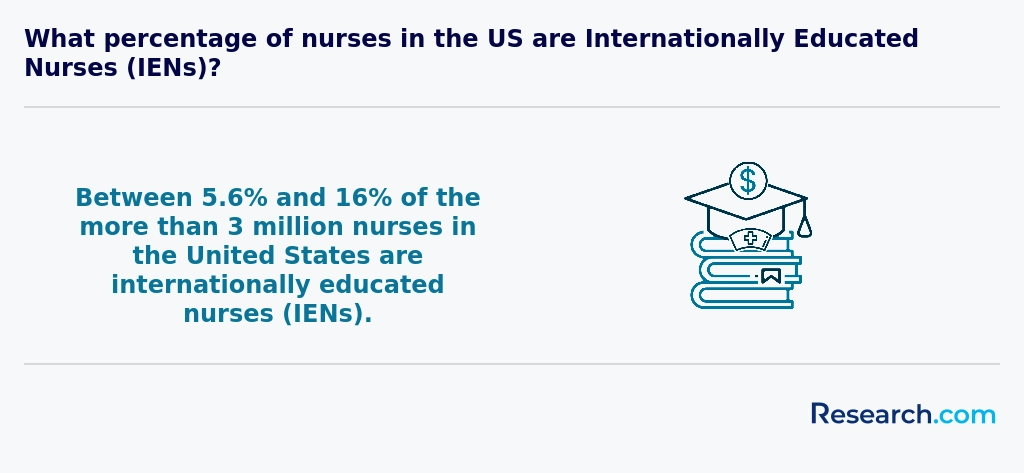
After completing your nursing degree, you must obtain licensure from the Louisiana State Board of Nursing to practice as an RN. Key steps include:
- Graduate from a CCNE- or ACEN-accredited nursing program.
- Submit your application, fee, and official transcripts to the Louisiana Board.
- Register with Pearson VUE and schedule the NCLEX-RN exam.
- Achieve a passing score on the NCLEX-RN to receive your RN license.
- Fulfill any additional state requirements, such as jurisprudence exams or background checks.
Maintaining licensure requires periodic renewal, continuing education, and adherence to state practice standards. Many RNs enhance their credentials and career prospects by earning a BSN through affordable pathways like cheap rn to bsn online programs.
Nursing degree programs in New Orleans offer a well-rounded selection of courses tailored to both foundational knowledge and practical skills. Graduates from universities like Tulane and the University of Louisiana at New Orleans often reflect on how courses such as anatomy and physiology made complex human body systems understandable and engaging, equipping them for real patient care.
Microbiology and chemistry provide essential insights into infection control and medication interactions, topics that prove invaluable during clinical rotations at local hospitals. Pharmacology classes stand out as particularly empowering, as students learn safe medication management crucial for everyday nursing responsibilities.
Pathophysiology deepens understanding of how diseases impact the body, while nutrition courses enable future nurses to offer meaningful dietary guidance. Clinical classes in health assessment and fundamentals of nursing prepare students to confidently evaluate and care for diverse patient populations, including pediatric and mental health care taught in response to New Orleans' unique community needs.
Finally, professional development topics in ethics and healthcare policy foster leadership skills, helping students navigate complex healthcare environments effectively-a sentiment echoed by many graduates who felt ready to meet both challenges and rewards in their nursing careers.
Nursing degree specializations in New Orleans reflect the city's dynamic healthcare landscape and diverse patient needs. Graduates from popular local universities often speak of the rewarding challenge in pursuing specialties such as Family Nurse Practitioner (FNP), which prepares them to provide comprehensive primary care across all age groups. Others choose Pediatric Nursing, driven by their desire to care for children and adolescents, while many find deep fulfillment in Geriatric Nursing, responding to the significant elderly population in Louisiana.
Among the best nursing programs with specializations in New Orleans, students also embrace fields like Psychiatric and Mental Health Nursing, addressing increasing community needs, and Emergency Nursing, which prepares them for fast-paced trauma care in urban hospital settings. Practical experience gained at these institutions brings these roles vividly to life, helping students visualize their future impact.
For those weighing financial and career considerations, it's worth exploring the cheapest MSN programs that offer these specializations, often blending affordability with quality training and strong job prospects.
Choosing the best nursing degree in New Orleans means focusing on accreditation and program quality that match your career goals. Graduates from well-established local universities often speak about the confidence they gained through programs accredited by agencies like CCNE or ACEN, which directly supported their success in passing the NCLEX-RN exam. Affordable nursing schools New Orleans offer competitive tuition, but it's crucial to factor in hidden costs like fees and books; many students have found relief through scholarships tailored for nursing students here.
Hands-on clinical experience with New Orleans hospitals adds real-world confidence and networking opportunities. Graduates commonly recall their rotations at Ochsner Health, which helped bridge classroom knowledge with practical skills. Flexibility is key, especially if balancing work or family; some students thrive in programs offering evening or online courses. For those looking to advance quickly, exploring top 1-year fnp programs can be a rewarding step forward.
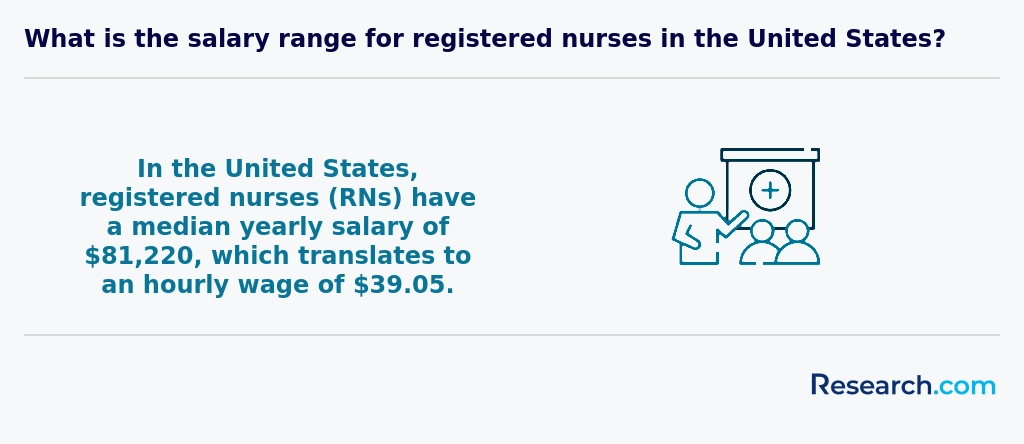
Graduates with a nursing degree in New Orleans find themselves stepping into a vibrant healthcare community filled with diverse nursing career options. Many alumni from popular local institutions such as the University of New Orleans and Tulane University relish their roles in inpatient care at major hospitals like the University Medical Center New Orleans. They share how managing patient care in these fast-paced settings brings both challenge and fulfillment, perfectly embodying the essence of nursing degree job opportunities New Orleans offers.
Beyond hospital floors, nursing graduates easily pivot toward specializations like pediatric, emergency, or geriatric nursing, each demanding unique skills but offering heartfelt rewards. Others pursue public health nursing, directly impacting community well-being through education and outreach. Those seeking advanced roles often return for further certification to become Nurse Practitioners or Clinical Nurse Specialists, drawn by increased autonomy and higher salaries. Many also value academic or research careers supported by the city's strong educational networks.
For students exploring extended learning options, affordable paths exist too. A variety of programs provide flexible schedules, including a notable selection accessible through Low Cost Online Master's in Nursing Degree Programs, helping to balance study with life demands.
The nursing job outlook in New Orleans is notably positive, supported by a growing healthcare sector and diverse employment settings. Graduates from universities such as Tulane and the University of New Orleans often find rewarding roles in large hospitals, outpatient clinics, and community health organizations. Many reflect on their early experiences with pride, recalling how real-world exposure during clinical rotations prepared them for the steady demand they encountered after graduation.
Healthcare employment opportunities New Orleans offer a unique advantage for those entering the field, with competitive salaries reflecting the city's cost of living and professional requirements. Many recent nursing graduates appreciate the balance between manageable tuition costs at local institutions and the solid career prospects that follow. Some have chosen to accelerate their education further by exploring accelerated programs, which helped them enter the job market sooner with confidence and enthusiasm.
2027 Best Nursing Degree Programs Ranking in New Orleans
Investing in your education is a significant decision that can shape your future, and the Research.com team understands the importance of making informed choices. To assist prospective students in New Orleans, we have meticulously developed the "2027 Best Nursing Degree Programs Ranking in New Orleans." Our commitment to quality, credibility, and accuracy is reflected in the thorough research and analysis conducted to compile this ranking.
We utilized the following reputable data sources to ensure a comprehensive evaluation of nursing programs:
By exploring this ranking, readers will gain valuable insights into the top nursing programs in New Orleans, empowering them to make well-informed decisions about their educational and professional futures. For more details on how this ranking was created, please visit our Research.com methodology page.


# 4 position
Louisiana State University Health Sciences Center-New Orleans
Bachelor of Science in Nursing

Frequently Asked Questions About nursing
Nursing degree students in New Orleans can maximize their learning experience by actively engaging with clinical opportunities offered by local hospitals such as Ochsner Health and Tulane Medical Center. Hands-on practice is crucial, as more than 60% of nursing education hours are commonly completed in clinical settings, according to the American Association of Colleges of Nursing.
Additionally, students should take advantage of simulation labs available at institutions like Delgado Community College, which provide realistic patient-care scenarios enhancing practical skills.
Networking through local nursing associations and attending seminars hosted by the Louisiana State Nurses Association can also deepen understanding and career insights.
Finally, balancing study with self-care, including joining study groups or using campus academic resources, supports academic success in demanding nursing programs.
The nursing field is evolving with new specialized roles gaining importance. In New Orleans, emerging niches include nurse informatics, which combines healthcare and technology to improve patient care. This role is growing rapidly due to increased use of electronic health records.
Another niche is community health nursing, focusing on vulnerable populations in urban areas like New Orleans. Nurses in this area help address public health challenges such as chronic diseases and disaster preparedness.
Additionally, nurse practitioners specializing in mental health are in high demand. According to the Louisiana Center for Nursing, these specialties are expected to grow significantly through 2030, reflecting national trends.
After completing a nursing degree in New Orleans, preparing for the job market involves several key steps. First, graduates should ensure they pass the NCLEX-RN exam, which is required for licensure in Louisiana. According to the Louisiana State Board of Nursing, the NCLEX pass rate for 2023 was approximately 85%, reflecting a solid preparation benchmark.
Networking is also vital. Joining local professional groups like the Louisiana Nurses Association can provide access to job postings and mentorship. Additionally, gaining experience through internships or clinical rotations in New Orleans hospitals increases employability.
Finally, familiarity with local healthcare trends, including the growing demand for nurses in New Orleans' aging population, can guide job search strategies effectively.
Employers in New Orleans prioritize several key skills when hiring nursing degree graduates. Clinical competence is essential; proficiency in patient assessment and care is required to meet local healthcare standards. Communication skills are also highly valued, as nurses often serve as a critical link between doctors, patients, and families.
Adaptability to a fast-paced environment is important because New Orleans hospitals often face high patient volumes, especially during hurricane seasons. According to the Louisiana State Board of Nursing, teamwork and cultural sensitivity are crucial given the city's diverse population. Organizational skills and attention to detail improve patient safety and care outcomes as well. These skills collectively prepare graduates to succeed in the demanding healthcare settings of New Orleans.
Finding internships relevant to a nursing degree in New Orleans involves leveraging local healthcare networks and educational institutions. Many nursing programs in the city have established partnerships with hospitals like Ochsner Health and University Medical Center New Orleans, providing students direct access to clinical placements.
Applicants should also explore opportunities through New Orleans-based nursing associations and online platforms such as the Louisiana State Board of Nursing website. These resources often list certified internship openings compliant with state regulations and clinical hour requirements.
It is important for nursing students to apply early, as competitive slots fill quickly. Utilizing university career services can further connect students with valuable internships in both urban and community health settings.
A nursing degree significantly enhances career mobility and advancement opportunities in New Orleans. Holding a degree, especially a Bachelor of Science in Nursing (BSN) or higher, opens doors to specialized roles such as nurse practitioner, nurse educator, or nurse manager. According to the Louisiana Center for Nursing, the demand for BSN-prepared nurses in New Orleans has increased by over 15% in recent years, reflecting the healthcare sector's shift toward higher education credentials.
Employers in New Orleans prioritize candidates with advanced nursing degrees because these professionals demonstrate stronger clinical skills and leadership potential. Higher education also makes nurses eligible for certification in various specialties, improving salary prospects. As reported by the U.S. Bureau of Labor Statistics, registered nurses with a BSN earn approximately 10-15% more than those with an associate degree nationally, a trend mirrored in New Orleans' healthcare markets.
Studying for a nursing degree in New Orleans offers students unique preparation for interdisciplinary roles, reflecting the city's diverse healthcare environment. Nursing programs here emphasize collaboration with professionals in medicine, social work, and public health, fostering teamwork essential in patient-centered care. Many institutions incorporate community-based clinical experiences in local hospitals and clinics, where nurses work alongside multiple disciplines to address complex health needs.
According to the Louisiana State Board of Nursing, integration of interdisciplinary training aligns with state healthcare priorities, enhancing coordination in areas like chronic disease management. This approach equips graduates with communication and problem-solving skills vital for modern healthcare teams.
Choosing between a thesis and a non-thesis nursing degree program in New Orleans involves understanding your career goals and learning preferences. Thesis programs require students to conduct original research, develop critical thinking skills, and prepare for roles in academia or advanced clinical practice. Non-thesis options focus more on practical coursework and clinical experiences, suitable for those aiming to enter or advance in professional nursing roles quickly.
In New Orleans, several nursing schools offer both pathways, reflecting broader U.S. trends where about 60% of graduate nursing students select non-thesis tracks for faster completion. According to the Louisiana Board of Nursing, practical experience is highly valued locally due to the city's diverse healthcare needs and patient population.
Review your intended specialization, time commitment, and whether you plan to pursue a doctorate later. A thesis can provide a strong foundation for further research, while a non-thesis program often offers more flexibility for working professionals.
Students in New Orleans seeking to study nursing abroad have several pathways to consider. Most U.S. nursing programs, including those in Louisiana, incorporate exchange partnerships or study-abroad options with institutions in countries like the United Kingdom, Ireland, and Canada, where nursing education standards align with U.S. accreditation requirements. These experiences often focus on clinical practice and cultural competence.
According to the Louisiana Nursing Board, completing coursework abroad requires careful planning to ensure credits transfer back to a New Orleans-based institution. Additionally, students must confirm that any international clinical hours meet Louisiana's licensure requirements.
Programs may also offer semester-long study abroad opportunities, allowing students to gain global healthcare perspectives while progressing toward their degree. Students should consult with their academic advisors early to align study abroad plans with their nursing degree timeline.
Students pursuing nursing degrees in New Orleans can find part-time job opportunities that enhance both their education and practical skills. Positions such as certified nursing assistants (CNAs) and medical aides offer valuable patient care experience. Local hospitals like University Medical Center New Orleans frequently hire part-time workers, providing a setting to apply clinical knowledge.
Additionally, roles in community health outreach programs allow students to engage with public health initiatives, which is crucial given New Orleans' emphasis on addressing chronic diseases and healthcare disparities, as reported by the Louisiana Department of Health in 2023.
Pharmacy technician roles can also complement nursing studies by deepening understanding of medications and their effects.
Nursing students in New Orleans benefit from a variety of networking opportunities tied to the city's strong healthcare infrastructure. Local universities, such as the University of Louisiana at Lafayette and Delgado Community College, often host nursing student organizations and professional events that connect students with practicing nurses and healthcare leaders.
The New Orleans Nurses Association is an active professional group offering meetings, workshops, and conferences, helping students build relationships within the local nursing community. Clinical placements in major hospitals like LSU Health and Ochsner Medical Center provide practical experience and opportunities to network with healthcare professionals.
According to the Louisiana Center for Nursing, over 15,000 registered nurses work around New Orleans, making it a vibrant environment for mentorship and career growth in nursing.
Alumni networks play a crucial role in supporting nursing degree students in New Orleans. These networks connect current students with graduates who have firsthand experience in local healthcare settings, offering valuable mentorship and guidance.
Such connections can lead to internship and job opportunities in well-known institutions like Tulane Medical Center and Ochsner Health. According to the Louisiana State Board of Nursing, access to professional contacts improves employment prospects after graduation.
Additionally, alumni often provide insights into emerging nursing trends specific to New Orleans, such as community health challenges and disaster preparedness following hurricanes. This localized knowledge helps students prepare for real-world demands in their careers.
Customizing a nursing degree program in New Orleans allows students to align their education with specific career goals, such as becoming a nurse practitioner or nurse educator. Many local institutions offer flexible options, including specialty tracks in areas like pediatrics, gerontology, or emergency nursing.
Students can select elective courses that focus on desired specialties, participate in clinical rotations at hospitals like Ochsner Health, and engage in research projects related to regional healthcare needs. Some programs also provide part-time or online learning options to accommodate working professionals.
According to the Louisiana Board of Nursing, tailored programs improve job placement rates, with New Orleans showing strong demand for advanced practice nurses in the coming years.
Nursing students in New Orleans face several challenges unique to their academic and clinical environments. One major difficulty is balancing rigorous coursework with demanding clinical rotations at local hospitals, which often serve diverse, underserved populations. According to the Louisiana State Board of Nursing, the city's healthcare facilities experience high patient loads, increasing pressure on students during hands-on training.
Additionally, the cost of nursing programs can be a barrier, as in-state tuition averages around $8,000 annually, plus expenses for books and equipment. Many students also report stress related to passing the NCLEX-RN exam, which in Louisiana had a first-time pass rate of about 81% in recent years, slightly below the national average.
With a nursing degree in New Orleans, you can pursue several professional certifications that enhance your career opportunities. Common certifications include the Certified Nurse Assistant (CNA), Registered Nurse (RN) license, and the Licensed Practical Nurse (LPN) license, which are required for entry-level nursing roles.
For advanced practice, certifications such as Certified Nurse Practitioner (CNP), Clinical Nurse Specialist (CNS), and Certified Nurse Midwife (CNM) are available. Nurses can also specialize in fields like pediatric, geriatric, or emergency nursing through certifications offered by organizations like the American Nurses Credentialing Center (ANCC).
These certifications often require passing exams and completing continuing education, reflecting the evolving demands of healthcare in New Orleans and nationwide.
Writing a winning application for a nursing program in New Orleans requires careful preparation and attention to detail. Start by clearly demonstrating your commitment to nursing through a well-written personal statement. Highlight relevant experiences, such as volunteer work or healthcare jobs, that show your understanding of the profession.
Most nursing schools in New Orleans, including Delgado Community College and University of Holy Cross, require a minimum GPA of 2.5 to 3.0. Meeting or exceeding these thresholds strengthens your application.
Additionally, standardized test scores like the TEAS exam often play a crucial role. Preparing thoroughly for this test can increase your chances of acceptance.
Finally, secure strong letters of recommendation from supervisors or instructors familiar with your work ethic and character.
Nursing is recognized globally as a vital and respected profession. According to the U.S. Bureau of Labor Statistics, registered nurses in the United States, including New Orleans, are expected to grow by 6% from 2021 to 2031, reflecting steady global demand. Careers in nursing often offer opportunities for international work and collaboration, due to the universal need for healthcare expertise.
New Orleans, with its diverse population and unique healthcare challenges, prepares nurses to work in dynamic and multicultural environments. The global nursing community encourages advanced education, such as bachelor's and master's degrees, to ensure clinicians meet international standards in patient care.
Organizations like the World Health Organization emphasize nursing's critical role in achieving worldwide health goals, highlighting the importance of skilled nurses trained in U.S. programs who bring evidence-based care globally.
Gaining practical experience while studying for a nursing degree in New Orleans is essential for developing clinical skills. Most nursing programs in the area, including those at local community colleges and universities, require students to complete clinical rotations at nearby hospitals and healthcare facilities. For example, Tulane University partners with several hospitals in the city to provide hands-on patient care experience.
Additionally, students can seek externships or internships in clinics, nursing homes, or public health agencies. Volunteering in healthcare settings is another effective way to build practical knowledge. According to the Louisiana State Board of Nursing, these experiences help prepare students for licensure exams and future employment in the local healthcare market.
Choosing the right concentration within a nursing degree program in New Orleans depends on your career goals and local healthcare demands. Common options include pediatrics, geriatrics, and critical care. The Bureau of Labor Statistics notes that Louisiana has a higher-than-average demand for registered nurses, particularly in acute care and community health settings.
Consider the healthcare environment in New Orleans, where there is significant need for nurses skilled in trauma and emergency care due to regional challenges like hurricanes. Research the specialties offered by local schools such as Xavier University or the University of Holy Cross, ensuring they align with your interests and job prospects.
Accreditation by bodies like CCNE or ACEN ensures program quality and eligibility for licensure. Review employment rates and alumni success in your preferred concentration to make an informed decision.
- 2027 Best Nursing Degree Programs Ranking in Hattiesburg
- 2027 Best Nursing Degree Programs Ranking in Mobile
- 2027 Best Nursing Degree Programs Ranking in Birmingham
- 2027 Best Nursing Degree Programs Ranking in Atlanta
- 2027 Best Nursing Degree Programs Ranking in Macon
- 2027 Best Nursing Degree Programs Ranking in Tampa
- 2027 Best Nursing Degree Programs Ranking in Jacksonville
- 2027 Best Nursing Degree Programs Ranking in Orlando
- 2027 Best Nursing Degree Programs Ranking in Saint Louis
- 2027 Best Nursing Degree Programs Ranking in Columbia
See What Experts Have To Say About Studying Nursing
Read our interview with Nursing experts

Lisa Grubb
Nursing Expert
Assistant Professor
Johns Hopkins School of Nursing

- Approved Schools of Nursing - Louisiana State Board of Nursing https://www.lsbn.state.la.us/schools-nursing/
- How to Choose the Right Nursing School for Your Career Goals | Archer Review https://www.archerreview.com/blog/how-to-choose-the-right-nursing-school-for-your-career-goals
- Earn a Tulane Nursing Degree https://nursing.tulane.edu/
- Nursing Internship and Externship Programs https://jobs.mayoclinic.org/nursinginternexternprograms
- Pre-Nursing | LSU New Orleans https://www.lsuneworleans.edu/academics/cos/programs/pre-professional-pre-nursing
- The Nurses' Alumni Association https://giving.mainlinehealth.org/get-involved/auxiliaries-and-womens-boards/lankenau-medical-center-womens-board/the-nurses-alumni-association
- Work-life balance | Careers Crossroads | RCN Careers Resources | Royal College of Nursing https://www.rcn.org.uk/Professional-Development/Your-career/Nurse/Career-Crossroads/Career-Ideas-and-Inspiration/work-life-balance
- Exploring Diverse Nursing Career Horizons - N2S Healthcare Blog https://n2shealthcare.com/blog/exploring-diverse-nursing-career-horizons-n2s-healthcare-blog
- Advance Nursing Training https://ant-nola.com/financial-assistance
- Tips for Creating a Perfect Nursing School Application https://www.allnursingschools.com/articles/how-to-create-the-perfect-nursing-school-application/


