
2027 Most Affordable Online Bachelor's in Nursing Degree Programs Ranking in Massachusetts

Co-Founder and Chief Data Scientist
Considering a nursing degree in Massachusetts? Our article introduces the 2027 Most Affordable Online Bachelor's in Nursing Degree Programs Ranking in Massachusetts, designed to guide you through affordable options.
This ranking, developed by the Research.com team of data scientists, offers valuable insights to help you make an informed decision about which programs truly stand out.
Discover programs that balance quality education with cost-effectiveness, making your goals more attainable. Pursuing a nursing degree can open doors to rewarding careers, and this article supports you every step of the way.
Key benefits of getting online nursing degree in Massachusetts
- Graduates with a nursing degree in Massachusetts often earn competitive salaries, with Registered Nurses and Public Health Nurses averaging $94,480 annually, while Operating Room Nurses can earn up to $128,490 per year.
- Nursing graduates from top Massachusetts colleges can pursue diverse careers like clinical education, emergency room nursing, or public health, offering rewarding opportunities to impact patient care.
- Online nursing degrees provide flexibility and convenience, allowing students to balance work and study while gaining the same respected qualifications as traditional programs.
- 2027 Most Affordable Online Bachelor's in Nursing Degree Programs Ranking in Massachusetts
- What can I expect from online nursing degree in Massachusetts?
- Where can I work with online nursing degree in Massachusetts?
What can I expect from online nursing degree in Massachusetts?
The average cost of an online nursing degree in Massachusetts varies, but many public universities offer competitive tuition rates that make this path more accessible. For instance, students attending state schools often find in-state tuition more affordable, allowing them to focus on their studies without overwhelming financial stress. Graduates frequently share how managing costs enabled them to enjoy their learning experience and gain confidence as they balanced school with work or family.
Some nursing students at popular Massachusetts universities report paying between $10,000 and $20,000 per year for in-state tuition when enrolled full-time in BSN or RN-to-BSN programs. These reasonable costs, combined with available financial aid and scholarships specifically tailored for nursing students, ease the burden. This support encourages students to pursue their passion without sacrificing quality education or clinical training.
Remember, investing in your degree here means not only receiving excellent academic instruction but also access to clinical placements in top local hospitals-essential for hands-on skills. When you picture yourself studying nursing in Massachusetts, think about how this affordability fuels your growth into a skilled, compassionate nurse ready for tomorrow's healthcare challenges.
Where can I work with online nursing degree in Massachusetts?
With an online nursing degree from well-respected Massachusetts institutions like Northeastern University or University of Massachusetts Amherst, graduates find themselves welcomed in diverse and rewarding healthcare settings. Many graduates secure positions as registered nurses (RNs) at prestigious hospitals such as Massachusetts General or Brigham and Women's, where their clinical skills and state licensure open doors to impactful patient care roles.
Others choose to lend their expertise to community health centers or public health departments, making a difference in underserved urban and rural populations. Imagine working alongside colleagues who share your passion at local clinics or shaping healthier communities through outreach programs.
For those seeking leadership, roles such as nurse educators or managers become accessible with additional certifications, offering a path to influence nursing practice and mentor future students. Telehealth is another exciting frontier; many graduates engage in remote patient monitoring, combining healthcare with cutting-edge technology, a trend rapidly growing in Massachusetts post-pandemic.
This blend of opportunity and flexibility highlights the vibrant career paths available after completing a reputable online nursing program in the state.
Graduates of online nursing degree programs in Massachusetts can anticipate rewarding salaries that reflect the state's strong healthcare demand. For instance, many recent graduates from institutions like Northeastern University and the University of Massachusetts Boston report starting salaries near $65,000 to $75,000 as registered nurses. These entry-level numbers align well with state data showing an average mean annual wage of about $94,480 for roles such as Registered Nurse, Clinical Nurse Educator, Public Health Nurse, and Emergency Room Nurse.
As you gain experience and consider advancing your skills, opportunities open up for much higher earnings. Operating Room Nurses in Massachusetts, for example, earn an impressive average of $128,490 annually, according to recent labor statistics. Graduates specializing in such areas find themselves well-positioned to negotiate better pay and job flexibility, often blending clinical practice with community health or educational roles.
Imagine the pride and confidence of a graduate from top Massachusetts programs stepping into a hospital or clinic with that strong foundation and seeing their hard work reflected in meaningful pay and job satisfaction.
- Tuition for online bachelor's nursing programs in Massachusetts ranges from $12,000 to over $30,000 per year depending on whether the institution is public or private.
- The state expects nursing employment to grow by about 9% through 2030, which is faster than the national average.
- Entry-level registered nurses typically start with an average salary of around $70,000, increasing to $90,000 or more with experience.
- Licensure requires passing the NCLEX-RN exam, and clinical practice hours must be completed in person at approved facilities.
- Online nursing programs must meet Massachusetts state board approval to ensure eligibility for licensure.
Completing an online nursing degree in Massachusetts often depends on where you start and how you approach your studies. For many first-time students, earning a traditional Bachelor of Science in Nursing (BSN) can take about four years if you study full-time. Graduates from UMass Amherst and the Massachusetts College of Pharmacy and Health Sciences often share that flexibility in their programs lets them balance life and school at their own pace.
If you're already an RN with an associate degree or diploma, the RN-to-BSN programs are a popular choice and typically take 12 to 24 months. Many graduates appreciate how they can transfer prior credits and focus on advanced nursing concepts, making the journey both efficient and rewarding.
Remember, clinical hours and state Board of Nursing requirements can shape your timeline, so many students schedule local placements that fit their lives. Choosing part-time versus full-time enrollment also lets you manage costs and workload in a way that feels right for you.
Choosing between online and on-campus nursing degrees in Massachusetts comes down to your lifestyle and learning preferences. Graduates from programs at schools like UMass Boston share how online nursing offered them the freedom to juggle family, work, and study without the stress of commuting. The flexibility to watch lectures any time made it easier to absorb material at their own pace, especially for those balancing busy schedules.
On the other hand, graduates from on-campus programs such as those at Boston College often highlight the energizing atmosphere of in-person classes and immediate peer support. Being physically present fosters strong connections with instructors and classmates, creating a collaborative environment that some find profoundly motivating.
Regardless of format, every student in Massachusetts must complete clinical hours in approved healthcare settings to satisfy licensure requirements. Online learners might attend rotations at local hospitals, merging flexible study with essential hands-on experience. Tuition rates tend to be comparable between formats, but online students often save on commuting and housing expenses.
The average cost of an online nursing degree in Massachusetts generally hovers around a median total of $10,292, making it one of the more accessible options for many aspiring nurses. Graduates from well-known public universities within the state often share how the affordability of in-state tuition rates for online nursing programs allowed them to focus more on gaining hands-on experience rather than stressing over financial burdens. This affordability is especially true for students enrolling in affordable online BSN programs in Massachusetts, where institutions like the University of Massachusetts system have designed their tuition to support local residents even in virtual formats.
Many students recount that while tuition is a primary consideration, they appreciated understanding the additional costs involved, such as simulation labs, clinical placement fees, and course materials. These expenses can add up, but careful budgeting and leveraging available scholarships made the journey smoother. Innovative programs often integrate financial aid options, which more than 70% of students in Massachusetts use to offset costs and create a meaningful return on their investment in education.
For future nursing students eager to explore advanced academic pathways, it's worthwhile to look into phd programs without a dissertation that align with nursing leadership or research interests, often available in Massachusetts. Taking advantage of such programs can enhance career prospects without adding excessive financial strain. The key is to research thoroughly, choose programs wisely, and embrace the support systems that make a nursing degree both affordable and enriching.
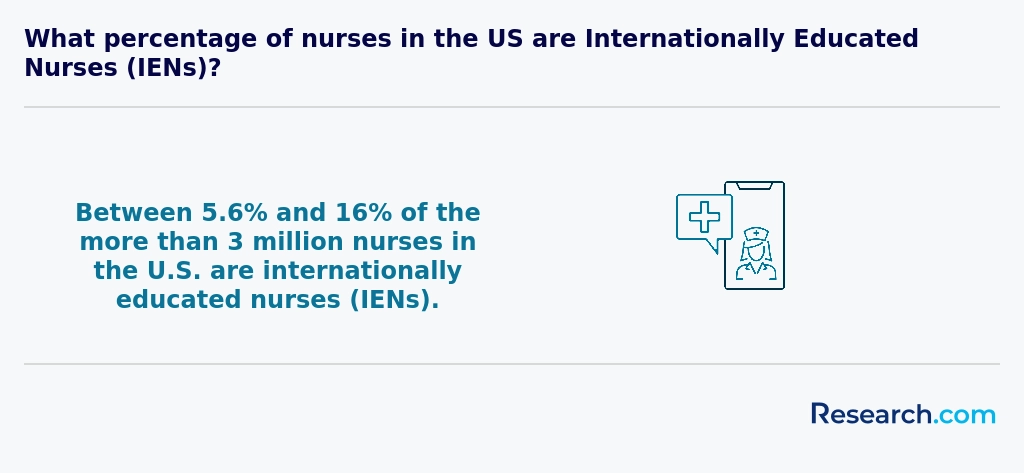
When pursuing an online nursing degree in Massachusetts, tapping into financial aid can transform your educational journey into an achievable dream. Many graduates from schools like UMass Amherst and Boston College recall how federal aid, especially Pell Grants and Federal Direct Loans, greatly eased their tuition burden. These resources offer low-interest loans and grants that don't require repayment, opening doors to students from various financial backgrounds.
State programs, such as the MASSGrant and Nursing Incentive Program (NIP), provide powerful support tailored to Massachusetts residents. One graduate shared how committing to work in a Massachusetts healthcare facility after graduation unlocked NIP scholarships, making study affordable and meaningful.
For those already in healthcare roles, employer tuition assistance is a game-changer. Hospitals across the state often fund continuing education, turning work hours into progress toward your degree. Private scholarships from organizations like the Massachusetts Nurses Foundation add another layer of support.
Early FAFSA completion and proactive engagement with your school's financial aid office are your best strategies to maximize these opportunities and confidently pursue your nursing dreams.
To enroll in an online nursing degree program in Massachusetts, you'll need a high school diploma or GED as your foundational step. Many graduates from well-known institutions like Boston College and the University of Massachusetts emphasize how crucial this baseline was in setting their academic journey in motion.
Next, completing prerequisite courses such as biology, chemistry, anatomy, physiology, and microbiology is essential. Imagine sitting through those early science labs that prepare you to understand patient care deeply-these courses build the backbone of your nursing knowledge.
If you're already a licensed LPN or RN, accelerated programs in Massachusetts can help you advance faster. Several graduates share how holding a valid license opened doors to those specialized routes, saving time while still meeting rigorous standards.
Some programs require test scores like the TEAS, serving as a helpful benchmark for readiness. Additionally, technical skills, health screenings, and background checks ensure you're ready not just academically but also practically for clinical challenges ahead.
- High school diploma or GED completion
- Prerequisite coursework in science and math
- Valid nursing license for accelerated options
- Standardized test scores like TEAS (if required)
- Meeting technical and health standards including background checks
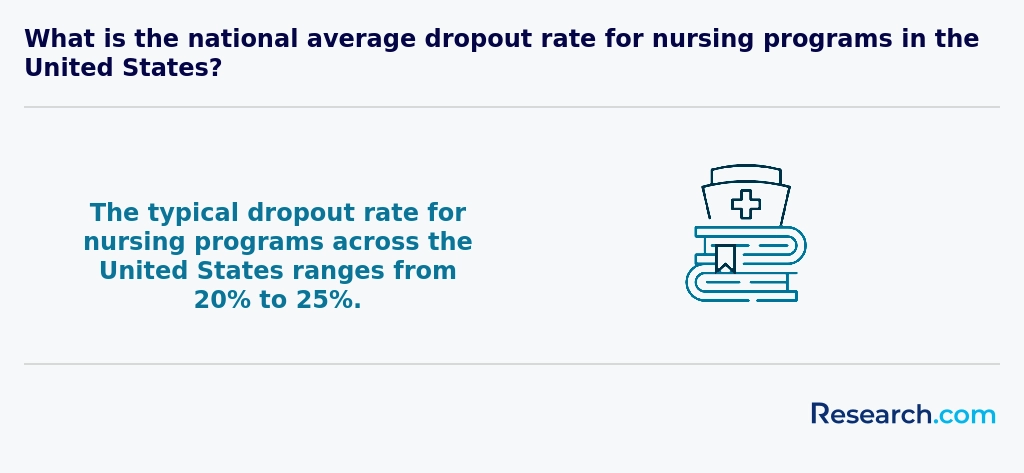
Online nursing degree programs in Massachusetts embrace a rich variety of courses that build a strong foundation for your future in healthcare. Graduates from institutions like the University of Massachusetts often recall how courses in anatomy, physiology, and pharmacology gave them a clear understanding of the human body and medication effects-knowledge they applied firsthand during clinical rotations.
Core classes typically include health assessment techniques, pathophysiology, and nursing fundamentals, helping students develop critical skills to care for diverse patients confidently. Imagine learning to perform a thorough physical exam or crafting detailed patient care plans, just as many graduates experienced through their coursework.
Massachusetts programs also deeply value mental health nursing and community care, reflecting the state's commitment to holistic healthcare. This means you're prepared not only to address physical ailments but also to promote wellness and provide emotional support, essential skills praised by alumni who now serve in local hospitals.
Leadership and ethics courses empower you to navigate complex healthcare environments professionally, ensuring you're ready for both teamwork and advocacy roles. These practical, well-rounded courses, combined with required clinical practice hours, align perfectly with Massachusetts' licensure requirements, setting you up for success on the NCLEX-RN exam and beyond.
In Massachusetts, online nursing degree programs offer diverse specializations tailored to meet the state's evolving healthcare landscape. Graduates from popular universities often highlight the Registered Nurse to Bachelor of Science in Nursing (RN to BSN) track, which allows working nurses to enhance their skills in leadership and community health without disrupting their careers. This specialization reflects the state's commitment to advancing healthcare quality.
For those drawn to clinical expertise, APRN specializations like Family Nurse Practitioner (FNP), Psychiatric-Mental Health Nursing, and Adult-Gerontology Acute Care are vital. These prepare nurses to address real-life community health needs, such as providing care for an aging population or mental health support, which are prominent concerns in Massachusetts. Many students pursuing the best online nursing degree tracks Massachusetts find these pathways rewarding and highly relevant.
Additionally, specialties like Healthcare Informatics and Leadership and Management equip nurses to spearhead innovation and improve patient care using technology and executive skills. If you seek programs that balance quality with cost-effectiveness, researching online degrees that pay well can guide you toward affordable online nursing specializations in Massachusetts.
Choosing the best online nursing degree in Massachusetts starts with ensuring the program holds proper accreditation, such as from the CCNE or ACEN. Graduates from well-known schools in the state often share how accreditation gave them confidence their education prepared them well for the NCLEX-RN exam. Hearing from these students reveals how gaining licensure smoothly propelled their careers.
Many students at prominent Massachusetts colleges find balancing work and study achievable thanks to programs offering flexible, asynchronous courses combined with local clinical placements. This structure respects your busy life while ensuring you meet the state's clinical hour requirements. Graduates often express relief and pride when finishing clinicals close to home, highlighting the practical benefits of these partnerships.
Affordability is crucial. Popular nursing schools provide scholarships and financial aid geared towards affordable nursing degrees Massachusetts, easing worries about student debt. It's wise to research costs carefully and consider support services tutors and advisors offer, which many graduates say helped them stay motivated.
Finally, if you're looking for accelerated options, exploring 1 year phd programs online can offer inspiration for managing intensive study periods efficiently.

Graduates of online nursing degrees in Massachusetts find themselves stepping into a range of fulfilling roles that truly make a difference. Many go on to work as registered nurses (RNs) in bustling Boston hospitals or community clinics, delivering direct care and building meaningful connections with patients. Others specialize in areas like critical care nursing in intensive care units or pediatric nursing, where compassion meets the unique needs of younger patients. This vibrant job market, especially in Massachusetts's urban centers, offers tremendous opportunities for those eager to jumpstart their careers.
For those aiming higher, pursuing advanced practice roles such as nurse practitioners or clinical nurse specialists is a natural next step. Universities known for strong nursing programs create pathways from BSN to MSN or DNP, empowering graduates to expand their impact. Many online nursing career opportunities in Massachusetts also include leadership positions like nurse managers, where graduates harness their skills to inspire teams and improve healthcare delivery.
Financially smart students often explore how to balance cost and quality, with tuition ranging between $30,000 and $60,000 statewide. Some find value by researching the cheapest online college options to make their investment worthwhile while navigating the promising Massachusetts nursing degree job prospects.
The job market for graduates holding an online nursing degree in Massachusetts is promising, especially with the state's healthcare sector experiencing steady growth. Many graduates from well-regarded institutions like Northeastern University and UMass Amherst share positive experiences about strong employment support and connections with local hospitals. These facilities actively seek nurses with BSN degrees, reflecting the increasing demand for skilled professionals across both urban centers and rural communities.
For those exploring online nursing job opportunities Massachusetts offers, the demand is fueled by an aging population and expanding healthcare facilities. This results in abundant roles for RNs eager to step into rewarding careers. Graduates often find competitive salaries, with the Massachusetts mean annual wage for RNs notably above the national average, providing financial stability alongside career fulfillment.
As one progresses, consider programs that offer flexibility and affordability. Several students have recommended researching options through trusted sources such as best accredited non profit colleges to find programs that fit your lifestyle and budget while maintaining quality education standards.
2027 Most Affordable Online Bachelor's in Nursing Degree Programs Ranking in Massachusetts
Investing in your education is a significant decision that can shape your future, and the Research.com team understands the importance of making informed choices. To assist prospective students seeking affordable and high-quality nursing education in Massachusetts, we have carefully developed the "2027 Most Affordable Online Bachelor's in Nursing Degree Programs Ranking in Massachusetts." Our dedication to quality, credibility, and accuracy is demonstrated through rigorous research and analysis of multiple reputable data sources.
We utilized the following reputable data sources to ensure a comprehensive evaluation of online nursing programs:
By exploring this ranking, readers will obtain valuable insights to help them make informed decisions when selecting affordable and credible online nursing degrees. For more information about how this ranking was created, please visit our Research.com methodology page.


# 3 position
UMassOnline
Nursing, RN to BS
Frequently Asked Questions About nursing
Online nursing students in Massachusetts can enhance their learning by actively engaging with virtual simulations and clinical practice opportunities. The state supports hands-on training through approved healthcare facilities, essential for meeting Massachusetts Board of Registration in Nursing requirements.
Utilizing statewide nursing resources, such as the Massachusetts Organization of Nurse Leaders, provides valuable networking and continuing education. Many programs offer flexible schedules, so students should create consistent study routines to stay on track.
Massachusetts reports a steady demand for skilled nurses, emphasizing the importance of up-to-date knowledge in evidence-based practices. Accessing library databases and professional nursing journals helps students remain current.
Connecting with faculty and peers through online forums encourages collaborative learning and build professional relationships important for career growth.
The nursing field in Massachusetts is rapidly evolving, with several emerging niches gaining importance. One key area is gerontological nursing, driven by the state's aging population; the U.S. Census Bureau projects that by 2030, over 20% of Massachusetts residents will be aged 65 or older. Nurses specializing in elder care focus on chronic disease management and palliative care.
Another growing niche is informatics nursing. As healthcare increasingly relies on electronic health records and data analytics, nurses skilled in technology play a critical role in improving patient outcomes. The Massachusetts Department of Public Health encourages integrating informatics into nursing education.
Lastly, mental health nursing is expanding due to rising awareness around behavioral health issues. Massachusetts reports relatively high rates of mental health conditions, highlighting the need for nurses trained in psychiatric and substance use disorder care.
After completing an online nursing degree in Massachusetts, preparing for the job market involves several key steps. First, graduates must obtain licensure by passing the NCLEX-RN exam, which is required to practice as a registered nurse in the state.
Networking is also important. Joining professional organizations such as the Massachusetts Nurses Association can provide valuable connections and job leads. Additionally, gaining clinical experience through internships or volunteering can enhance practical skills.
Massachusetts boasts a growing demand for nurses, with employment projected to increase by 10% through 2030 according to the Massachusetts Department of Labor. Tailoring resumes to highlight certifications and specialized skills improves employability.
Employers in Massachusetts highly value a combination of clinical expertise and interpersonal skills in nursing graduates. Key skills include strong patient care abilities, critical thinking, and effective communication. According to the Massachusetts Board of Registration in Nursing, employers seek graduates who demonstrate competency in evidence-based practice and adaptability to fast-paced healthcare environments.
Technical proficiency with electronic health records (EHR) is increasingly important as digital tools become standard. Additionally, teamwork and cultural competence are critical due to the state's diverse population.
Massachusetts healthcare facilities emphasize problem-solving skills and ethical decision-making to ensure high-quality patient outcomes. These skills align with the state's focus on improving healthcare delivery as reported by the Massachusetts Department of Higher Education.
Finding nursing internships in Massachusetts involves leveraging several key resources. Start by contacting your online nursing program's career services, which often have partnerships with local hospitals and clinics. Massachusetts hosts many top healthcare providers like Massachusetts General Hospital and Boston Medical Center, which frequently offer clinical placements for nursing students.
The Massachusetts Board of Registration in Nursing requires clinical experience for licensure, making internships a critical step. You can also explore opportunities through the Mass Nurses Association, which lists openings and networking events. Additionally, hospitals often post internships on their websites and on job portals such as Indeed or LinkedIn, filtering by location and nursing roles.
According to the Massachusetts Department of Public Health, healthcare is a growing sector with 14% employment growth expected in nursing through 2030, highlighting strong internship availability.
Obtaining an online nursing degree in Massachusetts can significantly enhance career mobility and advancement opportunities for nursing professionals. The state's healthcare sector is robust, with a 2022 report from the Massachusetts Executive Office of Labor and Workforce Development projecting a 16% growth in registered nurse employment through 2030. An accredited online degree allows nurses to meet licensing requirements while balancing work and personal commitments.
Many employers in Massachusetts prioritize candidates with bachelor's degrees for leadership roles and specialized positions. Online programs often provide updated curricula aligned with state standards, improving nurses' readiness for advanced roles such as nurse practitioners or healthcare managers.
Additionally, an online degree facilitates access to continuing education and professional certifications, essential for career growth in the competitive Massachusetts nursing job market.
Studying for a nursing degree in Massachusetts equips students with skills vital for interdisciplinary healthcare roles. Online programs often emphasize collaboration between nurses, doctors, social workers, and other health professionals to improve patient outcomes. Massachusetts healthcare employers increasingly value nurses trained in teamwork and communication, a focus reflected in curricula designed to build these competencies.
The state's nursing programs integrate simulated and clinical experiences that expose students to diverse interdisciplinary settings. According to the Massachusetts Board of Nursing, over 50% of nursing graduates report increased readiness for cross-disciplinary roles, highlighting practical training outcomes. Additionally, Massachusetts hospitals often require nurses to understand electronic health records and care coordination, topics covered extensively in degree programs.
When choosing between a thesis and a non-thesis nursing degree program in Massachusetts, consider your career goals first. A thesis program focuses on research and prepares students for advanced roles in nursing education or leadership. Students design and complete a research project, which develops critical thinking and analytical skills.
Non-thesis programs emphasize practical skills and clinical practice, ideal for those aiming to enter or advance in clinical nursing roles quickly. These programs usually require more coursework but less independent research.
According to the Massachusetts Board of Registration in Nursing, clinical experience and research expertise are both valued, but demand varies by role and employer.
Research shows Massachusetts has a growing need for nurse educators, making thesis options valuable for academic careers (Massachusetts Department of Public Health, 2023).
Students in Massachusetts seeking to study nursing abroad through online degree programs face limited direct options. U.S. nursing degrees typically require clinical practice hours completed in local healthcare settings, making fully remote international study uncommon.
Many Massachusetts nursing students consider enrolling in U.S.-accredited online programs that offer study abroad or international clinical placement opportunities. These programs ensure the degree complies with Massachusetts Board of Registration in Nursing requirements.
Massachusetts has one of the nation's highest nursing demands, with the state projecting a 27% growth in registered nurse positions by 2030, according to the Massachusetts Department of Labor. This growth encourages students to pursue accredited programs to qualify for licensure nationally.
Students should verify any international study aligns with the U.S. Nursing Licensure Compact and Massachusetts licensure criteria to maintain eligibility for the Massachusetts Registered Nurse (RN) license. Careful planning ensures study abroad enhances, rather than delays, licensure and career progress.
Part-time jobs that complement nursing degree education in Massachusetts often provide valuable practical experience while supporting academic progress. Common roles include certified nursing assistant (CNA), medical scribe, and patient care technician positions, which allow students to apply clinical skills in real healthcare settings.
The demand for such positions is strong given Massachusetts' extensive healthcare industry, with institutions like Massachusetts General Hospital and Boston Medical Center offering various part-time opportunities.
According to the Massachusetts Department of Labor, these roles typically offer flexible hours, enabling students to balance work and study effectively. Earnings range from $15 to $22 per hour, depending on the position and location.
Additionally, many jobs in outpatient clinics, home health agencies, and community health organizations help nursing students develop patient interaction skills essential for their future careers.
Online nursing students in Massachusetts have several networking opportunities that help build professional connections despite remote learning. Many programs partner with local hospitals and healthcare systems to provide clinical placements, which serve as valuable networking environments. The Massachusetts Nurses Association (MNA) offers membership discounts to students and hosts events, webinars, and conferences to connect future nurses with industry professionals.
Additionally, students can join specialty nursing organizations such as the Massachusetts Council of Nurse Practitioners. Online platforms and virtual career fairs organized by universities also create spaces for interaction with employers. According to the Massachusetts Department of Higher Education, 68% of nursing graduates reported gaining professional contacts through clinical experiences and internships.
Alumni networks play a crucial role for online nursing degree students in Massachusetts, offering valuable professional connections and support. These networks connect current students with graduates who have experience working in local healthcare settings, such as the Massachusetts General Hospital and Boston Medical Center.
Through alumni events and online platforms, students gain access to job leads, mentorship opportunities, and career advice tailored to the state's nursing job market. According to the Massachusetts Board of Registration in Nursing, the demand for registered nurses in the state is expected to grow by 7% through 2030, making a strong professional network essential.
Additionally, alumni communities often share insights on continuing education and certification requirements specific to Massachusetts, helping students stay informed and competitive in their careers.
To customize an online nursing degree program in Massachusetts, start by selecting a school that offers flexible course options tailored to your career goals. Many programs allow students to choose electives or specializations in areas like geriatrics, pediatrics, or community health, which aligns with the state's growing demand for nurses in eldercare and outpatient services. You can also pursue accelerated tracks or part-time schedules to balance work and study effectively.
Clinical placement opportunities within Massachusetts hospitals and healthcare centers often let students focus on preferred specialties, enhancing practical experience. According to the Massachusetts Board of Registration in Nursing, demand for advanced practice nurses is expected to grow by 12% by 2030, making specialization crucial.
Online nursing students in Massachusetts often face several challenges during their studies. One common difficulty is balancing clinical hours with coursework, as state regulations require completion of hands-on training in approved healthcare settings. This can be hard to schedule alongside remote classes. According to the Massachusetts Board of Registration in Nursing, students must complete specific clinical experiences to qualify for licensure, which limits flexibility.
Another challenge is ensuring access to reliable technology and high-speed internet, especially in rural areas of the state. Technical problems can disrupt learning and delay assignments.
Moreover, remote students may experience feelings of isolation, affecting motivation and engagement. According to research from the Massachusetts Department of Higher Education, nearly 30% of online learners report lack of peer interaction as a significant concern.
Lastly, navigating financial aid and understanding program accreditation remain critical, as only accredited programs meet Massachusetts nursing licensure requirements.
With an online nursing degree in Massachusetts, graduates can pursue various professional certifications to enhance their careers. Common certifications include the Certified Nurse Assistant (CNA), Licensed Practical Nurse (LPN), and Registered Nurse (RN) credentials, all regulated by the Massachusetts Board of Registration in Nursing.
Additionally, nurses can seek specialty certifications such as the Certified Nurse Educator (CNE) or certifications in areas like pediatrics, geriatrics, and oncology. These credentials often require passing exams administered by national bodies like the American Nurses Credentialing Center (ANCC).
According to the Massachusetts Department of Higher Education, holding these certifications can improve job prospects and may lead to higher salaries within state healthcare systems.
Writing a winning application for an online nursing program in Massachusetts involves several key steps. First, highlight your academic background and any healthcare experience clearly. Massachusetts requires applicants to meet specific prerequisites, such as biology and anatomy courses, so be sure to mention these. Admissions committees also value strong personal statements that explain your motivation for nursing and commitment to the profession.
Include details about your time management skills, essential for succeeding in an online format. According to the Massachusetts Board of Registration in Nursing, programs look for applicants demonstrating professionalism and dedication. Finally, submit all required documentation promptly and proofread carefully to ensure a polished application.
The nursing profession is recognized worldwide as essential to public health. In the United States, including Massachusetts, nursing offers stable career prospects and a growing demand. According to the Massachusetts Department of Public Health, registered nurses in the state are expected to increase by 15% between 2020 and 2030, reflecting national trends driven by an aging population.
Globally, nursing standards and education vary, but the U.S. model emphasizes evidence-based practice and patient-centered care. Earning an online nursing degree in Massachusetts allows students to meet state licensure requirements while preparing for an internationally respected profession.
Massachusetts ranks among the top states for nurse salaries, with median wages about 20% higher than the national average, contributing to its appeal. The state's investment in healthcare education supports diverse pathways, including accelerated bachelor's and bridge programs, aligning with global calls for well-qualified nurses.
Internationally, nursing is increasingly viewed as a multidisciplinary field with opportunities beyond bedside care, including leadership and research - making a degree from Massachusetts valuable in a global context.
Students pursuing an online nursing degree in Massachusetts gain practical experience primarily through clinical placements arranged by their programs. These supervised experiences in hospitals, clinics, or community health settings are essential for meeting state licensing requirements. The Massachusetts Board of Registration in Nursing mandates that clinical hours be completed under approved supervision, ensuring real-world skill development.
Many schools partner with local healthcare providers to facilitate clinical rotations near the student's residence. According to the Massachusetts Department of Higher Education, nursing programs often assist in securing placements, which can include prominent systems like Massachusetts General Hospital or community clinics.
Additionally, some programs offer simulation labs and virtual clinical experiences to supplement hands-on training, especially important during public health challenges. These options help students build confidence and meet practical requirements while studying online.
Choosing the right concentration within an online nursing degree program in Massachusetts depends on your career goals and interests. Massachusetts offers diverse nursing specializations such as pediatric, geriatric, psychiatric, and public health nursing. Considering local healthcare demands can help; for example, the Massachusetts Department of Labor projects faster growth in geriatric nursing due to an aging population.
Research the curriculum of each concentration to ensure it aligns with your professional aspirations. Certification requirements vary, so check Massachusetts Board of Registration in Nursing guidelines for specific specialties. Also, consider clinical placement opportunities linked to your concentration to gain practical experience within the state's healthcare system.
- 2027 Most Affordable Online Bachelor's in Nursing Degree Programs Ranking in Connecticut
- 2027 Most Affordable Online Bachelor's in Nursing Degree Programs Ranking in New York
- 2027 Most Affordable Online Bachelor's in Nursing Degree Programs Ranking in Pennsylvania
- 2027 Most Affordable Online Bachelor's in Nursing Degree Programs Ranking in Maryland
- 2027 Most Affordable Online Bachelor's in Nursing Degree Programs Ranking in Virginia
- 2027 Most Affordable Online Bachelor's in Nursing Degree Programs Ranking in Ohio
- 2027 Most Affordable Online Bachelor's in Nursing Degree Programs Ranking in West Virginia
- 2027 Most Affordable Online Bachelor's in Nursing Degree Programs Ranking in Kentucky
- 2027 Most Affordable Online Bachelor's in Nursing Degree Programs Ranking in North Carolina
- 2027 Most Affordable Online Bachelor's in Nursing Degree Programs Ranking in South Carolina
See What Experts Have To Say About Studying Nursing
Read our interview with Nursing experts


- Know more about thesis vs non- thesis: what is the difference? https://studyfans.com/en/blogs/816
- Associate of Science in Nursing Online | Bay Path University https://www.baypath.edu/academics/undergraduate-programs/nursing-asn/
- Top Nursing Skills U.S. Employers Want to See on Your Resume | O'Grady Peyton https://www.ogradypeyton.com/blog/job-seeker-resources/top-nursing-skills-u.s.-employers-want-to-see-on-your-resume
- Bachelor of Science in Nursing (BSN) https://www.elms.edu/school-of-nursing/bachelor-science-programs/bachelor-of-science-in-nursing/
- Best Massachusetts Nursing Schools and Programs | NursingEducation https://nursingeducation.org/state/massachusetts/
- Career Advancement Pathways for Nurses : Expert RN shares 10+ Professional growth opportunities - MuminMed https://blog.muminmed.com/career-advancement-pathways-for-nurses/
- Looking for a New Job? - Massachusetts Nurses Association https://www.massnurses.org/member-services/looking-for-a-new-job/
- Online Graduate Nursing Programs – Massachusetts | Worcester State https://online.worcester.edu/programs/nursing/
- What Are the Best RN Certifications for Your Career? https://credenzahealth.com/career-advice/what-are-the-best-rn-certifications-for-your-career
- Online Nursing Prerequisites: Complete Guide & Cost Savings | StraighterLine https://www.straighterline.com/blog/which-online-nursing-prerequisites-should-you-take-online


