2027 Best Nursing Degree Programs Ranking in Pullman

Co-Founder and Chief Data Scientist
Choosing the right nursing degree program can shape your future and open doors to a rewarding healthcare career. This article presents the 2027 Best Nursing Degree Programs Ranking in Pullman, crafted by the Research.com team of data scientists to guide you in making an informed decision.
Explore comprehensive insights on the top nursing programs that match your goals and needs. Whether you're starting or advancing your education, finding the right program is a vital step toward a fulfilling nursing career.
Read on to discover valuable information that supports your journey toward success in nursing.
Key benefits of getting nursing degree in Pullman
- Salary for nursing degree graduates: Nursing graduates in Pullman can expect competitive salaries, such as $94,480 annually for Registered Nurses and Public Health Nurses, and up to $128,490 for Operating Room Nurses, reflecting strong financial rewards in healthcare.
- Career paths: Graduates from local nursing programs can pursue diverse roles, including Emergency Room Nurse or Clinical Nurse Educator, offering exciting opportunities to specialize and grow professionally within Pullman's healthcare community.
- Benefits of online degrees: Earning a nursing degree online from Pullman-based schools provides flexibility to balance work and study, enabling students to gain their qualification without sacrificing current responsibilities or delaying their ambitions.
- 2027 Best Nursing Degree Programs Ranking in Pullman
- What can I expect from nursing degree in Pullman?
- Where can I work with nursing degree in Pullman?
What can I expect from nursing degree in Pullman?
The average cost of earning a nursing degree in Pullman, particularly through Washington State University's respected BSN program, combines tuition, fees, and living expenses, typically ranging between $25,000 and $40,000 per year for in-state students. Graduates often reflect on this investment as a meaningful step toward a fulfilling career, noting that the quality education and extensive clinical opportunities make every dollar worthwhile.
Many students find that local clinical placements at places like Pullman Regional Hospital enrich their hands-on skills without additional commuting costs, which helps manage overall expenses. Those who transitioned from associate degrees appreciated the flexible RN-to-BSN online option, which allowed them to work while studying, balancing finances and education effectively.
For nursing students in Pullman, the cost is not just a number, but a gateway to a community deeply invested in healthcare growth. Graduates frequently share how the state's supportive job market and strong program reputation ease financial concerns, turning tuition into an investment with tangible, rewarding personal and professional outcomes.
Where can I work with nursing degree in Pullman?
Graduates with a nursing degree in Pullman often find themselves stepping into diverse and rewarding roles across the local healthcare landscape. Many have shared how working at Pullman Regional Hospital offers hands-on experience in dynamic settings like emergency care or surgical units, helping them quickly build confidence and skill. For those drawn to community impact, clinics and outpatient centers provide fulfilling opportunities to support preventive care and chronic disease management, especially among underserved populations.
Washing State University in Pullman also employs nursing graduates within its health services, which some find to be a perfect blend of clinical practice and educational advancement. This setting encourages exploration into nursing education or research, opening doors beyond bedside care. Home health nursing is another compelling path, offering the chance to foster strong patient relationships through personalized care, often for elderly or disabled residents.
Many graduates speak about the satisfaction of choosing nursing in Pullman, where the close-knit community and growing healthcare needs create a unique environment that nurtures both professional growth and meaningful patient connections.
Graduates from nursing programs in Pullman, such as those at Washington State University, often find salaries that reflect both the regional market and the specialized roles they pursue. Registered nurses typically earn a mean annual wage around $94,480, which aligns well with national data and offers a financially stable starting point that graduates appreciate. This salary offers not only competitive compensation but also financial confidence as new nurses step into demanding healthcare roles.
Many alumni who trained in Pullman have shared how their careers blossomed when moving into specialized positions. For example, operating room nurses report mean wages exceeding $128,000 annually, a figure that highlights how advanced skills and certifications can substantially increase earning potential. This pathway encourages graduates to envision themselves mastering complex nursing environments, supported by strong regional healthcare systems like Pullman Regional Hospital.
The shared experience among graduates is that with dedication and continued learning, especially in nursing education or public health nursing, earnings remain solid-around $94,480 yearly-while providing meaningful, impactful work. This combination of financial reward and personal fulfillment is what draws many to nursing programs in Pullman's supportive academic and clinical communities.
- Nursing programs in Pullman are mainly available at Washington State University and include ASN, BSN, and RN-to-BSN pathways.
- In-state tuition ranges from $9,500 to $11,000 per year, while out-of-state tuition averages around $25,000 annually, with additional costs of $1,500 to $2,500 for supplies and fees.
- Starting salaries for registered nurses in Pullman typically range between $55,000 and $63,000 per year.
- Experienced nurses in the area earn between $75,000 and $85,000 annually, with higher pay for specialized or administrative roles.
- Nursing job growth in Pullman is expected to increase by about 15% over the next decade, driven by healthcare demand and population aging.
- Clinical placements are supported by local healthcare networks, essential for licensure and practical training requirements regulated by the state commission.
Completing a nursing degree in Pullman often depends on the pathway you choose and your personal circumstances. For many, the Associate Degree in Nursing (ADN) serves as a practical, two-year option available at local community colleges, allowing graduates to quickly enter the workforce and start making a difference in healthcare settings. Students often share the relief of securing stable positions soon after graduation.
At Washington State University, the Bachelor of Science in Nursing (BSN) takes about four years of full-time study, blending rigorous classroom learning with hands-on clinical experiences. Graduates speak of the rewarding challenge in balancing science and compassion, feeling well-prepared to serve diverse patient populations.
For those who come with prior degrees, accelerated BSN programs offer an intense 11 to 18 months of full-time study, perfect for career changers eager to step into nursing without delay. Such programs, while demanding, are praised for their efficiency and transformational impact.
Graduate degrees, like the MSN, typically require two more years, focusing on advanced roles that deepen expertise and leadership. In Pullman, many aspiring nurse practitioners or educators find themselves enriching their skills through nearby campuses or online platforms, appreciating the flexibility to manage study alongside life's other demands.
Nurses in Pullman, WA, looking to elevate their careers often pursue advanced practice roles or specialized certifications beyond the traditional BSN or ADN. Graduate nursing programs such as Master of Science in Nursing (MSN), Doctor of Nursing Practice (DNP), and post-master’s certificates unlock opportunities in clinical leadership, research, and education. For example, an MSN with a Nurse Practitioner focus equips graduates to diagnose, prescribe, and manage patient care autonomously-critical skills in underserved and rural communities around Pullman. Clinical specialization tracks-Family Nurse Practitioner (FNP), Adult-Gerontology Acute Care Nurse Practitioner (AG-ACNP), or Psychiatric-Mental Health Nurse Practitioner (PMHNP)-blend advanced pharmacology, pathophysiology, and health assessment coursework with immersive clinical rotations. Many programs offer part-time, online, or hybrid formats, enabling working RNs to balance employment with graduate studies. To explore the timeline to become a Nurse Practitioner, check out how long does it take to get your nurse practitioner degree, where you’ll find detailed guidance on accelerated and traditional pathways. Beyond nurse practitioner roles, registered nurses may pursue Clinical Nurse Specialist (CNS), Nurse Educator, or Nurse Administrator certifications. These paths emphasize evidence-based practice, healthcare policy, and organizational management-skills that boost both patient outcomes and institutional performance. Additionally, continuing education through specialty credentials like Certified Registered Nurse Anesthetist (CRNA) or Certified Nurse Midwife (CNM) demands rigorous training but offers significantly higher salary ceilings and leadership responsibilities. Financial aid options for graduate nursing students include HRSA grants, employer-sponsored tuition reimbursement, and specialized scholarships from nursing associations. Before enrolling, prospective candidates should review accreditation status (CCNE or ACEN), NCLEX pass rates, and program outcomes, ensuring each advanced degree aligns with personal goals and community healthcare needs in Pullman and beyond.
Nursing students in Pullman often reflect on the distinct experiences between online and on-campus programs. Those attending Washington State University appreciate the vibrant campus life, where hands-on practice in simulation labs and direct conversations with instructors deepen their confidence and readiness. One graduate recalls the energizing feeling of collaborating face-to-face with peers during clinical workshops, which fostered strong local networking opportunities.
Meanwhile, graduates from online nursing paths value the flexibility to balance study with work or family obligations. They describe studying lectures at their own pace from home but emphasize that completing clinical hours in nearby approved facilities remains a vital, in-person component. This blend requires discipline but offers a practical route for those rooted in the Pullman community without relocating.
Both routes align with licensure requirements, yet the choice hinges on lifestyle preferences and learning styles. Students thriving on structure and immediate campus access often favor on-site programs, while those needing schedule adaptability find online degrees empowering without sacrificing essential clinical experiences.
Upon earning a BSN in Pullman, WA, nurses often explore avenues for graduate study and leadership roles through Master of Science in Nursing (MSN), Doctor of Nursing Practice (DNP), or specialized nurse practitioner tracks. Accelerated RN-to-MSN bridge programs can reduce redundancy by integrating core BSN coursework with advanced practice curriculum, allowing graduates to complete an MSN in as little as 18–24 months. Nurse practitioners enjoy both clinical autonomy and competitive salaries, with Family Nurse Practitioners and Adult-Gerontology Nurse Practitioners among the most in-demand roles. For those considering out-of-state options, exploring programs like the best nurse practitioner in california program can highlight diverse specializations and flexible online formats. DNP pathways build upon MSN foundations to prepare nurses for executive leadership, policy advocacy, and advanced clinical scholarship. Graduates with a DNP often secure roles as chief nursing officers, clinical directors, or healthcare consultants, commanding top-tier compensation and influence over care delivery models. When evaluating advanced programs, consider accreditation (CCNE or ACEN), NCLEX-RN pass rates, faculty expertise, and clinical placement partnerships to maximize career ROI and professional growth.
The average cost of a nursing degree in Pullman, particularly at Washington State University, reflects a balanced investment in quality education and community living. Graduates often recall managing expenses that align closely with a median in-state total cost of around $13,391, encompassing tuition and mandatory fees. These figures provide a realistic snapshot beyond just tuition, incorporating essential costs. Understanding the full scope of nursing degree tuition fees Pullman students face, including supplies and textbooks, helps prospective students plan effectively for their academic journey.
Many nursing students describe the hands-on training and diverse patient care experiences as invaluable, often highlighting how the tuition investment yields rewarding personal growth alongside professional skills. Typical additional expenses such as lab fees, clinical supplies, and textbooks add to overall costs, but students find that these contribute directly to their preparedness for real-world nursing environments. The local economy in Pullman also influences living expenses, which typically fall in the range of $11,000 to $14,000 annually, a crucial factor for budgeting over the duration of the program.
Choosing to study nursing in Pullman not only provides academic rigor but also exposure to a supportive community. Many graduates emphasize how the investment in education here positions them well for future careers. For those interested in exploring further, a program renowned for its comprehensive approach integrates diverse patient care, enriching students' practical experience while reflecting the true cost of nursing education in this region.
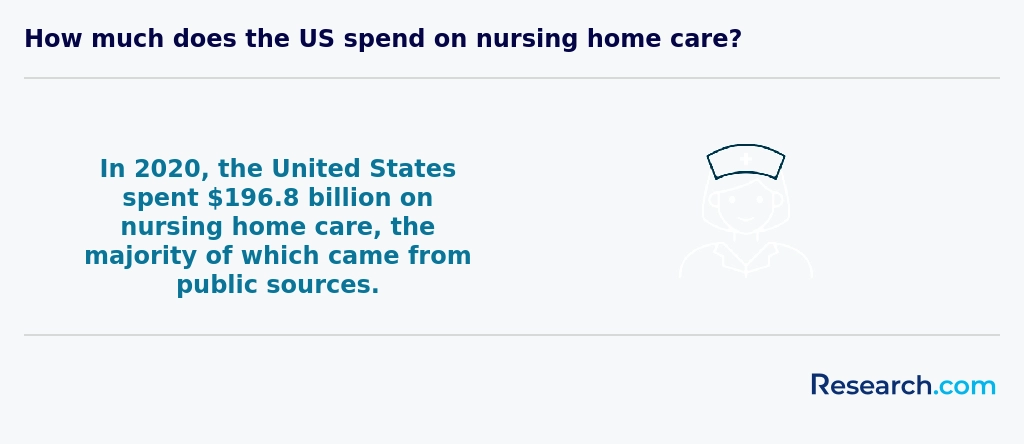
For those interested in pursuing a nursing degree in Pullman, WA, without accumulating significant debt, exploring the most affordable nursing schools in Washington can be a strategic first step. By understanding the cost structure of different programs, prospective students can make informed decisions that balance their financial situation with their career aspirations. This section delves into the financial aspects of nursing education, providing insights into how to navigate the cost of tuition, fees, and living expenses while pursuing a nursing degree in Pullman, WA. Assessing the affordability of nursing programs involves considering not only the sticker price but also the potential return on investment, including salary expectations and job prospects upon graduation. Therefore, it is crucial for aspiring nurses to weigh these factors carefully, ensuring that their choice of nursing program aligns with both their financial capabilities and their professional goals.
Many nursing students at Washington State University in Pullman find financial aid to be a crucial support through their education journey. Federal aid, such as Pell Grants and FSEOG, often covers a significant portion of tuition, sometimes reaching amounts up to $7,395 per year. Graduates recall how these grants made an immediate difference, easing the stress of tuition payments and allowing them to focus more on clinical practice and coursework.
Federal Direct Student Loans, both subsidized and unsubsidized, provide another important resource with comparatively low interest rates. Early submission of the FAFSA form is a common tip shared among successful nursing graduates, as it maximizes eligibility for such loans and other aid programs.
Locally, scholarships offered by health agencies and employers in Pullman have been a game-changer for many students, sometimes even providing tuition reimbursement after clinical commitments. Additionally, some graduates highlight loan repayment programs from HRSA, especially valuable for those who work in underserved rural areas near Pullman.
Understanding program outcomes and licensure requirements helps you choose and complete your nursing education with confidence.
- Program Pass Rates: Pullman programs maintain first-time NCLEX-RN pass rates above the 88% national average (e.g., Washington State University ~94%, Walla Walla University ~91%).
- Verify Outcomes: Check the Washington State Nursing Commission or individual school websites for the latest pass-rate reports.
- Application Process: Submit your RN licensure application through the NURSYS portal, including official transcripts and a fingerprint-based background check.
- Fees & Timeline: Pay the $200 licensure fee; expect Authorization to Test (ATT) within 4–6 weeks and full licensure 8–10 weeks after passing NCLEX-RN.
- Scheduling Exam: Use Pearson VUE’s system to book your NCLEX-RN within 90 days of receiving your ATT.
- Advanced Practice Path: After RN licensure, explore roles in specialized or leadership tracks-consider dnp online programs to accelerate your career growth.
Enrolling in a nursing degree program in Pullman begins with meeting a set of clear prerequisites that many graduates from local institutions like Washington State University have found essential. A high school diploma or GED is the first stepping stone, ensuring you've gained basic academic skills needed for rigorous college coursework.
From there, successful students often share how completing foundational courses in biology, anatomy, physiology, chemistry, and English helped them confidently engage with complex nursing topics. For some, preparing for the TEAS exam became a pivotal moment, offering a tangible benchmark of readiness before applying.
Practical readiness is just as crucial. Graduates recall the relief and confidence gained after clearing background checks, submitting immunization records, and earning CPR certification-steps that guarantee safety and professionalism in clinical environments around Pullman.
Through these prerequisites, prospective nursing students not only meet academic standards but also build a solid sense of purpose and preparedness that resonates throughout their educational journey.

To secure your place in one of Pullman’s top nursing programs, follow these key steps and deadlines to streamline your application process: 1. Research and Prepare - Verify program accreditation (CCNE or ACEN) and review NCLEX pass rates. - Gather official transcripts from all postsecondary institutions and upload them via the designated application portal. - Complete prerequisite courses in anatomy, physiology, chemistry, and microbiology with a minimum GPA of 2.75. 2. Complete the Application - Submit the online application through NursingCAS or your chosen university’s system by January 15 for fall enrollment. - Attach a personal statement (500–750 words) outlining your commitment to nursing and clinical experience. - Request two professional letters of recommendation, preferably from instructors or healthcare supervisors. 3. Entrance Exams and Interviews - Schedule and pass the TEAS exam with at least a 65% score; register at least six weeks before your preferred date. - Prepare for a panel interview focusing on critical thinking and patient-care scenarios. Interviews are typically held between February and March. 4. Notification and Enrollment - Admissions decisions are sent by mid-April. Accepted students must confirm enrollment and submit a non-refundable deposit by May 1. - Attend the mandatory orientation session in June to complete health clearances, background checks, and immunization records. 5. Financial Planning and Cost-Saving Resources - Explore scholarships, grants, and work-study options available through your institution’s financial aid office. - For those considering flexible or more affordable pathways, check our Cheapest Online Nursing Degree Programs Ranking in Virginia to compare tuition and financial aid opportunities.
In Pullman, nursing degree programs typically include courses that form a strong foundation in both science and patient care, tailored to meet the demands of today's healthcare environment. Graduates from local institutions often reflect on how classes like human anatomy and physiology gave them a profound understanding of the human body, which proved invaluable during clinical rotations.
Core courses commonly cover pathophysiology, allowing students to grasp disease mechanisms-knowledge that many find eye-opening when caring for real patients at Pullman's hospitals. Pharmacology is another essential subject, teaching medication management that nurses rely on daily. Medical-surgical nursing courses prepare students to handle adult patient care in diverse clinical settings, boosting confidence with hands-on practice.
In addition, programs emphasize mental health nursing and pediatric or maternal health, revealing the emotional depth and varied challenges nurses face. Community health nursing also plays a crucial role, inspiring graduates to serve beyond hospital walls. Nursing research encourages critical thinking, helping students translate scientific evidence into effective clinical decisions, an approach praised by many Pullman grads entering the workforce.
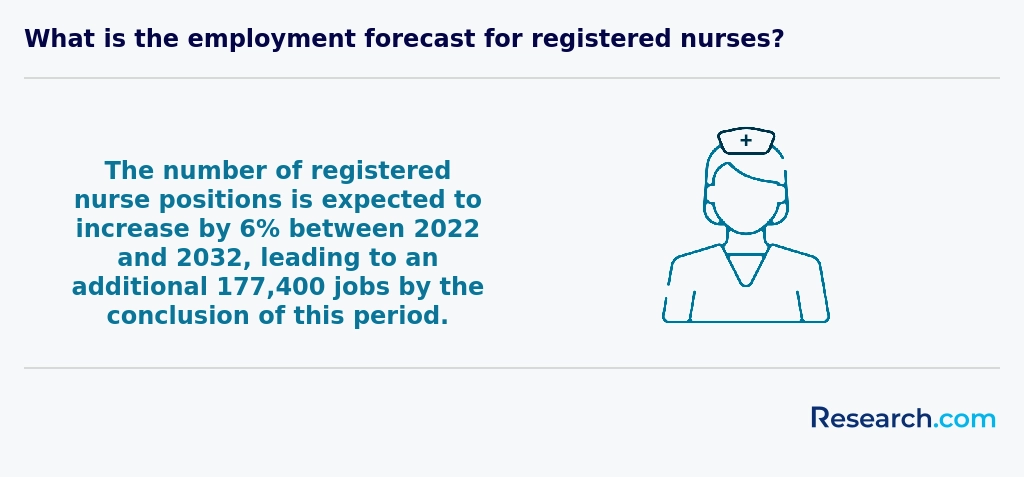
Nursing degree specializations in Pullman reflect the diverse healthcare needs of the region, allowing students to find a path that resonates deeply with their career goals. Graduates from Washington State University's College of Nursing often share how the Registered Nurse (RN) to Bachelor of Science in Nursing (BSN) pathways equipped them with essential clinical skills alongside leadership training-skills they immediately applied in local community health settings. For those drawn to advanced practice, the Family Nurse Practitioner (FNP) track stands out, providing comprehensive primary care knowledge that meets the growing demand for versatile healthcare providers.
Many students find fulfillment in fields like Geriatric Nursing, addressing the real and present challenge of caring for Pullman's aging population. Others appreciate the focus on mental and public health specializations, which prepare them to tackle issues increasingly visible in both urban and rural areas. These careful choices in Pullman nursing program specialization options empower students to envision rewarding careers that align with both local impact and national employment growth. Several alumni recall using opportunities similar to nurse practitioner degrees minnesota internships to enhance their practical experience beyond the classroom.
Choosing the right nursing degree in Pullman means balancing your career goals with the local academic environment. Many graduates from Washington State University's BSN program reflect on how the strong clinical experiences with Pullman's healthcare facilities deeply boosted their confidence and real-world skills. This hands-on training proved invaluable when stepping into demanding nursing roles. If you value a degree that employers respect, focusing on accredited programs like WSU's ensures you're well-prepared for licensure exams and future opportunities.
Cost often shapes decisions, and in Pullman, students frequently appreciate the affordable tuition compared to national averages. Looking for affordable nursing schools in Pullman like WSU can provide access to quality education without overwhelming debt. Hearing from peers, many find that the community atmosphere and supportive faculty further enrich their studies and professional journeys.
Reflecting on nationwide trends and local options for the best nursing degree programs in Pullman, it's clear to consider graduation rates and NCLEX pass rates. Those who have completed their studies successfully often highlight how these indicators helped them feel secure in their program choice. For those exploring opportunities beyond Washington, examining programs linked to a strong nursing career in Texas can also offer perspective and inspiration.

Graduates with a nursing degree in Pullman find themselves standing at the threshold of diverse and rewarding career paths. Many pursue roles as registered nurses (RN) at local healthcare centers like Pullman Regional Hospital, where the demand for compassionate, skilled caregivers is steady and growing. Those who have studied at popular universities in Pullman often share how their clinical rotations solidified their passion, preparing them for specialties such as emergency nursing or pediatric care, which provide a dynamic and fulfilling daily experience.
The landscape of nursing career opportunities in Pullman expands beyond traditional bedside roles. Some graduates move toward advanced practice positions-nurse practitioners or clinical nurse specialists-requiring further education but offering autonomy and higher salaries. Others find joy in non-clinical fields like nurse education or healthcare administration, contributing vitally to the broader healthcare system.
For students considering their future, balancing educational investment with outcome is crucial. Nursing programs here, supported by reputable local institutions, offer excellent value. To explore more about nursing options and quality education outside Pullman, visiting Best nursing schools Alabama can provide additional perspective and opportunity.
When reflecting on nursing degree job prospects Pullman graduates face, it's clear the region nurtures both clinical excellence and innovative healthcare roles, allowing for meaningful and stable careers in a community that values and supports its nurses.
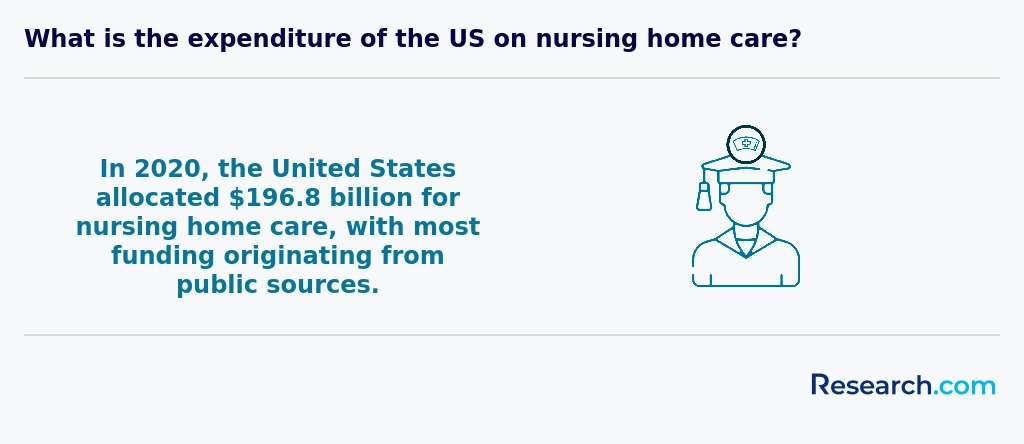
The nursing job opportunities in Pullman are shaped by a dynamic local healthcare environment supported by established institutions such as Washington State University. Graduates from nursing programs here often share how their education connected them directly with regional medical centers like Pullman Regional Hospital, which remains a steady source of employment. This hands-on experience combined with an expanding healthcare system means new nurses commonly find roles that not only meet but exceed their early career expectations.
Many nursing students appreciate that the healthcare employment outlook Pullman WA offers is influenced by its growing elderly population and increasing chronic health care needs. These factors create ongoing demand for skilled nurses, ensuring that graduates can secure positions fairly quickly. Salaries expected here align closely with state medians, making the investment in a nursing degree worthwhile given the relatively moderate cost of education locally compared to other regions.
For students considering a broader horizon, exploring options like a medical career in Hawaii after graduating adds another exciting dimension to nursing paths originating from Pullman. Practical experience combined with advanced certifications often enhances job prospects and salary negotiations, reflecting a promising future for those committed to this rewarding profession.
2027 Best Nursing Degree Programs Ranking in Pullman
Investing in your education is a significant decision that can shape your future, and the Research.com team understands the importance of making informed choices. To assist prospective students in Pullman, we have meticulously crafted the "2027 Best Nursing Degree Programs Ranking in Pullman." Our commitment to quality, credibility, and accuracy is reflected in the extensive research and analysis conducted to compile this ranking.
We utilized the following reputable data sources to ensure a comprehensive evaluation of nursing programs:
By exploring this ranking, readers will gain valuable insights into the best nursing degree programs available in Pullman, helping them make confident and informed decisions about their educational paths. For more details on our methodology, please visit our Research.com methodology page.

Frequently Asked Questions About nursing
Nursing degree students in Pullman can maximize their learning experience by actively engaging in both classroom and clinical opportunities. Washington State University, located in Pullman, offers a comprehensive nursing program accredited by the Commission on Collegiate Nursing Education (CCNE), ensuring a curriculum aligned with national standards.
Students should participate in hands-on clinical rotations at local healthcare facilities, gaining real-world experience in diverse settings. According to the WSU College of Nursing, clinical hours constitute over 60% of the curriculum, emphasizing practical skills development.
Additionally, joining nursing student organizations and attending seminars can strengthen professional networks and enhance understanding of current healthcare trends.
Balancing study with community volunteer work in Pullman's health programs helps build empathy and patient communication skills, essential for nursing careers.
The nursing profession in Pullman, like many parts of the US, is experiencing growth in specialized areas that reflect advances in healthcare and community needs. Emerging niches include geriatric nursing, driven by an aging population requiring focused care. There is also increased demand for nurse informaticists who manage healthcare data and technology, improving patient outcomes. Mental health nursing is expanding due to rising awareness of behavioral health issues. Additionally, telehealth nursing has become prominent, allowing nurses to provide care remotely. According to the Washington Center for Nursing, these specialties are expected to grow faster than general nursing roles in the coming decade.
After completing a nursing degree in Pullman, preparing for the job market involves several key steps. Start by obtaining licensure through the National Council Licensure Examination (NCLEX-RN), required for registered nurses in Washington State. Networking locally is important; attending events hosted by the Washington State Nurses Association can connect graduates with employers.
Consider gaining experience through internships or volunteer opportunities in Pullman-area healthcare facilities like Pullman Regional Hospital. According to the Washington State Employment Security Department, healthcare jobs in the region are expected to grow by 15% through 2030, making timely application and preparation essential.
Enhancing your resume with specialized certifications such as Basic Life Support (BLS) or Advanced Cardiovascular Life Support (ACLS) can improve employability. Also, using job platforms tailored to regional healthcare positions helps focus your search effectively.
Employers in Pullman highly value nursing graduates who demonstrate strong clinical skills combined with effective communication. According to the Washington State Nursing Workforce Center, practical patient care abilities remain essential for entry-level roles. Soft skills like empathy, teamwork, and critical thinking are also crucial, as nurses must collaborate with diverse healthcare teams and respond quickly in complex situations.
Pullman's healthcare facilities increasingly seek graduates proficient in technology, such as electronic health records (EHR) management, reflecting trends in modern medical environments. Additionally, knowledge of community health is important, given Pullman's mixed urban and rural patient populations.
Overall, employers prioritize well-rounded nurses who balance technical expertise with interpersonal skills.
Finding nursing internships in Pullman involves several strategic steps that align with the U.S. higher education system requirements. Students should first consult with academic advisors at local institutions like Washington State University, which offers nursing programs and often has established partnerships with local health facilities.
Internships are typically arranged through university career centers or nursing departments, which provide listings of clinical placement opportunities. Local hospitals and clinics, such as Pullman Regional Hospital, serve as common venues for hands-on nursing experience. The Idaho Nursing Association also supports students seeking clinical hours near the Pullman area.
According to the Bureau of Labor Statistics, internships are crucial for nursing students to gain proficiency and improve employment prospects upon graduation. Networking with faculty and attending healthcare job fairs in Pullman also increases internship chances.
Obtaining a nursing degree in Pullman significantly enhances career mobility and advancement opportunities within the local healthcare sector. Nursing professionals with a degree have access to a broader range of roles, from clinical positions to leadership and specialized care. According to the Washington State Employment Security Department, registered nurses in the Pullman area experience steady job growth, with a 7% increase projected through 2028.
Higher education credentials in nursing often lead to increased salaries and eligibility for advanced roles such as nurse practitioners or nurse educators. Employers in Pullman, including Pullman Regional Hospital, prioritize candidates with formal education and certification.
Additionally, degree holders benefit from statewide reciprocity agreements, facilitating mobility across Washington's diverse healthcare facilities.
Studying for a nursing degree in Pullman equips students with skills essential for interdisciplinary healthcare roles. Local programs emphasize collaboration across professions such as medicine, social work, and pharmacy. This approach reflects national trends promoting team-based care to improve patient outcomes, as supported by the American Association of Colleges of Nursing.
Pullman nursing curricula often include clinical practicums at regional health centers, where students interact with diverse healthcare teams. Washington State University, a key institution in Pullman, integrates simulated scenarios that mirror real-world interdisciplinary challenges, enhancing practical communication and decision-making skills.
According to the Washington Center for Nursing, graduates with interdisciplinary training are better prepared for complex care environments increasingly common in the US healthcare system.
When choosing between a thesis and a non-thesis nursing degree program in Pullman, it is important to consider your career goals and learning preferences. A thesis option typically appeals to students interested in research or pursuing a doctoral degree, as it requires conducting original research and writing a detailed academic paper. Non-thesis programs usually focus more on practical skills and coursework, which can better prepare students for clinical roles or advanced practice nursing.
Pullman's nursing programs, such as those affiliated with Washington State University, offer both options. According to the Washington State Board of Nursing, employment growth for registered nurses in the state is projected at 14% through 2030, emphasizing the value of practical skills.
Students should also consider faculty expertise, time constraints, and funding opportunities when making their decision. Thesis programs may take longer to complete due to research requirements, while non-thesis programs often allow faster entry into the workforce.
Students in Pullman interested in studying nursing abroad have a few notable pathways. While Pullman itself is home to Washington State University, which offers strong nursing programs, those looking for international options often participate in exchange programs or study abroad agreements facilitated by WSU's Global Campus or College of Nursing.
The U.S. nursing education system supports credits transfer from many international institutions, enabling students to gain global experience without delaying graduation. However, students should verify that foreign coursework meets state board licensing requirements, particularly in Washington State.
Popular destinations include Canada, the United Kingdom, and Australia, countries recognized for high-quality nursing education and similarity in clinical training standards. According to the Washington Center for Nursing, international exposure can enhance cultural competence critical for modern nursing practice.
Part-time job opportunities in Pullman that complement nursing degree education include roles such as Certified Nursing Assistant (CNA), medical scribe, and patient care technician. CNAs assist nurses with basic patient care, offering valuable hands-on experience aligned with nursing coursework. According to the Washington State Employment Security Department, healthcare support occupations in Pullman are projected to grow by 12% through 2030, emphasizing local demand.
Medical scribing positions provide exposure to clinical documentation and enhance understanding of medical terminology, useful for nursing students. Jobs in local clinics, hospitals, and long-term care facilities, including Pullman Regional Hospital, offer flexible hours to accommodate class schedules.
Additionally, research assistant roles in health sciences departments at Washington State University enable students to engage in nursing-related studies, boosting academic and practical skills. These positions not only enhance a resume but can help build professional networks essential for nursing careers in Pullman.
Nursing students in Pullman benefit from several valuable networking opportunities that support their academic and professional growth. Washington State University (WSU), located in Pullman, offers nursing students access to professional organizations such as the Student Nurses Association (SNA), which hosts regular events and workshops. These provide chances to connect with peers and local healthcare professionals.
Additionally, regional healthcare facilities like Pullman Regional Hospital often collaborate with WSU nursing programs, facilitating clinical placements and internships that promote direct engagement with practicing nurses and administrators.
Local chapters of national organizations, including the American Nurses Association (ANA), sometimes hold meetings or seminars nearby, expanding networking beyond campus. These opportunities help students build professional contacts crucial for employment after graduation.
Alumni networks provide significant support to nursing degree students in Pullman by connecting them with experienced professionals in the healthcare field. These networks often offer mentorship opportunities, helping students navigate clinical placements and job prospects.
Engagement with alumni can increase employment chances; a 2023 survey by the National Student Nurses Association found that 65% of students securing their first nursing position attributed their success to alumni referrals.
In Pullman, alumni groups also facilitate continuing education workshops and networking events, which are crucial for career advancement in nursing. Such connections contribute to better professional integration within local healthcare settings.
Students pursuing nursing degrees in Pullman can tailor their programs by selecting specialized courses and clinical placements aligned with their career goals. Options often include pediatrics, geriatrics, or community health nursing tracks. Many universities in Pullman offer flexible scheduling, including part-time, evening, and online classes, which help balance education and work.
Advisors play a crucial role by guiding students to choose electives and certifications that enhance their desired career paths. Hands-on experience through local healthcare facilities in Pullman allows students to gain relevant skills. According to the Washington Center for Nursing, customized nursing education improves job readiness and supports diverse healthcare roles.
Nursing students in Pullman often face several challenges common within the U.S. healthcare education system. One significant difficulty is managing demanding clinical rotations, which require long hours and balancing hands-on patient care with academic requirements. According to data from the Washington Center for Nursing, many students report stress related to high expectations and workload.
Another challenge is access to sufficient local clinical sites. Pullman's smaller medical facilities sometimes limit placement options, increasing competition among students. Additionally, tuition and associated costs can be a financial burden, especially as the average cost for nursing programs in Washington reaches approximately $8,000 to $15,000 per year.
Lastly, adapting to evolving healthcare technology and staying current with evidence-based practices requires continuous effort, adding to students' academic pressures.
With a nursing degree in Pullman, graduates can pursue several professional certifications to enhance their careers. Common certifications include the Registered Nurse (RN) license, which is required to practice nursing professionally in Washington state. After obtaining an RN license, many nurses pursue specialized certifications such as Certified Nurse Assistant (CNA), Certified Pediatric Nurse, or Certified Medical-Surgical Registered Nurse.
Other popular options include the Advanced Cardiac Life Support (ACLS) and Basic Life Support (BLS) certifications, important for many clinical roles. These certifications are nationally recognized and valued in Pullman's healthcare facilities.
Local healthcare employers often prefer nurses holding certifications from organizations like the American Nurses Credentialing Center (ANCC) or the American Association of Critical-Care Nurses (AACN).
When applying to a nursing program in Pullman, start by researching the specific admission requirements of local schools like Washington State University. Most programs require a minimum GPA around 3.0 and completion of prerequisite courses such as anatomy, physiology, and microbiology. Strong letters of recommendation from healthcare professionals or professors can improve your chances significantly.
Prepare a clear and concise personal statement explaining your motivation for nursing and your career goals. Highlight any relevant experience, such as volunteering or working in healthcare settings.
Additionally, prepare for possible entrance exams like the TEAS, which assesses your academic readiness. Meeting deadlines and submitting all required documents promptly is crucial to avoid disqualification.
Nursing careers hold a crucial global role due to widespread healthcare demands and aging populations. In the United States, including areas like Pullman, nursing remains among the fastest-growing professions, with the Bureau of Labor Statistics projecting a 9% growth nationally from 2022 to 2032.
Globally, nurses are recognized for their adaptability and essential contributions in diverse settings, from hospitals to community care. The World Health Organization supports international standards for nursing education and practice, encouraging consistency in skillsets and ethics.
For students in Pullman, understanding these global standards can enhance career mobility and professional opportunities, both domestically and internationally.
Students pursuing nursing degrees in Pullman can gain practical experience through clinical rotations arranged by accredited nursing programs. These rotations provide hands-on training in local hospitals and healthcare facilities, allowing students to apply classroom knowledge in real-world settings. Washington State University, located in Pullman, partners with nearby clinics to facilitate these experiences for its nursing students.
Additionally, internships and volunteering opportunities at Pullman Regional Hospital and other local health centers help students build essential skills. Engaging in simulation labs, also commonly available at nursing schools, prepares students for patient care in a controlled environment.
Data from the Washington Center for Nursing highlights that approximately 85% of nursing students in the state complete clinical hours before graduation, supporting their readiness for professional licensure exams.
Choosing the right concentration within a nursing degree program in Pullman involves evaluating your career goals and local healthcare needs. Common concentrations include family nurse practitioner, gerontology, and psychiatric nursing. Pullman's aging population increases demand for gerontology specialists, according to the Whitman County Health Department.
Consider the clinical opportunities offered by local institutions such as Pullman Regional Hospital. Hands-on experience aligned with your chosen concentration is vital for skill development. You should also review program accreditation and speak with advisors to ensure the curriculum fits your professional interests.
Examining job placement rates for each concentration can help forecast employment prospects in Pullman's healthcare sector, which has seen steady growth per the Bureau of Labor Statistics data.
- 2027 Best Nursing Degree Programs Ranking in San Francisco
- 2027 Best Nursing Degree Programs Ranking in Las Vegas
- 2027 Best Nursing Degree Programs Ranking in Denver
- 2027 Best Nursing Degree Programs Ranking in Colorado Springs
- 2027 Best Nursing Degree Programs Ranking in Los Angeles
- 2027 Best Nursing Degree Programs Ranking in Phoenix
- 2027 Best Nursing Degree Programs Ranking in Tempe
- 2027 Best Nursing Degree Programs Ranking in San Diego
- 2027 Best Nursing Degree Programs Ranking in Sioux City
- 2027 Best Nursing Degree Programs Ranking in Lincoln
See What Experts Have To Say About Studying Nursing
Read our interview with Nursing experts

Lisa Grubb
Nursing Expert
Assistant Professor
Johns Hopkins School of Nursing

- How to Choose the Right Nursing School for You | Houston Christian University https://hc.edu/articles/how-to-choose-the-right-nursing-school-for-you/
- | NRR | Dove Medical Press https://www.dovepress.com/internship-challenges-encountered-by-nursing-students-a-qualitative-st-peer-reviewed-fulltext-article-NRR
- How to Choose the Right Nursing Program for Your Career Goals - Maria College https://mariacollege.edu/blog/how-to-choose-the-right-nursing-program-for-your-career-goals
- How to Choose the Right Nursing Program | NursingEducation https://nursingeducation.org/resources/how-to-choose-the-right-nursing-program/
- Pros And Cons Of Online Nursing In 2025 | Davis & Elkins https://www.dewv.edu/the-pros-and-cons-of-online-nusing-in-2025-is-it-right-for-you/
- Types of Nursing Degrees-Which One Is Yours? https://www.allnursingschools.com/how-to-get-into-nursing-school/degree-options/
- Nursing Degrees - Washington Center for Nursing https://www.wcnursing.org/be-a-nurse/nursing-degrees/
- Essential Tips for Nursing Students to Advance Their Careers https://almanaltraining.com/essential-tips-for-nursing-students-to-advance-their-careers/
- Client Challenge https://www.slideshare.net/slideshow/nursing-perspectivepdf/257210042
- Nurse Salary https://nursinglicensemap.com/resources/nurse-salary/