
2027 Fastest Online Doctorate in Nursing Degree Programs Ranking in Missouri

Co-Founder and Chief Data Scientist
Choosing the right online doctorate in nursing program can be a challenge, especially with so many options available. This article introduces the 2027 Fastest Online Doctorate in Nursing Degree Programs Ranking in Missouri, created by the Research.com team of data scientists to support you in making an informed decision.
By exploring this ranking, you'll discover top programs that combine quality education with flexibility. Earning a nursing doctorate not only advances your career but also empowers you to make a real difference in healthcare.
Take this step confidently toward your professional goals.
Key benefits of getting online nursing degree in Missouri
- Salary for nursing degree graduates: Graduates entering roles like Advanced Practice Registered Nurses or Family Nurse Practitioners in Missouri can expect a mean annual wage of about $128,490, reflecting rewarding financial prospects.
- Potential career paths: Nursing graduates from Missouri State University, for example, often find diverse opportunities in specialties such as psychiatric or acute care nursing, enabling fulfilling and varied careers.
- Benefits of online degrees: Online nursing programs from institutions like the University of Missouri offer flexibility and convenience, making it easier to balance studies with personal commitments while gaining accredited qualifications.
- 2027 Fastest Online Doctorate in Nursing Degree Programs Ranking in Missouri
- What can I expect from online nursing degree in Missouri?
- Where can I work with online nursing degree in Missouri?
What can I expect from online nursing degree in Missouri?
The average cost of an online nursing degree in Missouri varies depending on the institution and degree level. For example, graduates from reputable universities like the University of Missouri or Missouri State University report tuition ranging from $12,000 to $25,000 for a Bachelor of Science in Nursing (BSN) completion program. Master's degrees often run higher, with some students paying around $30,000 to $45,000 in total. These costs typically include online coursework but may exclude clinical placement fees and supplies.
Many students appreciate the flexibility of online programs, allowing them to maintain jobs or family commitments while advancing their education. Graduates describe balancing work and study through structured schedules and supportive faculty communication. Financial aid, scholarships, and employer tuition reimbursement programs are commonly leveraged to manage expenses.
Choosing accredited programs ensures investment in a quality education recognized by Missouri's nursing boards, which graduates find essential when preparing for the NCLEX-RN or advanced licensure exams. This practical approach combines affordability with career readiness.
Where can I work with online nursing degree in Missouri?
Graduates holding an online nursing degree in Missouri can confidently pursue roles in a wide range of healthcare settings, provided they secure the state licensure required to practice. For example, many who studied at popular institutions like the University of Missouri or Missouri State University find rewarding nursing careers in major hospitals located in St. Louis or Kansas City. These urban centers offer dynamic environments where nurses engage both in direct patient care and specialized fields such as critical care or pediatrics.
Others have stepped into roles at long-term care facilities or nursing homes, meeting the rising demand for skilled professionals caring for the state's aging population. Nurses in these settings often develop strong relationships with residents while managing chronic conditions, creating meaningful daily impact.
Online degree holders who pursue advanced practice certifications frequently work in outpatient clinics or private practices. Here, nurses often function as primary care providers, balancing patient education with clinical responsibilities, especially in communities served by Missouri's public health agencies. These roles allow graduates to feel a strong sense of purpose by improving community health outcomes.
Many graduates appreciate how their online training prepares them for flexible career paths across Missouri's diverse healthcare system, empowering them to find jobs that fit both their skills and lifestyle.
Graduates from online nursing programs in Missouri can expect competitive salaries, particularly when pursuing advanced roles such as nurse practitioners. According to current data, family nurse practitioners and similar specialties earn a mean annual wage of about $128,490, with an hourly rate near $61.78. This salary level reflects the high demand for advanced practice nurses in Missouri's healthcare system.
Many online nursing graduates from institutions like the University of Missouri or Missouri State University share how completing their degrees remotely allowed them to balance work and study, leading to promotions and salary increases without career interruptions. Practical experience combined with online advanced degrees helps them transition into roles offering these strong financial rewards.
Registered nurses who enter advanced practice settings or specialize-using a master's or doctoral degree earned online-often see significant income growth compared to standard RN wages, which average around $67,410 in Missouri. These earnings improve further in urban centers like Kansas City or St. Louis, where demand and pay tend to be higher.
- Online nursing degrees in Missouri combine web-based coursework with locally arranged clinical experiences that comply with state standards.
- Tuition for a Bachelor of Science in Nursing (BSN) ranges from $7,000 to $15,000 annually for in-state students, while graduate programs may cost between $15,000 and $30,000 per year.
- Entry-level registered nurses typically earn between $60,000 and $65,000 annually, with advanced roles such as nurse practitioners earning up to $110,000 per year.
- Missouri expects steady growth in nurse demand due to a growing population and aging workforce, with multiple healthcare settings offering employment opportunities.
- Licensure requires passing the NCLEX-RN and completing clinical hours that meet Missouri Board of Nursing guidelines to ensure quality practice standards.
Completing an online nursing degree in Missouri generally depends on the program type and your prior education. For example, graduates of bridge programs from Licensed Practical Nurse (LPN) to Registered Nurse (RN) typically finish in 12 to 18 months. These programs, popular at universities like the University of Missouri-Kansas City, combine online study with clinical hours in local Missouri healthcare facilities, allowing students to quickly advance their careers.
For those starting fresh, an Associate Degree in Nursing (ADN) usually takes 2 to 3 years. Many students at institutions such as St. Louis Community College balance online coursework with in-person clinical experience, gaining confidence while progressing at a manageable pace.
Bachelor of Science in Nursing (BSN) degrees offered online often require about 4 years for traditional students, but accelerated options reduce that to 12-18 months if you already hold an ADN or another bachelor's degree. At places like Missouri State University, students appreciate the program flexibility and how clinical placements are coordinated within Missouri to meet licensure requirements, making online study both accessible and practical.
. For those interested in exploring affordable options for their nursing education, considering the cost of tuition is essential. Many prospective students are drawn to the flexibility and accessibility of online nursing programs, which can offer a more economical path to a nursing degree. If you're looking for affordable nursing programs, you can explore options like the cheapest nursing schools in Missouri, which provide a comprehensive education at a lower cost. These programs are designed to equip students with the foundational skills necessary for successful nursing careers, all while being mindful of the financial investment required. By choosing an affordable online nursing program, students can pursue their passion for healthcare without shouldering an undue financial burden, setting themselves up for success in this rewarding and in-demand field.
Online nursing degrees in Missouri offer exceptional flexibility, ideal for working professionals or those managing family commitments. Graduates from programs at schools like the University of Missouri often highlight the convenience of accessing lectures and assignments anytime through digital platforms, making it easier to balance life and study without sacrificing progress. This setup eliminates daily commutes and lets students fit coursework around their schedules, a major relief for those juggling jobs.
In contrast, traditional on-campus programs at institutions such as Saint Louis University provide structured, face-to-face interaction with faculty and peers. Graduates appreciate the immediate feedback during labs and clinical sessions, which take place in simulation centers that mimic real hospital environments. This hands-on experience fosters confidence and practical skills crucial to nursing.
Both pathways require clinical practicum hours in Missouri healthcare settings, ensuring students develop essential real-world experience. Tuition costs remain similar, but online learners may save on housing and transportation, providing a financial edge without compromising education quality.
Before practicing in Missouri, graduates of online nursing programs must secure licensure through the Missouri State Board of Nursing (MSBN) and, where applicable, national certification bodies. Key steps include: 1. NCLEX-RN Examination • Graduates must register with the MSBN and Pearson VUE to sit for the NCLEX-RN. • Most candidates receive authorization to test (ATT) within two weeks of applying; timely submission of transcripts accelerates approval. • Passing the NCLEX-RN is mandatory for initial licensure. The MSBN reports an average first-time pass rate of 88% for accredited Missouri programs, underscoring the importance of structured review courses and practice exams. 2. State Jurisprudence and Background Checks • Applicants complete the online Missouri Nursing Jurisprudence Examination, covering state-specific regulations and standards of practice. • A criminal background check and fingerprinting are required; any history of convictions must be disclosed and may necessitate additional review by the MSBN. 3. APRN Certification and Endorsement • Advanced Practice Registered Nurses (APRNs) pursue national certification through bodies such as the American Nurses Credentialing Center (ANCC) or the American Association of Nurse Practitioners (AANP). • APRNs apply to MSBN for credential endorsement, submitting proof of national certification and graduate-degree transcripts. 4. License Renewal and Continuing Education • Missouri RN and APRN licenses must be renewed biennially by June 30 of even-numbered years. • RNs complete a minimum of 30 contact hours of continuing education, with at least two hours in recognition and prevention of medical errors. APRNs require additional CE credits aligned with their specialty. • Renewal reminders are issued via email; failure to renew on time may incur late fees or reinstatement requirements. 5. Interstate Compact and Endorsement Options • Missouri participates in the Nurse Licensure Compact (NLC), allowing RNs with a multistate license to practice in 39 other compact states without additional licensure. • Non-compact candidates may apply for endorsement by providing verification of licensure, exam scores, and proof of education. 6. Affordability vs. Outcomes While navigating licensure costs-application fees, exam fees, fingerprinting, and CE-prospective students should also evaluate overall program value. For insights into cost-effective nursing education, review the Inexpensive Nursing Degree Programs Ranking in Arizona, which highlights how affordability can align with strong licensure and career outcomes.
The average cost of an online nursing degree in Missouri varies depending on the institution and program level. Graduates from public universities often find tuition more affordable, with online BSN programs costing between $7,000 and $12,000 for in-state students. This affordability makes pursuing nursing degrees at schools like the University of Missouri or Missouri State University appealing for those mindful of budget. Many students reflect positively on how these costs allowed them to balance work and study without overwhelming debt.
Private institutions in Missouri typically charge higher tuition, generally ranging from $15,000 to $25,000 for similar online undergraduate programs. Despite the increased cost, graduates emphasize the value of financial aid packages and scholarships that help offset expenses. For students aiming for advanced credentials such as MSN or DNP degrees, costs rise, often between $12,000 and $30,000 depending on program length and school. Schools like Maryville University offer well-regarded online graduate nursing degrees that many alumni praise for combining quality education with flexible scheduling.
When considering the average cost of online nursing degree in Missouri, remember to factor in additional expenses like technology fees, textbooks, and clinical placement. Many programs incorporate local clinical experiences to reduce travel costs, making getting your degree more accessible. To explore affordable options, prospective students can consult the cheapest nursing schools in Missouri and identify programs that align with their budget and career goals.
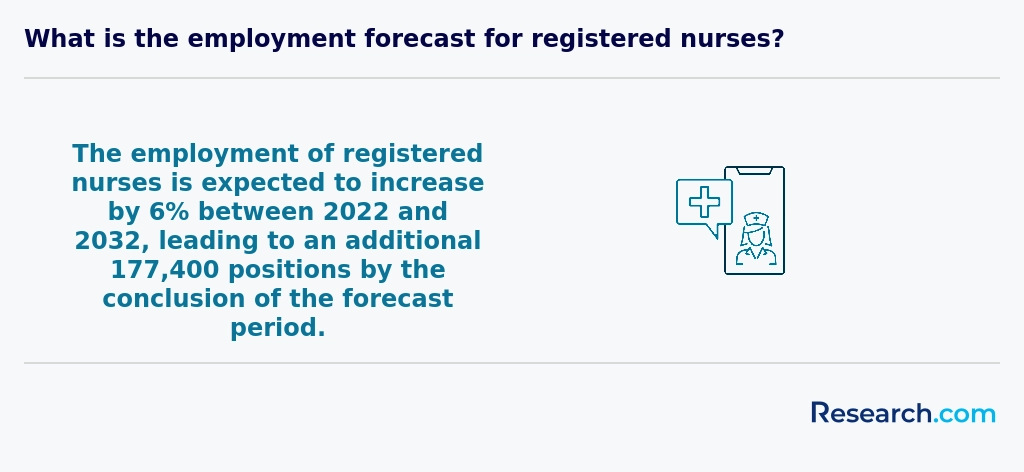
Ensuring your online doctorate in nursing holds recognized accreditation is essential for eligibility to practice in Missouri. All programs must be accredited by either the Commission on Collegiate Nursing Education (CCNE) or the Accreditation Commission for Education in Nursing (ACEN) to satisfy Missouri State Board of Nursing (MSBN) standards. Graduates from unaccredited institutions may face hurdles in obtaining APRN licensure or national certification. Missouri licensure for nurse practitioners requires: 1. A graduate degree from a CCNE- or ACEN-accredited doctoral program. 2. Completion of MSBN-approved clinical practicum hours under a qualified preceptor. 3. Submission of official transcripts, proof of accreditation, and a criminal background check. 4. Passing a national certification exam (e.g., AANP, ANCC) in your chosen specialty. After certification, you apply for APRN licensure via the MSBN portal, providing documentation of clinical hours and certification scores. Renewal cycles occur biennially, accompanied by continuing education requirements. Prospective students seeking an accelerated pathway into primary care may also consider our list of best 12 month fnp programs, which often meet both accreditation and MSBN criteria while minimizing time to practice. By selecting a fully accredited online doctorate program aligned with Missouri’s licensure prerequisites, you secure a clear, compliant pathway from enrollment through licensure and beyond-enabling you to confidently pursue advanced nursing roles with full state authorization.
Students pursuing online nursing degrees in Missouri can access multiple financial aid options that make education more affordable. Federal aid through the FAFSA is often the first step, unlocking grants like the Pell Grant, which offers up to $7,395 per year for undergraduates with financial need, and work-study opportunities. Many graduates from the University of Missouri recall how this support eased their financial burden during studies.
Missouri-specific programs provide additional relief. The Missouri Nursing Student Loan Program, for example, offers low-interest loans that can be forgiven if graduates work in underserved areas-a path taken by many Missouri State University alumni who felt rewarded both financially and professionally.
Institutional scholarships play a vital role too. Nursing students at schools like Maryville University have found merit-based scholarships that recognize academic excellence and dedication to healthcare.
Employed nurses often reduce costs through employer tuition reimbursement, enabling them to advance without financial strain. Contacting financial aid offices at your Missouri school is key to discovering the most up-to-date and personalized support options.
Graduates of online nursing doctorate programs in Missouri unlock a diverse array of high-impact roles that extend well beyond traditional clinical practice: Academic and Research Leadership Many DNP and PhD holders transition into tenure-track faculty positions or research scientist roles at universities and medical centers. Responsibilities often include designing and leading funded research studies, publishing peer-reviewed articles, and mentoring the next generation of nurses. Doctorate graduates with a passion for discovery may secure grants from agencies like the NIH or AHRQ, solidifying their status as thought leaders. Healthcare Executive and Policy Influencers With expertise in evidence-based practice and systems improvement, doctorate-prepared nurses are well positioned for executive roles-such as Chief Nursing Officer or Director of Clinical Operations-within hospitals, health systems, and government agencies. These leaders shape organizational strategy, quality metrics, and patient safety initiatives. Some alumni even draft state or federal nursing practice regulations, advocating for workforce development and public health. Advanced Clinical Specialists and Consultants DNPs often serve as Clinical Nurse Specialists (CNS) in specialized areas-such as informatics, oncology, or critical care-where they implement protocol changes that enhance patient outcomes. Others become independent consultants, partnering with healthcare organizations on process redesign, accreditation preparation, or interprofessional education. Global and Public Health Leadership Doctorate-level nurses can direct large-scale community health programs or assume leadership roles at international NGOs. Their skills in epidemiology, health promotion, and policy analysis enable them to design interventions for underserved populations and contribute to World Health Organization initiatives. Industry and Entrepreneurial Ventures Pharmaceutical companies, medical device manufacturers, and health tech startups seek doctorate-prepared nurses for clinical affairs, regulatory compliance, and product development roles. Some graduates launch their own consulting firms or digital health platforms, leveraging their clinical insights to drive innovation. For non-nurses considering an advanced practice trajectory, the best accelerated direct entry MSN programs for non-nursing majors can be an alternative pathway to leadership roles grounded in robust clinical and academic training.
To enroll in an online nursing degree program in Missouri, you must first meet key prerequisites that prepare you for success. For example, graduates from popular institutions like the University of Missouri or Missouri State University often recall starting with a solid foundation-holding a high school diploma or equivalent is essential for entry-level programs.
Advanced degrees, such as an MSN or DNP, require a current Missouri nursing license, demonstrating you're ready to advance professionally. Many students share that completing prerequisite courses-like anatomy, physiology, and microbiology-built their confidence to handle challenging content ahead.
Another practical step is meeting GPA requirements, usually around 2.5 to 3.0, ensuring you're academically prepared. Graduates often highlight how submitting strong letters of recommendation and a clear statement of purpose helped showcase their commitment during application.
Additionally, expect to provide immunization records for clinical placements, even when studying online, and ensure reliable internet access and digital literacy to navigate virtual learning smoothly. These ready strategies helped many embrace their nursing journey with enthusiasm and readiness.
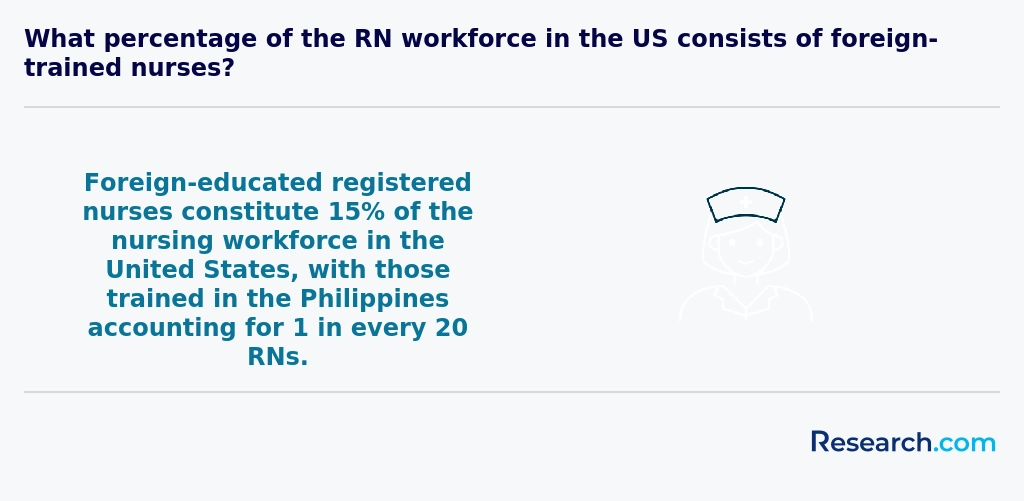
Choosing an accredited, state-authorized program is critical to sitting for the NCLEX and securing your Missouri nursing license.
Verify program quality by checking:
- Institutional accreditation by a U.S. Department of Education–recognized agency
- Programmatic accreditation from CCNE or ACEN
- Authorization to deliver online nursing education in Missouri
Confirm approval with the Missouri State Board of Nursing before you enroll. For additional options that balance quality with accessibility, explore nursing programs with high acceptance rates.
Online nursing degree programs in Missouri typically include foundational courses such as anatomy and physiology, microbiology, and chemistry, which build essential knowledge for understanding the human body and diseases. Students at universities like the University of Missouri often share how these core subjects laid a solid base for their clinical skills.
Alongside science classes, programs add practical courses like nursing fundamentals, health assessment, and pharmacology to prepare students for real patient care. Graduates from Missouri State University report that this combination helped them confidently transition from theory to hands-on nursing roles.
For those pursuing advanced degrees such as MSN or DNP, coursework expands to leadership, healthcare policy, and evidence-based practice. Students mention case studies and simulations tailored to Missouri's healthcare standards that sharpened their decision-making skills.
Specialty topics commonly include pediatric nursing, geriatric care, mental health nursing, community health, and nursing informatics. These courses enable students to focus on areas that inspire passion and meet regional healthcare needs.
Online nursing degree specializations Missouri programs commonly include Family Nurse Practitioner (FNP), Psychiatric-Mental Health Nurse Practitioner (PMHNP), Nursing Education, Adult-Gerontology Acute Care Nurse Practitioner (AGACNP), and Leadership and Administration. Graduates from well-known Missouri universities often share how specializing in FNP helped them confidently provide primary care across diverse communities, while those pursuing PMHNP found fulfilling roles addressing the growing mental health needs locally. Nurses focused on Nursing Education describe rewarding experiences training future nurses, especially within online tracks tailored to seamless remote learning.
Choosing a specialization like AGACNP prepares students for critical hospital settings, vital with Missouri's aging population, while Leadership tracks cultivate skills for managing healthcare teams effectively. These specializations align well with Missouri online nursing programs specialties and are designed to balance coursework with required clinical hours, often completed locally. Many find programs at Missouri colleges welcoming and flexible, allowing them to advance careers without relocation.
For those targeting advanced practice quickly, exploring a list of best 12 month fnp programs is a practical step toward accelerated certification and entry into high-demand roles.
When choosing the best online nursing degree in Missouri, prioritize programs accredited by CCNE or ACEN, as graduates often share how this eased their licensure process. Look for programs that align with Missouri State Board of Nursing requirements, ensuring coursework prepares you well for the NCLEX-RN exam, a key step to becoming a registered nurse. Many graduates from popular Missouri colleges appreciate that their online courses combined flexible schedules with necessary clinical placements arranged close to home, helping them balance studies with family or work.
Cost is a major consideration; affordable online nursing degrees Missouri offer comparable tuition to campus options, often with additional financial aid resources. Hearing from successful students, programs with high NCLEX pass rates-above the state average of 83%-reflect solid support and preparation. Also, strong faculty expertise and reliable online platforms enhance learning experiences, making study smooth and engaging. For those switching careers, exploring the best accelerated direct entry MSN programs for non-nursing majors adds a focused, time-efficient path to nursing.
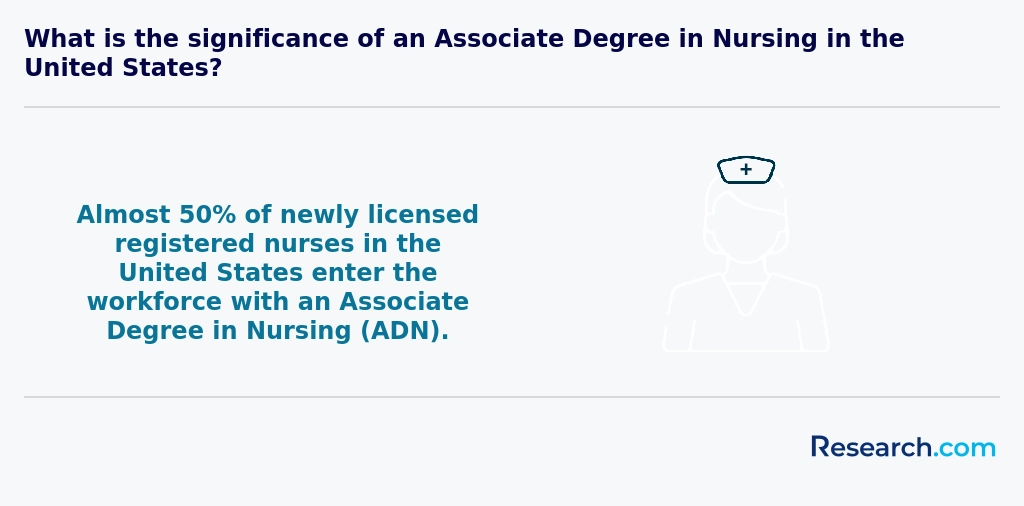
Graduates from online nursing programs in Missouri often pursue becoming Registered Nurses (RNs), a role that opens doors in hospitals, clinics, and public health agencies across the state. Passing the NCLEX-RN exam is essential to practice, and many students from universities like the University of Missouri report feeling empowered entering the workforce with strong support from their online programs. These online nursing career opportunities in Missouri also lead to advanced paths such as Nurse Practitioners, who enjoy higher salaries and greater autonomy. Online RN-to-NP tracks, commonly offered by schools like Missouri State University, allow nurses to specialize in areas like family practice or pediatric care while balancing work and studies.
Other rewarding careers include Clinical Nurse Specialists, Nurse Educators, and Nurse Administrators, where graduates often share how their online degrees provide the flexibility needed for personal growth and leadership roles. Public Health Nurses and Informatics Nurses address community health and healthcare technology, giving Missouri nurses a broad spectrum of choices. For cost-conscious students, exploring the Inexpensive Nursing Degree Programs Ranking in Arizona can provide valuable insights on affordable options to complement their Missouri nursing degree job prospects.
The job market for online nursing degree graduates in Missouri is robust, with demand steadily rising across hospitals, community health centers, and long-term care facilities. Missouri nursing career opportunities online degree holders enjoy often begin immediately after graduation, especially from well-known institutions where graduates report positive experiences balancing work and study. Hospitals in cities like St. Louis and Kansas City actively recruit BSN graduates due to a growing need driven by the state's aging population and expanded healthcare programs.
Many online nursing students from Missouri colleges emphasize the flexibility of their programs, which allows them to gain real-world experience alongside their studies. This adaptability positions graduates favorably in the job market. The Missouri Economic Research and Information Center projects a 13% growth in registered nurse jobs over the next decade, confirming that the online nursing degree job outlook Missouri remains healthy.
For those beginning their career path, exploring cost-effective programs, including top-ranked degrees and top 6 month associate online degree options, can provide a fast track into nursing roles in acute care and public health sectors.
2027 Fastest Online Doctorate in Nursing Degree Programs Ranking in Missouri
Investing in your education is a significant decision that can shape your future, and the Research.com team understands the importance of making informed choices. To assist prospective students in Missouri, we have meticulously crafted the "2027 Fastest Online Doctorate in Nursing Degree Programs Ranking in Missouri." Our commitment to quality, credibility, and accuracy is reflected in the extensive research and analysis conducted to compile this ranking.
We utilized the following reputable data sources to ensure a comprehensive evaluation of nursing programs:
By exploring this ranking, readers will gain valuable insights into the fastest online doctorate options in nursing available in Missouri, enabling them to make well-informed decisions about their educational journeys. For more details on how this ranking was created, please visit our Research.com methodology page.
# 1 position
Maryville University of Saint Louis
Doctor of Adult-Gerontology Primary Care Nurse Practitioner


# 3 position
Chamberlain University - St. Louis
Doctor of Nursing Practice



Frequently Asked Questions About nursing
Online nursing degree students in Missouri can maximize their learning experience by actively engaging with course materials and instructors. Utilizing virtual simulation tools, which many Missouri nursing programs offer, helps students practice clinical skills in a controlled environment. According to the Missouri State Board of Nursing, students should also seek out local clinical placements that align with their online coursework to gain hands-on experience required for licensure.
Building a network with peers and professionals through online forums and local nursing associations in Missouri enhances understanding and career opportunities. Time management is critical, as balancing work and study demands often challenges online learners.
Accessing Missouri-specific healthcare data and resources, such as those from the Missouri Hospital Association, further deepens insight into state healthcare trends affecting nursing practice.
The nursing profession in Missouri is evolving rapidly, with several emerging niches gaining attention. Chief among these is gerontological nursing, driven by the state's growing elderly population. The Missouri Department of Health projects a 15% increase in residents over 65 by 2030, creating demand for specialized care.
Another niche is telehealth nursing, which has expanded significantly due to the COVID-19 pandemic. Online nursing degrees in Missouri now often include telehealth training to prepare nurses for remote patient monitoring and virtual consultations.
Behavioral health nursing is also critical, with Missouri experiencing increased mental health service needs. Nurses focusing on this field work closely with patients managing chronic conditions and substance use disorders.
After completing an online nursing degree in Missouri, preparing for the job market involves several key steps. First, obtain Missouri nursing licensure by passing the NCLEX-RN exam, which is required for all registered nurses in the state. The Missouri State Board of Nursing oversees this process. Next, build practical experience through internships or clinical placements, even if the degree was earned online. Networking is crucial; joining local nursing associations such as the Missouri Nurses Association can provide valuable connections.
Missouri's healthcare sector is growing quickly, with a 15% projected increase in RN jobs through 2030, according to the Bureau of Labor Statistics. Staying updated with continuing education and specialty certifications can increase employability and earning potential in this competitive market.
Employers in Missouri seek nursing graduates who demonstrate strong clinical skills combined with effective communication and critical thinking abilities. According to the Missouri Center for Nursing, adaptability and cultural competence are increasingly important due to the state's diverse patient population. Technical proficiency with electronic health records (EHR) is also essential, as most healthcare facilities in Missouri utilize advanced digital systems.
Additionally, leadership skills and the capacity for evidence-based practice are highly valued, especially for nurses pursuing advanced or doctorate degrees. The Missouri Department of Health emphasizes that graduates who show empathy and teamwork often perform better in clinical environments.
Finding internships in Missouri relevant to a nursing degree involves several strategic steps. Start by researching healthcare facilities affiliated with Missouri nursing schools, as they often partner with clinical sites for student internships. Organizations such as Saint Louis University and the University of Missouri Health Care provide structured internship programs. The Missouri State Board of Nursing also offers resources and guidelines to ensure internships meet state requirements. Networking through local nursing associations like the Missouri Nurses Association can uncover hidden opportunities. According to the Missouri Economic Research and Information Center, healthcare is a leading employment sector, reinforcing the availability of internships in hospitals, clinics, and community health centers.
An online nursing degree in Missouri can significantly enhance career mobility and advancement by providing flexible access to accredited programs. Registered nurses (RNs) seeking to advance often pursue a Bachelor of Science in Nursing (BSN) or higher through online education. According to the Missouri Center for Nursing, nurses with a BSN earn approximately 15-20% more than those with an associate degree and have increased eligibility for leadership roles.
The Missouri Department of Labor projects a 12% growth in nursing jobs from 2022 to 2032, highlighting strong demand. Online degrees enable working nurses to gain advanced certifications, such as Nurse Practitioner, improving earning potential and job options across clinical and administrative settings.
These programs also help meet state licensure requirements and offer networking opportunities to connect with healthcare employers statewide. As a result, an online nursing degree is a practical pathway to career growth in Missouri's competitive healthcare market.
Online nursing degree programs in Missouri emphasize interdisciplinary preparation by integrating courses that connect nursing with fields like healthcare administration, public health, and social work. This approach equips students with communication and collaboration skills essential for team-based patient care.
Missouri's nursing education often includes case studies and simulations involving multiple healthcare professionals. According to the Missouri Center for Nursing, this builds critical thinking across diverse clinical settings, enabling nurses to effectively participate in complex care teams.
Programs also align with state healthcare initiatives, reflecting the growing need for nurses capable of addressing social determinants of health alongside medical treatment.
When choosing between a thesis and a non-thesis nursing degree program in Missouri, consider your career goals and time availability. A thesis option requires conducting original research and writing a detailed study, which is ideal if you aim for a career in academia or research.
Non-thesis programs emphasize advanced practice skills and often include a final project or comprehensive exam instead of a research thesis. This path is suitable for nurses focused on clinical leadership or direct patient care roles.
Missouri's nursing graduate programs, supported by the Missouri State Board of Nursing, often allow flexible online options balancing work and study.
According to the Missouri Economic Research and Information Center, Missouri's healthcare sector is growing, making clinical experience valuable for many roles.
Students based in Missouri seeking to study nursing abroad face distinct challenges due to licensing and accreditation requirements. The Missouri Board of Nursing mandates that nursing education programs meet specific state and national standards. Consequently, many students opt for online nursing degrees offered by accredited U.S. institutions that provide international clinical experience or partnerships rather than enrolling in foreign universities directly.
Online programs with global clinical options allow Missouri students to gain exposure to diverse healthcare systems while ensuring their education aligns with Missouri's licensure requirements. According to the Missouri Department of Higher Education & Workforce Development, over 80% of registered nurses in the state hold degrees from accredited U.S. programs, emphasizing the importance of recognized accreditation.
In summary, Missouri students interested in nursing abroad often choose hybrid online programs combining U.S. accreditation and international clinical placements to satisfy both educational and licensing criteria.
Part-time jobs in Missouri that complement nursing degree education often involve healthcare support roles. Many students find positions as certified nursing assistants (CNAs) or patient care technicians. These roles provide hands-on experience with patient care, reinforcing classroom learning. According to the Missouri Department of Labor, the demand for CNAs is projected to grow by 12% through 2030, reflecting ample job opportunities.
Other options include medical scribing or working as pharmacy technicians, both positions that offer exposure to clinical settings and medical terminology. Hospitals and long-term care facilities in Missouri, such as Saint Louis University Hospital and University Health, frequently hire part-time aides.
Engaging in these roles enables nursing students to develop communication skills, understand healthcare workflows, and network within the local medical community while managing study commitments effectively.
Online nursing students in Missouri have access to various networking opportunities crucial for career advancement. Many universities offering online nursing degrees organize virtual events, webinars, and discussion forums that connect students with faculty, alumni, and healthcare professionals.
Local nursing associations, such as the Missouri Nurses Association (MNA), also provide online networking platforms, conferences, and mentorship programs tailored to nursing students. These platforms facilitate contact with experienced nurses and potential employers across the state.
Clinical placements required for licensing often occur in Missouri healthcare facilities, offering additional in-person networking opportunities in hospitals and community health centers.
According to the Missouri Economic Research and Information Center, the demand for registered nurses in the state is expected to grow by 15% through 2030, emphasizing the value of strong professional connections.
Alumni networks offer valuable benefits to online nursing degree students in Missouri. These networks connect current students with graduates who are established in various healthcare settings across the state. Through this connection, students gain access to mentorship opportunities, career advice, and job referrals essential for entering Missouri's competitive nursing workforce.
According to the Missouri Nurses Association, strong professional connections increase employment chances by up to 30% for new nurses. Alumni can also share insights about local healthcare regulations and employer expectations, helping students prepare effectively.
Many online Missouri nursing programs maintain active alumni groups that host webinars, networking events, and community forums to support ongoing professional development and collaboration.
Customizing an online nursing degree in Missouri allows students to align education with specific career goals. Many Missouri schools offer concentrations such as nurse practitioner, nurse educator, or nurse administrator, letting students focus on specialties. Coursework can often be tailored through elective classes that reflect areas of interest or emerging healthcare needs.
Clinical practicum placements are another key customization option. Students can select sites that provide relevant hands-on experience in settings like hospitals, community health centers, or specialized clinics. This is important, as Missouri's nursing workforce demand is strong, with a 10% projected job growth from 2020 to 2030, according to the Missouri Economic Research and Information Center.
Also, some programs provide flexible pacing or hybrid formats, enabling working nurses to balance study and employment. This approach helps in lifelong learning while meeting licensure renewal requirements set by the Missouri Board of Nursing.
Online nursing students in Missouri often face challenges related to clinical placement. Since Missouri requires hands-on clinical hours for licensing, securing local and approved facilities can be difficult, especially in rural areas. According to the Missouri Center for Nursing, this limits options and may delay program completion.
Technical issues also impact students, as reliable internet access is essential for virtual lectures and assignments. The Missouri Broadband Task Force reports that about 15% of the state's population still lacks high-speed internet, affecting online learners.
Balancing work, family, and studies presents another challenge. Many students in Missouri pursue nursing degrees while working full-time, making time management critical.
Lastly, navigating state-specific licensure requirements demands careful attention to avoid delays in career progression.
With an online nursing degree in Missouri, graduates can pursue various professional certifications to advance their careers. Popular certifications include the Certified Nursing Assistant (CNA), Licensed Practical Nurse (LPN), and Registered Nurse (RN), each requiring passing state-specific licensing exams overseen by the Missouri State Board of Nursing.
Advanced practice nurses often seek certifications such as Nurse Practitioner (NP), Clinical Nurse Specialist (CNS), or Nurse Anesthetist (CRNA). These certifications require additional education and national certification exams through bodies like the American Nurses Credentialing Center.
According to Missouri's Department of Higher Education, these certifications can increase job opportunities and potentially improve salary outcomes for nursing professionals statewide.
Applying to an online nursing program in Missouri requires careful preparation to stand out. Begin by ensuring your academic records meet the program's requirements, typically including a minimum GPA of 3.0. Highlight any clinical experience or certifications, such as CNA or LPN licenses, which demonstrate commitment to the field.
Strong letters of recommendation from nursing supervisors or professors are valuable, reflecting your skills and professionalism. Write a clear, focused personal statement explaining your goals and why a Missouri online nursing degree aligns with your career plans. Missouri's healthcare demand is rising, with the Department of Health reporting a 12% nurse shortage projected by 2030, so emphasize how you will contribute locally.
Lastly, prepare for any requisite entrance exams like the TEAS, as many programs use scores to evaluate applicants fairly.
The global perspective on a nursing career highlights its importance as a vital part of healthcare systems worldwide. Nursing offers diverse opportunities beyond traditional care roles, with growing demand due to aging populations and chronic diseases. In the United States, including Missouri, the nursing workforce is expected to grow 7% from 2021 to 2031, aligning with national trends identified by the U.S. Bureau of Labor Statistics.
Missouri, home to numerous healthcare facilities, reflects this growth with expanding online nursing degree programs that accommodate working professionals. Globally, nurses are seen as crucial to improving public health outcomes and advancing medical research.
Internationally, nurses often face different licensing and educational standards. However, many countries recognize U.S. nursing qualifications, which enhances mobility and career development for Missouri-trained nurses seeking global opportunities.
Gaining practical experience is essential when pursuing an online nursing degree in Missouri. Most accredited programs require clinical hours, which students typically complete at local healthcare facilities. Missouri's extensive hospital network offers diverse settings for hands-on training, including urban centers like St. Louis and Kansas City.
Students can arrange clinical placements through their schools' partnerships with hospitals, clinics, or long-term care centers. The Missouri State Board of Nursing mandates supervised clinical practice as part of licensure preparation.
Additionally, some programs encourage internships or externships to supplement clinical hours. This experience is crucial to meet both state requirements and the demands of a competitive nursing job market.
Choosing the right concentration within an online nursing degree program in Missouri requires understanding your career goals and the state's healthcare needs. Missouri has a growing demand for specialized nurses, especially in gerontology, psychiatry, and family health, according to the Missouri Center for Nursing.
Consider concentrations aligned with licensure and certification opportunities relevant in Missouri. For example, family nurse practitioner and psychiatric mental health nurse practitioner roles offer strong job prospects and competitive salaries.
Review program curriculum carefully to ensure it covers Missouri's scope of practice regulations. Also, check if the program provides clinical placement support within the state, which is crucial for hands-on experience and licensure eligibility.
Finally, explore faculty expertise and networking opportunities to support your professional development in Missouri's healthcare environment.
- 2027 Fastest Online Doctorate in Nursing Degree Programs Ranking in Kansas
- 2027 Fastest Online Doctorate in Nursing Degree Programs Ranking in Illinois
- 2027 Fastest Online Doctorate in Nursing Degree Programs Ranking in Kentucky
- 2027 Fastest Online Doctorate in Nursing Degree Programs Ranking in Tennessee
- 2027 Fastest Online Doctorate in Nursing Degree Programs Ranking in Indiana
- 2027 Fastest Online Doctorate in Nursing Degree Programs Ranking in Colorado
- 2027 Fastest Online Doctorate in Nursing Degree Programs Ranking in Louisiana
- 2027 Fastest Online Doctorate in Nursing Degree Programs Ranking in Ohio
- 2027 Fastest Online Doctorate in Nursing Degree Programs Ranking in Michigan
- 2027 Fastest Online Doctorate in Nursing Degree Programs Ranking in Georgia
See What Experts Have To Say About Studying Nursing
Read our interview with Nursing experts

Lisa Grubb
Nursing Expert
Assistant Professor
Johns Hopkins School of Nursing

- Your Questions About Online Nursing School, Answered https://www.allnursingschools.com/how-to-get-into-nursing-school/online-programs/
- What Nursing Concentration Is Right for Me? | Maryville Nursing https://nursing.maryville.edu/blog/what-nursing-concentration-is-right-for-me
- Online Programs https://sonhs.umkc.edu/online-programs.html
- Scholarships - missourihealthcareers.com https://missourihealthcareers.com/scholarships/
- Top Nursing Skills U.S. Employers Want to See on Your Resume | O'Grady Peyton https://www.ogradypeyton.com/blog/job-seeker-resources/top-nursing-skills-u.s.-employers-want-to-see-on-your-resume
- Do I Have to Write a Thesis to Complete a Master’s Degree in Nursing? https://www.bestmasterofscienceinnursing.com/faq/write-thesis-complete-masters-degree-nursing/
- Client Challenge https://www.springerpflege.de/nursing-graduates-perceived-future-career-pathway-and-career-shi/50653658
- Essential Tips for Nursing Students to Advance Their Careers https://almanaltraining.com/essential-tips-for-nursing-students-to-advance-their-careers/
- What Are the Best RN Certifications for Your Career? https://credenzahealth.com/career-advice/what-are-the-best-rn-certifications-for-your-career
- Nursing - RN-BS Nursing Option, BS https://www.ucmo.edu/academics/programs/majors/chst/nursing/rn-to-bsn-programs/


