
2027 Most Affordable Nursing Degree Programs Ranking in Akron

Co-Founder and Chief Data Scientist
Choosing the right nursing degree program in Akron can be challenging, especially when budget matters. This article introduces the 2027 Most Affordable Nursing Degree Programs Ranking in Akron, carefully developed by the Research.com team of data scientists to support students in making informed decisions.
Discover affordable options that balance quality education and cost so you can confidently pursue a rewarding nursing career. Whether you're starting fresh or advancing your skills, this ranking helps you find programs worth considering for your future.
Investing in a nursing degree is a positive step toward a meaningful and stable profession.
Key benefits of getting nursing degree in Akron
- Salary for nursing degree graduates: Graduates can earn a mean annual wage of $94,480 in roles like Registered Nurse or Public Health Nurse, with Operating Room Nurses earning up to $128,490 annually, making nursing a financially rewarding career in Akron.
- Potential career paths: Nursing graduates from Akron universities often find fulfilling careers in diverse settings such as hospitals, community health, and education, offering strong job stability and personal growth.
- Benefits of an online nursing degree: Online nursing programs in Akron provide flexible schedules and the ability to balance work and study, ideal for those seeking convenience without compromising educational quality.
- 2027 Most Affordable Nursing Degree Programs Ranking in Akron
- What can I expect from nursing degree in Akron?
- Where can I work with nursing degree in Akron?
What can I expect from nursing degree in Akron?
Nursing students in Akron generally find the cost of their degrees to be more manageable compared to larger cities. Programs at the University of Akron and Cuyahoga Community College's regional campuses offer tuition rates frequently described by graduates as "affordable" and "worth the investment," especially considering the quality of clinical experiences they receive. For example, one graduate noted how the lower cost allowed them to focus more on hands-on training at Summa Health without the pressure of excessive student debt.
While affordability is a common highlight, costs can still vary based on the program type-Associate Degree in Nursing (ADN) programs usually require less tuition than Bachelor of Science in Nursing (BSN) paths. Scholarships and financial aid, often connected to local healthcare providers or Ohio foundations, further alleviate expenses. However, students should anticipate additional fees for clinical supplies, uniforms, and licensure preparation, which can add up.
Overall, the regional focus on cost-effective education paired with robust clinical opportunities creates an environment where many nursing students in Akron feel financially supported as they prepare for their careers.
Where can I work with nursing degree in Akron?
Graduates with a nursing degree in Akron often find diverse job opportunities across hospitals, clinics, and community settings. Many secure roles at Cleveland Clinic Akron General, where nurses work in fast-paced environments like emergency care or cardiology, gaining hands-on experience that builds confidence and expertise. Those from nursing programs at institutions such as the University of Akron often share how their clinical rotations prepared them for real-world challenges, making the transition smoother.
Others pursue positions at Akron Children's Hospital, specializing in pediatric nursing, which many graduates describe as emotionally rewarding due to the close patient interactions. Community health roles also attract some, allowing nurses to lead wellness programs and work on chronic disease management-offering a meaningful way to impact public health outside hospital walls.
Long-term care and administrative positions appeal to graduates valuing stability and leadership, often found in places like the Akron VAMC or educational roles within local colleges. This variety reflects how nursing degrees in Akron open multiple career paths tailored to different skills and passions.
Graduates with a nursing degree in Akron can expect varied earnings depending on their specialization and experience. Registered Nurses (RNs) typically earn a mean annual wage of around $94,480, closely matching figures for related roles like Clinical Nurse Educators and Public Health Nurses. These salaries offer graduates from institutions such as the University of Akron or Kent State University a promising start in the local healthcare market.
Those who focus on high-demand specialties may see higher compensation. For instance, Emergency Room Nurses in Akron also average about $94,480 annually, while Operating Room Nurses can command significantly more, with a mean wage of $128,490. These figures highlight how choice of role and further qualifications can impact income considerably.
Graduates often share the excitement of applying their skills in fast-paced hospital settings or community health positions around Akron. The competitive salaries reflect the region's healthcare needs and the value placed on well-prepared nursing professionals. Still, it's important to weigh education costs against these earnings and consider that experience and advanced certifications typically lead to higher pay.
- Nursing degrees in Akron include associate, bachelor's, and advanced practice programs offered by the University of Akron and community colleges.
- BSN tuition at public universities costs around $8,000 to $12,000 per year for in-state students, while associate degree programs typically range from $4,000 to $7,000 annually.
- Starting salaries for nurses in Akron average between $55,000 and $60,000, with mid-career nurses earning $75,000 to $80,000, and advanced roles exceeding $90,000.
- The local nursing job market is growing at about 10% through the late 2020s, driven by a high demand for healthcare professionals in the area.
- Nurses must pass the NCLEX-RN exam to get licensed in Ohio, and schools in Akron prepare students specifically for this examination.
- Many nursing programs provide support for job placement and continuing education after graduation.
Completing a nursing degree in Akron varies widely depending on the program chosen and study format. Graduates from community colleges like Cuyahoga Community College often report that earning an Associate Degree in Nursing (ADN) takes about two years of full-time study. These programs blend hands-on clinical experience with classroom learning, which many students find both challenging and rewarding as it prepares them well for state licensing exams.
Those pursuing a Bachelor of Science in Nursing (BSN) at institutions such as the University of Akron describe a commitment of roughly four years for traditional full-time study. However, accelerated BSN options exist for students already holding a degree, which alumni praise for allowing them to finish in as little as 12 to 18 months while maintaining a strong sense of community and support.
Many nursing students appreciate part-time study options offered locally, which extend completion to two or three years but provide flexibility to balance work and family life. This adaptability resonates deeply with those managing external responsibilities while advancing their careers.
Understanding program outcomes is essential for evaluating the quality and effectiveness of nursing degree programs in Akron, OH. Two key metrics-graduation rates and NCLEX-RN pass rates-offer transparent insights into how well a program prepares students for professional practice. Graduation Rates • University of Akron BSN program reports an average graduation rate of 78%, reflecting strong student support and academic rigor. • Kent State University at Stark’s ADN pathway achieves a 72% completion rate within 24 months, thanks to structured curricula and proactive advising. • Akron Institute of Herzing University sees a 65% graduation rate for its accelerated nursing track, boosted by flexible scheduling and targeted tutoring. NCLEX-RN Pass Rates • University of Akron boasts an NCLEX-RN first-time pass rate of 92%, above the national average of 88%. • Kent State University at Stark reports an 89% pass rate for ADN graduates, highlighting effective exam preparation through simulation labs and review workshops. • Akron Institute of Herzing University students achieve an 85% pass rate, aided by personalized coaching and small cohort sizes. Alternative Pathway: LVN-to-RN Bridge For those exploring a quicker route into nursing, Licensed Vocational Nurse (LVN) programs can provide foundational clinical skills and licensure. Prospective students may also consider low cost online lvn programs as a cost-effective way to begin their healthcare career before transitioning to an RN degree. By comparing graduation and NCLEX-RN pass rates across institutions, you can identify programs that consistently deliver strong outcomes-ensuring you invest in a nursing education that aligns with your professional goals.
Online and on-campus nursing degrees in Akron differ mainly in delivery and experience, though both eventually qualify students for nursing licensure in Ohio. For example, graduates from on-campus programs at local institutions appreciate the hands-on access to labs and simulation centers, which offer immediate feedback and face-to-face collaboration. This setting suits those who thrive in structured environments and value direct engagement with instructors and peers.
Conversely, students from online programs at Akron-area schools often highlight the flexibility to balance work, family, and study. They complete most coursework remotely but still fulfill required clinical hours locally, integrating their learning with real-world healthcare settings near home. This approach appeals especially to adults managing multiple responsibilities, although it demands strong self-discipline and reliable internet access.
Cost considerations also shape experiences. While tuition rates are comparable, online students frequently report savings on commuting and housing, which can ease financial pressure. Each pathway has unique benefits, and graduates often reflect positively on how their chosen format matched their lifestyle and learning preferences in Akron's nursing education landscape.
One of the most critical indicators of a nursing program’s quality is its NCLEX-RN pass rate, which reflects how well students are prepared for professional licensure. In Akron, OH, leading institutions consistently report pass rates above the national average of 85%. For example, the University of Akron’s traditional BSN program achieved a 92% first-time NCLEX pass rate in 2023, while Kent State University at Stark reported an impressive 95% pass rate. These figures demonstrate strong academic rigor and effective clinical preparation. Beyond licensure, graduate outcomes such as job placement and retention highlight program effectiveness. Recent data show that 88% of Akron nursing graduates secure employment within six months of graduation, with many receiving full-time offers during clinical rotations at Summa Health or Akron General Medical Center. Surveys also indicate high job satisfaction, with 91% of alumni reporting that their Akron education adequately equipped them for real-world nursing challenges. Continuing education is another pathway for professional advancement. Graduates keen on leadership, research, or advanced practice roles should explore doctoral-level options. For those interested in affordable, regionally focused doctoral programs, compare our Most Affordable Online Doctorate in Nursing Degree Programs Ranking in the South. These rankings help prospective students evaluate cost, accreditation, and curriculum alignment with career goals. Understanding NCLEX pass rates alongside employment statistics empowers students to choose programs that not only meet financial and academic needs but also maximize long-term career success in nursing.
The average cost of a nursing degree in Akron varies based on the type of program and institution chosen. Data shows that the median total cost for completing a nursing degree here is approximately $33,919, with in-state students typically paying around $13,135. For many, attending the University of Akron offers a balanced option, where in-state tuition for a BSN program is about $11,000 annually. Graduates often comment on the value of affordable education combined with quality clinical experiences at local healthcare facilities, which enriches their learning beyond the classroom.
Community colleges near Akron, like Cuyahoga Community College and Stark State College, provide popular associate degree programs with significantly lower tuition rates, often between $4,000 and $6,000 yearly for in-district residents. These programs attract students eager to start their nursing careers efficiently. However, some graduates share their thoughts on how ADN programs can limit certain career pathways compared to BSN degrees, creating important considerations when estimating the full financial and professional impact of the average cost of nursing degree in Akron.
Students must also budget for additional expenses such as textbooks, uniforms, and clinical fees, which may add $1,500 to $3,000 each year. Private nursing schools in the area can exceed $20,000 annually, which some find challenging but justify due to specialized resources. If you are exploring options broadly, researching scholarship opportunities or visiting nursing colleges riverside accreditation sites can provide insight into competitive programs and financial aid possibilities.
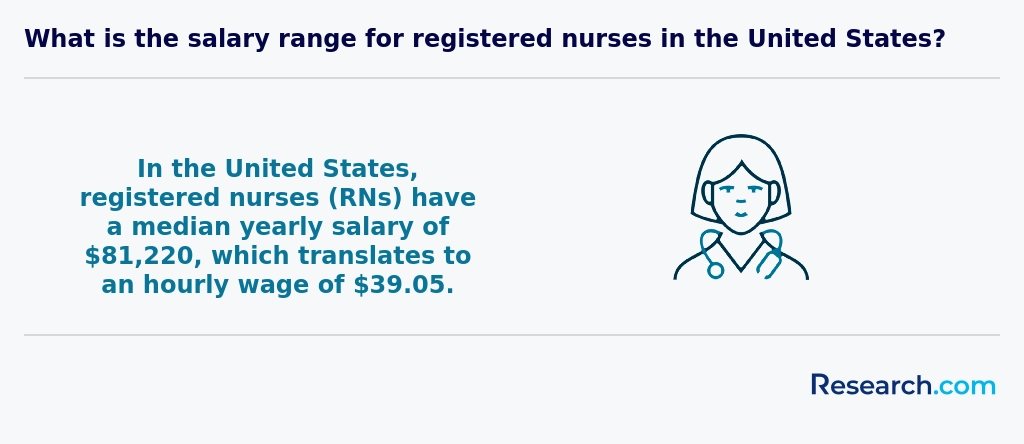
After earning your nursing degree in Akron, OH, you must pass state licensure to begin practice. Follow these key steps:
- Complete an accredited nursing program and request official transcripts.
- Apply for licensure with the Ohio Board of Nursing, including background check and fees.
- Register for the NCLEX-RN through Pearson VUE and schedule your exam.
- Prepare with targeted review courses, practice questions, and study groups.
- Sit for the NCLEX-RN, typically a 6-hour computer-adaptive test assessing core nursing competencies.
- Receive results (usually within 48 hours) and, upon passing, activate your Ohio RN license.
Consistency in study habits and using reputable prep materials can boost your pass rate. For a broader perspective on program quality and NCLEX success, compare with best nursing schools in florida.
Nursing students in Akron benefit from numerous financial aid options that can substantially ease the burden of tuition costs. Federal aid, including Pell Grants and subsidized loans, often forms the backbone of support for many. For example, graduates from the University of Akron recall relying on Pell Grants, which provide up to $7,395 annually, to manage basic living expenses alongside tuition.
Local scholarships, such as those offered by the Ohio Nurses Foundation, are particularly appealing to students willing to serve underserved Ohio communities. Kent State University nursing graduates frequently mention how these scholarships made it possible to focus on studies without juggling multiple jobs.
State programs like NEALP and NEASP also offer forgivable loans and scholarships, rewarding graduates who commit to working in Ohio's healthcare system. Many find this appealing but weigh the potential career limitations it might impose.
Employer tuition reimbursement at Akron-area hospitals offers another path for working students, allowing them to balance income and education. Student aid offices at local colleges play a crucial role in navigating FAFSA and uncovering less-known funding, emphasizing the importance of early and proactive financial planning.
Ensuring your nursing education meets rigorous standards starts with accreditation. All leading nursing programs in Akron, OH-such as the University of Akron, Kent State University at Stark, and Herzing University-are accredited by the Commission on Collegiate Nursing Education (CCNE) or the Accreditation Commission for Education in Nursing (ACEN) and approved by the Ohio Board of Nursing. This approval guarantees graduates are eligible to sit for the NCLEX-RN or NCLEX-PN licensure exams. In 2023, the University of Akron reported an impressive NCLEX-RN first-time pass rate of 92%, while Kent State University at Stark achieved 89%, both well above the Ohio state average of 87%. Herzing University’s accelerated BSN track reached an 85% pass rate, reflecting strong clinical preparation and faculty support. Program outcomes also hinge on ongoing faculty mentorship, simulation-lab experiences, and targeted NCLEX review sessions. Prospective students interested in a more entry-level pathway can explore specialized lpn programs ohio that prepare for the NCLEX-PN exam in as little as 12 months. By choosing an accredited program with proven NCLEX success, you’ll not only meet licensure requirements but also gain the confidence and competence demanded by today’s healthcare employers.
Enrolling in a nursing degree program in Akron commonly requires a high school diploma or GED, which lays the groundwork for academic success. Graduates from universities like the University of Akron often recall that strong preparation in biology, chemistry, and math was vital for grasping complex subjects like anatomy and pharmacology early on.
Many students find that meeting a minimum GPA-typically between 2.5 and 3.0-ensures they are academically ready to handle rigorous coursework. Some programs also ask for standardized test scores such as the TEAS, which can feel daunting but ultimately serve as a useful benchmark. Those who scored competitively often express relief and confidence entering their courses, knowing they met clear academic expectations.
Beyond classroom requirements, practical steps like completing background checks and immunizations are essential for clinical placements, enabling students to safely engage with patients. Many Akron nursing students appreciate that this attention to safety supports both their education and professional integrity.
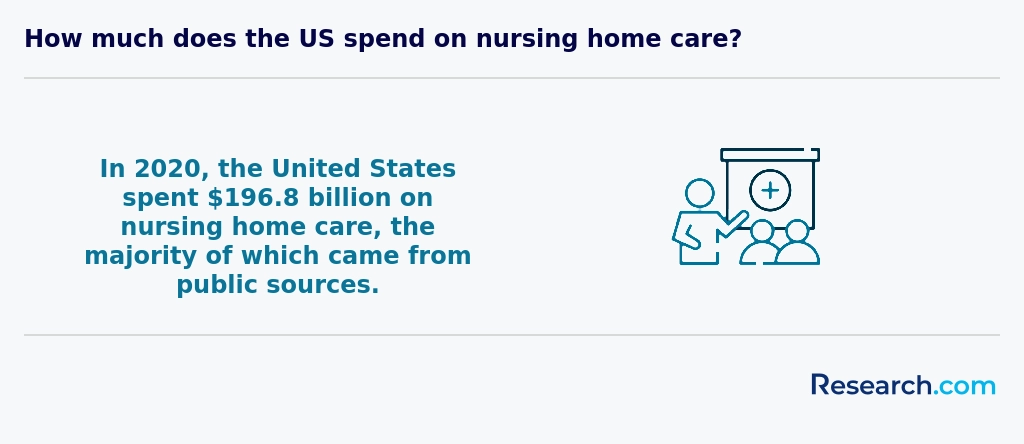
When planning to pursue a nursing degree in Akron, OH, one crucial aspect to consider is the financial implications of such a decision. Prospective students should research thoroughly to understand the costs associated with nursing programs, including tuition, fees, and living expenses. For those looking for affordable options, identifying the cheapest nursing school in ohio can be a significant step in budgeting for their education. By exploring financial aid options, scholarships, and part-time job opportunities, students can better manage their expenses and focus on their studies. Additionally, considering the potential return on investment, including salary expectations and job security, can help students make informed decisions about their educational and career paths. Effective budgeting and financial planning are essential for nursing students to navigate their educational journey with confidence and minimal financial stress.
Nursing degrees in Akron typically include a diverse mix of science and practical courses designed to prepare students for real-world challenges. Graduates from institutions like the University of Akron and Cuyahoga Community College often recall how foundational classes such as Human Anatomy and Physiology gave them a clear understanding of the body's functions-knowledge they found invaluable during clinical rotations.
Microbiology and Pharmacology courses stand out as crucial, offering insights into infection control and medication management that students repeatedly describe as eye-opening experiences. The hands-on nature of Medical-Surgical Nursing and Pediatrics classes allows students to practice skills in clinical settings, helping them build confidence in patient care before graduation.
Aside from technical lessons, many students appreciate classes on Ethics in Nursing and Patient Communication, which highlight the nuances of dealing with diverse patients and complex healthcare systems in Ohio's communities. This blend of coursework, grounded in both science and empathy, reflects the comprehensive approach Akron nursing programs are known for, according to multiple alumni reflections.
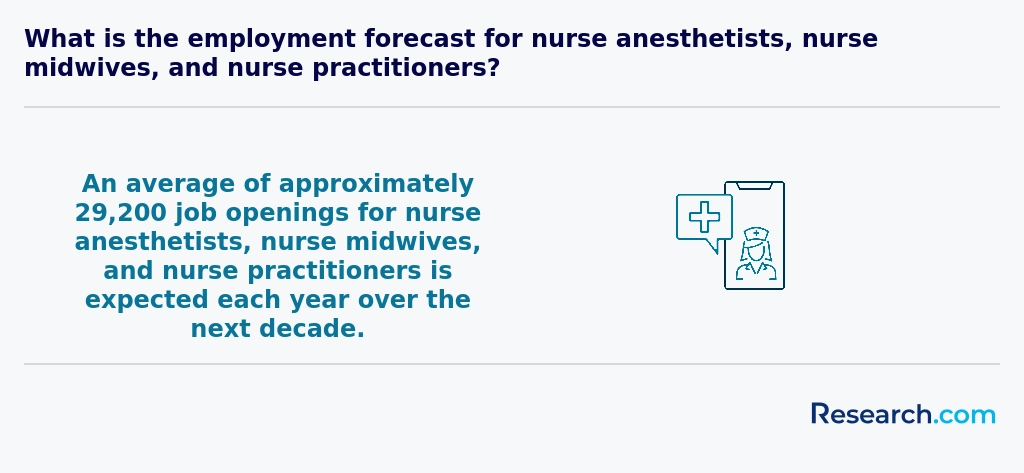
Nursing degree specializations in Akron commonly include Registered Nurse (RN) to Bachelor of Science in Nursing (BSN) pathways, which graduates often praise for strengthening their leadership skills in clinical settings. Adult-Gerontology Nursing is another prevalent option, reflecting Ohio's aging population-students describe rewarding experiences focusing on elder care at institutions like Summa Health System. Mental Health and Psychiatric Nursing responds to increasing demand, with many graduates valuing the opportunity to address pressing community needs. Pediatric Nursing prepares students for care in settings such as Akron Children's Hospital, where hands-on clinical experiences spark strong emotional connections with young patients.
Akron nursing program specialization options also extend to Critical Care and Emergency Nursing, training students for intense, fast-paced environments. Some graduates mention that exploring Community Health Nursing or Nursing Informatics often requires graduate studies or continuing education, suggesting a need for careful planning. Students interested in advanced practice might explore nurse practitioner degrees colorado universities to compare broader specialization options. Overall, the range of specializations aligns with regional demands, offering both practical exposure and manageable tuition costs.
Choosing the best nursing degree in Akron requires weighing multiple factors without jumping to conclusions. Graduates from well-known Akron colleges often emphasize the importance of accreditation, noting that programs approved by CCNE or ACEN improve licensure exam eligibility. However, while some favor the prestige of a Bachelor of Science in Nursing, others highlight how an Associate Degree in Nursing offers a quicker route to becoming a registered nurse, especially for those balancing work and family.
Cost naturally plays a role. Affordable nursing degrees Akron 2027 options typically come from community colleges or public universities, where tuition aligns closer to $8,000-$12,000 per year, unlike pricier private schools. Graduates often recommend scrutinizing financial aid offers and hidden expenses such as uniforms or clinical fees to avoid surprises. Considering local clinical placements is crucial too, since hands-on experience at Akron's hospitals can make a real difference in confidence and competence.
One graduate shared how exploring program options and passing rates online made a visible difference in their decision, along with advice from alumni. For a complete perspective on nursing degree qualifications, it's helpful to visit the nursing degree qualifications page, which offers detailed guidance tailored for Akron students.

Graduates holding a nursing degree in Akron find a variety of nursing career opportunities in Akron that reflect the city's vibrant healthcare landscape. Many embark on traditional paths as registered nurses, gaining hands-on experience in hospitals and outpatient centers. Such roles involve direct patient care and collaboration with medical teams, offering both professional growth and personal fulfillment. Alumni from Akron's popular universities often describe their clinical rotations at local facilities like Cleveland Clinic Akron General as both challenging and rewarding, deepening their connection to the community they serve.
For those interested in specialization, career prospects expand to include nurse practitioners, clinical nurse specialists, or nurse anesthetists. These roles offer advanced responsibilities and compensation, typically requiring further certification or graduate study. Students aiming for such paths might explore details on nurse practitioner degrees washington thesis requirements to understand broader academic options.
Other alternatives include pediatrics, geriatric, or psychiatric nursing, reflecting the diverse healthcare needs within Akron. Public health nursing and educational roles also emerge as meaningful ways to impact community wellness and shape future nurses. These options demonstrate the broad scope of Akron nursing degree job prospects and highlight the city's commitment to nurturing skilled professionals across multiple specializations.

The nursing job outlook in Akron is encouraging for graduates, driven by a growing demand from local healthcare systems such as Summa Health System and Akron Children's Hospital. Many graduates from popular nursing programs at universities and colleges around Akron report feeling optimistic about entering a workforce that values their skills in diverse settings-from hospitals to outpatient care centers. These institutions offer a variety of nursing roles, creating multiple pathways for employment soon after graduation.
Salary levels for nursing graduates in Akron hover around $72,000 annually, which is competitive compared to both state and national averages. This financial aspect adds to the appeal of pursuing a nursing degree here, especially given the relatively affordable tuition at Akron institutions. For students weighing options, this balance of cost and opportunity forms a compelling case.
Those considering nursing in Akron should also explore how the nursing degree job outlook reflects ongoing regional investments and a supportive healthcare community. Graduates often share how these factors combine to create a professional environment where they feel both challenged and rewarded.
Akron nursing employment opportunities continue to grow with an aging population and expanding care facilities, supporting long-term job stability and career advancement for new nurses.
2027 Most Affordable Nursing Degree Programs Ranking in Akron
Investing in your education is a significant decision that can impact your future, and the Research.com team recognizes the importance of making well-informed choices. To support prospective nursing students in Akron, we have carefully developed the "2027 Most Affordable Nursing Degree Programs Ranking in Akron." Our dedication to quality, credibility, and accuracy is evident through the rigorous research and thorough analysis involved in compiling this ranking.
We utilized the following reputable data sources to ensure a comprehensive evaluation of nursing programs:
By reviewing this ranking, readers will gain valuable insights into affordable nursing degree options, empowering them to make confident educational decisions. For additional information on how this ranking was created, please visit our Research.com methodology page.

Frequently Asked Questions About nursing
Nursing degree students in Akron can maximize their learning experience by actively engaging in clinical placements offered through local healthcare facilities such as Summa Health and Akron Children's Hospital. These hands-on opportunities are vital for applying theoretical knowledge in real-world settings. According to the Ohio Board of Nursing, students who participate in diverse clinical experiences tend to perform better on licensure exams like the NCLEX-RN.
Additionally, Akron offers access to reputable nursing programs at institutions like the University of Akron, where students benefit from smaller class sizes and personalized faculty support. Joining study groups and utilizing campus resources, including simulation labs, enhances skill development and critical thinking.
Staying updated with state nursing standards and seeking mentorship from experienced nurses in Akron can also improve professional readiness. Students should leverage local workshops and continuing education options to maintain a competitive edge in Ohio's evolving healthcare market.
The nursing field in Akron is evolving rapidly, with several emerging niches gaining prominence. One fast-growing area is gerontological nursing, reflecting Ohio's aging population. According to the Ohio Department of Aging, by 2030, nearly one in four residents will be over 60, increasing demand for nurses specialized in elderly care.
Another expanding niche is psychiatric-mental health nursing, driven by a rising awareness of mental health issues. Akron's healthcare providers report a growing need for nurses trained in behavioral health.
Additionally, informatics nursing is emerging as technology advances in healthcare systems. Nurses who can manage electronic health records and data analytics play a vital role in improving patient outcomes.
These specialized areas offer new opportunities for nursing students in Akron aiming to address local healthcare challenges.
After completing a nursing degree in Akron, preparing for the job market involves several important steps. First, graduates should obtain their registered nurse (RN) license by passing the NCLEX-RN exam, which is mandatory in Ohio. According to the Ohio Board of Nursing, the state had a 78% pass rate for first-time test takers in recent years.
Networking locally is vital; Akron has diverse healthcare employers such as Summa Health and Akron Children's Hospital. Attending career fairs and joining nursing associations like the Ohio Nurses Association can enhance job prospects.
Additionally, gaining clinical experience through internships or volunteer work increases employability. The Bureau of Labor Statistics reports a steady growth rate of 9% for registered nurse jobs in Ohio through 2030, emphasizing strong demand in the region.
Employers in Akron highly value nursing graduates who demonstrate strong clinical skills and critical thinking abilities. According to the Ohio Board of Nursing, practical skills such as patient assessment, medication administration, and wound care are essential for new nurses entering the workforce.
Communication skills also rank prominently. Nurses must effectively interact with patients, families, and medical teams, as Akron healthcare facilities emphasize teamwork and compassionate care. A 2023 survey by the Akron Regional Healthcare Partnership reported that 78% of employers prioritize interpersonal skills alongside clinical competence.
Additionally, proficiency with electronic health records and adaptability to evolving healthcare technologies is increasingly important in the region's modern medical settings.
Finding nursing internships in Akron involves leveraging local healthcare facilities and educational resources. Akron has several hospitals, including Akron General Medical Center and Summa Health System, which frequently offer clinical internships for nursing students. Connecting with a nursing program's career services can also provide tailored internship opportunities, as many schools have partnerships with local providers.
Students should visit the Ohio Board of Nursing website to understand state requirements for clinical experience and licensure. Additionally, joining professional organizations like the Ohio Nurses Association can provide networking opportunities and alerts on internships.
According to the Bureau of Labor Statistics, healthcare employment in Akron is growing, increasing internship availability.
In Akron, obtaining a nursing degree significantly enhances career mobility and advancement opportunities within the healthcare sector. The city hosts several hospitals and healthcare facilities that actively seek qualified registered nurses and advanced practice nurses. According to the Ohio Department of Job and Family Services, registered nursing is among the top-growing occupations in the region, projecting a 14% increase by 2030.
Holding an associate or bachelor's degree in nursing often leads to higher starting salaries and eligibility for leadership roles, such as nurse managers or clinical coordinators. Many employers in Akron also prefer candidates with BSN degrees for specialized positions and career growth.
The Cleveland Clinic Akron General, a major employer in the area, emphasizes degrees and certifications in hiring practices, rewarding nurses who pursue continued education through promotions and pay raises. Local educational institutions collaborate with healthcare providers to facilitate practical experience and networking, further supporting career development for degree holders.
Studying for a nursing degree in Akron offers students targeted preparation for interdisciplinary roles within healthcare teams. Local institutions emphasize collaborative learning environments where nursing students interact with peers from fields such as social work, physical therapy, and health administration. This approach reflects industry trends, as the U.S. Bureau of Labor Statistics projects a 9% growth in registered nursing jobs by 2031, often requiring coordination across specialties.
Akron's nursing programs incorporate clinical rotations in diverse settings including hospitals like Akron General and community health centers. These experiences foster communication and teamwork skills essential for working alongside physicians, pharmacists, and other professionals.
According to the Ohio Board of Nursing, graduates from Akron-based programs consistently exceed the national average NCLEX pass rates, indicating strong foundational training that supports interdisciplinary competencies.
When choosing between a thesis and a non-thesis nursing degree program in Akron, consider your career goals and learning preferences. Thesis programs emphasize research skills and original investigation, preparing students for roles in academia or advanced clinical research. Non-thesis options often focus more on practical skills and coursework, suited for those aiming to enter clinical practice or management quickly.
The University of Akron and other local institutions typically offer both paths, with thesis students dedicating extra time to their research projects. According to the Ohio Board of Nursing, research skills remain valuable but are not mandatory for many advanced practice roles in the state.
Cost and program length can differ, with thesis programs sometimes lasting longer due to the research component. Consider discussing options with advisors to align your choice with your professional ambitions in Akron's healthcare market.
Students based in Akron seeking to study nursing abroad have several pathways through US university partnerships and exchange programs. Many local institutions, including the University of Akron, collaborate with international universities to offer study abroad opportunities focused on healthcare.
These programs often allow nursing students to complete part of their clinical training or coursework overseas, gaining valuable cross-cultural experience. According to the American Association of Colleges of Nursing (AACN), approximately 10% of nursing students nationwide participate in such exchanges, which can enhance both clinical skills and global awareness.
Financial aid and scholarships for study abroad specific to nursing are available but competitive, so early planning is advised. Additionally, studying abroad aligns well with Ohio's growing demand for culturally competent nurses documented by the Ohio Board of Nursing.
Akron offers a variety of part-time job opportunities that effectively complement nursing degree education. Many students find positions as certified nursing assistants (CNAs), which provide hands-on clinical experience vital for nursing skills development. According to the Ohio Department of Job and Family Services, Akron's healthcare sector is projected to grow by 12% through 2030, indicating strong job availability.
Other options include roles as medical scribes or pharmacy technicians, which help students understand medical terminology and patient care workflows. Local hospitals like Summa Health and Akron Children's Hospital frequently offer part-time openings suitable for nursing students.
Nursing students in Akron have access to a variety of networking opportunities that support their professional growth. Local institutions like the University of Akron and Cuyahoga Community College offer student nursing organizations where members can connect with peers and nursing professionals. Participation in Akron's chapter of the Ohio Nurses Association provides access to workshops, conferences, and networking events tailored for nursing students and practitioners.
Additionally, Akron's healthcare system, including Akron General Medical Center, often hosts clinical placements and career fairs, enabling students to engage directly with potential employers. These opportunities help students build valuable contacts within the local nursing community.
Alumni networks offer valuable support for nursing degree students in Akron by connecting them with experienced professionals in the healthcare field. These networks often provide mentoring opportunities, which can improve clinical skills and career development.
Moreover, alumni connections can assist students in finding local internships and job openings, especially within Akron's healthcare system, which employs thousands of nurses. According to the Ohio Board of Nursing, Akron hospitals see a steady demand for qualified nurses, making these networks crucial for job placement.
Students also benefit from workshops and networking events hosted by alumni groups, helping them build confidence and expand professional contacts.
Customizing a nursing degree program in Akron allows students to align their education with specific career goals. Many nursing schools in the area offer various tracks such as registered nurse (RN) to bachelor of science in nursing (BSN), or accelerated BSN options, which cater to different experience levels. Students can choose electives or specializations like gerontology, pediatrics, or community health to focus their studies.
Clinical placements often reflect local healthcare needs, including partnerships with Akron-area hospitals and clinics, providing relevant hands-on experience. According to the Ohio Board of Nursing, Akron's growing healthcare sector offers diverse opportunities that nursing students can tailor through practicum choices and research projects.
Additionally, flexible course schedules, including evening and online classes at institutions like the University of Akron, help students balance work and study while pursuing customized learning paths.
Nursing students in Akron face several challenges common to many nursing programs across the United States. One major difficulty is managing demanding clinical hours alongside academic coursework. Akron's healthcare facilities often require significant on-site time, which can be hard to balance with studying and personal commitments.
Financial stress is another issue, as tuition and associated costs continue to rise. According to the Ohio Board of Nursing, many students in Akron report concerns about financing their education while maintaining part-time jobs.
Additionally, adapting to evolving healthcare technology and maintaining up-to-date knowledge requires continuous effort. Students must also cope with the emotional demands of patient care, which can affect mental well-being.
A nursing degree opens the door to various professional certifications that can enhance career opportunities in Akron and beyond. Graduates often pursue Registered Nurse (RN) licensure as a foundational certification required for clinical practice. Beyond this, specialized certifications such as Certified Nurse Practitioner (CNP), Certified Clinical Nurse Specialist (CNS), and Certified Nurse Midwife (CNM) are popular options for advanced practice roles.
Other certifications include the Certified Nurse Educator (CNE) for those interested in teaching, and specialty credentials like Critical Care Registered Nurse (CCRN) or Oncology Certified Nurse (OCN). According to the Ohio Board of Nursing, over 20,000 nurses hold active licenses in the region, with many advancing into certifications to meet growing healthcare demands.
These certifications typically require passing national exams administered by recognized bodies like the American Nurses Credentialing Center (ANCC) or the National Certification Corporation (NCC). Continuing education and clinical experience are prerequisites, ensuring certified nurses maintain high standards of care.
Applying to a nursing program in Akron requires careful preparation and attention to detail. First, research accredited programs such as those offered by the University of Akron and Cuyahoga Community College, as regional accreditation is essential for licensure.
Strong academic performance, especially in science courses like biology and chemistry, is critical. Most programs expect a minimum GPA around 3.0. In addition, submitting a well-crafted personal statement that highlights your motivation, relevant experience, and understanding of nursing responsibilities improves your chances.
Including volunteer work or healthcare-related experience demonstrates commitment. Some Akron programs may require the TEAS exam with a competitive score-check each school's specific prerequisites. Finally, securing strong letters of recommendation from educators or healthcare professionals supports your application.
The nursing profession holds a vital role worldwide, with growing demand in many countries, including the United States. In Akron, Ohio, nursing careers are especially important due to an aging population and expanding healthcare needs. According to the Bureau of Labor Statistics, employment for registered nurses is projected to grow 6% from 2021 to 2031, reflecting global trends in healthcare.
Internationally, nurses often serve as frontline caregivers, educators, and health advocates. American nursing degrees, such as those offered in Akron, are recognized for their rigorous training and clinical experience. This allows graduates to be competitive globally, especially in places with nursing shortages.
Global health challenges, like pandemics and chronic diseases, have increased the emphasis on nursing roles. Ohio's nursing programs prepare students with skills that are applicable worldwide, combining evidence-based practices with cultural competency. This makes a nursing degree from Akron valuable for both local and international healthcare careers.
Students pursuing nursing degrees in Akron can gain vital practical experience through clinical rotations required by accredited programs. These rotations typically occur in local hospitals such as Summa Health and Akron Children's Hospital, giving hands-on exposure in various healthcare settings.
Additionally, many nursing schools in Akron partner with community health centers and long-term care facilities. This allows students to apply classroom knowledge in real-world patient care under supervision. According to the Ohio Board of Nursing, clinical hours often range from 500 to over 700 hours throughout a degree program.
Internships and volunteer opportunities further enrich practical learning. These experiences help build skills, professional networks, and improve job prospects post-graduation. Prospective students should inquire about experiential learning components when selecting a program in Akron.
Choosing the right concentration within a nursing degree program in Akron involves considering your career goals and local job market demands. Akron's healthcare sector, including notable institutions like Summa Health and Akron General, offers diverse opportunities in areas such as pediatric nursing, geriatrics, and critical care.
According to the Ohio Board of Nursing, specialties in geriatric care are growing due to the aging population, which aligns well with Akron's community needs. Exploring concentrations that provide hands-on clinical experience can enhance employability.
Additionally, reviewing program accreditation and faculty expertise in your chosen field is essential. Many Akron colleges offer flexible options, including online or part-time tracks, to support working students. Researching licensing pass rates and graduate outcomes in specific concentrations will guide your decision effectively.
- 2027 Most Affordable Nursing Degree Programs Ranking in Cleveland
- 2027 Most Affordable Nursing Degree Programs Ranking in Pittsburgh
- 2027 Most Affordable Nursing Degree Programs Ranking in Detroit
- 2027 Most Affordable Nursing Degree Programs Ranking in Harrisonburg
- 2027 Most Affordable Nursing Degree Programs Ranking in Rochester
- 2027 Most Affordable Nursing Degree Programs Ranking in Indianapolis
- 2027 Most Affordable Nursing Degree Programs Ranking in Washington
- 2027 Most Affordable Nursing Degree Programs Ranking in Lynchburg
- 2027 Most Affordable Nursing Degree Programs Ranking in Baltimore
- 2027 Most Affordable Nursing Degree Programs Ranking in Louisville
See What Experts Have To Say About Studying Nursing
Read our interview with Nursing experts

Lisa Grubb
Nursing Expert
Assistant Professor
Johns Hopkins School of Nursing

- How Do Nurses Prepare to Work in a Multidisciplinary Team? | NursingEducation https://nursingeducation.org/insights/multidisciplinary-team/
- Exploring Diverse Nursing Career Horizons - N2S Healthcare Blog https://n2shealthcare.com/blog/exploring-diverse-nursing-career-horizons-n2s-healthcare-blog
- Top Nursing Skills U.S. Employers Want to See on Your Resume | O'Grady Peyton https://www.ogradypeyton.com/blog/job-seeker-resources/top-nursing-skills-u.s.-employers-want-to-see-on-your-resume
- What Are the Best RN Certifications for Your Career? https://credenzahealth.com/career-advice/what-are-the-best-rn-certifications-for-your-career
- Work-life balance | Careers Crossroads | RCN Careers Resources | Royal College of Nursing https://www.rcn.org.uk/Professional-Development/Your-career/Nurse/Career-Crossroads/Career-Ideas-and-Inspiration/work-life-balance
- Career Advancement Pathways for Nurses : Expert RN shares 10+ Professional growth opportunities - MuminMed https://blog.muminmed.com/career-advancement-pathways-for-nurses/
- 10 Nursing Fields That Are Growing in Demand https://promedcert.com/blog/10-nursing-fields-that-are-growing-in-demand
- Nursing https://www.starkstate.edu/academics/explore-all-programs/nursing/
- Nursing - SUM Admission https://admission.sum.edu.pl/nursing/
- Client Challenge https://www.springerpflege.de/nursing-graduates-perceived-future-career-pathway-and-career-shi/50653658


