2027 Best Nursing Degree Programs Ranking in Spokane

Co-Founder and Chief Data Scientist
Choosing the right nursing degree program is an important step toward a rewarding and fulfilling career in healthcare. For students in Spokane, this article introduces the 2027 Best Nursing Degree Programs Ranking in Spokane, developed by the Research.com team of data scientists. This carefully researched ranking helps you make an informed decision about which programs offer the best opportunities and support your goals.
Reading this article will guide you toward programs that align with your aspirations, helping you feel confident as you take this exciting path forward. A nursing degree opens doors to meaningful work and lasting community impact.
Key benefits of getting nursing degree in Spokane
- Nursing degree graduates in Spokane can expect rewarding salaries, with Registered Nurses and Emergency Room Nurses earning a mean annual wage around $94,480, while Operating Room Nurses earn as much as $128,490, offering strong financial stability.
- Potential career paths include becoming a Clinical Nurse Educator, Public Health Nurse, or specialized roles such as an Emergency Room Nurse, showcasing diverse opportunities for growth and impact in healthcare.
- Getting a nursing degree online offers flexible scheduling and accessibility, allowing busy students in Spokane to balance work and study effectively, as illustrated by successful graduates from popular local online programs.
- 2027 Best Nursing Degree Programs Ranking in Spokane
- What can I expect from nursing degree in Spokane?
- Where can I work with nursing degree in Spokane?
What can I expect from nursing degree in Spokane?
Many nursing students in Spokane find that the cost of their education varies depending on the program they choose. For example, an Associate Degree in Nursing (ADN) from Spokane Community College typically costs significantly less than a Bachelor of Science in Nursing (BSN) at Eastern Washington University. Graduates often describe the ADN route as a practical and affordable stepping stone into the nursing field, with tuition usually amounting to several thousand dollars per year, while BSN programs tend to be more of an investment, reflecting the advanced training and leadership skills offered.
Financial aid and scholarships play a vital role for many local students, easing the burden and making these programs accessible. Those who attend Spokane's institutions report that even though challenges arise, the personalized attention from faculty, fostered by favorable student-to-faculty ratios, creates a supportive learning environment that justifies the expense.
Real-world clinical experiences, often provided in partnership with local hospitals, add invaluable practical value that graduates recall fondly, viewing their education as an investment that balances both cost and quality.
Where can I work with nursing degree in Spokane?
Graduates from nursing programs in Spokane, such as those at Gonzaga University and Spokane Community College, find themselves welcomed into a wide spectrum of healthcare settings. Many begin their careers in prominent local hospitals like Providence Sacred Heart Medical Center and MultiCare Deaconess Hospital, where the fast-paced environment of emergency rooms or intensive care units offers invaluable hands-on experience. These settings foster both skill and confidence, making them ideal starting points.
Others discover rewarding roles in outpatient clinics and community health organizations, including the Spokane Regional Health District. Here, nurses build meaningful relationships by managing chronic conditions and focusing on preventive care, providing a sense of purpose beyond typical hospital routines.
Long-term care facilities and assisted living centers also attract nursing graduates drawn to geriatric care or rehabilitation, serving the growing elderly population in Spokane. Post-graduate stories often speak to the personal fulfillment gained from supporting patients through recovery.
Moreover, public health roles in schools and agencies create opportunities for nurses passionate about health education and community outreach. For nursing students in Spokane, these diverse paths highlight a landscape rich with possibilities, encouraging confidence and excitement about their future careers.
Graduates from nursing programs in Spokane can anticipate solid earning potential influenced by both their education and the local healthcare market. Registered nurses (RNs), including those from Spokane's well-regarded nursing schools, typically start with wages close to the local average of about $89,000 annually, aligning closely with the national figures. This reflects the balance between Spokane's cost of living and demand for skilled nurses.
Many graduates share how transitioning from college to employment at major facilities like Providence Sacred Heart Medical Center has been rewarding not only professionally but financially. For example, clinical nurse educators and public health nurses earn similar salaries to RNs here, with mean wages around $94,480, underscoring steady opportunities in diverse roles.
Advanced roles such as operating room nurses stand out with higher pay, averaging around $128,490 annually in Spokane. This significant jump motivates many to pursue specialized certifications after their initial degree. The strong healthcare environment in Spokane ensures nurses with experience and specialization can feel confident about their career growth and financial stability.
- Spokane offers nursing programs including ADN, BSN, and advanced degrees that prepare students for the NCLEX-RN exam.
- ADN program tuition ranges from $6,000 to $12,000, while bachelor's degree programs typically cost between $30,000 and $50,000.
- Entry-level registered nurses in Spokane earn about $60,000 annually, with salaries increasing to around $85,000 with experience or specialization.
- The nursing job market in Spokane is strong, with high demand driven by an aging population and local healthcare needs.
- Students have access to clinical placements at local hospitals and healthcare facilities to gain practical experience.
Completing a nursing degree in Spokane varies based on your chosen path and personal circumstances. Many graduates from Spokane Community College, for example, appreciate the ADN program's approximately two-year timeline, which balances classroom learning with hands-on clinical practice-perfect for those eager to begin working soon.
Others find fulfillment pursuing a BSN at Eastern Washington University or Gonzaga University, where the four-year journey deepens their skills with leadership and research opportunities. Graduates often share how this comprehensive training opens doors to more advanced roles and higher salaries, making the extra time invested truly worthwhile.
For those who already hold a bachelor's degree, accelerated BSN programs-completed in 12 to 18 months-offer an efficient yet challenging route. Many career changers find these programs an inspiring way to transition into nursing without starting from scratch.
Working nurses in Spokane often highlight the flexibility of RN-to-BSN programs, which take one to two years and accommodate busy schedules through online or hybrid classes, allowing them to advance their education while continuing to provide care.
Understanding the steps to become a licensed nurse in Washington ensures a smooth transition from student to professional.
- Complete a state-approved, accredited nursing program.
- Apply to the Washington State Nursing Care Quality Assurance Commission, submitting transcripts, application fee, and background check.
- Register and schedule your NCLEX-RN exam through Pearson VUE.
- Pass the NCLEX-RN to meet state licensure requirements.
- Activate and maintain your license by renewing every two years; complete 45 continuing education hours.
After licensure, many nurses pursue advanced practice through dnp programs online to expand their career opportunities.
Choosing between online and on-campus nursing degrees in Spokane often comes down to how you learn best and what fits your life. Graduates from Spokane-area colleges value the in-person connection they built with instructors and peers, especially during hands-on clinicals at local hospitals like Providence Sacred Heart Medical Center. This face-to-face experience not only sharpens clinical skills but also fosters lifelong professional relationships, which many find incredibly rewarding and confidence-boosting.
On the other hand, online nursing students appreciate the flexibility to balance studies with work or family, accessing lectures and materials from home. Yet, they still arrange clinical training nearby to meet state licensing needs, which requires good planning and self-motivation. Graduates often share how mastering time management in this setting deepened their independence and resilience.
Tuition costs in Spokane tend to be similar for both formats, but online learners save on commuting and campus fees, making education more accessible without sacrificing quality. Both paths lead to strong NCLEX-RN success, highlighting that regardless of format, Spokane nursing programs maintain high standards.
Aspiring nurse practitioners (NPs) in Spokane, WA, follow a structured pathway that builds on core nursing competencies, specialized coursework, and state licensure requirements. After earning a Bachelor of Science in Nursing (BSN) and obtaining RN licensure, candidates typically enroll in a Master of Science in Nursing (MSN) or Doctor of Nursing Practice (DNP) program with an NP specialization. These advanced programs combine evidence-based didactic training-covering topics such as health assessment, pharmacology, and pathophysiology-with a minimum of 500–700 supervised clinical hours in primary or acute care settings. In Washington State, NP graduates must pass a national certification exam (such as the ANCC or AANP) and apply for APRN licensure through the Nursing Care Quality Assurance Commission. Successful applicants receive prescriptive authority and can practice independently or in collaborative agreements, depending on local regulations. For detailed timelines on program lengths and accelerated options, see how long are nurse practitioner programs as a nurse practitioner. Choosing an accredited NP program ensures eligibility for federal financial aid and alignment with state scope-of-practice standards. Many Spokane institutions partner with regional clinics and hospitals-such as Providence Sacred Heart and MultiCare Deaconess-to guarantee diverse clinical placements. Graduates often report high job satisfaction, competitive salaries (median NP wages exceed $120,000 annually), and strong demand across family practice, pediatrics, psychiatric mental health, and acute care specialties. Continuous professional development through national conferences and state-approved continuing education credits keeps NPs current with evolving healthcare protocols and prepares them to meet the complex needs of Washington’s patient population.
The average cost of a nursing degree in Spokane reflects a combination of tuition, fees, and additional expenses, with in-state students typically investing less than their out-of-state peers. Many graduates who attended Spokane Community College for an Associate Degree in Nursing found the manageable tuition-around $4,000 to $6,000 annually-helpful in reducing financial stress, allowing them to focus on their studies and clinical experience. This affordability appeals to those seeking an accessible pathway into nursing without sacrificing quality.
For those pursuing a Bachelor of Science in Nursing, costs at universities like Gonzaga University or Eastern Washington University tend to be higher, with in-state tuition ranging from $9,000 to $15,000 annually. Several graduates from these universities recall balancing rigorous coursework with the reality of these expenses, ultimately feeling their investment was worthwhile given the program's reputation and comprehensive training. Out-of-state students often face tuition fees exceeding $20,000 a year, which can add pressure but also opportunities for richer campus experiences and networking.
Considering the average nursing degree cost Spokane students face, total expenses can rise when factoring in supplies, uniforms, and clinical fees. Many students explore financial aid options or choose accredited online lpn to bsn programs to ease this burden, which have gained popularity for flexibility and reasonable pricing. This thoughtful approach reveals how managing costs effectively contributes to overall success and satisfaction in the demanding nursing field.

Prospective nursing students in Spokane, WA, should begin preparing their applications at least six months before their desired start term. Most institutions, including Gonzaga University and Spokane Community College, accept applications through centralized portals-CAS, NursingCAS, or the school’s own admissions system. Key components typically include official transcripts, TEAS scores, proof of CPR certification, and letters of recommendation. Be sure to verify each program’s specific requirements and submit any supplemental essays or interviews well in advance. Important Deadlines:
- Fall Term (September Start): Applications open November 1 and close May 15.
- Spring Term (January Start): Applications open June 1 and close October 15.
- Rolling Admissions for Accelerated Tracks: Submit materials by August 1 for December start; January 1 for May start. After securing a spot in a BSN program, many students plan ahead for advanced practice roles. For example, graduates aiming to become a nurse practitioner often research reputable pathways outside Washington. You can compare curricula and admissions criteria by exploring the best nurse practitioner in california program, helping you map out prerequisite courses, clinical hour requirements, and certification exam timelines.
Many nursing students in Spokane find that federal financial aid forms the backbone of their funding. Completing the FAFSA unlocks access to grants like the Pell Grant, which can ease the burden significantly by covering up to $7,395 yearly without requiring repayment. Graduates from Eastern Washington University's nursing program often reflect on how these grants made their rigorous coursework feel more manageable and allowed them to focus on mastering their skills.
State-level aid also plays a crucial role. Washington's Health Professional Loan Repayment and Scholarship Program is a beacon for those willing to serve in local health shortage areas, including Spokane County. Several Spokane medical facilities support employer-sponsored tuition assistance, enabling students to earn while learning, which feels like a lifeline for many juggling work and study.
Loans remain a common fallback, but graduates advise approaching them with caution because repayment can be daunting. Direct Subsidized Loans help by covering interest during school, but all loans require thoughtful planning, especially given the average nursing graduate debt of $40,000 nationwide.
To pursue a nursing degree in Spokane, WA, understanding the financial implications is crucial. Prospective students should consider not only the tuition costs but also the potential return on investment, including salary expectations and job security. For those looking for affordable options, exploring the cheapest nursing schools in Washington can provide valuable insights. Additionally, many institutions offer financial aid, scholarships, and grants to help alleviate the financial burden of nursing education. By carefully evaluating these factors, students can make informed decisions about their educational investments and career aspirations in the nursing field.
To enroll in a nursing degree program in Spokane, students must meet a set of clear prerequisites that pave the way for success. Graduates from Spokane's community colleges often reflect on how foundational courses in biology, chemistry, math, and English shaped their confidence before stepping into clinical settings. These courses are more than boxes to check; they build essential skills that nursing educators at institutions like Spokane Community College expect every student to master.
Many former students recall preparing for the TEAS exam as a pivotal moment. Its focus on reading, math, science, and English ensures readiness for the demands of nursing studies. Passing this test is a rite of passage that feels rewarding once achieved.
Beyond academics, students must complete background checks and immunizations such as MMR and flu shots. These requirements reflect the real-world responsibility nurses carry in protecting patients' health, underscoring the seriousness with which Spokane programs approach clinical placements.
Some students arrive with healthcare experience or prior coursework, easing their transition. However, first-time college students also find encouragement knowing Spokane's programs support their ambitions with clear, achievable milestones.

Ensuring your nursing program is properly accredited and prepares you for licensure is critical for long-term career success. In Spokane, key accrediting bodies include the Commission on Collegiate Nursing Education (CCNE) and the Accreditation Commission for Education in Nursing (ACEN). Graduates from CCNE-accredited BSN programs at Gonzaga University report an average NCLEX-RN first-time pass rate of over 90%, while Spokane Community College’s ACEN-accredited ADN program posts pass rates consistently above 92%. These metrics reflect program quality and directly impact your eligibility for Washington State licensure. After graduation, applicants must submit a completed nursing license application to the Washington State Department of Health, including: • Official transcripts from an accredited program • NCLEX-RN registration and passing results from Pearson VUE • Criminal background check and fingerprinting • Application fee (currently $128) Typical processing time ranges from 4–6 weeks; provisional permits may be granted for graduates awaiting official NCLEX results. Once licensed, Washington RNs must renew biennially and complete 30 hours of continuing education, including at least one hour in pain management and one hour in human trafficking prevention, to uphold best practices. For nurses pursuing advanced practice roles, earning a Doctor of Nursing Practice (DNP) can further enhance clinical leadership and patient outcomes. Prospective DNP candidates seeking cost-effective, high-quality online options should consider our Affordable Online Doctorate in Nursing Degree Programs Ranking in the Midwest, which highlights programs designed to fit working professionals’ needs while maintaining accreditation standards.
Nursing degrees in Spokane consistently emphasize a robust blend of science and hands-on training, guided by both national standards and local healthcare needs. Graduates from Spokane Community College often recall beginning their studies immersed in essential sciences like anatomy, physiology, microbiology, and chemistry-courses that create a deep understanding of the human body and disease mechanisms. These foundational classes help them feel confident when moving into more specific subjects such as pharmacology, where they learn the critical effects of medications.
As they progress, students appreciate how clinical practice connects theory to real life. Many speak warmly of their time spent in hospitals and clinics around Spokane, gaining firsthand experience in patient care, pediatric nursing, and mental health. The practical exposure fosters a sense of purpose and readiness, making classroom learning resonate more vividly.
Beyond clinical skills, courses in nursing ethics, leadership, psychology, and nutrition contribute to holistic patient care. Spokane's programs often include public health nursing, reflecting a strong community focus and inspiring students to think beyond individual treatment to broader wellness. This comprehensive curriculum nurtures compassionate, knowledgeable nurses ready to meet modern healthcare challenges.
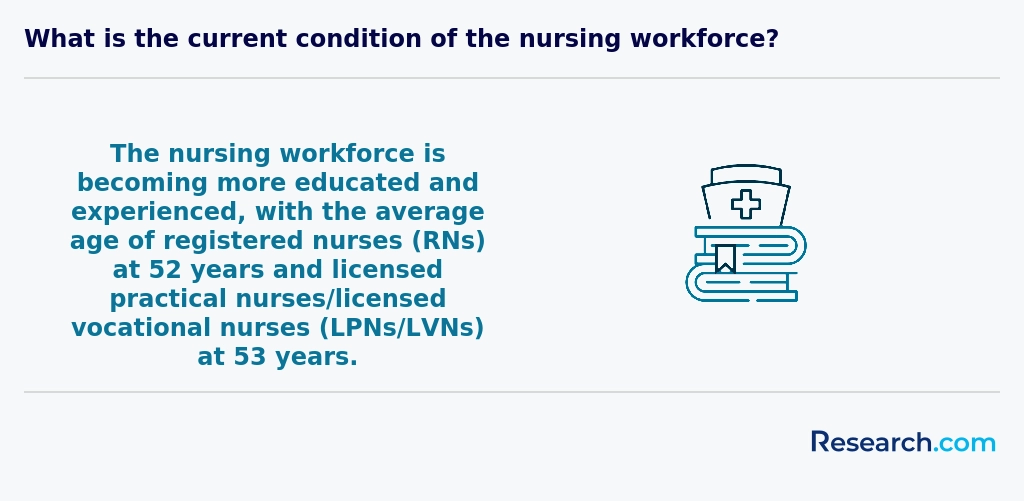
Nursing degree programs in Spokane offer a range of specializations that reflect both community needs and advancing healthcare trends. Graduates from popular colleges find that many choose the Registered Nurse (RN) to Bachelor of Science in Nursing (BSN) track, which broadens clinical expertise and leadership skills. This foundation often supports further specialization. For instance, medical-surgical nursing remains a favored path because Spokane's regional hospitals emphasize comprehensive patient care across diverse conditions.
Another specialization that resonates with many students focuses on pediatric nursing, preparing nurses to support children and adolescents in local clinics and schools. Reflecting Spokane's healthcare environment, critical care nursing is a sought-after field, particularly with training geared toward emergency units at facilities like Sacred Heart Medical Center. Programs also now commonly include psychiatric and mental health nursing, an area of rising importance amid growing community awareness.
Choosing among these Spokane nursing degree program specializations can shape your future professional opportunities and salary prospects. Many alumni feel proud contributing to neighborhoods where skilled nursing care truly matters. For insight into earning potential across the country, consider exploring the list of highest paying states for nurses.
Choosing the best nursing degree in Spokane often starts with understanding your career goals and the realities of each program. Graduates from Gonzaga University frequently praise the comprehensive Bachelor of Science in Nursing (BSN) program for its blend of rigorous academics and nurturing clinical experiences. Meanwhile, students at Spokane Community College appreciate how affordable nursing schools Spokane WA can be without sacrificing quality, often benefiting from close partnerships with local hospitals like Providence Sacred Heart Medical Center.
Accreditation and hands-on training are non-negotiable. Graduates share how access to strong clinical placements deeply enhanced their confidence and preparedness. Those who pursued programs accredited by CCNE or ACEN found it easier to qualify for the NCLEX-RN, which is essential for starting their nursing practice. Balancing cost and financial aid options with career outcomes provides peace of mind and tangible support.
Reflecting on personal journeys, many recall how navigating nursing programs enriched by local healthcare insights helped shape their professional identity and meet community respiratory healthcare needs.
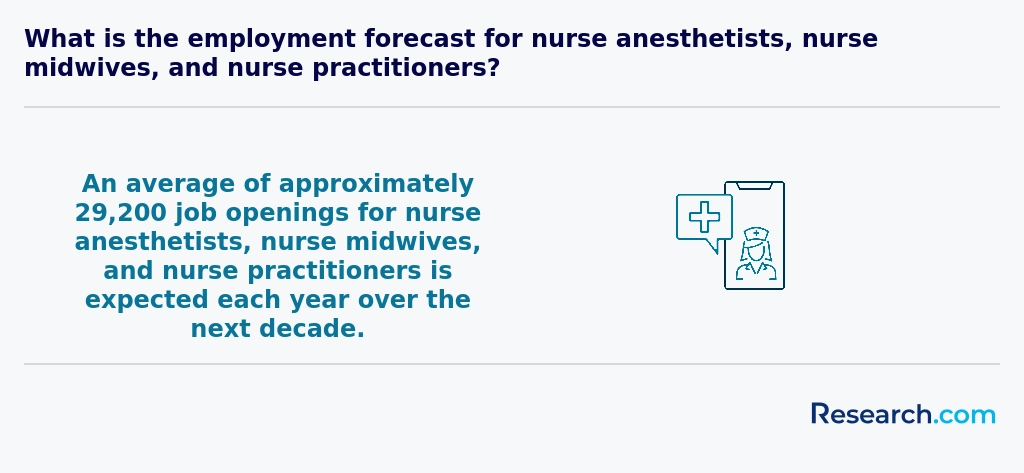
Graduates with a nursing degree in Spokane discover a range of rewarding career paths shaped by local healthcare demands and educational opportunities. Many begin as registered nurses, gaining invaluable hands-on experience at prominent facilities like Providence Sacred Heart Medical Center. This role opens doors to various specialties such as Licensed Practical Nurse positions that allow graduates to build foundational skills quickly. Others choose to advance their expertise by becoming Advanced Practice Registered Nurses or nurse educators, often supported by Spokane Community College's well-regarded programs. These graduates frequently share how teaching future nurses brings a profound sense of fulfillment and connection to the community.
The broad spectrum of Spokane nursing degree job prospects also includes roles in healthcare administration and public health nursing, offering versatility for those eager to impact health policy or community wellness. For students concerned about costs, investigating local options like nursing colleges houston tuition can be enlightening when comparing pathways. The positive experiences from Spokane's nursing graduates underscore a deeply personal, yet practical journey toward a meaningful, stable career.

The nursing job outlook in Spokane reflects a healthy demand for graduates from local programs, supported by a growing healthcare industry. Nurses who have completed degrees at well-regarded institutions in Spokane often share how their education provided not just clinical skills but also confidence to navigate varied patient care settings, from Sacred Heart Medical Center to community clinics. New graduates find themselves well-positioned for roles in hospitals and outpatient facilities that are expanding due to population growth and the increasing need for specialized nursing services.
Spokane nursing degree employment opportunities also benefit from the region's relatively affordable education costs, allowing more students to pursue nursing with less financial strain. The stability of the job market encourages graduates to plan for long-term growth in areas like pediatrics or geriatrics. Many reflect positively on scholarships and loan forgiveness initiatives that lighten the burden of educational expenses.
For those considering programs outside Spokane, it may be helpful to review options such as nursing universities atlanta accreditation, which can offer additional perspectives on nursing education quality and opportunities.
2027 Best Nursing Degree Programs Ranking in Spokane
Investing in your education is a significant decision that can shape your future, and the Research.com team understands the importance of making informed choices. To assist prospective students in Spokane, we have meticulously crafted the "2027 Best Nursing Degree Programs Ranking in Spokane." Our commitment to quality, credibility, and accuracy is reflected in the extensive research and analysis conducted to compile this ranking.
We utilized the following reputable data sources to ensure a comprehensive evaluation of nursing programs:
By exploring this ranking, readers will gain valuable insights into the best nursing degree programs available in Spokane, enabling confident and well-informed decisions about their educational paths. For more details on our methodology, please visit our Research.com methodology page.

Frequently Asked Questions About nursing
Nursing degree students in Spokane can maximize their learning experience by combining classroom education with hands-on clinical practice. Spokane offers access to a variety of healthcare facilities, including multi-specialty hospitals and community clinics, where students gain practical skills under professional supervision. According to the Washington Center for Nursing, students engaging in diverse clinical settings report improved critical thinking and patient care abilities. Additionally, leveraging resources such as simulation labs and joining local nursing organizations enhances understanding and networking opportunities. Balancing academic coursework with internships, study groups, and community outreach prepares students for successful nursing careers in Spokane's evolving healthcare environment.
The nursing field in Spokane is evolving with several emerging niches that reflect nationwide healthcare trends. One key area is gerontological nursing, driven by the region's growing elderly population. According to Spokane Regional Health District data, over 15% of residents are aged 65 or older, increasing demand for specialized elder care.
Another emerging niche is telehealth nursing. The rise of remote healthcare services, accelerated by the COVID-19 pandemic, makes this specialization vital. Nurses skilled in virtual patient assessment and digital communication are becoming increasingly sought after.
Additionally, psychiatric and mental health nursing is expanding due to rising awareness of mental health issues in Spokane communities. The U.S. Bureau of Labor Statistics forecasts a 15% growth nationally for psychiatric nurses through 2031.
Preparing for the job market after completing a nursing degree in Spokane involves several important steps. First, obtaining licensure through the National Council Licensure Examination for Registered Nurses (NCLEX-RN) is essential to practice legally. Washington State requires passing this exam, which most graduates attempt soon after finishing their program.
Networking with local healthcare employers such as Providence Sacred Heart Medical Center and MultiCare Deaconess Hospital can increase job prospects. Spokane's nursing job market is expected to grow about 15% through 2030, according to the Washington State Employment Security Department, reflecting strong demand.
Gaining clinical experience during studies and pursuing certifications in specialties like gerontology or critical care may further improve employability. Career services at Spokane colleges often assist with resume building and interview preparation to help new nurses enter the workforce successfully.
Employers in Spokane prioritize several key skills when hiring nursing degree graduates. Strong clinical competence is essential, with practical knowledge in patient care, medication administration, and the use of healthcare technology. According to the Washington State Nursing Care Quality Assurance Commission, hands-on experience significantly improves job prospects in the region.
Communication and teamwork are also highly valued, as nurses must collaborate with multidisciplinary teams and clearly explain care plans to patients. Critical thinking and problem-solving abilities rank high too, enabling nurses to make informed decisions in fast-paced healthcare settings.
Lastly, cultural competence and empathy help nurses serve Spokane's diverse communities effectively, ensuring inclusive and respectful care.
Finding nursing internships in Spokane typically involves connecting with local healthcare facilities, many of which collaborate with nursing programs. Major hospitals such as Providence Sacred Heart Medical Center and MultiCare Deaconess Hospital often offer clinical placements for students pursuing nursing degrees. Spokane Community College and Washington State University Spokane provide resources and guidance to help students secure internships in these institutions.
The Washington State Nursing Care Quality Assurance Commission requires nursing students to complete clinical training, making internships crucial. Students should also explore the Spokane Regional Health District and community clinics for additional opportunities. Networking through local nursing associations can further enhance chances.
It is advisable to inquire early and leverage college career services for updated internship listings tailored to nursing students in Spokane.
Obtaining a nursing degree in Spokane significantly enhances career mobility and advancement opportunities within the local healthcare sector. According to the Washington State Employment Security Department, registered nurses (RNs) in Spokane County experience a steady employment growth rate of approximately 8% through 2028, reflecting strong demand.
A nursing degree-from an associate to a bachelor's or higher-can open doors to diverse roles such as clinical nurse specialist, nurse educator, or nurse manager. Employers in Spokane's major healthcare facilities often prefer candidates with at least a Bachelor of Science in Nursing (BSN), which is linked to higher salaries and leadership positions.
Additionally, earning advanced credentials allows nurses to qualify for specialized fields and earn certifications recognized statewide. This professional advancement is crucial in Spokane's evolving healthcare market, where competition encourages ongoing education and skills development.
Studying for a nursing degree in Spokane equips students to excel in interdisciplinary healthcare teams, a critical aspect of modern patient care. Local programs emphasize collaboration skills by integrating coursework with clinical experiences alongside professionals from medicine, social work, and pharmacy. This approach aligns with national trends highlighted by the American Association of Colleges of Nursing, which stresses teamwork to improve patient outcomes.
Spokane's healthcare facilities, such as Sacred Heart Medical Center, provide nursing students with practical exposure to varied medical disciplines. This real-world experience fosters communication and problem-solving skills essential for interdisciplinary roles.
Furthermore, Spokane nursing curricula often include training in health informatics and care coordination, preparing graduates to navigate complex healthcare systems efficiently.
When choosing between a thesis and a non-thesis nursing degree program in Spokane, consider your career goals and learning preferences. Thesis programs typically involve original research and are suited for students aiming for careers in research or academic nursing. Non-thesis programs focus more on practical skills and direct clinical application, preparing graduates for advanced practice or leadership roles.
Thesis completion often requires more time and strong writing skills, while non-thesis tracks may allow faster graduation. Data from the Washington State Nursing Commission shows that Spokane's healthcare employers value both research competencies and hands-on experience, so weigh which aligns better with your ambitions.
Students based in Spokane interested in studying nursing abroad have several pathways to consider. Many nursing programs at local institutions, like Washington State University Spokane, offer study abroad options through partnerships with international universities. Such programs allow students to earn clinical experience while studying in countries with strong healthcare systems.
Additionally, students can explore exchange programs that last a semester or year, focusing on global health nursing practices. These opportunities typically require coordination through a student's home university and adherence to U.S. nursing accreditation standards to ensure credits transfer appropriately.
Financial aid and scholarships specifically for study abroad in nursing may also be available, helping reduce costs. The National Student Nurses' Association and similar organizations can be valuable resources for locating funding and trusted programs.
Part-time job opportunities in Spokane can effectively complement nursing degree education by offering practical experience and flexible schedules. Many students find roles as certified nursing assistants (CNAs) or home health aides beneficial. These positions provide direct patient care experience, improving clinical skills while earning income.
Local healthcare facilities, such as Sacred Heart Medical Center and MultiCare Deaconess Hospital, frequently hire part-time nursing support staff. According to the Washington State Employment Security Department, healthcare support roles in Spokane have grown by 8% over the past five years, reflecting strong demand.
Other valuable options include medical receptionist or patient care technician positions. These roles emphasize communication and administrative skills necessary for nursing professionals.
Nursing students in Spokane benefit from a variety of networking opportunities that support their educational and professional growth. Local colleges such as Eastern Washington University and Spokane Community College often host career fairs and professional workshops connecting students with healthcare employers.
Spokane also has active chapters of national nursing organizations like the American Nurses Association (ANA) and the National Student Nurses' Association (NSNA). These groups provide events and meetings where students can meet practicing nurses and nursing leaders.
Additionally, Spokane's growing healthcare sector, including Providence Sacred Heart Medical Center, offers clinical placements that serve as valuable networking environments for hands-on experience.
Alumni networks play a crucial role for nursing degree students in Spokane by offering valuable professional connections. Graduates from local nursing programs often share job openings, internships, and volunteer opportunities within these networks, which increases students' chances of employment after graduation. According to the Washington Center for Nursing, Spokane has a growing healthcare workforce, making networking essential for accessing competitive positions.
These networks also provide mentorship from experienced nurses who can guide students through certification processes and career decisions. Participation in alumni events helps students stay updated on industry trends and continuing education options available in the region.
Customizing a nursing degree program in Spokane allows students to align their education with specific career goals. Many local institutions offer flexible options such as choosing between Associate Degree in Nursing (ADN), Bachelor of Science in Nursing (BSN), or accelerated pathways for those with prior degrees. Specializations or electives in areas like pediatrics, geriatrics, or community health help tailor skills to preferred fields.
Practical experience is essential; Spokane nursing programs often include clinical rotations at nearby healthcare facilities, giving hands-on training aligned with student interests. Additionally, some schools provide evening and online classes to accommodate working professionals.
According to the Washington Center for Nursing, Spokane's demand for nurses is expected to grow by 18% through 2028, highlighting opportunities for career advancement with the right focus during study.
Nursing students in Spokane face several common challenges throughout their education journey. One key difficulty is balancing rigorous coursework with demanding clinical hours, which often require significant time commitments at local hospitals like Providence Sacred Heart Medical Center. According to the Washington Center for Nursing, clinical placements can be limited, causing scheduling conflicts and increased stress.
Additionally, students may experience financial strain due to tuition costs and living expenses in Spokane, where the average annual nursing program tuition ranges between $8,000 and $15,000. This is compounded by the need for specialized materials and certifications.
Finally, adapting to evolving healthcare technologies and the stress of preparing for the NCLEX exam presents ongoing academic pressure for many students in the region.
With a nursing degree in Spokane, graduates can pursue several professional certifications that enhance their career opportunities and expertise. Common certifications include the Registered Nurse (RN) license, essential for practicing nursing in Washington state. Beyond this, nurses often seek specialty certifications such as Certified Nurse Assistant (CNA), Certified Pediatric Nurse, or Critical Care Registered Nurse (CCRN).
According to the Washington State Department of Health, Spokane-area nurses have access to continuing education programs to prepare for certifications in areas like gerontology, oncology, and psychiatric-mental health. These credentials often lead to higher salaries and specialized roles. Certification requirements typically involve passing an exam and completing clinical hours in the specialty field.
Writing a winning application for a nursing program in Spokane requires careful preparation and understanding of what admissions committees seek. First, ensure you meet all prerequisites, such as having completed biology, anatomy, and chemistry courses with strong grades. Spokane nursing programs, such as those at Spokane Community College and Eastern Washington University, often require a minimum GPA of 3.0.
Highlight any healthcare experience or volunteering, as Spokane's healthcare industry values practical exposure. According to the Washington Center for Nursing, nursing demand in the Spokane region is expected to grow by 15% through 2028, emphasizing the need for skilled applicants.
Craft a clear, concise personal statement that outlines your passion for nursing and commitment to patient care. Finally, request strong letters of recommendation from academic or healthcare professionals familiar with your work ethic and character.
The nursing profession holds a significant and evolving role worldwide, influenced by global health trends and demographic changes. In the United States, including Spokane, nursing careers are shaped by high demand for healthcare professionals due to aging populations and chronic disease prevalence. According to the U.S. Bureau of Labor Statistics, registered nursing jobs are projected to grow 9% from 2022 to 2032, faster than the average for all occupations.
Globally, nurses are recognized as essential in delivering quality care and improving health outcomes. Many countries face nursing shortages, which increases demand for U.S.-trained nurses with advanced skills. Spokane's community health needs mirror broader national challenges, emphasizing preventive care and chronic illness management.
Gaining practical experience is essential when pursuing a nursing degree in Spokane. Most nursing programs in the area incorporate clinical rotations, allowing students to work directly with patients under supervision. These rotations often take place in local hospitals, clinics, and community health centers, such as Providence Sacred Heart Medical Center and MultiCare Rockwood Clinic.
Additionally, students can benefit from internships or externships that provide hands-on learning. Spokane offers partnerships between educational institutions and healthcare facilities to facilitate this process, helping students meet state licensing requirements.
Volunteering and part-time work in healthcare settings also enhance practical skills and resume strength.
Choosing the right concentration within a nursing degree program in Spokane involves understanding your career goals and the local healthcare environment. Spokane's healthcare sector prominently features fields like geriatric care, emergency nursing, and community health, reflecting regional needs reported by the Spokane Regional Health District. Prospective students should research concentrations offered by local institutions such as Eastern Washington University and Spokane Community College, focusing on areas aligned with high job demand.
Consider your interests and strengths; for example, if you prefer fast-paced settings, an emergency nursing concentration may suit you. Analyze employment statistics from the Bureau of Labor Statistics, which projects steady growth for registered nurses in Washington state, particularly in specialized roles. Additionally, internships or clinical placements in Spokane-area hospitals can provide valuable insight into specific nursing specialties.
- 2027 Best Nursing Degree Programs Ranking in San Francisco
- 2027 Best Nursing Degree Programs Ranking in Las Vegas
- 2027 Best Nursing Degree Programs Ranking in Denver
- 2027 Best Nursing Degree Programs Ranking in Colorado Springs
- 2027 Best Nursing Degree Programs Ranking in Los Angeles
- 2027 Best Nursing Degree Programs Ranking in Phoenix
- 2027 Best Nursing Degree Programs Ranking in Tempe
- 2027 Best Nursing Degree Programs Ranking in San Diego
- 2027 Best Nursing Degree Programs Ranking in Sioux City
- 2027 Best Nursing Degree Programs Ranking in Lincoln
See What Experts Have To Say About Studying Nursing
Read our interview with Nursing experts

Lisa Grubb
Nursing Expert
Assistant Professor
Johns Hopkins School of Nursing

- What Are the Best Jobs to Work While in Nursing School? https://www.dewv.edu/what-are-the-best-jobs-to-work-while-in-nursing-school/
- THE FIELD OF NURSING - FIRST-DEGREE OF STUDIES https://wnoz.wum.edu.pl/pl/content/field-nursing-first-degree-studies
- 7 Nursing School Tips for Studying https://www.denvercollegeofnursing.edu/blog/nursing/7-Nursing-School-Tips-for-Studying.html
- Interdisciplinary Education and Practice https://www.aacnnursing.org/news-data/position-statements-white-papers/interdisciplinary-education-and-practice
- Guide to Making a Career Change to Nursing https://teach.com/online-ed/healthcare-degrees/online-msn-programs/career-change-to-nursing/
- How to Choose a Nursing Program | All Nursing Schools https://www.allnursingschools.com/how-to-get-into-nursing-school/choose-the-right-school/
- How to Choose the Right Nursing School for Your Career Goals | Archer Review https://www.archerreview.com/blog/how-to-choose-the-right-nursing-school-for-your-career-goals
- The Nurses' Alumni Association https://giving.mainlinehealth.org/get-involved/auxiliaries-and-womens-boards/lankenau-medical-center-womens-board/the-nurses-alumni-association
- How to Write https://esign.com/letter-of-intent/school/nursing/
- Know more about thesis vs non- thesis: what is the difference? https://studyfans.com/en/blogs/816