
2027 Most Valuable Online Doctorate in Nursing Degree Programs Ranking in the Midwest

Co-Founder and Chief Data Scientist
Choosing the right nursing degree program is an important step toward a rewarding healthcare career. For students in the Midwest, this article offers valuable guidance through a carefully crafted 2027 Most Valuable Online Doctorate in Nursing Degree Programs Ranking in the Midwest.
The ranking was developed by the Research.com team of data scientists to help you navigate your options with confidence. By reading this, you'll gain insight into top online programs that balance quality, value, and flexibility.
Pursuing a nursing doctorate can open doors to leadership roles and meaningful impact in healthcare. This article is designed to support your journey with trustworthy, data-driven information.
Key benefits of getting online nursing degree in the Midwest
- Nursing degree graduates in the Midwest can expect competitive salaries, with roles like Advanced Practice Registered Nurse and Family Nurse Practitioner earning a mean annual wage of $128,490 and an hourly wage of $61.78.
- Graduates from popular Midwest universities often find diverse career paths, including Adult Nurse Practitioner and Psychiatric Nurse Practitioner, offering rewarding opportunities in various healthcare settings.
- Completing a nursing degree online, as many students from well-known Midwest programs report, provides flexibility for balancing work and study while gaining the same respected credentials as traditional degrees.
- 2027 Most Valuable Online Doctorate in Nursing Degree Programs Ranking in the Midwest
- What can I expect from online nursing degree in the Midwest?
- Where can I work with online nursing degree in the Midwest?
What can I expect from online nursing degree in the Midwest?
The average cost of an online nursing degree in the Midwest typically falls between $400 and $800 per credit hour, a figure that many nursing students find surprisingly reasonable given the quality and flexibility offered. Graduates from well-known institutions like the University of Illinois or Ohio State University often reflect on how the investment balanced perfectly with their busy lives, allowing them to pursue advanced degrees without sacrificing work or family time. One graduate described completing rigorous coursework alongside managing their healthcare job, appreciating how hybrid models provided both online lectures and essential local clinical practice.
Financial aid and employer tuition reimbursement frequently ease the burden, making these programs even more accessible. Students often express a sense of empowerment knowing their education directly supports the increasing demand for skilled nurses throughout the region. As these programs carry CCNE accreditation, the value of the degree resonates not only in learning but also in future career opportunities across Midwestern healthcare systems.
Where can I work with online nursing degree in the Midwest?
Graduates with an online nursing degree in the Midwest often find themselves stepping into vibrant healthcare landscapes spanning Illinois, Ohio, Michigan, Wisconsin, and Minnesota. Picture a graduate from a well-known Midwestern university navigating bustling hospitals in Chicago or Detroit, where the demand for skilled nurses is palpable and persistent. These environments are not just workplaces but arenas where the growing needs of aging populations translate into meaningful, high-impact careers.
Beyond hospitals, many graduates embrace roles in community clinics or public health organizations-imagine working alongside public health officials in Wisconsin to design preventive care programs that touch thousands. Online nursing programs from colleges popular in the region equip students with the versatility needed for these dynamic settings.
Some graduates choose specialized paths, becoming nurse practitioners or anesthetists, especially in rural Minnesota, where advanced practice registered nurses are vital. This career path is more than a job; it's a commitment to underserved communities, fueled by state support for expanded nursing roles. These experiences often bring a profound sense of purpose and connection to the local community.
Others venture into healthcare administration or education, drawing on strong academic foundations developed through regional universities. Their work influences policy and shapes the future of healthcare in Michigan and Wisconsin, creating ripple effects far beyond the bedside. The Midwest, therefore, offers a uniquely broad canvas where online nursing graduates can thrive, innovate, and deeply impact lives.
Graduates from online nursing programs in the Midwest often step into careers with promising financial futures. For example, many who complete advanced degrees such as the Doctor of Nursing Practice find themselves entering roles like Family Nurse Practitioner or Acute Care Nurse Practitioner, positions that command a mean annual wage of around $128,490 according to recent data. This substantial income can transform lives, enabling graduates from respected institutions such as the University of Michigan or Ohio State University's nursing schools to live comfortably while advancing healthcare.
Consider a graduate from a Midwestern university who moved from classroom learning to a bustling hospital in Chicago. Their expertise as an Advanced Practice Registered Nurse not only brings personal pride but also a strong paycheck, averaging over $128,000 annually. The sense of accomplishment paired with financial independence often reflects the investment made in their online education.
While regional differences exist, the earning potential across diverse Nurse Practitioner specialties remains consistently high. This challenges the myth that online degrees limit career earnings, especially in the Midwest's growing healthcare market where experience and specialization elevate compensation to rewarding levels.
- Tuition for online nursing degrees in the Midwest ranges from $15,000 to $40,000, generally lower than the national average.
- Job openings for registered nurses are expected to grow between 7% and 15% in states like Illinois, Ohio, and Michigan over the next decade.
- Starting salaries for new nursing graduates in the Midwest average between $55,000 and $65,000 per year.
- Experienced nurses typically earn between $75,000 and $90,000 annually, with nurse practitioners earning higher wages.
- Most online nursing programs in the Midwest are accredited by the CCNE or ACEN, ensuring quality and licensure eligibility.
- Clinical practice hours are required and arranged locally, even for students completing coursework online.
Completing an online nursing degree in the Midwest often surprises students with its flexible timelines. Graduates from institutions like the University of Minnesota or Michigan State frequently share how their journeys ranged from 2 to 4 years when pursuing a BSN online, reflecting personal schedules and prior credits. For some, the path was accelerated, especially for those entering as RN-to-BSN students, who balanced work and family while finishing in as little as 12 months.
Associate Degree in Nursing programs, though less common fully online, often still require around 2 years. Students from community colleges appreciate the hybrid formats that ease clinical placements nearby, allowing real-world experience intertwined with remote learning.
Advanced degrees, such as MSN programs at places like the University of Illinois Chicago, challenge time expectations further. Some graduates describe stretching their studies across 3 years part-time, relishing the gradual depth of knowledge, while others complete accelerated tracks in under 24 months, energized by career shifts.
DNP students often face 3 to 4 years of rigorous study but find motivation in flexible pacing that fits their professional lives. Midwest nursing students know that factors like full-time versus part-time study, credit transfers, and clinical scheduling deeply impact duration-turning what seems a fixed timeline into a personalized journey.
Registered nurses with an Associate Degree in Nursing (ADN) often wonder how to fast-track their careers into advanced practice and leadership roles. A strategic way to accelerate your journey is by leveraging bridge programs that connect your ADN to an MSN and beyond. For those targeting a Family Nurse Practitioner (FNP) track, exploring adn to fnp bridge programs can provide a seamless curriculum structure, combining core MSN coursework with specialization courses that prepare you for certification. These bridge programs typically condense prerequisite requirements and integrate clinical hours, enabling you to earn graduate credits while fulfilling state board of nursing standards. By completing an ADN-to-MSN pathway, you gain eligibility for advanced practice licensure and lay a strong academic foundation for doctoral studies. Admissions criteria often include a minimum GPA, active RN licensure, and completion of foundational science courses-details you can verify directly on program websites to ensure compatibility with your career timeline. Beyond curriculum design, high-quality bridge programs offer mentorship from experienced faculty, virtual simulation labs, and networking events that connect you with local healthcare systems. This professional support not only enhances your clinical acumen but also boosts your credentials when applying for Doctor of Nursing Practice (DNP) or PhD programs. In selecting the right bridge program, consider accreditation by relevant bodies such as CCNE or ACEN, graduate success rates, and the availability of financial aid tailored to RNs advancing into graduate study. A well-chosen ADN-to-doctorate pathway can transform your nursing career, equipping you with the expertise to lead practice innovations, influence health policy, and elevate patient outcomes across the Midwest and beyond.
The key difference between online and on-campus nursing degrees in the Midwest often comes down to where and how you engage with your education. Imagine a nursing student attending the University of Illinois Chicago who treasures the vibrant campus energy-direct interactions with faculty, hands-on labs, and in-person clinicals that build confidence through immediate feedback. In contrast, a graduate of an online program from the University of Missouri might recall the relief of balancing family and work commitments while accessing lectures on their own schedule.
Both paths require in-person clinical training, yet online students often arrange these vital experiences at local hospitals near their homes, a convenient option for Midwestern students wanting to stay close to family. On-campus learners benefit from a structured environment fostering community and instant support, while online students embrace flexibility and self-discipline, skills essential for modern healthcare.
Financially, some online programs in the Midwest offer competitive tuition that offsets commuting and campus fees, though this varies. Regardless, graduates from schools like Ohio State University emphasize that program reputation and accreditation matter most in long-term success, not just mode of delivery.
The average cost of an online nursing degree in the Midwest reflects a balance between accessibility and quality, with recent data showing a median total cost around $32,000. This figure captures the overall investment many nursing students face, whether pursuing an Associate, Bachelor's, or advanced degree in this region. Public universities remain a popular choice due to their comparatively affordable tuition, which resonates with graduates who often describe relief at managing expenses while juggling work and family.
For example, a graduate from a well-known Midwestern public university recalls how the manageable tuition allowed them to focus on clinical practice without the crushing burden of debt. This anecdote highlights how the Midwest holds opportunities for students to access quality programs with tuition fees that challenge the idea that a nursing degree must be prohibitively expensive.
On the other hand, private institutions in the Midwest might charge more, sometimes upwards of $50,000, reflecting the premium placed on specialized resources and personalized instruction. Yet, many students find scholarships or financial aid essential in offsetting these costs. These mixed pricing tiers emphasize the importance of carefully comparing institutions to find the best fit financially and academically.
Those considering the average cost of online nursing degree Midwest programs must also factor in additional expenses such as technology fees and clinical placement costs, which vary widely but can add a few thousand dollars. Many have found navigating this complexity less daunting by exploring pathways like adn to fnp bridge programs, which often streamline costs and duration, ensuring a more efficient route to advanced nursing careers.
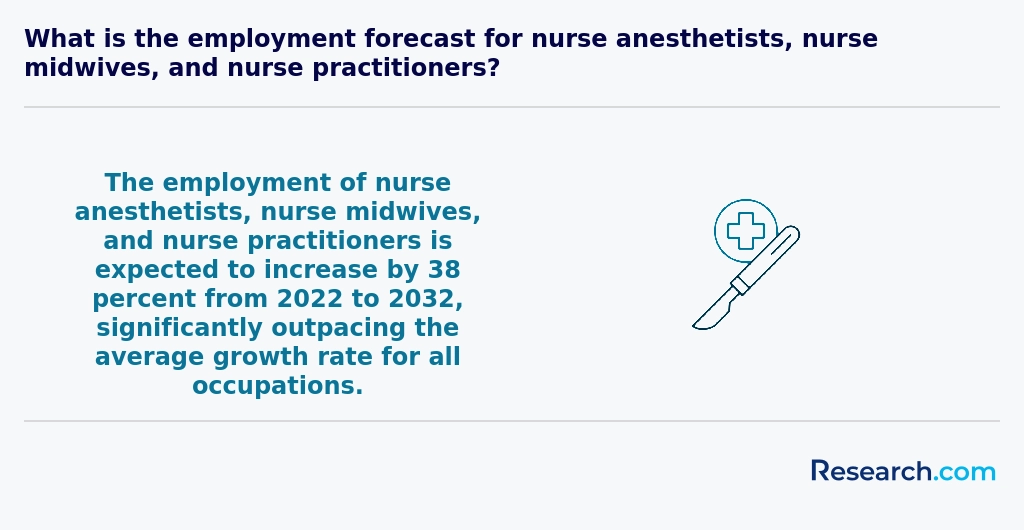
Doctoral (DNP and PhD) nursing programs blend online learning with essential hands-on experiences. Clear expectations help you balance work, life and advanced practice:
- Required Hours: DNP tracks typically mandate 1,000 post-baccalaureate clinical hours; PhD routes include 300–500 research-focused practicum hours.
- Local Placement: Schools partner with regional hospitals and clinics so you can complete rotations near home under experienced preceptors.
- Residency Intensives: Plan for 1–2 on-campus or virtual residencies per year (2–5 days each) dedicated to simulation labs, workshops and cohort networking.
- Capstone/Dissertation: DNP students execute a practice-based capstone project over 6–9 months; PhD candidates develop and defend an original research dissertation.
- Documentation & Evaluation: Maintain clinical logs, competency check-offs and reflective journals; receive ongoing faculty feedback to ensure readiness for advanced roles.
If you’re still earning your BSN and want to minimize onsite hours, explore rn to bsn no clinicals.
Many online nursing students in the Midwest find unexpected relief through federal aid like the FAFSA, unlocking Pell Grants that can cover up to $7,395 annually. This tangible support often feels like a lifeline, especially when juggling work and studies. Graduates from the University of Minnesota frequently share how these grants helped them focus on learning rather than financial stress.
But federal aid is only part of the story. State-level scholarships, such as those in Illinois and Ohio, directly target future nurses willing to serve underserved communities-a commitment that doubles as both a noble cause and a smart financial strategy. Ohio State University students have taken advantage of competitive scholarships rewarding academic excellence and military service, transforming debt anxiety into hopeful ambition.
Employers also step up: hospitals in the region often offer tuition reimbursement or loan forgiveness, turning career advancement into a mutually beneficial agreement. These combined resources shape a financial ecosystem that supports Midwest nursing students not just financially but emotionally, empowering them to pursue their passion with confidence.
Achieving licensure and certification is a critical step after completing your online doctorate in nursing, ensuring you can practice legally and advance in specialized roles across Midwest states. Requirements vary by state but share common elements: 1. National Council Licensure Examination (NCLEX-RN or NCLEX-PN) • All registered nurse (RN) candidates must pass the NCLEX-RN exam administered by the National Council of State Boards of Nursing (NCSBN). • Review courses and practice tests are offered by many programs-including some low cost online NP program providers-to boost your success rate. 2. APRN Certification and State Approval • Nurse practitioners (NPs), clinical nurse specialists (CNSs), nurse anesthetists (CRNAs) and nurse midwives must hold an accredited graduate degree and pass a national certification exam (e.g., AANP, ANCC). • After national certification, apply to your state board of nursing for an Advanced Practice Registered Nurse (APRN) license; fees and processing times differ by state. 3. Nurse Licensure Compact (NLC) • A multistate license allowing practice in all compact member states. Twenty-three Midwest states participate, enabling NPs to telepractice across borders without extra licensing. • To qualify, you must have a primary residence in an NLC state, pass a federal background check, and maintain an active RN license. 4. Continuing Education and Renewal • Most Midwest boards require biennial license renewal, including 20–30 hours of approved continuing education (CE). • Track CE credits through accredited providers; specialized certifications (e.g., gerontology, pediatrics) often require additional CE. 5. State-Specific Variations • Some states mandate supervised clinical hours post-graduation before full practice authority. • Check your state board’s website for unique requirements (e.g., Illinois requires a jurisprudence exam on nursing laws). By understanding these steps-NCLEX success, APRN certification, compact licensure, CE maintenance and state nuances-you’ll transition seamlessly from student to licensed practitioner, fully equipped for a thriving nursing career in the Midwest.
Enrolling in an online nursing degree in the Midwest demands more than just academic records-it requires meeting a set of prerequisites that challenge your readiness for a demanding healthcare career. Many graduates from reputable programs at institutions like the University of Illinois or Ohio State University recall the pivotal role prerequisite courses played: anatomy, microbiology, and nursing fundamentals weren't mere checkboxes but essential stepping stones that deepened their confidence before starting clinical work.
Beyond the high school diploma or GED, these programs typically expect completion of core science and math classes, alongside a minimum GPA often hovering around 2.5 to 3.0. Some students vividly remember how the TEAS exam tested more than knowledge-it measured their resolve and dedication. For advanced degrees, holding an accredited BSN and an active RN license is non-negotiable.
Students appreciate how practical experiences, such as prior CNA work, boosted their applications and self-assurance. Meanwhile, navigating regional boards like Illinois' or Ohio's nursing boards highlights the importance of aligning coursework with state-specific licensing standards. This meticulous preparation brings a sense of accomplishment and clarity, setting Midwest nursing students on a meaningful path.

Nursing doctorates in the Midwest generally fall into two categories-Doctor of Nursing Practice (DNP) and PhD in Nursing-each designed for distinct career goals and learning styles.
- Focus
DNP programs emphasize advanced clinical practice, leadership and translating evidence into care improvements. PhD tracks concentrate on original research, theory development and academic scholarship.
- Curriculum & Requirements
DNP students complete extensive practicum hours and quality-improvement projects. PhD candidates undertake comprehensive research methodology courses and defend a dissertation.
- Career Outcomes
DNP graduates step into roles like Nurse Executives, Clinical Specialists or Advanced Practice Nurses. PhD holders pursue careers as university faculty, researchers or policy analysts.
- Typical Duration
DNP programs usually span 3–5 years part-time; PhD paths range from 4–6 years, depending on full-time study and dissertation progress.
If you’re still completing your BSN foundation, consider an rn to bsn without clinicals pathway before applying to doctoral studies.
Online nursing degrees in the Midwest are far from basic checklists-they immerse students in courses that challenge their understanding and shape their professional identity. Graduates from well-known institutions like the University of Illinois or Ohio State University often reflect on how courses such as Pathophysiology and Human Anatomy transformed abstract concepts into tangible patient realities, deepening their empathy and clinical insight.
Pharmacology, Health Assessment, and Nursing Ethics frequently come to life through scenarios where students must make swift, informed decisions-an experience many describe as both exhilarating and humbling. These courses don't just teach protocols; they prepare you for the pressures and moral complexities of real-world nursing in Midwestern hospitals and clinics.
Advanced students find themselves engaged with curriculum elements like Healthcare Informatics and Leadership in Nursing Practice, learning to navigate tech innovations and team dynamics that define modern care environments. Practical application and ethical reflection blend seamlessly, echoing the regional healthcare challenges faced every day.
Online nursing degree specializations Midwest programs often challenge traditional nursing roles by offering diverse pathways tailored to complex healthcare needs. Graduates from popular Midwestern universities often feel empowered pursuing specializations such as Family Nurse Practitioner (FNP), which allows hands-on primary care across all ages, or Psychiatric-Mental Health Nurse Practitioner (PMHNP), a vital field given rising awareness around mental health. Observing their peers thriving in Adult-Gerontology Acute Care Nurse Practitioner (AG-ACNP) roles highlights how the Midwest responds to an aging population's acute medical requirements, while Pediatric Nurse Practitioner (PNP) and Neonatal Nurse Practitioner (NNP) specializations emphasize compassionate care for younger patients.
One graduate shared how balancing work and studies was feasible through flexible online formats at well-regarded institutions offering Midwest nursing doctorate program options. These often include leadership tracks like Healthcare Leadership and Administration or Nursing Education, preparing nurses to shape future healthcare environments. For those seeking value, consider checking out programs highlighted in the low cost online NP program selection.
Choosing the best online nursing degree in the Midwest demands looking beyond surface factors like cost or convenience. Graduates from reputable Midwestern colleges often recall how programs accredited by bodies such as the Higher Learning Commission assured them of a quality education that translated smoothly into licensure and career mobility. In particular, programs that blend rigorous online coursework with local clinical placements let students balance real-world nursing experience with personal obligations-one nurse described how this blend was transformative for her busy schedule and confidence in patient care.
Don't overlook the significance of NCLEX-RN pass rates published by state boards like Illinois and Ohio; these numbers reflect how well a program prepares its students for the realities of nursing. For those weighing affordable online nursing degrees Midwest options, it's essential to explore tuition plus hidden fees while imagining the relief of reducing costs related to commuting and housing.
Consider exploring rankings such as the Low Cost Online Bachelor's in Nursing Degree Programs Ranking in the West to find programs that align with both financial and educational goals. This pragmatic approach helps ensure your investment nurtures a rewarding nursing career rather than becoming a source of regret.
Ultimately, the best online nursing doctorate programs Midwest candidates seek combine strong academic reputations with comprehensive student support services-academic advising, tutoring, and flexible scheduling-all vital for those balancing work, family, and study. Reflect on these key points honestly to carve a path that feels both challenging and deeply rewarding.
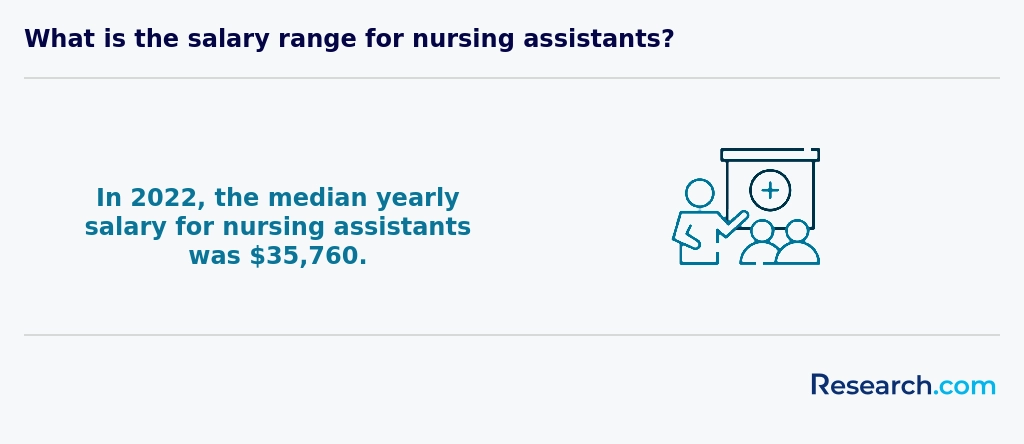
Graduates of online nursing programs in the Midwest often discover career paths that go far beyond traditional bedside roles, challenging many preconceived ideas about what nursing entails. For example, alumni from well-known Midwestern universities find themselves thriving as Family Nurse Practitioners serving underserved rural populations, where their work directly transforms community health outcomes. The rise of mental health needs in the region also opens doors for specialists like Psychiatric-Mental Health Nurse Practitioners, whose expertise is increasingly demanded in both cities and small towns.
Many graduates from institutions such as the University of Illinois or Ohio State University embrace leadership roles, blending their clinical experience with administration, becoming nurse managers or healthcare consultants who shape policy and improve care systems. This diversity highlights the rich online nursing career opportunities Midwest students can pursue without geographical constraint. The ability to study online while working offers a rare flexibility that fuels both personal fulfillment and professional advancement.
For those considering alternatives or complementary options, exploring the best trade school job paths available may provide unexpected inspiration to diversify skills and career approaches.
The job market for graduates with an online nursing degree in the Midwest is unexpectedly vibrant, defying assumptions that physical presence limits opportunity. Those attending well-known nursing programs from universities in states like Ohio and Illinois share stories of landing positions swiftly, buoyed by the region's pressing demand for skilled nurses. Many graduates find that roles such as registered nurses (RNs) and nurse practitioners (NPs) are not only abundant but offer flexible schedules fitting personal circumstances, an advantage highlighted in these online programs.
Cost-conscious students appreciate the Midwest's more affordable Bachelor of Science in Nursing (BSN) programs compared to coastal alternatives, allowing for quicker entry into the workforce without heavy debt burdens. Health systems in urban and rural areas alike recognize credentials from online pathways, showing a shift in how education and experience are valued. For those evaluating long-term benefits, the Midwest's rising salaries and growing healthcare needs challenge the notion that only metropolitan hubs provide stable employment, spotlighting promising prospects for an highest paying certificate mindset.
Ultimately, the online nursing degree job outlook Midwest reveals a landscape where innovation in education meets real-world demand, offering an accessible yet rewarding career journey for those willing to pursue it.
2027 Most Valuable Online Doctorate in Nursing Degree Programs Ranking in the Midwest
Investing in your education is a significant decision that can shape your future, and the Research.com team understands the importance of making informed choices. To assist prospective students in the Midwest, we have meticulously crafted the "2027 Most Valuable Online Doctorate in Nursing Degree Programs Ranking in the Midwest." Our commitment to quality, credibility, and accuracy is reflected in the extensive research and analysis conducted to compile this ranking.
We utilized the following reputable data sources to ensure a comprehensive evaluation of online doctorate nursing programs:
By exploring this ranking, readers will gain valuable insights into the most valuable online nursing doctorate programs in the Midwest, enabling them to make well-informed decisions about their educational investments. For more details on our methodology, please visit our Research.com methodology page.


# 3 position
Maryville University of Saint Louis
Doctor of Adult-Gerontology Primary Care Nurse Practitioner


# 5 position
Walden University
Doctor of Nursing


# 11 position
Chamberlain University - St. Louis
Doctor of Nursing Practice






Frequently Asked Questions About nursing
Midwest students pursuing online nursing degrees can enhance their learning by actively engaging with their coursework and utilizing available resources. Many accredited programs require clinical hours, so selecting local healthcare facilities for hands-on practice is crucial. According to the American Association of Colleges of Nursing, students who combine online study with clinical practice often perform better in licensure exams. Networking with peers via online forums and virtual study groups helps foster collaboration and support. Additionally, time management and setting a dedicated study schedule boost retention. Regional scholarships and licensing requirements vary by state, so staying informed through sites like the Midwest Nursing Workforce Center benefits students planning their careers.
Emerging niches within the nursing field are shaping opportunities for online nursing degree students, especially in the Midwest. One growing area is gerontological nursing, driven by the region's aging population. According to the U.S. Census Bureau, states like Illinois and Ohio show increasing demand for nurses specialized in elder care. Another expanding niche is psychiatric-mental health nursing, reflecting heightened awareness of mental health needs nationwide. Additionally, informatics nursing, which combines healthcare and technology, is gaining traction due to digital record systems used extensively in Midwest hospitals. These niches offer promising career paths and are increasingly supported within online programs tailored to regional workforce demands.
Graduates with online nursing degrees in the Midwest should focus on building practical experience and professional networks to navigate the job market. According to the American Nurses Association, clinical experience remains essential despite online coursework. Students should seek internships or volunteer opportunities in local healthcare facilities to complement their education.
Licensure is critical. Passing the NCLEX-RN exam allows graduates to become registered nurses, a requirement in all Midwest states. Maintaining up-to-date state board requirements ensures smooth employment transitions.
Midwestern healthcare industries are growing, with a reported 15% increase in nursing jobs expected by 2030, according to the Bureau of Labor Statistics. Tailoring resumes to highlight relevant clinical skills and continuing education enhances job prospects.
Employers in the Midwest seek nursing graduates with strong clinical skills and excellent critical thinking. According to the Midwest Nursing Workforce Survey (2023), 78% of healthcare employers emphasize hands-on patient care abilities as essential.
Communication skills also rank highly. Nurses must clearly interact with patients and multidisciplinary teams, enhancing care quality and safety.
Adaptability to technology is critical as electronic health records and telehealth grow common in Midwestern hospitals. The American Nurses Association notes that digital literacy improves efficiency and patient outcomes.
Lastly, leadership and ethical decision-making are valued for managing complex situations and promoting professional standards in healthcare settings.
Finding nursing internships in the Midwest involves leveraging both educational resources and local healthcare networks. Prospective nursing students should first consult their online program's career services, as many schools partner with hospitals and clinics in states like Illinois, Ohio, and Michigan.
The Midwest hosts numerous healthcare facilities offering internships, including large systems like the Mayo Clinic in Minnesota and Cleveland Clinic in Ohio. According to the American Association of Colleges of Nursing, clinical placements often represent a significant part of a nursing curriculum, making these affiliations critical.
Additionally, the state departments of public health often list internship opportunities specifically for nursing students. Utilizing platforms like the Health Resources and Services Administration (HRSA) database can also aid in finding federally supported internship programs in the region.
Networking through professional nursing associations such as the Midwest Nursing Research Society can open doors to internships and mentorships tailored to nursing students. Early outreach and proactive communication with clinical sites greatly improve internship prospects.
Online nursing degrees in the Midwest significantly enhance career mobility and advancement opportunities for nurses. The region's healthcare industry values flexibility and up-to-date training, which online programs provide by blending theoretical knowledge with practical skills. According to the Bureau of Labor Statistics, registered nurse employment in the Midwest is projected to grow by 7% from 2021 to 2031, indicating a steady demand for qualified professionals.
Many online programs in the Midwest align with state licensure requirements, enabling graduates to pursue roles such as nurse practitioners or healthcare administrators more easily. Additionally, advanced degrees often lead to higher salaries; nurse practitioners in the Midwest earn a median annual wage of about $110,000, according to the U.S. Department of Labor.
The convenience of online learning also allows working nurses to continue professional development without disrupting employment, supporting a smoother career transition or promotion.
Studying for a nursing degree in the Midwest offers unique preparation for interdisciplinary roles by emphasizing collaboration across healthcare fields. Many programs incorporate teamwork with professionals like physicians, pharmacists, and social workers to reflect real-world settings.
The Midwest's healthcare system increasingly prioritizes integrated care models, which require nurses to understand diverse clinical perspectives. According to the American Association of Colleges of Nursing, over 60% of Midwestern nursing programs include interprofessional education components, enhancing communication and critical thinking skills.
This approach equips graduates to better coordinate patient care, support complex decision-making, and contribute to improved health outcomes in diverse medical teams.
Choosing between a thesis and a non-thesis nursing degree program in the Midwest depends on your career goals and learning preferences. Thesis programs typically require original research, appealing to those aiming for academic or research-oriented roles. Non-thesis programs focus more on practical skills and coursework, suited for nurses pursuing leadership or clinical positions.
The Midwest hosts numerous accredited universities offering both options, often with flexible online schedules. According to the American Association of Colleges of Nursing, about 40% of Midwest nursing doctoral candidates opt for thesis tracks, reflecting strong research interest.
Consider your time availability, funding, and whether you prefer hands-on practice or scholarly inquiry before deciding.
Students in the Midwest who are interested in studying nursing abroad generally have limited direct options through online nursing degree programs based in the U.S. Instead, those seeking international nursing education often pursue study abroad opportunities embedded within their Midwestern universities' curricula. Many institutions partner with global healthcare organizations to offer short-term clinical experiences rather than full online degrees from foreign universities.
According to the American Association of Colleges of Nursing, less than 5% of U.S. nursing programs focus on full international online degree partnerships as of 2024. Midwestern schools typically emphasize clinical internships overseas combined with local coursework.
Overall, Midwestern students benefit most from domestic online nursing degrees supplemented with international clinical exposure rather than enrolling fully abroad online.
Part-time job opportunities in the Midwest that complement nursing degree education often include roles like certified nursing assistant (CNA), medical scribe, and home health aide. These positions provide practical experience and skill development relevant to nursing while allowing flexible schedules for students.
The Midwest accounts for a substantial portion of healthcare jobs, with states like Illinois, Ohio, and Michigan projecting 15-20% growth in nursing-related positions through 2030, according to the U.S. Bureau of Labor Statistics (BLS).
CNA roles offer hands-on patient care experience, which is valuable when pursuing an online nursing degree. Medical scribe positions enhance clinical knowledge by assisting healthcare providers with documentation, while home health aides focus on patient support in home settings.
These jobs not only build relevant experience but also help students network within the healthcare industry in the Midwest's diverse medical communities.
Online nursing students in the Midwest have access to various networking opportunities that enhance their professional growth. Many universities offer virtual events, including webinars and career fairs, tailored to nursing students. These platforms connect learners with faculty, alumni, and healthcare employers across the region.
Regional nursing associations, such as the Midwest Organization of Nurse Leaders, provide additional networking avenues through conferences and local chapter meetings. Participation in these groups can help students build relationships within their specific nursing specialties.
According to the American Nurses Association, nearly 60% of Midwest nurses engage in professional organizations, indicating a strong culture of networking in the region.
Alumni networks play a crucial role for online nursing degree students in the Midwest by offering access to professional connections and mentorship opportunities. These networks help graduates stay informed about local job openings, clinical partnerships, and continuing education resources. According to the Midwest Nursing Research Society, nearly 75% of nurses find employment through networking or referrals, highlighting the importance of these relationships.
Many Midwestern nursing programs have strong ties with healthcare facilities throughout states like Illinois, Ohio, and Michigan. This connection supports students in securing quality clinical placements and internships, which are vital for career development. Additionally, alumni events and online communities foster peer support, helping students navigate challenges unique to remote learning.
Online nursing degree programs in the Midwest offer various customization options to align with your career goals. Many universities let students choose specializations such as nurse practitioner, nurse educator, or healthcare administration. This flexibility helps you target specific roles in the nursing field. You can often select electives and clinical placements based on your interests and regional healthcare needs. For example, the Midwest has a growing demand for family nurse practitioners, supported by data from the Bureau of Labor Statistics. Additionally, some programs allow part-time schedules and offer accelerated paths, making it easier to balance work and study while advancing your career.
Online nursing students in the Midwest face several challenges unique to the region and the nature of nursing education. A significant issue is limited access to local clinical placement sites, as rural areas often have fewer healthcare facilities for hands-on training, which is essential for nursing programs. According to the American Association of Colleges of Nursing (AACN), nearly 30% of Midwest nursing students report difficulties securing appropriate clinical experiences.
Internet connectivity can also be a barrier, especially in rural communities where broadband is less available or reliable. This affects participation in synchronous classes, accessing learning materials, and communication with faculty.
Additionally, balancing work, family, and coursework is a frequent concern. The Midwest has a large population of working adults pursuing nursing degrees while supporting families, making time management a critical challenge.
Understanding regional licensure reciprocity is vital, as some states have varying requirements, complicating future employment opportunities for online students residing near state borders.
With an online nursing degree in the Midwest, you can pursue a variety of professional certifications that enhance your expertise and employment opportunities. Common certifications include the Registered Nurse (RN) license, which is required to practice nursing nationwide.
Specialty certifications like Certified Nurse Practitioner (CNP), Certified Nurse Midwife (CNM), and Certified Nurse Anesthetist (CRNA) are available for advanced practice nurses. The Midwest, with its growing healthcare sector, particularly in states such as Illinois and Ohio, offers many clinical sites recognized by certifying bodies.
Other valuable credentials include Medical-Surgical Nursing Certification (CMSRN) and Family Nurse Practitioner (FNP-BC) certification. According to the American Association of Nurse Practitioners, Midwest states have seen over 15% growth in nurse practitioner roles from 2021 to 2023.
Writing a winning application for an online nursing program in the Midwest requires clear focus and preparation. Start by reviewing the specific admission requirements of your target schools, as many Midwestern nursing programs value clinical experience, strong academic records, and relevant certifications. The American Association of Colleges of Nursing (AACN) reports steady growth in nursing enrollments in this region, highlighting the competitive nature of these programs.
Be sure to craft a compelling personal statement that explains your motivation for pursuing nursing and how you plan to contribute to healthcare in the Midwest. Highlight your experience working with diverse patient populations, especially in rural or underserved areas common in this region.
Provide strong letters of recommendation from supervisors or faculty who can speak to your clinical skills and work ethic. Finally, ensure all transcripts and documentation clearly demonstrate your academic readiness.
The global demand for nurses continues to rise, reflecting nursing's critical role in healthcare systems worldwide. In the United States, including the Midwest, nursing is one of the fastest-growing professions, with the Bureau of Labor Statistics projecting a 9% job growth from 2020 to 2030. This aligns with global trends where aging populations and chronic diseases increase healthcare needs.
Midwestern states like Illinois and Ohio are responding with expanding online nursing degree programs, enabling more students to enter the field despite geographic barriers. According to the American Association of Colleges of Nursing, over 40% of nursing students nationwide opt for online or hybrid courses, offering flexibility.
Internationally, nursing careers often emphasize community health and preventative care, lessons increasingly integrated into Midwest curricula to prepare nurses for global best practices. This approach benefits students seeking careers that balance clinical skills with broader public health perspectives.
Students pursuing online nursing degrees in the Midwest can gain practical experience through clinical placements arranged by their programs. These clinical hours are often completed at local hospitals, clinics, or long-term care facilities within the student's community. State licensing boards typically require a minimum of 500 to 700 clinical hours, depending on the nursing specialty and degree level.
Many Midwestern universities partner with regional healthcare providers to facilitate these hands-on experiences. According to the American Association of Colleges of Nursing (AACN), practical training ensures graduates meet competency standards for patient care. Students are encouraged to proactively seek affiliations with accredited hospitals and nursing centers to fulfill clinical requirements while studying online.
Choosing the right concentration within an online nursing degree program in the Midwest requires careful consideration of career goals and regional healthcare demands. The Midwest has a growing need for nurse practitioners, especially in family health and gerontology, due to its aging population, according to the U.S. Bureau of Labor Statistics (2023).
Research the concentrations offered, such as nurse anesthesia, psychiatric mental health, or pediatric nursing. Evaluate which align with your interests and job market trends in states like Illinois, Michigan, and Ohio, where healthcare systems are expanding specialized roles.
Also, check program accreditation and clinical placement support to ensure quality education and practical experience. Exploring state licensing requirements early can help tailor your choice to local regulations and maximize job prospects.
See What Experts Have To Say About Studying Nursing
Read our interview with Nursing experts


- Best Nursing Programs for Working Adults - Flexible Degrees https://mynursingschools.com/best-nursing-programs-for-working-adults
- How to Write https://esign.com/letter-of-intent/school/nursing/
- How to Choose a Nursing Program: A Comprehensive Guide - Madonna ABSN https://absn.madonna.edu/blog/how-to-choose-a-nursing-program/
- Nursing: Associate Degree Nursing, A.A.S. - Iowa Western Community College https://www.iwcc.edu/academic_programs/health/nursing-associate-degree-nursing-a-a-s/
- Online Accelerated BSN https://onlinedegrees.elmhurst.edu/programs/nursing/accelerated-bsn-online
- Scholarships & Financial Aid https://www.aacnnursing.org/students/scholarships-financial-aid
- Exploring Diverse Nursing Career Horizons - N2S Healthcare Blog https://n2shealthcare.com/blog/exploring-diverse-nursing-career-horizons-n2s-healthcare-blog
- How Much Can I Earn With a BSN? https://www.allnursingschools.com/bsn/salary/
- How Do Nurses Navigate Career Advancement? | NursingEducation https://nursingeducation.org/insights/career-advancement/
- From our readers…Strengthening nursing networks https://www.myamericannurse.com/from-our-readersstrengthening-nursing-networks/


