2027 Arizona State University Online Degree Costs Compared: Which Programs Are Most Affordable?

Co-Founder and Chief Data Scientist
Facing a maze of tuition rates and additional fees, a prospective student exploring Arizona State University's online degrees might struggle to determine if the total costs fit their budget. Online education expenses often include hidden digital fees and variable per-credit charges that can shift significantly between programs. Nationally, 57% of online students report unexpected costs impacting their financial plans, underscoring the need for transparent comparisons before committing. This is especially relevant given the rising prominence of online degrees in competitive fields where long-term value hinges on both cost and career outcomes.
This article analyzes Arizona State University's online tuition structures to reveal which programs offer the most affordable pathways. It will evaluate program-specific fees, tuition differences, and financial aid impacts to help students identify options with the best cost-benefit balance for their educational and workforce goals.
Key Points About Arizona State University Online Degree Costs and Affordability
- The total cost of attendance for an Arizona State University online degree averages $28,047, with tuition and mandatory fees reaching up to $34,845, underscoring the need to factor in institutional fees when budgeting for online programs.
- Tuition per credit hour varies by program, with business and healthcare disciplines typically charging higher rates than liberal arts, affecting affordability depending on the field selected and increasing total program expense.
- Additional costs such as $1,320 for books and supplies must be budgeted, while financial aid and discounts can offset expenses, though these vary by residency status and program eligibility, impacting net cost for students.
How Much Does an Online Degree Cost at Arizona State University?
Arizona State University offers a competitively priced online undergraduate tuition of about $561 per credit, which is flat regardless of residency status. Compared to many public universities that differentiate in-state and out-of-state rates or private nonprofits with higher sticker prices, ASU provides transparent and straightforward cost structures, making budgeting easier for online learners.
A student seeking a flexible, fully asynchronous program would value ASU's stability in tuition inflation, which tends to grow slower than synchronous or hybrid models, according to the National Center for Education Statistics. This makes ASU a practical choice for working adults balancing education and employment. However, professional graduate fields like engineering or business have considerably higher per-credit costs, which must be factored against financial aid and transfer credit opportunities when evaluating total expenses.
Though some private and nonprofit institutions might offer more personalized support or better financial aid, ASU's price can be justified by its accredited programs, extensive academic resources, and employer recognition. Its online degree costs align with outcomes, ensuring students receive a reasonable return on investment for the flexibility and quality provided in most distance education offerings.
Which Online Degree Programs at Arizona State University Are the Most Affordable?
Arizona State University's most affordable online degrees are primarily associate-level and lower-division bachelor's programs. These options feature tuition around $530 per credit hour, significantly lower than specialized degrees exceeding $1,000 per credit hour. An associate degree requires about 60 credit hours, equating to an upfront expense near $31,800 before any additional fees or financial aid.
For examples, a budget-conscious learner aiming to quickly enter the workforce may opt for the associate-level Information Technology or Liberal Arts programs. These paths minimize cost and credit requirements. Transfer credits and residency rules can further reduce expenses, but students must consider mandatory online fees that may not be immediately obvious in sticker prices.
Affordability extends beyond price per credit. Prospective students should weigh program quality, flexibility, and career relevance. Fields like cybersecurity, while costlier, often justify higher tuition with stronger employment prospects. Institutional discounts and scholarships that reduce costs by 10-20% also impact value, making some higher-cost degrees more accessible over long-term career horizons.
Recent UPCEA Affordability Initiative data shows online programs below the national average tuition attract higher growth, emphasizing accessibility's role in digital education. At Arizona State University, choosing a less costly online program can ease financial strain while supporting viable job pathways in expanding sectors, but learners must balance price with meaningful support services and applicable outcomes.
How Do Online Bachelor's, Master's, and Doctoral Program Costs Compare at Arizona State University?
Arizona State University online degree costs reveal a consistent pattern where advanced degrees demand a higher per-credit investment but fewer total credits, creating distinct affordability profiles depending on the level pursued. Bachelor's programs charge around $561 per credit hour and require 120 to 130 credits, making them longer but generally less expensive per credit. Master's degrees vary from $550 to $900 per credit hour, with total credits typically between 30 and 45, concentrating costs into a shorter timeframe. Doctoral programs cost over $1,000 per credit hour and add residency and professional fees, significantly increasing total expenses. This tiered cost structure impacts students' financial planning and career decisions. Below is an overview of key cost categories affecting affordability and who may benefit or pay more in each.
- Online Bachelor's Degree Tuition: Lower per-credit costs but a higher number of required credits make bachelor's programs the most accessible option for learners prioritizing extended affordability over time. This benefits those targeting entry-level or mid-career shifts without accruing the higher tuition rate of graduate programs.
- Master's Program Credit Variability: Tuition per credit ranges widely by field, which can amplify costs depending on the chosen major. Students in higher-cost disciplines face steeper investment but gain access to specialized skills tied to later career advancement.
- Doctoral Program Premiums: The cost per credit for doctoral degrees exceeds $1,000 and includes mandatory on-campus residencies and professional fees. Learners seeking advanced research roles or faculty positions typically absorb these costs given the credential's rarity and impact.
- Graduate vs. Undergraduate Price Disparity: National data indicates graduate online tuition averages 1.5 times that of undergraduate tuition, matching ASU's pattern. This reflects not only program complexity but also employer expectations for advanced expertise, justifying the higher upfront expenses for many.
- Additional Professional and Residency Fees: Particularly at the graduate and doctoral levels, fees associated with specific disciplines like engineering or business raise the total cost beyond tuition. Students without external sponsorships or grants may face increased debt loads due to these required charges.
Financial aid availability tends to favor undergraduates and master's students more than doctoral candidates, who must often rely on loans or employer sponsorships because of stricter eligibility. When weighing ASU's online degree options, understanding the interplay of tuition rates, credit requirements, and extra fees helps prospective students align their choices with financial constraints and long-term goals. Considering program length, upfront costs, and potential return on investment is critical. Students should also evaluate which fields embrace the best college majors for the future to maximize both affordability and career outcomes.
What Is the Cost Per Credit Hour for Online Programs at Arizona State University?
Arizona State University's cost per credit hour for online programs reveals crucial affordability nuances tied to degree level, residency, and program type. A practical example is a working adult pursuing an undergrad degree online from another state; the variation in credit cost will heavily influence their overall expense and time commitment. The financial impact differs widely enough that students must weigh tuition alongside fixed fees and credit caps when assessing true cost. Presented below are key categories illustrating how these factors affect affordability and net expenses.
- In-State Undergraduate Tuition: Charges approximately $561 per credit hour plus an average $52 per-credit fee. This rate favors Arizona residents, especially full-time students benefiting from the university's tuition cap programs that limit total costs regardless of extended enrollment.
- Out-of-State Undergraduate Tuition: Costs rise notably to about $1,032 per credit hour plus fees. Out-of-state learners face a higher upfront cost burden, making long-term enrollment more expensive without aid or accelerated pathways.
- Graduate Online Programs: Many master's degrees start near $530 per credit hour with the same mandatory fees. Suitable for focused graduate students, this rate competes well with national averages, reflecting a balance of specialized instruction and market expectations.
- Programs in Engineering and Business: Higher per-credit charges reflect investments in specialized resources and curriculums. These can drive up costs but may align with higher post-graduate earnings potential, crucial for career-centered learners.
- Liberal Arts and Education Fields: Feature relatively lower tuition rates within the online catalog. These options benefit students seeking affordability in flexible, less resource-intensive programs, often maximizing cost efficiency.
The average net price to attend Arizona State University interacts with these tuition structures to define financial realities at the student level. Nationally, public institutions average about $480 per credit hour for online courses according to the CHLOE 2024 report, positioning ASU's in-state undergraduate tuition slightly above this benchmark. This is important context for students comparing value across programs and modes of delivery. Although competency-based education models increasingly challenge traditional credit-hour pricing with skill-focused cost metrics, ASU's structure presently remains credit-hour centered. Prospective students should consider this dynamic-and the availability of accelerated programs online-to find the best alignment between tuition cost, pace, and career goals.
What Additional Fees and Expenses Should Online Students Expect at Arizona State University?
The true affordability of an Arizona State University online degree depends heavily on additional fees and expenses beyond tuition. These costs often cause students to underestimate the financial commitment required to complete an online program. For example, a student pursuing a science degree with frequent lab components might face significantly higher fees than one in a lecture-based humanities program. Ignoring these expenses can result in unexpected financial burdens that influence program completion decisions and long-term debt. Below are key fees and expenses that prospective ASU online students should carefully consider.
- Technology Fees: These mandatory charges support ASU's digital learning platforms and infrastructure. They vary by program and can increase as new technologies are adopted. Although unavoidable, budgeting ahead allows students to manage this steady but essential cost.
- Graduation Fees: Applied during the final term, these are relatively modest fees covering administrative processing for degree conferral. This fee is non-negotiable but predictable, facilitating straightforward planning at program end.
- Course-specific Fees: Programs with labs or specialized resources impose extra fees that reflect the cost of materials or equipment. Students can reduce this expense by selecting majors with fewer such requirements or by carefully planning course loads.
- Digital Textbook and Material Costs: While many courses provide digital textbooks, some students prefer physical copies or subscriptions to third-party platforms. With a 7.8% increase in digital materials' prices recently noted by Education Technology Review, this expense is both rising and variable depending on course selections and personal preferences.
- Proctoring Fees: Online exams often require proctoring services that can add $20 to $60 per exam. These hidden costs are especially relevant for programs with numerous assessments. Students should factor these fees into their budget to avoid surprises during final exams.
Does Arizona State University Offer Financial Aid, Scholarships, and Tuition Discounts for Online Students?
Arizona State University offers significant financial aid, scholarships, and tuition discounts for online students, but these vary widely by program, enrollment status, and residency. The primary aid sources include FAFSA-based federal grants, institutional scholarships, employer tuition reimbursement, and military benefits. Online-specific tuition discounts are less common and tend to come through institutional scholarships rather than across-the-board rate reductions.
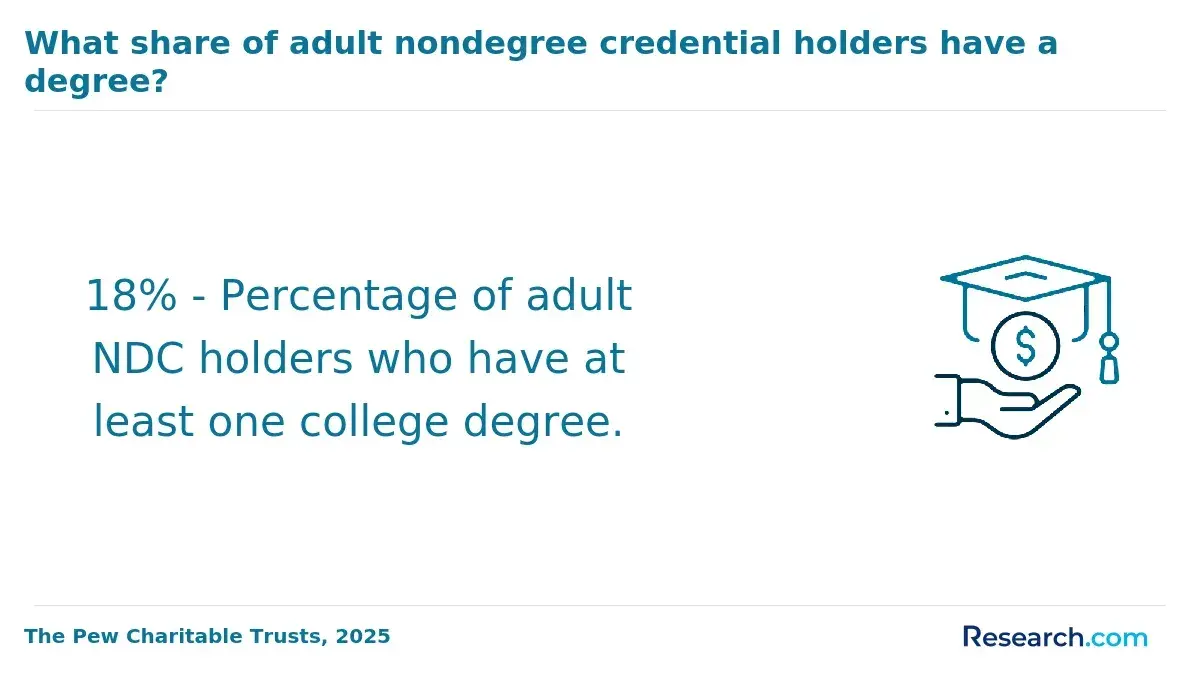
Federal aid such as Pell Grants and state grants play a crucial role, especially since about 44% of Pell Grant recipients participate in distance education, demonstrating substantial federal support's relevance for online learners. This aid, combined with an average award of $12,396, can drastically reduce out-of-pocket expenses depending on the student's financial need and enrollment intensity. Employer or military tuition programs further offset costs, but coordinating these often requires proactive communication and documentation from learners.
Financial aid and scholarships affect learners differently. For example, a full-time undergraduate with demonstrated need could see a large portion of tuition covered, whereas a part-time working adult relying solely on employer reimbursement might face gaps if the employer's policy caps annual assistance. These nuances create wide cost variability, underscoring the importance of examining net price rather than sticker tuition.
Prospective students must verify eligibility criteria, meet FAFSA deadlines, and understand renewal and academic progress requirements. Confirming all funding sources, including employer or military benefits, before enrollment is essential to prevent unexpected expenses. A comprehensive budget should include total net price and post-graduation earning potential to make informed decisions.
"I almost dropped out because the software licensing fee wasn't in the brochure, and my employer's reimbursement only covered basic tuition," recalled an online graduate who balanced full-time work and school. After securing an institutional scholarship through ASU and applying military benefits as a veteran, the combined aid made finishing financially feasible. However, the process demanded persistent follow-ups and coordination across multiple offices, highlighting that available aid requires active navigation to translate into real savings."
Do In-State and Out-of-State Students Pay Different Online Tuition Rates at Arizona State University?
Arizona State University charges a flat online tuition rate for all students, regardless of residency. This means in-state and out-of-state online learners pay the same total tuition, which currently totals $34,845. This uniform pricing removes traditional financial barriers tied to residency status, benefiting non-resident and military students alike.
This approach contrasts with typical public universities that impose higher fees for out-of-state online students. For working adults and transfer students, ASU's consistent online tuition often proves more affordable compared to private or nonprofit alternatives, which may have variable costs by residency or program. However, program-specific fees and transfer credit evaluations can affect the overall expense.
Research shows that under the State Authorization Reciprocity Agreement (SARA), many institutions have eliminated non-resident surcharges to encourage broader access. A 2024 analysis found the average non-resident online tuition premium dropped by 12%, highlighting a shift toward equitable pricing that impacts decisions for students comparing degrees like In-State versus Out-of-State Online Tuition Rates Arizona State University.
Prospective students should verify residency rules, scrutinize mandatory fees, and understand aid eligibility, since about 93% of ASU's students receive financial aid. Before enrollment, it's essential to project the total program cost and consider practical outcomes. For guidance on budget-friendly options, explore the cheap online bachelor degree pathways that fit diverse student profiles.
How Does Arizona State University Compare to Other Universities for Online Degree Affordability?
Comparing Arizona State University's online degree affordability against other public, private, and nonprofit institutions reveals a nuanced value proposition that extends beyond sticker price. The real challenge lies in evaluating total cost, financial aid accessibility, and long-term outcomes rather than nominal tuition figures alone. ASU is distinctive in its high financial aid engagement, assisting 93% of online learners, which effectively lowers net costs below competing private and nonprofit schools. This support is crucial for out-of-state and transfer students who face higher per-credit charges that often diminish apparent affordability. Additionally, a 2024 Lumina Foundation report emphasizes that regional online universities, including ASU, are increasingly judged on employability metrics, reinforcing the need to weigh upfront costs against post-graduation earnings and career sustainability. The following points clarify the key affordability and value factors that influence whether ASU offers stronger return relative to similar institutions.
- Financial Aid Penetration: ASU's extensive aid, reaching 93% of online learners, significantly reduces effective tuition expenses and narrows the gap with traditional in-state rates. This is a major advantage compared to institutions with less robust aid, affecting accessibility and debt outcomes.
- In-State vs. Out-of-State Tuition Patterns: While ASU keeps in-state online tuition competitive against private nonprofits, out-of-state students pay notably higher per-credit rates, which may shift the total cost calculus unless offset by scholarships or employer benefits.
- Program Cost Variability: Degree programs differ widely in required credits and specialized fees. Fields demanding advanced technology tend to cost more, so students must factor specific program expenses into affordability decisions.
- Military and Adult Learner Discounts: ASU provides targeted aid options and flexibility that ease cost burdens for working adults and military personnel, a factor differentiating it from less accommodating competitors.
- Long-Term Return Focus: According to the Lumina Foundation's recent findings, programs at ASU benchmark tuition against employability, urging students to evaluate potential career earnings relative to tuition investments.
- Transfer Student Cost Impact: Transfer students may encounter increased fees relative to first-time enrollees, which requires upfront budgeting and can complicate financial comparisons between institutions.
One graduate who completed an ASU online degree in business shared, "I weighed ASU against two nonprofits and a state school. The sticker price for ASU looked high at first, especially since I'm out-of-state. But I qualified for plenty of aid, which wasn't clear initially. I almost dropped out because the software licensing fee wasn't in the brochure and hit me unexpectedly. Still, compared to others, ASU's career services and networking pushed my salary up faster. It took some adjustment to manage all the variable fees, but in the end, the employment outcome made it worth sticking it through."
Which Online Degrees at Arizona State University Offer the Best Value for Money?
Arizona State University online degrees that balance affordability, academic rigor, flexibility, and career outcomes tend to cluster in Computer Science, Engineering, and Business fields. These programs combine moderate credit requirements with tuition rates that remain competitive due to substantial transfer-credit options. They offer a strong long-term return because graduates often secure salaries above $70,000, making this upfront expense more manageable. Distance learners seeking degrees with both solid job prospects and reasonable total costs should consider these areas first. Below are key value factors shaping ASU's most affordable online degree options.
- Computer Science Graduate Salaries: With reported average earnings near $72,698, these graduates benefit from technology sector demand and can offset tuition costs quickly through higher income.
- Engineering Program Efficiency: Degrees like Computer and Construction Engineering feature streamlined credit paths and flexible schedules, reducing time to completion and minimizing overall expenses for working adults.
- Business Degrees' Cost-to-Earnings Ratio: Business programs balance affordable tuition with salaries allowing strong earnings-to-debt ratios, particularly attractive for students leveraging prior credits.
- Liberal Arts Lower ROI: Fields such as Ethnic and Cultural Studies show median salaries under $30,000, indicating weaker financial returns despite lower tuition rates.
- Teacher Education Debt Impact: Median salary caps around $40,000 limit payoff relative to tuition, so these programs suit those prioritizing professional goals over immediate financial returns.
- Student Support and Financial Aid: Robust support mechanisms improve completion rates and accessibility in STEM programs, enhancing value by reducing dropout risks and debt burden.
- Online STEM Transfer Credits: Higher transfer-credit acceptance in these programs allows students to save on tuition, accelerating degree completion and improving return on investment.
ASU's total earnings-to-debt ratio for online graduates is 3.21x, signaling a generally positive payoff but one that varies considerably by discipline. Prospective students focusing on debt-conscious choices will do well to investigate tuition structures and credit requirements within their chosen field. For a detailed comparison of online degrees with the lowest tuition rates and most affordable online degree options for distance learners, reviewing ASU's program-specific data is crucial before enrollment decisions.
What Is the Return on Investment of an Online Degree From Arizona State University?
The return on investment of an online degree from Arizona State University outperforms many traditional and alternative digital learning models due to competitive tuition-to-earnings ratios and sustained career mobility. With a median earnings-to-debt ratio of 3.21x and graduate earnings averaging $62,668, ASU online alumni typically realize a prompt financial payoff relative to their student debt.
Total program costs vary by specific degrees but generally include tuition, mandatory fees, and additional expenses linked to program length. Transfer credits and financial aid often reduce these upfront investments, enhancing affordability among affordable online degrees in Arizona with strong ROI. For instance, a working professional transitioning into technology may recoup costs faster than peers at comparable institutions, enabling a quicker wage premium.
According to Georgetown's Center on Education and the Workforce, online degrees with high net present value correlate with improved career mobility and wage growth, underlining ASU's edge in fostering outcomes that surpass many remote learning options. This advantage is particularly clear in high-demand majors where wage premiums and lower debt burdens significantly impact lifetime earnings.
Prospective students must balance these factors carefully, considering how specific program choices affect debt-to-income ratios and long-term ROI. To select the best degree for remote work, comparing these financial and career metrics across programs enables informed, practical decision-making.
What Do Graduates Say About the Cost and Value of Arizona State University Online Degrees?
- Olivia: "When I started comparing online programs at Arizona State University, I quickly realized that advertised tuition alone didn't tell the full story. Mandatory fees and course sequencing extended the program length beyond what I initially expected, which increased the total cost. Factoring in my ability to transfer in credits from community college and taking advantage of financial aid made a significant difference. The flexibility and strong academic support during my studies ultimately made the investment worthwhile as I transitioned into a management role."
- Kevin: "I approached Arizona State University's online degree programs with a very pragmatic mindset, closely analyzing cost per credit and residency requirements. Despite some upfront concerns about additional fees and textbook expenses, the accredited program's structure allowed me to enroll part-time without penalty, spreading out the costs effectively. The outcomes reported by alumni in my field gave me confidence that although it wasn't the cheapest option initially, the total degree cost aligned well with the career benefits I've experienced since graduation."
- Kayla: "Comparing different Arizona State University online degrees was eye-opening because I found that the sticker price often missed nuances like non-refundable fees and limits on transfer credits. I valued the transparent communication from the advisors about how these factors impacted affordability. While cost was a key factor, I also weighed program length and support services, which helped me finish sooner and enter the workforce with a competitive edge. Reflecting back, the process taught me that careful, personalized cost evaluation was essential for navigating "affordability" in a meaningful way."
Other Things You Should Know About Arizona State University Degrees
The pacing and format of Arizona State University's online programs often demand that students budget for time and technology costs alongside tuition. Programs with accelerated terms may reduce living expenses by shortening enrollment periods, but they require a heavier weekly workload, which could limit students' ability to work while studying. Conversely, more extended term formats ease workload intensity but increase ongoing expenses like software, internet access, and course materials, which are typically not included in tuition. Prospective students should weigh whether a faster completion or a more balanced schedule better aligns with their financial and personal circumstances.
Though Arizona State University offers financial aid to online students, eligibility for work-study is generally limited due to the remote nature of these programs. This restriction means students relying on federal work-study as part of their aid package may find fewer opportunities to offset costs through campus jobs. Therefore, online students should prioritize securing grants and scholarships that do not require on-campus presence and consider external funding sources. Understanding this limitation early is key to planning a sustainable financing strategy without overreliance on loans or part-time employment.
In 2027, the most affordable online programs at Arizona State University are typically found in areas like liberal arts, education, and social sciences. Courses such as online BA in Education or Liberal Studies offer competitive tuition rates, making them cost-effective choices for students balancing affordability with academic objectives.
Students employed by organizations offering tuition reimbursement or assistance should strategically select Arizona State University's online programs that align with their employer's funding criteria. These partnerships can dramatically reduce net costs, but students must carefully confirm that the program's curriculum, accreditation, and credential type meet their employer's requirements. Without this alignment, anticipated subsidies may not materialize, increasing out-of-pocket expenses unexpectedly. Prioritizing programs with clear employer support often yields the best balance of affordability and professional relevance.
References
- ASU Online Scholarship Program https://www.discounttirefamily.com/content/dt-family/us/en/benefits/all-employees/educational-assistance/dt-asu-scholarship-program.html
- Finding the ROI of Online Programs -- Campus Technology https://campustechnology.com/articles/2017/07/19/finding-the-roi-of-online-programs.aspx
- 'If you can't pay, you can't stay': The skyrocketing cost of college has transformed the student experience - The Arizona State Press https://www.statepress.com/article/2023/03/spmagazine-student-loan-impact
- Best Online Colleges In Arizona | AffordableCollegesOnline https://www.affordablecollegesonline.org/online-colleges/arizona/
- Can Out-of-State Students Qualify for In-State Tuition at Arizona Public Universities? - Jaburg Wilk https://www.jaburgwilk.com/news-publications/can-out-of-state-students-qualify-for-in-state-tuition-at-arizona-public-universities
- Tuition and Fees at ASU - College Ready AZ https://collegereadyaz.com/asu-tuition-and-fees/