2027 Auburn University at Montgomery Online Learning Format: Part-Time, Full-Time, and Self-Paced Options

Co-Founder and Chief Data Scientist
Consider a working professional juggling family commitments who must choose between part-time, full-time, or self-paced study at Auburn University at Montgomery. Balancing course load with personal responsibilities challenges many prospective students. Flexibility often competes with the desire for quick academic progress, while learning preferences shape how students engage with material and deadlines.
Research indicates that nearly 60% of online students nationally prefer flexible options like part-time or self-paced formats. This trend highlights the importance of adaptable scheduling, especially when multiple start dates at Auburn University at Montgomery allow for staggered enrollment. Understanding these formats helps align study plans with real-world demands.
This article explains Auburn University at Montgomery's online learning formats, compares part-time, full-time, and self-paced options, and reviews course scheduling to help readers select the best fit for their lifestyle and goals.
Key Points About Auburn University at Montgomery Online Learning Formats
- Part-time schedules accommodate working students managing professional and personal commitments, while full-time enrollment accelerates degree completion but demands significant time investment; self-paced formats offer autonomy yet require strong self-discipline due to limited structured pacing.
- Structured resources support over 5,189 online enrollees, but a 36% graduation rate signals potential disengagement risks; maintaining consistent progress is crucial across all formats to mitigate dropout tendencies common in remote settings.
- Graduates report a median salary of $44,391, necessitating evaluation of each format's time demands relative to expected financial outcomes and individual career trajectories before enrollment decisions.
What online learning formats does Auburn University at Montgomery offer?
Selecting an online learning format at Auburn University at Montgomery requires assessing how each option aligns with individual commitments and learning styles. The availability of part-time, full-time, and self-paced formats provides flexibility for a diverse student population. This variety is crucial for adult learners balancing education with work or family, especially as 27% annual growth in adult online enrollment reflects rising demand for adaptable credentials according to the National Education Analytics Report. For example, a working parent might prioritize a self-paced format to accommodate irregular hours, while a recent high school graduate could benefit from a structured full-time schedule to accelerate graduation.
Part-time formats suit those needing to integrate coursework gradually with other responsibilities, offering manageable progress without sacrificing quality. Full-time options appeal to students focused on rapid immersion and quicker degree completion, typically attracting traditional-age students or those able to pause other commitments temporarily. Self-paced learning grants maximum control over timing, ideal for highly motivated individuals or professionals seeking skill updates without fixed deadlines. Understanding these distinctions helps prospective students anticipate how each format impacts their academic trajectory and employer value beyond mere scheduling convenience.
How does part-time study at Auburn University at Montgomery work?
Balancing work, family responsibilities, or other commitments often leads students to choose part-time study at Auburn University at Montgomery. This format provides flexibility by allowing enrollment in fewer than 12 credit hours per semester, making it suitable for those who cannot manage a full-time load. However, the extended timeline to graduation can affect students' overall expenses and career plans. For example, a working parent might select part-time study to maintain steady income while progressing academically, understanding this means a longer path to degree completion. Below are key considerations for part-time online students at Auburn University at Montgomery.
- Flexible Course Load: Part-time students generally take fewer than 12 credit hours each semester. This flexibility suits those balancing jobs or family but usually lengthens time to completion compared to full-time peers.
- Cost Structure: Tuition is charged per credit hour rather than a flat full-time rate, which spreads out payments. Be aware that longer time to graduate may increase total costs over time.
- Financial Aid Availability: Although 99% of students receive financial aid, scholarships specifically for part-time enrollees are limited, potentially making affordability a challenge.
- Graduation Rates and Timelines: With an average graduation rate of 36%, part-time students often take 6 to 9 years to complete bachelor's degrees nationally, impacting return on investment and career timing.
- Practical Fit for Nontraditional Students: Part-time study accommodates those requiring self-paced schedules or work-study balance, but it demands strong time management and commitment to avoid extended delays.
- Impact on Career Progression: Slower degree completion can delay entry into advanced roles or further education, a critical factor for students weighing immediate employment gains against long-term education benefits.
- Comparison with Other Formats: Part-time study differs from full-time or self-paced options offered by Auburn University at Montgomery, with distinct implications for schedule and costs. Those interested in accelerated learning might consider exploring 1-year masters as an alternative.
What should you expect from full-time online study at Auburn University at Montgomery?
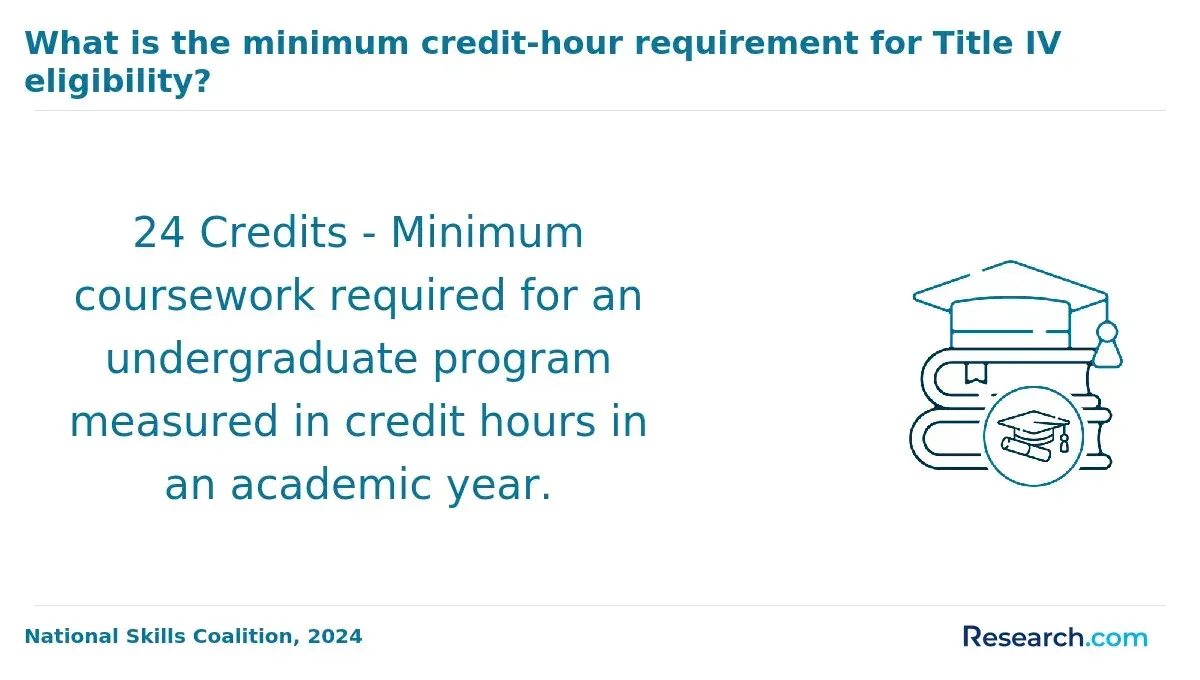
Choosing full-time online enrollment at Auburn University at Montgomery requires balancing a heavier academic load with the possibility of faster degree completion and focused financial aid access. Full-time students often commit to 12 to 15 credit hours per semester, which demands significant time management but can accelerate entry into the workforce. This option suits those prioritizing a shorter timeline and more structured engagement compared to part-time learners, who spread courses over longer periods. For example, a working adult seeking to upskill quickly might opt to enroll full time to minimize career disruption while maximizing financial aid eligibility. Below are key characteristics distinguishing full-time online study.
- Accelerated Degree Completion: Full-time students typically complete their degrees in close to four years by taking around 14 credit hours each semester. This faster pace contrasts with part-time learners, who often extend their studies over more semesters, delaying workforce re-entry and salary progression.
- Higher Immediate Tuition Costs: Total tuition for full-time study is $31,154, reflecting concentrated expenses in a shorter timeframe. Part-time students may manage smaller payments per semester but incur extended overall costs and additional non-tuition fees.
- Stronger Financial Aid Opportunities: Nearly 99% of Auburn University at Montgomery students receive financial assistance. Full-time status often unlocks greater aid access, including scholarships and institutional grants not readily available to part-time learners, which can offset higher upfront costs.
- More Structured Learning Environment: Full-time enrollment provides increased academic immersion and pacing, which can improve engagement and graduation likelihood. Auburn University at Montgomery's reported average graduation rate of 36% suggests pace and support factors influence outcomes, favoring full-time students.
- Moderate Return on Investment: Median alumni salary of $44,391 indicates reasonable earnings post-graduation. Full-time students may reach this income level sooner due to expedited study, while part-time students face delayed earnings increases.
- Credit Load Demands Time Commitment: Managing 14 credits per semester requires disciplined time management, potentially challenging for those with substantial personal or work responsibilities. This makes full-time study better suited for those who can prioritize academics extensively.
- Career Preparation and Advancement: Full-time study supports quicker skill acquisition, facilitating faster career transitions or advancement. Those considering alternatives might also explore online certification programs that offer flexible timing and targeted credentials.
Working adults balancing jobs and family often seek self-paced online programs for the flexibility to study without rigid deadlines. This format appeals to those with unpredictable schedules who need autonomy over their learning pace. However, Auburn University at Montgomery (AUM) limits fully self-paced degree pathways, focusing primarily on structured part-time and full-time formats. This distinction matters because it affects progression speed, financial aid eligibility, and academic support. The following points clarify key considerations for prospective students evaluating AUM's approach to self-paced online study.
- Limited Fully Self-Paced Options: AUM does not emphasize fully self-paced degree programs. Most online courses require adherence to fixed schedules, reducing flexibility for students seeking to advance at their own speed.
- Tuition Uniformity Across Formats: Tuition costs, totaling $31,154, appear consistent regardless of delivery method. This suggests that self-paced learners do not receive lower fees despite potentially longer completion times, which could impact cost-effectiveness.
- Financial Aid and Pace Requirements: Although 99% of students qualify for financial aid, maintaining eligibility demands meeting institutional progress timelines. Slower self-paced learners might struggle to satisfy these standards.
- Graduation Rates Reflect Challenges: AUM's 36% graduation rate indicates significant challenges in student persistence. This is especially relevant for self-directed students who often face weaker institutional engagement and support.
- Moderate Alumni Earnings: Median alumni salary at $44,391 suggests moderate payoff on investment. Delayed completion typical for self-paced learners may further defer earnings growth.
- National Trends Warn of Completion Delays: A Lumina Foundation study found only 15% of online students enroll in fully self-paced programs, with these learners taking nearly 1.5 times longer to graduate. This delay can affect career timelines and costs.
- Practical Suitability Requires Self-Discipline: Those who thrive without structured deadlines need strong motivation and realistic awareness of the extended timelines often involved with independent study at AUM.
Julie, an AUM graduate, recalled her decision process vividly. "I initially wanted a self-paced program because my work hours fluctuated weekly," she said. "But after comparing options, I realized AUM's online programs weren't truly self-paced. I worried about managing the institutional deadlines alongside my unpredictable job." She ultimately chose the part-time structured format and found that the set pacing, though less flexible, provided clear milestones and helped maintain financial aid eligibility. "It wasn't what I expected, but having defined checkpoints kept me accountable, even when life was hectic." This practical tradeoff influenced her ability to complete the degree without extending timelines indefinitely.
Balancing education with work and family demands requires clarity about how online course scheduling functions. At Auburn University at Montgomery, online courses follow structured academic terms aligned with traditional semesters. These schedules include set start dates, deadlines for assignments, and a mix of synchronous and asynchronous activities depending on the course design. This framework benefits students seeking a predictable timeline but still allows for some flexibility in managing learning around other responsibilities.
Students choosing part-time enrollment extend their studies over more terms, which eases weekly obligations but may delay career entry or advancement. Full-time students experience a more intensive pace, aiming for faster completion but needing greater time commitment. Self-paced courses offer maximum flexibility, letting students progress when ready, a choice well suited to fluctuating workloads or those pursuing an online associate degree programs. However, this option demands strong discipline and offers less real-time interaction, which can reduce networking opportunities valued by employers.
A 2024 EDUCAUSE Horizon Report revealed that 67.5% of working adult learners prioritize flexible online scheduling, which is linked to higher satisfaction and completion rates. This national trend aligns with Auburn University at Montgomery's scheduling options, emphasizing accessibility without sacrificing educational rigor. Prospective students should consider whether the fixed structure of semester terms fits their time availability or if flexibility through self-paced learning better supports their personal and professional goals.
Ultimately, choosing between part-time, full-time, or self-paced formats requires evaluating one's own motivation, time resources, and preferred learning style. Understanding Auburn University at Montgomery's scheduling model helps students realistically plan the pace of their degree, optimize engagement, and align education with long-term career plans.
No single online learning format at Auburn University at Montgomery fits everyone's lifestyle or goals. The optimal choice depends heavily on an individual's daily responsibilities, available time, and long-term career intentions. Students balancing full-time work or family may find flexibility more valuable than rapid degree completion, while others seeking swift workforce entry might prioritize full-time study. Learning preferences also play a critical role, as self-paced options demand strong discipline but offer unmatched scheduling freedom. Key lifestyle factors clarify how to navigate these tradeoffs effectively.
Consider these factors when choosing between part-time, full-time, and self-paced online learning formats:
- Work Schedule Demands: A heavy or unpredictable work schedule favors part-time or self-paced formats, allowing students to adjust study around job commitments. Full-time coursework can conflict with work hours, risking burnout or poor academic performance. Evaluating your weekly availability helps identify a format that sustains steady progress without sacrificing job quality or income.
- Family and Caregiving Responsibilities: Students with childcare or other caregiving duties benefit from flexible formats that accommodate interruptions and irregular hours. Full-time study may create pressure if family time is limited. Assess how much daily support and quiet study time you can secure before selecting a pace that prevents stress-related dropouts.
- Self-Discipline and Motivation Level: Self-paced programs require a high degree of self-management and motivation. Without structure, students may delay coursework, extending time to graduation and weakening professional momentum. If you thrive on deadlines and peer interaction, full-time or scheduled part-time formats better maintain accountability.
- Urgency of Degree Completion: Those who aim to enter the workforce or change careers promptly may lean toward full-time study, which shortens the timeline to graduation. Part-time or self-paced options compromise speed for flexibility. Consider how quickly you need credentialing and income changes to choose a path that balances your timeline with realistic study capacity.
- Financial Stability and Income Needs: Maintaining employment while studying reduces financial stress but limits available time for coursework. Students relying on steady paychecks often prefer part-time or self-paced tracks to avoid sacrificing earnings. Carefully weigh tuition costs against potential income loss if choosing a full-time load.
- Learning Style Preferences: Some students excel with interactive, scheduled classes that foster engagement and immediate feedback, typically found in full-time or fixed-schedule part-time formats. Others prefer studying independently at their own pace, which requires strong self-regulation but offers control over timing and learning rhythm.
- Long-Term Career Plans: Employers often value a consistent academic record demonstrating commitment. Full-time or steadily paced part-time formats visibly show progress and reliability. Conversely, overly extended self-paced completion may raise concerns about perseverance. Align your format choice with career fields where pacing and demonstrated work ethic carry different weights.
One student weighing options shared how juggling a 40-hour job and small children led her to reject full-time enrollment despite the faster finish. She tested self-paced courses but found motivation lagged without deadlines. Ultimately, she chose part-time study at Auburn University at Montgomery, which provided a manageable rhythm, steady progress, and fit her family life. She noted, "The flexibility protects my income and maternity commitments, but having set weekly assignments keeps me accountable. I didn't want to crash through the degree only to burn out or stall later."
Enrollment status is a pivotal choice for online students balancing study progression, finances, and personal obligations. Full-time enrollment accelerates degree completion, enabling faster entry into the workforce and potential lifetime earnings growth. However, it demands managing a heavier academic load alongside any work or family commitments. Choosing part-time enrollment eases immediate time pressures but slows momentum toward graduation, extending the overall financial commitment and delaying full professional benefits.
Full-time students at Auburn University at Montgomery face higher semester tuition fees, yet they benefit from completing their degrees in fewer terms. This approach often reduces cumulative institutional fees and living expenses. In contrast, part-time learners spread tuition over an extended period, which can lead to about 15% higher total fees due to prolonged enrollment, as noted by the Online Education Cost Trends Report. Although part-time study can be more manageable alongside employment, it risks increasing the total cost of attendance and deferring income growth.
Apart from financials, enrollment status influences workload and time management. Full-time students generally have less flexibility but may advance careers quicker, which employers often prefer. Part-time students, while juggling fewer credits per term, must sustain motivation and academic continuity over a longer timeline. This can affect skill retention and delay graduation milestone signaling, which matters in fast-moving industries.
The decision between part-time and full-time enrollment hinges on a student's financial capacity, availability, and long-term plans. A student with stable income willing to invest intensively might prefer full-time for faster return on investment. Meanwhile, those needing to limit term expenses or balance significant outside responsibilities may choose part-time, accepting higher total costs and slower degree completion. Careful weighing of immediate affordability against career timing and overall cost is essential at Auburn University at Montgomery.
Success in Auburn University at Montgomery online courses requires more than just access to technology. Students must cultivate strong learning habits to handle the autonomy that online environments demand. Without effective time management and digital skills, even reliable hardware cannot guarantee steady progress. For example, a part-time student balancing a full-time job will find self-motivation and the ability to navigate the Canvas platform crucial to meeting deadlines. These skills separate those who merely have access from those who actively excel. The following are core technology and learning skills vital for success at Auburn University at Montgomery.
- Reliable, Modern Hardware and Internet: Computers should have at least an 8GB RAM and a current processor for smooth operation. A stable internet connection prevents disruptions in accessing Canvas, the primary learning management system, which is central to all coursework and communication.
- Proficiency with Canvas Learning System: Familiarity with Canvas's interface enables efficient management of assignments and messages. Since this platform integrates course content and assessments, mastering it reduces technical delays and frustration.
- Strong Digital Literacy and Troubleshooting Skills: Navigating file management, software updates, and resolving common technical issues independently saves time. Auburn University at Montgomery offers orientation modules, but pre-existing competence accelerates engagement.
- Time Management and Self-Discipline: Balancing studies, work, and personal commitments demands rigorous scheduling and sustained focus. This skill especially benefits part-time and self-paced learners who receive less structured oversight.
- Self-Motivation to Persist: Motivational skills maintain momentum through challenges and complex assignments. A 2024 study found 72.4% of students with high digital self-efficacy were more satisfied and persistent, highlighting motivation as a determinant of retention.
- Effective Communication Using Digital Tools: Online success depends on timely interactions with instructors and peers. Being proactive through emails and forums prevents misunderstandings and enhances the learning experience.
- Awareness of Online Learning Format Demands: Choosing between part-time, full-time, or self-paced options requires honest self-assessment of readiness. Self-paced learners must be particularly prepared for autonomous progress, unlike full-time formats offering more structured guidance.
Prospective students concerned about eligibility or re-entry pathways may find guidance on what is the best degree for a convicted felon helpful when determining their options within Auburn University at Montgomery's online offerings.
Incorporating these essential online learning skills and meeting Auburn University at Montgomery online learning technology requirements creates a foundation for academic success. Students who invest in both reliable equipment and active self-management navigate challenges more effectively and complete their programs with higher satisfaction.
Comparing online learning formats is vital beyond just evaluating academic programs or tuition. Learning format shapes flexibility, pacing, and overall student experience, which directly impact completion rates and career outcomes. For example, a working parent might prefer a self-paced option to balance family and study, while a traditional student could benefit from a full-time, cohort-based structure for regular interaction. Recognizing these nuances helps align educational choices with individual circumstances.
Auburn University at Montgomery's online learning format offers part-time, full-time, and self-paced options, providing flexibility found in many Southern U.S. online universities flexible learning options. However, its average graduation rate of 36% lags behind peer institutions that typically achieve rates near 50%, reflecting challenges in student retention and support services. Such figures suggest that despite affordability and entry accessibility, students considering Auburn should weigh the potential impact on timely degree completion and ongoing motivation.
The course structure and pacing at Auburn University at Montgomery offer convenience but with fewer integrated career supports compared to more selective programs. These trade-offs matter significantly depending on learner needs. Students seeking a highly structured environment with frequent instructor interaction may find other universities more aligned with their preferences. Meanwhile, those prioritizing affordability and noncompetitive admission might accept slower progress and less guidance as a reasonable exchange.
Evaluating which online format fits best involves understanding personal goals and learning preferences. Auburn University at Montgomery's self-paced and part-time options serve those valuing schedule flexibility, yet moderate alumni salaries near $44,391 highlight the importance of balancing cost with long-term employability. Prospective students may benefit from exploring online colleges starting this month to compare how different institutions mesh with their career ambitions and life demands within Auburn University at Montgomery online learning format comparisons.
Choosing an online learning format at Auburn University at Montgomery should revolve around its ability to advance your career goals, not just convenience. Selecting a format requires balancing how quickly you want to finish, the support you need, and the career moves you plan to make. For example, a mid-level manager seeking a promotion within a tight timeframe might prioritize a full-time schedule to leverage faster graduation and access to career resources, since graduates who engage with career support earn up to 15% more than peers without it.
Full-time study suits those aiming for rapid degree completion to capitalize on salary growth or career change opportunities. Part-time enrollment fits professionals wanting to retain steady income while slowly advancing credentials and skills relevant to roles like business administration or human resources. Self-paced learning offers maximum flexibility but requires strong self-discipline and may limit networking and career service access, which can delay tangible career benefits despite fitting irregular work hours.
Each format comes with trade-offs. Full-time students face intense workloads but shorter timeframes to enter higher-paying positions. Part-time learners trade speed for employment stability and steady salary increases. Self-paced students benefit from control over their schedule but often navigate their careers without structured guidance, which can impact job placement and salary growth. Choosing the best option depends on your tolerance for these compromises in relation to your professional aspirations.
To determine the best format at Auburn University at Montgomery, assess your current job duties, employer expectations, financial needs, and how soon you want results. If your employer supports tuition assistance tied to on-time progress, full-time might be optimal. If income continuity is paramount, part-time provides a pragmatic path. Evaluate whether you require structured career services or can succeed independently. Aligning these factors with your long-term goals will maximize educational investments and career outcomes.
What Graduates Say About Auburn University at Montgomery Online Learning Formats
- Mason: "Choosing the part-time online format at Auburn University at Montgomery was a strategic decision for me since I was working full-time and raising two kids. The structured weekly deadlines helped me stay on track without feeling overwhelmed, allowing me to progressively build my skills while handling family commitments. Graduating on this balanced path gave me the confidence and flexibility to secure a promotion in project management shortly after completing my degree."
- Armando: "I enrolled in the full-time online program at Auburn University at Montgomery because I wanted to finish quickly while keeping my weekday job. The intensity required me to develop rigorous time-management habits and adapt to a fast learning pace, but I appreciated the immersive experience. Ultimately, completing the degree this way accelerated my transition to a leadership role in my industry, proving the value of an intensive, focused study period."
- Tyrone: "Opting for the self-paced online study at Auburn University at Montgomery allowed me to tailor my education around an unpredictable work schedule. Sometimes progress was slow due to heavy workloads, but having the autonomy to pause or accelerate my coursework helped me maintain motivation and balance. This flexible approach extended my graduation timeline but made the attainment of my degree feel more manageable and relevant to my evolving career goals."
Other Things You Should Know About Auburn University at Montgomery Degrees
Employers generally value the degree itself more than whether you studied part-time or full-time online, but opting for full-time study may signal strong time management and dedication under a compressed timeline. Part-time study allows for sustained work experience alongside education, which some employers find advantageous because it shows practical application of skills as you learn. However, prolonged part-time enrollment can sometimes delay entry into certain career advancement opportunities, so weighing your work commitments against program duration is crucial.
Students need a reliable computer, a stable internet connection, and access to the university’s learning management system for class materials, assignments, and discussions. Some courses also require webcam use, proctoring software, or specific programs listed in the syllabus before the first week of class.
Part-time online students at Auburn University at Montgomery have full access to most academic and career support services, but the intermittent nature of part-time enrollment may lead to delays in obtaining timely assistance. Since service availability often aligns with academic calendars, part-time students juggling infrequent course loads might find fewer immediate outreach opportunities compared to full-time peers. Prioritizing proactive engagement with advisors and resources early can mitigate potential gaps in support.
- Undergraduate Enrollment Contract | AUM International https://auminternational.org/enrollment-contract/undergraduate/
- AUM Academic Calendar | What's on in Montgomery https://www.academicjobs.com/employers/auburn-university-at-montgomery/4015/academic-calendar
- Auburn University of Montgomery Online MHA Program https://www.mhaonline.com/school-profiles/aum-mha
- Employee Benefits https://www.auburnal.gov/human-resources/employee-benefits/
- - Student Computer Specification Recommendations https://auburn.service-now.com/it
- New York University vs Auburn University at Montgomery https://www.parchment.com/c/college/tools/college-cross-admit-comparison.php
- Employee Education Benefit Policy https://auburnpub.cfmnetwork.com/B.aspx
- Auburn University at Montgomery https://www.mymajors.com/college/al/auburn-university-at-montgomery/tuition/
- Auburn University of Montgomery Online MBA Program https://www.bschools.org/profiles/aum-online-mba