2027 Accredited Online Communication Management Degree Programs for Working Adults: Flexible, Part-Time, and Self-Paced Options

Co-Founder and Chief Data Scientist
Choosing an online communication management degree is really a scheduling, cost, and career-fit decision. Recent NCES distance education data published in 2024 show that more than half of U.S. undergraduates took at least one distance education course, confirming that online study is now a mainstream path.
This guide is for working adults comparing accredited online Communication Management programs, including part-time, asynchronous, and self-paced options. You will learn how to evaluate accreditation, workload, tuition, transfer credits, timelines, and career outcomes so you can choose a program that fits your job, family responsibilities, and long-term goals.
Key Things You Should Know
- Choose an institution recognized by the U.S. Department of Education or CHEA, because financial aid, transfer credits, employer recognition, and graduate school options usually depend on it.
- Most bachelor's programs require about 120 credits; full-time study often takes around four years, while part-time adult learners may need five to six years unless transfer credits, prior learning credit, or accelerated terms reduce the timeline.
- A realistic part-time load of 6 credits may require roughly 15 to 20 hours per week; published 2024-25 tuition benchmarks range from $11,610 for in-state public four-year institutions to $43,350 for private nonprofit four-year institutions before aid, fees, or online-course charges.
What Is an Accredited Online Communication Management Degree Program and Why Does Accreditation Matter?
An accredited online Communication Management degree program teaches students how organizations plan, deliver, measure, and improve communication with employees, customers, media, stakeholders, and the public. Depending on the school, the degree may be offered as communication management, strategic communication, organizational communication, public relations, corporate communication, or communication studies with a management concentration.
For working adults, accreditation matters because it is the quality-control checkpoint behind the degree. Institutional accreditation means an outside accreditor has reviewed the school's academic standards, faculty qualifications, student services, financial stability, and learning outcomes. Without recognized accreditation, you may have trouble using federal financial aid, transferring credits, applying to graduate school, or convincing an employer that the credential is legitimate.
Communication Management is not usually a licensed profession in the way nursing, teaching, counseling, or accounting can be. That means programmatic accreditation is less central than institutional accreditation. Still, some schools may have business, journalism, or communication-related recognitions that signal added quality. Treat those as helpful, not as substitutes for institutional accreditation.
The table below summarizes the accreditation checks that matter most before you apply. Use it to separate recognized online programs from programs that merely sound flexible or career-focused.
| Accreditation or quality marker | What it tells you | Why it matters for working adults |
| Institutional accreditation | The college or university has been reviewed by a recognized accrediting agency. | It supports federal aid eligibility, credit transfer, employer recognition, and graduate school admission. |
| State authorization | The school is allowed to deliver online education to students in your state. | It helps avoid enrollment problems if you move or study from another state. |
| Program-level review | A department or program may have discipline-specific recognition or external review. | It can indicate curriculum strength, but it is usually not required for communication management careers. |
| Transparent outcomes | The school publishes retention, completion, career support, or graduate survey information. | It helps you judge whether the program supports adult learners, not just traditional full-time students. |
A strong online program should also make its course format clear before you enroll. "Online" does not always mean asynchronous, self-paced, or low-intensity. Some accredited programs require weekly live sessions, group projects, fixed deadlines, short residencies, or proctored exams.
Which Flexible Communication Management Degree Formats Are Best for Working Adults: Part-Time, Full-Time, or Self-Paced?
The best format depends on how predictable your work schedule is, how quickly you want to finish, and how much structure you need. A full-time program can be efficient if you can reduce work hours, but many working adults are better served by part-time or asynchronous options that distribute the workload across a longer period.
The comparison below shows how common online formats differ for adult learners. Use it to match program design with your actual weekly availability, not your ideal schedule.
| Format | Typical structure | Best fit | Main trade-off |
| Full-time online | Usually 12 or more credits per term with multiple simultaneous courses. | Students who can dedicate substantial weekly study time and want the shortest standard path. | Hard to sustain with full-time employment, caregiving, or frequent travel. |
| Part-time online | Often 3 to 9 credits per term, depending on school policy. | Working adults who need predictable weekly pacing and lower term-by-term stress. | Longer completion time and possibly more total fees across additional terms. |
| Asynchronous online | Courses have deadlines, but lectures and assignments can usually be completed at different times of day. | Students with rotating shifts, parenting responsibilities, or limited daytime availability. | Requires self-management because no one is forcing you to log in at a fixed class time. |
| Synchronous online | Live virtual classes meet at scheduled times. | Students who benefit from real-time discussion and faculty interaction. | Less flexible if your work hours change or you live in a different time zone. |
| Self-paced or competency-based | Students move through material as they demonstrate mastery, usually within term or subscription limits. | Motivated adults with prior experience in writing, management, media, or corporate communication. | Can become expensive or slow if you do not progress consistently. |
Full-time study makes sense if speed is your priority and your income, savings, or employer support can cover a heavier academic load. It may not be realistic if your job requires overtime, unpredictable shifts, travel, or crisis-response communication work.
Part-time study is often the safest choice for employed adults because it reduces burnout risk. The main downside is time. If you take only one course at a time, you may preserve balance but extend your graduation date unless you enroll during summer or use transfer credit.
Self-paced formats can be powerful for adults who already write professionally, manage teams, or work in marketing, public relations, human resources, or nonprofit outreach. They are less suitable if you need instructor reminders, peer discussion, or firm weekly checkpoints.
Before choosing a format, ask the school these schedule-specific questions. The answers will reveal whether the program is truly built for working adults or simply delivered online.
- Are courses asynchronous, synchronous, self-paced, or a mix of formats?
- How many hours per week should a student expect for one 3-credit course?
- Are discussion posts, exams, presentations, or group projects due at fixed times?
- Can part-time students skip a term without losing good academic standing?
- Are courses offered every term, or could limited availability delay graduation?
- Does the program use 8-week, 10-week, 15-week, or subscription-based terms?
What Are the Admission Requirements for Accredited Online Communication Management Degree Programs?
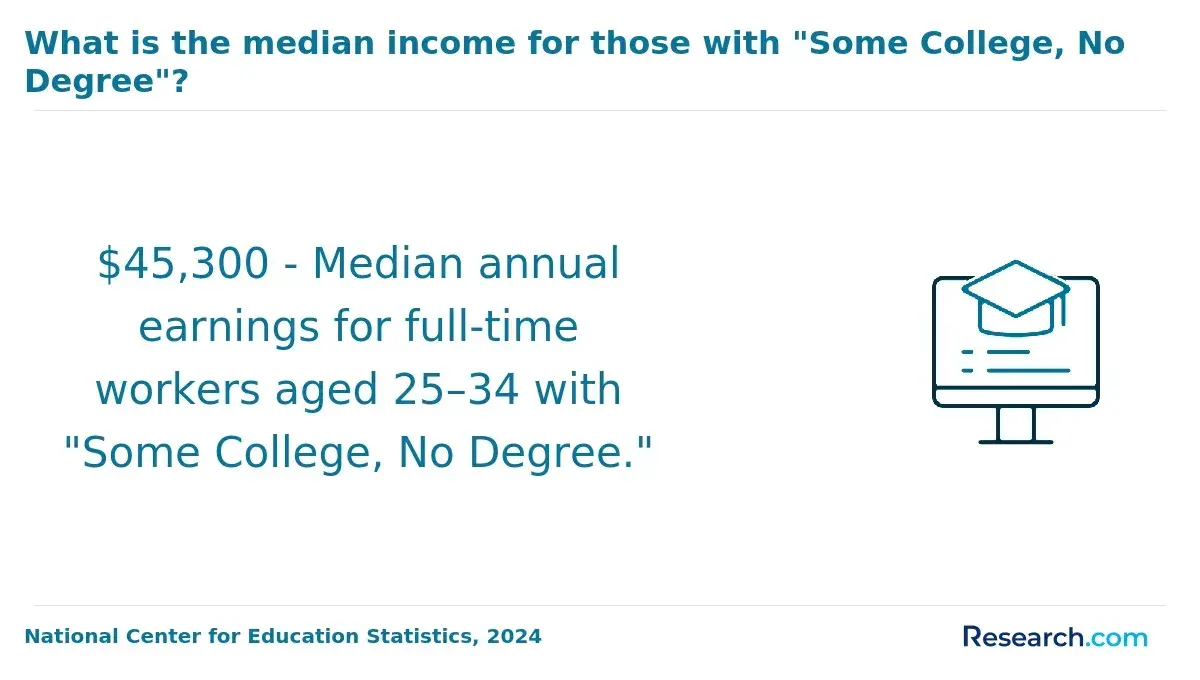
Admission requirements vary by degree level. A bachelor's program typically expects a high school diploma or equivalent, transcripts from all prior colleges, and sometimes a minimum GPA. Degree-completion programs for adults may require a certain number of transfer credits before admission to the major. Master's programs usually require a bachelor's degree, transcripts, a resume, a statement of purpose, and sometimes professional experience.
Most communication management programs are not math-heavy or lab-based, but they are writing-intensive. Schools may review whether applicants are ready for college-level writing, research, presentation, and digital communication work. If you have been out of school for years, ask whether the program offers writing refreshers or introductory online-learning modules.
The table below shows common admissions expectations by program level. Requirements are school-specific, so use this as a planning guide rather than a universal checklist.
| Program level | Common admission requirements | Adult-learner considerations |
| Associate pathway | High school diploma or equivalent, placement review, basic transcripts. | Useful for students who want a lower-cost entry point before transferring into a bachelor's program. |
| Bachelor's degree | High school and college transcripts, minimum GPA, application form, possible personal statement. | Transfer-friendly programs may be faster and cheaper for students with prior credits. |
| Bachelor's completion program | Prior college credits, minimum transfer GPA, general education prerequisites. | Best for adults who already completed an associate degree or substantial college coursework. |
| Master's degree | Bachelor's degree, resume, statement of purpose, recommendations, possible writing sample. | May fit professionals seeking leadership roles in corporate, nonprofit, government, or media communication. |
If you are not ready to enter a bachelor's program immediately, a transfer-oriented associate route can reduce risk and cost. Students still exploring fields may compare options such as the easiest associate degree, but the best choice should still connect to your intended bachelor's transfer plan.
Working adults should also watch for application policies that affect timing. Rolling admissions can help you start sooner, while cohort programs may require you to wait for the next scheduled intake. If your employer reimburses tuition only after course completion, ask whether the school's start dates and billing cycles align with that benefit.
How Much Does an Online Communication Management Degree Cost, and What Financial Aid Options Are Available?
The cost of an online Communication Management degree depends on tuition rate, residency status, transfer credits, fees, books, technology requirements, and how long you remain enrolled. College Board's 2024 pricing report lists average published 2024-25 tuition and fees at $11,610 for in-state students at public four-year institutions, $30,780 for out-of-state students at public four-year institutions, and $43,350 at private nonprofit four-year institutions. These figures are not online-program prices, but they give you a useful benchmark when judging whether a program is unusually expensive or competitively priced.
- Public in-state four-year benchmark: $11,610 in published tuition and fees for 2024-25
- Public out-of-state four-year benchmark: $30,780 in published tuition and fees for 2024-25
- Private nonprofit four-year benchmark: $43,350 in published tuition and fees for 2024-25
- Federal Pell Grant maximum: $7,395 for eligible undergraduates in the 2024-25 award year
Tuition is only one part of the decision. Online programs may charge technology fees, distance-learning fees, graduation fees, proctoring fees, portfolio assessment fees, or subscription-term charges. A program with a higher tuition rate may still be cheaper if it accepts more transfer credits or includes books and course materials.
The table below organizes the main cost drivers. It can help you compare programs on total cost instead of advertised per-credit tuition alone.
| Cost factor | What to check | Why it matters |
| Per-credit tuition | Whether the online rate differs from campus, in-state, or out-of-state tuition. | It determines the base cost before aid and fees. |
| Required credits after transfer | How many credits you must complete at the institution. | Accepted transfer credits can reduce both cost and time. |
| Fees | Technology, online course, student services, graduation, and assessment fees. | Fees can narrow or erase the apparent savings of a low tuition rate. |
| Course materials | Whether books, software, subscriptions, or media tools are included. | Communication programs may require writing, design, analytics, or presentation tools. |
| Pace of completion | Whether part-time enrollment increases total terms or recurring fees. | Longer enrollment can raise total cost even when term bills are smaller. |
Financial aid options may include the FAFSA, Federal Pell Grants for eligible undergraduates, federal student loans, state grants, institutional scholarships, military and veteran benefits, employer tuition assistance, union education benefits, and payment plans. Employer support is especially relevant for communication management because the skills can apply directly to internal communication, marketing, customer experience, public relations, and leadership roles.
Some adults reduce financial risk by combining a degree with smaller credentials that build job-ready skills along the way. For example, a student handling office communication or small-business operations might compare a book keeping certificate with a communication degree plan if their career goal blends administrative, financial, and client-facing responsibilities.
To estimate your true cost, request a written degree audit before enrolling. It should show accepted transfer credits, remaining credits, tuition rate, required fees, and expected terms to completion. Do not rely only on a website calculator if you have prior college coursework.
How Long Does It Take to Complete an Online Communication Management Degree, and Can Transfer Credits Help You Graduate Faster?
A traditional bachelor's degree usually requires about 120 credits. A first-time full-time student may complete that in about four years, while a working adult studying part time may need five to six years or more. The actual timeline depends on transfer credits, course availability, term length, whether you attend summer sessions, and whether the program allows accelerated or competency-based progress.
The table below compares common completion scenarios. It is designed to help you estimate timeline and workload before committing to a schedule.
| Student scenario | Common course load | Estimated timeline pattern | Workload concern |
| First-time full-time bachelor's student | About 12 to 15 credits per term | Often around four academic years | Difficult with full-time work unless responsibilities are limited. |
| Part-time bachelor's student | About 3 to 9 credits per term | Often longer than four years | More sustainable, but graduation may be delayed. |
| Degree-completion student | Varies after transfer evaluation | Can be much shorter if many credits apply | Depends heavily on how prior credits fit major and general education requirements. |
| Self-paced or competency-based student | Progress based on completed competencies or courses | May be faster for highly disciplined students | Slow progress can increase cost in subscription-based models. |
Transfer credit is one of the strongest tools for shortening an online Communication Management degree. Schools may accept credits from regionally or institutionally accredited colleges, associate degrees, military training, standardized exams, professional certifications, or prior learning portfolios. However, acceptance is never automatic. A course may transfer as elective credit but still not satisfy a major requirement.
If speed is a major priority, compare communication management options with broader accelerated degree pathways. Researching an online accelerated bachelor's degree can help you understand common models such as shorter terms, year-round enrollment, generous transfer policies, and adult-completion formats.
Use this sequence before you enroll, especially if you have prior credits. It can prevent the common mistake of starting a program before knowing how much time you actually have left.
- Send unofficial transcripts to admissions for an early estimate, but request an official transfer evaluation before committing.
- Ask how many credits must be completed at the school, because residency requirements can limit transfer savings.
- Confirm which transferred courses meet major, general education, and elective requirements.
- Ask whether professional training, military learning, exams, or portfolios can count toward credit.
- Request a term-by-term degree plan that shows realistic course availability for part-time students.
What Should You Look for When Comparing Accredited Online Communication Management Degree Programs?
When comparing accredited online Communication Management programs, do not choose based on flexibility alone. A strong program should combine recognized accreditation, transparent costs, practical curriculum, adult-friendly scheduling, qualified faculty, career support, and clear transfer policies.
The table below gives you a practical comparison framework. Use it when reviewing program websites or speaking with admissions advisors.
| Comparison factor | What strong programs make clear | Red flag |
| Accreditation | Recognized institutional accreditation and state authorization information. | The school uses vague phrases such as "internationally approved" without recognized U.S. accreditation. |
| Format | Whether courses are asynchronous, synchronous, hybrid, self-paced, or cohort-based. | The program says "flexible" but does not disclose live-session or deadline requirements. |
| Curriculum | Courses in strategic communication, organizational communication, media writing, digital strategy, research, ethics, and leadership. | The program is mostly general electives with little management or applied communication depth. |
| Faculty | Faculty credentials, professional experience, and availability for online students. | No clear information about who teaches online courses. |
| Career alignment | Projects, portfolios, analytics, crisis communication, stakeholder communication, or workplace applications. | No evidence that coursework produces artifacts useful for job searches or promotions. |
| Student support | Online advising, library access, tutoring, tech support, writing support, and career services. | Support exists only during standard business hours that conflict with work. |
Common mistakes can be expensive for adult learners because changing programs later may cost time, credits, and money. Before you apply, check for these issues and document the answers in writing.
- Do not assume online means self-paced; many online courses still have weekly deadlines and required discussions.
- Do not enroll without verifying accreditation through a recognized accreditor or official database.
- Do not compare tuition without adding fees, books, proctoring costs, and technology requirements.
- Do not assume all prior credits will apply to the major; ask for a degree audit.
- Do not choose the fastest option if the workload would put your job performance or family responsibilities at risk.
- Do not ignore career outcomes, portfolio opportunities, or employer-relevant skills.
If you are still deciding whether communication management is the right academic direction, it can help to compare it with other practical fields. A broader review of the best college majors can clarify how communication compares with business, technology, healthcare, psychology, and other career-oriented pathways.
What Career Opportunities and Salary Potential Can You Expect With a Communication Management Degree?
A Communication Management degree can support careers that involve planning messages, managing stakeholder relationships, leading teams, interpreting audience data, and communicating through digital, written, visual, and interpersonal channels. It is often relevant to public relations, corporate communication, internal communication, marketing communication, social media strategy, nonprofit outreach, government affairs, customer experience, and training communication.
BLS wage data published for May 2024 show a median annual wage of $69,780 for public relations specialists and $138,520 for public relations and fundraising managers. These figures are national medians, not promises; pay varies by region, employer, experience, industry, and whether the role requires management responsibility.
The table below connects common roles with the communication management skills they typically use. It can help you decide whether the degree aligns with your target job, not just a broad interest in communication.
| Career path | Typical responsibilities | Relevant degree skills |
| Public relations specialist | Write press materials, manage media relationships, support campaigns, monitor public perception. | Media writing, persuasion, audience analysis, crisis messaging. |
| Corporate communication specialist | Prepare internal announcements, executive messages, employee campaigns, and stakeholder updates. | Organizational communication, leadership communication, change communication. |
| Social media or digital communication manager | Plan content, track engagement, manage brand voice, coordinate digital campaigns. | Digital strategy, analytics, content planning, brand communication. |
| Communication manager | Lead communication projects, supervise staff or vendors, align messaging with business goals. | Project management, strategic planning, research, team leadership. |
| Nonprofit outreach or advocacy coordinator | Communicate with donors, volunteers, community partners, and public audiences. | Storytelling, stakeholder engagement, campaign planning, ethical communication. |
Current employer expectations are shifting toward measurable communication outcomes. Employers increasingly value candidates who can write clearly, use AI tools responsibly, interpret digital metrics, manage brand risk, and translate complex information for different audiences. A good program should therefore include both classic communication theory and applied work such as campaign plans, writing samples, presentations, research briefs, or portfolio projects.
This degree may be worth it if you want to move from task-based communication work into strategy, leadership, or cross-functional roles. It may be less useful if your target career requires a specialized license, a technical credential, or a different graduate pathway. For example, students comparing communication leadership with counseling or behavioral health careers may find that an online masters in clinical psychology follows very different training, practicum, and licensure expectations.
How Can Working Adults Balance a Communication Management Degree With Full-Time Work and Family Responsibilities?
Balancing a degree with full-time work and family responsibilities starts with a realistic workload estimate. A 3-credit course often requires several hours of reading, writing, discussion, and project work each week, and communication courses can be especially writing-heavy. If you work full time, two courses at once may be manageable only if your schedule is predictable and you have protected study blocks.
Use a planning approach before the term begins. The goal is not to create a perfect schedule, but to prevent schoolwork from competing with every other responsibility at the last minute.
- Choose your course load based on your busiest work season, not your quietest week.
- Block recurring study time for reading, writing, discussion posts, and revision before classes start.
- Tell your family or household which hours are protected for school and which hours remain family time.
- Use employer flexibility carefully, such as tuition assistance, adjusted shifts, professional development time, or project alignment.
- Start major writing assignments early because communication courses often require drafts, research, peer feedback, and revisions.
- Reassess after the first term and adjust your course load before burnout becomes a withdrawal.
Part-time enrollment is often the better long-term strategy for adults with demanding jobs, caregiving responsibilities, or unpredictable schedules. It may feel slower, but completing one sustainable course at a time is better than withdrawing from three courses because the workload was unrealistic.
Self-paced study requires a different kind of discipline. Without weekly class meetings, you need your own milestones. Set target completion dates for modules, assignments, and assessments, and ask whether faculty or coaches will intervene if you fall behind.
One practical test is to complete a sample week before enrolling. Read a chapter, write a short analysis, watch an online lecture, and participate in a mock discussion during your actual workweek. If that feels impossible, choose a lighter first term.
What Student Support Services and Online Learning Resources Should You Expect From a Communication Management Degree Program?
Online student support can determine whether a working adult persists through the program. A flexible schedule is not enough if advising, tutoring, library help, technology support, and career services are unavailable when you need them.
The table below lists support services that matter most for online Communication Management students. These services are especially important because the degree often requires research, writing, presentations, collaboration, and digital tools.
| Support service | What to expect | Why it matters |
| Academic advising | Degree planning, course sequencing, transfer-credit guidance, and graduation checks. | Prevents unnecessary courses and timeline delays. |
| Writing center | Help with research papers, professional writing, citations, and revision. | Communication management programs are writing-intensive. |
| Online library access | Databases, journals, citation tools, and librarian support. | Supports research-based assignments and campaign analysis. |
| Technology support | Help with the learning management system, video tools, proctoring, and account issues. | Evening or weekend support is valuable for working adults. |
| Career services | Resume reviews, interview support, portfolio guidance, job boards, and employer connections. | Helps translate coursework into promotion or job-search evidence. |
| Faculty access | Virtual office hours, email response expectations, and feedback timelines. | Adult learners need timely answers when balancing deadlines with work. |
Ask whether online students receive the same support as campus students. Also ask when services are available. A writing center that closes at 4 p.m. may not help a student who studies after children are asleep or after a night shift.
Strong programs also help students build a portfolio. In communication management, useful portfolio artifacts may include a crisis communication plan, employee communication campaign, social media audit, stakeholder memo, press kit, analytics report, or leadership communication strategy.
Do Online Communication Management Degree Programs Include Internships, Practicums, or Other Hands-On Learning Requirements?
Many online Communication Management programs include applied learning, but the format varies. Some require internships or practicums, while others use capstone projects, simulations, client-based assignments, research projects, or professional portfolios. For working adults, the key question is whether hands-on requirements can be completed remotely, locally, or through your current workplace.
The table below explains common applied-learning formats. Use it to identify requirements that could affect your schedule, employer approval, or graduation timeline.
| Applied-learning option | How it works | Adult-learner consideration |
| Internship | Student completes supervised work with an organization, agency, nonprofit, or communication department. | Ask whether current employment can qualify or whether evening, remote, or local placements are allowed. |
| Practicum | Structured field experience tied closely to course objectives and faculty oversight. | May require documentation, site approval, or scheduled hours. |
| Capstone project | Student completes a major project such as a campaign plan, communication audit, or strategic proposal. | Often more manageable for working adults because it may be completed online. |
| Portfolio requirement | Student gathers polished work samples from multiple courses. | Useful for job searches, promotions, and performance reviews. |
| Client-based project | Class works with a real or simulated client on a communication problem. | Can build experience, but group meetings may require coordination across schedules. |
If a program requires an internship, ask early how placements are approved. Some schools allow students to complete applied projects with their employer, but others restrict credit for work you already perform as part of your paid job. Clarifying this before enrollment can prevent a final-term surprise.
Hands-on learning is especially valuable in communication management because employers often want evidence of writing, strategy, judgment, and audience awareness. A degree plan that produces usable work samples may be more valuable than one built only around exams and discussion boards.
Other Things You Should Know About Communication Management
Yes, many accredited colleges offer fully online Communication Management or closely related strategic communication degrees. However, "fully online" can still include scheduled live sessions, proctored exams, group projects, or local applied-learning requirements, so confirm the format before enrolling.
It depends on your goal. Communication Management is usually more practical for students who want leadership, corporate communication, public relations, or organizational roles. A general communication degree may be better if you want a broader liberal arts foundation or plan to specialize later.
Employers are more likely to respect an online degree when it comes from an accredited institution and the graduate can show relevant skills. Your portfolio, writing samples, internship experience, and ability to connect coursework to workplace results can matter as much as the delivery format.
Strengthen academic writing, time management, basic presentation skills, and comfort with online learning tools. Familiarity with social media analytics, workplace collaboration platforms, and responsible AI use can also help, but most programs do not expect beginners to master these before admission.
References
- Best Online Degree Programs for Working Adults https://www.scholaro.com/db/News/best-online-degree-programs-256
- The Top 30 Online Masters in Communications Degree Programs - Best Marketing Degrees https://www.bestmarketingdegrees.org/top-20-online-masters-communications-degree-programs/
- Self-Paced Online College Courses: Flexible, Affordable Learning https://www.straighterline.com/blog/online-courses-self-paced
- What Are 21st Century Skills? https://www.icevonline.com/blog/what-are-21st-century-skills
- Guide To Self-Paced Online Colleges And Courses https://www.affordablecollegesonline.org/college-resource-center/self-paced-online-college/
- Self-Paced Online Degree Programs https://www.umassglobal.edu/why-umassglobal/flexible-ways-to-learn/self-paced
- Online Master’s in Communication Management Programs in 2025 https://www.mastersincommunications.org/online-communication-management/
- Careers in Communication: What Can You Do With a Degree in Communications? https://www.mastersincommunications.com/features/careers-in-communication
- What can you do with a bachelor's in communication? | edX https://www.edx.org/resources/what-can-you-do-with-a-bachelors-in-communication