2027 Accredited Online Construction Management Degree Programs for Working Adults: Flexible, Part-Time, and Self-Paced Options

Co-Founder and Chief Data Scientist
Choosing an online construction management degree while working full time is a scheduling, cost, and career decision. The Bureau of Labor Statistics reports a $106,980 median annual wage for construction managers and projects 9% job growth through 2033, making credential quality and flexibility important.
This guide is for adults comparing accredited online construction management programs, including part-time, asynchronous, and self-paced formats. You will learn how to evaluate accreditation, workload, transfer credits, tuition, financial aid, and program fit before enrolling.
Key Things You Should Know
- Accreditation should be your first filter: choose an institution recognized by the U.S. Department of Education or CHEA, and consider ACCE- or ABET-related program recognition when relevant to your career goals.
- Most online bachelor's programs require about 120 credits; full-time study commonly takes about four years, while part-time study may take five to six years, and generous transfer policies can reduce the remaining workload substantially.
- Working adults should expect a meaningful weekly commitment: one 3-credit online course often requires roughly 8 to 12 hours per week, so two courses at once can feel like a part-time job on top of employment and family responsibilities.
What Is an Accredited Online Construction Management Degree Program and Why Does Accreditation Matter?
An accredited online construction management degree is a college program delivered fully or mostly online that prepares students to plan, budget, schedule, supervise, and coordinate construction projects. At the bachelor's level, coursework often covers construction methods, estimating, building codes, scheduling, safety, contracts, project controls, materials, and leadership. Some programs also include business, accounting, sustainability, or construction technology courses.
Accreditation matters because it is the main quality-control signal in U.S. higher education. Institutional accreditation affects federal financial aid eligibility, transfer-credit acceptance, graduate school admission, and employer confidence. Programmatic accreditation, when available, can add another layer of review specific to construction education. For construction management, students may see references to the American Council for Construction Education, often called ACCE, or related applied engineering and technology accreditation depending on the program design.
The key distinction is institutional versus programmatic accreditation. Institutional accreditation evaluates the college or university as a whole. Programmatic accreditation evaluates a specific degree or academic unit. A program can be legitimate with institutional accreditation alone, but specialized accreditation can be useful if an employer, graduate program, or certification pathway values it.
This comparison shows how each accreditation type affects a working adult's decision. It is especially useful if you are trying to avoid programs that are convenient but weak on recognition.
| Accreditation factor | What it means | Why it matters for working adults |
| Institutional accreditation | The school has been reviewed by a recognized accrediting agency. | Usually required for federal aid, credit transfer, and broad employer recognition. |
| Programmatic accreditation | The construction management program has been evaluated against field-specific standards. | Can strengthen credibility for construction employers and graduate study, though not every strong online program has it. |
| State authorization | The school is approved to enroll online students in your state. | Important if you live outside the school's home state or may need state-specific professional eligibility. |
| Industry alignment | Courses reflect current construction tools, safety practices, project controls, and legal expectations. | Helps ensure the online curriculum is not just convenient, but relevant to job responsibilities. |
Avoid enrolling until you verify accreditation directly through the school's website and a recognized accreditation database. This is similar to the due diligence students use in regulated or credential-sensitive fields such as a BCBA degree, where accreditation, supervised experience, and eligibility rules can affect long-term career options.
Which Flexible Construction Management Degree Formats Are Best for Working Adults: Part-Time, Full-Time, or Self-Paced?
The best online construction management format depends on how predictable your work schedule is, how quickly you want to graduate, and how much structure you need to stay on track. "Online" does not automatically mean self-paced. Many online programs still use weekly deadlines, group projects, proctored exams, or required live sessions.
For working adults, the biggest practical difference is how much control you have over when learning happens. The following table compares common formats so you can match the program model to your real weekly schedule.
| Format | Best fit | Common trade-off | Typical workload pattern |
| Part-time asynchronous | Adults working full time with family or rotating responsibilities. | Slower completion, but more sustainable pacing. | Usually one or two courses at a time with weekly deadlines. |
| Full-time online | Students who can reduce work hours or have strong employer support. | Faster completion but higher risk of overload. | Often three to five courses per term. |
| Self-paced or competency-based | Experienced adults who can study independently and move quickly through familiar material. | Requires strong discipline; some programs have subscription terms or completion limits. | Variable pace, often with assessments completed when ready. |
| Synchronous online | Students who want live instruction and regular contact with faculty. | Less flexibility for evening work, travel, childcare, or overtime. | Live class meetings at set times plus assignments. |
| Cohort-based online | Students who value peer support and predictable course sequencing. | Less ability to pause, accelerate, or customize course order. | Structured sequence with classmates progressing together. |
Part-time asynchronous study is often the safest default for adults who work full time because it gives structure without requiring frequent live attendance. Full-time online study makes more sense if you have a flexible employer, savings, a lighter family load, or an urgent promotion timeline. Self-paced study can be efficient for experienced construction professionals, but it is not ideal if you need regular instructor reminders or struggle to study without external deadlines.
Before choosing a flexible format, ask the school to define flexibility in operational terms. These questions can reveal whether the advertised format will actually work with your job:
- Are lectures recorded, live, or both?
- Do assignments have weekly due dates, rolling deadlines, or fixed end-of-term deadlines?
- Are exams proctored at specific times, or can they be scheduled within a window?
- Can students pause enrollment for a term without losing catalog rights, scholarships, or cohort placement?
- How many credits does the school recommend for students working 40 or more hours per week?
- Are group projects required, and how are teams coordinated across time zones?
Project-based online degrees in other fields, such as an online game design degree, can also involve collaboration, software access, and portfolio work, which is a useful reminder that "online" does not mean "low effort." Construction management students should expect applied assignments that mirror jobsite coordination, estimating, scheduling, and communication tasks.
What Are the Admission Requirements for Accredited Online Construction Management Degree Programs?
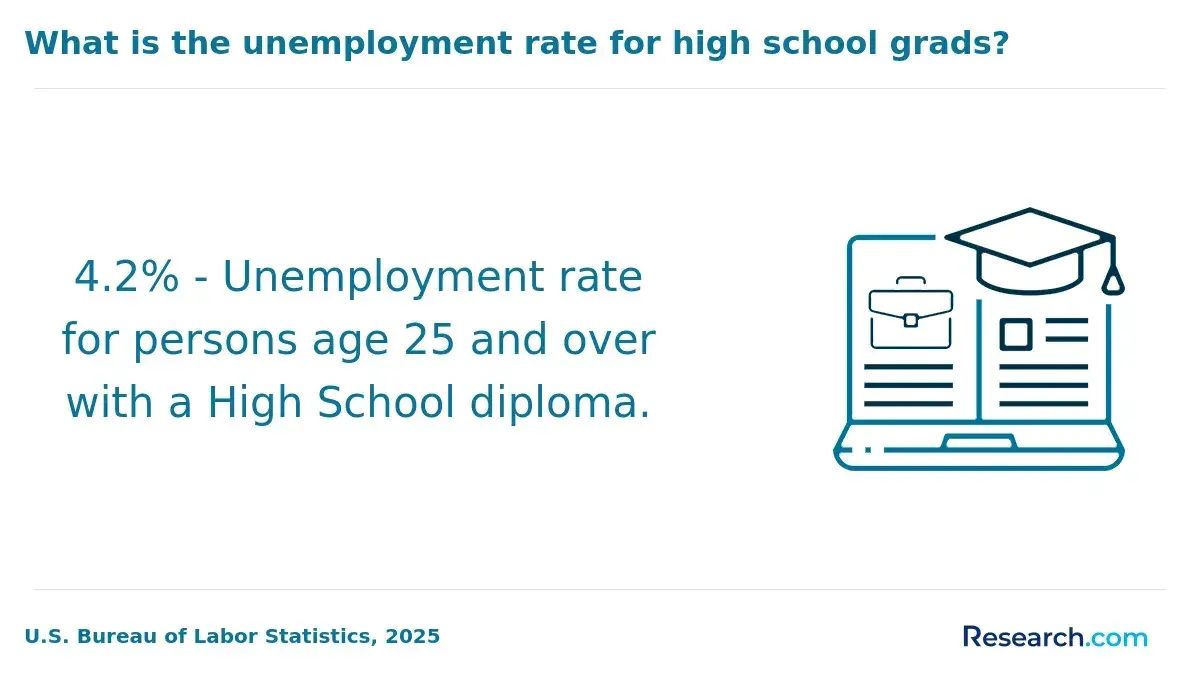
Admission requirements vary by school and degree level, but accredited online construction management bachelor's programs usually require a high school diploma or equivalent, official transcripts, an application, and proof of college readiness. Transfer students may need transcripts from every college attended, even if credits are old or unrelated.
Adult learners should pay close attention to prerequisites. Construction management programs often expect readiness in algebra, technical communication, computing, and sometimes physics or applied science. Students with prior trade, military, drafting, architecture, engineering technology, or project coordination experience may be especially competitive, but experience usually does not replace all academic requirements unless the school has a formal prior learning assessment policy.
The following table summarizes common admissions items and how they affect working adults. Use it to prepare documents before speaking with admissions so you can get a faster and more accurate transfer estimate.
| Requirement | What schools may ask for | Why it matters |
| Academic transcripts | High school, GED, community college, military, or previous university records. | Determines admission status, transfer credits, and placement needs. |
| Minimum GPA | Often required for transfer or upper-division admission. | A lower GPA may require conditional admission, advising, or fewer initial credits. |
| Math readiness | Placement scores, completed college algebra, or equivalent coursework. | Estimating, scheduling, structures, and cost control rely on quantitative skills. |
| Resume or work history | Sometimes requested for adult-focused or degree-completion pathways. | May support prior learning review or advising into career-relevant electives. |
| Technology access | Reliable internet, current computer, webcam, and software compatibility. | Online construction courses may use scheduling, estimating, CAD, BIM, or project management tools. |
If you are returning to school after several years, do not assume you must start over. Many adult-friendly programs accept lower-division general education courses, business courses, technical electives, military training, or industry-related credits. Students who have already completed business administration courses online may find that accounting, management, communication, or economics credits can apply to general education or elective requirements in a construction management curriculum.
How Much Does an Online Construction Management Degree Cost, and What Financial Aid Options Are Available?
Online construction management degree costs vary widely by school type, residency status, transfer credits, fees, and pacing. The College Board's 2024 pricing data shows average published tuition and fees of $11,610 for in-state students at public four-year institutions, $30,780 for out-of-state students at public four-year institutions, and $43,350 at private nonprofit four-year institutions for one academic year. Those are broad benchmarks, not construction-specific prices, but they help you compare whether a program's tuition is unusually high or competitive.
When comparing online programs, look beyond the advertised per-credit rate. Construction management students may face technology fees, proctoring fees, software access costs, lab kits, textbooks, graduation fees, and travel costs if the program includes campus residencies or site-based requirements.
Use this cost checklist to build a realistic estimate before enrolling. It can help you compare a low-tuition program with higher fees against a higher-tuition program that includes more services.
- Per-credit tuition for online students, including whether in-state and out-of-state rates differ.
- Total credits required after transfer evaluation, not just the full 120-credit catalog requirement.
- Course fees for estimating software, scheduling tools, safety training, BIM, CAD, or proctored exams.
- Required textbooks, digital platforms, and hardware specifications.
- Residency, internship, or site-visit travel expenses, if any.
- Tuition changes by term, especially for self-paced subscription models or accelerated sessions.
- Employer tuition assistance rules, including grade requirements and annual reimbursement caps.
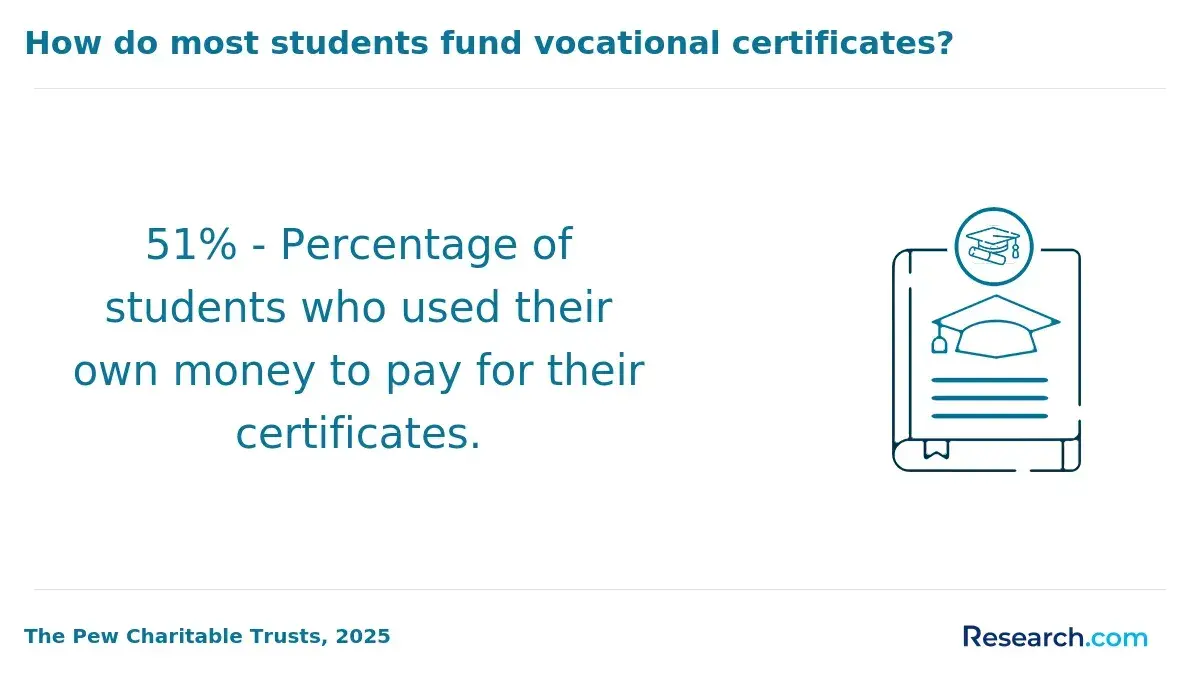
Federal financial aid may be available if the school is properly accredited and you meet eligibility requirements. For the 2024-2025 award year, the maximum Federal Pell Grant is $7,395. The Pell Grant does not cover the full cost of many bachelor's programs, but it can reduce borrowing when combined with transfer credits, employer benefits, scholarships, and careful part-time course planning.
Most working adults should compare financing options in this order:
- Submit the FAFSA to determine federal, state, and institutional aid eligibility.
- Ask your employer about tuition reimbursement, apprenticeship education benefits, union training funds, or professional development support.
- Request a written transfer-credit evaluation before estimating total cost.
- Apply for scholarships from the school, construction associations, local foundations, and employer partners.
- Use loans only after calculating the total amount needed to finish, not just the first term.
The most common cost mistake is choosing the lowest per-credit tuition without checking how many credits remain. A program that accepts 60 prior credits may cost less overall than a cheaper program that accepts only 30.
How Long Does It Take to Complete an Online Construction Management Degree, and Can Transfer Credits Help You Graduate Faster?
A bachelor's degree in construction management usually requires about 120 credits. Full-time students often complete the degree in about four years, while adult learners studying part time may need five to six years depending on course load, transfer credits, and term structure. Degree-completion programs for students with an associate degree or substantial prior credits may take closer to two years of focused study.
Transfer credits can be one of the biggest time-saving tools for working adults. Community college coursework, associate degrees in construction technology or related fields, military training, prior university credits, and some industry credentials may reduce the number of courses you still need to complete. However, schools set their own rules on minimum grade requirements, credit age, residency credits, and whether technical courses match upper-division requirements.
The following table illustrates how pacing can affect time to completion. These are planning ranges, not promises, because every school evaluates credits differently.
| Starting point | Likely remaining credits | Possible pace for working adults | Planning note |
| No prior college credit | About 120 credits | Four years full time or five to six years part time | Best for students who need the full degree pathway and can commit long term. |
| Some prior college credit | Often 60 to 90 credits remaining | Three to five years depending on accepted credits | Request an official evaluation before comparing costs. |
| Relevant associate degree | Often 45 to 60 credits remaining | About two to three years part time | Works best when the associate degree has an articulation agreement. |
| High transfer total plus experience | Varies by residency and major requirements | Potentially faster if upper-division courses are available year-round | Prior learning credit may help, but it rarely replaces all major coursework. |
To avoid delays, ask whether required construction management courses are offered every term or only once per year. A program may be flexible in format but slow in sequencing if a missed prerequisite is unavailable until the next academic year.
Working adults should also compare academic calendars. Traditional 15-week semesters provide more breathing room, while 7- or 8-week accelerated terms can help students finish faster but may feel intense during busy work seasons. Self-paced subscription terms can be efficient if you already know the material, but they can become expensive if you make limited progress during each paid term.
What Should You Look for When Comparing Accredited Online Construction Management Degree Programs?
Comparing accredited online construction management programs should involve more than tuition and the word "flexible." A strong program should match your schedule, recognize prior learning where appropriate, teach current construction practices, and provide enough support to help you finish while employed.
Use the following comparison framework when narrowing your list. These criteria help you separate genuinely adult-friendly programs from programs that simply moved campus courses online.
- Verify institutional accreditation through a recognized accreditor and confirm the school is authorized to enroll students in your state.
- Check whether the construction management program has ACCE, ABET-related, or other field-relevant recognition, if that matters for your employer or graduate school plans.
- Request a degree audit showing accepted transfer credits, remaining credits, course sequence, and estimated graduation date.
- Ask whether courses are asynchronous, synchronous, self-paced, cohort-based, or a mix of formats.
- Review the weekly workload for a typical 3-credit course and ask how many credits the school recommends for full-time workers.
- Confirm whether construction software, labs, site visits, internships, or proctored exams require specific scheduling.
- Compare total estimated cost after transfer credits, not only published tuition.
- Ask about career support, employer connections, construction industry advisory boards, and alumni outcomes.
Red flags deserve just as much attention as attractive features. Be cautious if a school cannot clearly explain accreditation, refuses to provide a written transfer evaluation, advertises extreme acceleration without explaining workload, or uses pressure-based enrollment tactics. Also be careful with programs that describe themselves as self-paced but still require fixed weekly meetings or inflexible exam windows.
This table summarizes common adult-learner mistakes and better alternatives. It is designed to help you avoid decisions that can increase cost, delay graduation, or reduce the value of the credential.
| Common mistake | Why it creates risk | Better alternative |
| Choosing based only on tuition | Fees, rejected transfer credits, and longer timelines can raise total cost. | Compare total cost to completion after an official degree audit. |
| Assuming online means asynchronous | Live sessions can conflict with jobsite shifts, overtime, or family care. | Ask for the exact weekly schedule and attendance policy. |
| Ignoring course sequencing | Missing one prerequisite can delay graduation by a term or more. | Request a term-by-term plan before enrolling. |
| Overloading the first term | Returning students may underestimate time needed for reading, software, and projects. | Start with one or two courses, then increase only if sustainable. |
| Skipping career outcome questions | A flexible program may not have strong employer connections or advising. | Ask about career services, internship support, and construction employer partnerships. |
If you are still deciding whether construction management is the right bachelor's path, compare it with broader lists of the best bachelor degrees to get based on salary potential, job demand, and fit with your strengths. Construction management can be a strong choice for people who like applied problem-solving, field coordination, budgeting, scheduling, and leading teams.
What Career Opportunities and Salary Potential Can You Expect With a Construction Management Degree?
A construction management degree can support careers in general contracting, residential construction, commercial building, heavy civil construction, specialty trades, real estate development, facilities management, and construction consulting. The degree is especially relevant for workers who want to move from craft, field, estimating, drafting, inspection, or coordination roles into project leadership.
The Bureau of Labor Statistics reports a $106,980 median annual wage for construction managers, with projected employment growth of 9% through 2033. That figure does not guarantee an individual salary, but it signals that construction management remains a sizable, relatively well-compensated occupation where formal education, experience, location, and project type can influence opportunities.
This table outlines common career directions connected to construction management education. Use it to identify which program features matter most for your target role.
| Career path | Common responsibilities | Program features to prioritize |
| Assistant project manager | Track schedules, coordinate subcontractors, support budgets, document project changes. | Scheduling, contracts, estimating, communication, and project management software. |
| Construction manager | Oversee budgets, timelines, safety coordination, teams, vendors, and owner communication. | Leadership, risk management, cost control, safety, law, and capstone projects. |
| Estimator | Prepare quantity takeoffs, cost projections, bids, and scope comparisons. | Estimating, plans reading, materials, Excel, digital takeoff tools, and cost databases. |
| Scheduler or project controls specialist | Build and monitor timelines, critical paths, progress reports, and resource plans. | Scheduling software, analytics, project controls, and construction operations. |
| Safety coordinator | Support jobsite safety planning, compliance documentation, training, and incident prevention. | Construction safety, OSHA-related coursework, risk management, and field experience. |
| Facilities or owner's representative role | Coordinate maintenance, renovations, vendor contracts, and capital projects for an owner. | Contracts, budgeting, building systems, communication, and lifecycle cost planning. |
Employers often value a mix of education and experience. A degree may help you compete for management-track roles, but field credibility, communication skills, software fluency, safety awareness, and the ability to manage conflict are also important. Certifications such as OSHA credentials, LEED Green Associate, Certified Construction Manager, Project Management Professional, or construction-specific estimating and scheduling credentials may add value depending on your career path.
Current trends are also changing what construction managers need to know. Digital project delivery, building information modeling, drone documentation, cost escalation tracking, modular construction, sustainability requirements, and AI-assisted scheduling or estimating tools are becoming more visible in the industry. When comparing programs, look for evidence that the curriculum is updated regularly rather than relying only on traditional management theory.
How Can Working Adults Balance a Construction Management Degree With Full-Time Work and Family Responsibilities?
Balancing a construction management degree with full-time work is possible, but it requires a realistic course load and a schedule that accounts for overtime, commute time, family responsibilities, and unpredictable project demands. The biggest mistake is planning around an ideal week instead of your typical difficult week.
A practical approach is to design your semester before it begins. The following steps can help you keep progress steady without burning out.
- Start with one course if you have been out of school for several years or if your job requires overtime.
- Block recurring study time on your calendar before the term starts, including one backup session for unexpected work or family interruptions.
- Choose asynchronous courses when your work schedule changes by project phase, shift, weather, or client demand.
- Tell your advisor about busy construction seasons so you can avoid stacking demanding technical courses during peak work periods.
- Use employer support carefully by confirming reimbursement deadlines, grade requirements, and whether the benefit is paid upfront or after course completion.
- Plan group projects early, especially if classmates are in different time zones or work different shifts.
- Reassess your course load after each term instead of assuming the same pace will work year-round.
Adults who work in construction should also consider seasonal workload. If spring and summer are busy on your jobsites, a lighter academic load during those terms may be smarter than forcing a fixed graduation date. Conversely, winter or slower project periods may be a good time to take a more demanding course.
Self-paced programs require a different strategy. Instead of waiting for weekly deadlines, set your own milestone dates for readings, assignments, assessments, and instructor check-ins. If you tend to procrastinate, a scheduled asynchronous program may be more effective than a fully self-paced model because it gives you structure while preserving flexibility.
Online professional programs in other fields face similar balancing challenges. For example, students researching a master's in clinical psychology online often need to compare coursework with supervised field requirements, which is a useful reminder to check both online flexibility and any in-person obligations before enrolling.
What Student Support Services and Online Learning Resources Should You Expect From a Construction Management Degree Program?
Strong student support can make the difference between enrolling and finishing. Working adults need services that are available outside standard business hours, clearly documented, and easy to access online. A program may have excellent faculty but still be difficult for adult learners if advising, tutoring, or technical support is only available during the workday.
At minimum, expect support in academic planning, online learning technology, library research, tutoring, career preparation, disability accommodations, and financial aid. Construction management students should also look for help with industry software, resume translation for field experience, internship coordination, and preparation for interviews with contractors, owners, or consulting firms.
The following table shows support services that are especially important in online construction management programs. Use it when evaluating whether a school is set up for adult learners or mainly for traditional full-time students.
| Support service | What to look for | Why it matters |
| Academic advising | Term-by-term degree planning and transfer-credit guidance. | Prevents sequencing problems that delay graduation. |
| Online tutoring | Help in math, writing, estimating, accounting, and technical courses. | Supports students returning after years away from school. |
| Technology support | Evening or weekend help with the learning platform, proctoring tools, and software access. | Reduces lost time when technical problems occur outside work hours. |
| Library access | Remote databases, citation help, and construction-related research resources. | Improves research quality for papers, codes, contracts, and capstone work. |
| Career services | Resume support, interview preparation, employer events, and job boards. | Helps translate degree progress into career mobility. |
| Faculty access | Clear response-time policies, virtual office hours, and feedback on applied projects. | Important when students cannot visit campus or attend daytime office hours. |
Ask how quickly instructors and support teams respond to online students. A 24- to 48-hour response window may be manageable in a standard course, but it can be frustrating in accelerated terms where a delayed answer can affect several assignments.
Also review the learning platform before the refund deadline if possible. A well-designed online course should clearly show weekly modules, due dates, grading rubrics, instructor contact information, technical requirements, and assignment submission rules. Confusing course design can add hours of unnecessary work each week.
Do Online Construction Management Degree Programs Include Internships, Practicums, or Other Hands-On Learning Requirements?
Some online construction management programs include internships, practicums, field experiences, capstones, labs, or project-based assignments. These requirements vary by school and are not always obvious from the word "online." For working adults, the key question is whether hands-on learning can be completed through your current job, a local employer, a simulated project, or a required campus visit.
Hands-on learning can be valuable because construction management is an applied field. Students often need practice reading plans, preparing estimates, building schedules, evaluating risks, documenting project changes, and communicating with stakeholders. A strong online program should connect coursework to real construction scenarios rather than relying only on textbook exams.
Before enrolling, ask these questions about field and applied requirements. They can help you avoid surprises after you are already committed financially.
- Is an internship, practicum, field experience, or capstone required for graduation?
- Can current construction employment satisfy the field requirement?
- Does the school help online students find approved local placements?
- Are there minimum site hours, supervisor qualifications, or documentation requirements?
- Are any labs, exams, orientations, or presentations required on campus?
- Can applied projects be completed using local construction sites, employer-approved data, or simulations?
- What happens if a student works in a related field but not directly in construction?
If you already work in construction, hands-on requirements may strengthen your learning without adding a separate internship. For example, a course project might allow you to analyze a real schedule, estimate a scope package, or evaluate safety documentation from your workplace, as long as confidentiality rules are followed. If you do not currently work in the industry, an internship or local project requirement may be more important for building experience and employer contacts.
Be especially careful with programs that require daytime internships if you cannot reduce work hours. In that case, ask whether evening, weekend, remote documentation, or employer-based options are available before enrolling.
Other Things You Should Know About Construction Management
Yes, many online bachelor's programs accept students without construction experience. However, you may need extra time to build practical knowledge through labs, projects, internships, entry-level work, or field-based assignments.
Yes. Construction management focuses on budgets, schedules, contracts, safety, field coordination, and project delivery. Civil engineering is more design- and analysis-focused and may lead to professional engineering licensure pathways that have different academic requirements.
Usually not before enrollment, but you should check the technology requirements. Programs may use estimating, scheduling, spreadsheet, CAD, BIM, or project management tools, and some require a computer that can run specialized software.
They may, but transfer and admission decisions depend on the graduate school, your grades, accreditation, prerequisites, and the specific courses completed. If graduate study is a goal, ask prospective master's programs what they expect before choosing a bachelor's program.
References
- Mastering Time Management as a Part-Time Student https://universityofgalwayadultlearning.home.blog/2025/09/10/mastering-time-management-as-a-part-time-student/
- Construction Management - Atlantic Technological University https://www.atu.ie/courses/bachelor-of-science-construction-management
- Essential Schooling for Construction: Your Path to a Successful Career https://abccentraltexas.org/schooling-for-construction-education-paths-costs-careers-how-to-choose/
- Best Online Construction Management Degrees: 2026 https://gobuid.com/en/blog/all-articles/best-online-construction-management-degree-programs
- Best Online Construction Management Degrees https://www.affordablecollegesonline.org/degrees/construction-management-programs/
- Types of Financial Aid for Online Colleges https://www.umassglobal.edu/blog-news/types-financial-aid-online-colleges
- Asynchronous Education vs Fixed Schedule Online Classes: Which Works for Working Professionals https://puie.ac/asynchronous-education-vs-fixed-schedule-online-classes-which-works-for-working-professionals/
- 5 Construction Management Career Opportunities Out of College https://aic-builds.org/5-construction-management-career-opportunities-out-of-college/
- The Ultimate Guide for a Construction Management Degree https://www.boomandbucket.com/blog/the-ultimate-guide-for-a-construction-management-degree
- Self-Paced Learning | Flexibility & Efficiency for the Modern Workplace https://kashida-learning.com/self-paced-learning-flexibility-for-the-modern-workplace/