2027 Arizona State University Online MS in Organizational Leadership: Cost, Curriculum, Admissions, and Career Outcomes

Co-Founder and Chief Data Scientist
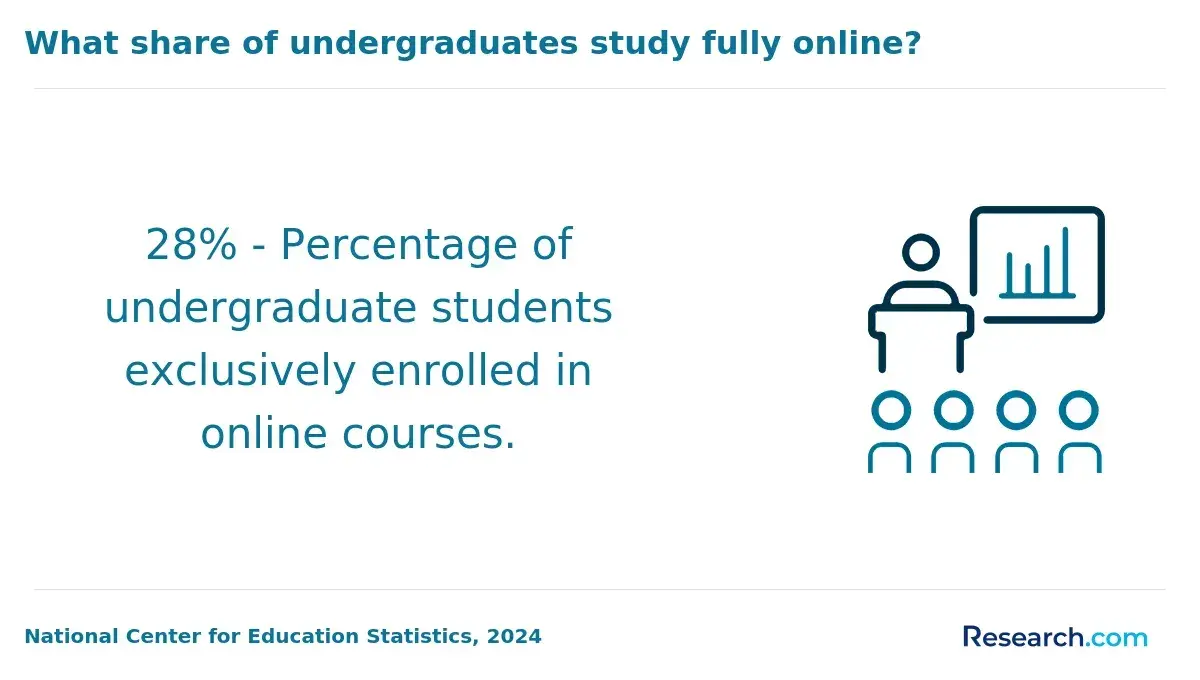
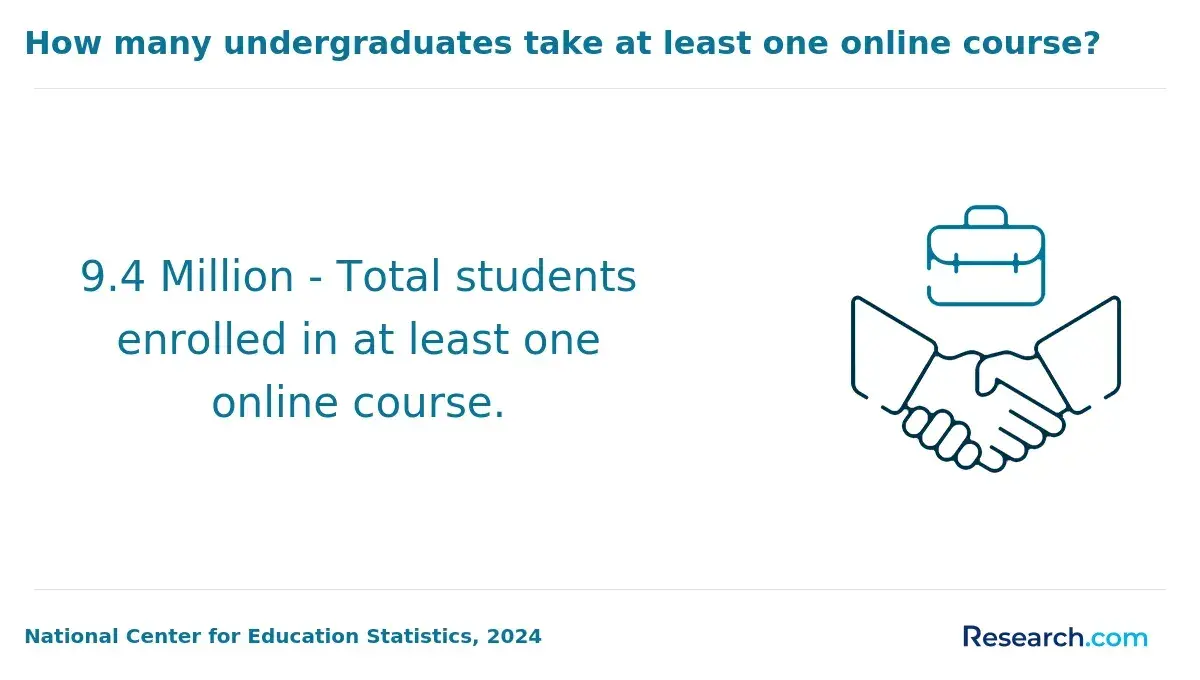
Choosing an online MS in Organizational Leadership program requires navigating diverse options to find one that fits unique academic goals, lifestyle, and career aspirations. Arizona State University offers a flexible path, but prospective students must assess if its curriculum aligns with their leadership development needs and if admissions criteria accommodate their background. In 2024, data from the National Center for Education Statistics reveals a 12% rise in adult learners enrolling exclusively in online graduate programs, reflecting growing demand for accessible, career-oriented education. Understanding the interplay of cost, course content, application requirements, and employment outcomes is crucial for informed decision-making.
This article explores these aspects of Arizona State University's online MS in Organizational Leadership program to clarify its suitability for diverse student profiles and career objectives.
Key Points About Arizona State University's MS in Organizational Leadership Program
- The 90% acceptance rate at Arizona State University's online MS in Organizational Leadership reflects relatively accessible admission but may signal a more heterogeneous peer group affecting cohort dynamics and networking depth.
- Employers value alumni of this program for demonstrated leadership skills, suggesting a tangible return in organizational influence, though individual career advancement still depends on sector and prior work experience.
- The program's rigor, backed by accredited curriculum and faculty expertise, requires students to balance cost and time investment against potential leadership role opportunities and salary growth over time.
What can students expect from Arizona State University's online MS in Organizational Leadership curriculum?
Employers increasingly expect graduates of organizational leadership programs to demonstrate both theoretical insight and practical management skills, especially the ability to navigate complex team dynamics and data-informed decision making. The online MS in organizational leadership program coursework at Arizona State University aligns closely with this dual necessity, reflecting common standards seen across similar US programs but adding particular emphasis on applying leadership principles in project-based environments. Real-world leadership challenges-such as managing cross-functional teams during organizational change-are simulated through assignments that require critical analysis and strategic planning. Below are key curriculum elements that define Arizona State University's approach:
- Organizational Behavior and Leadership Communication: Students delve into how individuals and groups function within organizations, coupled with effective communication strategies. This coursework demands understanding nuanced interpersonal dynamics critical for team leadership and conflict resolution.
- Data-Driven Decision Making: Emphasizing analytical skills, this component trains students to interpret organizational data to guide ethical and innovative decisions, a skill increasingly vital in evidence-based management practices.
- Capstone Project: A culminating integrative assignment requires synthesizing leadership theory and practice to propose solutions to real organizational problems. This project develops proficiency in strategic thinking and demonstrates readiness for leadership roles across sectors.
While Arizona State University's curriculum provides flexibility through online delivery, it maintains rigorous academic standards that mirror industry expectations. Graduates are positioned to address leadership challenges in diverse fields, including healthcare and education, where a blend of ethical judgment and strategic agility is demanded. Students aiming for fast online degrees that pay well should recognize that the program's balanced emphasis on theory and applied leadership prepares them not just to occupy managerial titles but to drive meaningful organizational outcomes.
What are Arizona State University's admission requirements for online MS in Organizational Leadership program?
Admission to Arizona State University's online MS in Organizational Leadership demands academic preparation beyond typical undergraduate entry, reflecting the graduate-level rigor and employer expectations for mastery in leadership principles. A prospective student without formal graduate experience but with solid undergraduate credentials and adequate English proficiency stands a realistic chance, provided they furnish comprehensive supporting documents. Below is a breakdown of key admission requirements applicants must typically meet or consider preparing thoroughly:
- Secondary Education Records: Applicants must submit detailed transcripts or equivalent evidence of high school completion, including a GED certificate if applicable. This baseline academic record ensures the candidate has foundational knowledge necessary for graduate coursework.
- Standardized Test Recommendations: While neither SAT/ACT nor GMAT scores are mandatory, submitting these scores can strengthen an application by demonstrating quantitative and verbal aptitude. Employers often value candidates who show readiness through such metrics despite their optional status.
- English Proficiency: Non-native English speakers are required to prove proficiency, most commonly through TOEFL scores. This requirement safeguards communication effectiveness, which is critical in leadership roles reliant on clear messaging.
- Supporting Documentation: Letters of recommendation and competency evidence like Wonderlic or WISC-III test results are advised but not compulsory. These materials help differentiate applicants by confirming soft skills and leadership potential, which are highly regarded in practical leadership positions.
- Technology Access: Because the online program requires active participation via computer, applicants must have reliable access to appropriate technology. Arizona State University offers options to lease or purchase equipment, recognizing this practical barrier to remote learning success.
Is it difficult to get admitted to Arizona State University's online MS in Organizational Leadership program?
Admission to most MS in organizational leadership programs tends to weigh professional experience and career alignment more heavily than academic metrics, which generally reduces competition relative to STEM or business analytics graduate tracks. This focus often leads to stable but not intensely competitive applicant pools, prioritizing fit over raw selectivity.
Arizona State University's online MS in Organizational Leadership reflects this trend with a notably accessible admissions process. With a 90% acceptance rate from around 68,840 applicants annually, the program has moderately easy entry relative to many graduate offerings. Absence of SAT or ACT requirements further lowers entry barriers, highlighting the university's intention to attract a diverse and career-focused cohort rather than emphasizing standardized test performance.
This level of selectivity suggests applicants should nevertheless prepare clear demonstrations of professional goals and leadership experience to stand out but need not be deterred by highly competitive screening. The moderate difficulty aligns with workforce demand for leadership skills that combine theoretical knowledge with practical application rather than purely academic excellence.
A recent graduate shared their experience: "I hesitated initially, worried about competing with candidates from traditional business backgrounds. The application emphasized my work experiences and leadership initiatives over test scores, which relieved some pressure. Getting admitted felt like recognition of my professional trajectory rather than academic competition, and that made me confident the program matched my real-world goals."
What is the cost of attending an online MS in Organizational Leadership program at Arizona State University?
The tuition cost for the online MS in Organizational Leadership at Arizona State University is $12,051 annually, exclusive of books, room, and board. Additional expenses, such as $1,320 for books and supplies, can notably increase the total cost, which overall reaches $34,845 when including living expenses. For many students, especially those balancing work and study, this flat-rate tuition without out-of-state surcharges offers a predictable financial commitment, an advantage over schools that vary fees widely based on residency.
Given the university's flat tuition model for online learners, students from outside Arizona often find this program more affordable than comparable offerings requiring higher out-of-state fees. This pricing dynamic changes the calculus for prospective students weighing affordable online MS in organizational leadership programs in Arizona against costly alternatives that also may include hidden fees or variable charges based on location and delivery method.
When compared to national norms, Arizona State University's tuition and fee structure aligns competitively with many programs, though the total cost of attendance in traditional settings-including room and board-can be lower. This divergence highlights a tradeoff: while online formats offer flexibility, associated costs like technology and supplies, plus living expenses if learning remotely, shape the total investment required for students prioritizing convenience over campus engagement.
Professionally, employers evaluating candidates with this degree will likely focus on demonstrated leadership skills and relevant experience rather than tuition cost alone. However, the transparent pricing and absence of location-based tuition variation make Arizona State University a practical option for those seeking to minimize financial uncertainty. Prospective students should also consider labor market data and demand; for instance, researching the most lucrative degrees in leadership-related fields can help refine expectations about return on investment alongside program costs.
Are there financial aid options for online MS in Organizational Leadership students at Arizona State University?
Access to financial aid can significantly influence the feasibility of pursuing an online MS in organizational leadership at Arizona State University, especially for working professionals evaluating the return on their educational investment. Aid availability affects decisions regarding enrollment timing and loan dependency, as students must balance immediate financial pressures against long-term career benefits. Understanding the range of funding sources allows candidates to tailor their approach to financing this degree. Below are key financial support options to consider.
- Institutional Scholarships: Awarded based on academic merit, leadership potential, or professional experience, these scholarships reduce tuition costs for selected candidates and typically require maintaining a set GPA.
- Federal Student Loans: Graduate students may access Direct Unsubsidized and Grad PLUS Loans through FAFSA, offering flexible borrowing but realistic repayment terms that need careful assessment to avoid excessive debt.
- Corporate Tuition Reimbursement: Many employers support continuing education through tuition reimbursement programs, often covering a substantial portion of costs if the course aligns with job responsibilities.
- Veteran Benefits: Military-affiliated students can utilize benefits like the GI Bill and Yellow Ribbon Program, which offer significant financial assistance, contingent on service eligibility and institutional participation.
- Work-Study Programs: Though more common for undergraduates, some graduate students qualify for part-time campus employment that offsets educational expenses while providing work experience related to leadership fields.
What learning resources are available to online MS in Organizational Leadership students at Arizona State University?
Effective learning resources are critical for students in an online MS in Organizational Leadership program to translate theoretical knowledge into practical leadership skills valued by employers. Without direct, hands-on experience that traditional programs might offer, access to comprehensive academic advising, tutoring, and career support can significantly influence student outcomes and post-graduate employment prospects. For example, a student aspiring to a managerial role in human resources will need not just conceptual understanding but tailored guidance and professional connections to navigate job market expectations effectively. These resources help bridge the gap between remote study and real-world application. Below is an overview of key learning supports provided to students at Arizona State University.
- Technical Support: ASU offers round-the-clock assistance through live chat, phone, and email, ensuring that technology issues do not hinder progress. Immediate resolution is essential for maintaining the workflow of students balancing studies with work or family commitments.
- Academic Advising: Dedicated advisors help students plan course sequences strategically, align coursework with career objectives, and monitor degree progression. This support is vital for managing the flexibility and self-direction required in online programs.
- Online Tutoring: Specialized tutoring services cater to subjects within organizational leadership, supplementing student learning with expert help. This can be crucial for mastering complex leadership theories and quantitative methods remotely.
- Writing Assistance: Services focused on refining communication skills help students present ideas clearly and professionally, a core competency in leadership roles where clear messaging impacts team and stakeholder outcomes.
- Career Services and Networking: Virtual career counseling, resume critiques, and interview preparation tailored to leadership sectors enable students to translate academic credentials into market-ready qualifications. Access to an extensive alumni network and online events fosters connections that might otherwise require on-site engagement.
Does Arizona State University's online MS in Organizational Leadership program have in-person clinicals or practicums?
Programs in organizational leadership generally differ from clinical or counseling degrees by not requiring in-person practical components such as clinicals or practicums. These hands-on experiences are typical in fields where direct client contact and supervised practice are critical for skill development and licensure. In contrast, the nature of organizational leadership education emphasizes applied theoretical knowledge, strategic analysis, and project-based assignments that reflect real-world organizational challenges. This distinction means that students targeting leadership roles in corporate, nonprofit, or governmental sectors often do not face the same logistical and time burdens imposed by clinical placements.
Arizona State University's online MS in Organizational Leadership aligns with this industry pattern by not mandating any in-person practicum or clinical experiences. Instead, the curriculum integrates applied learning through case studies, virtual collaboration, and reflective exercises, enabling students to develop leadership competencies without attending on-campus sessions or completing supervised fieldwork. This approach is particularly advantageous for professionals who need a flexible schedule and cannot commit to on-site requirements while balancing work and study. For those evaluating Arizona State University online MS in Organizational Leadership in-person practicum requirements, this difference can be a decisive factor.
While some programs require internships or practicums to bridge theory and practice, ASU's model embeds practical application within the online coursework, which may impact the depth of experiential leadership exposure compared to programs with hands-on placements. Prospective students should weigh how this format aligns with employer expectations in their chosen field or sector. More information on degree programs with practical components can be found by exploring online accredited colleges.
What careers can graduates of online MS in Organizational Leadership at Arizona State University secure?
The practical value of the online MS in organizational leadership at Arizona State University lies largely in its alignment with roles demanding strategic oversight and people management within diverse settings. Graduates must weigh the variability of opportunities across industries against their own leadership strengths and sector preferences. For instance, an organizational development specialist might be tasked with diagnosing and reshaping corporate culture, whereas a project manager's effectiveness hinges on navigating complex timelines and stakeholder requirements. This distinction highlights how different roles demand tailored leadership capabilities and reward structures. Below are key career paths that demonstrate the real-world applicability of the Arizona State University organizational leadership careers:
- Organizational Development Specialist: Professionals in this role assess company structures and cultural dynamics, recommending interventions that improve workflow and employee engagement. Median salaries vary but often reflect the impact of successful organizational change initiatives.
- Human Resources Manager: These managers apply leadership principles to oversee recruiting, employee relations, and workforce training. Positions frequently command median salaries exceeding $120,000, reflecting their strategic importance in talent management.
- Project Manager: Focused on guiding projects from initiation through completion, these leaders ensure alignment with business objectives, balancing scope, time, and budget constraints.
- Business Consultant: Leveraging leadership acumen, consultants advise firms on operational improvements and best practices, requiring adaptability across industries and client needs.
Given increasing demand for leadership roles in human resources and project management, prospective students should consider how the curriculum's emphasis on conflict resolution and change management enhances their employability. Exploring related fast track programs may also offer accelerated entry into these career opportunities.
What is the salary outlook for online MS in Organizational Leadership graduates?
The salary outlook for online MS in Organizational Leadership graduates from Arizona State University reflects a competitive position that often aligns with or exceeds median earnings in related business and management fields. While there is no explicitly published salary data specific to this degree, the overall median alumni salary at Arizona State University is $62,668, suggesting graduates benefit from earnings commensurate with advanced leadership and management capabilities. For example, individuals transitioning to roles such as human resources director or leadership consultant typically encounter competitive salaries that balance strategic leadership responsibilities with organizational impact.
When assessing career growth and earning potential after MS in Organizational Leadership from Arizona State University, it is important to consider median salaries in similar programs. Graduates in business administration and operations report median salaries around $51,542, while those with expertise in management sciences and quantitative methods often achieve higher median earnings near $57,761. These figures imply that the leadership-oriented skill set acquired in this program positions graduates for financial outcomes comparable to or better than many traditional management tracks, especially when combined with technical or engineering backgrounds that command salaries over $60,000.
Deciding to pursue this degree should also factor in alternative pathways, such as exploring a PhD without dissertation, which some candidates might consider for deeper specialization or academic career intentions. Overall, the financial returns on an MS in Organizational Leadership from Arizona State University-and the specific career trajectories it enables-reflect practical value within competitive sectors that emphasize strategic organizational development and leadership.
How do you know if Arizona State University's online MS in Organizational Leadership program is the right choice for you?
Choosing an MS in Organizational Leadership program requires careful alignment with how you learn, work, and plan your career trajectory. This decision impacts not just your academic experience but your ability to apply leadership skills in real workplace settings and navigate employer expectations. Here are key factors to consider before committing to Arizona State University's online program:
- Learning Format Flexibility: Assess how the asynchronous structure fits your daily responsibilities. Practical leadership development often demands time for reflection and real-world application, so determine if self-paced courses will sustain your engagement and discipline without the immediacy of live sessions.
- Curriculum Practicality: Examine if the curriculum goes beyond theory to emphasize strategic and change management skills that are transferable across sectors. A program closely tied to actionable leadership frameworks better equips graduates for immediate impact in roles requiring organizational influence.
- Support and Advising Availability: Evaluate the accessibility and responsiveness of faculty and career advisors. Given the competitive job market for leadership roles, ongoing mentorship and networking support significantly affect your career leverage post-graduation.
- Community and Peer Interaction: Consider the opportunities for collaboration and dialogue within the online cohort. Authentic engagement with a diverse student body can enhance learning outcomes and build valuable professional networks.
A former student weighed the program's flexibility heavily when balancing a demanding healthcare management job and family care. Initially skeptical about fully asynchronous courses, they found the self-directed pace both a challenge and a necessity. What tipped the scale was the program's emphasis on leadership skills directly applicable to cross-departmental projects, along with timely advisor support that helped tailor job search strategies. This blend of practical curriculum and flexible delivery ultimately advanced their readiness for promotion in a fast-evolving work environment.
What Graduates Say About Arizona State University's MS in Organizational Leadership Program
- Paisley: "Studying for my MS in organizational leadership at Arizona State University gave me practical frameworks I directly applied when leading remote teams. The flexibility of the program allowed me to keep working full-time, which was crucial, but I quickly realized employers also valued hands-on leadership experience and certifications alongside the degree. While my salary growth plateaued without additional licensure, the program opened doors to roles emphasizing strategic team management rather than technical expertise."
- Maribel: "I chose Arizona State University's MS in Organizational Leadership to pivot from a purely operational role into management, and the case studies on organizational change were especially eye-opening. What stood out was how the coursework emphasized navigating real workplace complexities rather than theory alone. Post-graduation, I found competing for upper management roles challenging, as many employers favored candidates with industry-specific certifications, but the program still strengthened my candidacy for lateral moves into leadership."
- Liliana: "The MS in organizational leadership at Arizona State University sharpened my ability to assess organizational culture and lead with empathy, which has been invaluable in my HR career. The program's mix of academic rigor and applied projects helped me build a portfolio that impressed hiring managers prioritizing practical skills. Although remote work opportunities increased my job options, the reality is that without professional licensure, advancement sometimes requires strategic networking alongside the degree."
Other Things You Should Know About Degrees
The program offers asynchronous coursework, allowing students to progress at their own pace within certain term boundaries. However, this flexibility requires strong self-discipline, especially since assignments and group projects follow a fixed schedule each session. Prospective students should prioritize time management skills because falling behind can make catching up difficult due to collaborative elements and cohort progression.
Arizona State University’s online MS in Organizational Leadership offers virtual networking opportunities, including webinars, online forums, and collaboration tools that connect students with peers, faculty, and industry professionals, ensuring comprehensive networking experiences akin to on-campus programs.
The curriculum is designed for working professionals, but the combination of weekly readings, assignments, and group projects demands consistent commitment averaging 10-15 hours per week. Students working full-time should consider their personal and professional responsibilities carefully before enrolling. Prioritizing workload planning is crucial because underestimating time demands can jeopardize academic performance and increase stress.
The curriculum emphasizes adaptive leadership and organizational change, which applies broadly but may require supplementary experience or certifications for industry-specific expertise, such as healthcare or technology leadership. Students targeting leadership positions in niche sectors should weigh the program's strengths in leadership theory against the need for additional specialized training. Prioritizing alignment between career goals and this program's leadership approach ensures more direct applicability post-graduation.
References
- MSW Programs in Arizona - Campus & Online Master of Social Work https://www.masterofsocialwork.com/states/arizona/
- What Can You Do With a Master's in Organizational Leadership? https://www.umassglobal.edu/blog-news/what-can-you-do-with-a-masters-in-organizational-leadership
- Master’s Degree in Organizational Leadership | Mercer University https://professionaladvancement.mercer.edu/academic-programs/graduate-and-professional/organizational-leadership/
- How to get into Arizona State University for MS? https://discussions.gyandhan.com/t/how-to-get-into-arizona-state-university-for-ms/19650
- Choosing Between a Master's in Organizational Leadership and an MBA https://claremontlincoln.edu/news-blog/organizational-leadership-mba/
- MS in Organizational Leadership at Arizona State University : Admission 2025-26, Requirements & Fees https://yocket.com/universities/arizona-state-university/organizational-leadership-24773
- Inside Online Master’s in Organizational Leadership: Find a Program https://www.onlinemastersdegrees.org/best-programs/business/organizational-leadership/
- Concentration https://www.columbiasouthern.edu/online-degree/view-all-programs/masters/ms-organizational-leadership
- Master’s in Organizational Leadership vs. MBA https://www.warnerpacific.edu/blog/masters-in-organizational-leadership-vs-mba/