2027 Arcadia University Tuition for Online Degrees: Cost Per Credit, Fees, and Total Price

Co-Founder and Chief Data Scientist
Rising tuition fees have made calculating the actual cost of an online degree a critical step for prospective students. Many underestimate fees beyond per-credit costs, leading to unexpected expenses that affect budgeting and loan needs. With online education growing by over 15% this year alone, financial transparency helps students weigh the true value of remote programs like those offered by Arcadia University.
This article breaks down Arcadia University's tuition per credit, mandatory fees, and total costs for online degrees. It provides clear, data-driven insights to help students determine if the investment aligns with their financial capacity and career goals.
Key Points About the Cost of Attending Online Programs at Arcadia University
- The total tuition for an online degree at Arcadia University amounts to $75,630, representing a substantial financial commitment requiring critical evaluation of post-graduation income potential versus debt incurred.
- Graduates report an earnings to debt ratio of 2.16x, indicating median earnings just over twice their debt, a factor that informs realistic loan repayment timelines and financial resilience prospects.
- Average financial aid of $31,015 lowers net costs significantly but depends on eligibility and aid conditions, impacting the actual out-of-pocket expenses students must prepare to cover.
How much is the tuition for online programs at Arcadia University?
The tuition for online degree programs at Arcadia University stands at $48,290 annually, excluding additional expenses like books and supplies. When factoring in these, total costs may climb to $75,630. This tuition includes standard fees but excludes housing and board, which are irrelevant for online students. A real-world scenario would involve a working adult comparing these costs to potential income gains after graduation, weighing the investment against long-term career benefits.
Tuition rates vary across different online programs at Arcadia University, but all tend toward the higher end of private institution pricing. The Federal Scorecard estimates a lower total cost of attendance at $61,240 for in-state students living on campus, reflecting different measurement methods and living arrangements. Importantly, a 2024 study highlights that online students generally face 20-30% lower total expenses than their in-person peers, mainly due to reduced living and transportation costs. This nuance suggests that while sticker prices appear steep, actual costs for remote learners might be less burdensome.
Understanding the Arcadia University online tuition rates per credit hour and their relationship to total expenses is vital for prospective students. High tuition does not guarantee greater employability or return on investment. Students must evaluate if the premium pricing matches realistic post-graduate outcomes and consider available financial aid or alternatives. Comparing Arcadia to most affordable online colleges for working adults may reveal more cost-effective paths.
Overall, the cost breakdown for online degree programs at Arcadia University calls for careful scrutiny. Some industries expect specific credentials while others emphasize experience, so the value of this investment varies widely by field and individual career goals.
How does online tuition at Arcadia University compare to on-site program costs?
Online tuition at Arcadia University does not consistently provide substantial cost savings compared to on-site program costs. Total tuition for the traditional program reaches $75,630, including a tuition fee portion of $48,290, which aligns closely with online tuition expenses.
The cost differences stem from distinct charges: on-site students may incur fees for campus amenities and housing, while online learners often face additional technology or digital resource fees. These online fees are not clearly detailed in public data but can reduce anticipated financial advantages.
A 2024 study by the National Center for Education Statistics found online tuition and fees nationwide average about 15% lower than in-person programs. However, this gap narrows considerably when factoring in online-specific costs, which may add up to $1,200 annually. For students weighing Arcadia University online tuition versus on-campus costs, this nuance is crucial.
Prospective online students looking for 12 month master's programs online should examine these detailed cost factors and hidden fees. Understanding the full financial commitment ensures informed decision-making regarding the value and affordability of the online option at Arcadia University.
How does enrollment status affect the cost of attendance at Arcadia University?
Enrollment status at Arcadia University creates a distinct financial dynamic for students pursuing online degrees. Full-time students pay a fixed tuition fee of $48,290 that covers their credit load comprehensively. Part-time students face a variable cost structure charged per credit, which can elevate expenses if fewer credits are taken each term.
The difference in payment schedules means full-time students benefit from predictable costs, while part-time learners might spread payments over more terms, potentially increasing administrative and course fees. A student spreading coursework over several terms to balance work and study may end up paying more than anticipated due to extended enrollment.
A 2024 study shows part-time students are 20% more likely to incur extra fees compared to full-time peers. This statistic highlights that taking fewer credits per term often leads to higher total costs through additional fees and prolonged time to graduation.
These nuances underscore the need for prospective online students to weigh immediate savings against the risk of increased overall expenses and delayed workforce entry. Those prioritizing quicker graduation might save money and improve labor market outcomes by enrolling full-time despite the higher initial payment.
What is the application fee for undergraduate and graduate programs at Arcadia University?
Application fees at Arcadia University set a clear initial financial barrier for prospective online students. Undergraduate applicants pay $50, while graduate applicants face a $65 fee. These non-refundable costs cover administrative processing and can affect the net expense of applying, particularly for those weighing multiple applications.
Students should also prepare for possible additional costs, especially in graduate programs. Some departments require material or assessment fees that vary by program. These incremental charges can shift the overall cost-benefit analysis of pursuing an online degree at Arcadia University, especially for applicants balancing family or work obligations.
Arcadia University holds a moderate reputation for regional academic rigor and career readiness, valued more for specialized online offerings than broad brand recognition. A 2024 study by the National College Access Network showed that fee waivers increase applications from low-income students by 15%, signaling that application costs shape the diversity of the applicant pool, an important consideration for those assessing accessibility and equity.
While application fees are modest, students and advisors should recognize these as part of a web of costs impacting the likelihood and feasibility of enrollment, especially for economically disadvantaged candidates targeting Arcadia University's online programs.
How much will you spend on books and supplies at Arcadia University?
Students pursuing online degrees at Arcadia University should plan on spending about $1,500 for books and supplies in addition to tuition. This amount typically includes textbooks, digital resources, and specialized materials related to the student's major. For instance, a nursing student might require expensive lab kits and healthcare software, significantly increasing costs compared to a social science major using fewer or mostly digital materials.
A recent national study from the U.S. Department of Education reveals that while digital textbooks provide some relief, the overall expense for coursework materials continues to challenge students' budgeting. This insight highlights how a strategic approach to acquiring supplies can affect students' financial planning and their ability to complete their programs without sacrificing necessary resources.
Cost differences across programs mean students must evaluate their field's material needs carefully. For example, STEM students may need to allocate more funds toward software and lab fees, which employers often expect familiarity with. Recognizing these demands early can help align financial planning with career readiness.
To limit spending, students should explore open educational resources, use digital libraries, and buy or rent used textbooks when possible. Sharing or reselling materials within study groups can further reduce costs while maintaining access to essential content.
One online graduate recalled, "At first, I underestimated the cost of course materials for my computer science program. The specialized software licenses added up quickly, so I started renting textbooks and sharing resources with classmates. It wasn't easy balancing costs, but being proactive helped me avoid last-minute stress and stay focused on learning."
What out-of-pocket expenses should Arcadia University online students prepare for?
Beyond tuition, books, and school supplies, online students at Arcadia University face several essential out-of-pocket expenses that impact overall affordability and access. Reliable technology and connectivity are not optional when pursuing an online degree. For instance, a student balancing a full-time job might find that unplanned tech upgrades or recurring software subscriptions add significant monthly financial strain, complicating long-term budgeting for their education. Planning solely for tuition neglects these recurring costs that influence daily study capacity and, by extension, academic performance and career readiness.
Key expenses for Arcadia University online students include:
- High-speed internet service: A stable internet connection is critical, generally costing between $50 and $100 monthly depending on geographic location. This service supports video lectures, timely submissions, and uninterrupted exam access.
- Computer hardware: A suitable laptop or desktop must meet software and performance needs, with prices typically ranging from $700 to over $1,200. Underpowered or outdated devices risk hindering coursework completion and technical skill development.
- Software subscriptions: Many programs require access to specialized software or learning platforms, costing approximately $100 to $300 annually. These subscriptions enable hands-on practice and familiarity with industry-standard tools.
Compared with their on-campus counterparts, online students shoulder similar tech-related financial burdens, although on-site students may lessen personal expenses by using campus resources like computer labs. Nevertheless, both groups must ensure they have adequate technology for modern academic demands, a factor that employers increasingly consider when evaluating entry-level competency and readiness.
What institutional factors drive the overall price of Arcadia University online degree?
The overall price of an online degree at Arcadia University reflects multiple institutional factors driving cost beyond simple tuition rates. These factors shape the financial commitment required and impact both program quality and student outcomes. For example, a prospective student comparing degree options must consider how selective admissions and faculty resources influence long-term return on investment.
Below are five key considerations that explain why the cost of Arcadia University online tuition factors the way it does.
- Admission Selectivity: Arcadia University maintains a moderate admission difficulty, attracting students who are more likely to succeed academically. This selectivity supports stronger program outcomes but tends to increase operational costs, which are ultimately passed on to students.
- Faculty and Staff Resources: With 749 total staff, including 142 full-time and 255 part-time faculty, the institution invests significantly in personnel to ensure adequate support and teaching quality. Maintaining this ratio raises expenses that contribute to tuition pricing.
- Academic Reputation: While not a top national ranker, Arcadia's reputation adds value by signaling credible program rigor to employers. This perception allows the university to set tuition prices reflective of a quality credential.
- Operational Expenses: Online education requires ongoing investment in curriculum development, technology platforms, and student services. These essential elements increase overhead costs compared to traditional instruction models.
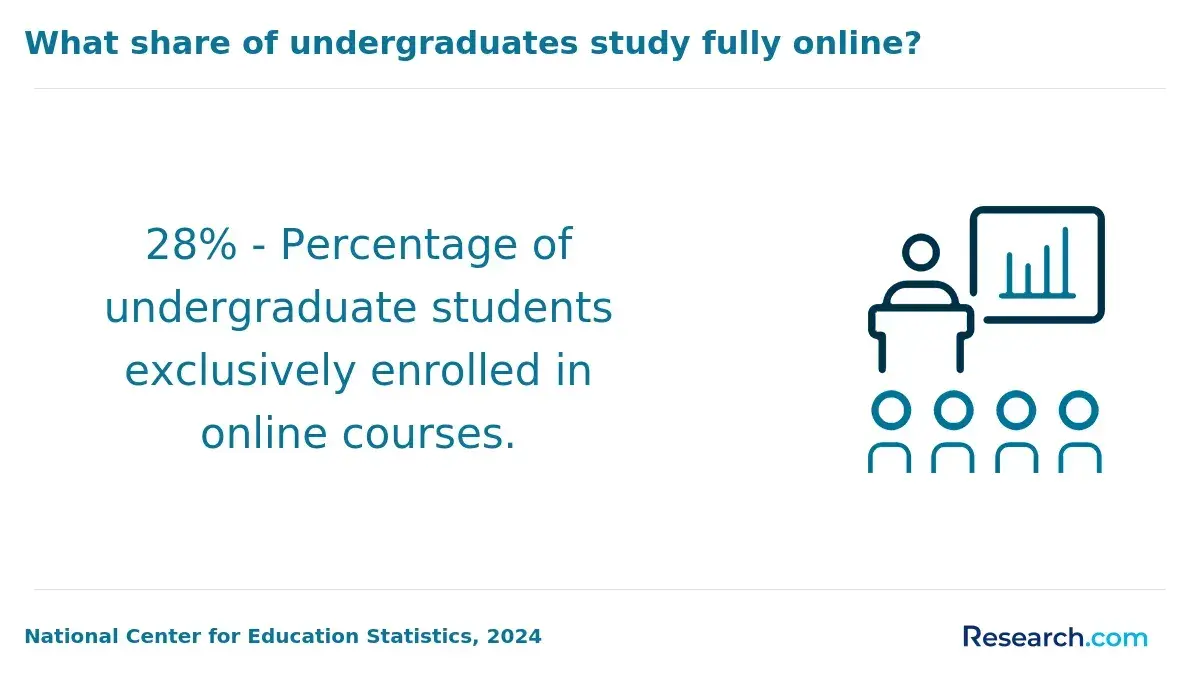
- Online Enrollment Growth: With over 40% of higher education students now taking at least one online course according to the National Center for Education Statistics, the competition to provide up-to-date digital infrastructure intensifies. Institutions like Arcadia must allocate funds to stay competitive, affecting tuition.
These cost drivers culminate in a total tuition price of $75,630 for an online degree at Arcadia University. Prospective students should weigh these factors carefully, considering how faculty involvement and technology investments align with their own educational and career goals. For those exploring alternatives, examining various certificates online may help identify more affordable or targeted pathways based on specific workforce demands.
How can you lower the cost of attendance at Arcadia University?
Investing in an online degree at Arcadia University can quickly become costly, especially as higher education expenses rise across the US. However, there are specific strategies online students can use to lower their cost of attendance. Below are several practical approaches that can make the financial investment more manageable:
- Corporate Tuition Assistance: Employees at partner companies may access discounted tuition or reimbursement programs. Eligibility depends on employer agreements, and students should confirm benefits before enrolling.
- Military Benefits: Veterans and active service members can apply GI Bill benefits and tuition assistance to reduce costs. It's crucial to coordinate these benefits early in the enrollment process to maximize value.
- Transfer Credits: Students can lower tuition by transferring prior college credits from accredited institutions. This reduces the number of courses needed to graduate, saving time and money.
- Alternative Credit Pathways: Credits earned via standardized exams or professional certifications may count toward degree requirements, offering a faster and cheaper route to completion. This option suits adult learners with relevant experience.
- Fast Track Career Programs: Considering accelerated degree paths, such as fast track career programs, can shorten time-to-degree, lowering cumulative tuition and debt. These options benefit those balancing education with work or personal commitments.
A 2024 report from the National Center for Education Statistics shows students who prioritize credit transfers and alternative credits graduate with 27% less debt than those following traditional routes. This debt reduction improves return on investment by shortening time-to-degree and decreasing total financial burden. Prospective students should weigh these cost-lowering strategies with possible post-graduate earnings to ensure their online investment aligns with realistic career outcomes and employer expectations.
Incorporating scholarships and other financial aid options into a student's funding plan further supports affordability. Careful evaluation of these strategies is essential for those seeking to make online programs at Arcadia University financially sustainable without sacrificing academic or professional goals.
How can transfer credits reduce the overall cost of a degree at Arcadia University?
Transfer credits primarily accepted at Arcadia University include those earned from accredited institutions and CLEP general exam results. These typically cover completed college-level courses, enabling students to bypass foundational classes and reduce total credit requirements. However, credits based on professional or experiential learning are less often awarded, limiting options for cost savings through prior work experience.
Students must submit official transcripts and credit evaluations before enrollment, usually in time for Fall or Spring terms. This process informs academic planning and budget management by clarifying how many credits transfer. Since reducing required coursework shortens time to degree completion, students can save money not only on tuition but also on recurring fees for materials and technology.
Because the median student loan debt for bachelor's graduates in the US is $30,000, maximizing transfer credit acceptance can significantly lower borrowing needs. Prospective students must carefully assess the accreditation and relevance of their previous credits since decisions vary by prior institution and individual program policies at Arcadia University. This variability creates a strategic consideration when choosing whether to transfer credits or start fresh.
While credit transfer can reduce costs, it demands thorough documentation and sometimes negotiation. Notably, nontraditional credits are less likely to apply broadly, which means some students must balance potential cost savings against the rigor and recognition of transferred coursework.
One online graduate shared that transferring credits from a community college saved several thousand dollars. She initially hesitated, unsure if her credits would count, but after submitting her transcripts, she received a clear evaluation before starting classes. This clarity allowed her to plan financially with confidence and finish her degree faster than expected, easing her concern about accumulating student debt.
How many online students receive financial aid at Arcadia University?
Nearly 100% of online students at Arcadia University receive financial aid, making it a critical component of managing tuition costs for its online degree programs. The average aid package for undergraduates is $31,015, a substantial contribution that can dramatically reduce the net price. Despite this high level of support, students should still evaluate the total cost carefully, as aid amounts and eligibility vary widely.
Understanding specific aid programs is essential for assessing real affordability, especially when considering practical return on investment in fields with varying career prospects. The following are some key financial aid sources available to online students at Arcadia University.
- Arcadia University Academic Scholarship: This merit-based award targets high-achieving students, providing significant tuition reductions depending on academic performance. Eligibility generally requires maintaining strong grades and may cover a substantial portion of tuition fees.
- Honors Grant: Designed for students enrolled in honors-level courses, this grant supports individuals demonstrating academic excellence. It can offset a moderate to large part of tuition costs, depending on continued academic achievement.
- Pennsylvania State Grant: Awarded to eligible Pennsylvania residents based on financial need, this grant helps reduce tuition expenses. It typically covers a portion of the tuition but requires state residency and satisfactory academic progress.
- Federal Pell Grant: A federal assistance program aimed at low-income students, Pell Grants provide funds that do not require repayment. The amount varies but can significantly lower tuition, especially for those with substantial financial need.
- Veteran's Educational Benefits: These benefits support veterans and their dependents enrolled in eligible programs at Arcadia University. They can cover full or partial tuition under the GI Bill and other veteran-focused education funds.
Nationally, the Institute for College Access & Success reports that 62% of students graduate with debt, reflecting the ongoing challenge of financing higher education. This highlights the importance of thorough financial aid analysis to minimize debt, particularly for online learners who might expect lower costs but face similar or only slightly reduced tuition rates. Prospective students should consult resources like the accelerated online bachelor degree programs accredited to compare cost structures and aid opportunities effectively.
Online financial aid statistics at Arcadia University illustrate a model where aid coverage is nearly universal, but careful planning remains essential. Similarly, understanding the percentage of Arcadia University online students receiving aid can inform decisions that balance debt risk with career goals, ensuring educational investments align with measurable outcomes.
What Graduates Say About the Cost of Studying at Arcadia University
- Genesis: "Choosing to study the online business management program at Arcadia University was a calculated decision, balancing the higher sticker price against the flexibility I needed while working full-time. Although I had to navigate some unexpected technology fees, the absence of housing and commuting costs meant my total out-of-pocket expense was manageable. The credential helped me transition into a mid-level management role within six months, making the investment feel justified through tangible career advancement."
- Precious: "The experience of completing my nursing degree online at Arcadia University offered a practical solution for my tight schedule as a single parent. Financing the tuition required some careful planning due to additional digital course fees, but saving on campus expenses was critical. While the degree didn't immediately boost my salary, it allowed me to shift into a role with better hours and more stability, which in my opinion is just as valuable considering the cost involved."
- Samira: "Studying psychology online through Arcadia University gave me the chance to hone my skills without pausing my career, which was crucial given the hefty tuition and supplemental technology charges. For me, the real value came not just from the degree itself but from how the flexible format accelerated my entry into a specialized counseling role. When weighing the overall cost, the long-term salary increase and reduced time away from work confirmed that pursuing this online path was a strategically sound choice."
Other Things You Should Know About Arcadia University Degrees
Yes, students should be aware that while online program tuition at Arcadia University covers most academic services, certain courses may require additional fees for specialized software or proctored examinations. These fees vary by program and can add several hundred dollars to your total cost. It is important to review the course syllabus carefully to anticipate these expenses, especially in programs with technical or lab components, as underestimating these costs impacts your budget and financial planning.
Arcadia University's online programs often allow self-paced learning, but this can create tradeoffs in terms of time to completion and total tuition spent. Students who extend their studies may incur additional tuition charges per credit or multiple enrollment periods. Prioritizing a clear study plan and timeline reduces the risk of unexpected tuition fees from prolonged enrollment and can improve return on investment by accelerating entry or advancement in the workforce.
Many employers offer tuition assistance but often require programs to meet specific accreditation or relevance to job functions. Arcadia University's online degrees are regionally accredited, which helps meet these criteria, but verifying your employer's policy is essential. Prioritizing programs directly aligned with your career goals maximizes chances of employer support, reducing your out-of-pocket expenses and the ultimate financial burden of your online education.
References
- Quick Links https://www.myccp.online/transfer-agreements/arcadia-university
- Arcadia University Tuition and Financial Aid https://www.prepscholar.com/sat/s/colleges/Arcadia-University-tuition-financial-aid
- Arcadia University Acceptance, Tuition Costs, & Financial Aid https://www.savingforcollege.com/college/pennsylvania/arcadia-university
- Arcadia University Transfer Credit https://www.straighterline.com/colleges/arcadia-university/
- Arcadia University financial aid · Kolly https://kolly.ai/financial-aid/arcadia-university
- Arcadia University - Cost & Financial Aid https://www.meetyourclass.com/arcadia/cost
- Arcadia University Announces Reduced Tuition for Summer 2021 https://patch.com/pennsylvania/abington/arcadia-university-announces-reduced-tuition-summer-2021