2027 Best Online Exercise Science Programs for Professionals Seeking Exercise Physiology Careers

Co-Founder and Chief Data Scientist
Professionals seeking careers in exercise physiology often confront a critical bottleneck: how to obtain advanced, accredited training without pausing employment or uprooting their lives. With the U. S. Department of Education reporting a 21% surge in online postsecondary enrollment since 2020, many learners prioritize programs offering flexible pacing and part-time options, reflecting a shift toward education that adapts to demanding schedules rather than the reverse.
This trend shapes application strategies, as students weigh program delivery methods against employer expectations for hands-on competencies and timely credentialing. This article evaluates top online exercise science programs designed to reconcile these tensions, guiding professionals through decisions that balance accessibility, rigor, and career progression.
Key Things You Should Know
- In 2024, demand for online exercise science graduates with clinical specialization surged 18%, pressuring programs to balance advanced content with accelerated pacing, which can hinder skill depth essential for complex rehabilitation roles.
- Employers increasingly prioritize candidates with verified hands-on practicum experience; absence of in-person internships in online exercise science programs correlates with 22% lower interview callbacks in entry-level physical therapy roles.
- Programs averaging $12,000 tuition offer faster completion (under 18 months), yet accelerated tracks correlate with 15% higher attrition, forcing professionals to weigh upfront cost savings against longer-term credential stability risks.
What are the best online exercise science degrees for aspiring exercise physiologists?
Programs delivering the best online exercise science degrees for aspiring exercise physiologists must go beyond theory to include clinical practicum and advanced human physiology grounded in employer standards. Graduates lacking hands-on exposure risk limited employment, confined to general fitness roles rather than specialized therapeutic positions.
For instance, credentialing bodies like the American College of Sports Medicine require validated applied experience, a critical factor often overlooked in less rigorous curricula. The real workforce impact is clear in wage disparities: exercise physiologists earned a median annual salary of $56,420 compared to $45,380 for fitness trainers, illustrating the market premium for scientific and clinical expertise.
Candidates should scrutinize top accredited online exercise science programs for exercise physiology careers that incorporate biomechanics, pathology, and data analysis to align with these labor outcomes. Working professionals pivoting from related fields benefit most from flexible degrees that recognize prior credits and embed clinical hours to support certification pathways.
For example, a registered nurse moving into exercise physiology should prioritize programs offering practical mentorship over faster, purely academic tracks, particularly when evaluating an online exercise physiology degree that integrates supervised clinical experiences. Conversely, those focused solely on wellness coaching might accept fewer practicum hours but at the cost of limiting credential advancement options.
How do online exercise science programs compare to campus-based options for flexibility and outcomes?
Online exercise science programs offer working professionals a distinct advantage in balancing education with fluctuating job demands, especially compared to campus-based flexibility. Professionals in healthcare or fitness can integrate coursework around irregular shifts and client needs, a necessity in roles like outpatient rehabilitation or corporate wellness where consistent on-site attendance is impractical.
This difference influences access to the expanding job market projected to grow 9% for exercise physiologists and 14% for fitness trainers through 2032, outperforming average employment growth. Despite skepticism, outcomes of online exercise physiology education increasingly match those of traditional programs when accredited institutions ensure hands-on experience through local internships or supervised clinical placements.
Employers focus on demonstrated competence in client management and technical skills over the delivery mode of education. Graduates who secure quality practicum sites and mentorship are competitive hires, yet the onus falls on students to proactively navigate these components given the higher self-direction required online.
Prospective students evaluating an animal science bachelor degree online can draw parallels to the level of self-management and local engagement required in online exercise science degrees. Careful program selection with confirmed practicum pathways and mentoring infrastructure is essential to translate online education into tangible employment advantages.
What accreditation should online exercise science programs have for exercise physiology careers?
Graduation from a Commission on Accreditation of Allied Health Education Programs (CAAHEP)-accredited online exercise science program is often a non-negotiable requirement for many employers and certifying bodies such as the American Society of Exercise Physiologists. This accreditation validates clinical competence, directly influencing eligibility for nationally recognized credentials and access to competitive job markets in medical and rehabilitation environments.
While regional accreditation confirms general academic standards, CAAHEP program-level accreditation ensures curricular relevance and hands-on clinical training essential for exercise physiology careers. Working professionals who enroll in non-CAAHEP accredited programs risk delays in certification and reduced internship opportunities, slowing workforce entry or advancement.
For example, a sports rehabilitation clinic will favor candidates from CAAHEP-accredited programs to meet industry benchmarks and insurance compliance. Given the extensive options available, with over 700 sport and exercise programs listed by educations.com in 2025, prospective students must verify accreditation early to avoid programs misaligned with actual workforce demands.
Accreditation impacts immediate career eligibility, long-term certification pathways, and professional credibility within the exercise physiology field. This is a practical and decisive filter amidst the plethora of online education offerings, contrasting with other degrees such as the cheapest MLIS degree online that face different accreditation dynamics. The importance of recognized accrediting bodies for exercise physiology career preparation cannot be overstated, as these standards significantly shape employability, regulatory compliance, and clinical training quality.
Which exercise science degrees and specializations lead to exercise physiology roles?
Employers in clinical exercise physiology prioritize candidates with bachelor's degrees specialized in exercise physiology or human performance rather than generic exercise science degrees for exercise physiology careers. Coursework that emphasizes physiology, biomechanics, kinesiology, and clinical exercise testing is essential, as it equips graduates with practical skills required in cardiac rehabilitation, hospital settings, or corporate wellness programs.
For instance, a candidate entering a cardiac rehab program must demonstrate hands-on proficiency in exercise prescription tailored to cardiovascular patients-a competence typically absent from broad exercise science curricula. Master's degrees in exercise physiology or applied physiology significantly enhance employability and eligibility for advanced certification such as ACSM Registered Clinical Exercise Physiologist, a credential often mandatory in clinical settings.
Conversely, those holding general exercise science degrees frequently find their qualifications insufficient for clinical roles, though these degrees may suffice for fitness coaching positions with limited clinical responsibility and lower salary ceilings. Understanding these specializations in exercise science leading to physiology roles helps delineate clear workforce expectations.
Prospective students must also consider cost: annual tuition for online sport and exercise science bachelor's programs in 2025 ranges roughly between $7,000 and $40,000, with affordability benchmarks near $25,000 per year. High tuition does not always translate to better clinical training or job market recognition.
Prioritizing programs offering accredited clinical practicums is advisable, particularly for remote learners aiming for hospital-based jobs. Managing educational investment against real-world career outcomes remains a critical strategic decision for specialists in this field. Beyond exercise science, professionals evaluating career pivots should compare this pathway with alternative health-focused options such as online PMHNP programs, weighing workforce demand, certification difficulty, and clinical exposure to optimize long-term job sustainability.
What courses and hands-on experiences are included in online exercise science curricula?
Online exercise science programs must reconcile rigorous technical knowledge with essential practical application, a balance that directly influences graduate employability. Core curricula cover anatomy, physiology, biomechanics, and kinesiology, integrated with applied skills in nutrition and exercise prescription.
However, true workforce readiness depends significantly on access to supervised practicum placements, which remain a logistical hurdle for fully remote students. For instance, an aspiring cardiac rehab specialist gains clinical competency by pairing pathophysiology coursework with a practicum centered on exercise plans for heart disease patients.
Such experiences translate theoretical understanding into tangible outcomes demanded by employers in outpatient or wellness settings. Students without local internship support risk delays in certification or licensure, illustrating an often-overlooked tradeoff of online delivery.
Employers increasingly expect expertise in chronic disease prevention and population health, with about 40% of programs now embedding modules on disease epidemiology and health behavior change to meet this requirement. These shifts align exercise science education with emerging public health priorities but also introduce complexity for students managing fieldwork and certification standards concurrently.
In summary, prospective students should evaluate how programs facilitate applied learning locally and clarify clinical hour requirements. The choice between flexibility in course delivery and the necessity of hands-on, certified training is a primary determinant of timely workforce entry and long-term career viability in this evolving field.
What are typical admission requirements for online exercise science bachelor's and master's programs?
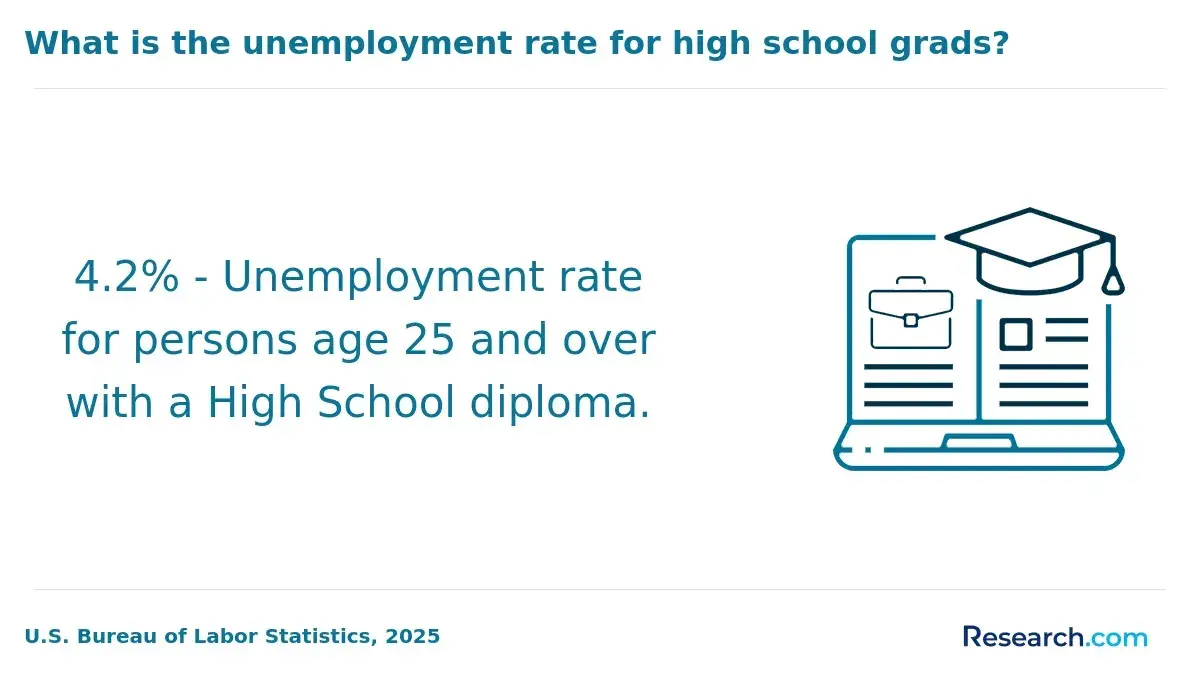
Entry into bachelor's and master's online exercise science programs requires more than just academic credentials; it demands strategic alignment with career goals and workforce realities. Bachelor's candidates must typically present a high school diploma, minimum GPAs near 2.5-3.0, and proven competency in biology, chemistry, and anatomy, while master's applicants need a related undergraduate degree with GPAs above 3.0.
The optionality of GRE scores varies, but competitive programs still enforce their use. Letters of recommendation and personal statements focused on relevant experience carry increased weight when academic backgrounds are nontraditional or interrupted.
For working professionals balancing education with full-time employment-27% more common in fully online health programs according to the 2024 EduMed.org report-demonstrable time management and motivation are critical factors admissions assess through detailed resumes. Practical experience such as internships and certifications (e.g., CPR, NASM, ACSM) is essential for aligning education with employer expectations, especially in clinical or applied settings.
International students face additional hurdles including English proficiency testing and possible on-site lab requirements despite the online format, which may constrain geographic flexibility. Prospective students considering this pathway must weigh these operational factors to avoid pitfalls in securing licensure and employment in rehabilitation, corporate wellness, or sports performance sectors.
How long do online exercise science programs take, and what do they cost?
Choosing an online exercise science program requires weighing time commitments against career goals and financial realities. Bachelor's degrees typically span four years full-time but can extend beyond five with part-time enrollment, a common path for working professionals seeking income stability while studying.
Master's programs focus on specialization and usually require 1.5 to 3 years. For example, a fitness trainer working full-time pursuing a bachelor's degree part-time will delay workforce advancement but retain steady earnings, while a full-time student sacrifices income for faster entry.
Cost structures vary significantly by institution type and degree level. Public in-state tuition averages $7,000 to $12,000 annually, while private nonprofit programs can demand $20,000 to $40,000 per year. Certificate or associate routes offer lower costs (often $2,000 to $10,000 total) but limited upward mobility.
A bachelor's from a mid-tier public university generally totals $28,000 to $48,000 in tuition. Additional employer expectations for certification incur fees upward of $400 for exams and continuing education, an essential investment for marketability.
The U.S. Bureau of Labor Statistics projects a 39% job growth for fitness trainers by 2030, intensifying the need for efficient education-to-employment pathways. Selecting programs with integrated practicum or internships plays a decisive role in bridging theory with practical competence, accelerating job readiness in medical fitness and performance coaching contexts.
What jobs can graduates of online exercise science programs get in exercise physiology?
Online exercise science programs must integrate rigorous clinical internships and advanced certifications to align with employer demands in healthcare and rehabilitation settings. Graduates frequently fill roles such as clinical exercise physiologists, cardiac rehabilitation specialists, or wellness coordinators, where hands-on experience and credentialing outweigh degree completion alone.
For example, hospitals prioritize candidates with both specialized certifications and documented clinical hours, making purely online coursework insufficient without practical components. In domains like occupational health and sports performance, professionals often require credentials in strength and conditioning or similar specialties to work with athletes or workers focused on injury prevention and enhanced physical function.
Entry-level roles tied to community fitness typically see salaries below $38,200 annually, while clinical or managerial positions equipped with advanced credentials frequently exceed $80,840. This wage disparity reflects how employer preferences for specialization and clinical experience directly influence earning potential.
Prospective students should critically evaluate online program flexibility against the necessity of accessible, quality practicum placements and certification pathways. Strategic decisions here affect long-term job readiness, market competitiveness, and professional mobility within diverse exercise science career trajectories.
What is the salary potential and job outlook for exercise physiologists and related roles?
Exercise physiologists face a distinct divide in earnings and job security depending on workplace setting and credentials. While the median U.S. annual wage hovers around $54,000, those in hospitals or outpatient care frequently earn more and experience steadier employment than peers in fitness or wellness centers, where compensation and job stability tend to lag.
Specialized certifications in cardiac rehabilitation or clinical exercise testing open doors to the upper salary tier near $90,000. Employers increasingly demand candidates from programs with rigorous science prerequisites-biology or anatomy/physiology courses are standard in nearly 60% of online bachelor's exercise science programs reviewed by EduMed.org.
This foundational knowledge reduces onboarding time and improves job placement chances, particularly for clinical roles. Conversely, candidates lacking this background often confront longer training periods and fewer healthcare opportunities.
Pragmatic program selection should align with targeted roles: clinical-focused paths require strong science preparation and healthcare internships; corporate wellness or fitness roles tolerate broader curricula but come with lower salary ceilings and less stability. Pursuing a mismatch between program rigor and career goals risks underemployment or costly retraining.
Projected job growth for exercise physiologists stands at 10% through 2034, signaling sector expansion but marked by uneven gains across settings. Professionals should weigh immediate employability against long-term advancement when choosing educational routes.
Which certifications or licenses do exercise physiologists need, and how do programs prepare students?
Obtaining ACSM certifications such as Certified Clinical Exercise Physiologist (ACSM-CEP) or Certified Exercise Physiologist (ACSM-EP) is essential for those targeting clinical or specialized exercise roles; without them, job prospects in rehabilitation or cardiopulmonary settings are severely limited. Programs focused on exercise science that do not provide documented clinical hours-typically ranging from 400 to 600-risk hindering graduates' ability to meet certification prerequisites.
For instance, candidates aspiring to work in cardiopulmonary rehab centers must complete supervised clinical practicums that purely online curricula frequently cannot fulfill. Employers prioritize applicants who demonstrate verified clinical proficiency alongside nationally recognized credentials instead of candidates with only academic coursework.
This means programs must balance theory with hands-on lab and patient contact, aligned with standards set by ACSM and the National Commission for Certifying Agencies (NCCA). Preventive and wellness roles may benefit additionally from Certified Health Education Specialist (CHES) certification, given the expected 7% employment growth in related health education sectors by 2032, according to the U.S. Bureau of Labor Statistics.
The expansion of telehealth necessitates training in digital client monitoring and remote coaching, an area increasingly integrated into modern exercise science curricula. However, prospective students must carefully vet programs for real-world practicum opportunities and mentorship to avoid delayed certification and diminished employability in evolving clinical and community environments.
Other Things You Should Know About Exercise Science
Employers in exercise physiology increasingly accept online degrees when the program is accredited and includes sufficient practical training components. However, purely theoretical online programs without hands-on internships or lab work tend to limit job opportunities in clinical or rehabilitative roles. Candidates should prioritize programs with clear integration of supervised field experience to meet employer expectations in applied settings.
Balancing work and study in online exercise science programs can be challenging due to the demands of both professional and academic responsibilities. However, many programs offer flexible scheduling and asynchronous courses that help manage time effectively, making it feasible for working professionals in 2027 to pursue a degree while maintaining their careers.
Yes. Many programs require 100 to 400 supervised clinical or practicum hours, often completed in approved fitness, rehabilitation, or health settings. Some courses use local preceptors, and the experience must usually be documented and signed off by the program.
Complementing an online degree with industry-recognized certifications, such as the ACSM Certified Clinical Exercise Physiologist or NASM certifications, significantly enhances job prospects and credibility in competitive markets. While degree programs lay the foundational knowledge, certifications demonstrate up-to-date professional standards and specialized skills. Prioritizing programs that prepare students for these exams or offer integrated exam prep increases long-term career advancement potential.
References
- A Comparison of Physical Activity Levels between On-Line and Campus University Students https://clinmedjournals.org/articles/ijsem/international-journal-of-sports-and-exercise-medicine-ijsem-5-141.php
- 2026 Best Online Exercise Science Degrees https://www.onlineu.com/degrees/exercise-science
- ESSA's career guide for Accredited Exercise Physiologists https://www.essa.org.au/Web/Web/Resources/Tools-and-templates/ESSA-AEP-Guide.aspx
- Exercise Science Careers: Paths with Degrees https://www.fitnessmentors.com/exercise-science-careers/
- International Clinical Exercise Physiology Qualification Application Pathways https://icsesp.global/resources/international-clinical-exercise-physiology-recognition-opportunities/
- Exercise Science | Columbia College https://www.columbiasc.edu/academics/undergraduate/exercise-science
- Online Exercise Science Degrees: Top School Review https://www.edumed.org/online-schools/exercise-science-degrees/
- Online Exercise Science Program https://stmary.edu/online-programs/exercise-science.html
- Exercise Physiologist https://acsm.org/certification/get-certified/exercise-physiologist/
- Exercise Physiologist Career https://explorehealthcareers.org/careers/sports-medicine/exercise-physiologist/