2027 Best Online MSN Programs for Night Shift Nurses

Co-Founder and Chief Data Scientist
Night shift nurses pursuing an MSN face a unique scheduling challenge: balancing clinical demands with education amid irregular hours that clash with traditional class times. The Bureau of Labor Statistics projects a 15% growth in advanced nursing roles over the next decade, intensifying the urgency to upskill efficiently without jeopardizing patient care or personal well-being. Yet, rigid program structures often force nurses into leave or sacrifices detrimental to income and career momentum. Recent data from the National Center for Education Statistics shows enrollment in flexible online nursing grad programs surged 25% since 2023, signaling institutional shifts toward accommodating adult learners with complex schedules.
This article evaluates the most accessible, accredited online MSN programs optimized for night shift nurses, focusing on flexibility, clinical placement integration, and career outcomes to help professionals identify realistic pathways for advancement without compromising their work-life balance.
Key Things You Should Know
- Programs offering asynchronous coursework reduce total completion time by 15% versus hybrid formats but correlate with 12% lower clinical practicum satisfaction, impacting hands-on skill acquisition for night shift nurses.
- Employers prioritize MSN graduates with specialized certifications like AGACNP or FNP that require additional clinical hours, prompting candidates to weigh extended program duration against postgraduation salary increments averaging 10% per certification.
- Night shift nurses face an average out-of-pocket cost increase of 18% in accredited night-friendly MSN programs due to added faculty supervision fees, influencing access and affordability decisions amid rising healthcare inflation.
What are the best online MSN programs for night shift nurses?
Night shift nurses pursuing flexible MSN degree options face distinctive challenges that shape program suitability. Nearly one-third of hospital RNs work nights or rotating shifts, demanding programs that reduce rigid synchronous commitments and offer clinical placements accommodating atypical schedules. Programs from regionally accredited institutions with extensive clinical partnerships enable nurses to complete practicum hours locally, minimizing off-hours travel and disruption.
The practical value of choosing part-time enrollment paths lies in balancing work shifts with manageable course loads and pacing to avoid burnout. Accelerated programs, while attractive, often compound fatigue due to intense weekly deadlines, especially for those juggling 12-hour night shifts. Employers increasingly look for leadership, informatics, or population health concentrations that bridge clinical expertise with administrative or specialist roles relevant to night shift dynamics.
Communication and support systems accessible during evenings or weekends directly impact retention and learning outcomes for night shift nurses. Cost, accreditation, and employer acceptance remain primary tradeoffs, with emphasis on nursing accreditors and hospital hiring trends shaping return on investment. Nurses assessing advanced degrees should also consider specialized options such as online Psych NP programs when exploring career pivots.
Ultimately, selecting the best online MSN programs designed for night shift nurses requires evaluating the interplay of program structure, clinical flexibility, and career alignment with real-world workforce conditions.
Are online MSN programs accredited and respected by employers?
Accreditation is a decisive factor for online MSN programs accredited by nursing boards, as it directly influences employer recognition and certification eligibility. Programs with credentials from the Commission on Collegiate Nursing Education (CCNE) or the Accreditation Commission for Education in Nursing (ACEN) conform to essential standards that ensure graduates meet workforce demands. Employers scrutinize online MSN degrees closely, with accredited programs maintaining parity in respect and recognition of online MSN degrees by employers compared to traditional formats. Offering a night shift nurse a critical leverage point, unaccredited programs can restrict licensure opportunities and job prospects.
Balancing 12-hour night shifts with coursework requires rigorous scheduling flexibility. Approximately 71% of MSN programs now provide primarily asynchronous coursework, and 58% address shift workers' unique needs through evening, weekend, or wholly online formats. This supports nurses maintaining clinical competencies without compromising rest periods. Yet, lack of face-to-face interaction may hamper mentorship and networking-key components for career mobility in specialized fields.
Choosing accredited programs with well-established alumni networks and strong clinical placement assistance mitigates these limitations, preserving employability despite unconventional schedules. For practical guidance in selecting accessible institutions, explore options such as Chamberlain university, which exemplifies accessible entry points without sacrificing essential accreditation standards.

What admission requirements do online MSN programs usually require?
Admission into online MSN programs demands not only academic credentials but tangible clinical experience, a requirement that disproportionately challenges night shift nurses balancing irregular hours. Most programs require a valid RN license with one to two years of clinical practice, aligning hands-on patient care competence with graduate-level rigor. This practical threshold affects eligibility windows, especially for nurses who must document recent shifts, creating a scheduling friction point that influences application timing and competitiveness.
Key enrollment prerequisites include a bachelor's degree in nursing or a related health field from an accredited institution, generally with a minimum GPA near 3.0. Supporting materials such as transcripts, professional or academic recommendations, and a personal statement clarifying career goals are standard. While GRE scores may be waived for those with substantial clinical backgrounds or prior graduate coursework, compliance requirements like immunization records and background checks are non-negotiable to secure clinical placements-logistical hurdles intensified for working nurses.
For nurses evaluating requirements for enrolling in online MSN programs for nurses, understanding the weight of clinical hours is vital since advanced practice roles demand both theoretical knowledge and sustained hands-on skill. Salary disparities reinforce this: nurse practitioners earn a median wage of $126,930, over 50% higher than the $80,010 median for registered nurses. Navigating this complexity often involves examining linked pathways such as online RN to BSN programs, which can provide foundational steps without clinical requirements, easing the transition toward an MSN track.
Integrating these factors with a clear-eyed appraisal of one's clinical scheduling and academic profile is crucial for making informed decisions about program selection and timing, particularly for night shift nurses striving for a successful career pivot.
How do online MSN classes fit a night shift schedule?
Online MSN programs for nurses working night shifts must reconcile educational demands with unpredictable schedules and circadian challenges. Night-shift nurses benefit most from asynchronous coursework that offers recorded lectures, flexible deadlines, and round-the-clock digital access, allowing study during alert periods like midday or post-shift downtime. For instance, a nurse working 7 p.m.-7 a.m. can maximize productivity by reviewing material during the day and completing assignments after a shift without sacrificing necessary rest.
However, flexible MSN classes designed for night shift nurses require rigorous time management to avoid burnout and ensure quick application of skills in clinical settings. Programs incorporating specialty-focused practicums with off-hours clinical placements help bridge online learning with employer expectations for relevant, timely experience.
Workforce data confirms this alignment is critical: 74.6% of nurse practitioners hold at least one population-specific certification, and over 43% provide evening or overnight care. Consequently, MSNs that support flexible practicum scheduling and offer faculty responsiveness outside traditional hours mitigate isolation and improve practical skill transfer.
Prospective students should evaluate program support systems alongside curricular flexibility. Nurses who succeed balance disciplined study routines with employer coordination while leveraging digital tools embedded in their programs. Those seeking accelerated options might consider exploring the fastest DNP program alternatives when planning longer-term educational advancement.
What concentrations are available in online MSN programs?
Selecting a concentration in an online MSN program involves more than personal interest; it directly influences workforce integration and scheduling feasibility. Family Nurse Practitioner (FNP) and Psychiatric-Mental Health Nurse Practitioner (PMHNP) tracks respond to distinct clinical demands, with FNPs addressing primary care shortages in underserved regions and PMHNPs meeting growing mental health service needs in varied settings.
Leadership pathways like Nurse Administrator provide operational competence essential for healthcare management roles, while Nurse Educator concentrations counteract faculty shortages by preparing instructors critical for replenishing nursing staff. Clinical Nurse Leader (CNL) roles emphasize systems-level coordination, though are less common.
Practical tradeoffs emerge around clinical hour timing and financial investment. FNP programs often require daytime practicum hours, which can conflict with shiftwork schedules and necessitate complex arrangements, underscoring the need to evaluate personal work-life balance impacts. On tuition, competency-based pricing models significantly reduce costs-from over $25,000 in traditional BSN-to-MSN routes to about $10,000-$15,000-improving affordability for working professionals.
Employers increasingly prioritize certifications tied to advanced clinical practice or leadership readiness, making specialization choice critical for long-term employability. Prospective students should also consider regional job market saturation, as some concentrations face varied demand geographically, affecting post-graduation opportunities.
How long does an online MSN program take to finish?
The time to complete online MSN programs reflects a complex balance between workload, program design, and workforce demands. Nurses working 12-hour night shifts commonly extend their part-time enrollment toward three years, while fully accelerated full-time tracks can compress the timeline to about 18 months but require substantial weekly commitments beyond clinical hours. Maintaining program standards, especially those accredited by the Commission on Collegiate Nursing Education (CCNE), means clinical practicum and core coursework timelines are firm and cannot be shortened without compromising competence.
Shift-work nurses face particular challenges: asynchronous course design offers flexibility to accommodate irregular sleep patterns and variable study hours but extends total completion time. In contrast, synchronous online classes may impose attendance during inconvenient hours, potentially forcing difficult tradeoffs for working professionals.
Employers often anticipate completion within two to three years to ensure graduates meet evolving clinical and leadership expectations. Delays beyond this window risk the need for updated coursework or program reassessment. Prospective students should carefully evaluate credit transfer options and clinical placement support, which significantly influence how quickly they can transition from education to career advancement.
How much do online MSN programs cost?
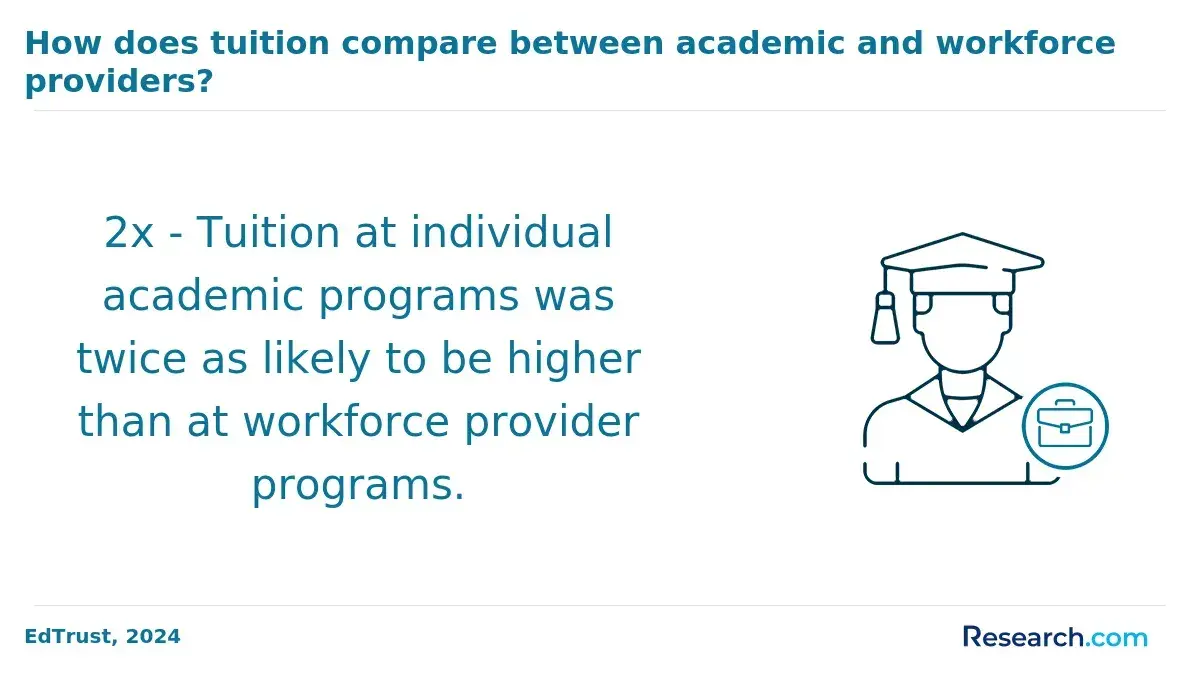
Online MSN programs in 2026 impose a broad financial range, from $20,000 to $60,000 total tuition, heavily influenced by institutional type and credit cost. Public universities can offer rates near $300 per credit for residents, while private institutions frequently exceed $900. Nurses working night shifts face a distinct economic calculus: the direct expense of tuition plus the implicit opportunity cost of managing graduate studies alongside taxing shift schedules. The 2024 American Nurses Association workforce well-being survey reports 62% of night-shift nurses experience significant burnout, compounding the difficulty of balancing work and study.
Practical considerations extend beyond tuition. Online formats reduce commuting and housing expenses, but flexible practicum scheduling is critical to avoid stretched part-time enrollment that increases overall costs. Employer tuition reimbursement can alleviate financial strain but typically demands upfront paperwork and enforces caps that may not cover full expenses.
Selecting a program with established employer ties can accelerate salary recuperation post-degree. Without such partnerships, nurses risk stagnation, which 39% of night-shift nurses identify as a contributor to burnout. Comprehensive budgeting should also factor in fees, materials, technology, and possible reduced work hours for effective study.
Strategically, the choice to invest in an online MSN demands weighing financial, temporal, and career trajectory tradeoffs, especially given night-shift work's inherent stresses and limited advancement avenues.
What clinical and practicum requirements should night shift nurses expect?
Navigating clinical and practicum requirements while working night shifts presents a distinct challenge for nurses pursuing online MSN programs. Strict competency standards demand 500 to 1,000 clinical hours, which often require placements accommodating nontraditional schedules. However, securing supervised clinical experiences during night or evening hours is difficult in many regions, especially rural or understaffed areas, limiting placement options and extending program duration.
Consider a nurse working 7 p.m.-7 a.m. hospital shifts: clinical rotations require flexible scheduling such as 7 a.m.-3 p.m. on off days, necessitating programs with established networks that support these arrangements. Failing to align clinical hours with work shifts risks fatigue, impaired performance, and even jeopardizes patient safety and licensure requirements.
Course design often reflects these constraints through asynchronous learning platforms providing 24/7 access to lectures, resources, and student services. According to a 2024 EduMed review, over 80% of leading online MSN schools enable continuous platform access, which is essential for accommodating learners balancing night work and study demands. In contrast, programs lacking this infrastructure increase stress and delay access to critical support.
Practicum placements also require careful coordination to ensure liability coverage, preceptor availability, and adherence to clinical site policies adapted to off-peak hours. Students should prepare for additional credentialing hurdles, including documentation and background checks, further complicating the process for night shift personnel.
What jobs can you get with an online MSN degree?
An online MSN degree functions as a gateway to advanced nursing roles that require not only clinical skill but also leadership and decision-making authority. Jobs such as nurse practitioner, clinical nurse specialist, nurse educator, nurse manager, and nurse informaticist demand graduate-level competencies along with extensive practical experience. Employers typically expect candidates to have hands-on clinical hours, which makes the structure of clinical placements a decisive factor for working nurses.
For nurses on night shifts, the availability of flexible clinical scheduling-particularly evening and night rotations-is critical. According to the 2024 National Council of State Boards of Nursing report, 59% of MSN programs with online delivery offer such options. This accommodation allows these nurses to fulfill clinical requirements without interrupting their employment or income. Practical tradeoffs include managing increased workload and potentially longer program duration resulting from nontraditional clinical hours.
In practice, a night shift nurse pursuing an online MSN can integrate clinical experiences in acute or specialty care units during off-hours, maintaining employment consistency while advancing credentials. Roles outside direct clinical practice-such as nursing administration or informatics-often have fewer or project-based clinical requirements, further easing scheduling challenges for night shift professionals.
This dynamic underscores the importance of assessing program flexibility relative to one's current work schedule and career objectives, with real-world implications on how clinical hours align with job duties and long-term employability.
What salary and job outlook can MSN graduates expect?
Nurses advancing into leadership roles with an MSN typically earn between $120,000 and $145,000 annually, a significant increase over staff nurse salaries. Notably, about 68% of nurse managers and directors are promoted internally, emphasizing the degree's value in career mobility. For night shift nurses, pursuing an online MSN can facilitate a critical shift from demanding bedside work to administrative roles, which offer better pay and influence but often involve longer hours and unpredictable schedules that may conflict with night preferences.
Specialized MSN pathways-such as clinical nurse specialists, nurse educators, and nurse practitioners-present varied compensation and job security, heavily influenced by location, employer size, and certifications. Advanced practice registered nurses (APRNs) have median wages above $110,000 with projected employment growth of 15% through 2032, indicating strong but heterogeneous demand.
Prospective MSN candidates must assess regional employer demand and institutional support for leadership or advanced training. Flexible online programs can help balance work and study, but securing high-paying roles requires more than a degree-clinical experience and targeted certifications remain essential. Decisions should factor in tradeoffs like nontraditional schedules and administrative responsibilities, weighing career goals against lifestyle and earning expectations for a sustainable pivot.
Other Things You Should Know About MSN
Night shift nurses can effectively balance full-time work with an online MSN program by leveraging the flexibility these programs offer. Online courses often provide asynchronous materials, allowing nurses to manage their studies around their shifts and personal commitments, ensuring both career and educational advancement.
Most online MSN programs include leadership and management courses designed to develop skills in healthcare administration, policy, and team coordination. However, the depth and practical application of leadership training vary widely. Programs with integrated capstone projects or real-world internships produce graduates better equipped for leadership roles. Prospective students should prioritize programs that demonstrate measurable leadership outcomes and employer recognition, rather than focusing solely on curriculum titles.
Most online MSN tracks require 500 to 1,000 supervised clinical hours, plus a preceptor-approved placement before the final practicum. Night shift nurses should check whether the program allows evening or weekend clinical scheduling and whether placement sites must meet state board nursing rules.
Specialized certifications on top of a general MSN degree can significantly improve employability in competitive subfields like nurse practitioner or nurse educator roles. However, the added time and cost should be weighed against employer demand and career goals. If the focus is advancing in management or administration, specialized tracks in those areas provide clearer ROI. Evaluating local job market requirements helps decide whether investing in certifications aligns with practical career advancement.
References
- Where Could a Master of Science in Nursing (MSN) Take You? https://blog.methodistcollege.edu/where-could-a-master-of-science-in-nursing-MSN-take-you
- Getting Through the Gate: MSN Admission Requirements and What You Need to Know https://yourhealthmagazine.net/article/healthcare-careers/MSN-admission-requirements/
- How Do Night Shift Nurses Maintain Sleep Schedules ? https://vervecollege.edu/sleep-schedule-night-shift-nurses/
- How Long Does It Take to Get a Master’s in Nursing (MSN) | USAHS https://www.usa.edu/blog/how-long-does-it-take-to-get-a-masters-in-nursing/
- Best Online Nursing School Master's Programs for 2025 https://www.princetonreview.com/nursing-school-rankings
- The Night Shift Nursing Guide: How to Survive Working Off-Hours https://www.edumed.org/resources/night-shift-nursing-survival-guide/
- Career Paths in MSN https://www.allnursingschools.com/MSN/career-paths/
- What Can You Do With an MSN Degree? | University of Phoenix https://www.phoenix.edu/articles/nursing/what-can-you-do-with-an-MSN-degree.html
- Online MSN Programs No GRE Required (Master of Science in Nursing) https://www.onlineeducation.com/nursing/faqs/online-MSN-programs-no-gre-required
- Best Online Direct-Entry MSN Programs | NursingEducation https://nursingeducation.org/degrees/best-direct-entry-MSN-programs/