2027 Comparing Online SLP Programs by Faculty Expertise

Co-Founder and Chief Data Scientist

Reviewed by Rhea Paul, PhD
SLP Education & Research Expert
Many prospective students face uncertainty when evaluating online SLP programs, especially regarding the qualifications and expertise of faculty members. This confusion can affect program quality perceptions and, ultimately, career outcomes. Unlike on-campus programs, online options vary widely in how they integrate experienced professionals and researchers into instruction. Choosing a program solely based on convenience risks missing critical mentorship and advanced clinical training.
This article compares online SLP programs by examining faculty credentials, scholarly activity, and field engagement to help prospective students select programs that offer strong academic and practical preparation.
Key Things You Should Know
- Faculty expertise strongly influences online slp program quality, with over 70% of top programs employing clinicians actively engaged in research and clinical practice as of 2025.
- Programs with diverse faculty backgrounds in specialties such as pediatric, geriatric, and bilingual speech pathology enhance student preparedness and job market competitiveness.
- Accredited online SLP programs led by faculty with doctoral qualifications report 15% higher graduate certification exam pass rates nationally in 2024-2025 data.
What Are the Best Online SLP Programs?
The best online speech pathology graduate programs prioritize faculty expertise, rigorous accreditation, and measurable student success metrics. Programs with 100% Praxis pass rates, timely completion, and strong employment outcomes exemplify this standard. Arkansas State's online master's program, for instance, reported 100% on these measures in 2024-25, highlighting excellence in training quality.
Top faculty expertise in online speech pathology degrees means instructors are licensed clinicians with extensive clinical and research experience. This blend prepares students with both theory and practical skills for diverse clinical roles in schools, healthcare, and community settings.
When evaluating programs, students should:
- Verify faculty credentials and their involvement in ongoing research or clinical practice.
- Ensure programs hold Council on Academic Accreditation (CAA) approval.
- Review graduate outcomes such as Praxis pass rates, job placement success, and on-time degree completion.
- Look for flexible practicum opportunities with strong faculty mentoring to support licensure needs.
Programs balancing synchronous and asynchronous learning are ideal for working professionals, offering expert-led live sessions and recorded materials for flexible study. This method enhances comprehension through interactive case studies and real-world application.
For those seeking affordable online SLP programs without sacrificing quality, visit affordable online SLP programs for options that meet these criteria.
Incorporating accredited curricula and demonstrable faculty expertise, the best online SLP programs deliver consistent results to aspiring clinicians.
How Do You Evaluate Faculty Expertise in SLP Programs?
Faculty expertise in online speech pathology programs depends on multiple key factors including academic credentials, clinical experience, research contributions, and student mentorship. Verifying qualifications such as the Certificate of Clinical Competence (CCC) from the American Speech-Language-Hearing Association (ASHA) is essential, as it confirms faculty meet professional standards required for effective supervision.
Evaluating qualifications of speech pathology faculty also means examining their clinical backgrounds and involvement in hands-on training. Faculty who lead on-site clinics offer significant real-world experience to students. For instance, over half the students in Indiana University of Pennsylvania's MS in speech pathology program receive graduate assistantships with tuition remission through faculty-mentored clinical roles (SpeechPathologyGraduatePrograms.org).
Active research participation, demonstrated through publications and conference presentations, reflects faculty engagement with evidence-based practice and the latest advancements in the field. Additionally, consider faculty-to-student ratios to ensure accessible mentorship for clinical hours and research projects.
Faculty expertise should cover a diversity of disorder areas such as pediatric, adult neurogenic, and voice and fluency disorders to meet varied clinical interests and workforce needs. Students planning a career in this field may also want to explore the speech pathologist salary with a masters degree to understand potential earnings post-graduation.
What Makes Online SLP Programs Accredited?
Accreditation for online speech pathology programs depends largely on approval from the Council on Academic Accreditation in Audiology and Speech-Language Pathology (CAA). This national body ensures that programs meet rigorous standards for curriculum, faculty qualifications, clinical practicum, and student outcomes. Faculty qualifications in accredited speech pathology programs require core members to hold doctoral degrees and maintain active involvement in research, teaching, and clinical supervision. This expertise ensures instruction includes current clinical experience and relevant scholarly activity.
Another crucial component is the integration of clinical practicum experiences. Accredited online programs must arrange supervised, hands-on clinical training often through partnerships with local healthcare or educational facilities. These experiences are necessary to meet industry benchmarks despite the program's virtual nature. Methods for evaluating students also ensure competency in key diagnostic and therapeutic skills.
Program outcomes, such as graduation and certification exam pass rates, are closely monitored to maintain accreditation standards. Students looking for quality education should verify CAA accreditation status and inquire about clinical placement support. Only accredited programs qualify graduates for the Certificate of Clinical Competence in Speech-Language Pathology (CCC-SLP), which is essential for licensure and employment in the U.S.
Enrollment growth in speech pathology graduate programs underlines the increasing demand and importance of accredited education. For those interested in accelerated paths, this best 5 year speech pathology programs resource offers valuable guidance.
Admission requirements for online SLP degrees in the United States typically include a bachelor's degree, preferably in communication sciences and disorders or a related field. Some programs accept applicants from other disciplines but require completion of prerequisite courses such as anatomy, linguistics, and phonetics. Many programs also expect Graduate Record Examination (GRE) scores, though several waive this based on prior academic performance or professional experience.
Competitive programs usually require a minimum GPA around 3.0 on a 4.0 scale and emphasize additional application materials like letters of recommendation, personal statements illustrating career goals, and resumes showcasing relevant clinical or research experience. International applicants must provide proof of English proficiency through exams like TOEFL or IELTS. Background checks and immunization records are often mandatory due to clinical practicum components.
Faculty expertise expectations for online speech pathology programs influence both admission selectivity and academic rigor. Increased faculty research productivity correlates with a rise in SLP master's degrees awarded, reflecting evolving program quality and demand. Interview formats vary and may include live or recorded assessments to evaluate communication skills and motivation.
Prospective students should carefully consult individual school websites for precise criteria and deadlines. To explore flexible enrollment options, consider reviewing speech pathology programs known for accessibility and varied admission standards.
Online speech pathology programs combine foundational science, specialized coursework, and significant clinical practice to prepare students for certification and careers. Core subjects typically include anatomy and physiology of speech and hearing mechanisms, phonetics, language development, neuroanatomy, and audiology. These areas establish a solid understanding of communication disorders.
Advanced courses cover diagnosis and treatment of speech, language, voice, and swallowing disorders in diverse populations. Students learn intervention strategies for conditions such as aphasia, dysarthria, and childhood language delays, often incorporating evidence-based practice and research methods.
Clinical experience is a required component, delivered via supervised virtual or local practicum placements. For example, Loyola University's online program attributes its 99% graduate employment rate to strong mentorship and rigorous clinical training models. These programs emphasize working with real clients under expert guidance to develop skills in assessment tools, therapy techniques, and ethical standards.
Many programs offer specialty tracks such as pediatric, geriatric, or bilingual speech pathology to customize learning. Coursework may also address professional issues, cultural competence, and collaboration across healthcare disciplines.
Prospective students should verify that programs meet Council on Academic Accreditation (CAA) standards and prepare for the Praxis exam required for certification. Key success factors include timely faculty feedback, accessible supervisors, and integrated technology platforms supporting effective, flexible training.
The blend of scientific knowledge, clinical mentorship, and practical experience equips learners for certification and employment in speech pathology.
Online speech pathology programs generally require two to three years to complete, influenced by enrollment status and program design. Full-time students typically finish in about 24 months, whereas part-time learners may take up to three years or longer, accommodating those balancing work and other responsibilities.
Program length depends on factors such as clinical hour requirements, coursework intensity, and the availability of accelerated options. Some programs offer summer sessions or synchronous classes to help shorten completion time. Others may extend timelines due to extensive supervised clinical experiences that students must secure and complete.
Faculty expertise significantly impacts student progress. For example, Emerson College's online MS in Communication Disorders graduates around 25 students annually with a 100% Praxis exam pass rate and offers an in-state tuition rate of $7,322 for students maintaining a GPA of 3.0 or higher, according to SpeechPathologyGraduatePrograms.org. Programs with experienced faculty often provide stronger support for timely completion and successful licensure.
Costs for top online speech pathology programs can vary significantly depending on residency status, faculty expertise, and program outcomes. Arkansas State University offers tuition under $13,028 for out-of-state students with a GPA below 3.0, presenting an affordable option. This program also earned perfect scores in research contributions and publications, alongside a 100% employment rate, showcasing its strong value according to SpeechPathologyGraduatePrograms.org.
Beyond tuition, students should consider additional fees and costs for technology or materials required for online learning. Programs with active faculty research may provide updated training and better networking opportunities, which can justify higher costs.
Financial aid plays a vital role. Many top programs offer scholarships, grants, or assistantships based on merit or financial need, potentially lowering overall expenses. Requesting detailed fee breakdowns and aid options early in the application process is essential.
When comparing costs, examine:
- In-state versus out-of-state tuition differences
- Extra program fees and expenses
- Faculty research quality and quantity
- Graduate job placement rates
Weigh total program cost against job placement likelihood and faculty-led research impact to maximize return on investment in online speech pathology education.
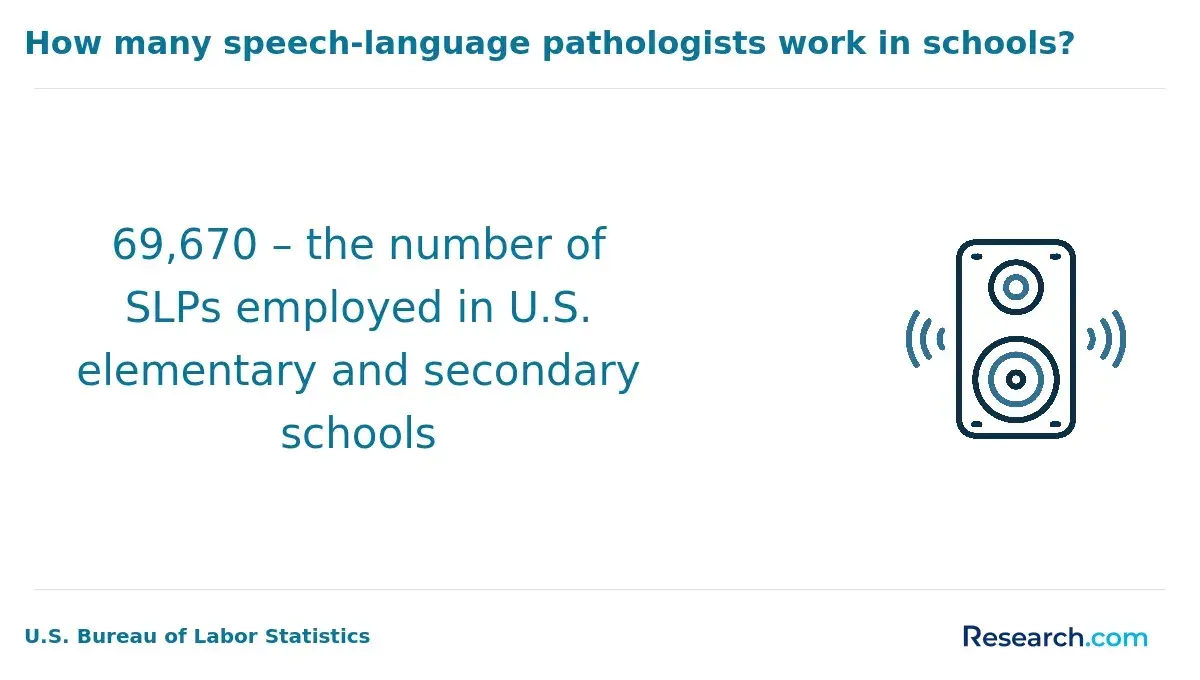
Graduates with an online SLP degree have diverse career options across healthcare, education, and research. The most frequent role is a licensed speech-language pathologist working directly with clients in schools, hospitals, rehabilitation centers, or private practice, where they assess, diagnose, and treat communication and swallowing disorders.
Additional career paths include:
- Educational diagnostician or specialist supporting students with speech and language needs.
- Clinical supervisor or program coordinator managing therapy teams or academic programs.
- Research assistant contributing to studies on communication disorders and treatment outcomes.
- Healthcare administrator overseeing speech pathology services within healthcare systems.
- Consultant advising on communication technologies, AAC devices, and policy implementation.
The versatility of online SLP degrees depends on program quality and faculty engagement. For instance, Marywood University's online MS in Speech-Language Pathology achieved a 100% success rate across all outcomes for its 22 graduates, paired with competitive tuition costs. Such results emphasize strong clinical knowledge and professional readiness that enhance graduate employability.
Students interested in specialties like pediatric speech therapy, neurogenic communication disorders, or fluency therapy should select programs offering targeted electives and expert faculty. Since licensure requirements differ by state, graduates must plan for additional certification exams. Practical clinical experience embedded in programs is essential for a smooth transition into professional roles.
The salary prospects for speech language pathologist (SLP) graduates remain robust due to steady demand in healthcare, education, and private practice. Entry-level SLPs typically earn between $60,000 and $75,000 annually, with geographical location, workplace setting, and certifications influencing pay. According to the Bureau of Labor Statistics, the median annual wage for speech pathologists is about $97,870, with a projected growth rate of 11% through the decade, outpacing many other professions.
Advanced certifications and specialized skills often lead to higher salaries. Graduates from programs with faculty holding professional certifications tend to perform better on national exams and find employment more quickly. For instance, Vanderbilt University's SLP master's program awarded 18 degrees in 2024-25, achieving a 100% passage rate on the Praxis exam and a full employment rate for its graduates despite a $48,000 annual tuition, as noted by SpeechPathologyGraduatePrograms.org. This highlights the value of strong faculty expertise for career and salary advancement.
Typical starting salaries vary by setting: hospitals and specialized clinics often offer above $70,000, while school districts and community roles may start closer to $60,000. Additional credentials such as the Certificate of Clinical Competence (CCC-SLP) from the American Speech-Language-Hearing Association further boost earning potential. Leadership roles, private practice, or specialties like pediatric or geriatric speech pathology may see salaries exceeding $90,000.
Prospective students should carefully evaluate program quality and credentialing opportunities to optimize long-term salary growth and job stability in this competitive field.
What Is the Job Demand for Speech-Language Pathologists?
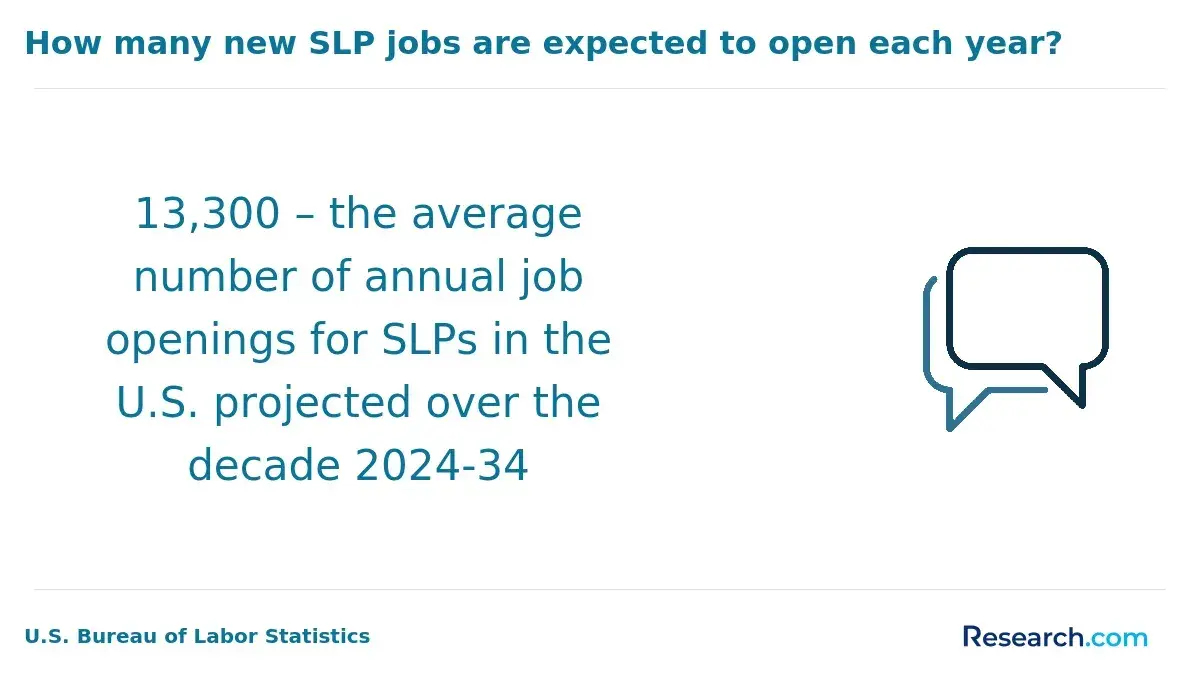
The demand for speech-language pathologists (SLPs) is expected to grow about 17% from 2025 to 2035, driven by the aging population, increased awareness of communication disorders, and expanded healthcare coverage. This growth exceeds the average for most occupations and highlights the rising need for evaluation, treatment, and rehabilitation services in schools, hospitals, and specialized clinics.
Key factors fueling this demand include:
- Demographic changes, especially the aging baby boomer generation, which leads to more cases of stroke, dementia, and other neurological conditions needing speech therapy.
- Greater focus on early intervention for children with speech and language delays, boosting job prospects in educational settings.
- Recognition of voice and swallowing disorders, broadening SLP roles beyond traditional speech therapy.
Fully online accredited speech pathology graduate programs remain limited, with only 19 available, most requiring some in-person clinical training to ensure hands-on experience. Students should carefully consider program formats and clinical opportunities when planning their education to align with job market needs.
Geographic and workplace settings vary significantly. Urban areas and specialized clinics generally offer more opportunities, while rural regions may have shortages. Prospective and new SLPs should be prepared for diverse patient populations and interdisciplinary collaboration to enhance career growth.
Other Things You Should Know About Speech Pathology
In 2027, online speech pathology programs typically require students to complete supervised clinical practicums. These practicums can be arranged at local healthcare facilities or schools, allowing online students to gain hands-on experience under the supervision of licensed professionals, ensuring they meet clinical competency standards.
Yes, many online speech pathology programs accept students without prior healthcare experience, as long as they meet admission requirements like a bachelor's degree. These programs include foundational coursework covering anatomy, physiology, and communication disorders to prepare students adequately. However, students should be prepared to commit to rigorous clinical practicums to gain practical skills regardless of their initial background.
Most accredited online SLP programs require at least 400 supervised clinical hours before the master’s degree is awarded. These hours must include direct client contact, observation, and supervised practicum in settings approved by the program and aligned with ASHA standards.
Graduates must pass the Praxis Examination in Speech-Language Pathology administered by the Educational Testing Service, which is required for state licensure and the Certificate of Clinical Competence (CCC) from ASHA. Additionally, individual states may have specific licensing requirements, including background checks or additional exams. It is important for students to verify the licensure criteria of the state where they plan to practice.
- U.S. Bureau of Labor Statistics - Speech-Language Pathologists https://www.bls.gov/ooh/healthcare/speech-language-pathologists.htm
- ASHA EdFind - Accredited Speech-Language Pathology Programs https://find.asha.org/ed/
- O*NET OnLine - Speech-Language Pathologists https://www.onetonline.org/link/summary/29-1127.00
- California State University-Northridge - Master of Science in Communicative Disorders (Online) https://tsengcollege.csun.edu/programs/CDS
- New England Institute of Technology - Master of Science in Speech Language Pathology https://www.neit.edu/academics/graduate-degrees/speech-language-pathology-ms
- Pennsylvania Western University - Master of Science in Speech-Language Pathology https://online.pennwest.edu/programs/speech-language-pathology-grad/index.php
- James Madison University - Master of Science (M.S.) in Speech-Language Pathology (Distance Education / Online) https://www.jmu.edu/chbs/csd/online_ms/index.shtml
- Emerson College - Master of Science (M.S.) in Communication Disorders (Speech@Emerson, online) https://speech.emerson.edu/