2027 Is a Reading & Literacy Degree Better Than Experience Alone? Salary, Hiring, and Career Growth Compared

Co-Founder and Chief Data Scientist
Professionals entering the reading & literacy field often face a crucial choice: pursue a specialized degree or rely solely on work experience and self-teaching. While hands-on experience can demonstrate practical skills, many employers require a reading & literacy degree as a baseline for hiring and advancement. According to a 2025 study, degree holders earn on average 22% more than non-degree peers in similar roles, with greater access to leadership positions. Moreover, state certification standards typically mandate formal education in reading & literacy, limiting entry without a degree. This article explores salary differences, employment prospects, and career growth-guiding readers on the value of a formal degree versus experience.
Key Points About Having Reading & Literacy Degrees vs Experience Alone
- Degree holders earn on average 18% more than experienced professionals without formal credentials in reading & literacy, reflecting higher valuation of academic qualifications by employers.
- Employers prefer candidates with degrees for most entry-level and specialized reading & literacy roles, leading to more consistent hiring opportunities than relying on experience alone.
- Career advancement into leadership or instructional design positions is significantly more accessible for degree holders, who often receive priority for promotion compared to those with experience only.
What technical proficiencies can you gain from having Reading & Literacy degrees vs self-teaching?
Professionals pursuing a reading & literacy degree gain structured exposure to foundational principles and practical applications that are often challenging to master through self-teaching or learning solely on the job. These comprehensive programs target a range of technical proficiencies essential for literacy education. Below are five key skills where degree programs typically provide more depth compared to experience alone.
- Advanced Assessment Techniques: Degree programs teach specialized methods for identifying diverse reading difficulties and learning disabilities with scientific accuracy. While experience offers practical familiarity, formal training ensures educators understand the nuance behind each assessment tool and how to apply them reliably.
- Language Acquisition Theories: Academic study covers theoretical foundations of how language and cognition develop, informing evidence-based instructional strategies. Self-taught professionals may grasp practical strategies but often lack the research-backed understanding that shapes best practices.
- Differentiated Instruction Design: Structured programs train educators to adapt lessons thoughtfully for varying learner profiles and reading levels. Learning only through experience might limit the ability to systematically tailor instruction without formal frameworks.
- Educational Technology Use: Degree coursework introduces specialized software and tools for literacy intervention and ongoing progress monitoring. Bootcamps or tutorials might cover basic tools, but deeper proficiency and integration come from comprehensive academic training.
- Research and Data Analysis: Professionals with degrees develop skills in evaluating instructional effectiveness through research methods and data interpretation. This critical skill set often exceeds what is gained from practice alone, enabling contributions to academic literacy research and informed instructional decisions.
Self-taught reading and literacy instructional strategies may provide useful practical insights but often lack the rigor and scope afforded by formal education. Employers across education sectors increasingly prefer candidates with degrees that integrate these technical proficiencies, reflecting the value of academic training.
For those weighing options, exploring the fastest degree to get online can offer accessible pathways to acquire these competencies. Ultimately, the structured knowledge and skills from a degree program create a more comprehensive foundation than experience alone, advancing both effectiveness and career growth in this competitive field.
Are there certifications or licenses that only Reading & Literacy degree holders can obtain?
Continuing education and earning additional credentials can significantly enhance career opportunities, even as many employers increasingly embrace skills-based hiring. However, certain certifications and licenses remain exclusive to those who possess a formal reading and literacy degree. Below are key credentials that illustrate this requirement:
- Reading Specialist Certification: This credential emphasizes advanced techniques to diagnose and support students struggling with reading. Candidates typically must hold a teaching license and possess a master's degree in reading and literacy or a related education field. The degree requirement ensures educators have a solid foundation in literacy theory and practice, which is crucial for specialist roles and curriculum leadership.
- Literacy Coach License: Literacy coaches help classroom teachers improve literacy instruction, often requiring graduate-level coursework in reading and literacy. To obtain this license, candidates need a valid teaching license, a reading and literacy degree, and practical coaching experience, making the degree central to eligibility. This license opens doors to instructional leadership positions in many districts.
- Wilson Reading System® Trainer: This certification prepares educators to implement a structured literacy intervention program. Eligibility usually requires a background in reading and literacy education, demonstrated by a relevant degree. Having this credential benefits professionals aiming for roles in special education and intervention settings.
- Certified Literacy Tutor (CLT): Certain state and regional programs mandate coursework aligned with reading and literacy degree standards before granting this credential. It reflects a tutor's proficiency and increases employability in community literacy initiatives and schools.
For students wondering whether to pursue a dedicated reading and literacy degree or rely on experience alone, it is important to note that many licenses exclusive to reading and literacy graduates are vital for career growth. A recent survey showed 72% of hiring managers in K-12 education prefer candidates with formal reading and literacy certification over those relying purely on experience and self-teaching. Those interested in advancing in this field might consider exploring options like an online masters psychology program, which can complement literacy expertise with advanced educational foundations.
Will a degree in Reading & Literacy make you more employable?
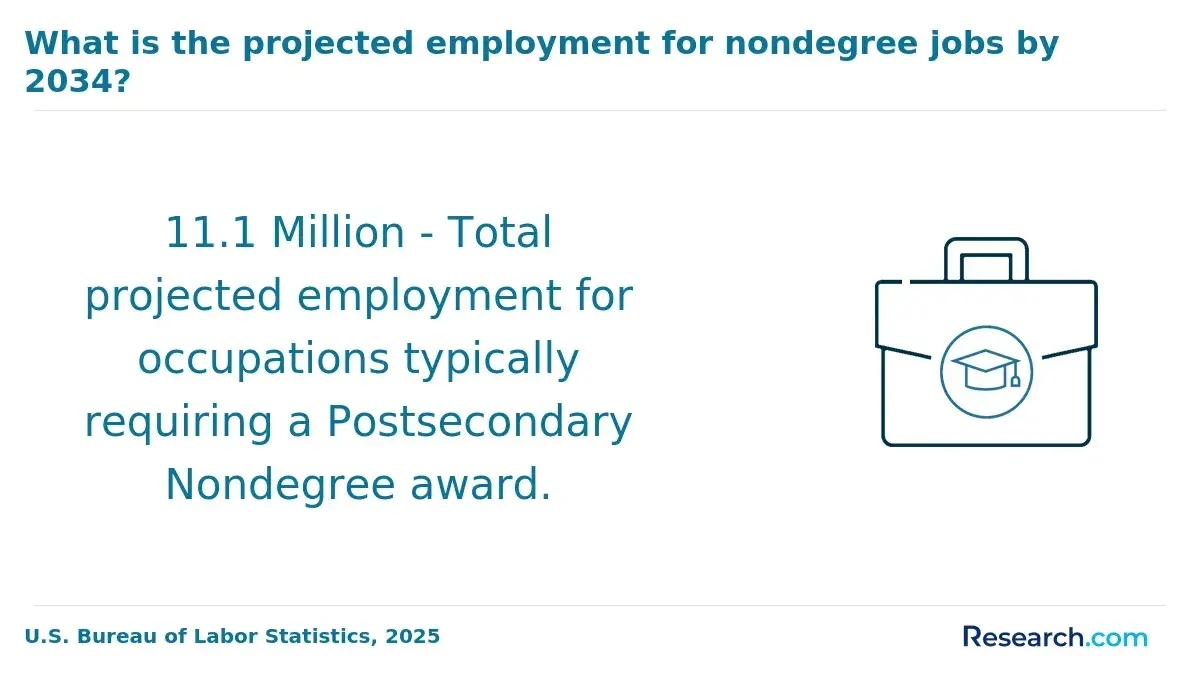
The job market favors candidates with a degree in reading & literacy more than those relying solely on experience. Employers often prefer applicants with formal education because such degrees demonstrate a solid grasp of instructional methods and assessment techniques. Although practical experience is valuable, many literacy-related roles, especially those in public schools, require formal certification that typically accompanies a degree.
Factors influencing this preference include state certification mandates and the need for educators skilled in current literacy frameworks and technology. Schools funding literacy programs frequently demand credentialed staff, limiting opportunities for those without formal qualifications. While skills-based hiring is gradually gaining traction, it remains uncommon for specialized literacy positions where both knowledge and hands-on experience are essential.
Ultimately, whether pursuing a degree is necessary hinges on individual career goals. Those aiming for leadership or specialist roles will likely find a degree indispensable, while others focused on direct classroom experience might manage with certifications and professional development. Each path requires weighing immediate job requirements against long-term advancement prospects.
When asked about his perspective, a professional who completed an online bachelor's in reading & literacy shared that earning the degree was both demanding and rewarding. He recalled feeling overwhelmed balancing coursework with personal duties but valued how the program provided a structured understanding of educational theories that on-the-job learning hadn't offered. He explained, "Having the degree opened doors I hadn't anticipated," and noted that despite some skepticism from colleagues early on, he now sees it as a vital asset in his career advancement and credibility within educational settings.
Many careers related to reading and literacy require formal education, while some roles prioritize hands-on skills and job readiness over degrees. Especially in the United States, holding a degree can open doors to specialized positions not typically accessible to those relying on experience alone. Here are some notable career options for candidates with a teaching degree in reading and literacy:
- Literacy Specialist: These professionals work within schools or districts to support students struggling with reading by assessing individual needs and implementing intervention plans. Because their work involves diagnosing reading difficulties, literacy specialists generally need formal certification linked to a reading and literacy degree.
- Reading Interventionist: Focused mostly on elementary students requiring additional help, reading interventionists provide targeted instruction through research-based methods. State licensing often mandates credentials earned through specialized training rather than experience alone.
- Special Education Teacher: Combining literacy expertise with knowledge of disability accommodations, these teachers ensure students with special needs access the curriculum. Formal certification through a teaching degree is typically necessary to secure licensed positions in this field.
- Curriculum Developer: These educators design instructional materials and programs tailored to diverse learners. Their expertise in literacy pedagogy and standards usually comes from degree coursework and research experience valued by employers.
- Educational Consultant: Advising schools on literacy initiatives often requires a solid foundation in educational theories and evidence-based practices, supported by a degree to establish credibility alongside practical experience.
While non-degree holders might find entry in assistant or tutoring roles within community literacy programs, the growing preference for formal qualifications is evident. According to a 2025 National Education Workforce report, candidates with reading and literacy degrees receive 28% more job offers in specialized roles compared to those relying solely on their work history. Exploring specialized educational paths, such as ABA-approved online paralegal programs, shows the broader trend of formal credentials impacting career opportunities. For students weighing the value of experience against a formal degree in reading and literacy, this data underscores the advantage of pursuing a recognized teaching degree for expanded job prospects and career growth.
Degree holders in reading & literacy often gain valuable professional connections through structured programs that include faculty mentors, alumni networks, and specialized conferences. These formal channels provide easier access to referrals and recommendations that can jumpstart careers. On the other hand, those without degrees usually build networks more independently, using methods like local events, volunteer work, or online platforms, which can demand more persistence and time to develop equivalent contacts.
Networking resources differ notably between degree and non-degree professionals. Students in reading & literacy programs typically benefit from university career centers, exclusive internships, and participation in research projects, all helping to enhance credibility. Conversely, non-degree professionals rely heavily on their immediate circles, workplace relationships, or grassroots initiatives to expand opportunities. Both groups, however, depend on active engagement to cultivate meaningful industry ties.
In the reading & literacy field, strong professional networks are especially important since trust and proven competence are highly valued by employers. While it is possible to succeed through experience alone, formal education frequently opens doors to more efficient and influential networking paths that support long-term career advancement.
Holding a degree in reading & literacy can enhance eligibility for advancement in many professional roles, especially those involving leadership or specialized responsibilities. The structured education offered by such degrees often equips individuals with qualifications that experience alone may not provide. Key factors that influence promotion prospects include:
- Credential Requirements: Many management and specialist positions mandate formal credentials. A degree often fulfills these requirements, making candidates more competitive for roles that require official certification or advanced knowledge.
- Advanced Knowledge: Degree programs cover sophisticated teaching strategies and literacy research, enabling professionals to bring evidence-based methods to their practice. This expertise can set degree holders apart when leadership positions emphasize instructional quality and innovation.
- Networking and Leadership Training: Academic programs frequently offer opportunities to connect with mentors and peers while integrating leadership development into the curriculum. These experiences can prepare degree holders to navigate organizational structures and assume managerial responsibilities more effectively.
While hands-on experience remains valuable, those without degrees may encounter restrictions when seeking senior roles that require documented expertise or certifications. Employers often prioritize candidates who combine practical experience with formal education for promotional decisions, making a degree a significant asset for career progression in reading & literacy.
Professionals holding a reading & literacy degree typically earn about 15% more in entry-level positions compared to those relying solely on experience. This wage gap often widens as careers advance, particularly in specialized roles such as literacy coaches or curriculum developers. While experience provides valuable skills, there appears to be a salary ceiling for those without formal credentials, limiting long-term income growth and leadership opportunities. In contrast, degree holders often access higher certifications and are more competitive for advanced positions, contributing to improved salary trajectories and greater career stability. This influence of reading & literacy degrees on long-term income potential highlights the financial advantage of formal education in this field.
For those exploring reading & literacy careers, combining ongoing education with practical experience can help bridge income differences with degree holders. Interested students may consider options at top online universities offering accredited programs that support these developments.
The average tuition cost for a reading & literacy degree ranges from $20,000 to $40,000, varying by institution and program type. Despite these upfront expenses, professionals holding this degree typically see a positive return on investment within 5 to 7 years as their starting salaries tend to be higher than those relying solely on experience or self-teaching. A study showed degree holders earn about 25% more during their first five years in comparable roles than educators without formal qualifications.
Financial aid options like scholarships and federal grants play a crucial role in reducing the initial financial burden, making the degree more affordable. Additionally, accelerated programs can help students enter the workforce sooner, shortening the time needed to recover education costs. Combining formal education with part-time work or internships in educational settings enhances practical skills and further improves earning potential. These strategies collectively help maximize ROI, making a reading & literacy degree a financially sensible investment for aspiring professionals.
The job market in reading & literacy is increasingly influenced by AI integration, primarily designed to assist educators rather than replace them. Economic fluctuations still affect schools and literacy programs, but professionals with formal degrees tend to be more resilient. This is because degree programs provide knowledge of current pedagogical methods, data-based assessment techniques, and skills to manage emerging educational technologies, which many employers value in uncertain times.
Those without formal reading & literacy degrees often face challenges keeping pace with new literacy tools and curriculum design trends. Their lack of structured training can limit opportunities to lead or adapt technological initiatives. In contrast, degree holders possess specialized skills that remain essential despite automation, such as individualized intervention planning and professional oversight. These abilities, combined with stronger professional networks, help reduce the risk of job displacement during economic downturns or technology-driven changes.
When asked about his experience, a professional who completed an online reading & literacy bachelor's program shared that the degree helped him feel confident navigating AI-based tools in classrooms and excelling during budget uncertainties. He described moments of uncertainty when layoffs were announced but emphasized how his formal training, especially in adapting to new teaching technologies, made him a valuable resource. "It wasn't just about knowing theory," he said, "but applying it with new tools that others struggled to master." This gave him reassurance about his job's stability in a rapidly evolving field.
What Graduates Say About Their Reading & Literacy Degrees
- Iker: "Having a degree in reading & literacy truly set me apart in the competitive educational field. It provided me with practical skills that made me job-ready from day one and gave me confidence in my teaching abilities. The comprehensive training also opened doors for faster promotions and better salary prospects than many of my peers."
- Hayden: "Looking back, my reading & literacy degree was instrumental in shaping my career trajectory. It not only deepened my understanding of how children acquire language but also equipped me with evidence-based strategies that employers highly value. This background gave me a distinct advantage when applying for specialist roles and advancing within my district."
- Caleb: "From a professional standpoint, earning a reading & literacy degree enhanced my credibility and effectiveness as an educator. The coursework exposed me to diverse literacy challenges and how to address them, which made me confident and competitive in the job market. Ultimately, it played a significant role in increasing my earning potential and career growth."
Other Things You Should Know About Reading & Literacy Degrees
While leadership roles are accessible to self-taught professionals, having a formal degree in reading & literacy often provides structured knowledge and recognized credentials that employers value for management positions. Degree holders typically have undergone training in educational theories and instructional leadership, which can give them an edge in obtaining leadership roles compared to experience alone.
Research and academic roles in reading & literacy frequently require advanced degrees due to the specialized methodologies and theoretical frameworks involved. Those without formal degrees may find fewer opportunities in research-focused positions, as employers and institutions often prioritize candidates with verified academic backgrounds in the field.
A reading & literacy degree should come from a regionally accredited institution, and many school districts prefer programs aligned to state educator licensure rules. For reading specialist roles, employers may also look for CAEP-accredited preparation and passing scores on required state exams such as the Praxis Reading Specialist test.
- Measuring and Demonstrating ROI for Literacy Programs - booked Authors https://bookedauthors.com/2026/01/01/roi-for-literacy-programs/
- Certificates for Reading Specialist https://resilienteducator.com/programs/certificates/reading-specialist/
- Young People Are Falling Behind, but Not Because of AI https://www.theatlantic.com/economy/2026/04/job-market-artificial-intelligence/686659/
- ROI in Higher Education - FREOPP https://freopp.org/roi-in-higher-education/
- The Importance of Digital Literacy in the Modern World https://www.unicaf.org/the-importance-of-digital-literacy-in-the-modern-world/
- Degree vs No Degree: Which Future Is Safer? https://olceurope.com/blog/degree-vs-no-degree-which-one-leads-to-a-more-secure-future
- Why Self-Educated Learners Often Come Up Short - Scott H Young https://www.scotthyoung.com/blog/2010/02/24/self-education-failings/
- Program: Reading Specialist Certification (Licensure Program) https://catalog.fairmontstate.edu/preview_program.php
- College Students Weigh AI's Impact on Majors and Careers https://news.gallup.com/poll/704087/college-students-weigh-impact-majors-careers.aspx
- Why networking has become more valuable than a college degree https://districtadministration.com/article/why-networking-has-become-more-valuable-than-a-college-degree/