2027 Most Recession-Resistant Careers You Can Pursue With a Reading & Literacy Degree

Co-Founder and Chief Data Scientist
Graduates holding a reading & literacy degree often face uncertainty in economic downturns when education budgets tighten, and job competition intensifies. However, literacy specialists experience a stable demand, and projected employment in this field grows by 8% through 2030, reflecting ongoing needs in schools and community programs.
Recession-resistant roles often extend beyond conventional classrooms, including digital literacy coaching and curriculum development for diverse learners. Those seeking market competitiveness must adapt by gaining skills in educational technology and multilingual literacy strategies. This article explores career paths that remain viable during recessions and offers guidance on aligning skills with evolving sector demands to ensure long-term employment stability.
Key Points About Recession-Resistant Reading & Literacy Careers
- Graduates with a reading & literacy degree often find stability in specialized education roles, such as literacy coaches and reading specialists, positions projected to grow 7% faster than average, even during economic downturns.
- The demand for literacy interventionists in both public and private sectors remains strong, given the ongoing focus on early childhood education and adult literacy programs that resist budget cuts.
- Skills in curriculum design and assessment for reading proficiency transfer well to adjacent fields like educational technology, which shows sustained growth due to rising remote learning trends.
What is the employment outlook for graduates of Reading & Literacy?
The hiring landscape for graduates with a reading and literacy degree is promising, with roles such as reading specialists and literacy coaches expected to grow by about 8% over the next decade-outpacing many other occupations. Job prospects for reading and literacy degree holders in education remain strong due to several key factors.
Below are some reasons supporting this positive employment outlook:
- National Literacy Focus: A sustained emphasis on improving literacy rates drives demand for professionals skilled in designing and implementing targeted reading interventions that help students succeed academically.
- Recognition of Learning Disabilities: Increased awareness and diagnosis of learning disabilities have expanded opportunities for reading and literacy graduates in specialized education settings and private practice environments.
- Early Literacy Prioritization: Public and private education sectors continue to prioritize early literacy development as foundational to long-term academic achievement, providing ongoing employment stability.
- Recession Resistance: Unemployment among these professionals typically remains below the national average, reflecting strong demand across diverse educational settings even during economic downturns.
For students interested in fast-tracking their education to enter this resilient field, exploring EdD online programs can be a strategic step toward career advancement.
What are the most recession-resistant careers for Reading & Literacy degree graduates?
Certain careers within reading & literacy and related fields remain naturally insulated from economic downturns due to their essential roles and regulatory protections. Employment in educational support positions, such as literacy specialists and diagnosticians, actually grows at rates 4% higher than average during recessions, reflecting their value and stability.
Below are five recession-resistant careers available for graduates that typically withstand economic challenges.
- Special Education Teacher: These educators support students with diverse learning needs, with their roles safeguarded by federal mandates like the Individuals with Disabilities Education Act (IDEA). Because funding for special education is protected even during budget cuts, these positions maintain strong job security.
- Literacy Specialist: Literacy specialists deliver targeted interventions for struggling readers and help school districts meet state literacy standards. The critical goal of improving literacy outcomes shields these roles from economic fluctuations and makes them among the top recession-proof jobs for reading and literacy graduates.
- Educational Diagnostician: Experts who identify learning disabilities and reading challenges play a vital role in ensuring proper educational interventions. Their specialized skills are crucial for compliance with federal regulations, producing sustained demand despite recession pressures.
- Adult Literacy Instructor: These instructors teach foundational reading and writing to adult learners, often through government-backed community programs. Given the continuous need for workforce development and lifelong learning, funding for adult literacy remains relatively stable during economic downturns.
- School Library Media Specialist: Beyond managing educational resources, these specialists support literacy and digital information skills development-key curriculum priorities often protected by federal funding aimed at promoting equity. This funding framework buffers their positions against budget cuts and recession impacts.
Graduates pursuing high-demand careers with a reading and literacy degree during economic downturns will find these roles offer resilience due to government mandates and federally protected funding. For those interested in expanding their professional qualifications, exploring LMFT programs can provide complementary career options in related education and therapy fields.
In which industries can Reading & Literacy degree holders find work?
Graduates with degrees in reading & literacy can find career opportunities beyond traditional educational settings, spanning several stable sectors. Employment projections indicate an 8% growth in roles connected to literacy education and support, highlighting the versatility and resilience of such qualifications.
Below are some key industries where reading & literacy graduates apply their expertise:
- Education: Roles include literacy coaches, curriculum specialists, and reading interventionists who support learners at various levels. Educational institutions consistently need professionals skilled in developing effective literacy programs that enhance student achievement.
- Healthcare: Literacy knowledge is essential for patient education coordinators and health literacy specialists, who ensure that medical information is clear and accessible. These professionals improve communication between providers and patients, aiding informed decision-making and compliance.
- Public Libraries and Community Services: Graduates often design and lead literacy initiatives targeting diverse groups, such as adult learners and young children. These programs foster lifelong learning and remain vital regardless of economic conditions.
- Publishing and EdTech: The demand for experts who create instructional materials, e-books, and educational apps continues to grow alongside digital learning trends. Reading & literacy graduates contribute to content development that supports comprehension and engagement.
When asked about the industries where professionals with this degree find employment, one graduate from an online reading & literacy bachelor's program shared his experience. He described feeling initially uncertain about how broadly applicable his skills were outside of schools but found that employers appreciated his ability to tailor communication strategies for diverse audiences.
"It was challenging at first to translate teaching techniques into healthcare communication roles," he explained, "but once I adapted, I saw how impactful clear messaging could be." He also highlighted how working with community organizations deepened his understanding of cultural nuances in literacy development. His reflections reinforce that reading & literacy expertise opens doors across multiple fields, often in unexpected ways.
Jobs in public institutions related to reading & literacy often provide more employment stability compared to those in the private sector. Public roles typically benefit from consistent government funding that shields positions during economic downturns, as literacy programs are seen as essential services. Union support and well-defined career ladders further enhance job security, allowing professionals to advance into roles such as curriculum development or program management.
By contrast, private sector positions, including those in corporate training, publishing, or edtech firms, tend to be more vulnerable to market fluctuations and budget cuts. While these jobs might offer higher pay and quicker career advancement, they carry greater risk. The private sector also opens doors to entrepreneurial ventures and niche opportunities in areas like digital literacy and accessibility, but job security is generally lower than in the public sphere.
Choosing between public and private career paths often depends on an individual's risk tolerance and professional priorities. Those seeking steady employment and clear progression may favor the public sector, whereas individuals prioritizing rapid growth and innovation might lean toward private companies despite the volatility involved.
Geographic location significantly influences job stability for reading & literacy graduates, with certain states serving as key centers for employment in this sector. Below are three states where the demand for reading & literacy professionals remains reliably strong even during economic fluctuations.
- Florida: The state's diverse and sizeable student population, including many English language learners, contributes to a high demand for specialists in reading instruction. Florida's investment in boosting literacy rates and its economic resilience supports sustained employment opportunities in education.
- Texas: Rapid population growth and increasing public school enrollments drive ongoing hiring needs for reading & literacy graduates. Texas benefits from stable economic sectors like energy and technology that maintain funding for educational programs and literacy initiatives.
- Massachusetts: Known for its concentration of universities and research institutions focusing on literacy, Massachusetts ensures strong job prospects through continued support of public education. The state's robust economy, anchored by healthcare and technology, helps safeguard educational funding.
Labor data indicate that employment in reading & literacy specialties in these regions is expected to grow approximately 10% faster than the national rate, highlighting the sector's resilience to economic downturns.
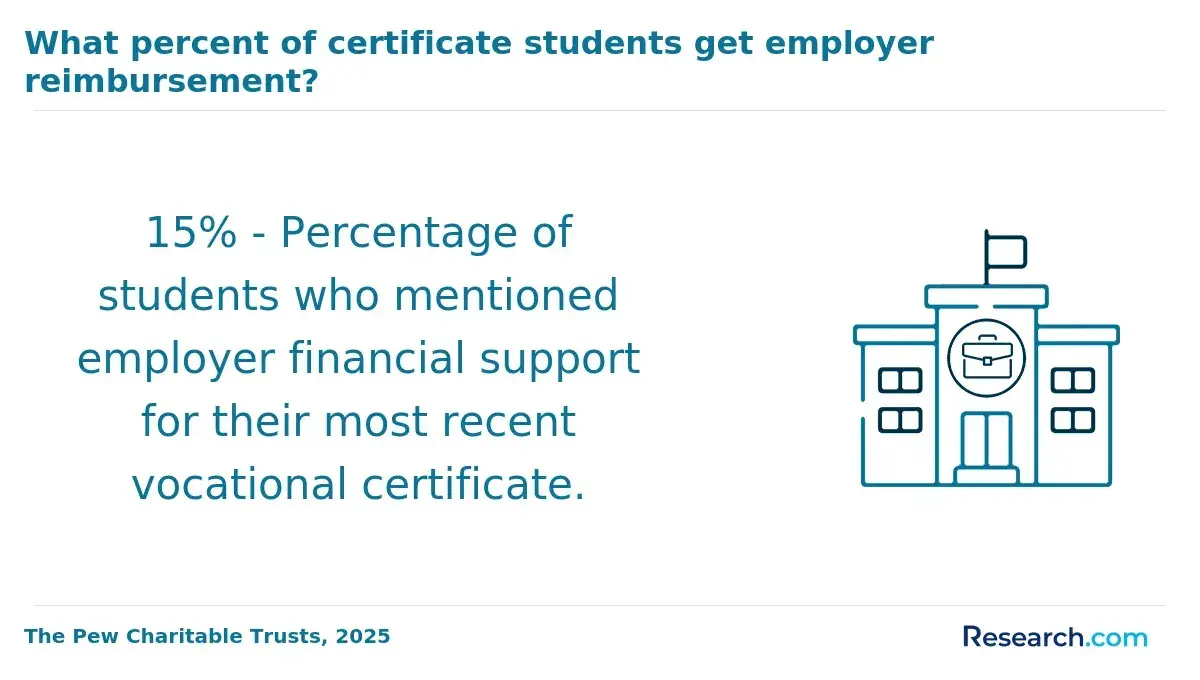
Post-graduate credentials and continuing education serve as a crucial layoff shield by validating specialized, high-demand expertise in reading & literacy careers. According to a labor market analysis, literacy professionals with one or more teaching certifications experienced a 15% lower unemployment rate during economic downturns.
Below are key certifications that enhance job security and open doors to recession-resistant roles.
- Literacy Specialist Certification: This widely recognized certification emphasizes advanced literacy instruction and intervention techniques. It prepares professionals for positions in schools and districts, especially high-need classrooms and specialized support roles that typically maintain funding even during recessions.
- TESOL Certificate: The Teaching English to Speakers of Other Languages credential enables reading & literacy graduates to work with English language learners in public schools, adult education, and community programs. Demand for TESOL-certified instructors remains steady due to ongoing immigration and language acquisition initiatives, ensuring career stability.
- Reading Recovery Teacher Certification: Focused on early literacy intervention, this intensive certification is aligned with federally funded programs. It qualifies holders for roles supporting struggling young readers, an area less vulnerable to budget cuts during economic slowdowns.
- Special Education Certification: Often incorporating literacy components, this certification equips professionals to support students with learning disabilities. These positions are legally mandated and prioritized, maintaining their necessity despite recessions.
Investing in these targeted certifications supports recession-proof reading & literacy teaching certifications for job security, allowing professionals to secure roles in K-12 education and community literacy organizations. For those exploring related fields, reviewing options such as sports degrees online can also provide insight into diverse career paths.
Continuously enhancing skills is essential for educators and professionals in reading & literacy to remain indispensable during economic shifts and organizational changes. Mastering specific competencies can increase adaptability and secure positions in a competitive job market. Below are key areas that significantly improve employment resilience.
- Data Literacy: Proficiency in interpreting student reading assessments and educational analytics allows professionals to customize learning experiences effectively. This skill is crucial for roles involving advanced literacy assessment techniques and enhances the ability to show measurable outcomes to employers.
- Digital Literacy Tools: Familiarity with educational technology, e-books, and virtual instruction platforms enables literacy educators to transition effortlessly between onsite and remote teaching. Such adaptability supports job security in diverse instructional settings.
- Multilingual Communication: The capability to engage learners and families in multiple languages is highly sought after, especially in communities with diverse populations. This skill expands employment opportunities in bilingual and immigrant-serving literacy programs.
- Curriculum Development: Designing flexible, standards-aligned reading programs allows graduates to move beyond traditional teaching into instructional design or policy advisory roles. This expertise helps navigate evolving educational requirements and broadens career options.
- Community Engagement: Building partnerships with parents, schools, and local organizations strengthens literacy initiatives and professional networks, which are vital for long-term career growth. Collaboration skills increase the impact and reach of literacy efforts.
Reading and literacy graduates looking to improve their job security should consider mastering skills related to digital literacy tools for educators and advanced literacy assessment techniques. For those interested in expanding their credentials, exploring a cheap online psychology degree can complement educational expertise and open new professional pathways.
Institutional reputation plays a considerable role in securing stable jobs for reading & literacy graduates. Employers often associate well-known schools with rigorous training and reliable skills, which can influence hiring decisions in a competitive job market. Graduates from prestigious programs may find their degrees carry added weight, making it easier to stand out among candidates.
Attending the right school also provides valuable networking advantages. Prestigious institutions often have extensive alumni networks and connections to key educational organizations, offering better access to exclusive job opportunities. These relationships can open doors to roles in schools, tutoring centers, and literacy nonprofits that prioritize candidates with such affiliations.
However, graduates from any accredited reading & literacy program can remain competitive by demonstrating proven performance and dedication. Strong teaching skills, continuous professional development, and successful student outcomes are powerful indicators employers value regardless of institution prestige. Consistent achievements often matter more than school name alone.
Aligning your academic knowledge with the dynamic requirements of the reading & literacy field is crucial for boosting employability and maintaining job stability. Taking intentional steps now can help you develop the practical skills employers seek.
Consider these approaches to prepare effectively for your career:
- Hands-On Experience: Engage in internships or volunteer roles focused on literacy to gain real-world exposure. Working directly with diverse learners helps translate theory into practical teaching techniques.
- Educational Technology: Build competence with digital tools and platforms prevalent in literacy education. Demonstrating adaptability to evolving technology is a key asset in today's classrooms.
- Research Engagement: Participate in projects or case studies related to literacy strategies. This practice sharpens critical thinking and highlights your ability to address educational challenges.
- Professional Networking: Join literacy organizations or student groups to connect with peers and experts. Staying current with best practices expands both knowledge and career opportunities.
- Specialized Certifications: Pursue credentials in areas such as dyslexia instruction or supporting English language learners. Certification distinguishes you as a focused expert in competitive job markets.
When asked how reading & literacy students can meet today's employer expectations, a professional who finished an online bachelor's program shared that the journey involved balancing coursework with practical teaching roles, which was initially overwhelming.
"Navigating between studying theory and applying it felt like a constant challenge," he recalled. He emphasized that building confidence came from gradually taking on tutoring assignments and seeking feedback, which turned uncertainty into practical competence. He also noted the importance of persistence and staying curious about new instructional methods as critical to adapting in a changing educational landscape.
Careers in reading & literacy that withstand economic downturns typically offer moderate but stable salaries, with recession-resistant roles such as literacy specialists, reading interventionists, and educational coordinators earning an average annual salary of about $58,000. This figure slightly surpasses the national median for similar educational professions, reflecting consistent institutional demand driven by ongoing efforts to improve literacy rates, a priority regardless of economic conditions.
Among recession-resistant reading and literacy careers, some positions offer higher income potential, such as roles involving specialized interventions or leadership, while others, like general teaching roles in literacy, may provide lower but steady compensation. Many graduates find stable employment opportunities in public schools, nonprofit organizations, or government programs.
The income outlook for reading & literacy professionals also varies depending on factors like industry, geographic location, and the credentials attained. Certification bonuses, for example, from obtaining a Reading Specialist Certification or ESL endorsement, can increase salaries by 5 to 10%, supplementing a projected annual wage growth of approximately 3.2%, which outpaces the broader national average.
This positive trend highlights the financial benefits of advancing academic credentials and leveraging the high-paying, recession-proof jobs for reading and literacy graduates. For those considering a career shift, related fields, including becoming a speech pathologist, can offer additional pathways with substantial job security.
What Graduates Say About Their Career After Getting a Degree in Reading & Literacy
- Iker: "Choosing to pursue a degree in reading & literacy was a deliberate decision rooted in my passion for education and community impact. The program equipped me with essential skills to analyze diverse learning needs and develop effective reading strategies, which are invaluable in today's evolving job market. Thanks to this degree, I now enjoy a stable career as a literacy specialist where my expertise is constantly in demand, even during economic downturns."
- Hayden: "Reflecting on my journey, earning a degree in reading & literacy gave me more than just academic knowledge; it fostered a deep understanding of the cognitive and social elements of learning. This foundation has been critical in my role as a curriculum developer, allowing me to create resilient educational programs that adapt to changing market needs. The practical experience and theoretical grounding I gained have truly secured my place in a recession-resistant field."
- Caleb: "What drew me to a degree in reading & literacy was the opportunity to make a meaningful difference through literacy education. The coursework prepared me to handle diverse challenges in adult education, which directly influenced my ability to maintain steady employment despite economic shifts. I credit this degree with opening doors to a career in instructional coordination that offers both fulfillment and job security."
Other Things You Should Know About Reading & Literacy Degrees
In 2027, reading and literacy graduates can explore roles such as content strategists, instructional designers, or literacy advocates in nonprofits. These positions leverage literacy skills to create engaging content, develop educational materials, and support community literacy initiatives, showcasing the degree's versatility beyond traditional classroom settings.
Continuing education is crucial for staying current with evolving literacy research, educational technologies, and instructional strategies. Professionals who engage in regular training or earn advanced certifications can adapt more easily to changes in curriculum standards or shifting employer needs. This adaptability enhances job security by keeping skills relevant and marketable during economic downturns.
Reading and literacy professionals strengthen job security by earning structured credentials such as Reading Specialist or Literacy Coach certification, usually tied to a state teaching license and a master’s degree. Many school systems also value International Dyslexia Association training and Orton-Gillingham certification for intervention-focused roles.
Yes, collaboration with professionals in psychology, speech-language pathology, and social work can increase career resilience for reading & literacy experts. Interdisciplinary work supports comprehensive literacy interventions, especially for learners with diverse needs. Such collaboration often leads to more stable employment as it creates roles that address complex challenges beyond basic reading instruction.
- Executive Search and Outplacement Services for the Engineering, Architecture, Construction, and Manufacturing Industries https://www.davron.net/recession-proof-skills-2026/
- U.S. Literacy Rates by State 2026 https://worldpopulationreview.com/state-rankings/us-literacy-rates-by-state
- Average Educational Levels In The U.S.A. By State https://www.worldatlas.com/articles/us-literacy-rate-by-state.html
- Top Recession-Resistant Jobs You Should Consider Right Now | Kemecon https://www.kemecon.com/blog/top-recession-resistant-jobs-you-should-consider-right-now
- Reading Specialist Jobs and Salary Outlook | CUNE https://www.cune.edu/news/reading-specialist-jobs-salary
- 3 types of recession-proof skills and how to develop them | edX https://www.edx.org/resources/how-to-future-proof-your-skills
- 2024-2025 Literacy Statistics | National Literacy Institute https://www.thenationalliteracyinstitute.com/2024-2025-literacy-statistics
- Adult Literacy and the Workforce: Building Skills for a Better Future - Literacy Texas https://www.literacytexas.org/workforce-skills-better-future/
- 10 jobs for people who love reading - Study Work Grow https://studyworkgrow.com/10-jobs-for-people-who-love-reading/
- 10 Dream Careers for People Who Love Reading https://www.shortcourses.com.au/ed/best-careers-if-you-love-reading/