2027 Can You Get an Animal Science Bachelor's Degree After 30?

Co-Founder and Chief Data Scientist
Consider a mid-career professional yearning to switch to animal science but unsure if starting a bachelor's degree after 30 is feasible. Balancing work, family, and financial pressures presents unique challenges. Yet, 40% of students earning bachelor's degrees in agricultural sciences, including animal science, are over 25, reflecting growing adult learner representation. This shift indicates expanding opportunities and support systems tailored to nontraditional students.
This article explores what it takes to pursue an animal science bachelor's degree as an adult learner-addressing program accessibility, time-to-completion, credits transfer, financing, and career outcomes-to empower informed, confident educational decisions.
Key Things to Know About Getting a Animal Science Bachelor's Degree After 30
- Admission often requires a high school diploma or GED plus prerequisite science courses-many programs offer flexible online or hybrid options designed for adults balancing work and family.
- Financial aid, employer tuition reimbursement, and scholarships are vital-adult learners benefit from federal aid and specific grants targeting nontraditional students in animal science fields.
- Balancing family and studies demands time management-graduates typically see a 10-20% salary increase over time, making the degree a sound long-term investment despite initial challenges.
Can You Really Get a Animal Science Bachelor's Degree After 30?
Adults aged 25 and older make up a growing segment of bachelor's degree students nationwide, with increasing numbers pursuing degrees in animal science. The National Center for Education Statistics (NCES) highlights this adult learner enrollment growth as part of a wider trend toward lifelong education and career transformation. Returning to school after 30 is no longer unusual-many colleges have redesigned programs to meet the needs of working adults, offering flexible scheduling, online options, and accelerated pathways.
Those interested in earning a bachelor's degree in animal science after 30 include career changers, transfer students, military veterans, and parents balancing family responsibilities. Though challenges such as time management and financial planning exist, millions of adult learners successfully complete their degrees each year, paving the way to new career opportunities. This article explores key factors: time-to-completion, financing strategies, career impact, program types, and institutional support.
- Enrollment Growth: NCES data reveals a steady rise in adult learners in bachelor's programs, reflecting the increasing popularity of adult education and career reinvention in animal science.
- Program Flexibility: Many schools now provide part-time, evening, weekend, and fully online courses tailored for adult learners, making degree completion more achievable alongside work and family.
- Financial Considerations: Support options include employer tuition assistance, scholarships for adult learners, and federal aid, which help ease the costs of returning to school. For those exploring affordable options, examining the cheapest DNP programs offers insights into financial planning for professional degrees.
- Career Impact: Completing an animal science degree after 30 opens doors to specialized roles and advancement within agriculture and related industries.
- Support Systems: Dedicated adult learner resources such as academic advising, tutoring, and veteran programs enhance the chance of success for adult students.
Adult learners completing animal science degrees benefit from these evolving trends, making higher education accessible and practical well into adulthood.
Why Are More Adults Over 30 Pursuing a Animal Science Bachelor's Degree?
More adults over 30 are pursuing an animal science bachelor's degree than ever before-a trend supported by longitudinal data from organizations like the Lumina Foundation and the National Center for Education Statistics (NCES). This rising interest among adult learners returning for bachelor's credentials aligns closely with the realities and ambitions of career changers, military veterans, transfer students, and parents seeking to reenter the workforce.
The surge in adult learners in animal science programs corresponds with shifts in the labor market and greater flexibility in educational delivery. Key drivers behind this trend include:
- Career Transitions: Many adults over 30 seek to pivot into animal science fields for more fulfilling or stable employment opportunities, often after spending years in unrelated industries.
- Employer Tuition Benefits: Increasingly, employers offer tuition assistance or reimbursement programs, making it financially feasible for working adults to invest in their education without interrupting their income flow.
- Layoffs and Workforce Shifts: The post-pandemic economy has resulted in layoffs and job restructuring, motivating adults to upskill or change directions toward in-demand sectors such as animal science, which benefits from growing interest in sustainable agriculture and animal welfare.
- Online Program Availability: Expansion of accredited online and hybrid animal science degree options caters directly to adult learners balancing education with work and family commitments.
- Wage Premiums: Data consistently show that earning a bachelor's degree in animal science correlates with higher lifetime earnings compared to holding only a high school diploma or associate degree, making further education a sound financial investment.
These factors, backed by credible data sources, validate the growing interest of adult learners pursuing animal science bachelor's degrees. The infrastructure supporting their journey-from flexible program formats to financial aid and employer support-has never been stronger. For adults seeking accessible and career-focused credentials, animal science offers a promising pathway to personal fulfillment and long-term professional success.
Adults exploring education options may also consider the best online nursing programs as a comparison for affordable, flexible pathways in growing healthcare fields.
What Are the Most Common Challenges Adults Over 30 Face When Pursuing a Animal Science Degree?
Adults over 30 pursuing an animal science degree face multiple challenges shaped by their life demands.
- Time Constraints: Many balance full-time jobs, family care, and academic work, leaving limited hours for study. This juggle generates significant pressure but can be managed with tailored scheduling techniques explored later.
- Financial Pressures: Tuition, textbooks, and related expenses accumulate, while reduced work hours may decrease income. Additionally, navigating financial aid systems often presents confusion for those new to them.
- Technology Gaps: Returning learners often confront digital learning tools and online platforms unfamiliar to them. Gaining comfort with new software and virtual communication requires initial extra effort but is achievable with guided support.
- Imposter Syndrome: Self-doubt can arise when adults compare themselves to younger classmates or question the relevance of prior experience. This emotional barrier impacts confidence and engagement, though strategies to build self-assurance can offset it.
- Academic Bureaucracy: Complex enrollment processes, transfer credit policies, and institutional regulations can slow progress and cause frustration. Learning to navigate these systems efficiently is possible and will be covered in upcoming sections.
Most adult animal science students confront two or more of these hurdles simultaneously-this overlap is typical rather than exceptional. Recognizing shared struggles reduces isolation and bolsters the motivation necessary to persist toward degree completion.
In a conversation with a professional who enrolled in an animal science bachelor's program after 30, he described the emotional and practical twists of his journey. "Balancing night shifts and family while trying to keep up with assignments was brutal," he shared. His unfamiliarity with online platforms initially left him feeling overwhelmed, but he emphasized that incremental progress and asking for help were vital. He also mentioned, "I constantly questioned if I belonged in the program, especially sitting alongside younger students fresh out of college." Institutional paperwork caused unexpected delays, yet learning from advisors helped him navigate the bureaucracy. Reflecting back, he noted that acknowledging these challenges as normal helped him stay persistent and ultimately succeed.
Adult learners over 30 pursuing a bachelor's degree in animal science can choose from a variety of program formats designed around their unique schedules and commitments. The fully online option delivers the greatest flexibility-allowing students to complete coursework remotely without campus visits. Universities like WGU exemplify this model, emphasizing self-paced progress instead of traditional semesters, making it ideal for those juggling full-time employment or family care.
- Hybrid: Blending online instruction with occasional campus sessions, this format balances convenience with in-person hands-on learning. It suits adults who need direct faculty support or lab experiences but cannot attend campus daily.
- Evening and Weekend On-Campus: Tailored for working professionals, these schedules offer face-to-face classes outside normal business hours, enabling students to maintain daytime jobs while engaging in structured, in-person education.
- Competency-Based Education (CBE): CBE allows learners to advance by demonstrating skill mastery instead of accumulating credit hours, accelerating degree completion for those with prior knowledge. WGU's STEM-related animal science pathways are examples of such programs.
- Accelerated Cohort Models: Small groups progress through condensed, fast-paced courses together, fostering peer motivation and quick credentialing within a defined timeline.
Institutions like Arizona State Online and SNHU have also established strong infrastructures catering to flexible animal science bachelor's programs for students over 30. Selecting the right format depends on individual lifestyle, learning preferences, and career goals. Adults seeking the fastest credentialed pathways may benefit from options like CBE or accelerated cohorts, while others might prefer the steady flexibility of fully online or hybrid models. For those needing tailored program options, exploring LPN programs highlights the evolving landscape of flexible educational paths adaptable to adult learners.
Adult learners pursuing an animal science bachelor's degree often face varied timelines based on enrollment status and credit recognition. Full-time students typically finish in around four years, while part-time students-balancing work and family-may take five to seven years, according to National Center for Education Statistics data. Transfer credits, military training, CLEP exams, and prior learning assessments (PLA) are pivotal in reducing this duration by allowing students to bypass introductory courses.
Many programs accommodate these credits, enabling a returning student with 30 or more transfer credits to graduate within two to three years part-time. Accelerated options like online formats and intensive summer classes offer additional speed, especially for those with flexible schedules and higher weekly study availability. Collaborating with academic advisors helps tailor a realistic timeline based on current credits, time commitment, and graduation goals.
Notably, over 40% of adult STEM undergraduates apply PLA credits-a trend increasingly embraced by animal science students, blending professional experience with academic progress to shorten degree completion.
- Enrollment Intensity: Full-time students generally complete the degree in four years; part-time students typically need 5-7 years due to external commitments.
- Credit Recognition: Prior credits from college courses, military service, and exams like CLEP directly reduce course loads, accelerating graduation timelines.
- Accelerated Formats: Online courses and summer sessions allow motivated adults to increase credit loads during flexible periods, speeding up completion.
- Personalized Planning: Effective timelines consider existing credits, weekly study hours, and target graduation dates, aided by advisor guidance.
- PLA Adoption Trend: Roughly 40% of adult STEM students utilize PLA, a practice growing in animal science education.
A professional who earned an animal science bachelor's degree after turning 30 described her journey as initially daunting-balancing coursework with a part-time job and family demands required careful time management. She valued the ability to apply military training credits, which allowed her to skip several core courses, shortening her path. Participating in summer intensive classes provided intensive focus periods that helped maintain momentum. "It wasn't easy, but leveraging prior experience and working closely with my advisor made the timeline manageable," she reflected, expressing pride in how the degree ultimately opened new career opportunities aligned with her passions.
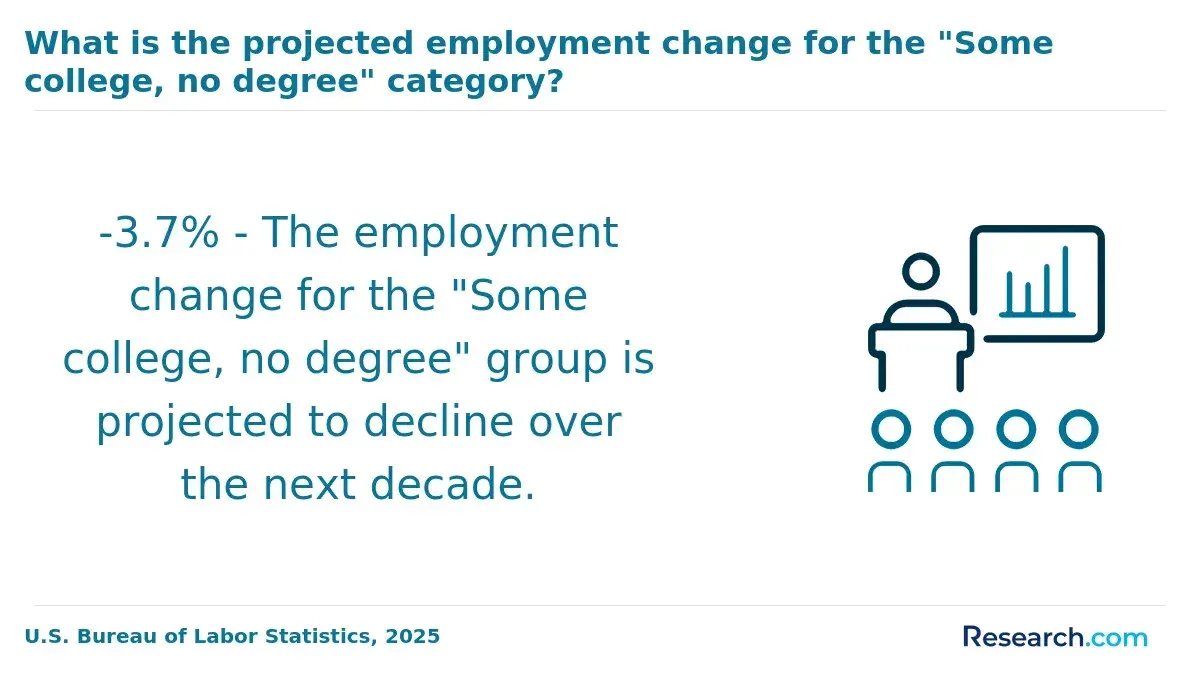
Financial options for adults pursuing a animal science bachelor's degree are diverse and accessible regardless of age. The Federal Student Aid office confirms that federal aid programs like Pell Grants and subsidized or unsubsidized loans are available to all eligible students, dispelling the myth that such aid targets only traditional-age learners. To begin, adults should complete the Free Application for Federal Student Aid (FAFSA) to determine qualification.
- Federal Financial Aid: Pell Grants offer need-based awards that do not require repayment, and federal loans come with flexible terms suited for adult learners.
- Employer Tuition Assistance: Many companies support tuition reimbursement or assistance, especially beneficial for those shifting careers or enhancing skills related to their current job. Checking with employers' human resources departments can uncover these opportunities.
- State Adult Learner Grants: Various states provide grants targeting nontraditional students returning to education in fields like animal science.
- Scholarships from Professional Associations: Groups such as the American Society of Animal Science offer scholarships tailored for students in this field, providing supplementary funding options.
- Income-Share Agreements (ISAs): This emerging model lets students finance education upfront by pledging a portion of future earnings, aligning repayment with post-graduation income.
Tuition costs vary widely-online and public university programs frequently offer more affordable rates than private on-campus options. For adult learners managing work and family, online state colleges may cost up to 40% less per credit hour. Prioritizing grants, scholarships, and employer benefits before considering loans can minimize debt. Approximately 45% of adult students utilize financial aid, highlighting increased availability and flexible options tailored to those over 30.
Employers consistently value a regionally accredited animal science bachelor's degree regardless of when it was earned. Data from the National Association of Colleges and Employers (NACE) reveals that hiring managers prioritize the degree's accreditation and relevance over the graduate's age or time-to-completion. This shift reflects growing recognition of diverse educational and life experiences in the workforce.
- Employer Respect: Adult learners earning a degree after 30 often bring greater professional maturity and practical experience than younger graduates. This can lead to stronger work ethic, enhanced problem-solving, and adaptability-qualities highly valued in scientific and agricultural roles.
- Industry Standards: Fields such as livestock management, veterinary sciences, agricultural consulting, and animal nutrition treat a bachelor's degree as a mandatory hiring threshold. Graduating at 32 holds the same weight as graduating at 22, as credential verification focuses strictly on the legitimacy of the degree awarded.
- Age-Related Concerns: Surveys by SHRM show that 78% of employers report no bias against older graduates if the candidate's skills and degree meet job criteria, highlighting a positive hiring environment for adult learners.
- Credential Visibility: Resumes and official employment verifications list only the degree and institution, not age or study duration, eliminating potential age bias during hiring processes.
- Current Trends: LinkedIn Workforce Insights notes increasing adult enrollment in science and agriculture education programs, signaling employers' growing openness to experienced career changers pursuing animal science degrees.
Adults pursuing a bachelor's degree in animal science after age 30 often leverage prior work experience to earn academic credit, accelerating their degree progress. Various credit conversion mechanisms help recognize professional expertise efficiently and affordably.
- Prior Learning Assessment (PLA): This allows students to demonstrate knowledge through portfolios or exams reviewed by faculty. Many animal science programs integrate PLA to grant credit for relevant work experience, internships, or industry certifications.
- Portfolio Evaluation: Students present comprehensive documentation of their career accomplishments-job roles, training, and project reports-which are assessed against academic standards to award appropriate credits.
- CLEP and DSST Exams: Standardized testing options that evaluate proficiency in general education and some specialized areas. Passing these exams enables students to bypass foundational animal science courses and related requirements.
- ACE-Recommended Credit: The American Council on Education endorses many professional certifications and military training programs aligned with animal science, allowing colleges to credit veterans and certified professionals.
According to research by the Council for Adult and Experiential Learning (CAEL), adult learners typically earn between 12 and 30 credits via credit-for-experience options in animal science bachelor's programs. Institutions with strong PLA frameworks include Colorado State University, Texas A&M University, and University of Nebraska, which actively promote portfolio and exam-based pathways.
Admissions offices generally value prior professional experience when applicants provide thorough documentation connecting their work history to academic competencies, viewing it as an asset rather than a deficit. Adult students should emphasize leadership and technical skills relevant to animal science to strengthen applications and support credit requests.
This recognition of prior learning means substantial time and cost savings for those balancing education with family or work. Additionally, career changers and military veterans can enhance their academic trajectory by exploring opportunities to combine experience with formal education. For individuals interested in related fields, some may also consider specialized online ultrasound tech programs as complementary pathways.
The admission requirements for animal science bachelor's programs vary notably for adult learners over 30, who often pursue education through distinct pathways compared to traditional students. Many programs prioritize flexibility to accommodate returning students, especially those balancing family or work commitments.
- Minimum GPA: Most programs expect a cumulative GPA between 2.5 and 3.0 from prior college coursework. However, schools with open or rolling admissions-often designed for adult learners-may waive strict GPA cutoffs, focusing instead on recent academic success or relevant experience. This adaptation is common within admission criteria for returning students in animal science degrees.
- Standardized Test Waivers: Applicants over 25 or those with previous college credits typically benefit from waived SAT or ACT requirements, lowering barriers for continuing education in animal science.
- Letters of Recommendation: These are generally optional for adult applicants but can bolster applications by highlighting maturity, professional experience in agriculture, or veterinary-related fields.
- Personal Statement: A thoughtfully written personal statement is often required to explain motivations as an adult learner. It enables admissions staff to assess the applicant's dedication and readiness.
- Residency and Transfer Credits: Many adult learners transfer credits or rely on prior learning assessments. Programs usually have clear policies allowing older credits or related experience to count toward degree progress, easing time-to-completion.
- Low GPA Solutions: For those with a low prior GPA, academic renewal or grade forgiveness policies may apply. Some programs provide conditional or provisional admission tracks where students can prove their capabilities through initial coursework before full acceptance.
Being honest about your academic history and exploring schools aligned with your profile is essential. Adult learners often find pathways facilitating degree completion and career advancement in animal science. For those exploring accelerated options in related fields, an accelerated kinesiology degree online may offer additional career flexibility.
Adult learners juggling caregiving duties and full-time jobs often face significant hurdles in completing a animal science bachelor's degree. Research from the Institute for Women's Policy Research shows that time constraints and stress from caring for children or elder relatives reduce persistence and degree completion rates. Unpredictable schedules make regular study difficult for many students balancing these demands.
To succeed, effective time management is crucial. Adult students report that block scheduling-allocating consistent daily study periods-and using digital calendars or task managers help maintain focus despite competing responsibilities.
Employer accommodations such as flexible working hours or remote options enable students to engage with coursework without financial sacrifice. Support from spouses or family members provides emotional and practical relief, lowering burnout risks.
Campus resources including childcare programs and emergency financial aid significantly lessen external pressures for adult learners with family obligations, improving retention. Assessing one's personal support network before enrollment and establishing early contact with adult learner services can secure access to tailored assistance and increase chances of finishing the degree.
- Caregiving Constraints: Family responsibilities limit available study time and elevate stress, negatively affecting progress in animal science programs.
- Time Management: Successful adult students use structured daily blocks and digital tools to organize study and balance obligations.
- Employer Flexibility: Flexible schedules and remote work options are essential to harmonize employment with academic goals.
- Family Support: Practical and emotional backing from loved ones helps sustain motivation and manage competing duties.
- Campus Resources: Childcare services and emergency funds ease financial and time pressures, promoting degree persistence.
Adult students pursuing a bachelor's degree in animal science after age 30 face distinct challenges that require targeted institutional support. Research from the National Student Clearinghouse and Complete College America highlights that programs with high advising intensity significantly boost adult learner completion rates-emphasizing the importance of specialized resources tailored to non-traditional students.
When assessing animal science programs, consider these essential support services:
- Dedicated Adult Learner Advisors: Advisors familiar with the complexities of adult education provide personalized guidance on course choices, degree pathways, and managing competing priorities.
- Prior Learning Assessment Offices: These offices evaluate professional experience and military training for credit, accelerating progress toward degree completion.
- Evening and Weekend Tutoring: Flexible tutoring availability allows learners to access academic help without disrupting work or family commitments.
- Virtual Library Access: Remote access to research materials and databases supports independent study and timely assignment completion.
- Career Services for Career Changers: Specialized career counseling assists in transitioning previous work experience into animal science roles and navigating job market demands.
- Peer Networks for Non-Traditional Students: Connecting with fellow adult learners fosters community, motivation, and shared strategies specific to mature student needs.
Before enrolling, inquire directly with animal science programs about the availability and depth of these support systems. Robust adult learner services remain a key factor in successfully earning a degree while balancing work and life commitments.
What Graduates Say About Getting a Animal Science Bachelor's Degree After 30
- Rose: "Returning to education after 30 felt daunting, but the financial support options made all the difference-scholarships and flexible payment plans allowed me to focus fully on my animal science studies. The program's accreditation assured me I was gaining a respected qualification, which has opened doors in the veterinary and agricultural sectors. I'm grateful for a learning environment that understood the challenges of mature students while giving me a solid foundation for my new career path."
- Eden: "Enrolling in the animal science bachelor's program in my 30s was a deeply reflective choice that has paid off both personally and professionally. One insight I gained early on was the value of program accreditation-knowing my degree was recognized globally gave me confidence to pursue international research opportunities. The program also offered tailored financial support which helped ease the pressure of balancing family, work, and studies simultaneously."
- Benjamin: "I approached the animal science degree with a clear professional goal after turning 30-transitioning into a leadership role in sustainable farming. The financial aid resources were surprisingly accessible, helping me manage costs without sacrificing quality. Importantly, the accredited curriculum ensured my qualification held weight in the job market, which led directly to career opportunities within just months of graduating."
Other Things You Should Know About Animal Science Degrees
Earning a animal science bachelor's degree after 30 can positively impact long-term earning potential, especially as career progression in this field often depends on formal qualifications. Adults who return to school may experience a salary boost once they enter animal-related professions like livestock management, veterinary technology, or agricultural consulting. However, the increase in earnings may take several years as practical experience and networking supplement the degree.
No. Employers usually evaluate the same regional or national accreditation, coursework, and practical experience for applicants of any age. For animal science roles, look for programs recognized by the U.S. Department of Education or CHEA, plus 120 semester credits and required lab or internship hours.
Earning an animal science bachelor's degree after 30 can positively impact career advancement, as it equips individuals with updated knowledge and practical skills. Having a degree may qualify individuals for higher-level roles, particularly in fields like veterinary sciences, conservation, or agricultural management, where advanced education is valued.
Adults over 30 should prioritize programs that offer flexible scheduling, online or hybrid course options, and support services tailored for non-traditional students. Accreditation and curriculum relevance to current industry standards are essential to ensure the degree meets career goals. Evaluating credit transfer policies and opportunities for experiential learning can also help speed up degree completion.
- Animal Science https://www.ualberta.ca/en/undergraduate-programs/bachelor-of-science-in-agriculture-animal-science.html
- The College of Animal Welfare https://www.caw.ac.uk/
- Is an animal science degree worth it? https://continentalsearch.com/is-an-animal-science-degree-worth-it/
- Top Animal Science Colleges: Find Your Perfect Fit https://ftp.bills.com.au/lunar-tips/top-animal-science-colleges-find-your-perfect-fit-1767648192
- The challenges and rewards of veterinary medicine degree | SMU https://veterinary.stmatthews.edu/blog/the-challenges-and-rewards-of-veterinary-medicine-degree
- Animal Courses Direct https://animalcoursesdirect.co.uk/blog/it-s-never-too-late-a-guide-to-becoming-a-vet-later-in-life/
- Animal Science https://www.oldscollege.ca/programs/continuing-education/animal-science/index.html
- Animal Science - Admissions https://admissions.usask.ca/animal-science.php
- I'm wanting to pursue a degree in Animal Science (would like some feedback) https://www.steerplanet.com/threads/im-wanting-to-pursue-a-degree-in-animal-science-would-like-some-feedback.5324/page-2
- BSAS https://www.bisas.org.uk/blog/the-future-of-animal-science-in-higher-education/