2027 Online Music Education Degree Programs With No Application Fee and Rolling Admissions

Co-Founder and Chief Data Scientist
Choosing an online music education degree is not just about finding a school that lets you apply for free. It is about timing, licensure fit, total cost, and whether the program supports your teaching or music career goals. The Bureau of Labor Statistics projects postsecondary teaching employment to grow 8% from 2023 to 2033, which keeps advanced education relevant for many educators.
This guide helps working teachers, career changers, and music professionals compare no-fee, rolling-admission programs and avoid mistaking admissions convenience for overall value.
Key Things You Should Know
- No application fee can save money upfront, but the larger financial decision is tuition: College Board's 2024 pricing report lists average published 2024-25 tuition and fees at $11,610 for in-state public four-year colleges and $43,350 for private nonprofit four-year colleges.
- Rolling admission usually means applications are reviewed as they arrive, but it does not mean unlimited seats, automatic admission, or identical course availability for every start date.
- Career value depends on accreditation, licensure alignment, teaching experience, and degree level; BLS reported a May 2024 median annual wage of $83,980 for postsecondary teachers, but K-12 music teacher pay is typically set by district salary schedules.
Which Online Music Education Degree Programs Have No Application Fee and Rolling Admissions?
Online music education programs with both no application fee and rolling admissions are most common at the graduate level, especially master's programs designed for licensed or practicing teachers. Bachelor's-level music education programs are more likely to include auditions, field placements, campus requirements, or state licensure checkpoints, so fully online no-fee options are less common.
Because colleges can change application-fee policies, fee waivers, and start-date calendars during an admission cycle, students should treat any list as a shortlist to verify rather than a final ranking. The table below shows the kinds of online music education programs applicants often compare when looking for free or waived applications and flexible admission review.
| School or program type to check | Common online music education degree format | Admission flexibility to verify | Best fit | Important caution |
| Arkansas State University | Online master's-level music education program | Multiple start dates, online admissions process, and current application-fee policy | Licensed teachers seeking a structured online graduate pathway | Confirm whether the current term's application is free or fee-waived before submitting |
| Campbellsville University | Online graduate music education pathway | Rolling or frequent admissions review and current fee-waiver language | Working music educators who need asynchronous or flexible coursework | Ask whether any residency, practicum, or synchronous attendance expectations apply |
| University of the Cumberlands | Online music education graduate program | No-cost online application language, rolling review, and start-date availability | Students comparing private nonprofit online graduate options | Compare total tuition and required fees, not only the application cost |
| Eastern Washington University | Online master's program in music education or related teaching area | Multiple online start dates and current online application-fee rules | Teachers who want a public-university option with several entry points | Check whether all music education courses are offered every term |
| Southern Utah University | Online music education or arts education graduate pathway | Online application cost, rolling review, and upcoming cohort dates | Applicants seeking western public-university options with online flexibility | Verify degree title, curriculum focus, and whether it matches music-specific goals |
The safest way to use this shortlist is to contact admissions and ask for a written confirmation of three items: the current application fee, whether admission is rolling for the specific music education program, and the next available start date. A university may offer rolling admissions for the institution overall while a specialized music program still uses cohort deadlines.
Students should also compare degree type. A Master of Music Education often emphasizes pedagogy, conducting, curriculum, technology, and research for current educators. A Master of Arts in Teaching or initial licensure route may include fieldwork and state certification requirements. A general music degree may help performers or ensemble directors but may not satisfy teacher-licensure expectations.
How Does Rolling Admission Work for Online Music Education Degree Programs?
Rolling admission means a school reviews applications continuously or in repeated cycles instead of waiting until one fixed deadline. For online music education degrees, this can be valuable because many applicants are working teachers who need to coordinate school-year duties, summer coursework, tuition reimbursement, and family schedules.
Rolling admission is not the same as open admission. A program may still require transcripts, a minimum GPA, teaching certification, a music background, letters of recommendation, a personal statement, or evidence of musicianship. Some programs also close a start date once seats are filled or when there is not enough time to process transcripts and financial aid.
The comparison below explains why rolling admission can make the process easier, but not necessarily less competitive.
| Admission model | How applications are reviewed | Student advantage | Student risk |
| Rolling admission | Applications are reviewed as they are completed or in frequent batches | More flexibility for working adults and students who miss a fixed deadline | Seats, scholarships, or course sections may fill before the final posted date |
| Multiple start dates | The program admits students several times per year | Students can begin in spring, summer, fall, or accelerated sessions | Not every course may be available at every start |
| Fixed deadline | All applications are reviewed after a set date | Applicants know the exact timeline for decisions | Missing the deadline may delay enrollment by a full term or year |
| Cohort admission | Students enter as a group on a specific schedule | Course sequencing can be predictable | Less flexibility if personal or work schedules change |
A good strategy is to behave as if rolling admission still has a deadline. Apply early enough to leave time for transcript delivery, financial aid processing, employer tuition-assistance approval, and course registration. This is especially important if you are comparing education programs across fields, such as online speech pathology programs masters, where clinical placement or licensure timelines can be even more rigid.
How Much Can Students Save by Choosing an Online Music Education Degree With No Application Fee?
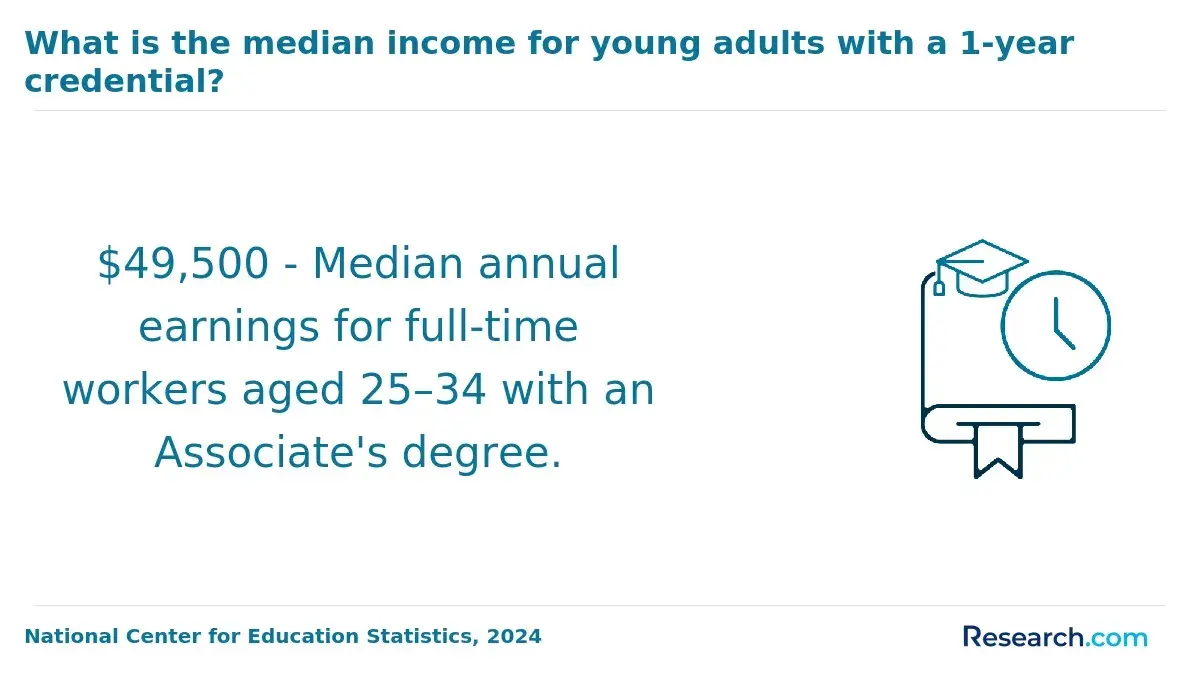
A no-application-fee policy creates immediate savings, but it is usually a small part of the total degree cost. If one applicant applies to four programs that each charge a $50 application fee, choosing no-fee applications saves $200. That is useful, especially for students testing multiple options, but it will not offset a program that is thousands more expensive in tuition.
The best way to evaluate savings is to separate upfront application costs from enrollment and completion costs. The table below shows how a waived application fee compares with larger cost categories that affect the real price of an online music education degree.
| Cost category | What it includes | Why it matters more than the application fee |
| Application fee | One-time cost to submit an application | Easy to compare, but usually small relative to tuition |
| Tuition | Per-credit or per-program instructional cost | Usually the largest cost driver |
| Mandatory fees | Technology, distance learning, student services, graduation, or transcript fees | Can add up even when tuition looks low |
| Course materials and software | Texts, notation software, recording tools, learning platforms, or music technology subscriptions | Music education programs may require specialized digital tools |
| Residency or travel | Campus intensives, summer workshops, ensemble requirements, or field experiences | Can change the affordability of an otherwise online program |
| Time to completion | Number of credits, course availability, and enrollment pace | Longer timelines may increase fees or delay salary-lane movement |
Students comparing affordability should run a total-cost calculation before celebrating a free application. In practical terms, a $0 application fee is most valuable when it lets you apply to several serious options without financial friction, not when it distracts from tuition, aid, accreditation, or career fit.
This same logic applies across graduate education. For example, students researching the cheapest online history master's degree still need to check per-credit tuition, fees, transfer policies, and program outcomes rather than relying on one advertised discount.
What Are the Admission Requirements for No-Fee Online Music Education Degree Programs?
No-fee online music education programs are not necessarily easier to enter. The application may be free, but the academic and professional standards can be the same as programs that charge an application fee. Graduate programs often look for evidence that applicants can handle advanced coursework and connect the degree to music teaching practice.
Most applicants should prepare the following materials before starting applications. Gathering them early is especially helpful when schools use rolling admission because incomplete files may not be reviewed.
- Official transcripts from all colleges attended, including transfer institutions and prior graduate coursework.
- Proof of a bachelor's degree, often in music education, music, education, or a closely related field.
- Minimum GPA documentation, commonly reviewed either cumulatively or for the last completed credits.
- Teaching license, teaching experience, or classroom background if the program is designed for practicing educators.
- Resume or curriculum vitae showing music teaching, ensemble leadership, private instruction, performance, or arts education work.
- Statement of purpose explaining why the applicant wants the degree and how it supports teaching or leadership goals.
- Letters of recommendation from supervisors, music faculty, principals, department chairs, or professional mentors.
- Possible audition, portfolio, conducting sample, lesson plan, writing sample, or interview, depending on the program.
Applicants without a bachelor's degree in music education should read requirements carefully. Some programs welcome musicians, private teachers, worship leaders, or arts administrators, while others are built specifically for licensed K-12 teachers. If your goal is public-school music teaching, ask whether the online degree leads to initial teacher certification, adds an endorsement, or is intended only for already licensed educators.
When Should Students Apply to Online Music Education Degree Programs With Rolling Admissions?
Students should apply earlier than the final rolling-admission date, ideally once they have identified a preferred start term and gathered transcripts. Rolling admission rewards readiness: the earlier a complete file is submitted, the more time the student has to resolve missing documents, compare aid offers, and register for the right first courses.
A practical timeline helps prevent the most common mistake: waiting too long because the program says applications are accepted continuously. The steps below show how to work backward from a desired start date.
- Choose the start term first, such as summer for teachers who want to begin when school is out or fall for students using employer tuition benefits.
- Confirm whether the music education program, not just the university, uses rolling admission for that start term.
- Request official transcripts at least several weeks before the priority registration period.
- Ask recommenders early and give them your resume, teaching goals, and the program's submission instructions.
- Submit the financial aid application and any school scholarship forms before their separate deadlines.
- Verify whether the first required courses are available in your chosen term and whether delayed admission would affect course sequencing.
- Wait to commit until you have compared tuition, aid, transfer credit, accreditation, and program requirements across your top choices.
For many working teachers, applying before summer can be especially useful because summer coursework may fit better around classroom responsibilities. However, students should not assume summer admission is always the best choice. Some programs reserve key research, methods, or practicum courses for fall or spring, which can affect time to completion.
How Can Students Strengthen an Online Music Education Degree Application?
A strong application shows that the applicant understands both music and education. Online programs often want students who can connect coursework to real classrooms, ensembles, community music settings, or private instruction. This is especially important in music education because the field blends musicianship, pedagogy, technology, cultural awareness, and leadership.
Students can improve their application by making each required item specific to music teaching rather than submitting a generic graduate-school file. The following steps are useful for applicants who want to stand out without overstating their experience.
- Use the statement of purpose to connect your teaching goals to the program's curriculum, such as curriculum design, conducting, culturally responsive pedagogy, assessment, or music technology.
- Ask recommenders who can discuss your teaching, rehearsal leadership, musicianship, reliability, and ability to improve from feedback.
- Update your resume with measurable responsibilities, such as ensemble direction, lesson planning, student performances, curriculum writing, or community music programs.
- If a portfolio is optional, include focused samples such as a lesson plan, rehearsal clip, curriculum unit, or reflective teaching artifact rather than a broad collection of unrelated performances.
- Address academic weaknesses directly if needed, especially if your GPA does not reflect your current professional maturity or teaching experience.
- Show comfort with online learning tools, notation software, recording platforms, digital assessment, and learning management systems, since technology is now central to many music classrooms.
One current trend affecting applications is the growing use of digital and AI-supported music tools. Applicants do not need to present themselves as technology experts, but they should be ready to discuss how they use digital tools responsibly for lesson planning, feedback, arranging, composition, accessibility, and student engagement.
Are Online Music Education Degree Programs With No Application Fees Accredited and Legitimate?
Yes, an online music education degree with no application fee can be accredited and legitimate, but the fee policy itself proves nothing. A school may waive fees as a recruitment strategy, to reduce barriers for adult learners, or to simplify online enrollment. Students still need to verify institutional accreditation, program relevance, licensure alignment, and academic quality.
Start with institutional accreditation from an accreditor recognized by the U.S. Department of Education or the Council for Higher Education Accreditation. Then check whether the music unit, education unit, or teacher-preparation pathway has relevant approvals. Depending on the program, this may include state educator-preparation approval, specialized music accreditation, or education accreditation.
Students should watch for red flags that can make a no-fee application costly later. These warning signs do not automatically mean a program is illegitimate, but they should trigger more questions before enrollment.
- The school advertises a music education degree but does not clearly state whether it leads to teacher licensure, endorsement, salary-lane advancement, or professional development only.
- The program page says "online" but later requires campus residencies, summer intensives, daytime synchronous sessions, or fieldwork that may not fit the student's location.
- Admissions staff cannot confirm the current application fee, start date, transfer-credit policy, or total estimated cost in writing.
- The program claims rolling admission but has hidden priority dates for scholarships, course registration, or cohort placement.
- The degree title sounds similar to music education but is actually a general music, worship, performance, or arts administration program.
- The institution lacks recognized accreditation or does not clearly disclose licensure limitations by state.
Accreditation checks are especially important for students comparing different licensed professions. For example, applicants reviewing online MFT programs accredited will see how state licensure and accreditation can shape whether an online degree is usable for a regulated career; music education students should apply the same caution when public-school teaching certification is the goal.
How Do Financial Aid and Total Costs Compare Among Online Music Education Degree Programs?
Financial aid and total cost can vary more than application policies. A no-fee application may help you apply broadly, but the final decision should be based on the net price after grants, scholarships, employer tuition assistance, military benefits, payment plans, transfer credits, and any loan costs.
College Board's 2024 Trends in College Pricing report lists average published 2024-25 tuition and fees of $11,610 for in-state students at public four-year institutions, $30,780 for out-of-state students at public four-year institutions, and $43,350 at private nonprofit four-year institutions. These are broad undergraduate averages, not online music education prices, but they show why institution type and residency status can affect affordability far more than an application-fee waiver.
The table below shows cost factors students should compare before choosing among online music education degrees. It is designed to help applicants move from "free to apply" to "affordable to finish."
| Cost or aid factor | What to ask the school | Why it affects the decision |
| Per-credit tuition | Is tuition the same for online, in-state, and out-of-state students? | Some online programs offer one flat rate, while others charge by residency |
| Total credits | How many credits are required to graduate? | A lower per-credit rate may not be cheaper if the program requires more credits |
| Mandatory fees | Are technology, online, graduation, or student-service fees required? | Fees can change the real cost of attendance |
| Transfer credits | Can prior graduate credits, professional development credits, or certification coursework apply? | Accepted credits may reduce both cost and time |
| Financial aid timing | Are aid, scholarship, or assistantship deadlines separate from rolling admission? | Late applicants may be admitted but miss funding opportunities |
| Employer reimbursement | Does the program provide invoices, grade reports, or term schedules required by employers? | Teachers using district benefits may need documentation before enrolling |
| Loan costs | Will federal loans be used, and what origination fees apply? | Federal Student Aid lists 1.057% origination fees for Direct Subsidized and Unsubsidized Loans and 4.228% for Direct PLUS Loans for loans first disbursed before October 2025 |
Students should also compare opportunity cost. If a program's faster schedule helps a teacher qualify earlier for a district salary lane, that may improve value. If an accelerated schedule forces a working teacher to reduce paid work or take courses out of sequence, the cheaper or slower program may be the better investment.
The same total-cost mindset is useful when comparing programs outside music education, including accelerated social work programs, where speed, field placement, accreditation, and aid deadlines can matter more than the initial application fee.
Which Students Benefit Most From No-Fee, Rolling-Admission Online Music Education Degrees?
No-fee, rolling-admission online music education degrees are most helpful for students who need flexibility but still plan to compare programs carefully. These features reduce friction at the application stage, which can be especially valuable for working educators balancing classroom schedules, concerts, grading periods, and family responsibilities.
The students most likely to benefit are those who can use admissions flexibility strategically. The list below explains when these programs are a strong fit and when students should be cautious.
- Licensed music teachers seeking a master's degree for professional growth, salary advancement, curriculum leadership, or renewal requirements may benefit from multiple start dates and online coursework.
- Working adults who missed a fixed deadline can use rolling admission to avoid waiting several months for the next application cycle.
- Applicants comparing several serious programs can use no-fee applications to gather admission and aid offers without paying multiple upfront fees.
- Students with completed transcripts, references, and a clear goal can move quickly when a seat opens for an upcoming term.
- Career changers should be cautious if the program does not lead to initial teacher certification or required field placements in their state.
- Students who need maximum affordability should avoid choosing a program only because it has no application fee if tuition, fees, or residency costs are higher than alternatives.
- Applicants who need a highly structured cohort may prefer fixed-deadline programs if course sequencing, peer relationships, and predictable pacing matter more than flexible entry.
No-fee rolling admission can also be useful for students still exploring academic direction, but it should not replace career planning. Someone asking what is the easiest associate degree to get, for example, is asking a very different question from someone evaluating a graduate music education degree tied to teaching, licensure, or salary advancement.
How Should Students Choose Among No-Fee Online Music Education Degree Programs?
The best program is not necessarily the one with the easiest application. Students should choose the no-fee online music education degree that best matches their teaching goal, state requirements, budget, schedule, and preferred learning format. Admissions convenience is a useful feature, not the main measure of quality.
A strong decision process starts with elimination. Remove programs that do not match your licensure goal, accreditation needs, budget ceiling, or schedule limits. Then compare the remaining options by academic fit and total value.
- Define your goal first: professional development, salary advancement, initial licensure, endorsement, doctoral preparation, arts leadership, or improved classroom practice.
- Verify accreditation and state licensure relevance before comparing price.
- Confirm the current application fee and rolling-admission policy in writing for the specific music education program.
- Calculate total program cost using tuition, credits, fees, materials, travel, and expected time to completion.
- Ask whether all required courses are offered online and whether any course requires live attendance, fieldwork, residency, or summer participation.
- Compare faculty expertise, curriculum depth, music education focus, technology integration, and opportunities to apply coursework to your own teaching setting.
- Check transfer-credit rules before applying if you have prior graduate coursework or professional development credits.
- Review financial aid, scholarship, employer reimbursement, and payment-plan deadlines separately from admission deadlines.
- Ask current students or alumni about workload, faculty responsiveness, course availability, and whether the program was manageable while teaching.
- Choose the program that offers the strongest combination of fit, affordability, credibility, and completion support, not simply the one that is free to apply to first.
The final question should be: "Would I still consider this program if it charged an application fee?" If the answer is yes because the curriculum, accreditation, cost, and career fit are strong, then the no-fee application is a helpful bonus. If the answer is no, the waived fee may be distracting you from better options.
Other Things You Should Know About Music Education
It depends on the program and your state. Some online programs are designed for already licensed teachers, while others may include initial certification pathways. Always confirm state educator-preparation approval before enrolling.
Some do, especially programs with performance-heavy coursework or admission standards tied to musicianship. Others may request a teaching portfolio, conducting sample, interview, or writing sample instead of a formal audition.
Students commonly need a reliable computer, high-speed internet, webcam, microphone, notation software, recording tools, and access to a learning management system. Some courses may also require digital audio or video submissions.
Many online programs allow local classroom-based projects, especially for licensed teachers already working in schools. If fieldwork is required, ask who arranges placements and whether your state or district must approve them.
References
- Tuition & Fees https://sfcm.edu/study/apply/financial-aid/tuition-fees
- Cost of College by Country [2025]: Average Tuition Fees https://educationdata.org/average-cost-of-college-by-country
- Is the Cost of a Music Degree Ethical? https://www.schmopera.com/is-the-cost-of-a-music-degree-ethical/
- News Archive https://www2.naz.edu/news/archive/2026/February/921/nazareth-launches-online-music-education-master-s-degree
- Music Education Master’s Programs Online: Review Top Schools https://www.onlinemastersdegrees.org/best-programs/education/music-education/
- Online Master's in Music Education Degree Programs https://www.onlineeducation.com/education/masters-in-music-education
- Master of Music Education Programs https://www.lvc.edu/programs/master-music-education/
- 2025 Most Affordable Online Master's Degrees in Music Education https://www.onlineu.com/most-affordable-colleges/music-masters-degrees
- Free Study Abroad: Complete List of Countries with No Tuition Fees for International Students - Spain Internship https://spain-internship.com/blog/list-country-free-study-abroad/