2027 Accredited Online Business Administration Degree Programs for Working Adults: Flexible, Part-Time, and Self-Paced Options

Co-Founder and Chief Data Scientist
Choosing an online business administration degree while working full time means weighing accreditation, cost, workload, and how much flexibility you truly need. NCES data published in 2024 shows that more than half of U. S. undergraduates took at least one distance education course, making online study a mainstream path rather than a niche option. This guide is for adults comparing accredited online business administration programs, including part-time, asynchronous, and self-paced formats. You'll learn how to judge quality, estimate time and cost, use transfer credits, and choose a program that fits your schedule and career goals.
Key Things You Should Know
- Choose an institution recognized by a U.S. Department of Education or CHEA-recognized accreditor, and consider business-specific accreditation such as AACSB, ACBSP, or IACBE when comparing program quality.
- Working adults often do best with 6 to 9 credits per term, which usually means about 12 to 27 study hours per week depending on course design; full-time online study can be difficult alongside a 40-hour job.
- A bachelor's degree in business administration typically requires about 120 credits, but transfer-friendly programs may accept 60 to 90 credits, cutting cost and completion time substantially for adults with prior college, military, or workplace learning.
What Is an Accredited Online Business Administration Degree Program and Why Does Accreditation Matter?
An accredited online business administration degree is a college program delivered mostly or fully online by a school that has been reviewed by a recognized accrediting agency. The degree usually covers management, accounting, finance, marketing, operations, business law, economics, analytics, organizational behavior, and strategy. At the bachelor's level, it may be called a Bachelor of Business Administration, Bachelor of Science in Business Administration, or Bachelor of Arts in Business Administration.
Accreditation matters because it affects credit transfer, federal financial aid eligibility, employer recognition, graduate school admission, and overall academic credibility. There is no separate "online accreditation" that makes a degree legitimate. Instead, the school itself should be institutionally accredited, and some business schools also hold programmatic accreditation from organizations such as AACSB, ACBSP, or IACBE.
Business administration remains a broad and practical major because it can support careers in management, operations, sales, finance, human resources, entrepreneurship, and project coordination. If you are still comparing business with other fields, a broader guide to the best majors in college can help you think through return on investment, career fit, and long-term flexibility.
The table below shows the main accreditation layers you may encounter. It is useful because schools often use similar marketing language, but not all forms of recognition carry the same weight for working adults who need transferable credits and credible credentials.
| Accreditation type | What it means | Why it matters for working adults |
| Institutional accreditation | The college or university is reviewed as a whole by a recognized accreditor. | Usually essential for federal aid, credit transfer, employer tuition benefits, and graduate school eligibility. |
| Programmatic business accreditation | The business school or business program meets discipline-specific standards. | Can signal stronger faculty qualifications, curriculum review, and employer-aligned business outcomes. |
| State authorization | The school is allowed to enroll online students in specific states. | Important if you live outside the school's home state or may move while enrolled. |
| Professional alignment | Coursework may align with certifications or industry skills. | Useful for adults targeting project management, accounting, analytics, HR, or supply chain roles. |
Avoid enrolling in any program that will not clearly identify its institutional accreditor, state authorization status, transfer policies, and total program cost. If a school emphasizes speed or "guaranteed" job outcomes more than accreditation and curriculum quality, treat that as a red flag.
Which Flexible Business Administration Degree Formats Are Best for Working Adults: Part-Time, Full-Time, or Self-Paced?
The best format depends on how predictable your weekly schedule is, how quickly you need the credential, and how much academic structure helps you stay on track. "Online" does not always mean "flexible." Some online programs have live class meetings, weekly deadlines, group projects, proctored exams, or fixed semester calendars.
For most adults working full time, part-time asynchronous study is the safest starting point. Self-paced programs can work very well for highly disciplined learners, but they require careful attention to subscription terms, course-completion limits, grading turnaround, and whether financial aid is disbursed differently.
The table below compares common online business administration formats. Use it to match the format to your work schedule rather than assuming the fastest option is automatically the best one.
| Format | Typical workload | Best fit | Main trade-off |
| Part-time asynchronous | Often 6 to 9 credits per term, or about 12 to 27 study hours per week | Adults with full-time jobs, caregiving duties, or rotating schedules | Slower graduation timeline, but better sustainability |
| Full-time online | Often 12 to 15 credits per term, or about 24 to 45 study hours per week | Adults with reduced work hours, strong support at home, or urgent completion goals | Can create burnout if combined with demanding employment |
| Self-paced or competency-based | Varies by pace, motivation, and assessment schedule | Experienced professionals who can move quickly through familiar material | Less built-in structure and possible term-based completion pressure |
| Synchronous online | Scheduled live classes plus assignments | Learners who want real-time interaction and can attend set class times | Less flexible for shift workers or parents with unpredictable evenings |
| Cohort-based online | Courses taken in a fixed sequence with the same peer group | Students who value accountability and networking | May be less transfer-friendly or harder to pause |
If you are unsure, ask admissions advisors to show a sample weekly schedule for a typical adult student, not just a course catalog. The most important questions are practical: when assignments are due, whether exams are proctored at fixed times, how group projects are handled, and what happens if your job schedule changes.
Use this quick decision framework before choosing a format:
- Choose part-time asynchronous study if you need predictable weekly deadlines but cannot attend live classes consistently.
- Choose full-time online study only if you can protect 25 or more hours each week for coursework without risking your job or family responsibilities.
- Choose self-paced study if you are organized, comfortable learning independently, and already have experience with business concepts.
- Avoid highly accelerated formats if you have not recently completed college-level coursework or if your work schedule changes every week.
What Are the Admission Requirements for Accredited Online Business Administration Degree Programs?
Admission requirements vary by school, degree level, and whether you are entering as a first-year student or a degree-completion student. Most bachelor's programs require a high school diploma or GED, official transcripts, an application, and proof of college readiness. Many online programs designed for adults are test-optional and place more weight on prior credits, work experience, and academic history.
Degree-completion programs may require applicants to bring a minimum number of transferable credits, such as prior general education or lower-division business courses. If you have some college but no degree, this type of program can be efficient because it focuses on upper-division business coursework instead of making you restart from the beginning.
The table below summarizes common admission requirements. It helps working adults identify which documents to gather early so enrollment does not get delayed by transcript or placement issues.
| Requirement | What schools may ask for | Working-adult tip |
| Academic record | High school, GED, and college transcripts | Request transcripts before applying because old schools may take time to process them. |
| Minimum GPA | Often a minimum cumulative GPA, especially for transfer students | If your GPA is low, ask about conditional admission or academic renewal policies. |
| Transfer evaluation | Review of prior college, military, or professional learning | Do not rely on informal estimates; request a written transfer-credit evaluation. |
| Placement or prerequisites | Math, writing, accounting, or economics readiness | Ask whether prerequisites can be completed online before or during the first term. |
| Adult learner documentation | Resume, essay, or work history in some programs | Use the application to show business experience, supervisory duties, or professional goals. |
Before applying, create a document checklist and confirm deadlines for each school. Adults often lose time not because they are unqualified, but because one missing transcript, outdated name record, or unclear transfer policy slows the admission process.
How Much Does an Online Business Administration Degree Cost, and What Financial Aid Options Are Available?
Online business administration degree costs vary widely by public or private status, residency rules, transfer credits, technology fees, course materials, and whether the program charges per credit or by subscription term. College Board data published in 2024 reported average published tuition and fees for four-year institutions in the 2024-25 academic year as follows:
- Public four-year in-state: $11,610 per year
- Public four-year out-of-state: $30,780 per year
- Private nonprofit four-year: $43,350 per year
These figures are useful benchmarks, but they do not tell you the exact price of an online business degree. Many online programs charge different rates from campus programs, and some public universities offer the same online tuition to all U.S. students regardless of residency.
For working adults, the most important number is not the sticker price; it is the net cost after transfer credits, grants, employer support, scholarships, and required fees.
Financial aid can make a significant difference. The maximum federal Pell Grant for the 2024-25 award year is $7,395, but eligibility depends on FAFSA results, enrollment intensity, cost of attendance, and other factors. Adults should also ask employers about tuition assistance; many employers offer education benefits, and up to $5,250 in qualifying employer educational assistance may be excluded from taxable income under current federal rules.
When comparing costs, look beyond tuition. The following items often change the real price of an online business administration degree:
- Per-credit tuition, flat-rate tuition, or subscription-term pricing
- Technology, online learning, graduation, assessment, and proctoring fees
- Textbooks, access codes, business software, and calculator or spreadsheet tools
- Residency rules for public universities and whether online students qualify for in-state rates
- Transfer-credit acceptance, prior learning assessment fees, and portfolio evaluation costs
- Employer reimbursement timing, which may require you to pay first and get reimbursed after passing
A common mistake is choosing the lowest per-credit tuition without checking how many credits you must complete at that school. A program that accepts more transfer credits may cost less overall even if its per-credit rate is higher.
How Long Does It Take to Complete an Online Business Administration Degree, and Can Transfer Credits Help You Graduate Faster?
A bachelor's degree in business administration commonly requires about 120 credits. A first-time full-time student may finish in about four years, while a working adult studying part time may need five to six years if starting from zero credits. However, many adult learners are not starting from zero. Prior college coursework, an associate degree, military training, workplace learning, or standardized exams may reduce the number of credits still needed.
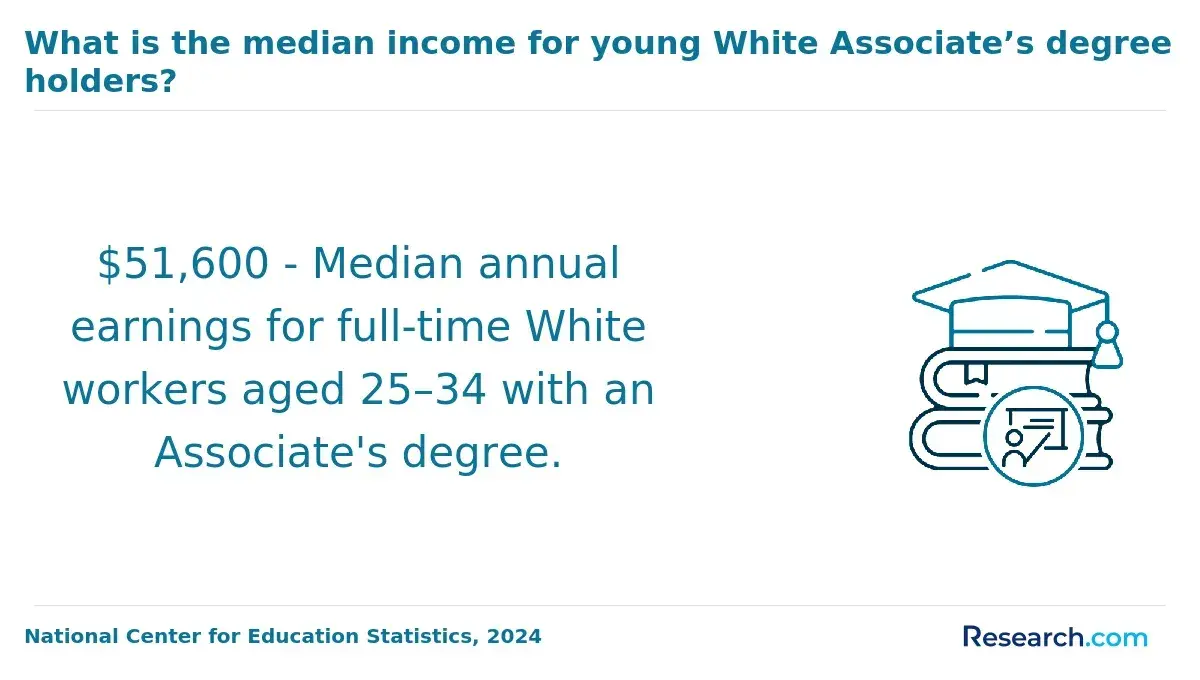
Transfer policy can be one of the biggest timeline advantages for adults. Some bachelor's completion programs accept up to 60 credits from an associate degree and may accept additional credits from prior universities, subject to residency requirements and upper-division course rules.
If you still need a lower-cost starting point, an accelerated associate degree online may be worth comparing before committing to a full bachelor's pathway.
The table below shows how starting credits can change the expected completion path. These are planning estimates, not guarantees, because every school decides which credits apply to general education, major, elective, and residency requirements.
| Starting point | Credits likely remaining | Possible pace for working adults | Planning note |
| No prior college | About 120 credits | Part-time study may take five or more years | Start with a sustainable course load and confirm math and writing placement. |
| Some college | Varies widely | Timeline depends on how credits apply to the degree | Request an official transfer evaluation before enrolling. |
| Completed associate degree | Often about 60 credits, depending on articulation | May finish faster through a bachelor's completion pathway | Check whether business prerequisites transfer cleanly. |
| Extensive prior credit or military learning | Could be substantially reduced | May benefit from transfer-friendly or competency-based formats | Ask about maximum transfer limits and required credits in residence. |
To avoid delays, ask each school these transfer questions before you commit:
- How many credits can I transfer into the business administration program?
- How many upper-division business credits must be completed at your school?
- Will my previous accounting, economics, statistics, or business law courses satisfy major requirements?
- Do you award credit for military training, professional certifications, exams, or prior learning portfolios?
- Can I receive a written degree plan showing remaining courses, estimated terms, and total remaining tuition?
What Should You Look for When Comparing Accredited Online Business Administration Degree Programs?
The strongest online business administration program is not always the cheapest, fastest, or most heavily advertised. For working adults, the best choice is usually the program that combines recognized accreditation, realistic flexibility, transparent costs, useful transfer policies, strong student support, and career-relevant coursework.
Program comparison should also account for your goals. A student aiming for operations management may need analytics and supply chain courses, while a future entrepreneur may want finance, marketing, and business planning.
If you are comparing business with a specialized professional field, such as design or the built environment, reviewing resources like the best online architecture schools can also show how accreditation and career requirements differ across disciplines.
The table below organizes the main comparison factors. It is designed to help you separate meaningful quality indicators from marketing claims.
| Comparison factor | What to verify | Why it matters |
| Accreditation | Institutional accreditation and optional business programmatic accreditation | Protects credit transfer, aid eligibility, and credential recognition. |
| Schedule design | Asynchronous, synchronous, cohort, self-paced, or hybrid requirements | Determines whether the program can fit full-time employment. |
| Total cost | Tuition, fees, books, transfer credits, and net price after aid | Prevents surprises and supports ROI planning. |
| Curriculum | Core business courses, concentrations, capstone, analytics, and communication skills | Connects the degree to your career target. |
| Faculty and advising | Faculty credentials, advisor availability, and adult learner support | Improves persistence when work or family conflicts arise. |
| Career outcomes | Career services, internship access, employer partnerships, and alumni network | Helps translate the degree into advancement opportunities. |
Common mistakes can be expensive. Use the following list as a red-flag check before you enroll:
- Enrolling without confirming institutional accreditation in an official directory
- Assuming "flexible" means there are no deadlines, group projects, or live attendance requirements
- Choosing a self-paced program without checking minimum pace, maximum completion time, and financial aid rules
- Comparing only tuition while ignoring fees, textbooks, proctoring, and required software
- Skipping the official transfer-credit evaluation before paying an enrollment deposit
- Underestimating weekly workload while working full time or caring for family members
- Selecting a program without reviewing career services, alumni support, or employer recognition
A good program should be able to answer your questions clearly and in writing. If admissions representatives pressure you to enroll quickly but cannot provide a degree plan, accreditation details, or cost breakdown, keep looking.
What Career Opportunities and Salary Potential Can You Expect With a Business Administration Degree?
A business administration degree can support many career paths because it develops broad skills in management, finance, communication, data-informed decision-making, and organizational problem-solving. It is especially useful for adults who already have work experience but need a bachelor's credential to qualify for promotions, management tracks, or roles that list a degree as preferred or required.
BLS wage data published in 2024 shows that management occupations had a median annual wage of $122,090 in May 2024, compared with $49,500 for all occupations. That does not mean a business administration degree automatically leads to a management salary; it means the degree can align with a higher-wage occupational category when combined with experience, performance, industry knowledge, and leadership ability.
The table below outlines common career directions. It focuses on role fit rather than promising outcomes, because salary and advancement depend on industry, region, prior experience, employer size, and specialization.
| Career path | Typical responsibilities | Helpful business administration coursework |
| Operations coordinator or manager | Improve workflows, track performance, coordinate teams, and solve process problems | Operations, analytics, management, supply chain, and project management |
| Human resources specialist | Support hiring, onboarding, benefits, employee relations, and policy compliance | Organizational behavior, business law, management, and communication |
| Financial or business analyst | Analyze budgets, performance data, forecasts, and business decisions | Accounting, finance, economics, statistics, and business analytics |
| Marketing or sales manager pathway | Develop campaigns, manage client relationships, interpret market data, and lead teams | Marketing, consumer behavior, analytics, strategy, and communication |
| Entrepreneurship or small business management | Plan, finance, operate, and grow a business or side venture | Finance, marketing, accounting, business law, and strategic management |
Current employer expectations are shifting toward evidence of skills, not just possession of a degree. Courses involving spreadsheets, dashboards, business analytics, AI-informed decision-making, presentations, and team projects can help you show practical ability.
If your longer-term goal is graduate study, you may eventually compare MBA options, including a 6 month MBA, but it is wise to build a strong undergraduate foundation first.
This degree may be a good investment if you need a bachelor's credential for advancement, want a broad business foundation, or plan to move from front-line work into supervision or administration. It may be less ideal if your target career requires a specialized license or technical major, such as nursing, engineering, architecture, or accounting roles that require specific CPA coursework beyond a general business degree.
How Can Working Adults Balance a Business Administration Degree With Full-Time Work and Family Responsibilities?
Balancing school with work and family is less about motivation and more about system design. A realistic course load, predictable study blocks, early communication with instructors, and family or employer support can make the difference between steady progress and repeated withdrawals.
Start by estimating time honestly. A common planning rule is that each credit may require about two to three hours of total weekly academic effort, including reading, assignments, discussions, projects, and exam preparation. For a 6-credit part-time schedule, that can mean roughly 12 to 18 hours per week; for a 12-credit full-time schedule, it can feel like a second job.
Use the following steps to build a sustainable plan before the term begins:
- Choose your first-term course load conservatively, especially if you have been out of school for several years.
- Block recurring study times on your calendar and treat them like work shifts.
- Tell family members which hours are protected for coursework and which hours remain available for home responsibilities.
- Ask your employer about predictable scheduling, tuition assistance, professional development time, or temporary flexibility during exams.
- Use the syllabus to map major deadlines in the first week of class, not the week assignments are due.
- Build a backup plan for busy work seasons, illness, childcare disruptions, or travel.
The best schedule is one you can repeat for multiple terms. If you can complete two courses per term consistently, that is usually better than taking four courses, burning out, and stopping for a year. Persistence often matters more than speed for working adults.
Watch for signs that you are overloaded: missed discussion posts, late assignments, declining work performance, sleep loss, and constant weekend catch-up. If that happens, talk with an advisor before withdrawing. You may be able to adjust the course sequence, move to part-time status, or use academic support before the problem affects your GPA or financial aid.
What Student Support Services and Online Learning Resources Should You Expect From a Business Administration Degree Program?
Support services are not extras for online students; they are part of program quality. Working adults often study at night, on weekends, or between shifts, so the best online programs provide accessible advising, tutoring, library help, technical support, and career services outside standard campus hours.
At minimum, expect orientation to the learning platform, academic advising, writing support, business tutoring, online library access, financial aid counseling, disability accommodations, and career development. Programs that serve adults well also provide degree maps, proactive alerts, flexible advising appointments, and clear escalation steps when life events interrupt enrollment.
The table below highlights support services that are especially important for adult learners. Use it when asking schools how online students are actually supported after enrollment.
| Support service | What to look for | Why it matters |
| Academic advising | Assigned advisor, degree plan, transfer review, and course sequencing help | Prevents wasted credits and scheduling conflicts. |
| Career services | Resume help, interview coaching, job boards, internship support, and employer connections | Helps connect coursework with advancement or career change. |
| Online tutoring | Writing, accounting, statistics, economics, and business analytics support | Supports difficult courses that often slow adult learners down. |
| Technology support | Evening or weekend help desk, platform tutorials, and proctoring guidance | Reduces disruption when assignments or exams depend on software access. |
| Library and research help | Database access, citation guidance, and librarian chat | Improves papers, projects, and capstone research quality. |
Support should also match your long-term goals. For example, if you plan to move into executive leadership, consulting, nonprofit administration, or doctoral study later, advising can help you choose writing-intensive, analytics, and leadership courses that build toward graduate options such as a doctorate in organizational leadership online.
Before enrolling, test the support system. Contact advising, financial aid, and technical support with specific questions and note how quickly and clearly they respond. Slow or vague answers before enrollment may signal bigger problems once classes begin.
Do Online Business Administration Degree Programs Include Internships, Practicums, or Other Hands-On Learning Requirements?
Many online business administration programs include applied learning, but it may not always be a traditional internship. Because these programs often serve working adults, schools may use capstone projects, simulations, consulting projects, case analyses, business plans, portfolios, or workplace-based assignments instead of requiring students to leave their jobs for a daytime placement.
Hands-on learning matters because business administration is an applied field. Employers often want evidence that you can analyze data, communicate recommendations, manage projects, work on teams, and solve operational problems. A well-designed online program should give you opportunities to produce work samples that can be discussed in interviews or performance reviews.
The table below explains common applied learning formats. It can help you determine whether a program's practical component fits your work schedule and career goals.
| Applied learning format | What it usually involves | Best fit |
| Capstone project | A final project applying business concepts to a real or simulated organization | Adults who want a portfolio-ready example of strategic thinking |
| Internship | Supervised work experience with an employer | Career changers who need industry exposure or entry-level experience |
| Workplace project | Applying course concepts to your current employer, when approved | Employed adults who can solve real business problems on the job |
| Simulation or case competition | Team-based decisions using business scenarios, data, and presentations | Learners who need practice with decision-making and collaboration |
| Portfolio | Collection of projects, analyses, presentations, and reflections | Students who want to show skills to employers beyond listing courses |
If an internship is required, ask whether it can be completed remotely, during evenings, at your current workplace, or through a project-based alternative. Also confirm whether the program helps students find placements or expects you to arrange everything independently.
Adults should be cautious about programs that advertise career readiness but provide no applied projects, no capstone, no career coaching, and no employer-facing assignments. Flexibility is valuable, but a business degree should still help you practice the work you hope to do.
Other Things You Should Know About Business Administration
Yes, but the difference depends on the school. A BBA often emphasizes broad management and applied business practice, while a BSBA may include more quantitative, analytical, or technical coursework. Employers usually care more about accreditation, skills, experience, and relevant coursework than the exact abbreviation.
Most students need reliable internet, a current computer, spreadsheet software, presentation tools, video conferencing access, and the school's learning platform. Some courses may use accounting, analytics, statistics, or proctoring software, so review technology requirements before the first term.
Some are. Programs may use live online proctoring, recorded proctoring, testing centers, open-book assessments, projects, or papers. Ask about exam formats early if you have privacy concerns, limited technology access, or an unpredictable work schedule.
It can help you build knowledge in accounting, finance, marketing, operations, business law, and strategy. However, entrepreneurship also requires market testing, industry knowledge, networking, and risk management, so look for programs with business plan projects, mentorship, or entrepreneurship electives.
References
- The Best Online Degrees for Working Adults [Complete Guide] https://beal.edu/best-online-degrees-for-working-adults/
- Tuition-Free Distance Learning Program in Business Administration - UNYBT https://unybt.com/tuition-free-program-business-administration/
- Self-Paced Online Degree Programs https://www.umassglobal.edu/why-umassglobal/flexible-ways-to-learn/self-paced
- 2025 Most Affordable Online Business Degrees https://www.onlineu.com/most-affordable-colleges/business-degrees
- Guide To Self-Paced Online Colleges And Courses https://www.affordablecollegesonline.org/college-resource-center/self-paced-online-college/
- Online Business Degree Programs | University of Phoenix https://www.phoenix.edu/online-business-degrees.html
- Best Online Degree Programs for Working Adults: A 2026 Ranking and Guide https://www.graygroupintl.com/blog/best-online-degree-programs/
- Online MBA at Your Own Pace: Flexible Learning Explained - Chandigarh University https://www.onlinecu.in/blog/cu/can-i-complete-an-online-mba-at-my-own-pace.php
- Best Online Degree Programs for Working Adults https://www.scholaro.com/db/News/best-online-degree-programs-256
- Bachelor’s in Business Job Satisfaction | University of Bridgeport https://www.bridgeport.edu/news/bachelors-in-business-administration-job-satisfaction/