2027 Online vs Campus Sports Science Outcomes Report: Graduation Rates, Cost, and Career Trade-Offs

Co-Founder and Chief Data Scientist
Adult learners aiming to transfer previously earned credits into a sports science program face critical decisions around online versus campus delivery that affect their time-to-graduation and overall costs. A 2024 analysis shows that only 56% of transfer credits are accepted on average in online programs, compared to 72% at traditional campuses, reflecting ongoing institutional hesitancy about credit compatibility. This gap indicates that online learners might face longer degree timelines and higher indirect expenses despite potentially lower tuition. Evaluating graduation rates alongside these credit acceptance trends reveals hidden trade-offs impacting career trajectory and financial commitments.
This article examines graduation outcomes, total cost implications, and career trade-offs between online and campus sports science pathways, equipping learners to make informed choices aligned with their goals and constraints.
Key Things to Know About Online vs Campus Sports Science Outcomes
- Campus programs show a 12% higher graduation rate than online counterparts in 2024 data, reflecting differences in student engagement that influence completion likelihood and long-term credential value.
- Online sports science degrees reduce relocation and ancillary expenses, but employers in 2024 surveys express nuanced preferences, often valuing hands-on campus experience for applied roles.
- Extended completion timelines common in online formats result in deferred workforce entry, affecting early-career opportunities and compounding indirect costs beyond tuition savings.
- Key Things to Know About Online vs Campus Sports Science Outcomes Key Things to Know About Online vs Campus Sports Science Outcomes
- What Are the Biggest Differences Between Online and Campus Sports Science Program Outcomes? Online vs Campus Outcomes
- How Do Graduation Rates Compare Between Online and Campus Sports Science Programs? Comparing Graduation Rates
- Why Do Online and Campus Sports Science Students Have Different Completion Rates? Why Completion Rates Differ
- How Do Online and Campus Sports Science Programs Compare on Total Cost? Total Cost Comparison
- What Hidden Costs Should Students Expect in Online vs Campus Sports Science Programs? Hidden Program Costs
- How Does Financial Aid Affect the Cost of Online and Campus Sports Science Programs? Financial Aid Impact
- Do Online and Campus Sports Science Graduates Have Different Career Outcomes? Comparing Career Outcomes
- How Do Employers View Online vs Campus Sports Science Degrees? How Do Employers View Online vs Campus Sports Science Degrees?
- Which Sports Science Degree Format Offers Better Flexibility for Working Adults? Which Sports Science Degree Format Offers Better Flexibility for Working Adults?
- How Should Students Choose Between an Online and Campus Sports Science Program? Choosing Your Program Format
What Are the Biggest Differences Between Online and Campus Sports Science Program Outcomes?
Graduation rates in sports science highlight critical differences between online and campus programs that affect long-term career outcomes. Campus-based students complete their degrees at rates around 60-65%, while online peers typically face lower completion rates in the 40-50% range, influenced by greater part-time enrollment and competing life responsibilities.
This completion gap often results in extended timelines for online learners, increasing their exposure to debt and delaying entry into the workforce. For a working adult balancing family obligations, the convenience of online flexibility might seem appealing, but the potential for slower progression and less structured support can affect both timely graduation and readiness for fieldwork.
Cost and career trade-offs in online and campus sports science degrees are equally consequential when selecting a program. Although online tuition may appear similar or lower upfront, total costs, including technology fees and limited institutional aid access, can shift the financial calculus, sometimes leading to higher average debt levels among online graduates. Employers in sports-related fields often view campus graduates as better prepared due to hands-on training, internships, and cohort networks that support skill development and job placement.
Prospective students weighing program options should consider whether short-term convenience or geographic flexibility aligns with their professional ambitions and potential workforce outcomes, especially given the importance of experiential learning in sports science careers. Those interested in fun majors in college that pay well may find campus programs offer stronger signaling benefits and career mobility in this evolving field.
How Do Graduation Rates Compare Between Online and Campus Sports Science Programs?
Graduation rates in sports science programs vary significantly by delivery mode, but these differences often reflect underlying factors beyond mere format. Campus-based programs report six-year completion rates around 65-70%, whereas online-only degrees typically fall between 40 and 50%, according to 2024 data from the National Center for Education Statistics. This gap is shaped by divergent student demographics—campus programs often enroll younger, full-time students with fewer external obligations, while online students frequently balance work, caregiving, and part-time study, extending their time to degree and increasing dropout risk.
Additionally, campus offerings benefit from structured cohort experiences, in-person lab work, and regular advising, all of which support retention, whereas many online sports science curricula struggle with limited peer interaction and less frequent milestone-based progression.
Factors like institutional selectivity and reporting practices also complicate raw graduation rate comparisons. Online programs tend to accept a broader academic range of students and may not fully capture transfer or cross-enrollment scenarios, which can artificially lower reported completion rates. At the same time, campus programs often have more rigorous admissions processes tied to initial student readiness, skewing outcomes in their favor.
Recognizing these nuances helps prospective students weigh whether convenience, program structure, and support services align with their personal circumstances and learning preferences, rather than relying solely on headline graduation statistics that mask substantial contextual differences.
A student who switched from a campus-based sports science track to an online program after starting a family found the decision fraught with uncertainty. Reviewing completion data highlighted lower online graduation rates, which initially caused hesitation. However, the student valued the flexibility to attend part-time while working and deeply researched program advising availability and cohort engagement options.
Despite concerns about staying motivated without regular campus interaction, structured virtual check-ins and credit transfer policies ultimately eased the transition. This experience underscored how interpreting graduation figures requires examining how individual life demands intersect with academic pacing and institutional support rather than simply comparing format success on surface numbers alone.
Why Do Online and Campus Sports Science Students Have Different Completion Rates?
Completion rates between online and campus sports science students largely reflect differences in enrollment patterns and access to hands-on learning rather than inherent academic quality. Nearly 70% of online sports science students enroll part-time while balancing work and family demands, which extends time-to-degree and raises stop-out risk. For example, an adult learner pursuing an online sports science degree while working full-time might struggle to consistently engage with practicum or lab requirements, slowing progress compared to on-campus peers who follow structured schedules and have immediate faculty access.
The gap also stems from varying student support and community engagement—campus programs often provide more accessible advising, in-person tutoring, and cohort-based peer interaction crucial for persistence in applied fields like sports science. Meanwhile, online programs, despite growing virtual services, may lack the immediacy needed for problem-solving or motivation, impacting retention rates. According to 2024 data from the National Center for Education Statistics, first-time bachelor's degree completion within six years stands at about 62% for campus students but only 38% for online learners, highlighting how practical learning environments and social support shape outcomes.
These completion disparities are influenced as much by the demographic profiles and life circumstances of online students—who frequently restart education mid-career—as by differences in curricular design and resource availability. Prospective students should interpret graduation statistics alongside their own capacity for consistent study, need for experiential training, and reliance on academic support. Selecting a format aligned with one's schedule stability and support expectations is critical to avoiding extended timelines and maximizing completion chances in sports science programs.
How Do Online and Campus Sports Science Programs Compare on Total Cost?
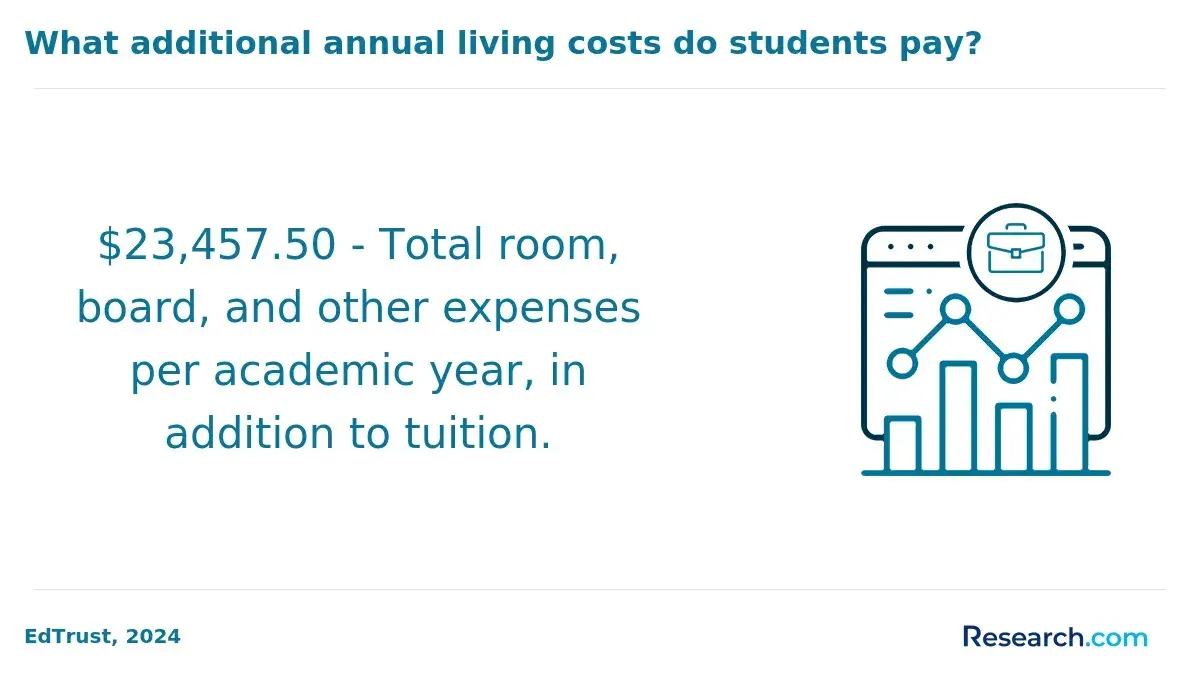
Cost differences between online and campus sports science programs extend beyond sticker tuition and require careful analysis of fees, living expenses, and financial aid options. While online programs often advertise lower per-credit tuition, mandatory technology and material fees can increase overall costs by up to 20%. On-campus tuition tends to be higher but may consolidate fees for labs and clinical placements, and students must budget for room and board, which can add $10,000 to $15,000 annually. This dynamic shapes how students weigh direct expenses against indirect costs like travel for required practicums, particularly in fields emphasizing hands-on experience.
Comparing the total cost of online versus campus sports science degrees also involves understanding financial aid patterns and enrollment timelines. Campus students often access more need-based grants and work-study programs, while those studying online may rely more on employer tuition assistance or federal aid, affecting debt load and time to completion. National Center for Education Statistics data indicates that average debt for online graduates is generally lower, though completion rates vary, impacting long-term outcomes. For working adults, preserving job continuity by choosing an online format may offset some financial premiums associated with campus programs, highlighting the practical trade-offs in program and format selection.
Students navigating campus and online sports science tuition and fees analysis should also consider credential value and accessibility. Those seeking flexible schedules without relocation can benefit from online counseling degrees and other digital offerings, balancing cost with practicality. Ultimately, detailed cost assessments factoring in tuition structures, residency rules, and personal circumstances offer the most reliable foundation for an informed decision aligned with career and financial goals.
What Hidden Costs Should Students Expect in Online vs Campus Sports Science Programs?
Deciding between online and campus sports science programs requires careful consideration of often overlooked expenses that impact the true cost of completion. While online formats may advertise lower base tuition, students typically encounter mandatory technology fees ranging from $150 to $300 per semester that cover software licenses, virtual labs, and exam proctoring—costs usually absent from headline prices.
Conversely, campus students face substantial hidden costs related to commuting and housing; transporting oneself often adds around $3,000 annually in parking, fuel, and transit expenses per Bureau of Transportation Statistics data, while on-campus housing averages about $11,000 per academic year according to College Scorecard figures. Clinical placements add complexity for both groups but tend to impose greater travel and lodging costs on online learners assigned to distant sites, potentially eroding the perceived affordability of remote study.
These financial implications also extend beyond money to affect time and work-life balance. Campus programs often demand rigid schedules that can reduce hours available for paid employment, while online learners may bear upfront expenditures on specialized equipment and software necessary to engage fully with coursework from home. Childcare needs further complicate budgeting, as campus students might require on-site support or external arrangements not typically required for those studying remotely. Recognizing these nuanced trade-offs helps prospective students gauge which format realistically aligns with their financial situation, time availability, and career objectives rather than relying on tuition figures alone.
One recent graduate recalled hesitating between an online and a campus sports science program after uncovering unexpected costs. Initially drawn to the online option's lower sticker price, they soon discovered that mandatory proctoring fees and software purchases substantially reduced savings. Meanwhile, the campus track's extensive commuting and parking charges, combined with housing costs, posed a daunting but more predictable financial profile. Their final decision hinged on balancing these indirect expenses with job flexibility and clinical placement logistics, underscoring how hidden costs shape not just affordability but also the feasibility of completing a sports science degree within personal constraints.
How Does Financial Aid Affect the Cost of Online and Campus Sports Science Programs?
Financial aid significantly alters the cost landscape between online and campus sports science programs, but it requires a nuanced comparison beyond tuition sticker prices. Campus programs often carry higher tuition and fees but generally provide broader access to institutional scholarships and assistantships tied to on-site research or campus engagement, which can lower net costs substantially. Online students may face reduced eligibility for these campus-based awards and less comprehensive federal aid due to part-time or asynchronous enrollment, making the true financial burden dependent on individual aid packages and enrollment status.
For example, a working adult pursuing an online sports science degree might leverage employer tuition assistance and military benefits, reducing out-of-pocket expenses in ways campus students cannot, though they may incur additional technology fees or need to rely more on private loans with less favorable terms.
Students analyzing sports science programs should weigh how financial aid impacts net price alongside program flexibility and career goals. Campus learners have stronger access to grants and assistantships that often delay or reduce borrowing, while online learners frequently balance employment with studies and benefit from employer reimbursement policies, albeit sometimes at the cost of grant aid availability. This dynamic influences total debt accumulation, program pacing, and ultimately, post-graduation mobility and financial resilience.
Comparing online versus campus financial assistance options demands careful attention to enrollment intensity, residency requirements, and federal aid eligibility to avoid unexpected cost shifts. Those interested in further exploring funding strategies for affordable online education might consider resources for the top MBA online programs under $30k as a parallel reference point in evaluating financial commitments within allied fields.
Do Online and Campus Sports Science Graduates Have Different Career Outcomes?
Employment outcomes for online and campus sports science graduates show broad comparability within six months post-graduation, but critical distinctions arise in employer trust and professional readiness linked to program format. Healthcare and athletic training employers often favor campus credentials when licensure demands hands-on internships or laboratory experience, as these are more consistently embedded in traditional programs. This preference can affect hiring, particularly in regions or specialties where direct clinical exposure bolsters candidate credibility. For example, a graduate from an online program without facilitated access to supervised practicums may face hurdles when competing for entry-level clinical roles requiring state certification.
Access to experiential learning and networking remains a defining consideration. Campus students typically benefit from more structured internship placements and alumni connections, contributing to smoother pathways into local healthcare or sports organizations. Online students enjoy greater schedule flexibility and reduced living costs, often allowing them to pursue education alongside employment, yet they must proactively cultivate professional networks through digital platforms or personal initiative, sometimes without the extensive career services available on campus. According to recent National Center for Education Statistics data, starting salaries align closely regardless of program type, but lower average debt loads among online graduates can expedite financial stability despite similar earnings trajectories.
Choosing between online and campus sports science programs involves weighing factors like accreditation, hands-on training, and employer expectations tied to format-specific reputations. Online credentials increasingly gain acceptance but may still carry limitations in licensure-heavy transitions or employer perceptions tied to program rigor and practical experience access. Students focused on roles demanding stringent fieldwork should prioritize programs with embedded, verifiable clinical experiences, while those balancing work and study might value the affordability and geographic reach of online options. Ultimately, the format choice shapes early professional mobility, with long-term career growth closely linked to initial experiential quality and network development.
How Do Employers View Online vs Campus Sports Science Degrees?
Employer evaluations of sports science degrees hinge significantly on program accreditation, institutional reputation, and evidence of practical training rather than solely on whether the credential was earned online or on campus. A hiring manager assessing candidates for clinical or fitness-related roles may prioritize degrees that incorporate internships, lab work, or clinical practicums, viewing these experiential elements as essential indicators of readiness.
According to a 2024 survey by the National Association of Colleges and Employers (NACE), 68% of employers regard regionally accredited online degrees as comparable in credibility to campus degrees when accompanied by strong academic records and relevant experience, underscoring that demonstrated competency often outweighs delivery format.
That said, in fields like sports science where hands-on skills are critical, some employers remain cautious about online degrees due to concerns about student engagement and direct skill acquisition. Transcript transparency also affects perceptions; 40% of employers surveyed in a 2024 American Workforce Survey prefer minimal differentiation between online and traditional study formats on transcripts, emphasizing learning outcomes over modality.
Industry familiarity with the granting institution and curricular alignment with professional licensure requirements frequently influence whether candidates advance in hiring stages, making the specific design and recognition of the program decisive factors. Online sports science learners must therefore consider how effectively their program integrates applied experiences and aligns with employer expectations to mitigate any residual format-related biases.
Sports science graduates who want to strengthen their qualifications and stand out to employers may consider an online masters degree, which can provide advanced clinical training and specialized coursework that reinforces the practical competencies employers increasingly prioritize over program format.
Which Sports Science Degree Format Offers Better Flexibility for Working Adults?
Online sports science programs frequently offer working adults enhanced control over their schedules through asynchronous coursework and part-time enrollment options, which can reduce conflicts with employment and caregiving. However, many programs still mandate synchronous sessions, virtual labs, or in-person practicums that limit full flexibility, making it essential for students to evaluate specific program requirements against their shift-based or irregular work hours. Campus options, by contrast, rely heavily on fixed schedules and onsite attendance for labs and clinical placements, which may disrupt work continuity and extend time to graduation for adult learners navigating commuting challenges and less adaptable timetables.
For working professionals, the difference between online and campus-based programs hinges largely on how scheduling constraints impact persistence, cost exposure, and career momentum. Programs with greater acceptance of transfer credits and structured stop-out policies can better accommodate life changes, but online formats often face higher stop-out rates in health-related fields due to isolation and competing responsibilities.
Effective faculty interaction and technology access play critical roles in supporting degree progress, though tangible hands-on components can limit the total convenience online learners experience. These trade-offs underscore the importance of comparing flexible online sports science programs for working professionals alongside campus versus online sports science degrees for adult learners, particularly when balancing immediate work demands and long-term career goals.
Students weighing these formats should also consider how pace and cohort structures influence program cost and completion timing, including options like evening or hybrid models that blend convenience with necessary contact hours. For learners seeking efficient pathways, exploring the shortest master's degree programs online can inform realistic planning. Ultimately, balancing practical scheduling realities with institutional policies and employer expectations is crucial for maximizing educational value without compromising career continuity in the competitive fields tied to sports science.
How Should Students Choose Between an Online and Campus Sports Science Program?
Choosing between an online and campus sports science program requires careful evaluation of factors like graduation rates and career outcomes specific to each setting. Data from the National Center for Education Statistics shows traditional campus students often have a 10-15% higher graduation rate in health-related fields compared to fully online peers, reflecting stronger retention through structured schedules, in-person faculty access, and campus resources.
This matters in sports science, where hands-on internships and lab work are essential for employability, making campus programs advantageous for students needing direct facility access and networking opportunities. However, disciplined self-motivators balancing work or family may find online programs better suited, though they must account for potential hidden technology costs and variable support services.
Cost comparisons are nuanced and should include total expenses like tuition, commuting, and additional fees for virtual labs or proctoring. While online options can reduce housing or transport costs, they may not always be less expensive, particularly for accredited sports science degrees, so students should examine the entire financial footprint rather than assuming online equals cheaper. Career outcomes depend largely on employer expectations for practical experience and certifications, which can differ by state and program.
Some online programs address this by partnering with local organizations for applied learning, blending flexible scheduling with field-relevant exposure. For those weighing best online vs. campus sports science graduation rates alongside opportunity costs and access, it's critical to align choices with personal discipline, career goals, and financial realities.
Prospective learners seeking flexibility can review offerings such as an online MFA degree for analogous examples of how format impacts cost and career pathways. Ultimately, understanding how format influences persistence, course sequencing, and employer preferences helps ensure students make informed decisions that balance experiential learning with schedule stability and professional mobility.
References
- Online Exercise Science Program https://stmary.edu/online-programs/exercise-science.html
- How employers see your online degree https://www.calcoast.edu/news/truth-about-how-employers-view-your-online-degree
- On-Campus vs Online Study in the UK: Which is More Expensive? https://bsmsedu.org.uk/on-campus-vs-online-study-in-the-uk-which-is-more-expensive/
- Do Online Colleges Accept FAFSA? | Ascent Funding https://www.ascentfunding.com/blog/do-online-colleges-accept-fafsa/
- What Can You Do with a Sports Science Degree? https://www.stonebridge.uk.com/blog/sports-and-fitness/what-can-you-do-with-a-sports-science-degree/
- Find your match: Sport Science or Exercise Science https://hfpa.co.za/news/latest/find-your-match-sport-science-or-exercise-science
- Can You Get Financial Aid for Online College? Finding Out https://beal.edu/can-you-get-financial-aid-for-online-college/
- Sport and Exercise Science https://www.unisc.edu.au/study/courses-and-programs/sport-and-exercise-science
- How Employers View Online Degrees: Interviews with Nine Hiring Executives https://www.onlineeducation.com/features/how-employers-view-online-degrees
- Online Learning in Higher Education: How to Lower Costs https://cipcourses.com/blog/how-colleges-can-lower-the-cost-of-online-learning/
Other Things You Should Know About Sports Science
Campus programs typically offer hands-on labs, in-person coaching, and direct access to specialized equipment, which are critical for mastering physical assessment and biomechanical analysis. Online formats often rely on virtual simulations or local practicums, creating inconsistent exposure depending on a student's location and initiative. This variation can impact the depth of practical skill acquisition, potentially requiring online students to seek additional real-world experience post-graduation to reach equivalent competency.
Campus-based sports science students benefit from face-to-face interactions with instructors, peers, and industry events, facilitating stronger professional networks early on. Online students might encounter fewer spontaneous networking chances, relying heavily on virtual forums or self-driven outreach. For those prioritizing direct mentorship and local industry connections, traditional campus programs hold a clear advantage, while online learners may need to compensate through deliberate engagement with professional organizations or internships.
Online programs often offer greater flexibility but can demand higher self-discipline to keep pace with coursework that is dense and self-directed. Conversely, campus programs have structured schedules that help maintain steady progress but may clash with external work or personal commitments. Students who struggle with autonomous time management might thrive better in a campus setting, while self-motivated learners with irregular schedules could find online programs more accommodating despite the risk of procrastination.
Employers in sports science frequently emphasize hands-on experience and proven practical skills over the mode of study, making internships and practicum quality critical. While campus programs naturally integrate these experiences, online students must often secure and document external practical work independently to demonstrate comparable readiness. Students planning to pursue online study should prioritize programs that offer robust practicum support or maintain strong industry partnerships to enhance employability.