2027 Sports Science Degree Outlook Through 2030: Enrollment, Salary, and Hiring Projections

Co-Founder and Chief Data Scientist
Choosing whether to pursue or continue a sports science degree requires careful evaluation beyond headline job growth figures. For instance, while the U. S. Bureau of Labor Statistics projects a moderate increase in sports-related healthcare employment through 2030, this masks intense competition from an expanding graduate pool and uneven employer demand across regions and specialties. Current enrollment in sports science programs has grown by over 12% since 2022, signaling rising interest but potential supply challenges. Simultaneously, salary trends vary widely depending on industry segment and geographic location, complicating straightforward assessments of return on investment. This article examines sports science enrollment, salary patterns, hiring projections, industry demand, geographic opportunity, and emerging workforce changes through 2030 to help readers make better-informed education and career decisions.
Key Things to Know About the Sports Science Degree Outlook Through 2030
- Enrollment in sports science programs rose by 8% from 2022 to 2024, signaling increased interest but potentially saturating entry-level job markets, requiring differentiated skills to stay competitive.
- Employers increasingly prefer candidates with interdisciplinary expertise, especially in data analytics and biomechanics, reflecting a shift toward tech-driven performance solutions and narrowing traditional hiring pools.
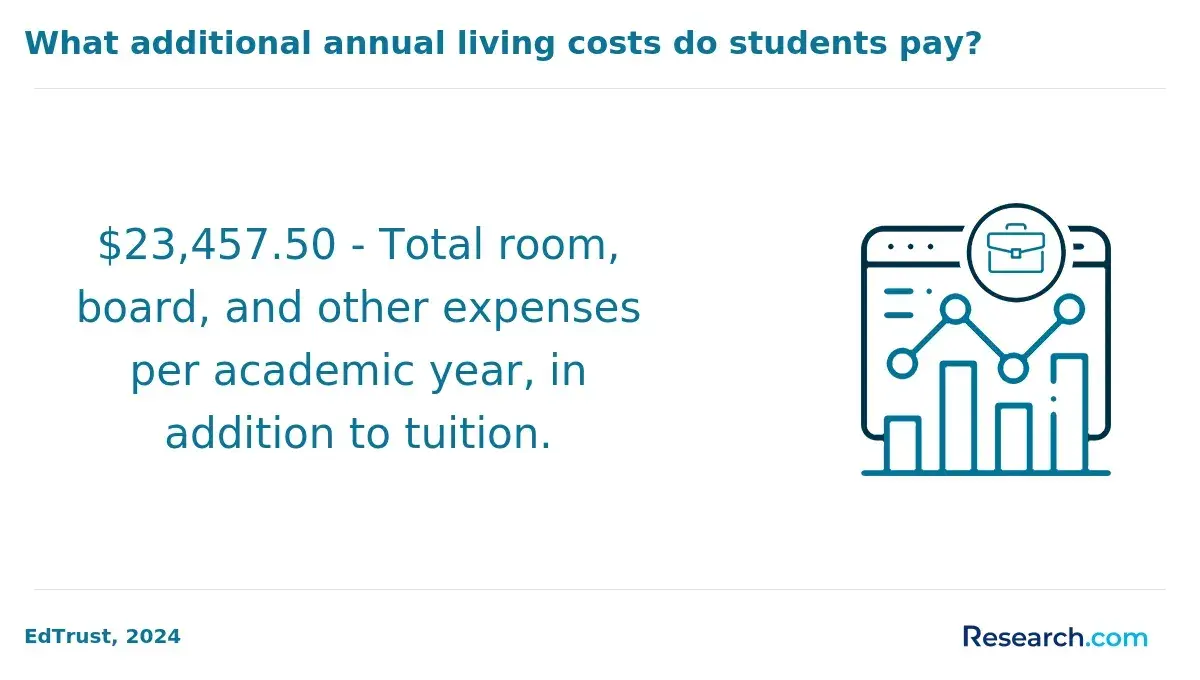
- Rising program costs combined with uneven regional demand may delay graduation timelines or limit access, disproportionately affecting students outside major metropolitan areas with robust sports industries.
- Key Things to Know About the Sports Science Degree Outlook Through 2030 Key Things to Know About the Sports Science Degree Outlook Through 2030
- How is Sports Science Degree Enrollment Expected to Change Through 2030? Enrollment Trends Through 2030
- How Many Sports Science Graduates Will Enter the Workforce by 2030? Graduate Workforce Entry Projections
- What Are the Hiring Projections for Sports Science Graduates Through 2030? Hiring Projections Through 2030
- Which Sports Science Careers Will Experience the Most Job Growth? Fastest-Growing Career Paths
- What Is the Salary Outlook for Sports Science Graduates Through 2030? Salary Outlook Through 2030
- Which Industries Will Hire the Most Sports Science Graduates by 2030? Top Hiring Industries
- Where Will Demand for Sports Science Graduates Be Strongest? Strongest Geographic Demand
- Which Sports Science Specializations Will Be Most in Demand by 2030? Which Sports Science Specializations Will Be Most in Demand by 2030?
- How Will AI and Technology Affect Sports Science Careers Through 2030? How Will AI and Technology Affect Sports Science Careers Through 2030?
- Is a Sports Science Degree Worth Pursuing Based on 2030 Projections? Degree Value Through 2030
How is Sports Science Degree Enrollment Expected to Change Through 2030?
Enrollment trends in sports science degree programs through 2030 reflect nuanced interactions between labor-market demand and educational supply constraints. While regional demographic shifts mostly temper large-scale applicant growth, rising emphasis on interdisciplinary skills-such as biomechanics and rehabilitation-strengthens enrollment especially in programs affiliated with clinical practice or research institutions. This dynamic can create enrollment disparities where well-resourced programs experience heightened competition and specialization options expand, whereas smaller programs risk declining applicant pools, potentially leading to program closures or mergers. Prospective students must weigh these shifts alongside tuition pressures and evolving employer expectations that increasingly favor evidence-based training and hands-on experience.
Projected growth in sports science student enrollment rates is anticipated to be modest yet steady, averaging around 2-3% annual increases, influenced in part by expanded online program access that lowers geographical and scheduling barriers. However, the financial strain of higher education, along with competing interests in adjacent health sciences like physical therapy, means enrollment growth will not be uniform-students often face a tradeoff between perceived career flexibility and cost. These enrollment patterns will affect graduate supply tightly linked to regional workforce demands, where oversaturation could depress starting salaries, while shortages in specialized roles may drive employer incentives for advanced credentials. Navigating these fluctuations requires educators and students to critically assess program quality and alignment with sector trends, making informed decisions that consider both educational investment and long-term employability in sports science fields, including pathways similar to online RN to BSN programs.
How Many Sports Science Graduates Will Enter the Workforce by 2030?
Projected counts of sports science graduates entering the workforce by 2030 must be assessed alongside broader dynamics that influence actual employment outcomes. While degree completions in kinesiology and related fields have grown steadily by about 3% annually, a substantial portion of graduates pursue advanced degrees or credentials that delay or shift their entry away from traditional sports science roles. Additionally, some individuals redirect their skills toward neighboring professions such as physical therapy or wellness management, which further diffuses the direct labor market impact. Thus, the volume of new graduates does not translate linearly to workforce supply, as regional economic conditions and employer preferences for practical experience and multidisciplinary capabilities increasingly filter candidate pools.
National Center for Education Statistics data from 2024 reports around 15,000 sports science-related degrees awarded annually in the U.S., suggesting a base pipeline that could exceed 120,000 by 2030 if current trends persist. Yet, such numbers coexist with a Bureau of Labor Statistics forecast projecting only moderate job growth near 13% for roles like exercise physiologists and athletic trainers, underscoring competitive pressures. Graduates without specialty certifications or applied experience may face significant barriers, raising questions about how credentialing patterns and employer expectations might reshape access to available positions. These factors contribute to uneven workforce absorption, where not all graduates attain immediate or equivalent employment within the field.
One recent graduate who finished a sports science program in spring 2024 shared the cautious optimism and challenges common within this evolving landscape. Facing a crowded applicant pool reflective of rising graduation volumes, the graduate prioritized internships and certification courses to differentiate from peers, acknowledging that many employers now expect credentials beyond the degree. Despite securing several interviews, this individual recognized that timing and market fluctuations strongly influence outcomes, noting, "With so many new grads coming in, it's clear you have to combine academic achievements with concrete experience or risk being overlooked." Their experience illustrates the nuanced decision-making and competitive intensity that will characterize labor market entry for sports science graduates through 2030.
What Are the Hiring Projections for Sports Science Graduates Through 2030?
Employer demand for sports science graduates through 2030 appears moderate but uneven, shaped by sector-specific dynamics and geographic variability. While the U.S. Bureau of Labor Statistics projects a faster-than-average 9% growth for related roles such as exercise physiologists and fitness trainers, this expansion masks significant competition in specialized areas like elite athletic training or academic research. For instance, a graduate in a metropolitan area with strong healthcare networks might find steadier opportunities in clinical exercise physiology, whereas those targeting professional sports teams face more limited openings driven by niche expertise and networking advantages.
Annual job openings nationwide, including replacement positions, hover around 20,000, underscoring the importance of relevant certifications and cross-disciplinary skills in data analytics or rehabilitation to enhance employability. However, growth in wearable technology and virtual coaching platforms demands continual upskilling beyond foundational sports science knowledge. Regional disparities also affect career trajectories; rural or less populated areas may lack formal roles tied to professional athletics or research, funneling graduates toward more accessible but often lower-paid fitness and wellness roles with variable job security.
Ultimately, sports science graduates should weigh industry-specific hiring patterns, credential requirements, and local market conditions rather than relying on broad national growth figures alone. This pragmatic approach helps clarify that while overall opportunities grow, entry points are frequently competitive, requiring strategic preparation to bridge theoretical training with practical, technology-driven competencies valued by employers through 2030.
Which Sports Science Careers Will Experience the Most Job Growth?
Projected hiring demand for sports science professionals through 2030 highlights notable growth in roles tied to rehabilitation, injury prevention, and fitness evaluation, with exercise physiologists leading in percentage increase but representing a smaller overall workforce. This disparity means that while exercise physiologist positions may grow faster than average, the total number of openings remains limited compared to other fields. For students weighing career paths, this suggests a need to balance strong job growth with realistic market size-further complicated by modest starting salaries and often necessary post-degree certifications to meet employer expectations in healthcare and wellness settings.
Athletic trainers exhibit expansion driven by rising sports participation across educational and professional levels, necessitating specialized education and significant clinical experience. Meanwhile, physical therapy assistants and aides offer broader entry points with shorter training durations, catering to the increasing rehabilitation needs of an aging population and chronic condition management. Regional variations and employer preferences mean that a sports science degree alone may not guarantee immediate employment; therefore, pursuing targeted experience or complementary qualifications enhances prospects in these competitive categories.
Prospective students should critically examine how particular sports science careers align with their skills, financial objectives, and willingness to meet demanding certification standards. Those seeking to extend their knowledge toward administrative or managerial roles might explore paths such as a masters in healthcare management, which can broaden career options beyond direct clinical practice. Institutions emphasizing internships and professional networking tend to better position graduates for evolving opportunities within these fast-growing yet nuanced professions.
What Is the Salary Outlook for Sports Science Graduates Through 2030?
Salary forecasts for sports science graduates through 2030 must be viewed in the context of inflation, shifting labor demand, evolving credential requirements, and changes within related occupations. Raw wage projections alone do not capture these complexities. For example, a median annual wage between $45,000 and $65,000 as reported by the U.S. Bureau of Labor Statistics in 2024 will be affected by regional economic shifts and specialization trends, which can widen or narrow this range. Variability in sectors such as fitness, healthcare, and collegiate athletics further complicates predictions. The following factors will shape salary trajectories across the decade.
- Certification Premiums:Credentials like Certified Strength and Conditioning Specialist (CSCS) or advanced degrees typically correlate with higher earnings, especially in clinical or professional sports settings where expertise commands a premium.
- Geographic Disparities:Metropolitan and health-focused regions tend to offer better pay, reflecting local demand and cost of living; graduates aiming for rural or less-developed areas may face constrained wage growth.
- Entry-Level Constraints:Initial salaries often start near $40,000 to $45,000, with strong competition limiting negotiation power and slower early income growth compared to mid-career specialists.
- Sectoral Demand Variation:Roles in higher education and rehabilitative clinical environments generally show steadier salary increases than fitness instruction positions, where oversupply can suppress wages.
- Experience Impact:Continuous skill development and on-the-job specialization drive mid- to late-career wage improvements, with some professionals reaching $70,000 to $90,000 depending on field and certification status.
- Economic and Policy Factors:Healthcare system expansion, public funding for sport and wellness programs, and evolving insurance reimbursement policies will indirectly influence compensation and job availability.
- Technology Integration:Emerging tools such as biomechanics software and data analytics skills are becoming valuable differentiators in salary negotiations for practitioners engaged in evidence-based performance optimization.
A recent graduate entering a mid-sized metropolitan market reported receiving an initial offer near $42,000 despite certifications earned during their program. The candidate weighed the offer against modest living costs and a competitive job pool, opting for the role due to its potential for experience accumulation and future credentialing support by the employer. While cautious about starting below mid-career projections, the decision reflected pragmatic recognition of early-stage limitations balanced with strategic career investment.
Which Industries Will Hire the Most Sports Science Graduates by 2030?
Projected hiring patterns for sports science graduates through 2030 will be shaped by a combination of demographic shifts, technological innovation, and evolving healthcare and wellness demands rather than purely by employer size or industry prominence. The integration of data analytics with exercise science, along with increasing focus on preventive care and personalized rehabilitation, create differentiated hiring contexts where specialized skills matter. Workforce replacement needs will vary widely across sectors, and prospective graduates must evaluate entry barriers such as credential requirements and competition for stable roles. A plausible scenario involves the increasing interdependence of fitness technology and clinical rehabilitation, demanding hybrid expertise beyond traditional fitness coaching or basic therapy roles. The following highlights key fields expected to drive the most robust hiring for sports science graduates.
- Healthcare and Rehabilitation: Aging populations and chronic disease prevalence sustain demand for professionals in physical therapy, rehabilitation, and preventive care. Entry-level roles often require licensing or advanced credentials, with specialization in exercise physiology and patient-centered care strengthening employability.
- Fitness and Recreational Sports: Growth in community sports and fitness centers is driven by consumer wellness trends. Roles like strength and conditioning coach or wellness coordinator favor candidates skilled in exercise program design and basic data analysis.
- Corporate Wellness: Employers increasingly invest in workplace wellbeing to reduce costs and absenteeism. This sector values expertise in program management and health behavior interventions aligned with organizational strategies.
- Sports Technology and Wearables: Companies developing wearable devices and performance-tracking software seek graduates with biomechanics knowledge and data interpretation skills. Technical proficiency paired with sports science is essential, though competition is substantial.
- Education and Applied Research: Teaching and research roles in universities and institutes remain steady but require advanced degrees. Specialization and published research enhance career prospects in this more modestly growing sector.
Given these nuanced hiring dynamics within the fast-growing sports science employment sectors 2030 forecasts, candidates may also benefit from parallel credentials in informatics or healthcare. For those exploring alternative educational pathways, understanding how different sectors value credentials is crucial; for example, some may find value in combining sports science with degrees such as nursing, as highlighted in online BSN programs for non nurses.
Where Will Demand for Sports Science Graduates Be Strongest?
Demand for sports science graduates will be geographically uneven through 2030, heavily influenced by regional healthcare capacity, the density of professional sports franchises, and the integration of technology in athletic performance analysis. For instance, metropolitan areas in the Pacific Northwest and Northeast that maintain strong healthcare infrastructures and prominent sports markets are likely to offer a higher volume of roles but also feature increased competition and often higher living costs. Graduates targeting such hubs must weigh the tradeoff between opportunity availability and the elevated credential thresholds or specialization demands that employers commonly enforce in these locations.
The growing intersection of sports science with data analytics and wearable technology is creating niche roles requiring both biomechanical insight and digital fluency, which not all programs prepare students for equally. Similarly, demand in wellness programs at corporations and educational institutions-while expanding-tends to be dispersed and may not offer the same salary growth or job stability as clinical or professional sports settings. Prospective professionals need to factor in the moderate salary trajectory across many sectors and recognize that advanced certifications or graduate education increasingly serve as prerequisites for competitive entry, particularly in clinical or analytic-oriented positions.
Employers' expectations and labor market dynamics mean that students and degree holders must consider local labor conditions beyond national averages to make informed choices. For example, public health agencies focused on physical activity initiatives may be more prevalent in some regions, yet these positions often require multidisciplinary skills and persistent networking. Understanding the nuances of regional workforce shortages, urban-suburban variations, and public versus private sector demand is essential for aligning educational strategies with sustainable employment prospects.
Which Sports Science Specializations Will Be Most in Demand by 2030?
Projected labor trends through 2030 suggest that certain specialized pathways within sports science will distinctly outperform others in employer demand and salary growth. Students weighing specialization choices should consider not only projected growth rates but also the practical skill sets, certification requirements, and sector diversity associated with each focus area. For example, a candidate deciding between exercise physiology and sports psychology might weigh the former's stronger employment growth in healthcare against the latter's emerging but more limited institutional penetration. These subtleties affect long-term career resilience and geographic or industry flexibility. Below are the specializations expected to show the most significant employment opportunities, reflecting data from the U.S. Bureau of Labor Statistics and Lightcast labor market analytics.
- Exercise Physiology:Projected 13% growth driven by aging populations and preventive healthcare demands. Roles span clinical rehab to wellness tech firms, rewarding candidates with certifications and applied experience.
- Sports Biomechanics:Expertise in human movement analysis is crucial for injury prevention and performance enhancement. Demand concentrated in pro sports, physical therapy, and military sectors, boosted by advances in wearable technology.
- Sports Nutrition:Growing emphasis on evidence-based dietary strategies to optimize athlete output and general wellness creates expanding opportunities, particularly in nutrition consulting and wellness enterprises.
- Sports Psychology:Moderate but steady growth fueled by rising mental health awareness in athletics. Specialist credentialing and interdisciplinary skills enhance employability.
- Strength and Conditioning Coaching:Remains foundational with steady demand, though competitive saturation requires ongoing skill upgrading and networking.
How Will AI and Technology Affect Sports Science Careers Through 2030?
Artificial intelligence and automation are set to augment rather than fully automate many common sports science responsibilities through 2030, reshaping the profession into one that requires more technical fluency alongside traditional expertise. Routine data collection and simple physical assessments are increasingly automated via wearable tech and real-time monitoring, freeing professionals to focus on interpreting complex biometric data and integrating AI-driven insights with human judgment. For example, a sports scientist collaborating with data specialists to create predictive injury models will be more valuable than one performing manual testing alone, illustrating the need to adapt skill sets accordingly.
The impact of technology advancements on sports science job market through 2030 suggests growing demand for roles that blend physiology, biomechanics, and machine learning knowledge. While entry-level positions may shrink in volume due to automation, evaluative and strategic roles that require ethical oversight, communication, and on-the-ground decision-making will expand. This raises practical considerations for prospective and current degree holders weighing the inclusion of coding, statistics, and applied AI courses in their education, as failure to build these competencies may limit employability in a field increasingly driven by data synthesis and technological integration.
Educational programs will need to balance foundational sports science content with emerging tech skills to prepare graduates effectively. Salary projections favor those with interdisciplinary backgrounds, reflecting employer expectations for productivity and adaptability in complex environments. Those exploring educational options can consider certifications and applied projects that demonstrate proficiency in relevant tools without sacrificing core domain knowledge. For individuals balancing multiple priorities, programs such as the cheapest online PMHNP programs exemplify how affordability and flexible learning can influence decision-making, though prospective sports science students must carefully assess program alignment with evolving industry demands.
Is a Sports Science Degree Worth Pursuing Based on 2030 Projections?
Predicting the sports science degree career outlook 2030 requires balancing moderate job growth with sector-specific challenges. Employment projections anticipate around 8% growth through 2030 in fields such as athletic training and exercise physiology, modestly above the average for all occupations. Despite this, many graduates face competition from candidates holding interdisciplinary skills in biomechanics or health informatics, limiting career flexibility for those with narrowly focused degrees. For example, a student weighing the value of a sports science degree against tuition and time investment should consider that median starting salaries near $45,000 may lag behind STEM fields, often necessitating graduate education or certifications for advancement.
Future job prospects for sports science graduates often depend on geography and employer demands that favor versatile technical competencies. Urban centers and sports medicine hubs concentrate most opportunities, while broader healthcare and wellness sectors increasingly favor candidates with data analytics or informatics expertise. This evolving context means many sports science graduates must actively pursue additional credentials or cross-disciplinary training to stay competitive. Prospective students should also evaluate the strength of entry-level pathways and consider programs noted for practical alignment with workforce needs, such as those detailed in resources on online speech pathology degree programs cost, which similarly address balancing costs and credential outcomes.
References:
- Careers That Will Dominate the U.S. Job Market by 2030 https://www.floridacoastaluniversity.com/jobs-of-the-future-careers-that-will-dominate-the-u-s-job-market-by-2030/
- Is a Sport and Exercise Science degree worth it? https://www.salford.ac.uk/school-health-society/is-a-sport-and-exercise-science-degree-worth-it
- How Will AI Become a Sports Science Tool? by Sims Setser - Athletic Lab https://www.athleticlab.com/how-will-ai-become-a-sports-science-tool-by-sims-setser/
- AI Skills for Life and Work: Labour market and skills projections https://www.gov.uk/government/publications/ai-skills-for-life-and-work-labour-market-and-skills-projections/ai-skills-for-life-and-work-labour-market-and-skills-projections
- Who Hires Sports Science Graduates? https://blog.portobelloinstitute.com/who-hires-sports-science-graduates
- The Future of Sports Science Research - Human Expertise Enhanced by AI https://sportscienceai.com/posts/2025-01-04_the-future-of-sports-science-research
- The Role of AI in Sport Science: Enhancing Physiological Modelling https://hiitscience.com/ai-sport-science-enhancing-modelling/
- Current issue https://tss.awf.poznan.pl/
- Learn more about a guide to in-demand specializations 2030 https://studyfans.com/en/blogs/789
- How Artificial Intelligence is Transforming the Sports Industry https://aists.org/how-artificial-intelligence-is-transforming-the-sports-industry/
Other Things You Should Know About Sports Science
Choosing a highly specialized sports science program often limits early career flexibility but may accelerate entry into niche roles, such as biomechanics or sports nutrition. In contrast, broader programs provide adaptability across sectors but can require additional certifications or experience to compete for specialized positions. Prospective students should prioritize programs that align with their long-term career goals, understanding that specialization trades broader employability for depth and potential premium pay in targeted areas.
Sports science degrees typically demand a substantial time commitment that balances rigorous theoretical coursework with extensive lab work, internships, or field experience. Programs lacking strong practical components may leave graduates less prepared for employer expectations, which increasingly favor applied skills over theoretical knowledge alone. Students must evaluate programs not just on curriculum content but on the availability and quality of experiential learning to ensure workforce readiness.
Employment growth in sports science-related fields remains steady but highly competitive, suggesting that obtaining advanced degrees or certifications can offer a crucial advantage. Students should consider the timing of entry into graduate education or professional development in relation to market demand cycles to avoid saturation and maximize hiring prospects. Early planning of career and educational trajectories helps mitigate the uncertainty of fluctuating demand in this evolving sector.
While entry-level salaries in sports science are often modest, long-term income can improve significantly with experience, advanced credentials, or transitioning into management roles. However, the field can be sensitive to economic shifts affecting sports organizations and health systems, which increases job volatility. Graduates should balance expectations of gradual salary growth with strategies to enhance employability and adapt to shifting sector demands to maintain career stability.