2027 Sports Science Affordability by State: Where Students Pay the Most and Least

Co-Founder and Chief Data Scientist
Choosing between two sports science programs with vastly different tuition can reshape a student's financial trajectory. For example, out-of-state tuition can more than double costs compared to in-state rates, forcing many to rethink relocation plans. Recent 2024 data show that states with higher public university fees see a sharper rise in student borrowing, indicating that affordability barriers influence enrollment decisions nationwide. This pattern reflects how state funding policies and cost of living disparities directly affect a student's ability to pursue sports science without excessive debt, especially for those prioritizing practical outcomes and long-term career stability.
This article examines state-by-state sports science affordability, highlighting where programs are most and least accessible to help students make a strategically informed choice.
Key Things to Know About Sports Science Affordability by State
- States with lower in-state tuition often pair this with limited financial aid, forcing students to weigh smaller sticker prices against fewer scholarships, impacting total affordability for sports science candidates.
- Employers increasingly value accreditation and field-specific practical experience over tuition cost alone, so cheaper out-of-state programs may hinder networking opportunities essential to sports science careers.
- The 2024 NCES report highlights rising cost-of-living variances, meaning online sports science programs can lower housing expenses but may delay hands-on skill acquisition critical for timely workforce entry.
- Key Things to Know About Sports Science Affordability by State Key Things to Know About Sports Science Affordability by State
- Which States Have the Most Affordable Sports Science Degree Programs? Most Affordable State Programs
- Which States Have the Highest Sports Science Degree Costs? Highest State Tuition Costs
- How Much Does a Sports Science Degree Cost by State? Degree Costs by State
- Why Does Sports Science Affordability Vary So Much Between States? State Affordability Variations
- How Do In-State and Out-of-State Tuition Rates Affect Sports Science Affordability? In-State vs. Out-of-State Rates
- How Does the Cost of Living Impact Overall Sports Science Affordability by State? Living Costs and Affordability
- Which States Offer the Best Value for a Sports Science Degree? Best Value State Degrees
- What Financial Aid and Scholarship Opportunities Can Reduce Sports Science Costs? What Financial Aid and Scholarship Opportunities Can Reduce Sports Science Costs?
- Are Online Sports Science Degree Programs More Affordable Than On-Campus Options? Are Online Sports Science Degree Programs More Affordable Than On-Campus Options?
- Is a Sports Science Degree Worth the Cost Based on Career Outcomes and ROI? Degree ROI and Outcomes
Which States Have the Most Affordable Sports Science Degree Programs?
State-level differences in tuition policies and public funding significantly shape the affordability landscape for sports science degree programs, affecting where students-especially budget-conscious learners-can realistically pursue their studies. States that allocate higher subsidies per student generally maintain lower in-state tuition rates, making public institutions in regions such as the Midwest and South more financially accessible compared to states with limited higher education funding. This affordability is not only a matter of sticker price but also influences decisions around enrollment and degree completion, since lower tuition combined with regional cost-of-living advantages reduces the pressure to accumulate excessive student debt or compromise on full-time attendance. For example, a student from North Dakota may benefit from targeted financial aid programs and lower institutional fees, enabling sustained progress through their degree without incurring burdensome loans-a tradeoff less feasible in states where tuition is higher and aid options are limited.
When comparing the most affordable sports science colleges by state, it is crucial to consider residency status and the availability of online sports science programs that bridge geographic and economic barriers. In-state tuition advantages often represent the largest cost savings, but students from out of state may have fewer affordable options without reciprocity agreements or access to quality online alternatives. States like Mississippi provide additional affordability through overall lower living expenses, which can significantly reduce the total cost of attendance beyond tuition alone.
This creates a nuanced picture where affordability does not solely depend on listed tuition, but also on the broader educational infrastructure, financial aid environments, and local economic conditions shaping student budgets and program accessibility. Budget-conscious learners evaluating their options should weigh these multiple factors, including the potential role of online masters programs, to optimize both their investment and long-term career outcomes.
Which States Have the Highest Sports Science Degree Costs?
States with the highest costs for sports science degrees often reflect a combination of limited public funding, a prevalence of private institutions, and elevated living expenses, which together drive tuition and overall attendance prices upward. In regions like California, New York, and Massachusetts, annual tuition for in-state public university students frequently surpasses $15,000, while living costs in metropolitan hubs compound financial strain. These factors compel many students to weigh the tradeoff between access to advanced facilities and employer networks against the substantial debt burden and restricted affordability. For example, a student unable to secure in-state tuition may face tuition rates that are double those of residents, significantly altering the value proposition of pursuing a degree within these states versus more affordable alternatives elsewhere.
High expenses in certain states also reflect structural realities such as the dominance of private colleges offering specialized sports science programs with premium pricing and the scarcity of lower-cost community college pathways that might otherwise alleviate financial pressure. Students often must consider not only tuition but ancillary costs that are magnified by regional economies, influencing decisions about whether to relocate, choose online study options, or prioritize financial aid when navigating these geographic disparities. According to 2024 data from the National Center for Education Statistics and IPEDS, these combined elements contribute to total annual costs that can exceed $20,000, which challenges prospective students to carefully assess long-term career outcomes and return on investment in high-cost states.
A sports science student from a midwestern state recounted spending months comparing programs when deciding whether to attend a well-regarded university in Massachusetts. Although initially drawn to the school's strong employer connections, the student hesitated due to the doubled tuition for non-residents and expensive local housing. After crunching numbers that included scholarships and potential debt, the student ultimately explored online options and in-state schools with broader financial aid, feeling cautious about whether the increased costs in Massachusetts justified the gains. This decision process highlighted the important balance between program quality, affordable access, and the financial realities many students face when confronting stark regional cost differences.
How Much Does a Sports Science Degree Cost by State?
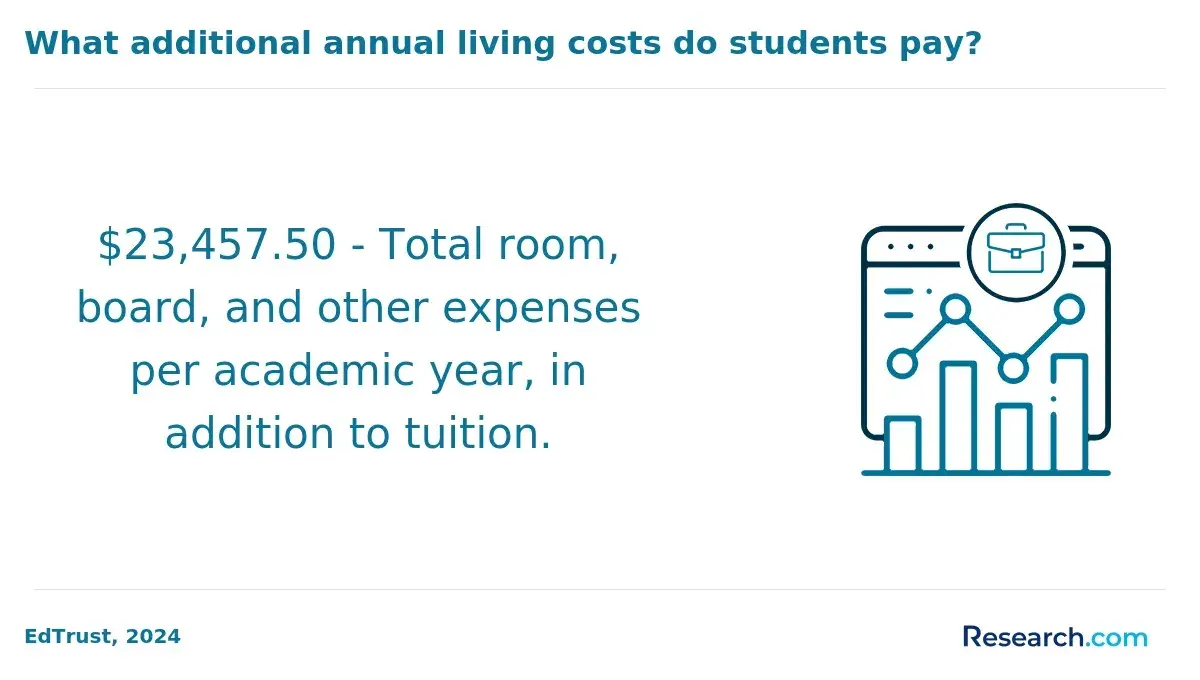
The cost of pursuing a sports science degree varies notably between states due to the interplay of public versus private institution pricing, residency-based tuition policies, and regional economic conditions. For instance, 2024 data from the Integrated Postsecondary Education Data System reveals that in-state tuition at public universities can be as low as $7,000 annually in states like Wyoming, whereas out-of-state students may pay two to three times that amount, significantly increasing overall expenses. This disparity forces many prospective students to carefully assess whether qualifying for in-state tuition or opting for online alternatives outweighs the potential benefits of relocating for lower sticker prices.
The financial landscape is further complicated by the substantial tuition premiums at private institutions, typically exceeding $30,000 per year, and by varying levels of state funding and scholarship availability that influence net costs. Beyond tuition, differences in cost of living shape total educational expenses; states with higher urbanization and housing costs-such as New York and California-may diminish the affordability of an ostensibly cheaper program. Consequently, students weighing programs must account for indirect costs as well as the labor market demand and local employer expectations tied to their chosen state's sports science hubs.
Decisions about where to study sports science carry long-term ramifications for debt levels and career flexibility. For example, a student from Texas paying approximately $10,000 annually in-state tuition might face a $25,000 charge as an out-of-state enrollee, which could push them toward higher borrowing or alternative credentials. Balancing residency considerations, institutional affordability, and post-graduation employment opportunities is essential for practical degree planning, especially as financial aid policies and state-specific educational investments continue to evolve in response to workforce demands.
Why Does Sports Science Affordability Vary So Much Between States?
Variations in sports science degree cost differences by state largely stem from how states allocate funding to public higher education and the mix of public versus private institutions. States in the Midwest and South often provide larger per-student investments, leading to lower resident tuition and better affordability for in-state students. In contrast, high-cost-of-living states like California and New York impose additional financial burdens beyond tuition, including housing and transportation, complicating budget planning for students. These regional disparities influence enrollment patterns as budget-conscious learners weigh in-state options against potential savings from out-of-state or online pathways, especially when considering long-term debt versus local employment prospects.
State policies on tuition subsidies and aid add another layer of complexity in state factors affecting Sports Science educational affordability. Some states offer tuition guarantees or targeted financial aid to reduce costs for qualifying demographics, while others rely more heavily on private institutions with less state support, raising overall program expenses. Institutional costs also vary, since sports science programs require specialized labs and equipment, driving tuition differently across campuses. Students assessing affordability in this field would be wise to account for these financial dynamics alongside program outcomes and workforce demand, balancing immediate costs with career-aligned returns. For those navigating these variables, examining the top online accounting programs offers a comparative lens on how online versus traditional deliveries can mitigate cost barriers.
How Do In-State and Out-of-State Tuition Rates Affect Sports Science Affordability?
The disparity between in-state and out-of-state tuition rates plays a decisive role in the financial feasibility of obtaining a sports science degree. For many students, the nearly 2.5 times higher cost of out-of-state tuition-averaging over $25,000 annually compared to roughly $10,000 for residents according to 2024 data from the National Center for Education Statistics-forces a strategic evaluation of where to enroll. Regional reciprocity agreements in states like Florida and Texas can soften this impact by allowing neighboring residents to pay reduced rates, making certain public universities more accessible across state lines. Conversely, students without these regional options or the means to establish residency beforehand often face substantial financial barriers that can limit their institutional choices or push them toward pricier private or online programs, which carry their own tradeoffs in terms of access and networking.
Residency requirements linked to in-state tuition eligibility typically mandate at least a year's residency prior to enrollment, which complicates relocation and timing decisions for prospective students. This residency-based financial aid leverage is a critical factor in long-term educational budgeting, often dictating whether a student can realistically pursue a degree in a preferred location or must adjust plans based on tuition affordability. Online sports science programs present an alternative with uniform pricing that removes residency hurdles but may lack the experiential and community benefits valued by employers emphasizing practical training and local connections.
One recent sports science graduate shared that relocating without prior residency status left them grappling with out-of-state fees that exceeded their initial budget by several thousand dollars annually. "I thought moving for school was straightforward, but establishing residency wasn't something I'd fully planned for," they explained. This financial surprise influenced their course choices and limited access to campus resources, making them question whether the increased cost justified the benefits of the institution. Their experience underscores how vital residency planning is for managing sports science affordability and overall educational value.
How Does the Cost of Living Impact Overall Sports Science Affordability by State?
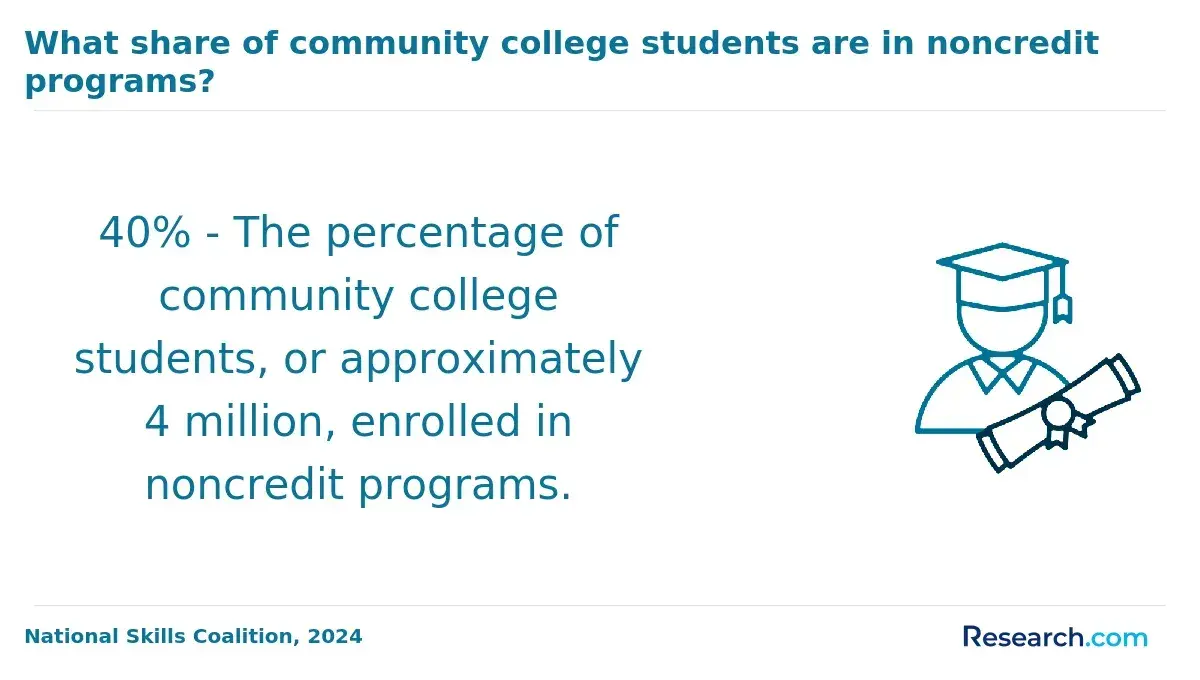
Cost of living differences often overshadow tuition when evaluating state-by-state sports science affordability and living expenses. For example, a student choosing between New York and Ohio may face similar tuition rates but vastly different housing and food costs, with New York's significantly higher expenses potentially increasing debt burden and limiting financial aid effectiveness. This disparity shapes decisions around commuting, on-campus work opportunities, and whether completing some coursework through online platforms or part-time enrollment could balance financial strain.
Housing remains the largest variable in overall spending, with states like California and Massachusetts driving up costs well above national averages, while lower-cost states in the Midwest and South make degree pursuit more financially realistic despite comparable tuition. Transportation and healthcare costs add additional layers of complexity, influencing whether rural or urban students gain any budgetary advantage. These practical considerations matter deeply in students' long-term planning and affect enrollment timing, degree-completion strategies, and post-graduation financial stability.
Informed decision-making around cost of living and sports science tuition by state demands analyzing these multidimensional expenses together rather than isolating tuition alone. Prospective students must weigh such factors against local job markets and wages to realistically assess total investment and employability outcomes. Those interested may also examine alternative pathways such as an accelerated business management degree where applicable, to align educational costs more closely with career and financial goals.
Which States Offer the Best Value for a Sports Science Degree?
Assessing value for a sports science degree requires looking beyond sticker tuition to factors like residency-based tuition policies, overall cost of attendance, and completion rates. For instance, states such as Florida offer in-state tuition below $6,500 a year, which combined with relatively low living expenses and a student debt repayment rate above 70% within three years, makes them particularly attractive for cost-conscious students. However, lower tuition alone does not guarantee value; states with strong public higher education funding like Texas and North Carolina also show higher timely degree completion rates, limiting additional expenses and time spent in school.
The tradeoff becomes clear when comparing these states to high-cost areas like California or New York, where even reputable programs require students to navigate substantially higher tuition and living costs. While job demand in these expensive states remains strong, the increased financial burden without corresponding debt management outcomes can offset employment gains. Students should consider how local market demand and median salaries align with education costs since regions with expanding healthcare sectors, notably Texas and Florida, are projected to see continued growth in exercise physiology roles, providing a more sustainable return on education investment.
Ultimately, determining where to pursue a sports science degree involves weighing tuition affordability, financial aid structure, cost of living, and regional economic prospects together. For students open to relocating or qualifying for in-state tuition, states that balance these elements offer a more reliable pathway to manageable debt and workforce integration. Ignoring these practical dimensions in favor of prestigious names or high-profile locations may result in a disproportionate financial strain relative to career outcomes.
What Financial Aid and Scholarship Opportunities Can Reduce Sports Science Costs?
Federal Pell Grants remain a cornerstone for reducing the cost of a sports science degree, particularly for students demonstrating clear financial need; about 34% of undergraduates benefit from these awards, which can substantially lower tuition at more affordable public institutions. However, eligibility and award sizes fluctuate with living costs across states, making Pell Grants more impactful in lower-cost regions. State-specific grants and tuition reciprocity agreements can either amplify or limit affordability, depending on residency and institutional networks-Midwestern and Northeastern students often gain more from these arrangements, while states like California and Texas provide fewer out-of-state benefits but compensate with robust in-state need- and merit-based aid. Navigating these differences is critical since they directly influence out-of-pocket expenses and borrowing requirements.
Institutional scholarships frequently introduce significant variability through merit-based or athletic awards, though they usually require full-time enrollment and minimum GPA thresholds, which may challenge part-time or working students. Employer-sponsored tuition assistance increasingly supports learners already employed in fitness or rehabilitation roles, bridging academic costs with professional performance incentives. Yet, reliance on layered aid sources requires careful timing and compliance with renewal conditions, as failure to maintain eligibility can abruptly increase debt loads. States with limited aid investments often see students depending disproportionately on loans, exacerbating long-term financial burdens-a factor worthy of consideration when comparing programs geographically and planning for the total cost beyond sticker price.
Are Online Sports Science Degree Programs More Affordable Than On-Campus Options?
Affordability comparisons between online and on-campus sports science degree programs hinge on complex factors beyond sticker tuition rates, which can differ by 15-25% on average according to recent data. For instance, a student living in an expensive urban area might realize substantial savings by eliminating housing and commuting costs through an online program. However, these savings can be offset by out-of-state tuition premiums applied to online learners in some states or institution-specific technology and proctoring fees, presenting a nuanced financial landscape. The true cost-effectiveness of an online sports science degree often depends on individual residency status, program delivery design, and eligibility for state or institutional financial aid measures.
Students weighing their options for an online sports science degree affordability comparison must account for the potential tradeoffs embedded in hybrid formats or programs requiring hands-on labs, which may restrict some of the logistical advantages that fully online paths offer. Employers in health and athletic fields increasingly value accredited credentials obtained through flexible schedules, which can allow working adults to minimize opportunity costs. Yet, not all online formats are created equal-financial aid and tuition reimbursement policies frequently favor on-campus enrollments, complicating net price calculations and long-term returns.
Students seeking even greater flexibility around pacing and cost may also want to explore competency based programs, which let learners advance based on mastery rather than seat time, often reducing overall tuition further.
Is a Sports Science Degree Worth the Cost Based on Career Outcomes and ROI?
Cost variations in earning a sports science degree significantly affect career outcomes and return on investment, especially when comparing states like California and New York with tuition premiums of 30-50% above states such as Texas or Florida. Students in higher-cost states often face heavier debt loads that impact long-term financial flexibility despite generally positive employment prospects in health and fitness sectors. For budget-conscious learners, states with lower tuition and stronger graduation rates offer a more compelling ROI; for example, sports science graduates in Texas typically recoup costs within seven years, reflecting the importance of considering completion rates and debt burden alongside sticker price.
Evaluating sports science degree career outcomes in the United States requires a nuanced view beyond tuition costs alone. Opportunity costs, geographic mobility, and alignment with regional job markets play crucial roles in determining value, as median starting salaries can vary widely by location and institutional prestige. Furthermore, prospects improve when graduates pursue advanced specializations or continuing education, which many employers increasingly expect in this interdisciplinary field. Students should also examine financial aid availability and consider time-to-degree differences to avoid extended debt cycles.
Non-tuition factors such as career satisfaction, network building, and evolving industry roles in wellness, therapy, and research are critical but often underappreciated ROI components. Those seeking accelerated pathways might explore options like a cyber security fast track program, which can offer insights into streamlined degree completion strategies transferable to sports science education. Ultimately, weighing program quality, debt implications, and labor market realities yields a more operationally realistic decision matrix for prospective sports science students.
References
- The impact of the rising cost of living on sport and physical activity https://www.activenorfolk.org/2024/01/cost-of-living-impact/
- How to Fund College as a Student-Athlete - Honest Game https://honestgame.com/blog/how-to-fund-college/
- Understanding US Sports Scholarships: What’s Cov... | FirstPoint USA https://www.firstpointusa.com/blog/2025/09/understandingus-sports-scholarships-whats-covered-and-whats-not/
- Creative Ways Student-Athletes Can Find Financial Aid for College https://collegeathleteadvantage.com/blog-details/creative-ways-student-athletes-financial-aid
- 162 Best Undergraduate Sports Science courses In the USA 2026 https://www.hotcoursesabroad.com/study/training-degrees/us-usa/undergraduate/sports-science-courses/loc/211/slevel/2/cgory/b9-3/sin/ct/programs.html
- 50 Best Sports Science Masters Degree Programs (Campus) - Sports Management Degree Guide https://www.sports-management-degrees.com/best-masters-sports-science/
- Is an Exercise Science Degree Really Worth It? - Part 1 - EricCressey.com https://ericcressey.com/is-an-exercise-science-degree-1/
- Is a Sports Science Degree Worth It? — 2026 - StudyinEurope.eu https://www.studyineurope.eu/pt/sports-science/is-a-sports-science-degree-worth-it/
- 2026 Best Online Exercise Science Degrees https://www.onlineu.com/degrees/exercise-science
- How rising cost of living is impacting sport and physical activity | Sport England https://www.sportengland.org/news-and-inspiration/how-rising-cost-living-impacting-sport-and-physical-activity
Other Things You Should Know About Sports Science
Lower tuition costs in some states may correspond with fewer accredited programs or reduced access to specialized tracks within sports science, such as exercise physiology or sports biomechanics. Students prioritizing affordability should assess whether the program's curriculum aligns with their career goals, as cheaper degrees might lack the depth or industry connections necessary for competitive job markets. In this context, investing slightly more in states with robust, well-recognized tracks can yield better long-term employability despite higher upfront tuition.
While affordable tuition is appealing, states with limited sports-related industries may offer fewer internship opportunities and practical experiences essential for sports science careers. Students might face a tradeoff between cost savings and access to hands-on learning or networking, which are crucial for post-graduation employment. When possible, prioritizing programs in states where sports science aligns with local industry demand may enhance job prospects and justify higher education expenses.
States differ in their requirements for clinical hours, lab work, and course sequencing, which influence the overall workload and time commitment of sports science students. Programs in states with stringent clinical standards may demand more in-person attendance and longer time to complete, limiting the feasibility for part-time or working students despite affordable tuition. Prospective students should evaluate how such regulatory factors impact their ability to balance education with other responsibilities, potentially outweighing purely financial considerations.
Some states maintain strong preferences for graduates from within-state programs due to familiarity with local standards or regional certifications. For students aiming to work regionally, investing in a program with recognized local prestige-even if costlier-can yield higher employment chances and salary offers. In these cases, affordability should be weighed alongside employer expectations, as cheaper out-of-state or non-local degrees might limit job prospects and career advancement within targeted markets.